Sliema vs Marsaxlokk: Street‑Level Tradeoffs That Matter
Compare Sliema’s urban liquidity with Marsaxlokk’s coastal rhythm—street-level tradeoffs, seasonal realities and transaction data to match lifestyle to value in Malta.
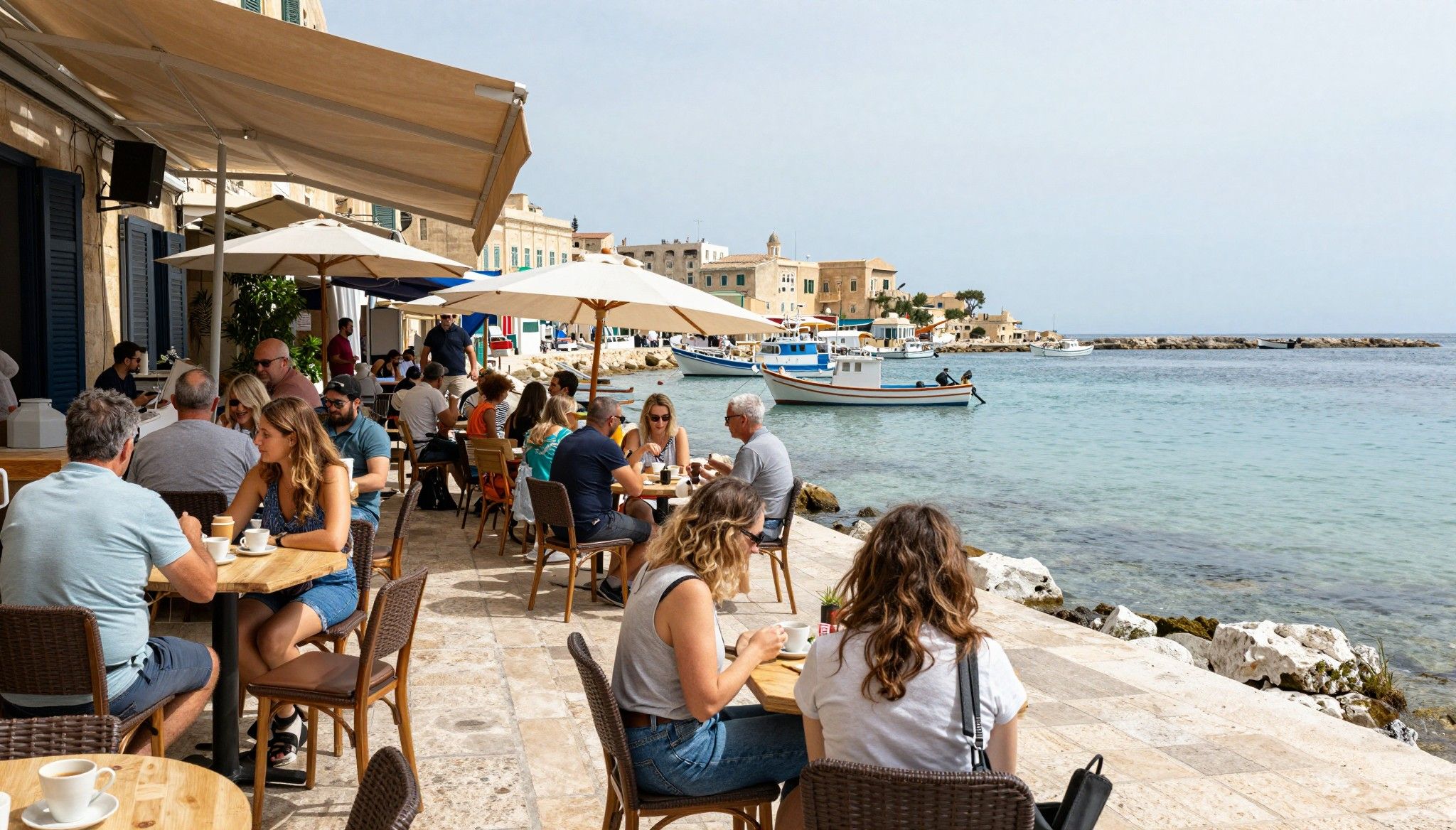
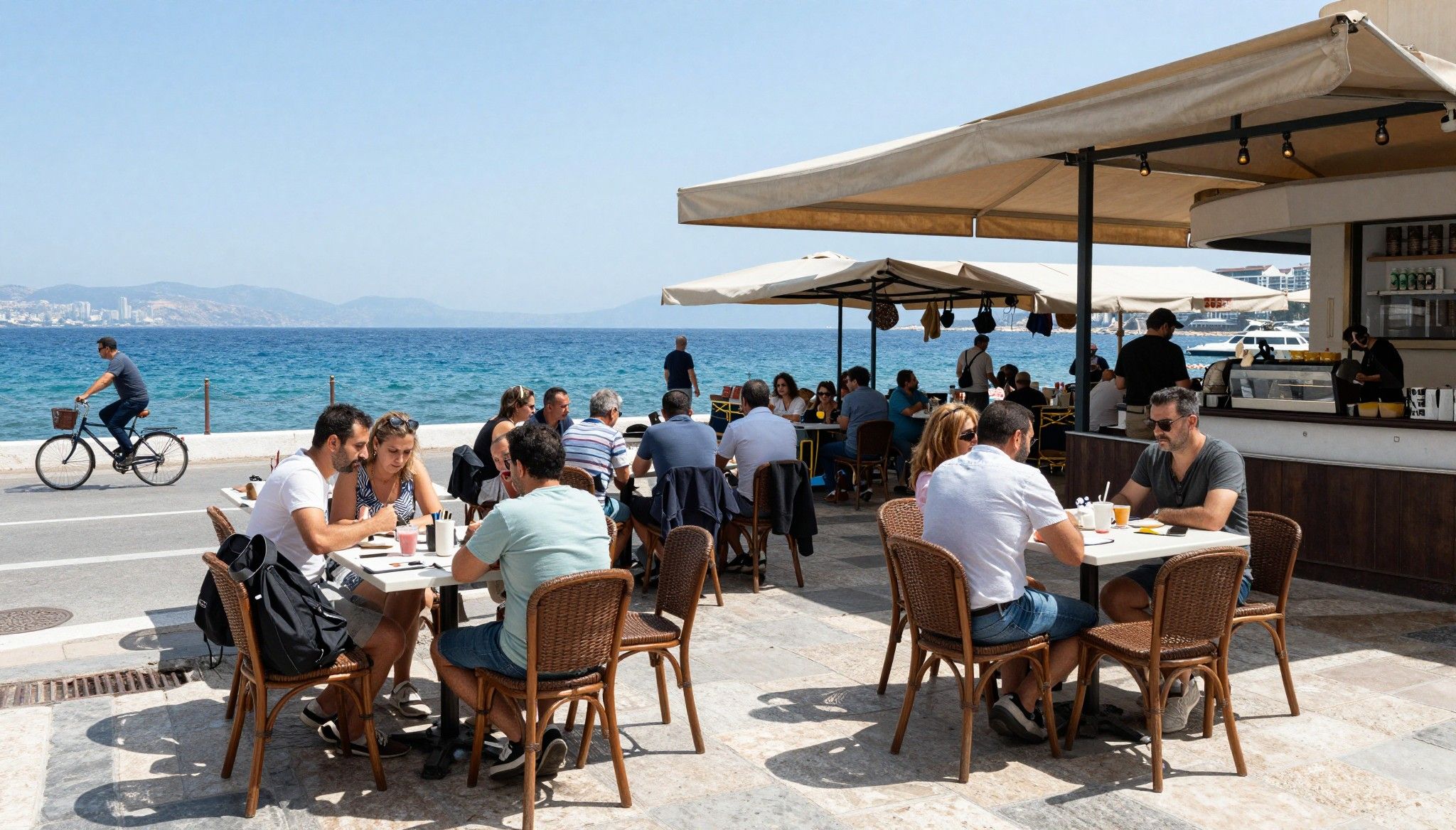
Imagine an espresso on Sliema’s promenade at 08:30, the harbour glassy, joggers passing by, and an apartment balcony two floors up where you can watch the ferry line. Now picture a Sunday in Marsaxlokk: fishermen mending nets, a market that smells of citrus and salt, and a low-rise maisonette with shutters and a rooftop view of the bay. Both scenes sell the Maltese dream—but the tradeoffs between streets, seasons and silences determine value more than the island’s postcard reputation. This piece compares two very different Maltas at street level so you can decide not by brochure but by daily life and hard facts.
Living the Sliema Lifestyle
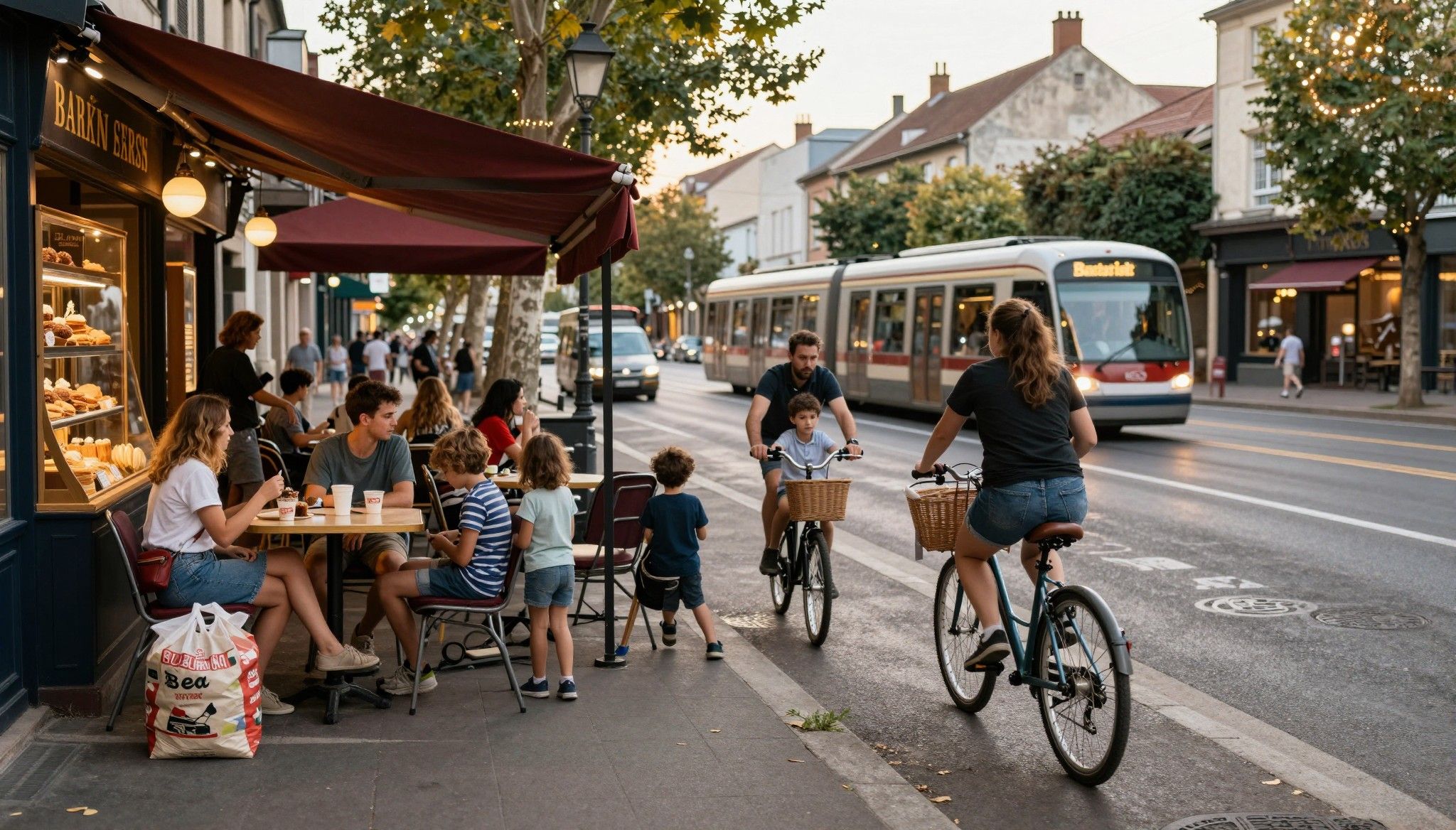
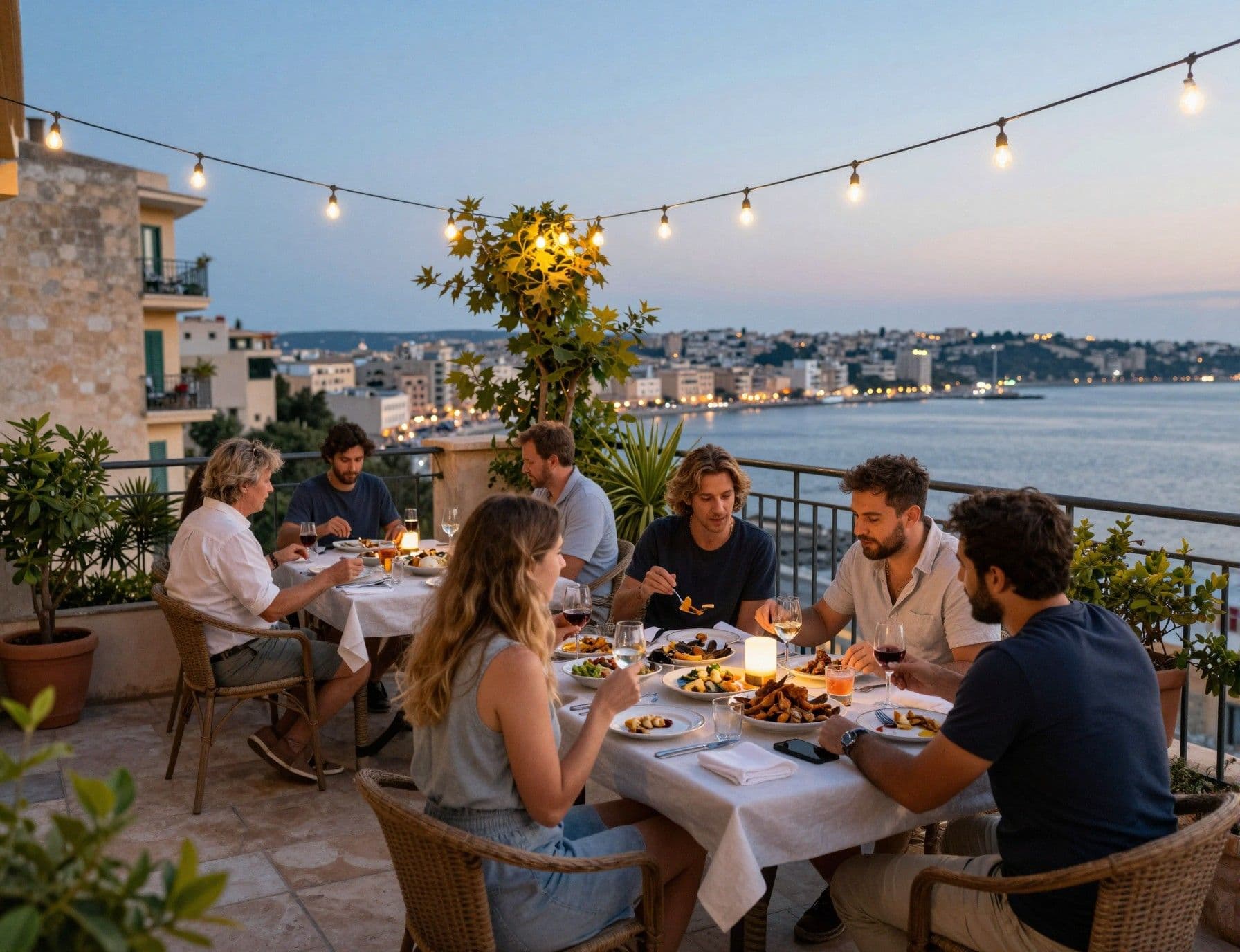
Sliema is Malta’s compact urban heartbeat: terraces stacked with apartments, narrow shopping streets, and a prom that pulses from morning coffee to late-night dining. Day-to-day life is walkable; local grocers, independent cafes, and fitness studios are a short stroll from most flats, which makes small‑footprint living surprisingly comfortable. For buyers who want an immediate social scene, reliable services and easy commuting to Valletta or St Julian’s, Sliema delivers. Expect higher per-square-metre prices here, but also stronger short-term rental demand and a steady stream of tenants seeking convenience.
Streets, cafés and the promenade
From Tower Road to Howard Street, Sliema’s rhythm is café culture and curated convenience: bakeries open at dawn, boutique delis, and late‑evening seafood restaurants along the seafront. Many international residents report finding community in small rituals — a favourite barista, a Sunday market stall, a pilates class — that make apartment living feel like neighbourhood living. For buyers, this means prioritising lower-floor apartments near the main streets if you value immediacy, or quieter side streets if you prefer privacy and slightly lower prices. Agencies experienced in Sliema will show you both the lifestyle map and the micro-pricing differences between a prom-facing flat and one two streets inland.
Who moves here and why
Professionals, young families and investors dominate Sliema’s buyer mix: English is widely spoken, international schools and offices are accessible, and rentals remain marketable year-round. The National Statistics Office shows continued price growth across Malta in 2024, which plays out in high-demand urban centres like Sliema. If you prioritise liquidity and frequent rental bookings, Sliema is pragmatic; if you want lower running costs and more square metres for your money, look elsewhere. Work with agents who provide transaction data, not just glossy photos.
Living the Marsaxlokk Rhythm
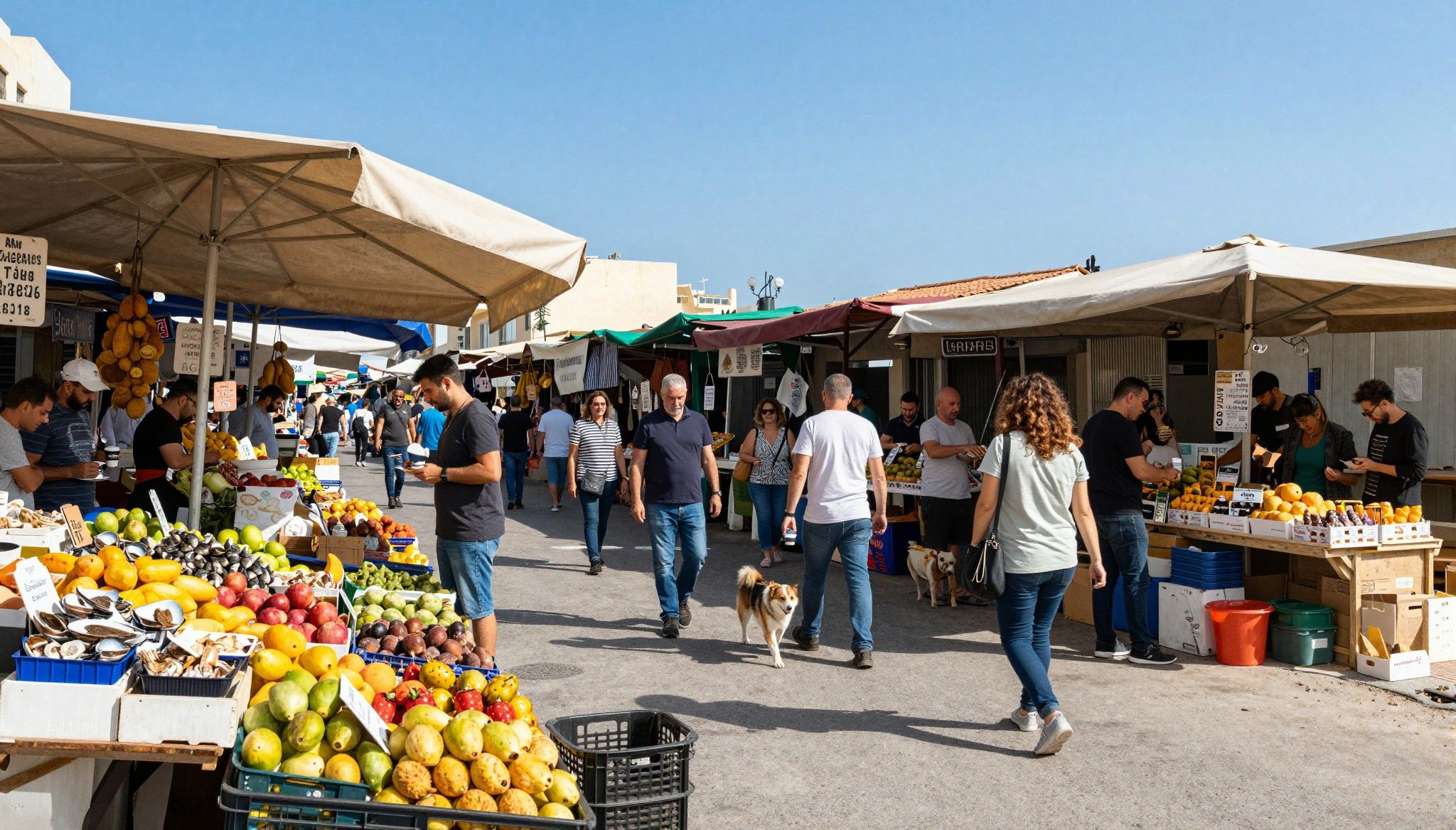
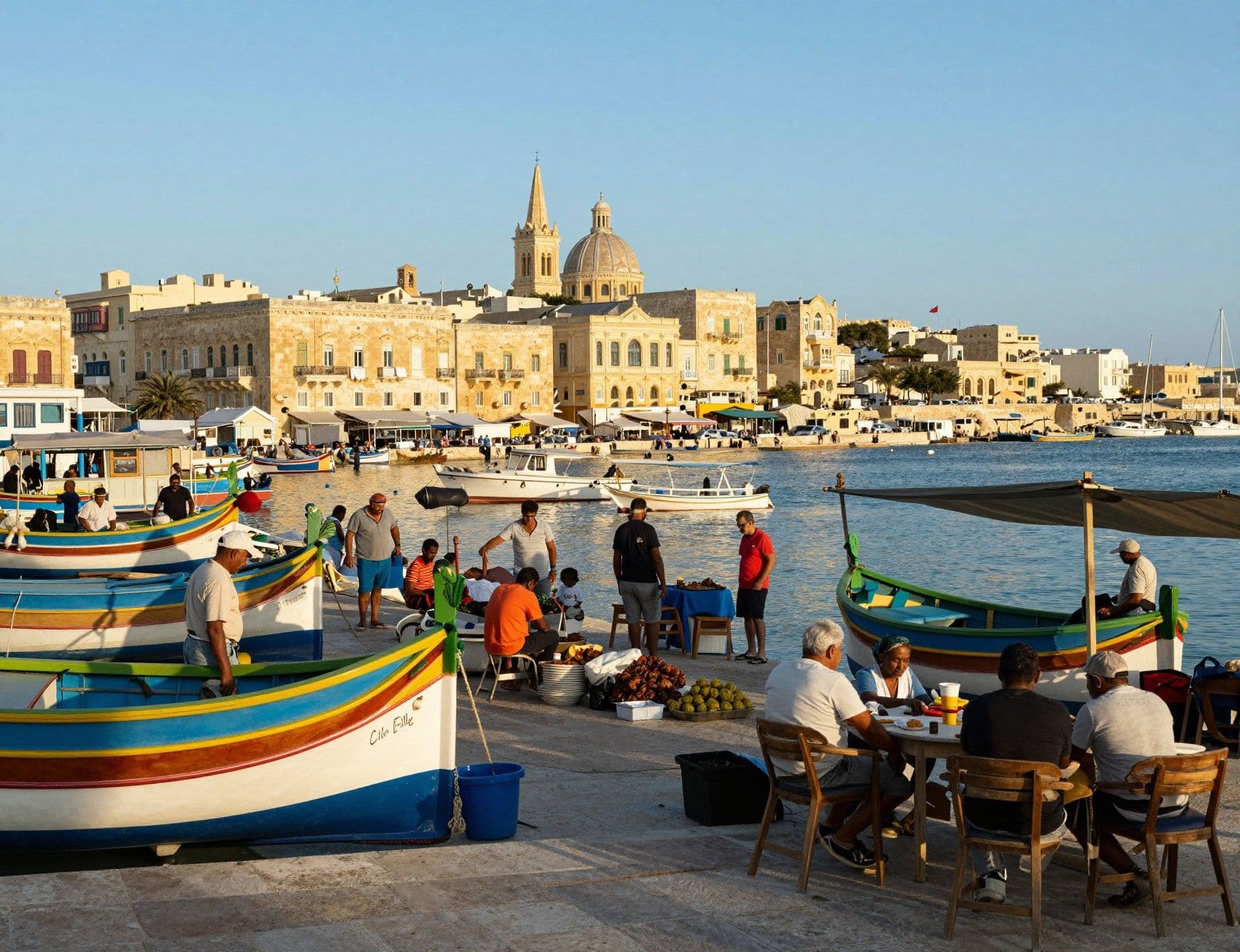
Marsaxlokk is slowened time: colourful luzzu boats bob in the shallow bay, family-run cafés sell lampuki (dorado) and the sea scents the air. Properties are lower, often traditional maisonettes or converted fishermen’s cottages, and the spatial feel is more village than city. For buyers craving a quieter coastal routine, community rituals like the Sunday fish market and evenings spent on the promenade replace the bustle of Sliema. But lower density means fewer services; consider driving or short commutes for schooling, healthcare and nightlife.
Daily life and seasonal swings
Marsaxlokk’s charm intensifies in shoulder seasons: spring brings market afternoons and quieter bays, while August tourist influx changes the tempo. The village’s rental appeal is strong for holiday lets but more seasonal than Sliema’s year-round bookings. Buyers should assess real rental yields against seasonal vacancy and factor in maintenance costs for older stone houses. Local agents who specialise in coastal villages can help spot properties with genuine year‑round appeal — for example, those with covered terraces or upgraded insulation that flatten the seasonality curve.
- Lifestyle highlights — street-level differences
• Sliema: immediate services, stronger rental liquidity, denser cafes and boutiques. • Marsaxlokk: sea air, slower pace, authentic market culture and larger outdoor spaces. • Sliema: better public transport links to Valletta and business hubs. • Marsaxlokk: often better value per square metre but more seasonal income. • Sliema: modern apartment blocks with lifts; Marsaxlokk: traditional stone houses, rooftops and terraces.
Making the Move: Property Considerations
Dreams meet due diligence here. Malta’s market is compact and activity is visible: transaction totals reached approximately €3.5 billion in 2024, reflecting steady demand across locations. That macro momentum affects micro decisions: renovation potential, lift access, roof ownership and permitted uses make a big difference to monthly living and resale. When comparing Sliema and Marsaxlokk, match the property type to how you actually want to live — not to a future ideal or a tourist season glimpse.
Property types and what they mean
Apartments in Sliema usually offer modern finishes and concierge-style living; maisonettes and terraced houses in Marsaxlokk give more private outdoor space but often need sympathetic renovation. Consider energy efficiency upgrades — insulation and double glazing — which have immediate comfort benefits and growing resale relevance in Malta. Check roof-ownership (widely prized) and the presence of common charges; older properties may have limited documentation, so insist on precise permit checks before committing.
- Practical steps to marry lifestyle with value
1. Spend three distinct days in each area: dawn, midday and evening to feel traffic, noise and community flow. 2. Demand transaction history for the street and building (ask for deeds and promise-of-sale data). 3. Get a local surveyor to estimate renovation and energy retrofit costs before offer stage. 4. Compare realistic rental projections for both year-round and seasonal scenarios. 5. Use an agency that offers bilingual contracts and knows permit history in Malta’s planning authority.
Insider Knowledge: What Expats Wish They’d Known
Many expats tell the same stories: falling in love with a postcard view, then discovering noise, logistics or permit headaches. Cultural integration in Malta is eased by English as an official language, but community integration still relies on small rituals — local clubs, church festas and market friendships. Understand that Malta’s small size makes every inconvenience feel larger: one roadworks project can reroute your commute. Use local contacts to decode the unspoken: which streets flood in heavy rain, where neighbours object to air-conditioning units, and which cafés close in November.
Language, community and the social map
English being widely used smooths transactions and daily life, but learning basic Maltese phrases earns goodwill. Many buyers recommend joining local associations — sports clubs, coastal clean-ups, or market volunteer groups — as the fastest route to feeling at home. Residency schemes and investment options exist but change periodically; always verify latest eligibility directly with official Maltese immigration sources before relying on them for purchase decisions.
Long-term lifestyle and resale considerations
Malta’s price growth in recent years has been notable; the NSO and industry reports point to mid-single-digit annual increases in 2024. That trajectory benefits central, service-rich areas for liquidity, while coastal villages may rely more on lifestyle buyers. Consider future-proofing: flexible living spaces that convert between short-term rentals and long-term tenancies increase marketability. An agency adept at local regulation and taxation nuances is a practical partner for any long-term plan.
If Sliema suits your daily tempo and you value liquidity, expect to pay for proximity; if Marsaxlokk offers the life you want, factor in seasonality and infrastructure tradeoffs. Spend time in both places across different months, ask sellers for transaction records, and brief a surveyor early. When you pair a clear lifestyle brief with local transactional data, you trade romantic guesses for actionable choices. Reach out to agents who can map street-level life to deed-level facts — that’s where good buying decisions begin.
British investor turned advisor after buying in Costa del Sol since 2012. Specializes in cross-border compliance and data-driven investment strategies for UK buyers.