Malta: The Lifestyle Premium Worth Paying (And When Not To)
Malta delivers concentrated Mediterranean living — terraces, festas and promenades — but rising prices and tight supply mean lifestyle fit, timing and local expertise matter more than chasing views.
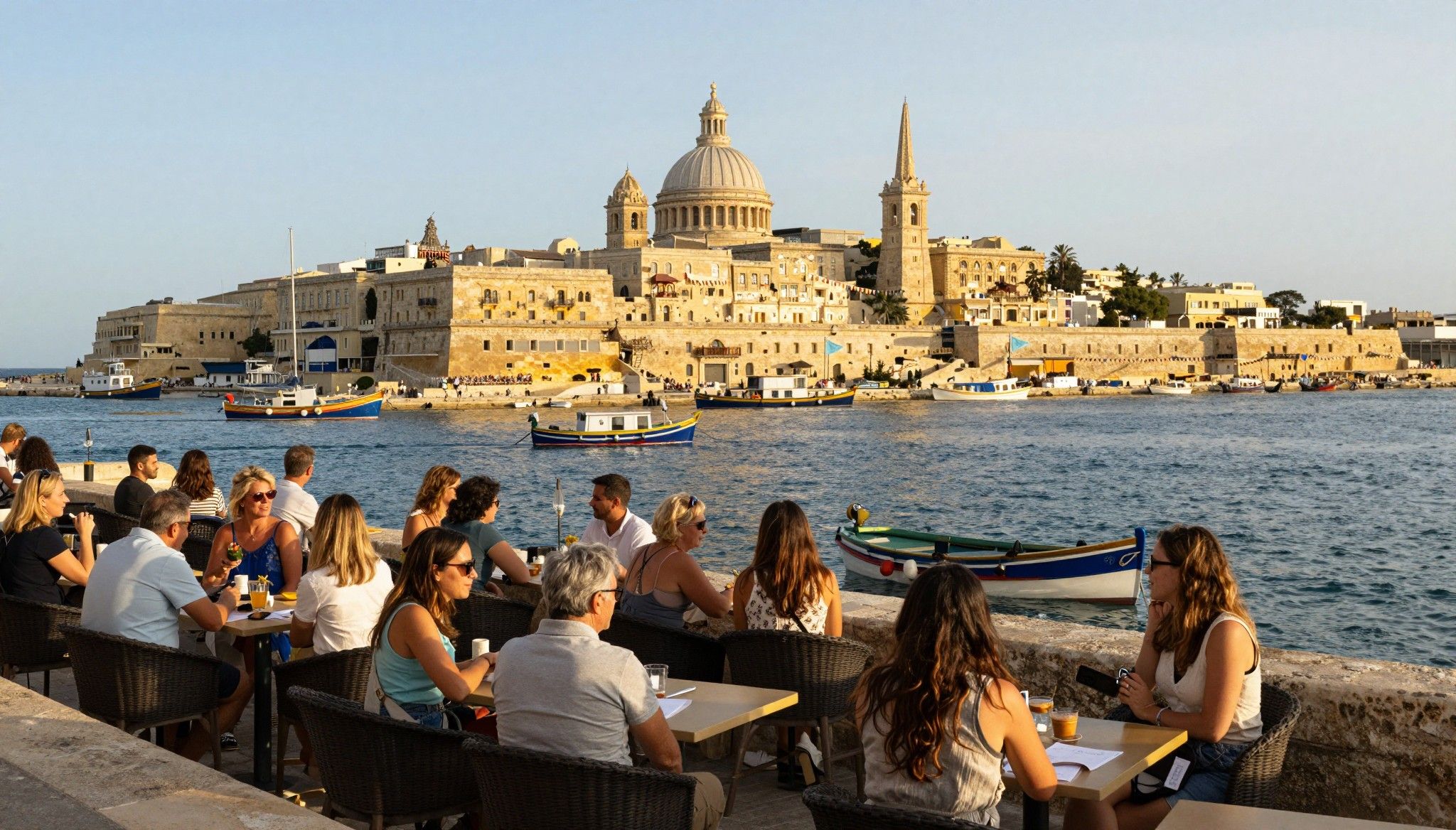
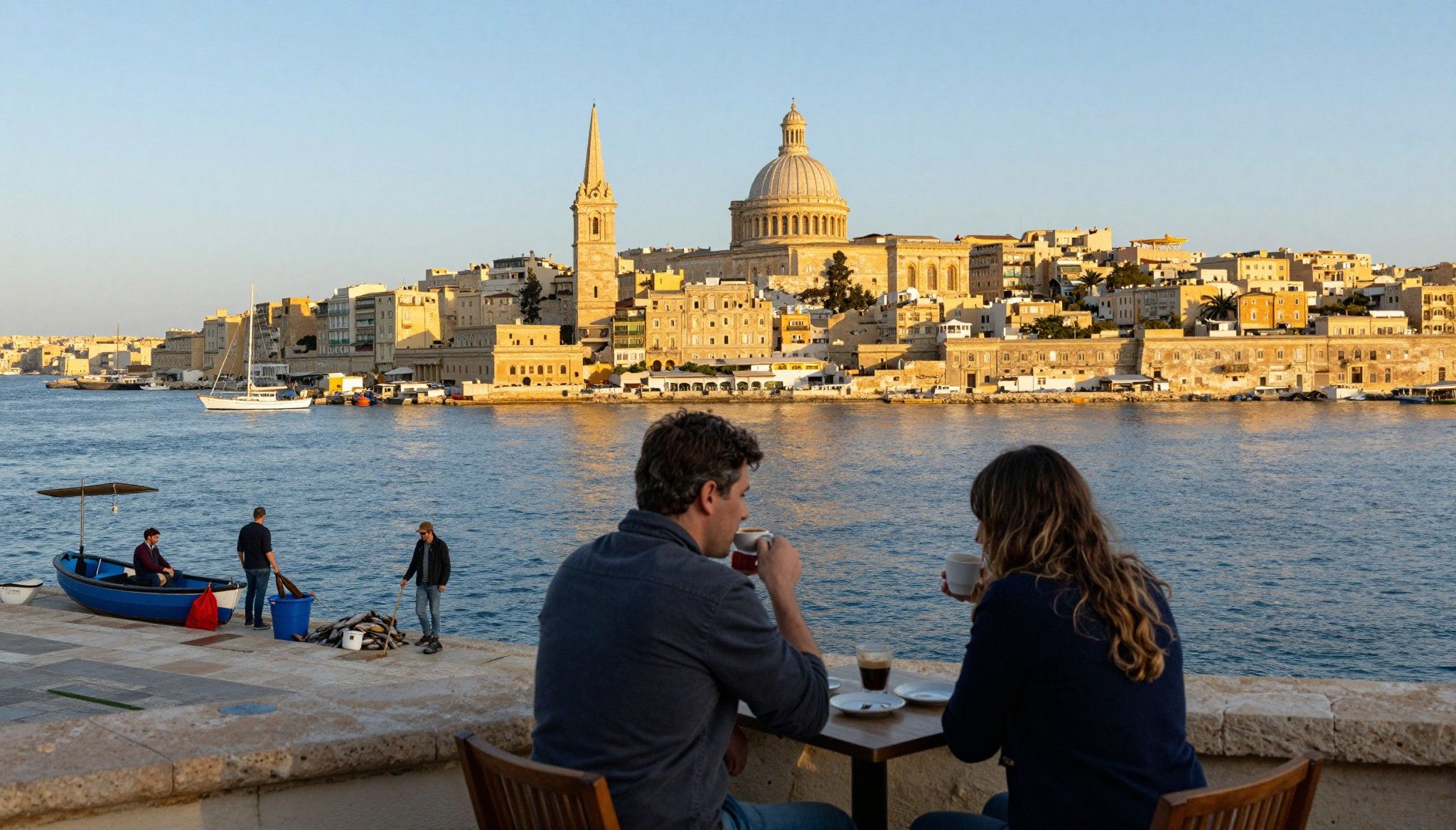
Imagine sipping espresso on Sliema’s Tower Road at 09:00, then walking a short ferry ride to Valletta for an afternoon at a cathedral‑square festa. That compact, neighbourhood‑by‑neighbourhood rhythm is Malta: intense, sunlit and surprisingly walkable. For international buyers, the island’s appeal is visceral — English widely spoken, Mediterranean light, and seaside life within 20 minutes of central hubs. But behind the postcard is a market with real pressure on prices and supply, so the lifestyle and the numbers must both fit your plan.
Living the Malta life
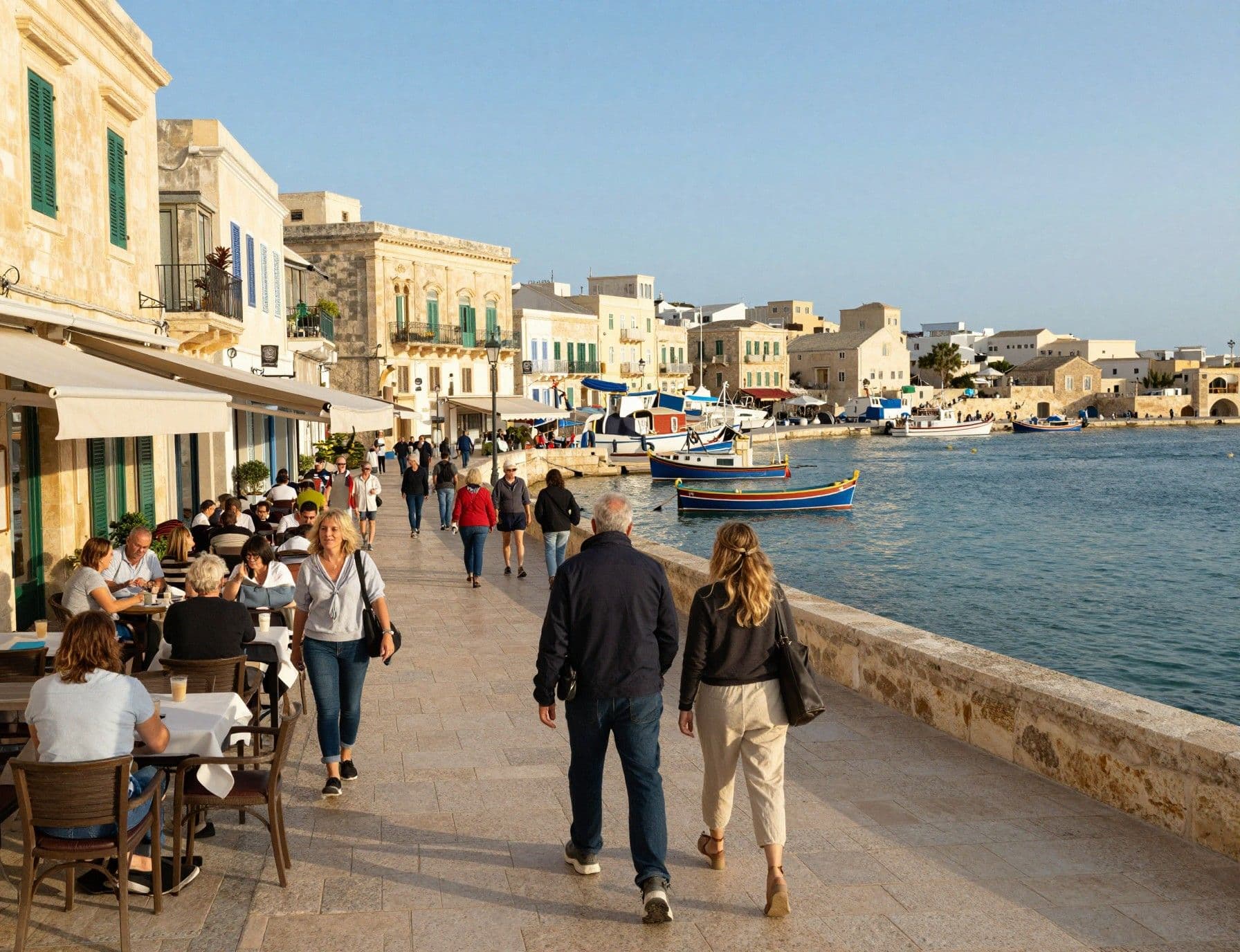
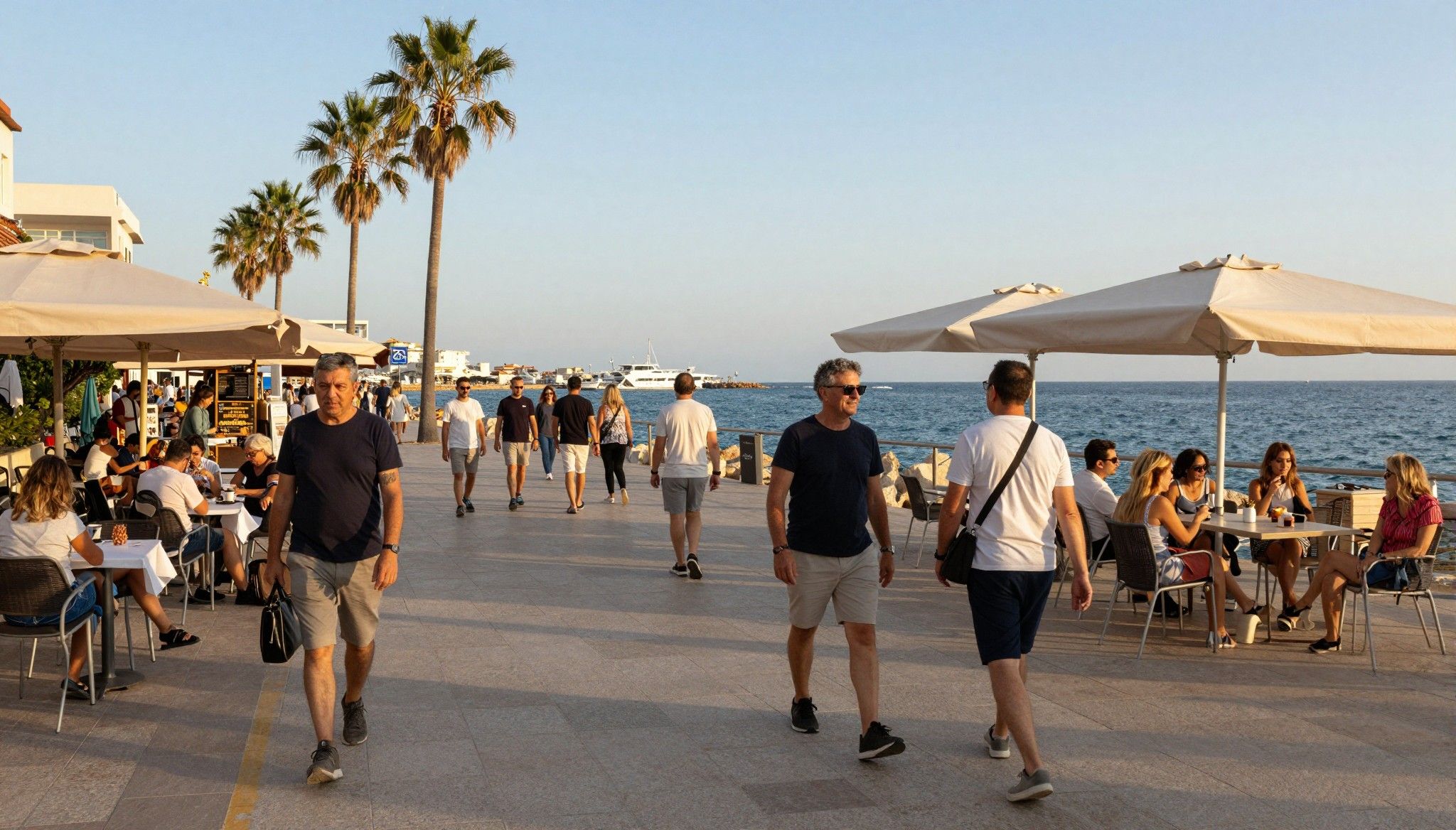
Malta’s daily life feels dense and neighbourly. Streets are lined with limestone balconies, cafés pour ristretto into small cups, and parish festas punctuate the year with fireworks and band marches. Coastal promenades — Sliema and St Julian’s in particular — mean you can live where people stroll, cycle and meet after work, while quieter towns such as Mellieħa or Marsaxlokk offer slower weekends and bigger terraces. Choosing where you buy will determine whether your life is promenade‑centric, festival‑oriented or quietly coastal.
Neighbourhood spotlight: Valletta, Sliema, St Julian’s
Valletta is intimate: narrow streets, baroque facades and the steady hum of museums and cafés. Sliema trades historical intimacy for a broad seafront, a young expat population and practical shopping. St Julian’s leans social — Spinola Bay’s waterfront restaurants, Paceville’s nightlife pockets, and apartment towers that appeal to renters and short‑stay demand. Each area pours a different daily rhythm into a property decision: choose Valletta for architectural character, Sliema for everyday convenience, St Julian’s for a social, rental‑friendly life.
Food, markets and weekend life
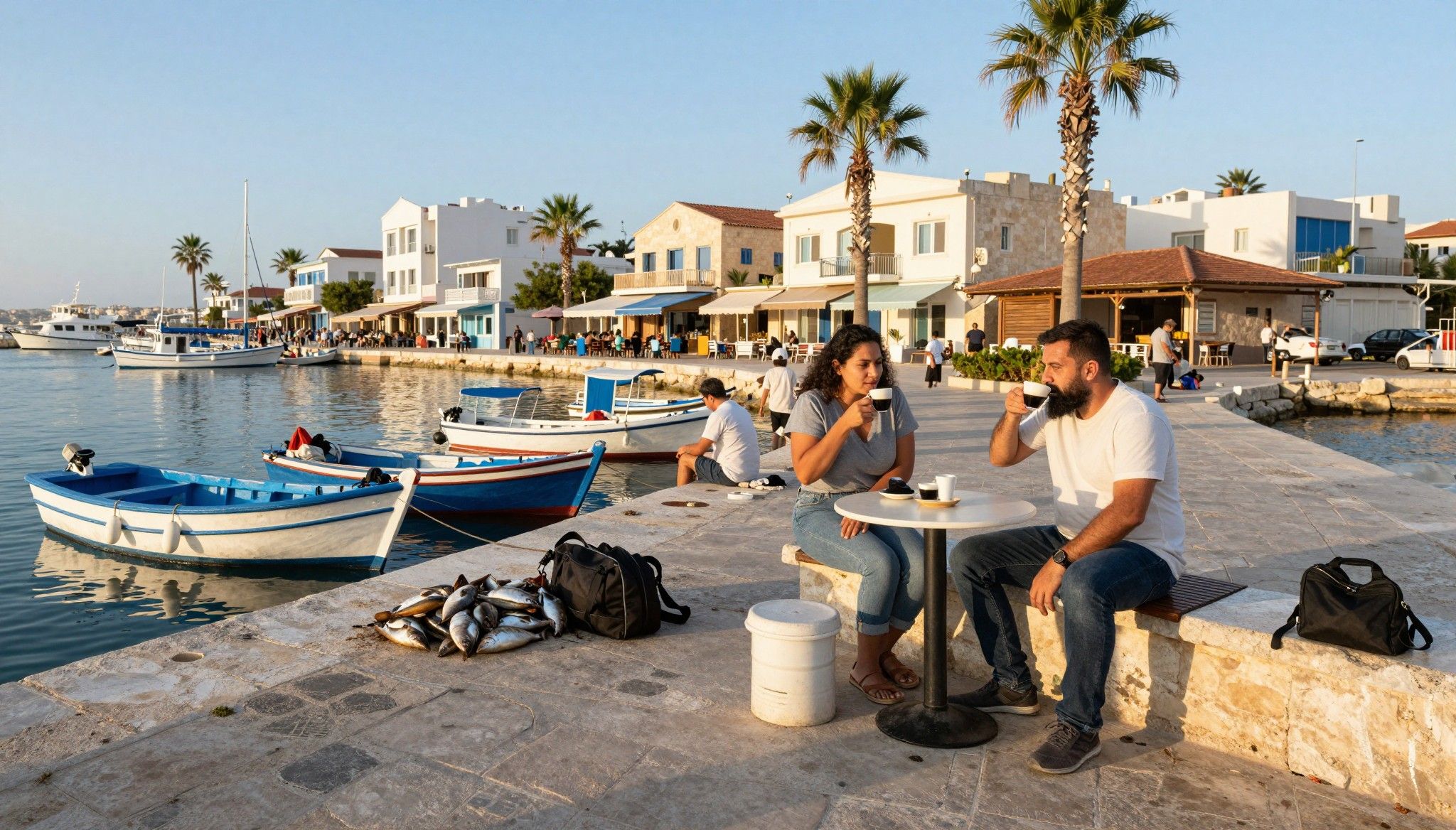
Weekends in Malta move at market pace: early fish markets in Marsaxlokk, lunchtime pastizzi in a narrow alley, and evenings with lampuki (local fish) grilled beside the harbour. Cafés are social offices — you’ll find expats and locals exchanging news over coffee. Culture is tactile: festas, open‑air theatre in summer and small galleries in Valletta that pulse with creative energy. That texture of daily life is what many buyers pay for; it’s also what defines which floor plan, orientation or balcony you’ll value most.
- Lifestyle highlights: • Morning espresso at Spinola Bay cafés • Sunday fish market in Marsaxlokk • Strolls along Sliema’s Tower Road promenade • Festa weekends in village squares (May–September) • Sunset swims at Għajn Tuffieħa or St George’s Bay
Making the move: lifestyle‑meets‑property realities
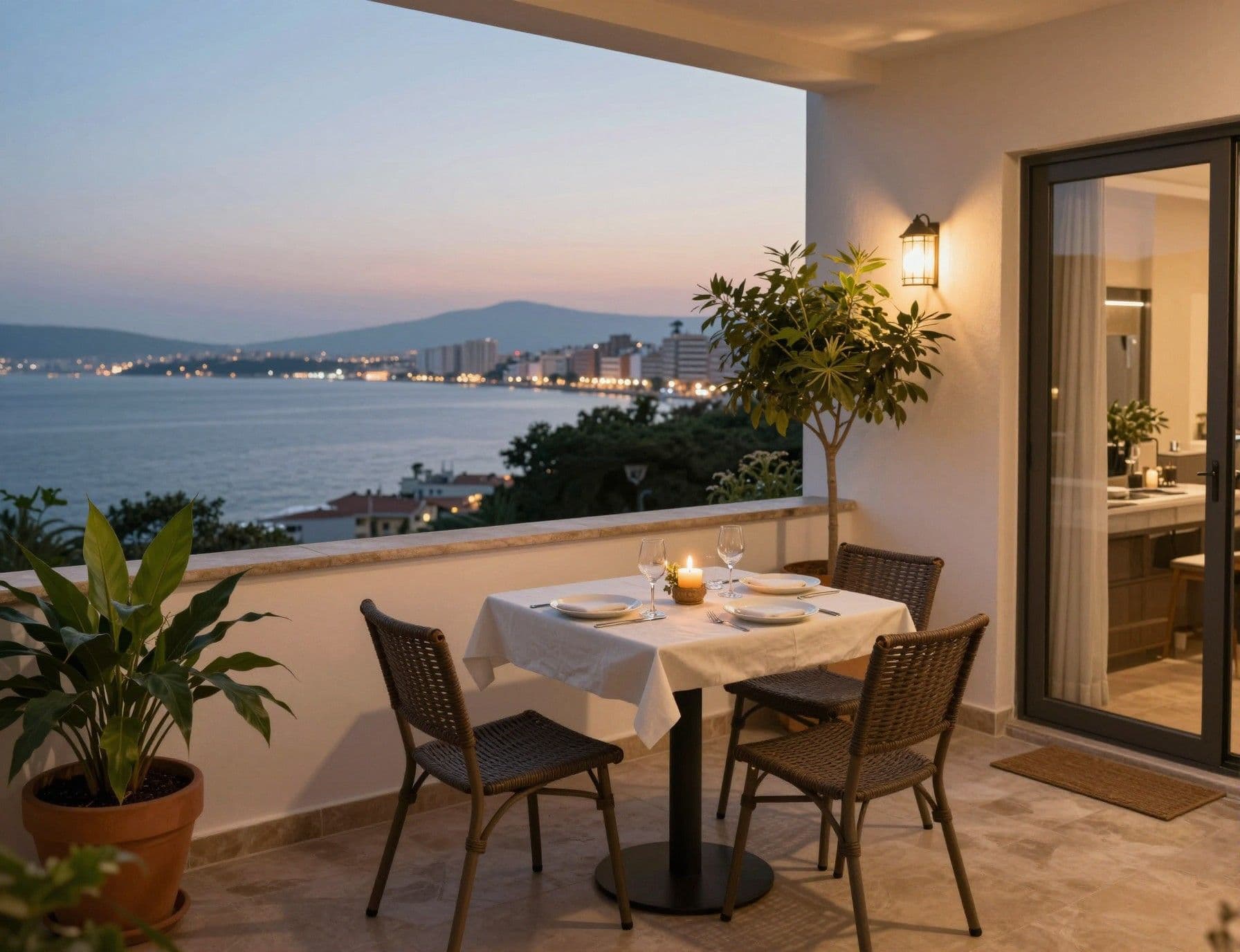
Malta’s market has been firm: official price indices show steady appreciation in recent years, and industry reports note pressure on rental stock and affordability. That means competition for well‑located apartments and a premium for seafront or newly refurbished units. For a lifestyle buyer this translates into two practical imperatives: prioritise neighbourhood fit over chasing short‑term bargains, and factor in renovation scope for older properties where character may come with maintenance needs. Data matters here because lifestyle premiums are real and persistent.
Property styles and what they mean for living
Apartments and converted maisonettes dominate central Malta; larger family homes are easier to find on the north and west coasts. Traditional houses of character reward with high ceilings and internal courtyards but often require structural upgrades and periodic stonework. New builds offer predictable specifications, modern systems and often communal amenities, but can sit further from the island’s historic cores. Match property type to how you want to live: courtyard mornings, terrace dinners, or easy‑maintenance apartment life.
Working with local experts who know the life
- How local advisors protect the lifestyle you’re buying: 1. They map micro‑neighbourhoods — which street gets festival noise and which faces the morning sun. 2. They check permit history and renovation feasibility for limestone façades. 3. They know rental dynamics if you plan to let during absence. 4. They translate local customs — e.g., parish festa schedules that affect short‑term rental demand. 5. They connect you to reliable contractors who understand Malta’s building stone and climate.
Insider knowledge: what expats wish they’d known
Expat buyers often discover two surprises: first, that summer isn’t always the best time to house‑hunt — the island’s population swells and viewings are crowded; second, that some streets everyone dismisses as ‘noisy’ are vibrant with life during festas and make excellent social neighbourhoods off‑season. Locals judge a street by rhythm, not silence. Learning those rhythms helps you choose a home that suits year‑round living rather than holiday snapshots.
Cultural integration and everyday life
English as an official language eases bureaucracy and daily life, but social belonging is earned through presence: regular café stops, participation in local fêtes, and neighbourhood rituals. Church and village calendars still shape weekends, and small‑scale volunteering or joining a club unlocks invitations to community tables. For buyers, that means choosing a place where you can realistically attend the moments that matter — not just pick a pretty façade from a photo.
Long‑term lifestyle: growth, resilience and what to watch
Malta’s geography limits land supply and that scarcity keeps upward pressure on central locations. Expect continuing demand for rental stock from international workers and students, which supports rental income but can raise management complexity. Watch policy changes around residency programmes and short‑term lets, since regulatory shifts materially affect returns. A lifestyle purchase should therefore carry flexibility: space for guests, easy maintenance and realistic expectations on resale timing.
- Practical checklist before making an offer: • Walk the street at different times (weekday morning, festa evening, Sunday market) • Verify permits and renovation limits for limestone façades • Ask local agents about rental demand by month • Budget for maintenance that reflects sea exposure (stonework, metalwork) • Confirm access to the services you need (healthcare, schools, grocery)
Conclusion: live the life you can sustain. Malta hands you concentrated, social Mediterranean living — terraces, fishing boats, and festivals — but that life sits beside a competitive, supply‑constrained market. Start with the lifestyle rhythm you want, use data to shape your budget, and work with local specialists who translate streets into daily experience. When lifestyle and practical planning align, Malta becomes not just a purchase but a place to belong.
Dutch investment strategist with a Portugal-Spain portfolio. Expert in cross-border financing, rights, and streamlined due diligence for international buyers.