Greece: The Neighbourhood Tourists Miss — Where Locals Buy
Discover Greece’s neighbourhoods tourists miss — where locals live, prices hold, and lifestyle meets long‑term value, with data and legal notes for confident offers.
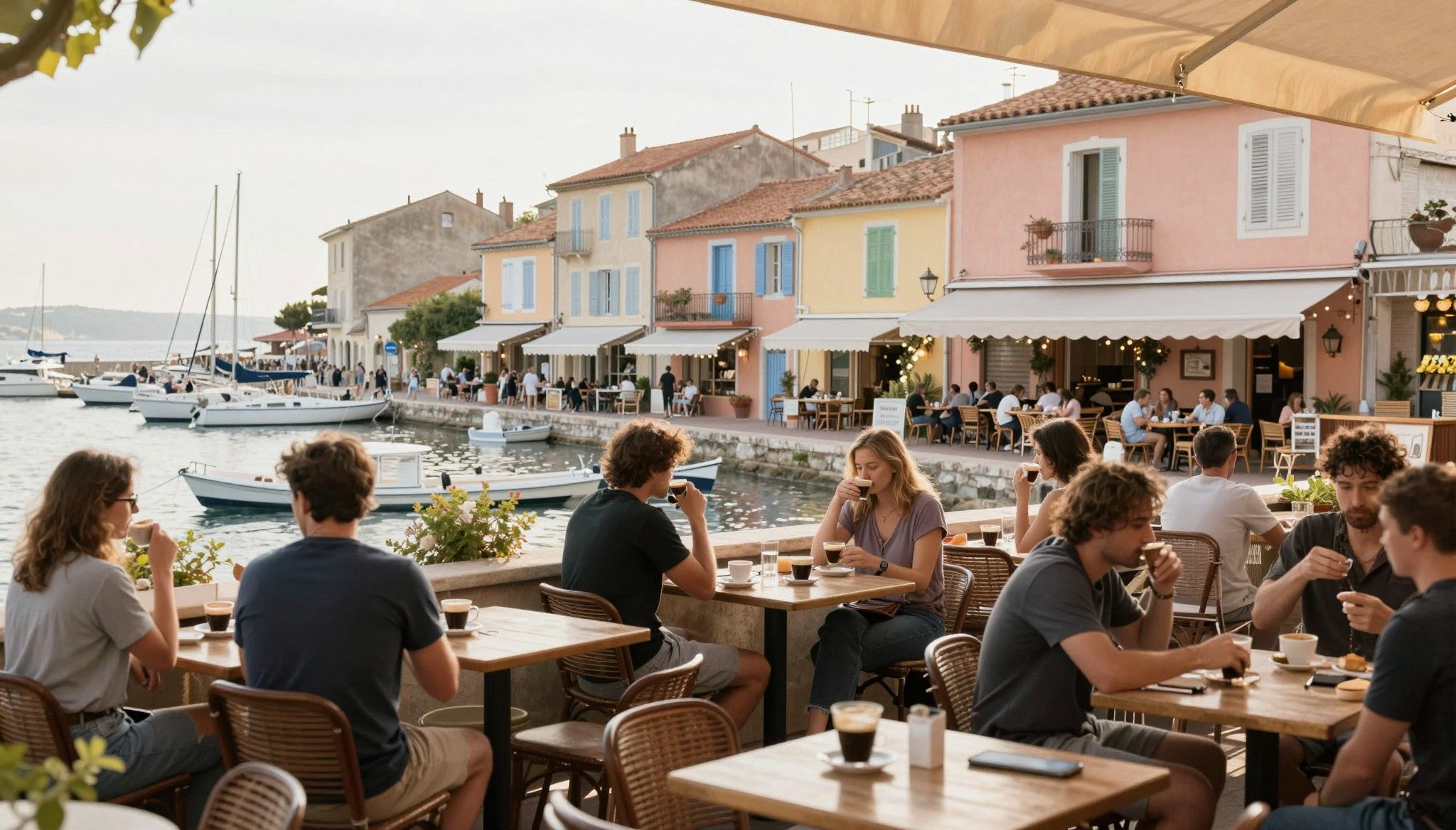
Imagine strolling a late‑afternoon lane in Koukaki — espresso cupped warm, children chasing a ball outside a neighbourhood taverna, a rooftop with a dozen potted herbs catching the light. That low‑key scene is what many buyers want: authentic daily life, short markets, and neighbours who know your name. In Greece the places that deliver that rhythm are often the ones tourists skip, and precisely where sensible international buyers find better value and lifestyle alignment.
Living the Greece lifestyle: small streets, big life
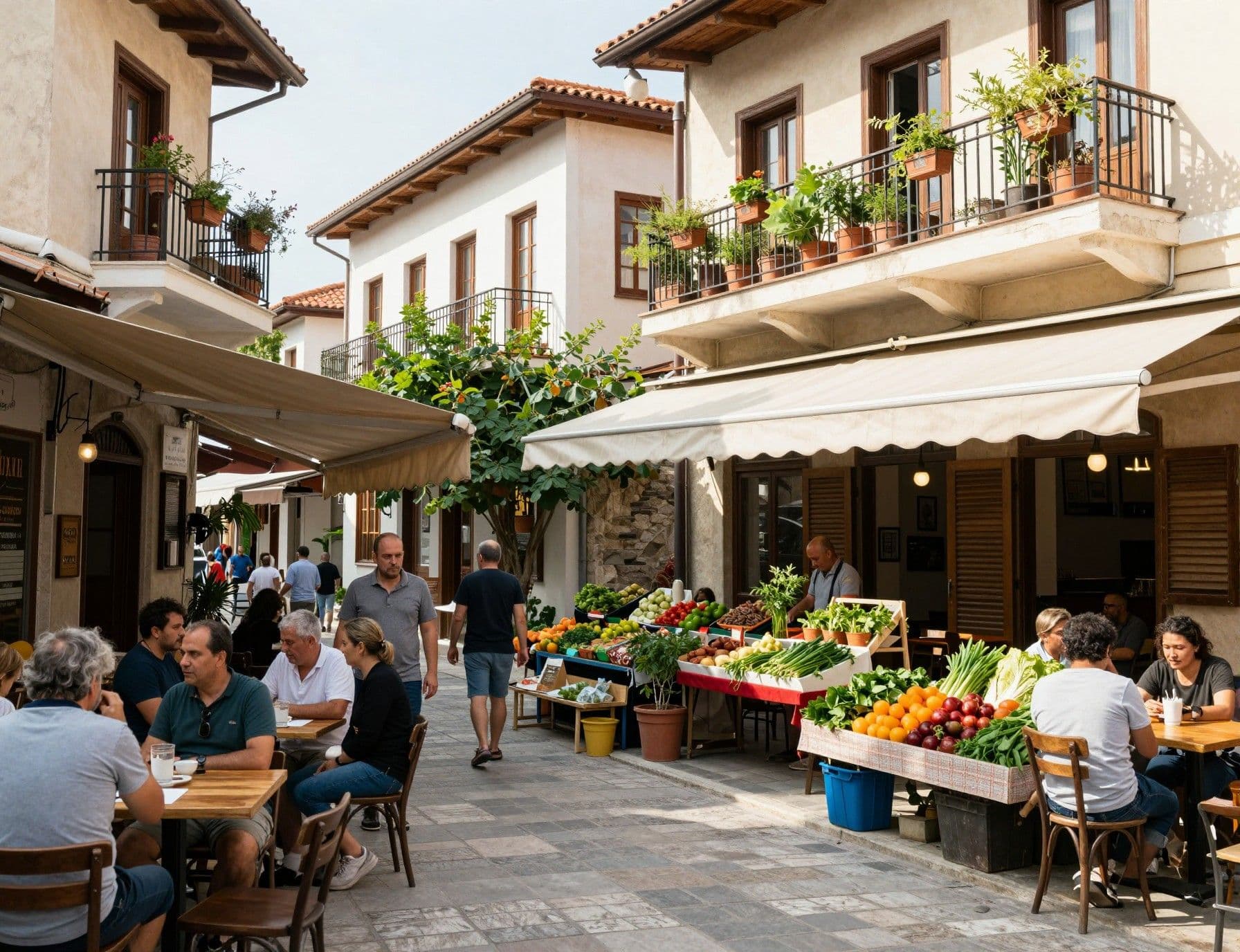
Greece’s everyday life is tactile: morning markets, late dinners, and narrow streets where scooters thread between produce stands. Recent housing indices show price growth concentrated in urban centres and select islands, but that doesn’t mean every coastal town is priced the same — neighbourhood choice matters as much as region. Knowing where locals actually live matters for both lifestyle and price resilience.
Athens: beyond Plaka — where residents buy
Walk from Acropolis viewpoints into Koukaki, Petralona and Pangrati and you’ll trade tourist bustle for neighbourhood cafés, small galleries and weekday markets. These areas combine reasonable walking access to central Athens with quieter streets, local schools and more realistic long‑term rental demand — the practical benefits that matter if you want a lived‑in address rather than an Instagram backdrop.
Coastal pockets: overlooked towns with authentic life
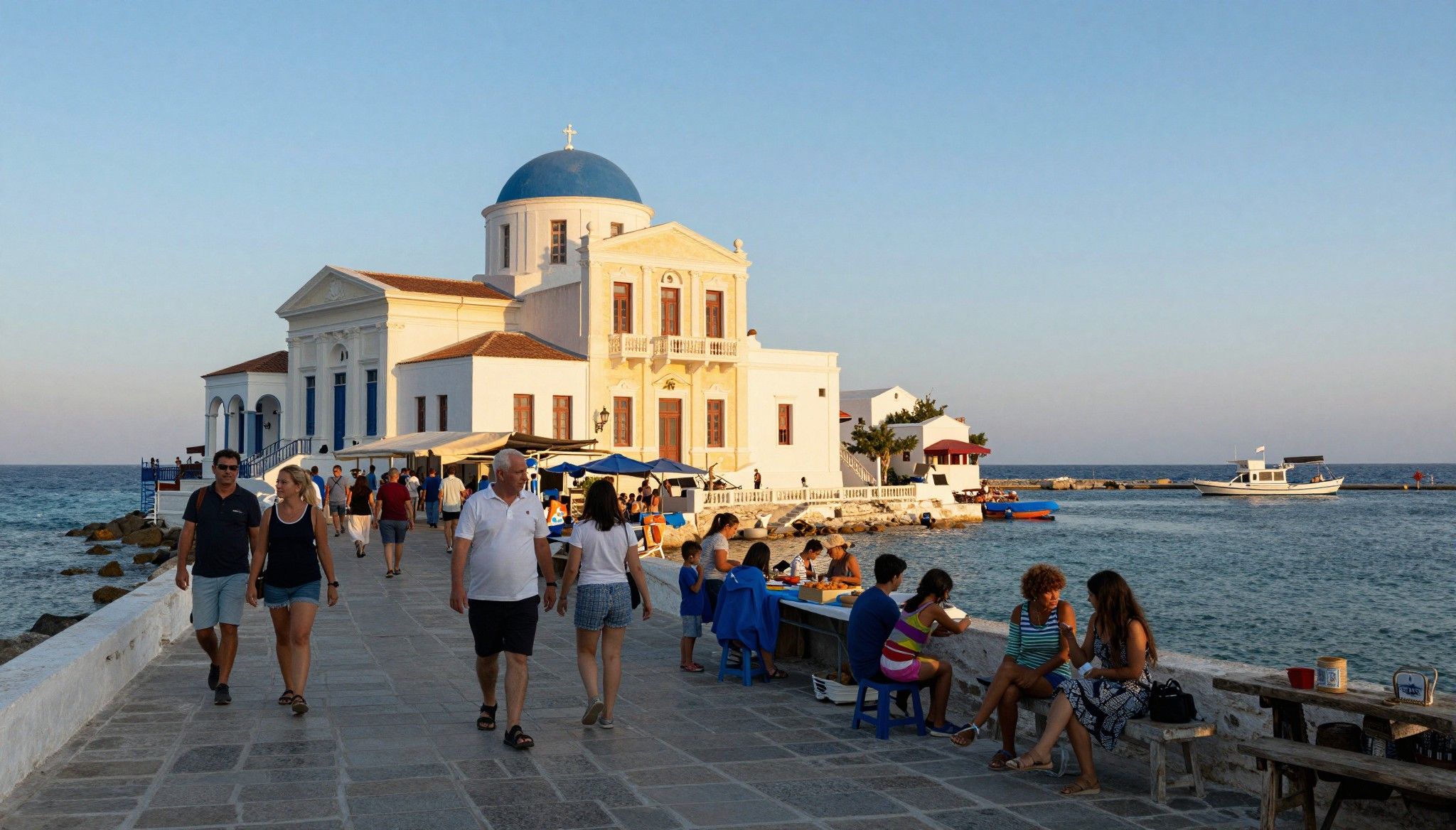
On the mainland and larger islands you’ll find working harbours and small beaches where fishermen still mend nets. Places such as Agios Nikolaos (Crete), Parikia outskirts (Paros) and parts of Corfu Town offer everyday amenities and a calmer seasonality than Mykonos or Santorini, with properties that support year‑round living rather than purely seasonal rental spikes.
- Lifestyle highlights you’ll actually use
- Koukaki (Athens) cafés and roof terraces — morning markets nearby
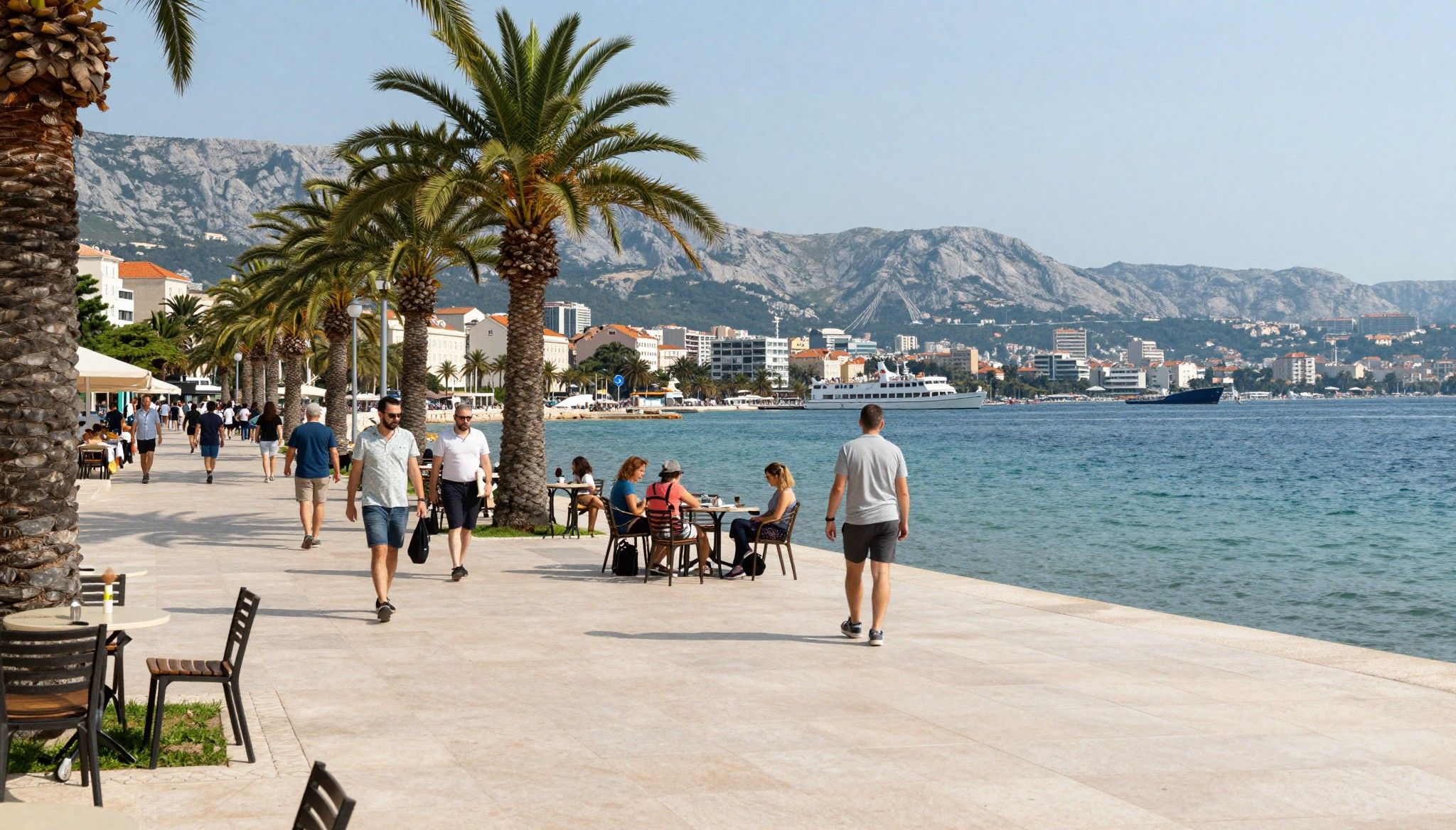
- Glyfada and Vouliagmeni suburbs — seaside promenades with local shops
- Agios Nikolaos (Crete) harbour life and year‑round community
Making the move: match property type to how you’ll live
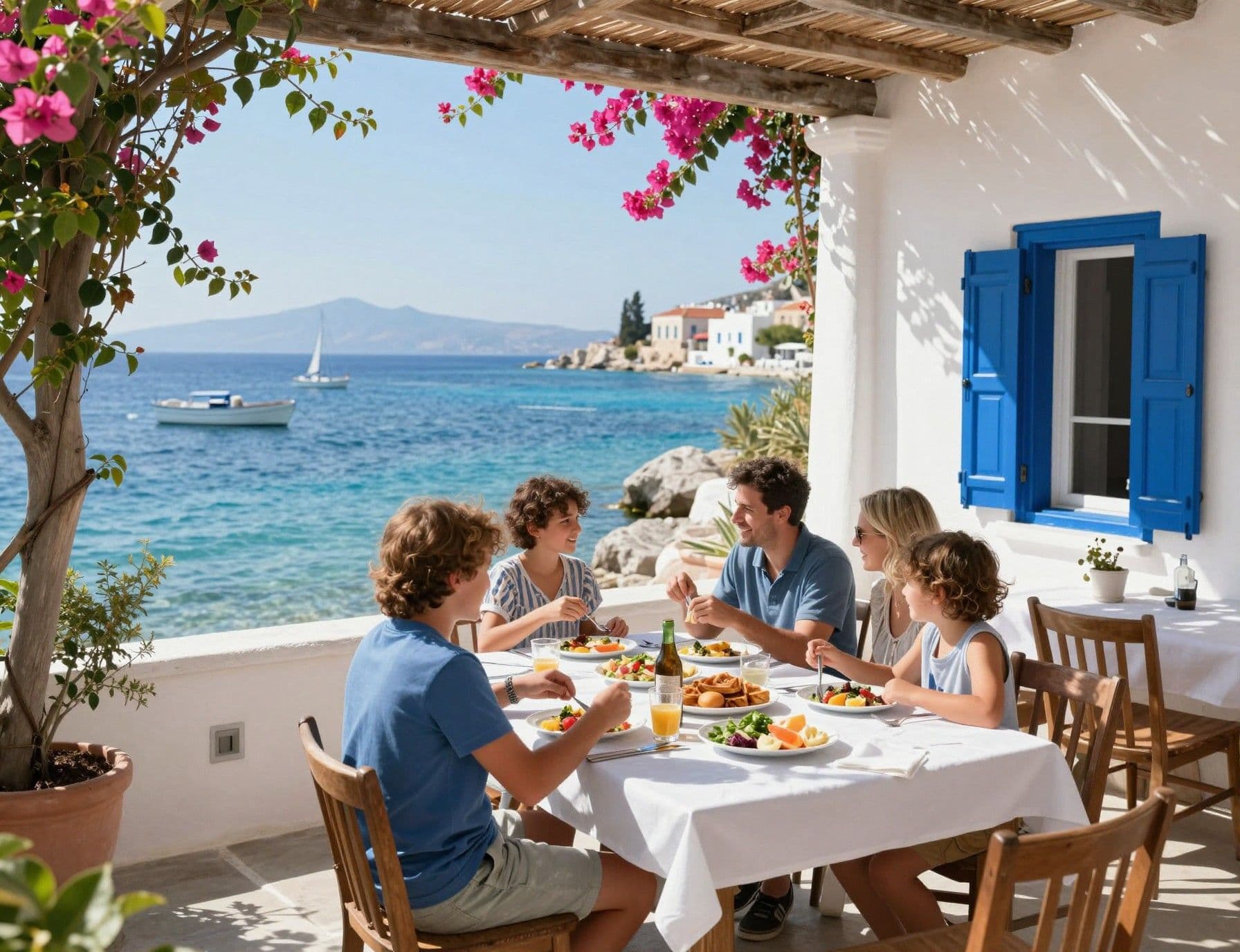
Dreams meet reality when you pick a property type that supports the life you pictured. Apartments in Athens offer proximity to culture and short commutes; townhouses on larger islands give garden space and privacy; restored stone homes inland offer quiet and character. Recent legal changes to residency‑by‑investment mean buyers should check thresholds and conversions before assuming a purchase equals a visa benefit.
Property styles and the life they let you lead
Choose an apartment near a metro stop if daily commutes, cafés and theatres matter. Opt for a renovated maisonette or small house when you want a garden and seasonal privacy. For a coastal second home, prioritise insulation and shutters — the hot, humid summers and winter storms on some islands make climate adaptation an underrated feature.
Working with local experts who know the street rhythm
A local agent who knows which streets host long‑term residents versus short‑term rentals changes outcomes. They can identify quiet blocks, renovation constraints, and micro‑market rental demand. Legal counsel should review change‑of‑use rules and how the Golden Visa thresholds affect eligibility — recent expert notes flag conversion options and new minimums in protected buildings.
- Practical steps to align lifestyle and purchase
- Visit neighbourhoods at different times: morning market, late evening, midweek — sense daily life and noise patterns.
- Ask about utility reliability and insulation; heat and humidity matter for comfort and maintenance costs.
- Confirm planning rules for conversions and extensions — many charming buildings sit in conservation zones with strict rules.
- Check rental demand seasonality — a year‑round local community supports steadier long‑term returns than purely summer rentals.
Insider knowledge: what expats wish they’d known
Expats tell the same small truths: getting used to slower public services is part of settling in, local friendships shape happiness more than a high‑end finish, and ownership in a lived‑in street gives social capital that a postcard address rarely provides. Macro data shows urban apartment prices rose unevenly in recent quarters; this supports a strategy of targeting local‑favoured streets rather than headline hotspots.
Cultural integration and daily life
Learn basic Greek phrases and attend local festivals; being visible at weekend markets or local panigiria speeds integration. Many communities organise seasonal events — these are not tourist spectacles but life rituals that embed you in neighbourhood networks and create a sense of home.
Long‑term lifestyle: how places change over five years
Expect gradual change: neighbourhoods near transport nodes or new cultural projects tend to strengthen, while purely tourist lanes can swing between boom and bust. When you buy where locals invest — bakeries, dentists, schools — you anchor value in real life, not seasonal interest.
- Red flags local buyers notice
- Too many short‑term rentals on a single block — quieter streets attract long‑term tenants.
- Empty ground‑floor shops — indicators of weak daytime economy.
- Signs of deferred maintenance on communal roofs or façades — common and costly to fix.
Before you make an offer, walk the block at 08:00, 13:00 and 21:00. Talk to a shop owner or neighbour; their answers reveal more about daily life and potential headaches than any listing description.
Practical next steps: prioritise neighbourhood visits, commission a local survey, and review recent utility bills. Confirm whether your property purchase intersects with Golden Visa thresholds or conservation rules; recent law changes introduced higher thresholds but left conversion routes for restoration projects, which some buyers use to access lower minimums.
If you’re ready to make the move, start with three things: a shortlist of streets, a trusted local agent who knows those streets, and legal counsel familiar with recent residency and conversion law changes. Those steps turn a dreamy lane into an address you’ll actually live in.
Swedish strategist who relocated to Marbella in 2018. Specializes in legal navigation and tax planning for Scandinavian buyers.