Croatia: Where Lifestyle Premiums Outpace the Postcard
Fall for Croatia’s rhythms — then use house‑price indices, transaction data and local expertise to separate lifestyle premiums from short‑season hype.
Imagine waking on a narrow Dalmatian street to the sound of a baker stacking warm kifle and the sea-salt air drifting from the harbour. That sensory clarity is why buyers fall for Croatia: compact historic centres, precise coastal light, and neighbourhood rhythms that change with the seasons. But behind that romance there are real, measurable forces — rising coastal demand, inland spillover and policy shifts — that shape prices and timing. This piece blends the sensory with the statistical so you can love the place and buy with evidence.
Living the Croatia lifestyle
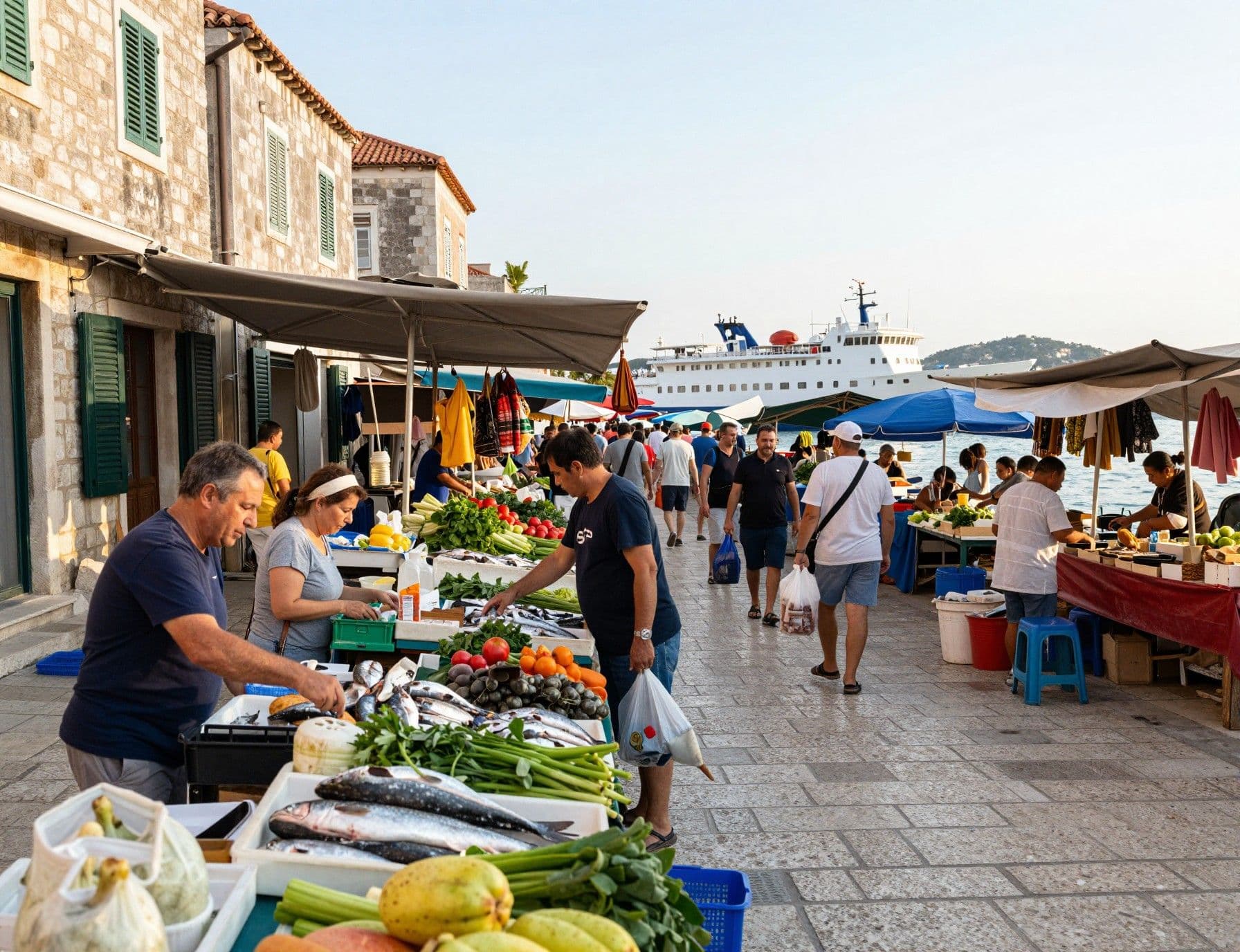
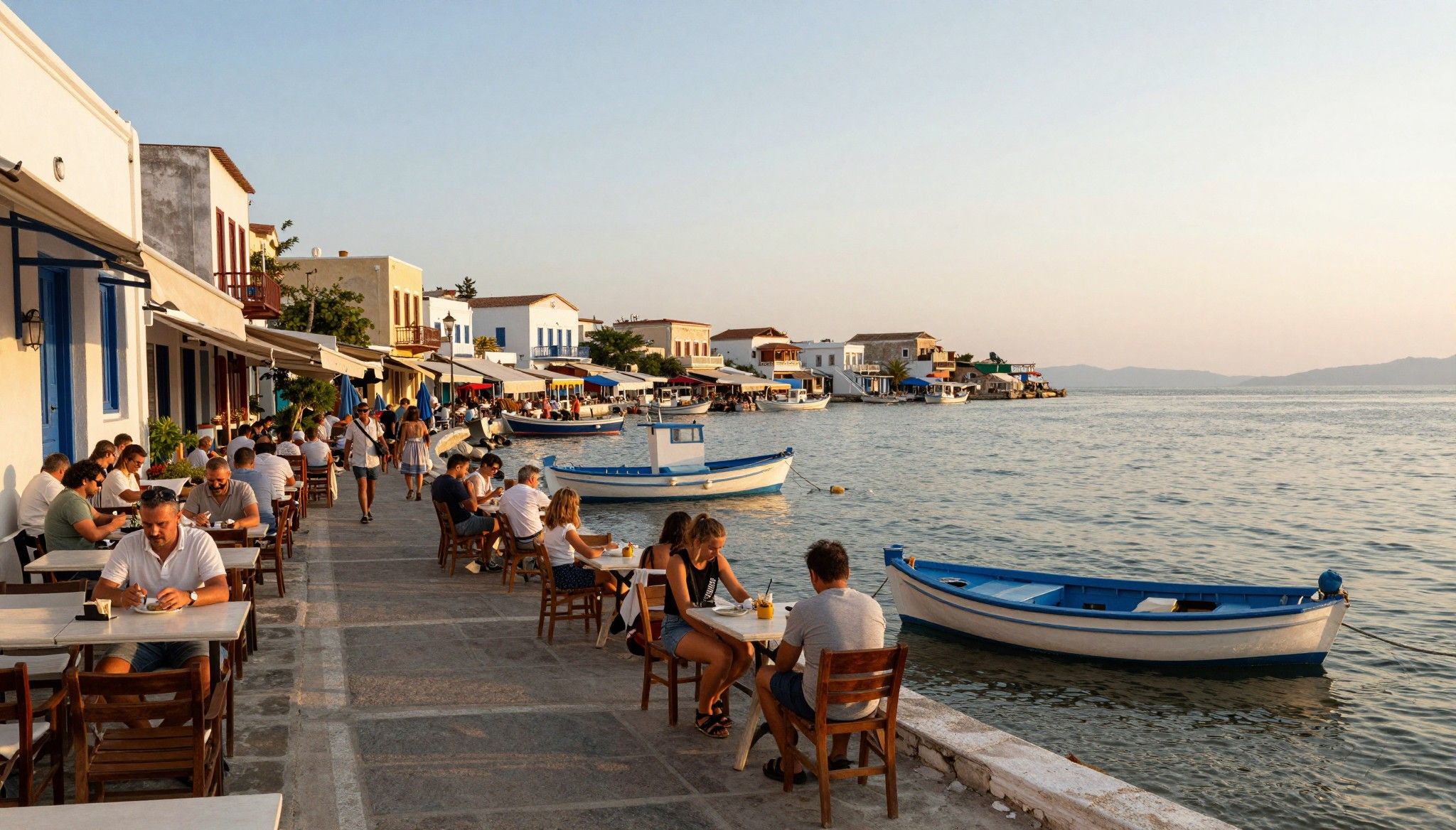
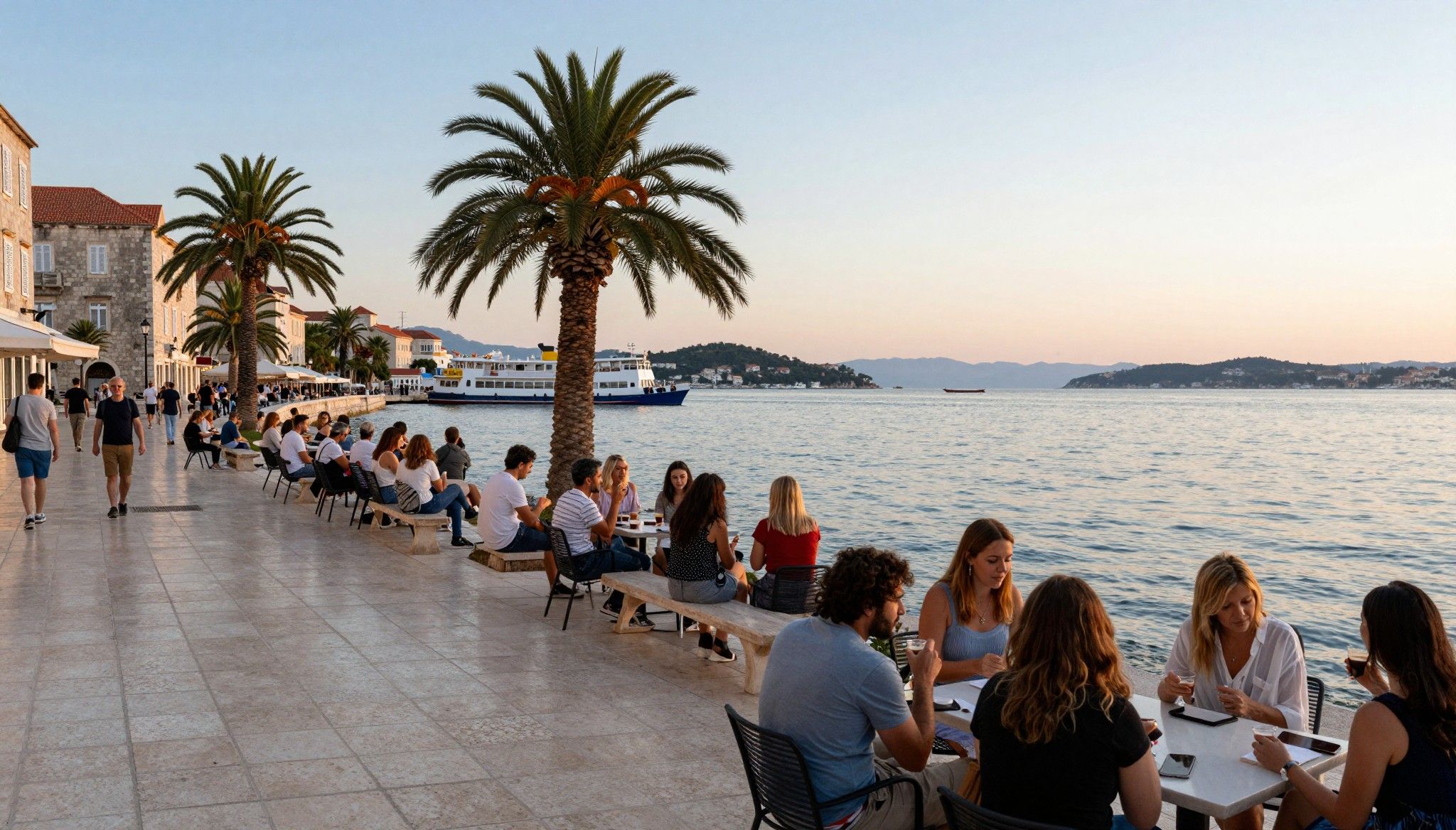
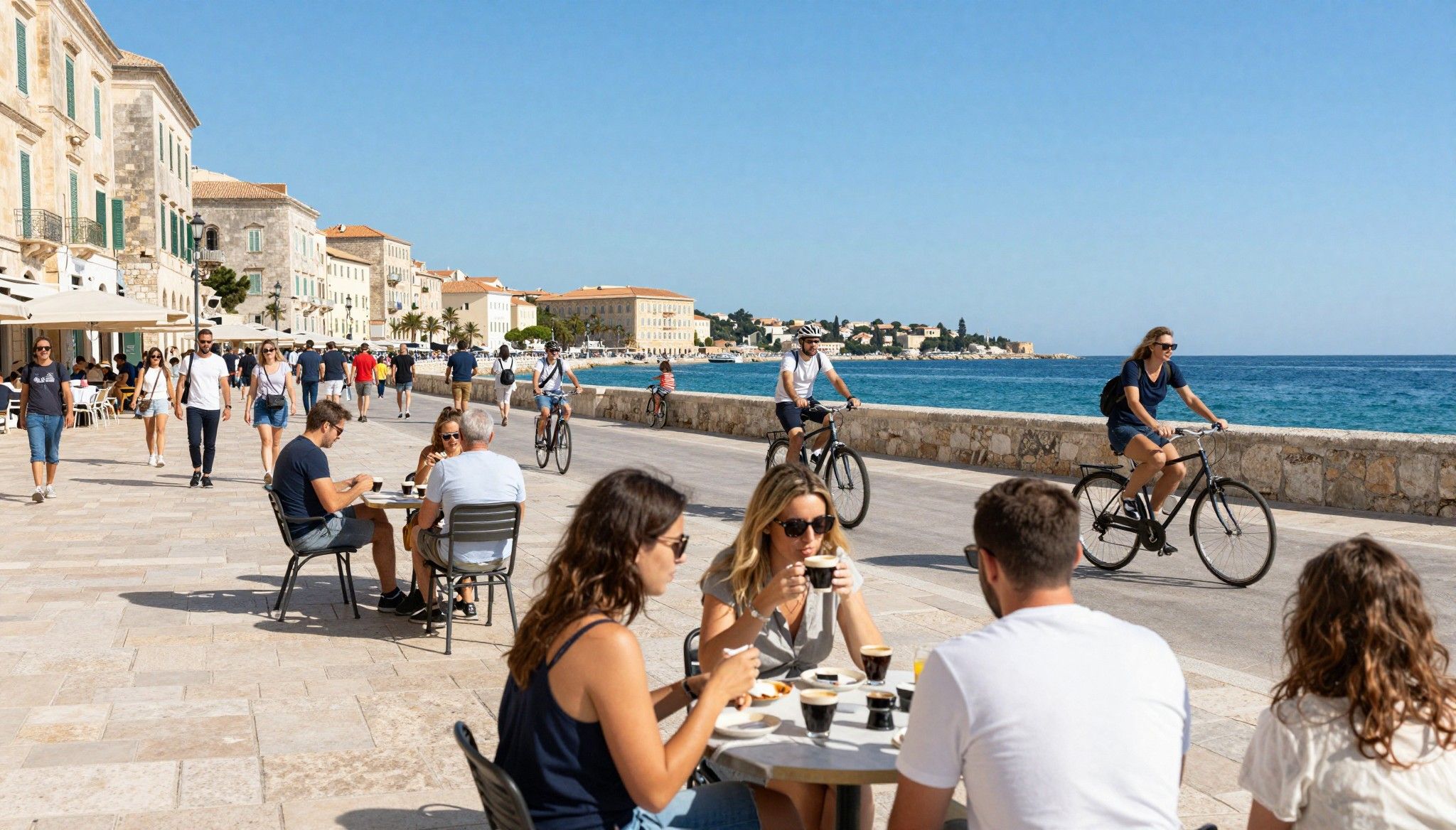
Life in Croatia moves between two tempos: languid mornings in seaside kafanas and busy market hours where locals choose fish by feel. Cities like Zagreb hum with year-round cultural programming while coastal towns such as Split and Dubrovnik pulse during tourist season and quiet down in winter. Your daily routine — espresso at a stone-square cafe, a weekend ferry to an island or a bike through pine-scented suburbs — will influence whether you prioritise a compact flat in a historic core or a sun-facing terrace outside town.
Zagreb, Split, and the Adriatic coast — neighborhood characters
Zagreb’s Donji Grad and Maksimir offer leafy streets, year-round cafés and quick airport links — a choice for buyers who want city-life with green space. Split’s Veli Varoš and Bačvice combine stone alleys, small konobas and immediate sea access; they suit buyers who prioritise walkability and summer energy. On the Adriatic islands and towns — Hvar’s harbour, Šibenik’s old town, or Rovinj’s cobbled lanes — properties often trade at a premium for waterfront access and tourism-driven rental potential.
Food, markets and seasonal rhythms that shape value
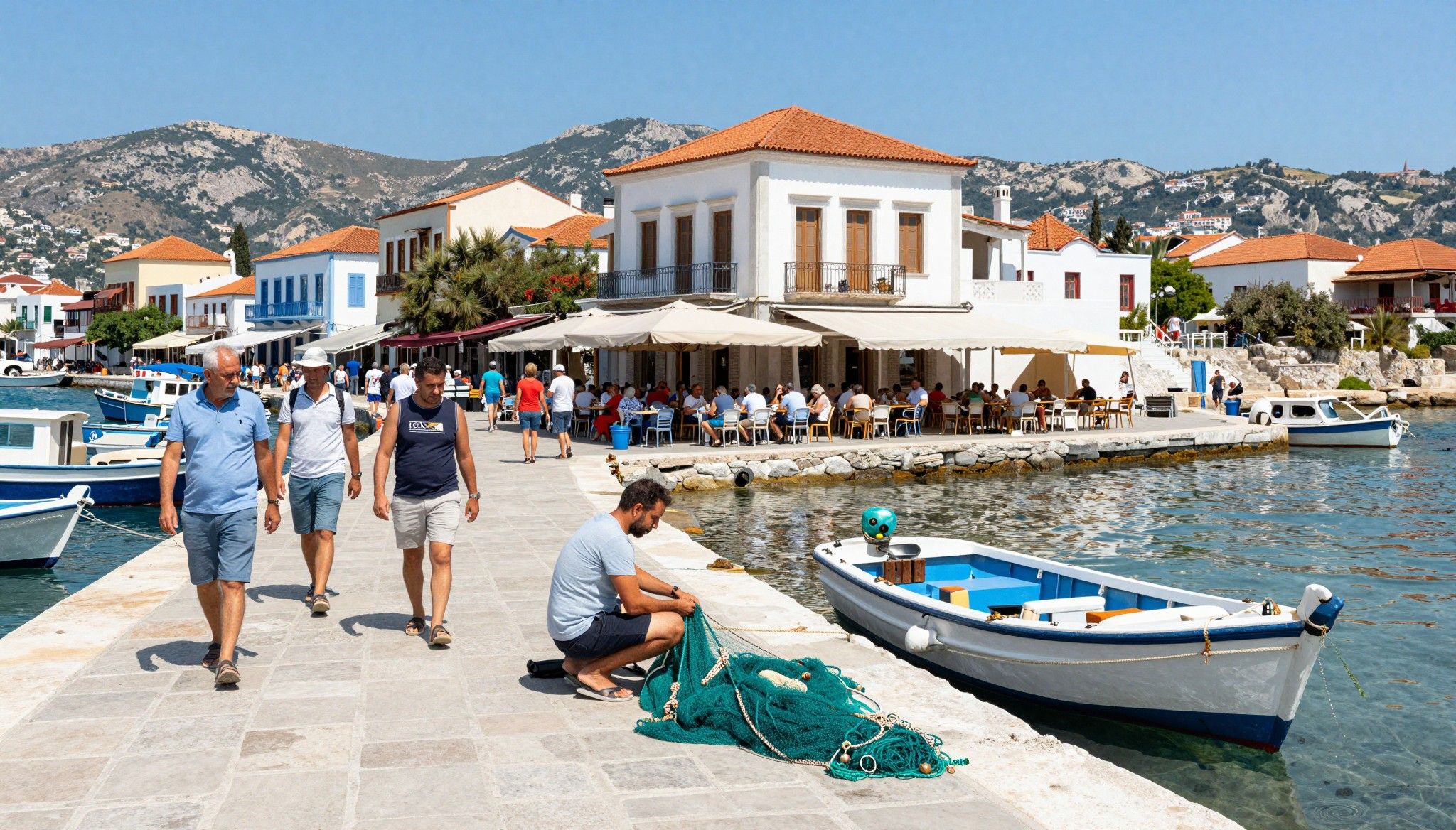
A day might start at Dolac market in Zagreb choosing cheeses, then end with grilled sardines in a Split konoba; these rituals map onto micro-markets where demand favors proximity to authentic food scenes. Summer festivals and island music weeks lift short-term rental returns, while autumn olive and truffle seasons attract buyers seeking agrarian projects inland. Recognising these cycles helps you judge whether a property’s premium is lifestyle-driven or purely tourism arbitrage.
- Lifestyle highlights to weigh when choosing location: • Morning espresso at Dolac market (Zagreb) or Riva promenade (Split) • Island ferry access within 30–60 minutes of coastal towns • Weekly fish markets and local konobas that sustain neighbourhood life • Seasonal festivals (summer music, autumn truffle weeks) that drive demand • Proximity to medical services and international schools for longer stays
Making the move: practical considerations
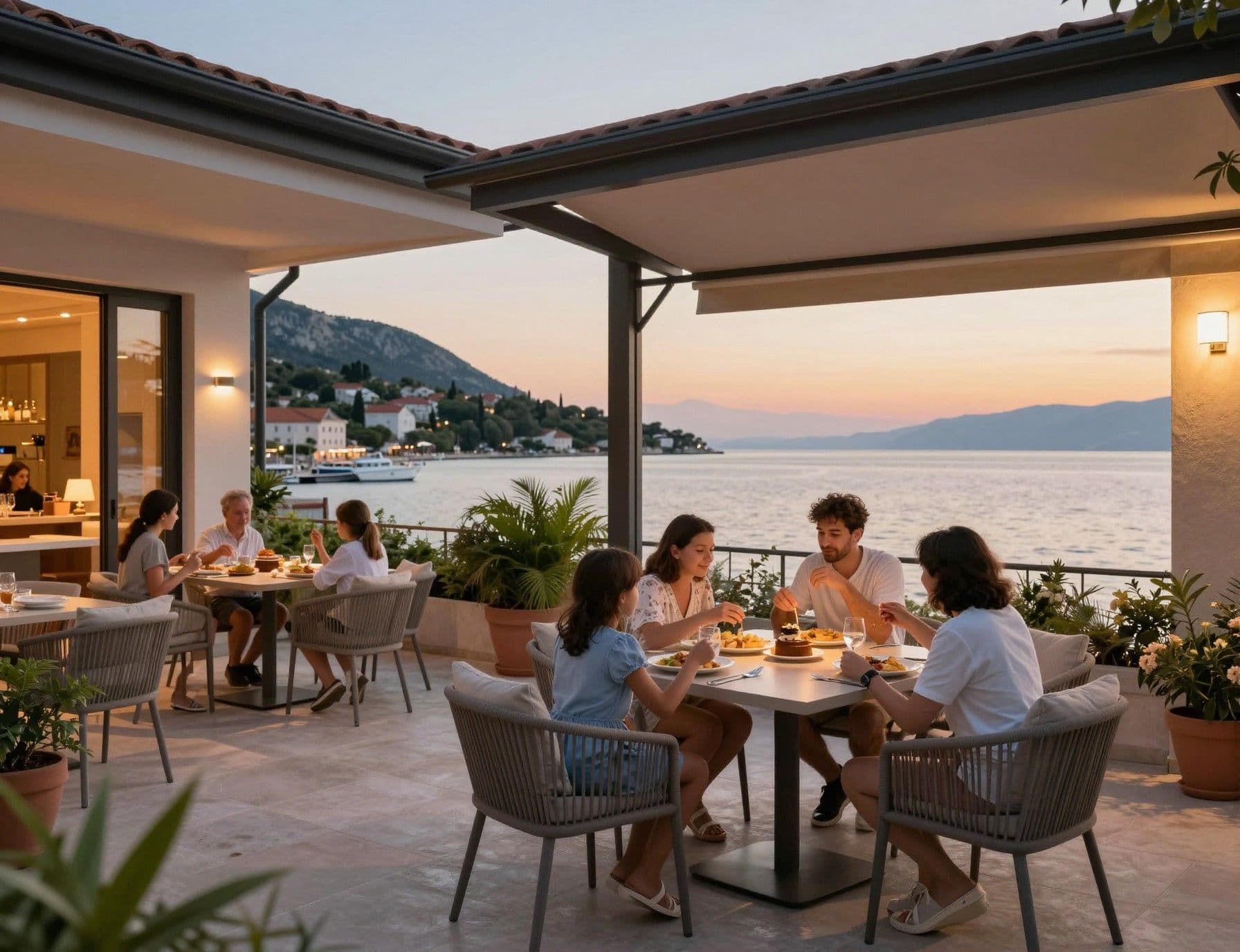
Dreams meet reality in three places: price trajectory, transaction volume and local policy. Official data and industry reports show prices have been rising, particularly in coastal hotspots, even as transaction counts cool — a pattern that matters if you’re buying to live versus buy-to-rent. Understanding where growth is structural (limited coastal supply) versus cyclical (short-term tourist demand) helps set realistic price expectations and negotiating posture.
Property styles and what they mean for daily life
Stone apartments in old towns deliver immediate character and walkability but often need modernisation for full-time living; think wiring, insulation and compact kitchens. New builds and contemporary complexes on the fringes provide amenities — parking, elevators, energy efficiency — that suit families and remote workers. For island properties, prioritise reliable water, storage space for seasonal gear, and easy transport links; these features materially affect livability beyond the postcard view.
Working with local experts who know the rhythm
- Steps to blend lifestyle priorities with market realities: 1. Map your daily life: test commute times, markets, schools and medical access before making offers. 2. Ask for three years of local rental data if you intend seasonal lets; match revenue to occupancy, not headline nightly rates. 3. Commission an energy and structural survey on older stone properties; renovation costs are a predictable component of your total price. 4. Use a local legal advisor to confirm land registry records and coastal building restrictions that affect renovations. 5. Factor in slower transaction volumes in winter — that can give negotiating leverage if you’re flexible with timing.
Insider knowledge: what expats wish they’d known
Experienced expats tell a consistent story: the romance drew them in, but day-to-day happiness came from small practical choices — a north-facing balcony that catches evening breeze, a kitchen large enough to host friends, or a neighborhood with year-round services. Market data confirms inland and suburban areas have been seeing spillover growth as buyers priced out of prime coast look for value. That migration creates opportunities if you target towns with improving infrastructure and commuter links.
Cultural integration, language and community
Croatians are direct but warm; learning basic Croatian phrases opens doors in neighbourhood shops and local councils. Expat communities cluster in predictable places — some islands, Split and Zagreb — but smaller towns reward effort with deeper social ties. Volunteering at a local festival or joining a sports club accelerates integration and gives practical insight into long-term desirability of micro-locations.
Living long-term: how the place changes after you move
Over five years, buyers often shift priorities: proximity to services outranks postcard views, and energy efficiency becomes central to cost-of-living. Data-driven buyers watch infrastructure projects and zoning changes because they signal sustainable demand, not just seasonal spikes. If you plan to rent part-time, diversify expectations: coastal towns show higher peak returns but also stronger seasonality and management needs.
- Red flags and local quirks to avoid: • Buildings without clear land-registry titles or incomplete permits on coastal renovations • Properties advertised with unrealistic rental yields based on peak-season rates • Lack of winter maintenance access on islands or steep coastal roads • Insufficient insulation in older stone houses that blows up heating costs in winter • Overreliance on a single local agent — cross-check listings and ownership history
- A clear 5-step shortlist process we recommend: 1. Spend 3–7 days living like a local in your shortlisted neighbourhoods. 2. Request sales history and HPI trends for each micro-area (3–5 years). 3. Commission local surveyors and legal checks before any deposit. 4. Negotiate conditional contracts tied to permit confirmation and clear title. 5. Plan for phased renovations that align with seasonal labour availability and costs.
Conclusion — buy the life, back it with data. Croatia rewards buyers who pair lifestyle clarity with market discipline: know which neighbourhood rhythm you want, then use house-price indices, local transaction volumes and expert surveys to time and price offers. If you love morning markets, island ferries and stone-paved evenings, let that vision guide the search; let local experts and verified data protect the purchase. Ready to explore Croatia on your terms? Start by testing rhythms in person and asking for three years of local data before you bid.
Norwegian market analyst who relocated to Mallorca in 2020. Focuses on data-driven market insights and smooth relocation for international buyers.