Croatia: The Lifestyle Costs VAT, Tax and Residency Reveal
Croatia’s coastal charm hides fiscal pivots: VAT vs transfer tax, residency limits and local permits that reshape where and how you buy. Visit off‑season, verify VAT status, and pick an agency that does both paperwork and place.
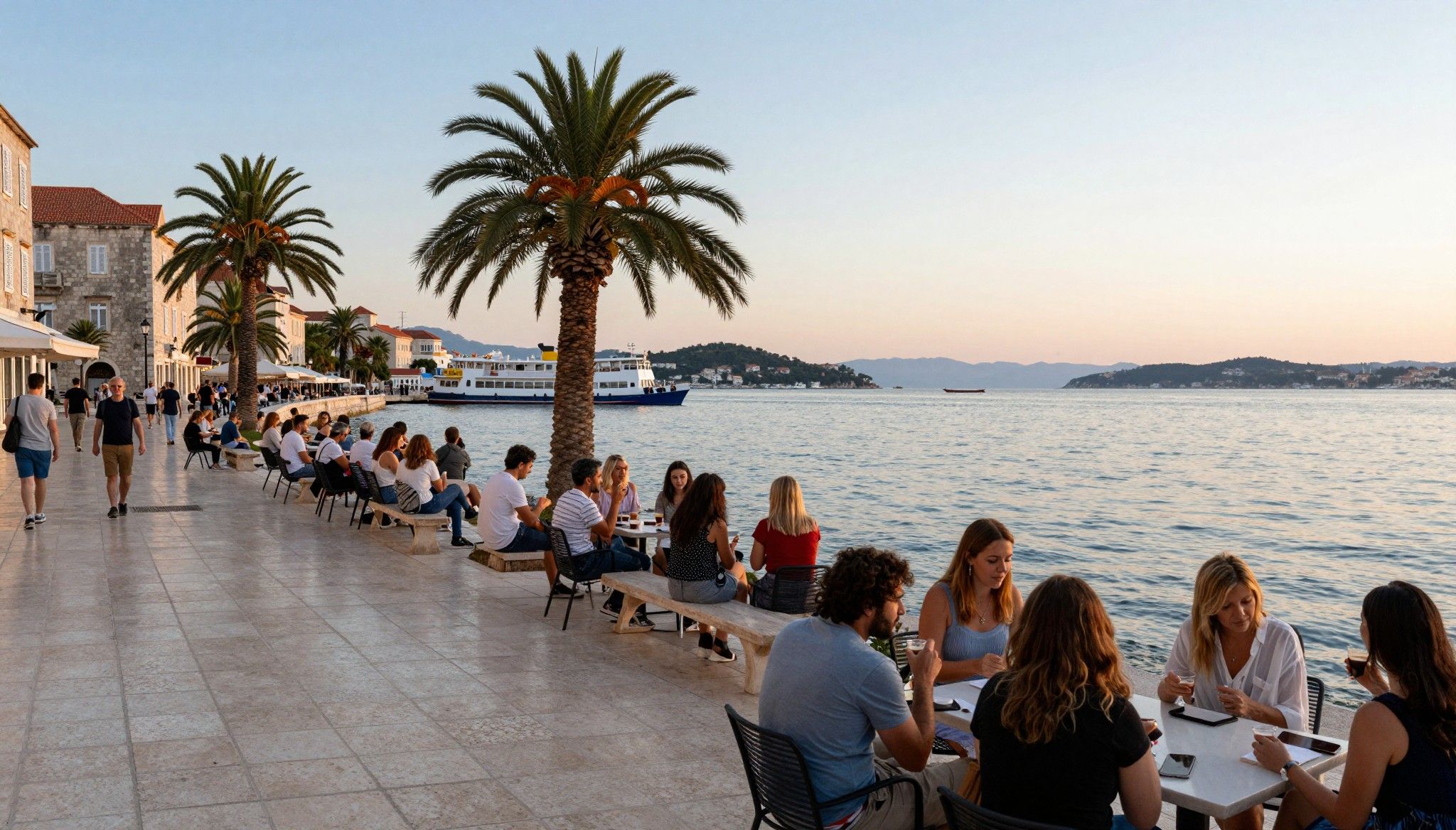
Imagine waking to the smell of fresh bread from a palačinka stand in Split, cycling along a seawall in Zadar before the tourists arrive, then signing papers for a stone house on a quiet Istrian lane. Croatia’s rhythm—daily markets, late‑afternoon cafés, island ferries that still run like church bells—shapes how you use a home here. This piece pairs that lived‑in feeling with the practical tax and regulatory moves international buyers must know to buy with confidence.
Living the Croatian life: everyday scenes and where to look
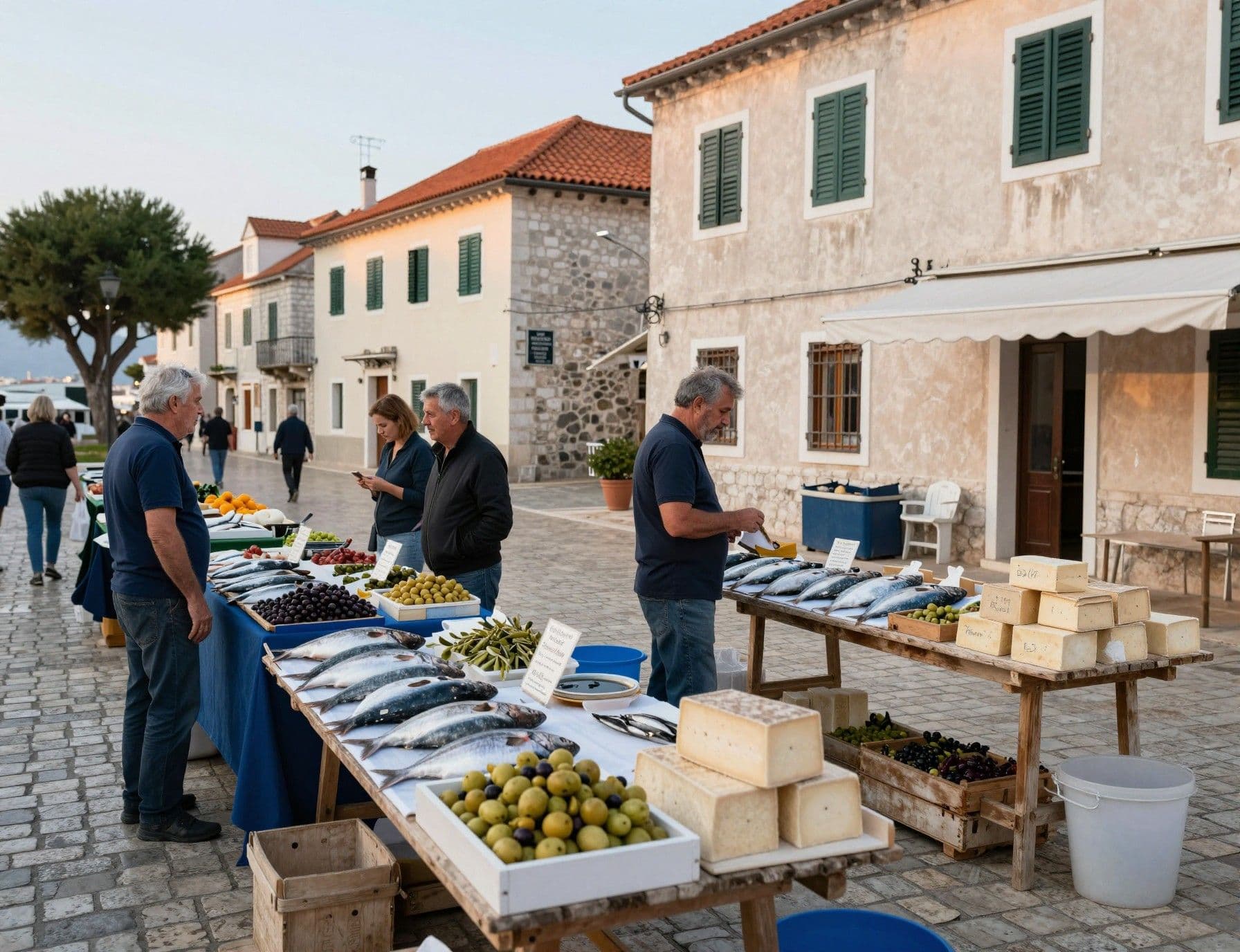
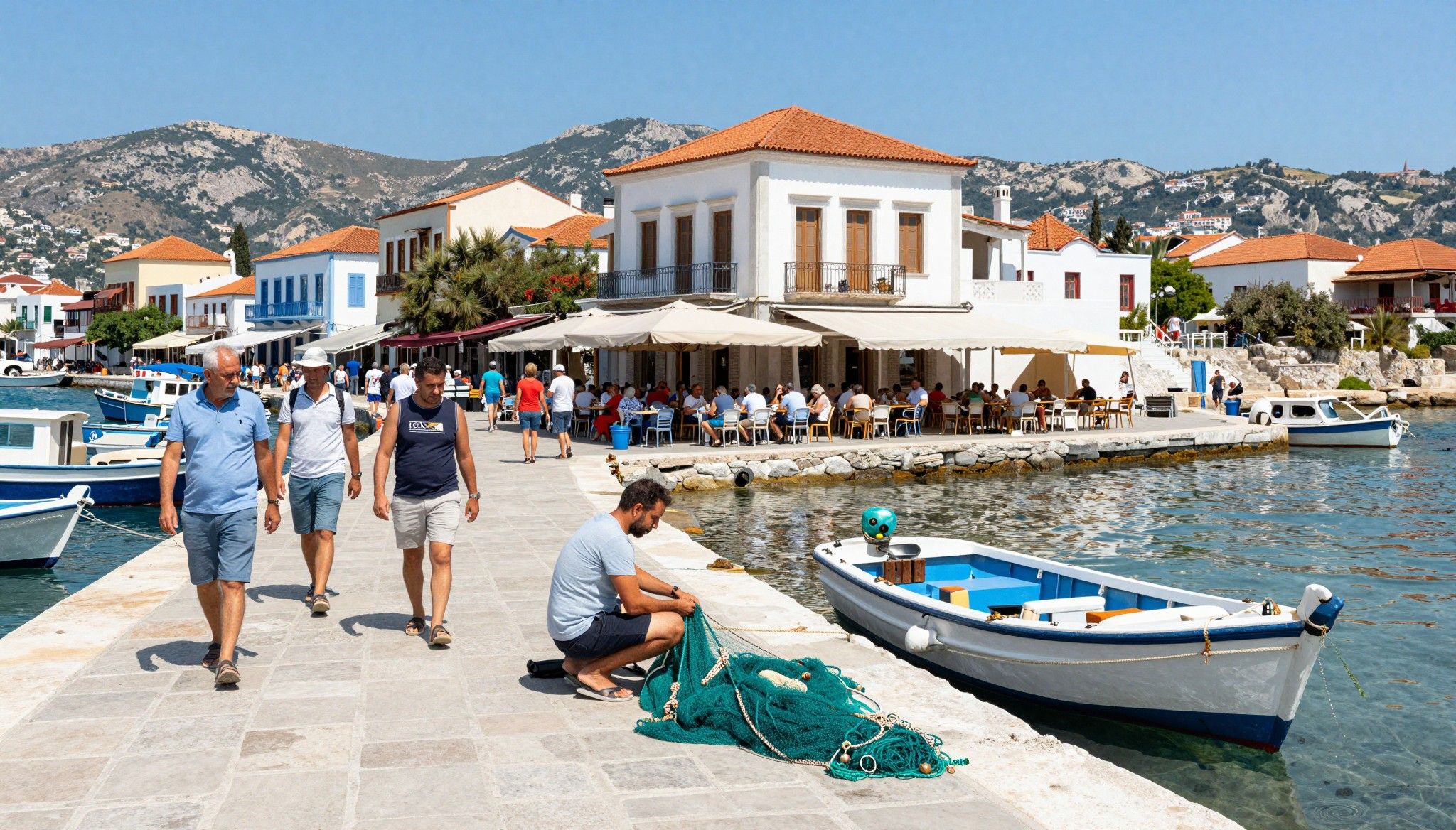
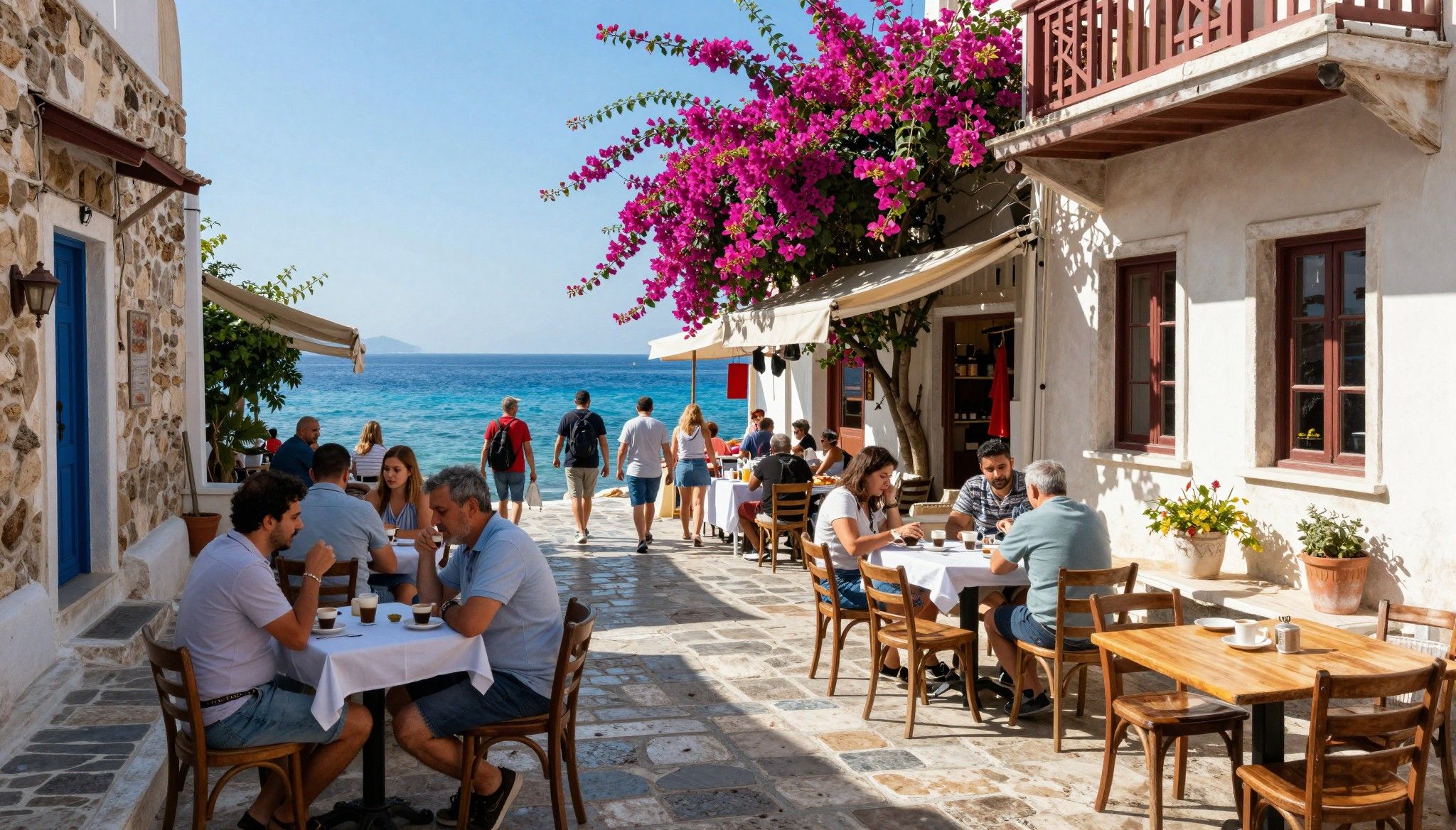
Croatia is coastal villages, Roman streets and apartment blocks repurposed into lofts. In cities like Split and Rijeka mornings belong to commuters and university students; afternoons to long lunches. On islands such as Hvar and Korčula the day slows—fishermen, waterfront cafés and small markets determine your routine. The place you choose will determine whether you trade bustle for solitude, or a short walk to an espresso bar for a private olive grove.
Dalmatian coast: waterfront life and small‑town networks
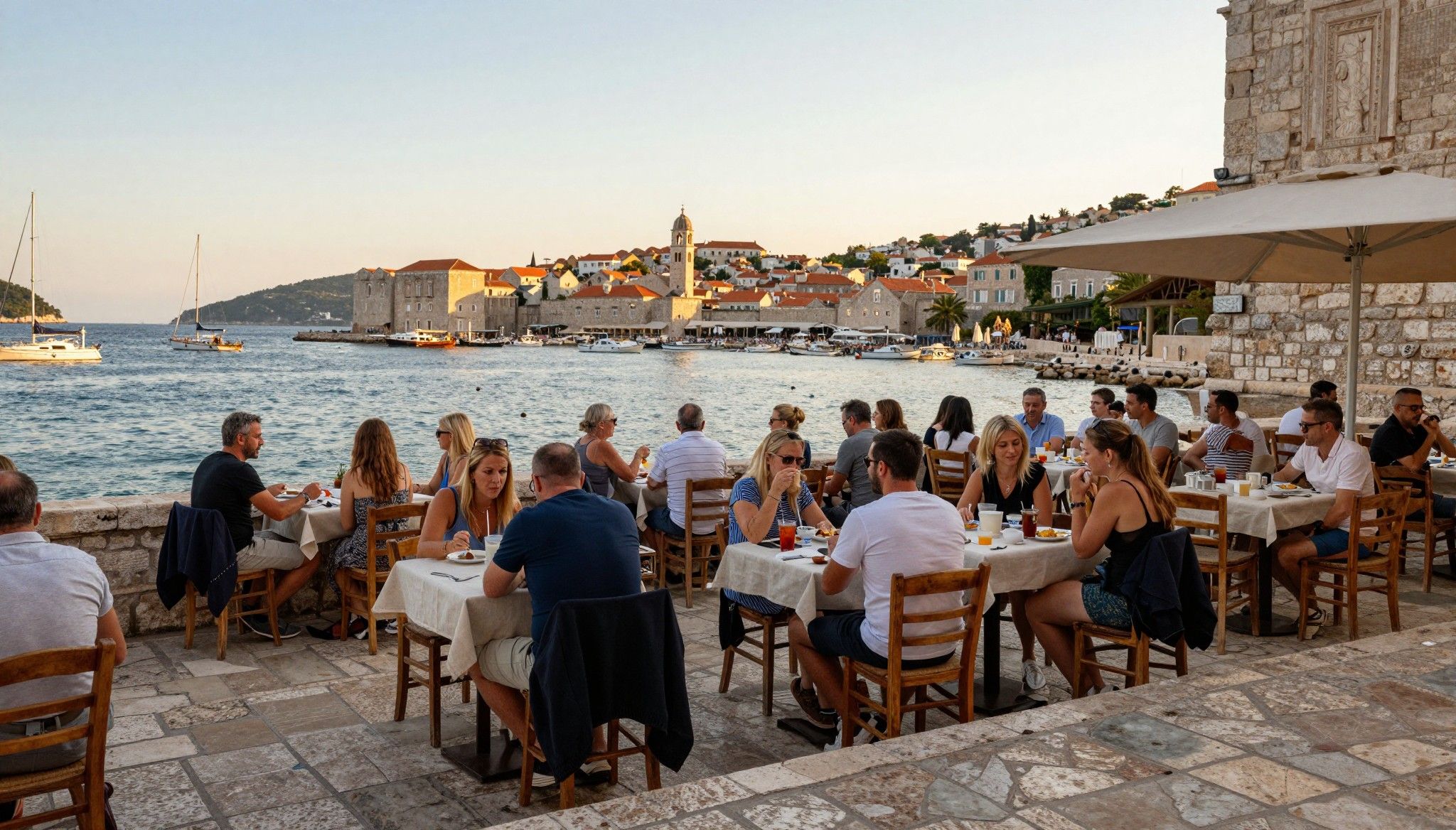
Picture Kaštela or Trogir for daily convenience with Adriatic access, or go smaller—Primosten’s stone terraces and local konobas mean you’ll be known by name at dinner. In these towns look for properties within walking distance of the riva (promenade); proximity to a local bakery and a year‑round grocer matters more than a sea view for everyday comfort.
Istria & Kvarner: food, wine and weekend markets
Istria offers truffle forests, family wineries and hilltop villages like Motovun where weekend markets fill with cheeses and cured meats. If you crave farm‑to‑table life, consider Rovinj or small inland hamlets; renovations here often include land for a kitchen garden and space for outdoor dining that extends most of the year.
- Lifestyle highlights — real places to note
- Split’s Bačvice beach & morning espresso culture
- Trogir’s old town lanes — short walks replace the car
- Motovun market weekends and Istrian wineries
- Zadar’s sea‑organ and summer cultural programme
Making the move: how taxes and rules shape lifestyle choices
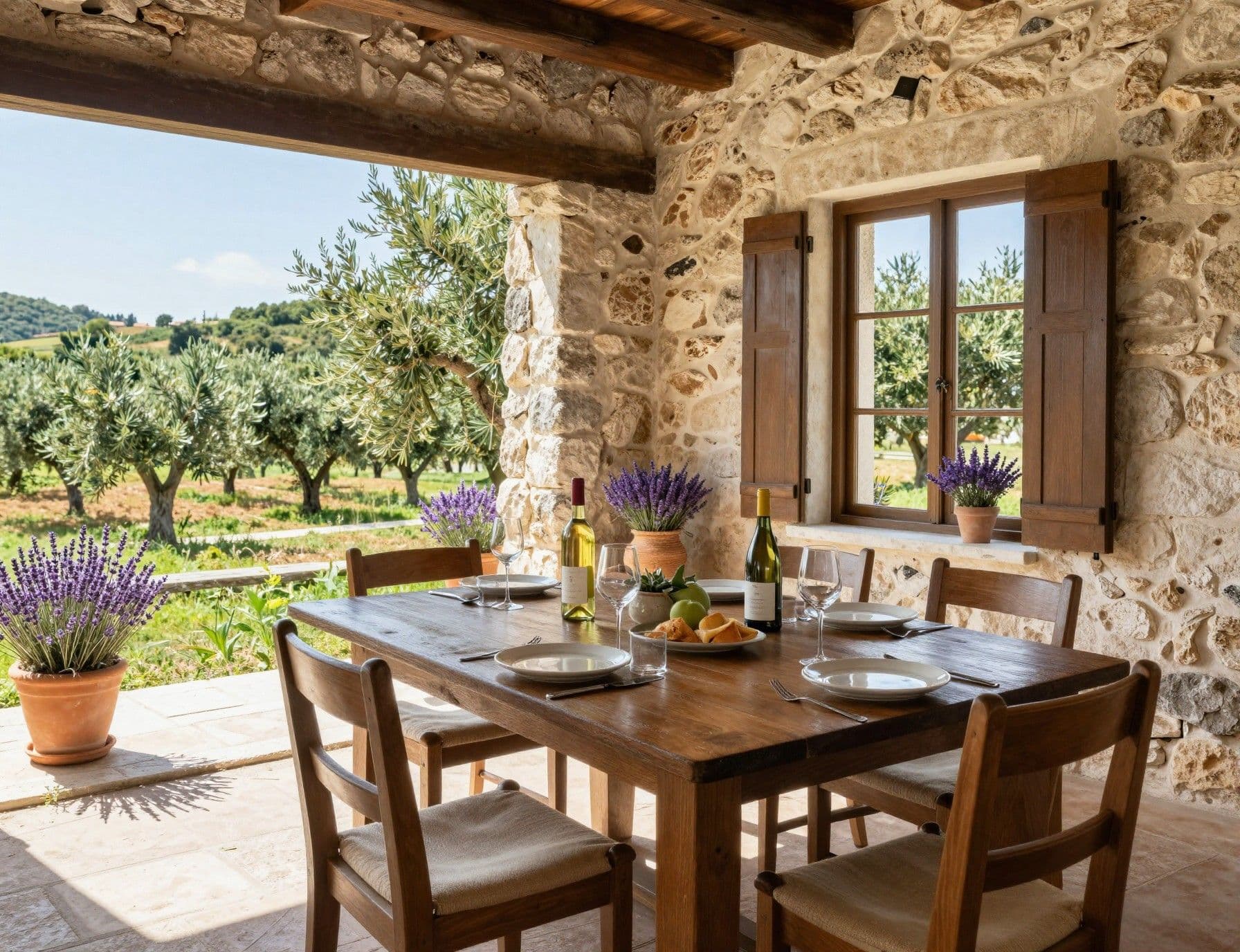
A dream house by the sea becomes reality only when the paperwork fits your life plan. Croatian rules differ by nationality, property type and whether VAT applies — and those differences influence whether a property is sensible as a holiday bolt‑hole, rental investment or full‑time home. Read official guidance early: EU citizens have near‑parity with locals, while other nationals may need administrative consent to buy. Understanding these distinctions up front saves months of delay and reshapes where you search.
Residency and living there: own a house, but can you live in it?
Owning property does not automatically grant long‑term residence. For many non‑EU buyers, property ownership supports a temporary residence application but you’ll usually need other qualifying grounds (employment, business, family ties). For EU citizens, freedom of movement makes short‑term stays simpler, but planning for healthcare, utilities and tax residency still matters if you plan to stay more than 183 days a year.
Tax realities that change neighbourhood choices
Croatia applies a real‑estate transfer tax when VAT is not charged on the sale; in practice that means many resale properties are subject to that tax and new developments sold by VAT‑registered developers may not be. The transfer tax base and rate (commonly cited as 3%) and whether VAT applies should be confirmed on each listing—these rules can flip the total purchase cost and shift value between coastal town centres and new‑build towers inland.
- Six practical steps before making an offer
- 1) Confirm seller VAT status — VAT vs transfer tax changes your fiscal exposure.
- 2) Check nationality consent requirements at the municipal cadastre if you are non‑EU.
- 3) Run a tax‑residency scenario — 183‑day rules affect global income and capital gains.
- 4) Get a local notary and lawyer to confirm encumbrances, access rights and coastal setbacks.
- 5) Budget for annual property and municipal levies introduced in recent reforms.
Insider knowledge: what expats wish they’d known
Expats often arrive enchanted by coastlines and markets, then learn the practicalities: seasonal utility costs, maintenance of older stone houses, and the rhythm of local services that slow in winter. The smartest buyers think like residents: they prioritise reliable internet, a nearby grocer and a community hub over a perfect postcard view — because community keeps a property used, loved and resale‑ready.
Language, social norms and neighbourhood selection
Croatians value directness and local ties. Learn a few phrases, attend a market, and the difference is immediate: a shopkeeper will help you with a contractor, a neighbour will watch a renovation. Choose neighbourhoods where community life matches your pace — Split’s Veli Varoš for a lively, older neighbourhood feel; Hvar town for vibrant summer culture but quieter winters.
Long‑term ownership: renovations, insurance and inheritance
Renovating an Istrian stone house is romantic, but older structures may need seismic reinforcement and modern insulation. Insurance premiums, evolving local property taxes (new rules introduced in 2025), and Croatian inheritance rules all affect lifetime cost — plan these into your cashflow and your exit plan before you commit.
- Red flags to watch for (on the ground, not in glossy listings)
- Unclear ownership chain or missing cadastral extracts
- Seller insists on cash/undocumented payments
- No confirmation whether VAT applies (seller should state it)
- Access roads that are technically easements but practically unreliable in winter
If you spot any of these, pause and get a lawyer and surveyor involved. Local experts save you both money and sleepless nights.
- How a local agency helps — a practical checklist
- 1) Verify VAT status and calculate transfer tax implications on each offer.
- 2) Liaise with cadastre, notary and municipality to confirm build permits and coastal setbacks.
- 3) Provide local comparables — streets and micro‑neighbourhoods matter more than towns.
- 4) Manage post‑purchase onboarding: utilities, tax ID, waste collection and reliable tradespeople.
These practical services are what turn a transaction into a home. Choose agencies with on‑the‑ground teams, not just listings.
Conclusion: Fall for Croatia, plan for the rules. The coastline, markets and café culture are real reasons to buy; the tax, residency and local legal details are the guardrails that keep your dream intact. Visit in an off‑season month, walk the streets at 08:00 and 18:00, meet neighbours, and bring a local lawyer before you sign. When lifestyle and regulation align, Croatia rewards patience with a life you’ll use every day.
Dutch investment strategist with a Portugal-Spain portfolio. Expert in cross-border financing, rights, and streamlined due diligence for international buyers.