When Golden‑Visa Rules Should Shape Your Greek Offer
Choose Greek neighbourhood rhythm over postcards: blend lifestyle tests with legal checks and Golden Visa rule awareness to buy a life, not just a view.
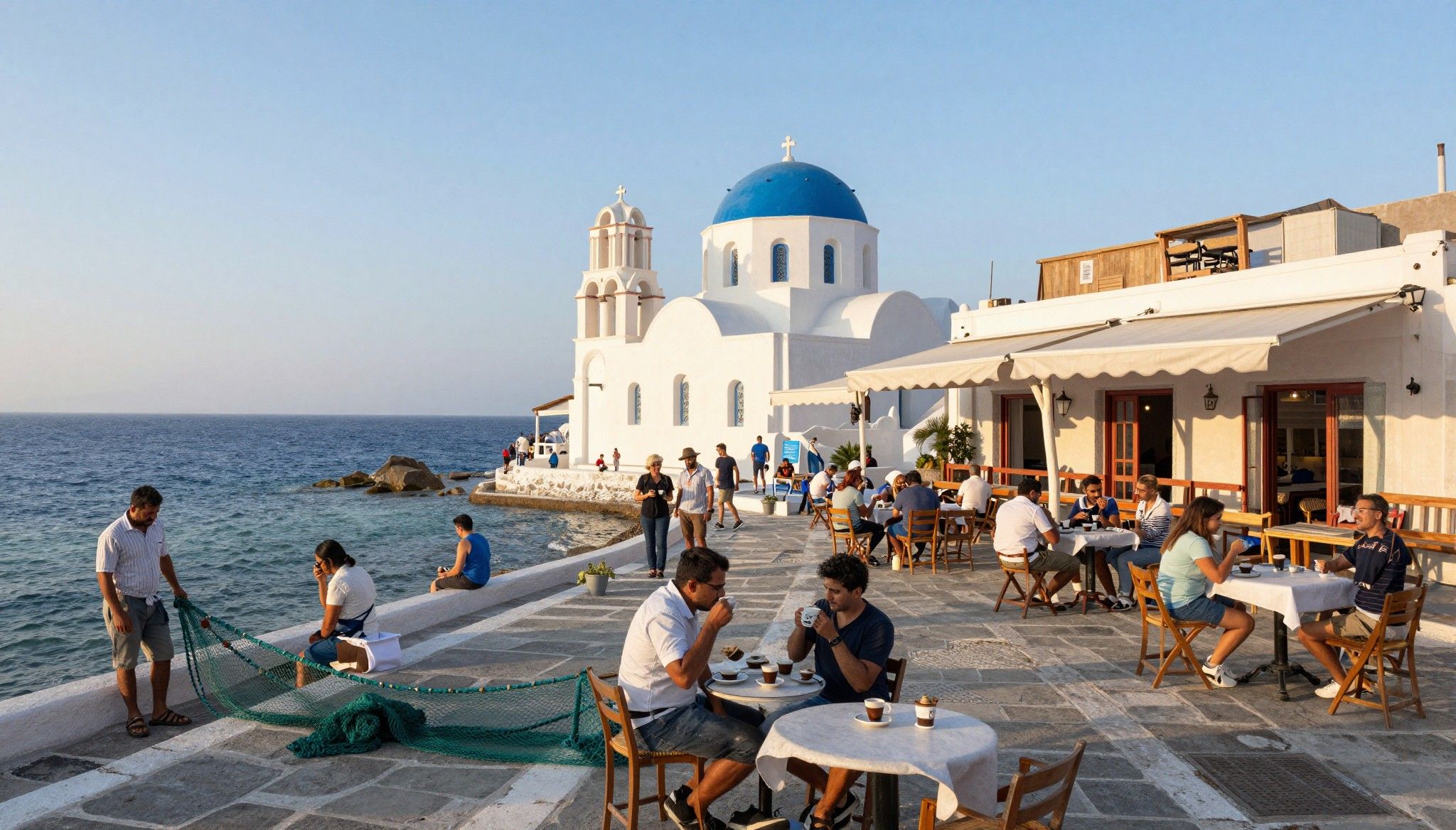
Imagine stepping out of a neighbourhood kafeneio at 08:30, the smell of fresh bread drifting from a baker on the corner, and a blue-sailed fishing boat cutting across a turquoise bay visible from the apartment window. Greece lives in layered rhythms — morning markets, late dinners, and pockets of intense urban renewal in places like Athens and Thessaloniki alongside slow island time in spots such as Naxos or Skyros. That contrast is exactly why timing, local rules and neighbourhood choice matter as much as price per square metre when buying here.
Living Greece: neighbourhoods, food and daily rhythms
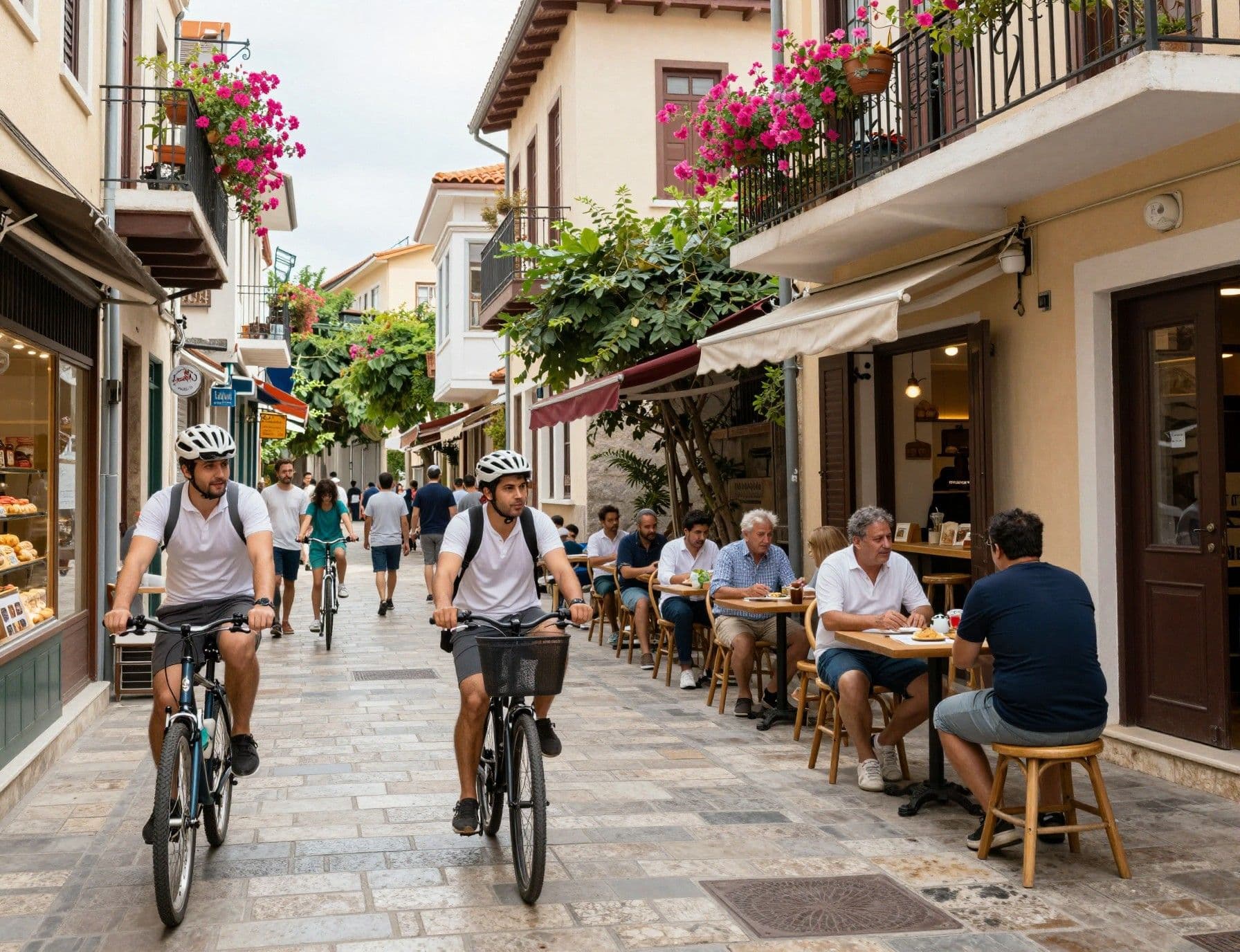
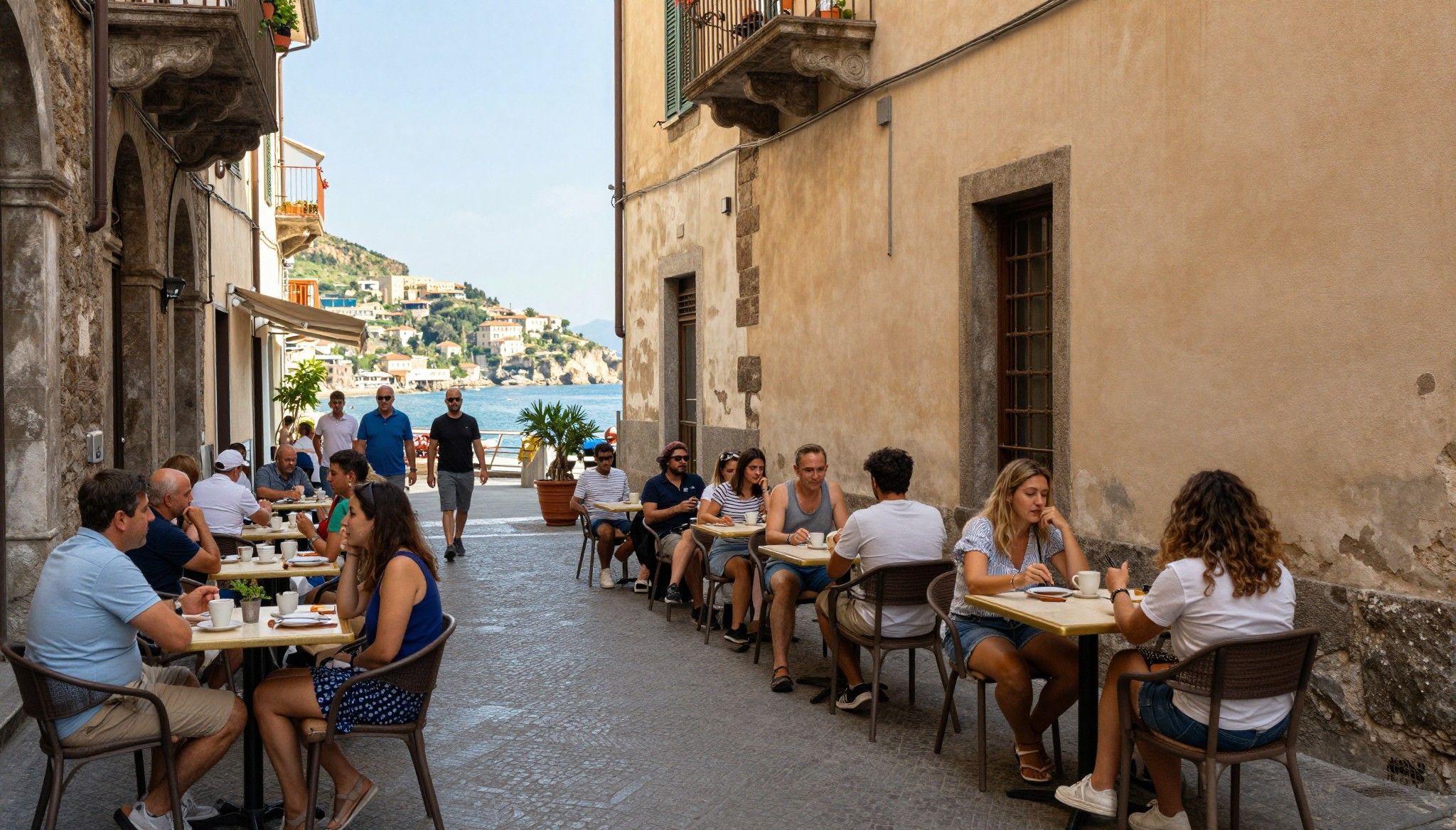
Living in Greece is sensory and social. In Athens you’ll hear scooters and olive vendors before you see the Acropolis; in Chania you’ll find Venetian lanes and coffee terraces; on the Cyclades mornings are for beaches and evenings for tavernas. Weather sculpts life here — long, dry summers invite outdoor living and roof terraces, while short, wet winters concentrate life indoors around bakeries, cinemas and neighbourhood squares.
Neighbourhood spotlight: Athens — Koukaki to Pangrati
Walkable, human-scale neighbourhoods win hearts in Athens. Koukaki mixes quiet streets with cafés that fill quickly at dawn, while Pangrati pulses with after-work bars and small galleries. These areas show how urban regeneration—new apartments, restored neoclassical facades and independent shops—can raise day-to-day quality of life faster than headline resale values, and often before price jumps become obvious to buyers.
Food, markets and the ritual of eating out
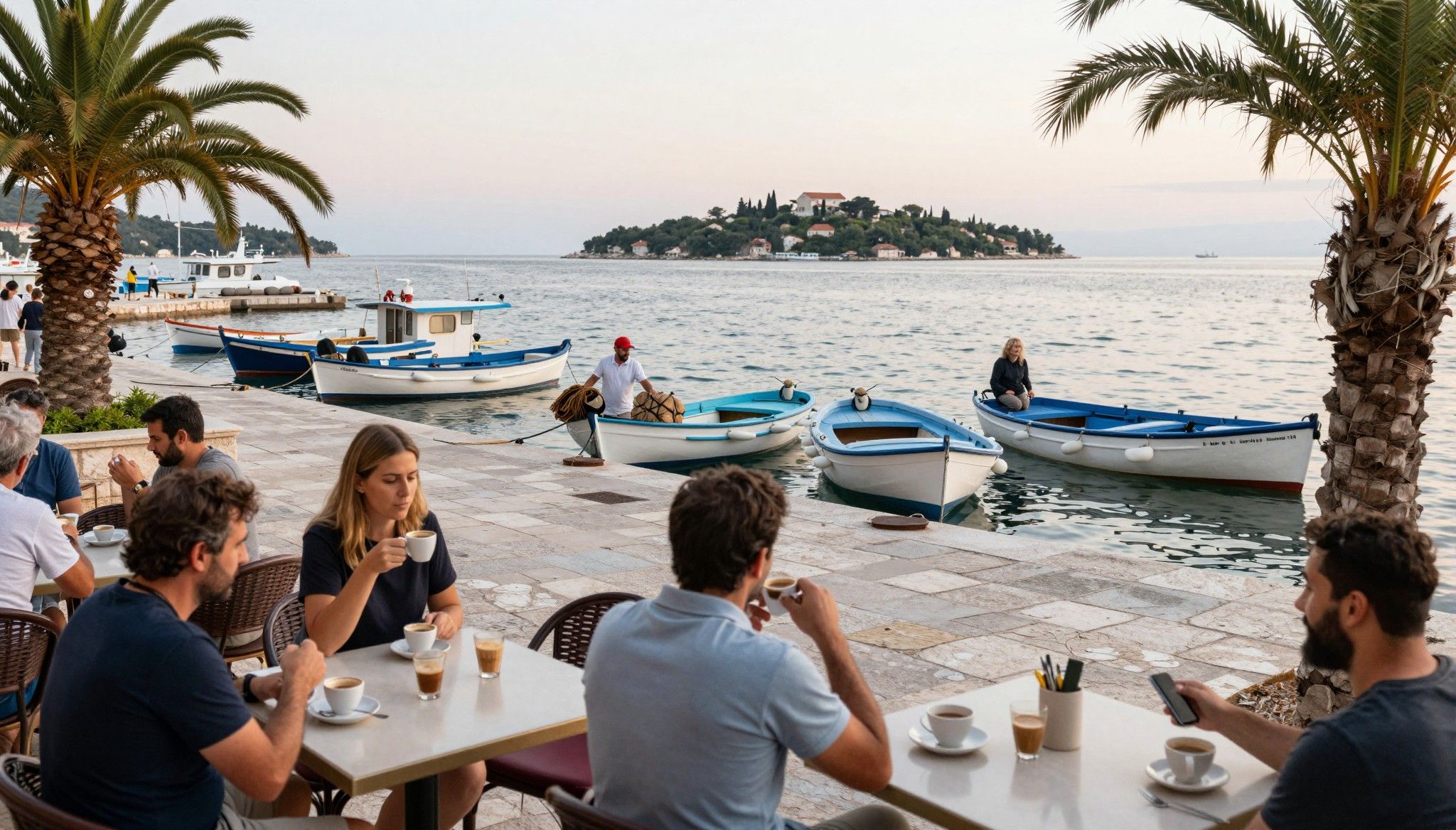
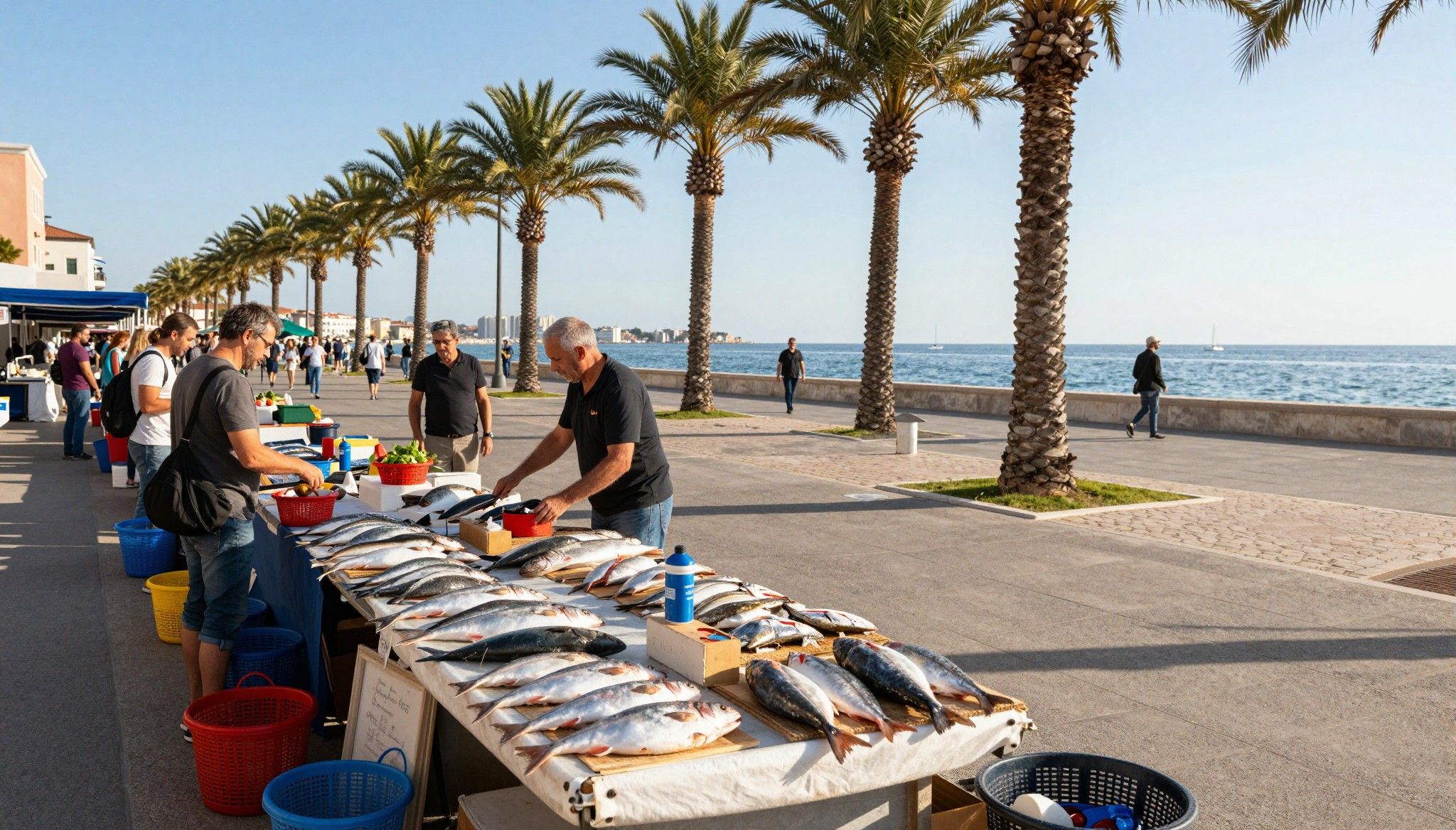
Food is the social infrastructure in Greece: morning espresso at a marbled counter, a weekday lunch of grilled fish at the port, and late-night meze with new neighbours. Farmers' markets — like Varvakios in Athens or Modiano in Thessaloniki — are weekly social hubs where you learn seasons, provenance and the cost trade-offs of island supply chains. Choosing a neighbourhood with a weekly market or a line of family-run tavernas often delivers more daily joy than a marginal sea view.
- Lifestyle highlights: real, specific reasons to pick a street or square
- Morning espresso counters: Kafenia in Koukaki and Petralona
- Neighbour markets: Varvakios (Athens) and Modiano (Thessaloniki)
- Hidden beaches: Agios Georgios on Naxos and secluded coves of Ikaria
When lifestyle meets paperwork: practical realities

The romance of a sunlit terrace must be reconciled with rules that shape what you can buy and why. Recent legal changes to Greece’s residency‑by‑investment rules mean minimum property values and eligible locations now matter for non‑EU buyers who factor residency into their purchase decision. That has practical consequences: offer strategy, due diligence on title and use, and whether to prioritise urban regeneration pockets or island villas.
Property styles and how they map to your life
Historic apartments in central Athens give instant neighbourhood life but often need structural and seismic upgrades; small island houses offer outdoor living but face supply-chain and maintenance costs. New-build developments provide warranties and easier management for remote owners, while converted commercial-to-residential projects can be bargain opportunities if local planning allows. Match the property type to how you intend to use it: primary home, seasonal retreat or rental income stream.
Work with agents who know the rhythm
A local agent should be more than a list of properties — they act as translators of lifestyle into legal terms. Good agents introduce you to the bakery owner, the building manager and the municipal planner who approves rooftop conversions. Insist on agents who show past transaction references, bilingual communication, and experience with cross-border tax and residency cases; these skills shorten your learning curve and protect deposits.
- Steps that blend lifestyle and practical checks
- Visit neighbourhoods at different times (weekday morning, weekend evening) to test the rhythm
- Ask for recent energy and seismic certificates before making offers — older buildings often require upgrades
- Confirm permitted use with municipality if you plan short-term rentals or conversion projects
Insider knowledge: market signals and expat trade‑offs
Prices across Greece have risen consistently in recent years, driven by limited supply and strong domestic and foreign demand; Bank of Greece indices show continued year-on-year gains in housing prices. At the same time, regulatory changes to residency schemes concentrate demand into fewer locations, shifting where premiums appear. That means counter‑intuitive opportunities: suburbs near major transport upgrades or inland towns with regeneration projects can offer faster lifestyle returns than headline island addresses.
Cultural integration and everyday life
Language is a practical barrier but social life often opens faster than vocabulary: invite neighbours for coffee, join a local sports club or volunteer at the weekly market and doors open. Expect bureaucracy to be slower and to require patience — bringing a bilingual legal contact saves time. Practical habits such as late dining, siesta‑like pauses in afternoon business hours in small towns, and close-knit neighbourhood ties will shape how you use your property and how quickly you feel at home.
Longer-term lifestyle costs and value
Think beyond purchase price: maintenance on island properties can be 10–20% higher due to logistics; seismic upgrades and energy retrofits on older buildings are common costs that protect value. Conversely, properties near urban regeneration and transport projects often compound lifestyle benefits—cafes, boutique shops, and cultural venues—that make daily life richer and rentals more attractive. Balance sentimental priorities (sea view, stone hearth) with pragmatic checks (access, utilities, permitted uses).
- Red flags expats commonly miss
- Unclear title history or building permits — always verify with a local lawyer
- Properties marketed as ‘ready to rent’ without confirmed municipal short‑term rental permissions
- Underestimating seasonal supply-chain costs for island upkeep and management
- Buying sight unseen for an emotional premium during peak season
- If you decide to move forward: a concise checklist
- 1. Commission a local lawyer to verify title, permitted use and outstanding liabilities
- 2. Request recent energy and seismic certificates and factor upgrade costs into your offer
- 3. Trial the neighbourhood across seasons (or ask an agent for off-season footage and contacts)
- 4. Decide if residency (Golden Visa) status affects location choice and seek legal confirmation on eligibility thresholds
Conclusion: buy the life, but price the rules. Greece rewards buyers who prioritise lived experience — morning markets, friendly squares, and neighbourhood rituals — while rigorously checking local rules and future costs. Engage agents who connect you to real neighbours, commission a lawyer early, and test neighbourhood rhythm outside the high season; that way you buy both an address and a sustainable life.
Dutch investment strategist with a Portugal-Spain portfolio. Expert in cross-border financing, rights, and streamlined due diligence for international buyers.