Italy: Neighbourhood Rhythms to Match Your Property Move
Fall for Italy’s neighbourhood rhythms — from Liguria’s harbours to Milan’s design quarters — and pair that lifestyle with data-backed market checks before you buy.
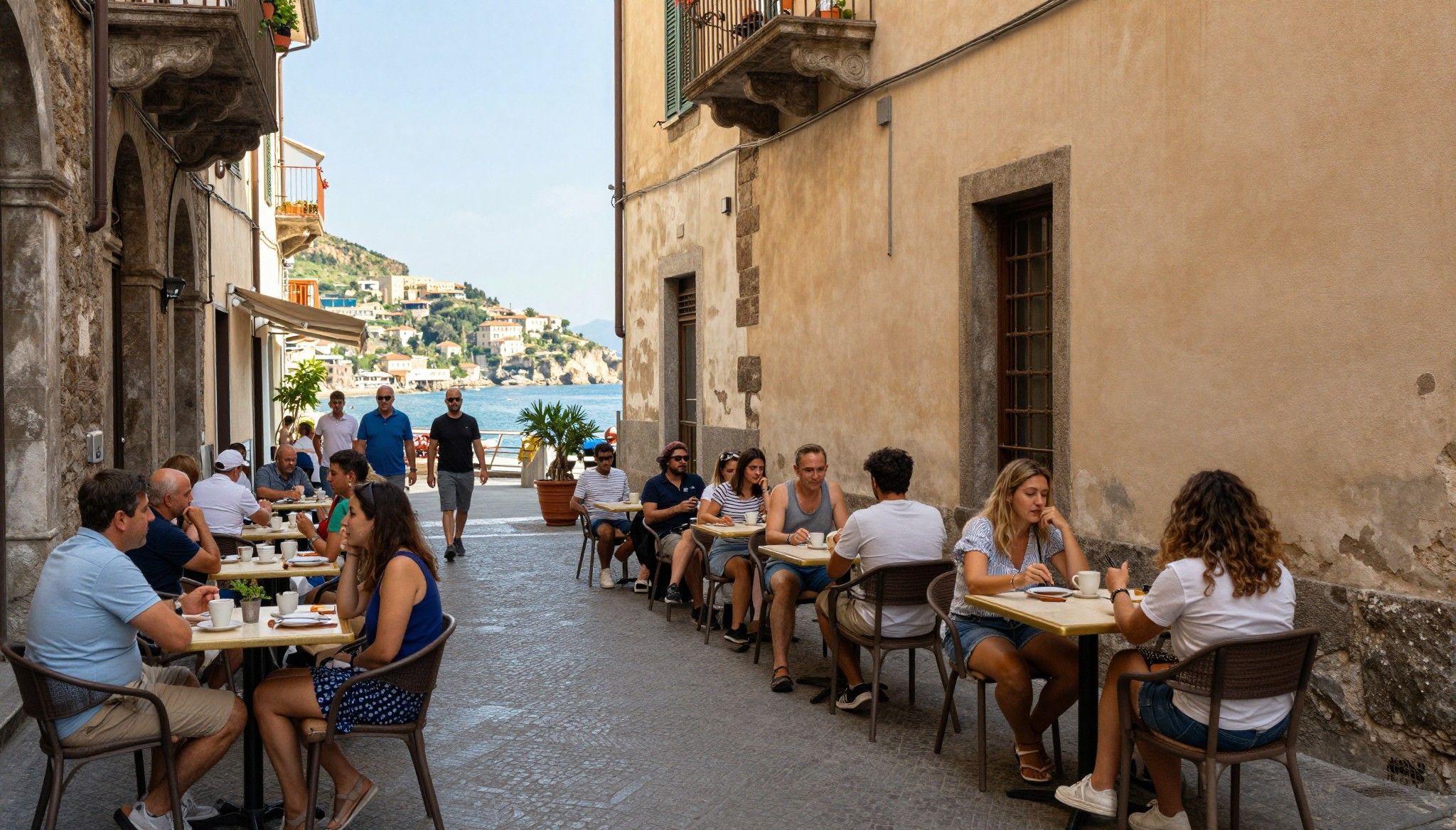
Imagine stepping out at dawn for an espresso on a narrow Roman side street, then hours later swapping cobbled alleys for a late afternoon swim on the Ligurian coast. Italy isn’t a single lifestyle; it’s a string of lived-in scenes — sunlit piazzas, vineyard mornings in Tuscany, modern Milanese cafés and fishing boats at dawn in Amalfi. For international buyers that variety is the appeal and the puzzle: which rhythm will you actually want to join? This piece pairs the sensory pull of Italian life with researched market signals so you can fall in love and buy smart.
Living the Italy lifestyle
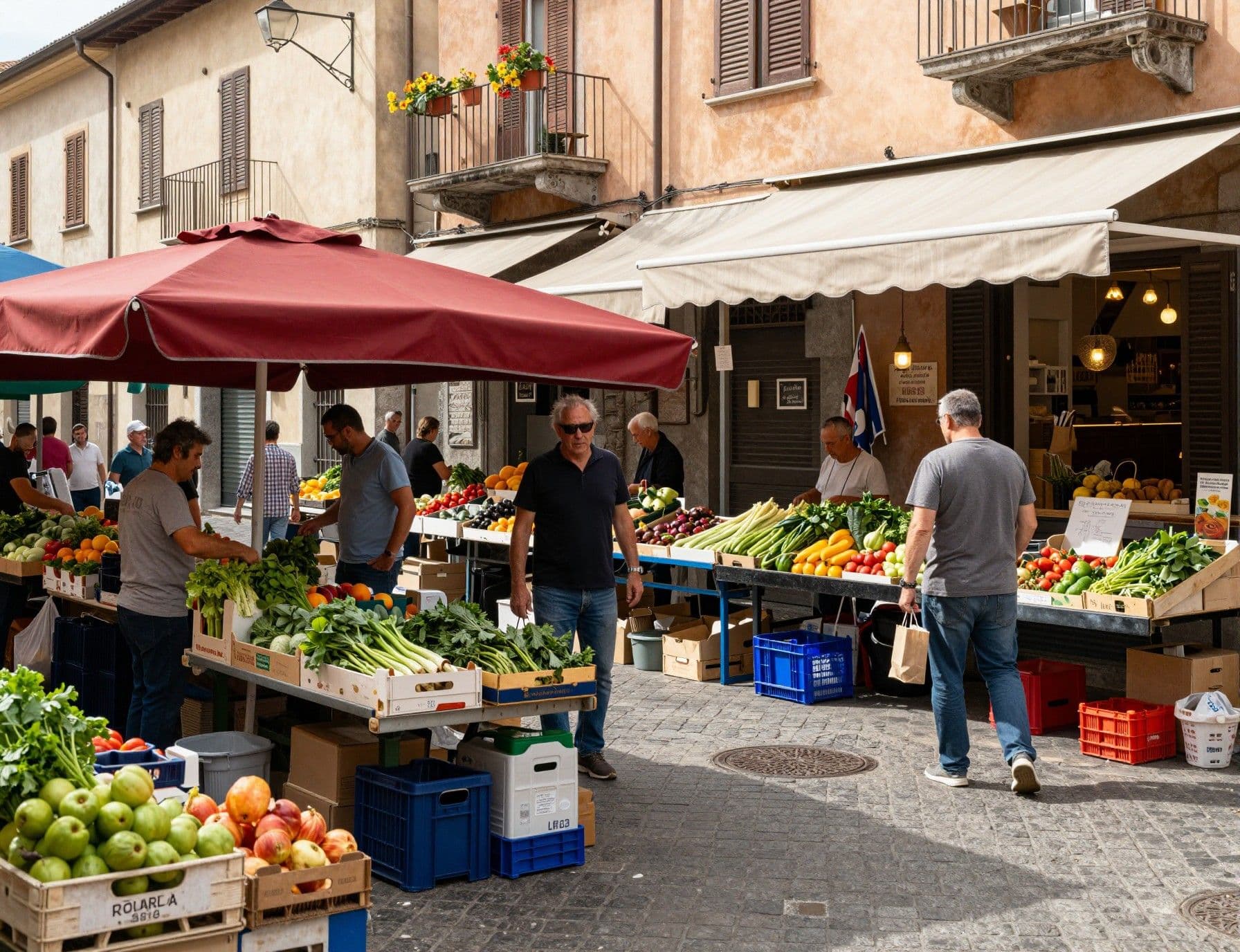
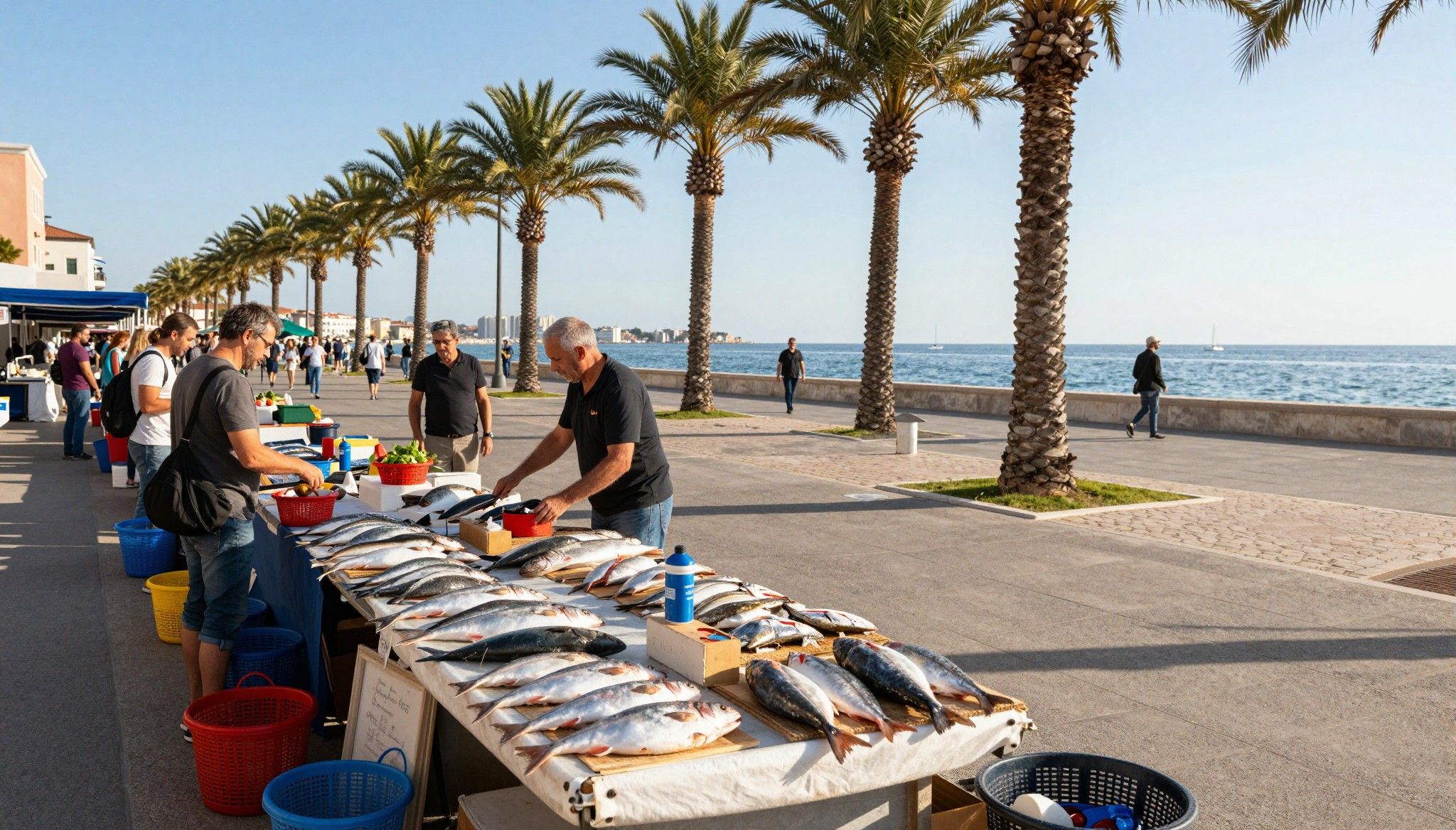
Daily life in Italy moves at neighborhood speed. Morning markets set the tone — stallholders calling out seasonal fruit, neighbours meeting for quick coffee, and small trattorie switching from lunch to aperitivo by late afternoon. Across cities you’ll find distinct micro-rituals: in Milan the weekday tempo is businesslike and design-forward; in Rome rituals revolve around piazza life and late dinners; on the coast, weekends revolve around the sea and seafood. These rhythms shape what you buy: a compact central flat for social life, a seaside townhouse for outdoor living, or a country house for slow-season ritual.
City pulse: Rome, Milan and Turin neighborhoods
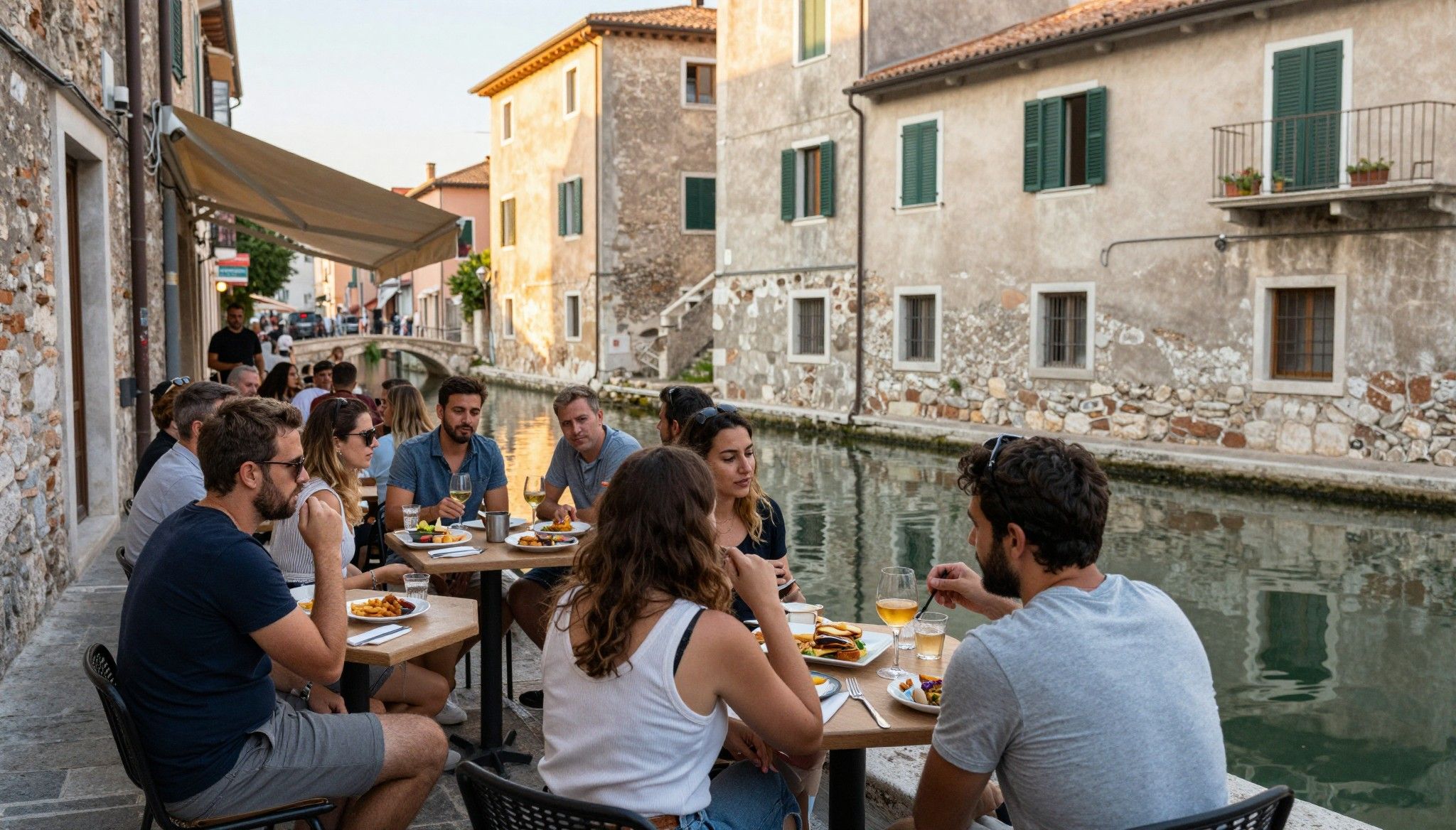
Choose a Milan neighborhood like Brera or Navigli if you want canalside aperitivi and design galleries within walking distance; pick Porta Romana or Isola when transit access and modern living matters. In Rome, Trastevere offers old‑world streets and lively evenings while Monti and Prati attract families and quieter daytime life. Turin is quieter but excellent value, with elegant boulevards and an emerging food scene. Local guides and on-the-ground visits will show differences that photos won’t: noise levels, morning markets, and where the best neighbourhood coffee actually is.
Coast and countryside: Liguria, Amalfi, Tuscany and Puglia
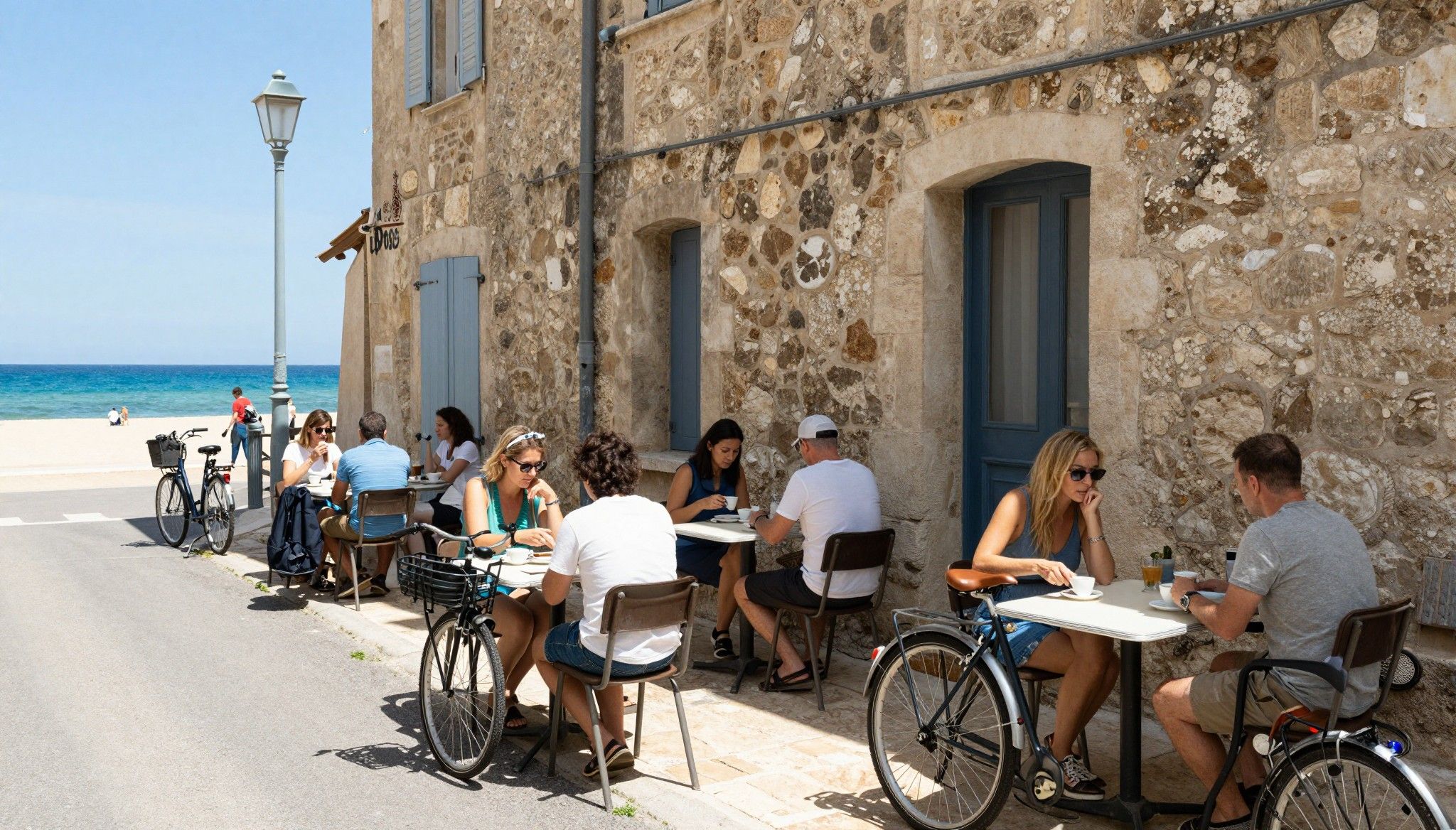
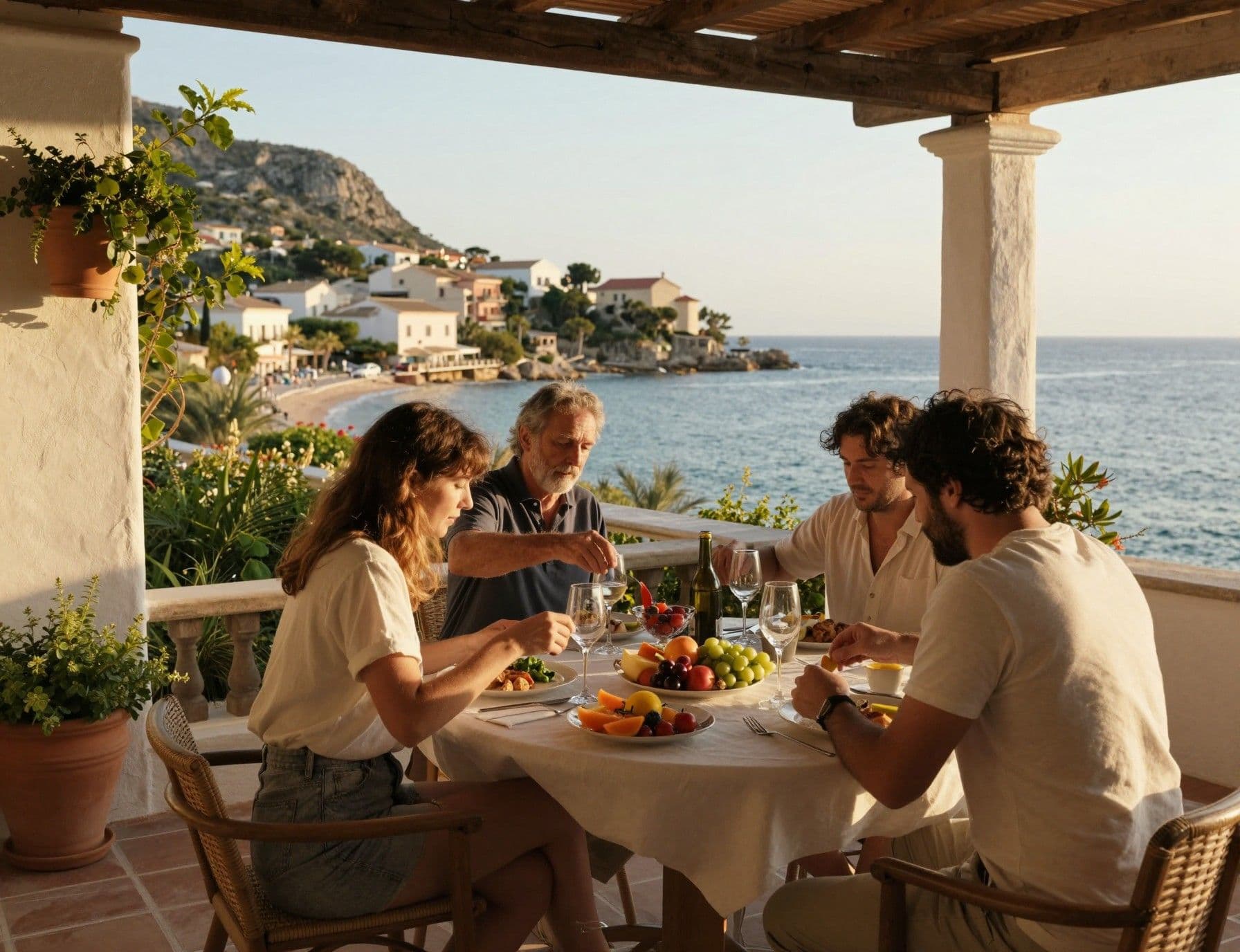
Coastal Italy is a tradeoff between postcard days and year-round practicality. Liguria towns like Portofino and the Cinque Terre charm with fishing-harbour aesthetics but have seasonal crowds and maintenance considerations for sea-exposed properties. Amalfi Coast homes reward owners with views and rental demand but demand high upkeep and insurance attention. Rural Tuscany or Puglia offer land, olive groves and renovation potential — a different pace that trades daily services for space and privacy.
Making the move: practical considerations
The romantic image of Italy meets measurable market dynamics. National statistics and industry reports show steady price growth in recent quarters and stronger demand from domestic buyers, with foreign interest concentrated in high‑amenity coastal and city markets. For buyers this means value pockets still exist — particularly outside prime city cores — but be realistic about running costs and seasonality. Use public data and reputable market reports to set expectations before you fall in love with a façade.
Property types and how they shape daily life
A historic centro storico apartment places you in piazza life with stairs, small floorplans and character details; a newly converted loft in Milan supports remote work with modern systems and elevators; a coastal villa gives outdoor living but higher maintenance and insurance. Match property style to how you will really live: do you want small, walkable blocks and social mornings, or large terraces and solitude? That choice alters renovation priorities, service needs, and total ownership cost more than the headline price per square metre.
How local experts help marry lifestyle with market realities
- Work with an agent who understands seasonal rhythms, local building traditions and the neighbourhood’s everyday life. Ask them about recent comparable sales, average days-on-market, and whether properties attract long-term renters or holiday visitors. Use a bilingual notary and a local surveyor early to flag construction irregularities or needed seismic upgrades. A trusted agency introduces you to artisans, property managers and the café owner who knows the street rhythms — all practical inputs that preserve the lifestyle you bought into.
Insider knowledge: what expats wish they’d known
Expats commonly tell the same three truths: language unlocks neighbours, notaries run the rule on legality, and seasons change neighbourhoods. A street that feels alive in July may be almost private in January; restaurants close between seasons; and maintenance costs spike if the building faces salt air. These are not inconveniences — they’re part of Italian life — but they require planning so your lifestyle investment remains sustainable and enjoyable year-round.
Cultural integration and daily belonging
Making friends often starts at the market or the local bar. Learn neighbourhood customs — shop opening hours, where to register for resident services, and how festivals change traffic patterns — and you’ll find the community opens up quickly. Joining local associations — walking groups, market volunteer lists, or a language exchange — accelerates belonging in ways contract clauses cannot. Practical steps like learning basic Italian, registering at the local anagrafe, and meeting your building’s amministratore will translate lifestyle dreams into everyday ease.
Practical red flags and quick checks
- 1. Unusual ownership arrangements (shared courtyards or unresolved condominium debts). 2. Coastal exposure without recent waterproofing or salt-resistant finishes. 3. Historic building lacking seismic compliance documentation. 4. Properties sold off‑market with no comparables (ask for three recent sales). 5. Seasonal rental patterns that inflate headline yield but hide vacancy months.
Italy offers a mosaic of lifestyles that reward patience and local knowledge. Data from national statistics and market reports (see ISTAT and Cushman & Wakefield) show consistent activity and targeted opportunities outside headline hotspots. If you fall for a place, pair that emotion with due diligence: verify comparables, inspect for climate-related wear, and plan for year‑round living, not just the postcard season. Your next step should be an exploratory visit timed outside high season, followed by a shortlist of agencies with proven local track records.
Dutch investment strategist with a Portugal-Spain portfolio. Expert in cross-border financing, rights, and streamlined due diligence for international buyers.