Buy the Rhythm: Croatia’s Life‑First Market Checklist
Fall for Croatia’s ritual-rich streets, then buy with market-backed checks: price indices, reciprocity rules and season-aware due diligence for confident living.
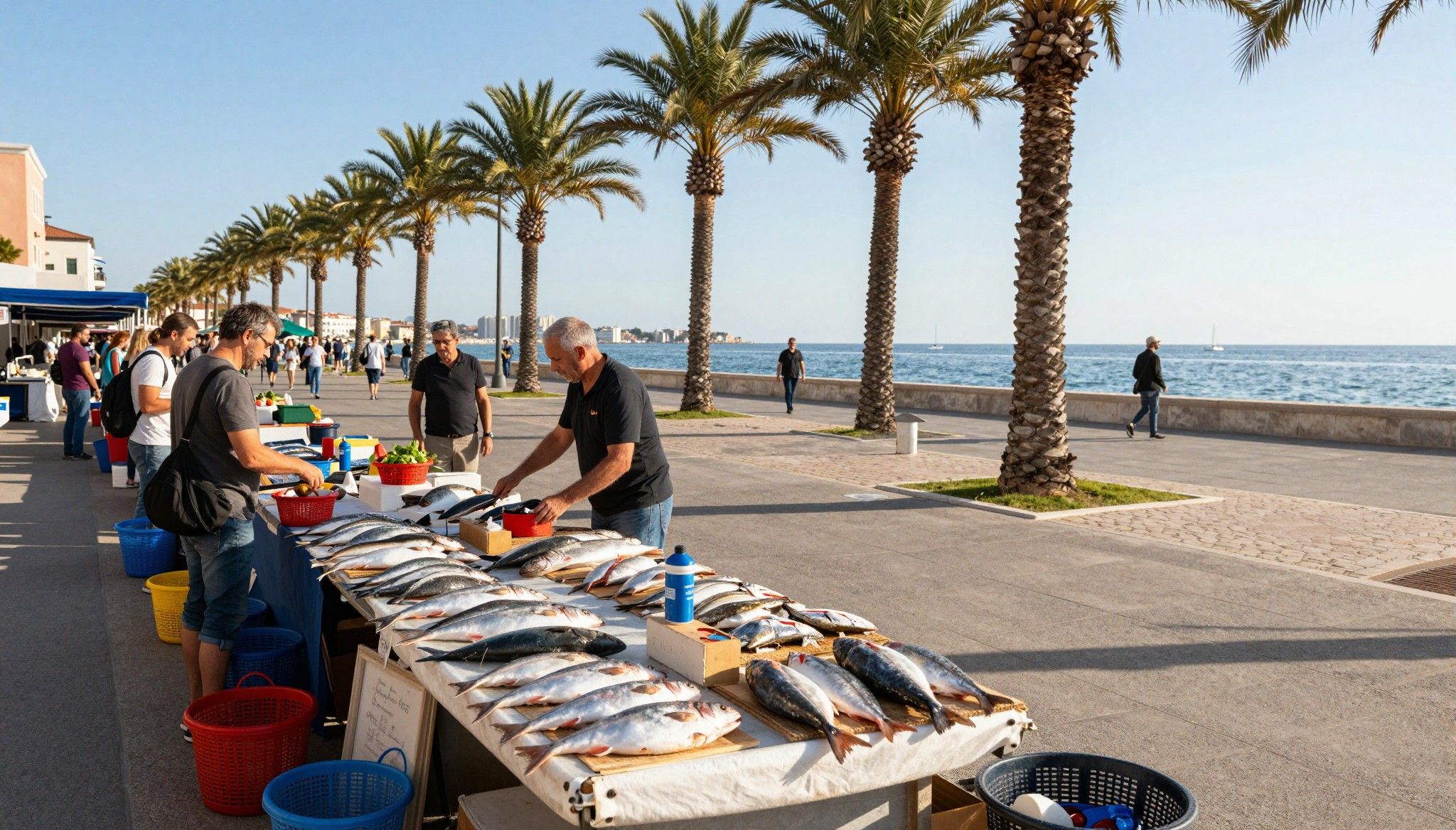
Imagine starting your morning buying fish at Split’s Green Market, swapping a few words with a fisherman, then walking five minutes to a sunlit terrace for espresso. In Croatia the day often unfolds small — a late breakfast, time in the coastal sun, a long evening over dalmatian grilled fish — and that everyday rhythm reshapes how people choose homes. For international buyers this is seductive, but the choice of street, structure and season determines whether you buy a lifestyle or a postcard. Below I marry sensory, hyperlocal scenes with the market signals and legal realities you need to make a confident purchase in Croatia.
Living Croatia: the rhythm you buy into
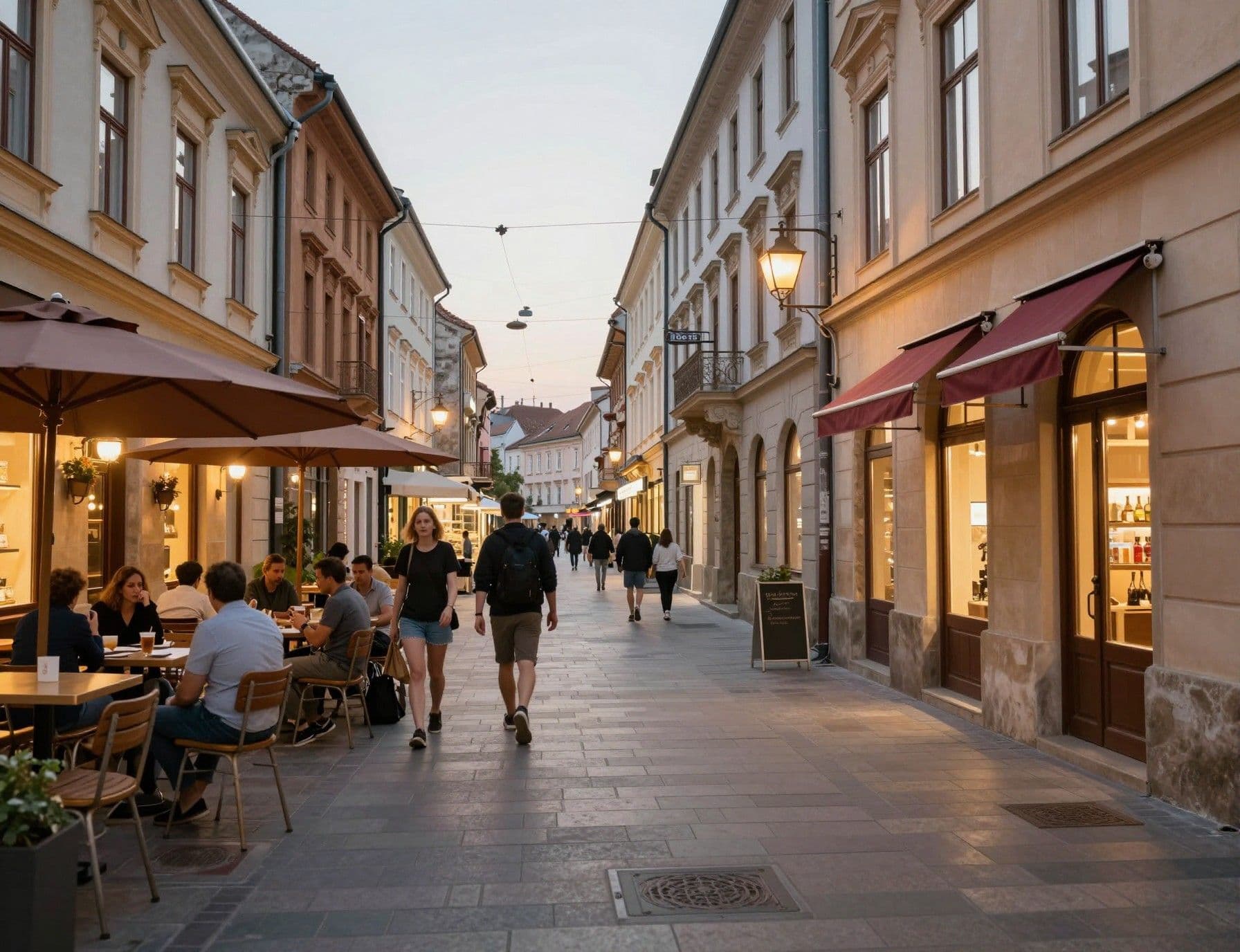
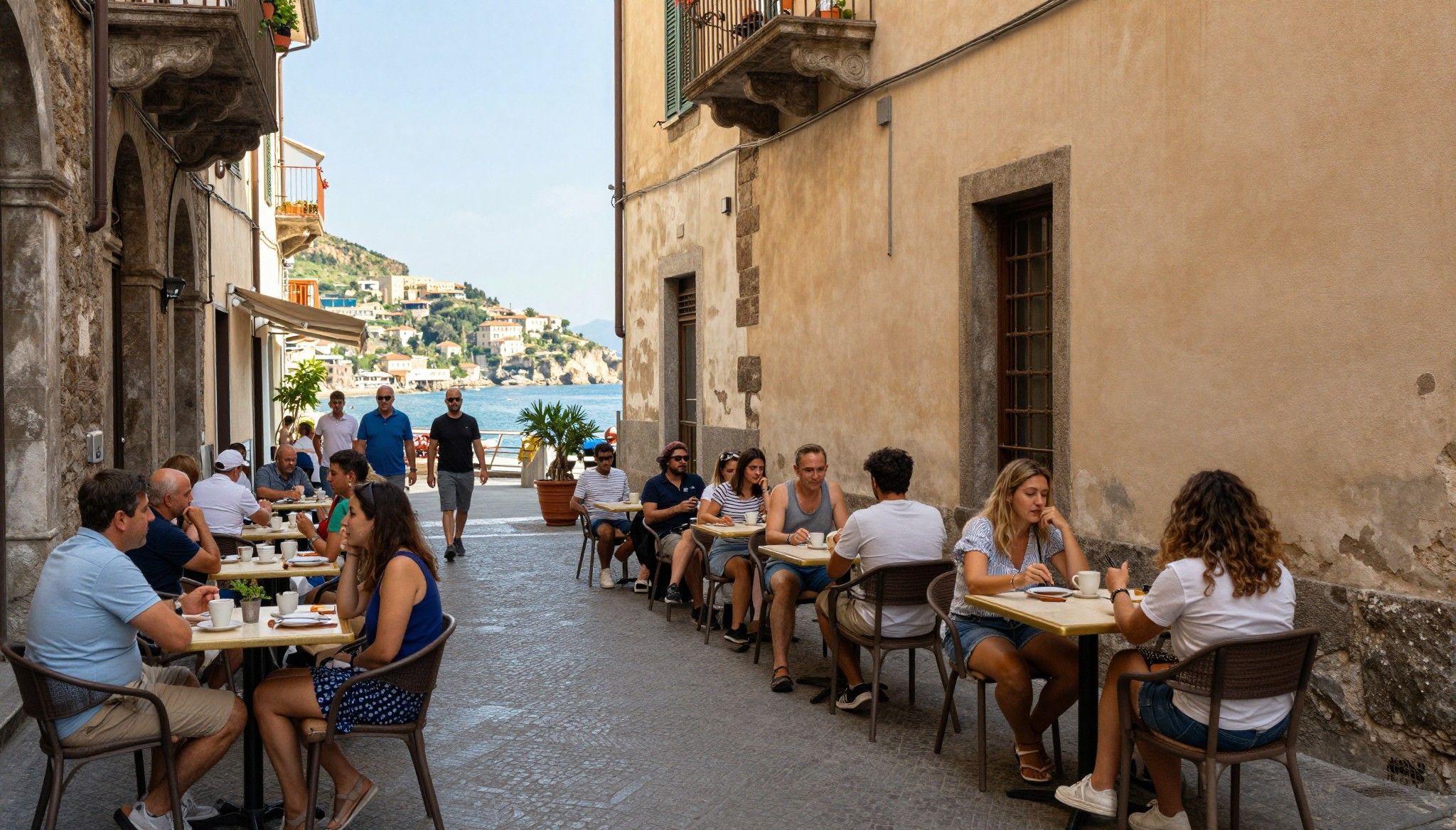
Croatia’s lifestyle is coastal, civic and seasonal. In Zagreb you feel early-morning café culture on Tkalčićeva and brisk tram commutes; on the Dalmatian coast the day bends toward sea, market stalls and late dinners. That difference — urban rhythm versus island time — changes what you need from a home: soundproofing and storage in the capital, outdoor terraces and shutters on the coast. Think beyond views: the street and micro-climate determine heating bills, insulation choices and how often you actually use a kitchen versus eating out.
Zagreb: neighborhoods that feel local
If you want city life, look for Maksimir’s tree-lined calm, Vlaška’s pre-war apartments and Tkalčićeva’s terraces for evening people-watching. These streets deliver daily rituals — bakeries that open at 06:30, midday markets and neighbourhood bistros — and they determine walkability, resale appeal and rental demand. Older Zagreb buildings often have generous rooms but require upgrades: expect heritage facades and the practical needs of modern insulation and plumbing.
Dalmatia: Split, Dubrovnik and island life
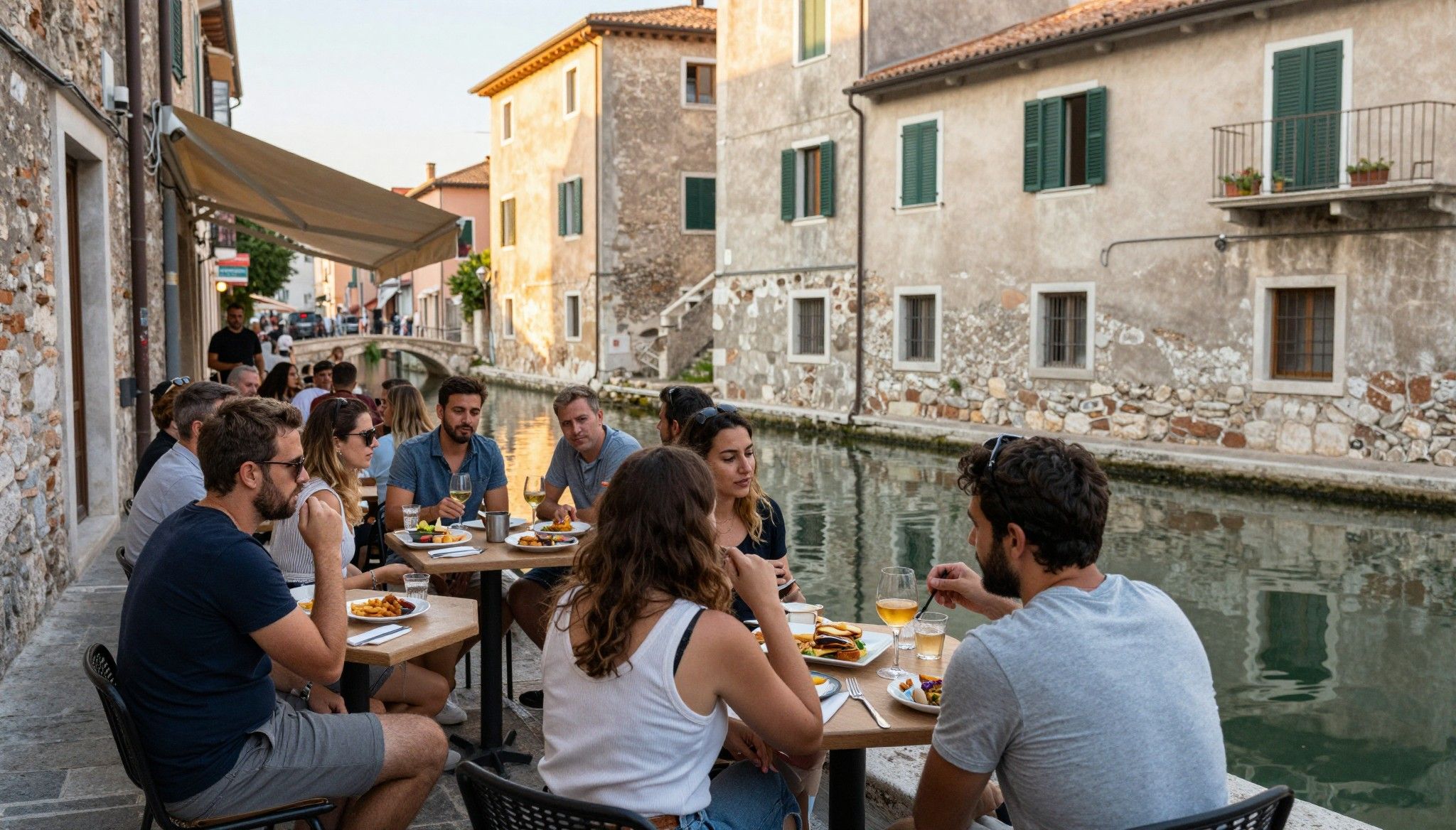
In Split the Palace, Bačvice and the Marjan slopes offer distinct lifestyles: inside Diocletian’s Palace you live within UNESCO stones and summer crowds; Bačvice trades calm mornings for vibrant summer nights; Marjan gives quiet walks and sea views. Dubrovnik’s Old Town is incomparable but constrained — narrow alleys, limited supply, and premium prices. On islands—Hvar, Brač—you buy seasonal sunshine and limited services, so think about year-round access and utilities if you plan long-term living.
- Markets and micro‑vibes to love (and ask about): • Split Green Market (Pazar) — fresh produce and rapid social integration • Bačvice beach — nightlife tradeoffs vs daytime family life • Tkalčićeva (Zagreb) terraces — instant community feel • Hvar town harbour — summer pulse that affects rental yields • Istrian hill towns (Rovinj, Motovun) — year-round charm, quieter winters
Making the move: practical considerations that preserve the life you want
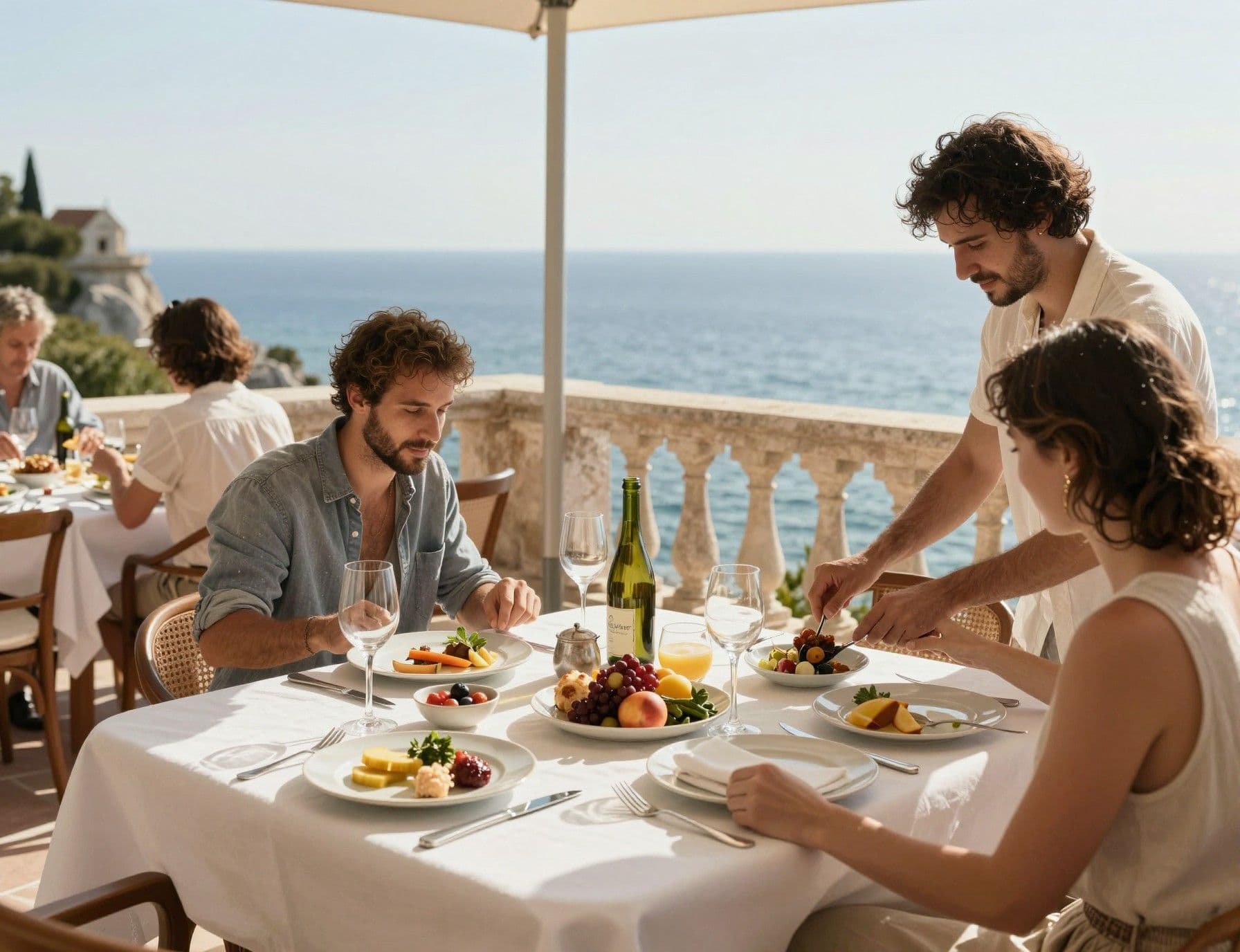
Croatia’s market has been growing: official house price indices show above-average increases in recent years, with coastal and Zagreb markets particularly active. That growth means competition during peak season and a premium for renovated historic properties near iconic squares. Translate this into decisions: if you want active streets and cafes within walking distance, accept smaller indoor space or pay a premium; if you want quiet and larger rooms, look to inner suburbs and inland towns where price per square metre is lower.
Property types & what they mean for daily life
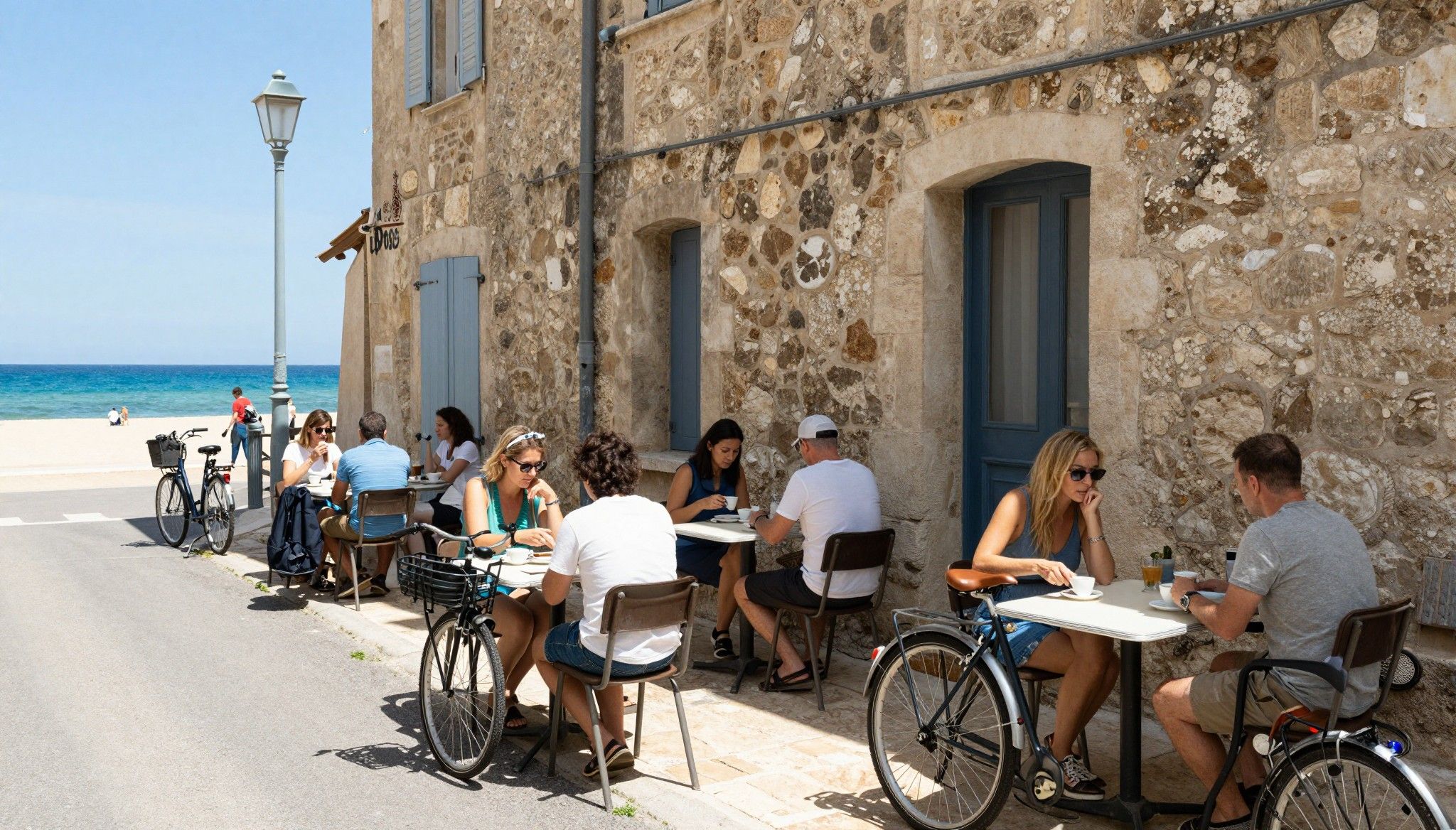
Seaside stone houses offer thick walls and cool summers but often demand electrical and plumbing upgrades; modern apartments in new-build complexes include parking, pools and better insulation but sit outside the historic core. For remote work, prioritise fibre broadband and quiet communal spaces; for rental income, choose central locations with short-term letting potential but check local zoning and condo rules. Consider seasonal maintenance: sea air increases corrosion and HVAC needs, and islands can add ferry-dependence costs.
Working with local experts who know the lifestyle
Use agencies that pair market knowledge with lifestyle matchmaking: they’ll flag whether a Dalmatian stone house will live comfortably in winter, or if a Zagreb apartment’s thin walls will ruin your peace. Local lawyers ensure reciprocity rules for non‑EU buyers are satisfied and help check land registry, encumbrances and historic permit status. Ask agents for neighbourhood rent roll data, recent sale comparables and service‑cost estimates — not just pretty pictures.
- A buyer’s blended checklist (lifestyle + practical): 1. Visit the street at three times of day to test noise, light and market life. 2. Confirm broadband speed and ferry/flight access for off-season months. 3. Request recent utility bills and condominium fee schedules to budget realistic running costs. 4. Commission a local legal due diligence report on title, building permits and reciprocity for non-EU nationals. 5. Estimate seasonal maintenance for sea-exposed properties and include this in total cost.
Insider knowledge: what expats wish they’d known
Expats often expect a year-round Mediterranean idyll and discover the seasonality of services, quieter winters and the administrative patience required for bureaucracy. Many also underestimate how much neighbourhood rhythm — church bells, market days, summer festivals — affects daily life. Practically, buyers told me they wished they’d checked local winter heating, storage for off-season furniture, and proximity to healthcare when choosing island homes.
Cultural integration & everyday life
Croatians value local rhythms: family meals, café talk and a measured pace. Learning basic Croatian phrases opens doors — shopkeepers, municipal clerks and neighbours respond warmly when you try the language. Joining local markets, volunteering at small festivals and using neighbourhood services accelerates integration and clarifies what kind of property will fit your social life — a balcony for morning coffee or a courtyard for weekend gatherings.
Long-term lifestyle and investment outlook
Data indicates Croatia remains an outperformer for price growth among EU peers, particularly on the Adriatic and in Zagreb, which supports both lifestyle buyers and cautious investors. That said, rising prices mean deliverable value depends on exact location and building condition. Buyers who prioritise life over headline yield find inland Istria or smaller Dalmatian towns often offer better long-term satisfaction and lower entry prices than heavily toured hotspots.
- Red flags to watch (quick): • Missing building permits for renovations or extensions • Properties advertised with ambiguous ‘sea view’ claims — check sightlines in winter • Unregistered short‑term rental permissions in tourist zones • Overly optimistic maintenance estimates for sea-exposed façades • Seller promises about utilities without written proof
Conclusion: buy the life, but budget for the reality. Croatia gives you marketable coastal mornings, city cafés and small‑town winters; choose a place where the neighbourhood rituals match how you want to spend your days. Start with on‑the‑ground visits, demand local comparables and legal checks, and work with agents who pair lifestyle matchmaking with rigorous due diligence. When those pieces align, you don’t just own property in Croatia — you live the small daily moments that make it worthwhile.
Danish relocation specialist who has lived in Barcelona since 2016. Helps families move abroad with onboarding, schooling, and local services.