Italy: Neighbourhood Rhythm vs Market Signals
Fall for Italy’s rhythm first — then use neighbourhood-level data (ISTAT, Savills) and local checks to turn romance into a resilient property choice.
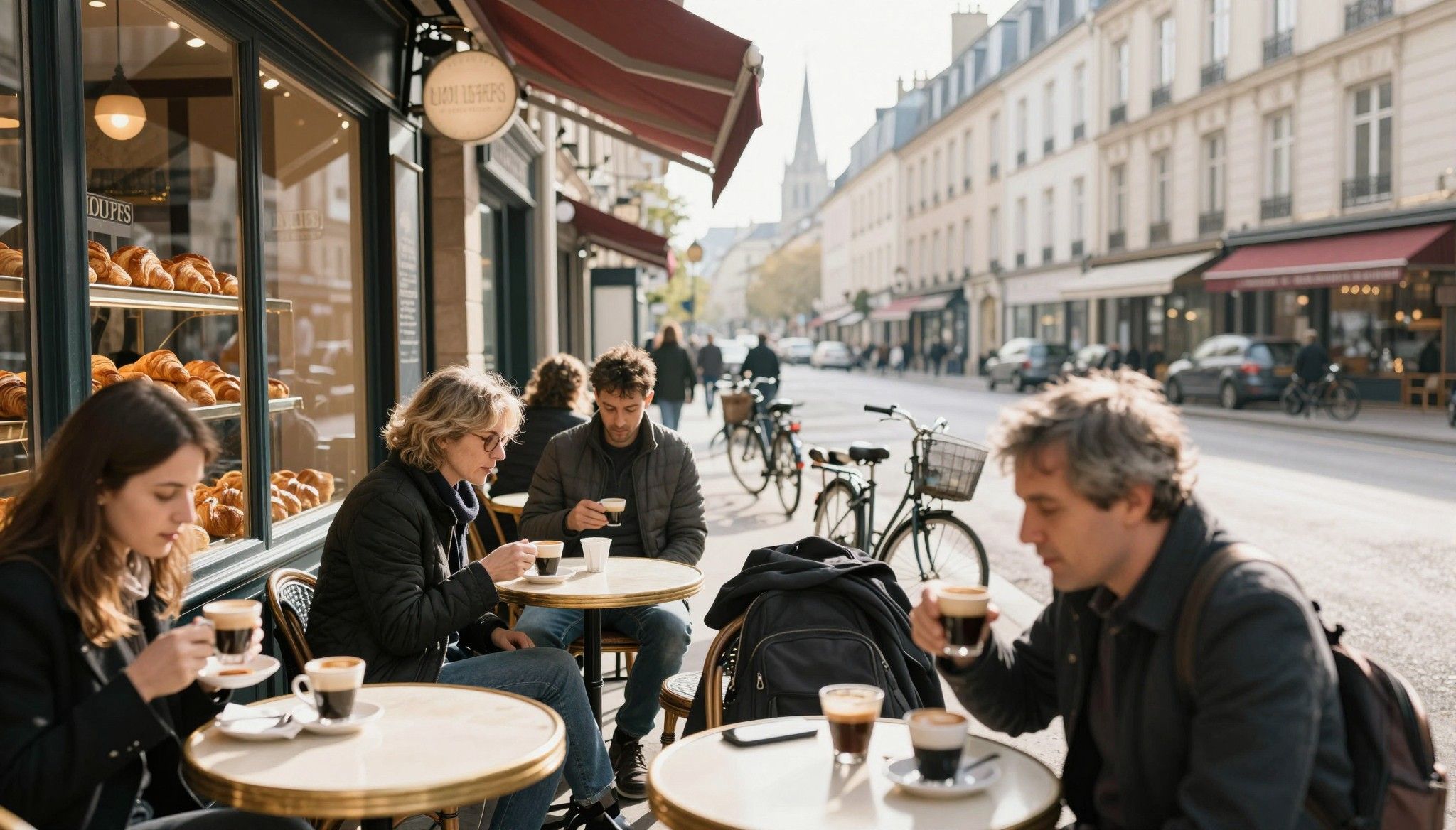
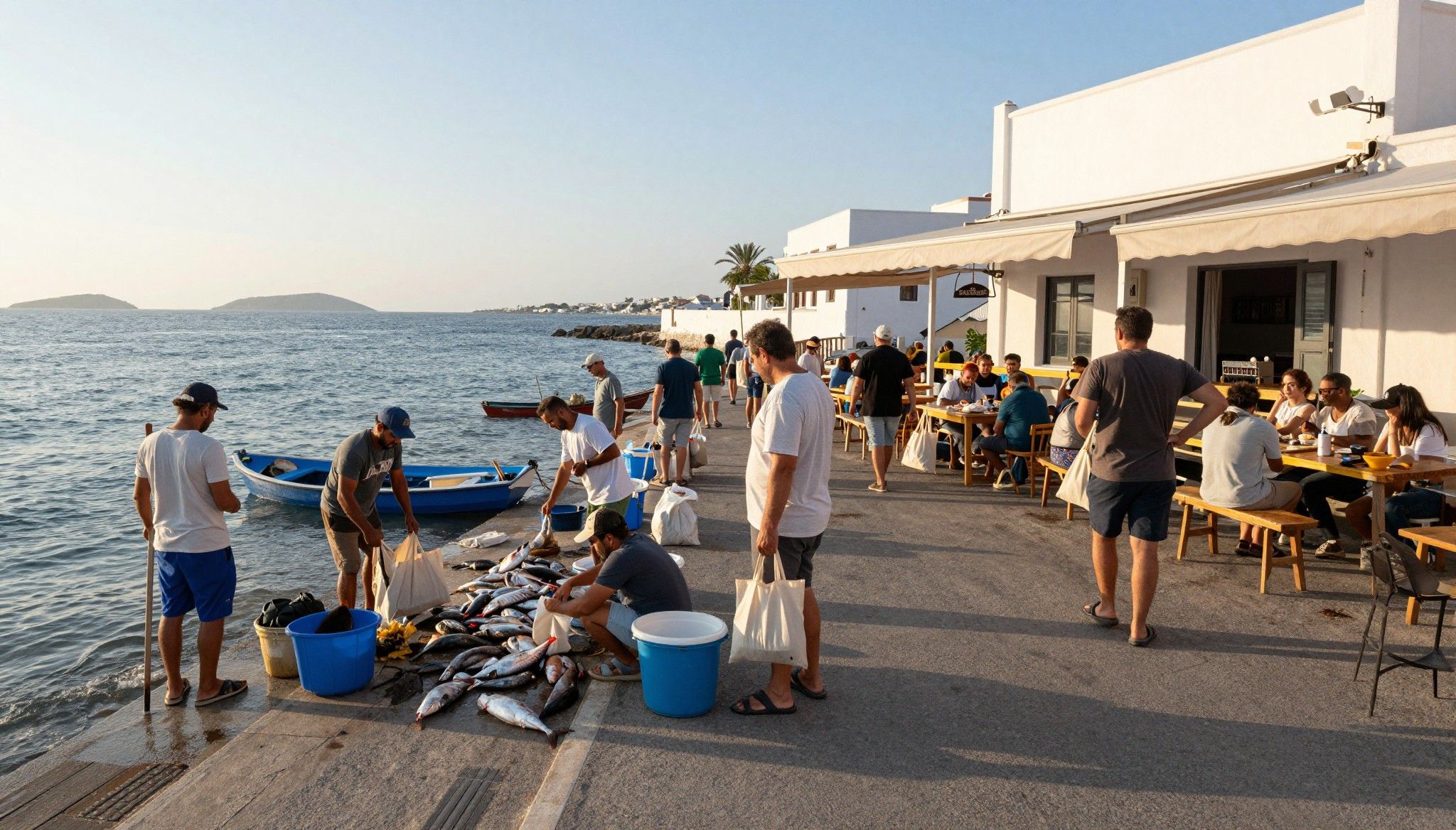
Imagine standing at an outdoor café in Trastevere, espresso steaming, while a gondolier’s cousin argues with a fishmonger about the catch of the day — that mix of ritual and warmth is Italy. For international buyers the romance is part of the attraction, but the more important truth is how daily life — markets, neighbourhood rhythms, seasons — shapes property value and use. Recent market analysis shows modest but consistent price growth in many regions, making lifestyle decisions inseparable from market realities. This piece compares lifestyle impressions with practical signals so you can fall in love without losing your head.
Living the Italian life — city, coast, and the in-between
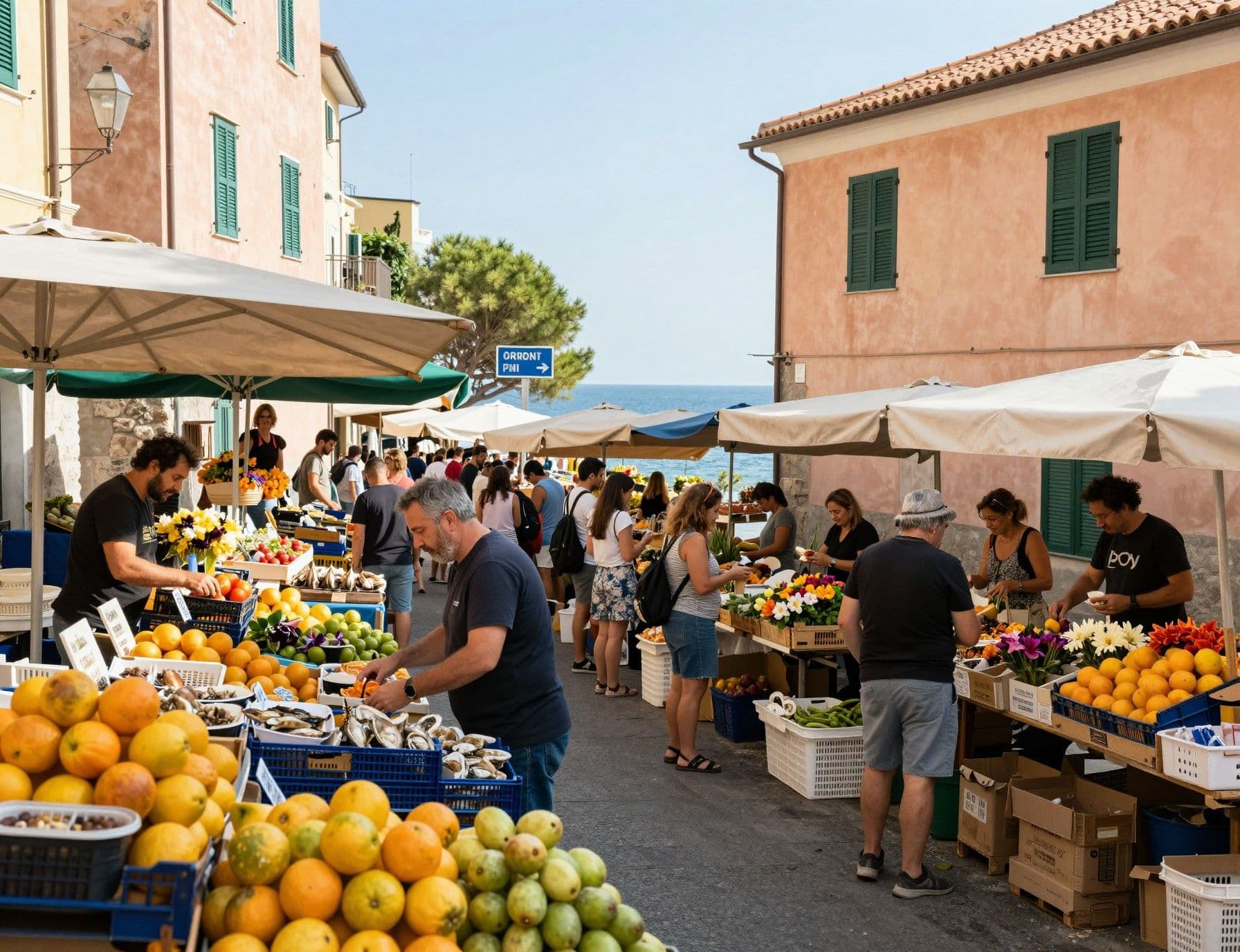
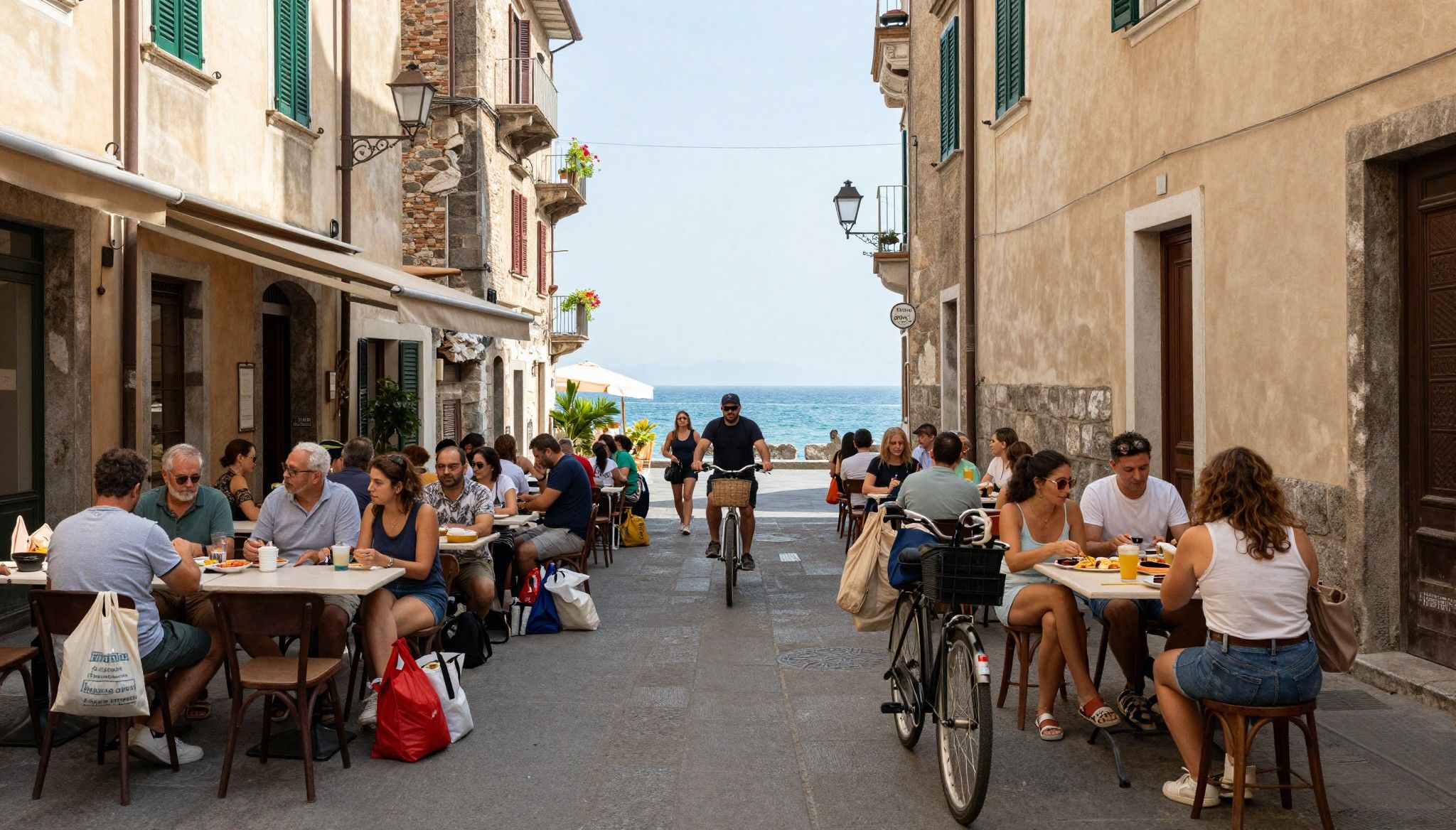
Italy’s everyday music is specific: the barista’s routine at 08:00, the fish market’s crescendo at 09:30, and the piazza’s slow unwind after 20:00. In Rome you’ll find narrow lanes in Trastevere and Testaccio where locals buy wood-fired bread and the scent of basil hangs in the air. Milan feels different — commerce tempered by design, with Navigli’s canals offering dinners that stretch into the night. On the coast, from Liguria’s pebble beaches to the Amalfi cliffs, life leans outdoors: terraces, sea-facing breakfast, and seasons that determine how you use a home.
Neighbourhood spotlight: Rome — Trastevere & Testaccio
Trastevere’s cobbled lanes and family-run trattorie make it magnetic for long stays; Testaccio’s food labs and weekend markets make it prized by culinary-minded buyers. Both areas reward walkers — bakeries, greengrocers and late-night enotecas are a five‑minute stroll away, which matters when you’re buying for life, not just looks. Expect older buildings with character: be prepared for narrow staircases, variable insulation and a renovation trade that’s part craftsmanship, part negotiation.
Coastal mood: Liguria, Amalfi and the quieter stretches
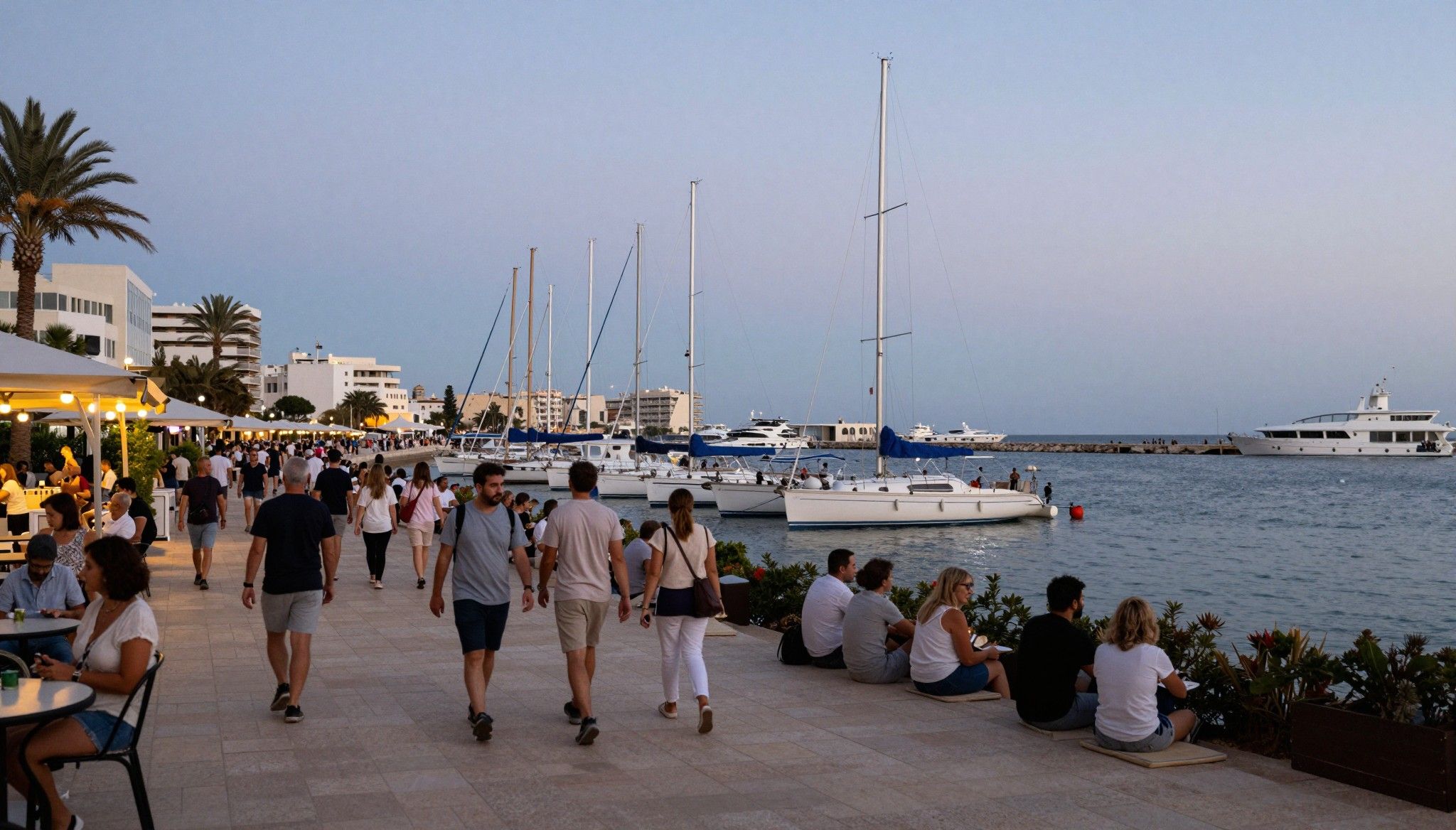
The Ligurian Riviera (think Camogli, Sestri Levante) offers gentle villages, pastel facades and year‑round residents; the Amalfi Coast leans more seasonal with tight streets and steep lots that reward views but add renovation complexity. If you imagine terrace breakfasts facing blue water, remember that access, parking and maintenance on cliffs cost time and money. For many buyers the sweet spot sits one town inland — 10–20 minutes from the sea — where daily life is quieter and running costs are lower.
Making the dream real means reading the signals. National statistics show house prices rose in many segments during 2024, with new-builds growing faster than existing stock according to ISTAT. At the same time, quarterly EU data noted regional variation — Italy’s market performance is not uniform, and some centres cooled while others gained momentum. Treat these figures as context: they won’t replace a neighbourhood walk, but they keep you from overpaying for atmosphere alone.
Property styles and how they shape daily life
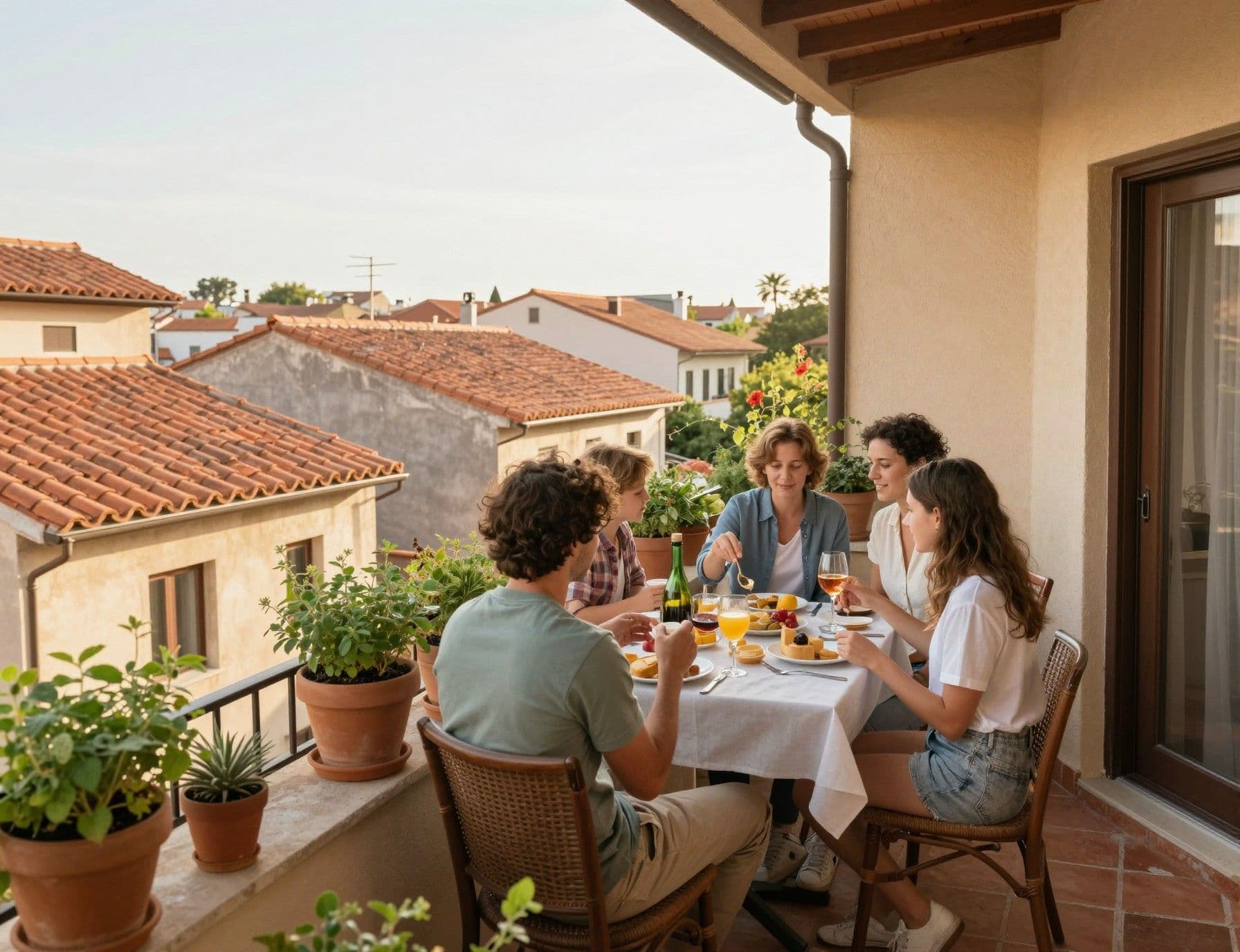
Historic apartments in city centres give you immediate immersion — morning markets, tiny balconies, and thick walls that keep summers cool. New developments near business hubs in Milan or waterfront refurbishments in Genoa offer better insulation, elevators and usable outdoor space. Savills data shows investment flows concentrate in larger cities and luxury segments; if you want convenience and rental demand, aim where offices, universities and transport intersect. If you want a slow, local rhythm, older neighbourhoods often deliver authenticity at a sensible price.
How local experts convert lifestyle into a property brief
1) Define the life you want — café culture, coastal weekends, or city convenience. 2) Match building type to lifestyle — historic flat for immersion; new build for low maintenance. 3) Ask your agent about running costs: condominium fees, winter heating, and coastal corrosion. 4) Check access and services: shops, doctors, and transport within a 10–20 minute walk. 5) Scenario-test the property: evening noise, summer humidity, and tourist season traffic.
Insider knowledge: what expats wish they'd known
Expats often discover quickly that community ties, not glossy listings, determine happiness: a friendly market stall, a reliable handyperson, and a local barista who knows your name. Registration rules for short‑term rentals, municipal services and neighbourhood associations vary wildly across communes; local buying agents say early involvement with neighbourhood officials saves headaches. Many buyers also underestimate seasonal life: a town bustling in July can feel empty in February, and that affects rental demand as well as personal enjoyment.
Cultural and practical red flags to watch for
• Buildings on steep slopes that require frequent structural maintenance. • Properties marketed as “sea‑view” where access or privacy is compromised. • Unclear condominium minutes or older a.p.e. (energy performance) documents. • Over-reliance on seasonal short‑lets in towns with narrow tourism windows. • Agents or sellers who resist independent surveys — insist on a qualified local engineer.
Longer view: how lifestyle changes with time
Over five to ten years, neighbourhoods near transport upgrades, university campuses or cultural projects tend to gain both life and price premium. If you plan to live long term, look for municipal plans and small‑scale regeneration rather than headline luxury towers. For investor-lifestyle buyers, a mixed approach — one home for life, one smaller asset focused on rental during peak months — balances enjoyment with cashflow.
Conclusion: Italy sells a life as much as it sells property — markets and daily rituals are inseparable. Walk the streets at different times, bring a local friend or translator, and include neighborhood checks in every viewing. If the lifestyle fits, work with a bilingual agent who can translate municipal nuance into actionable checks; combine that with a structural survey and clear running-cost estimates. That way you buy both the feeling and the fact.
Swedish strategist who relocated to Marbella in 2018. Specializes in legal navigation and tax planning for Scandinavian buyers.