Cyprus: Life, VAT Traps and Non‑Dom Advantage
Pair the island life you crave with Cyprus’s evolving VAT, transfer‑fee and non‑dom rules — practical steps and red flags for international buyers.

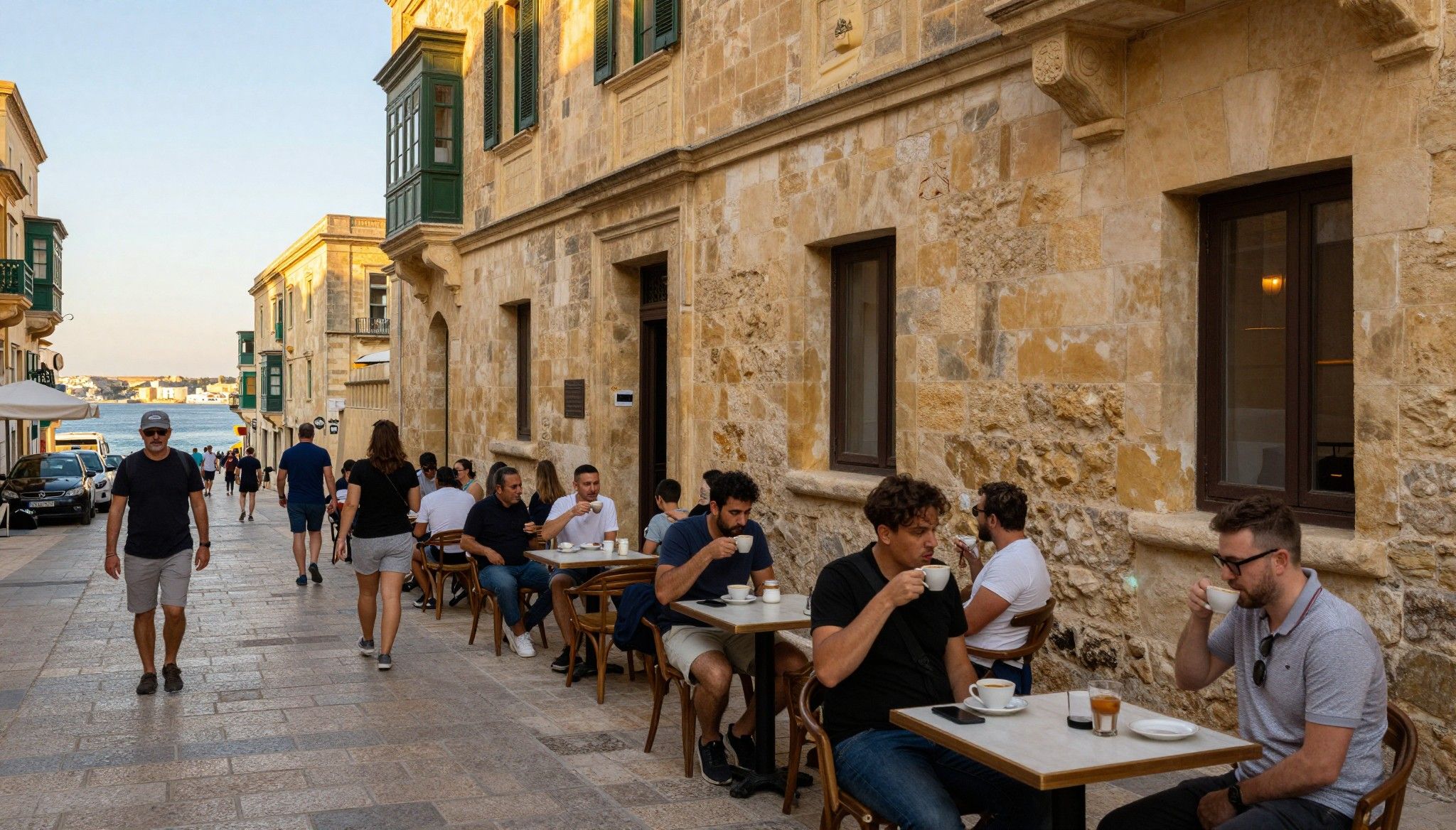
Imagine sipping short coffee at a shaded table on Gladstonos Street in Limassol, then walking five minutes to a seafront apartment where the light falls differently across limestone and rendered façades. Cyprus feels Mediterranean and lived-in: late breakfasts, steep lanes in old Nicosia, fishing boats in Larnaca, and villages where families still close shutters for the afternoon siesta. For an international buyer the romance is real — but so are tax quirks, VAT traps and residency rules that change the numbers beneath that dream. This guide pairs the life you’ll live with the regulatory reality you must plan for.
Living the Cyprus life — daily rhythms and places
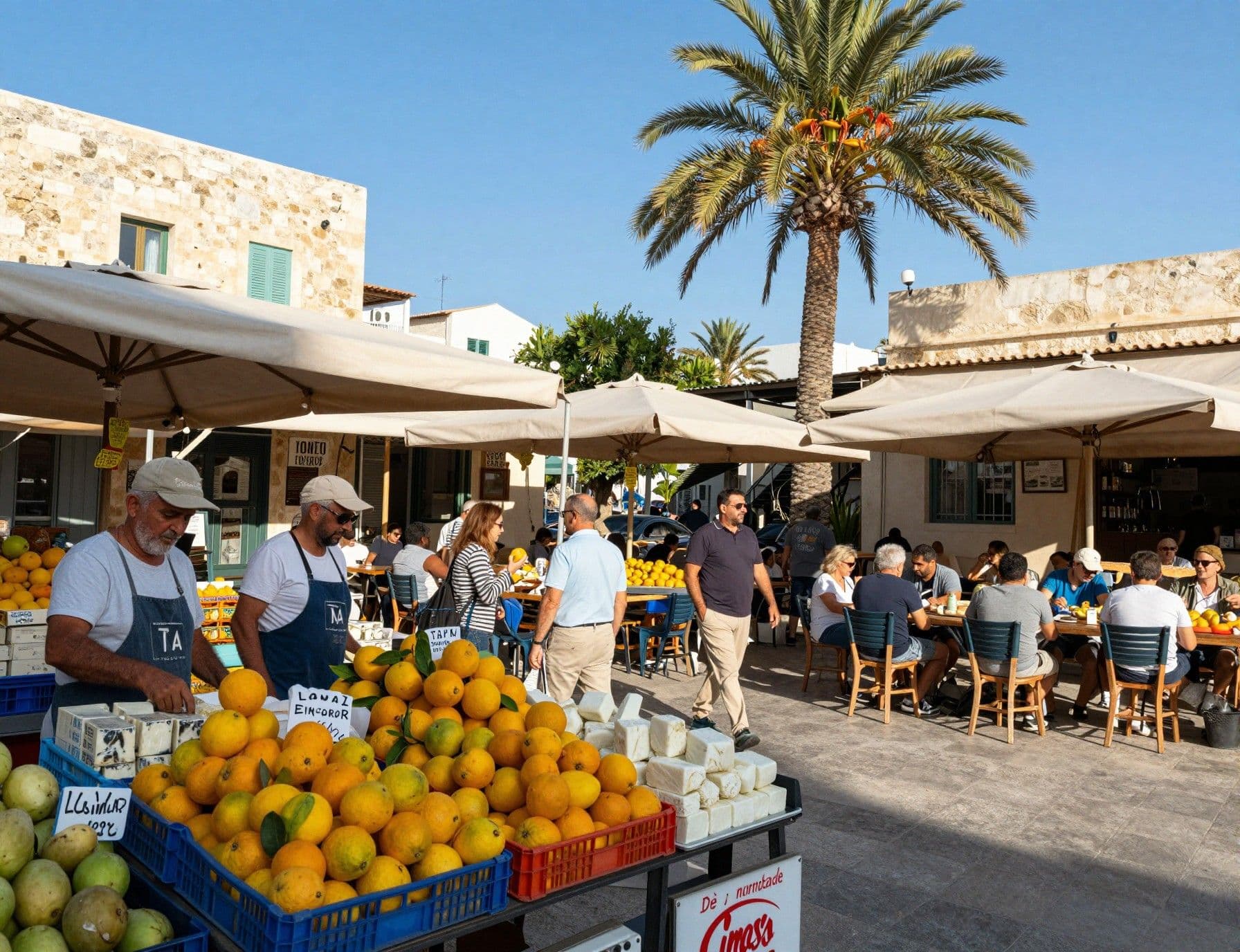
Cyprus is compact; neighbourhood character changes in short walks. Limassol mixes yachts and corporate life, old Larnaca centers around the Finikoudes promenade and traditional tavernas, while Paphos drifts between archaeological sites and coastal villas. Seasonal life is equally distinct: winter brings quieter inland villages and citrus harvests; summer fills beaches, fish tavernas and open-air festivals. When you buy here, you're buying a pattern of life as much as square metres — and different property types plug you into those patterns in practical ways.
Limassol’s two moods: marina gloss vs. old‑town rhythm
Walk the marina for modern developments with concierge services, then cross to Agios Nicolaos and find bakery‑run locals and narrow lanes. Buyers chasing a vibrant social scene and easy rental demand gravitate to the marina and Germasogeia, while those seeking authentic island life look at neighbourhoods around the old port and Molos park. Practical tip: newer developments often carry VAT and management fees; older town houses have lower running costs but can need renovation and planning-permit checks.
Village life and mountain retreats — the other Cyprus
Head into the Troodos foothills for cool summers, stone houses and communal markets where life moves by harvest seasons. Places like Omodos and Kakopetria sell a lifestyle of vineyards, local wine festivals and tight‑knit communities — great for buyers who want slower rhythms and space for renovations. But remember: infrastructure (road maintenance, broadband, heating) varies; a dream renovation here often includes plumbing upgrades and energy retrofits that affect budget and schedule.
Making the move: the regulatory reality that shapes choices

Lifestyle decisions — sea view terrace, courtyard, or village plot — cascade into tax outcomes. New-build purchases are often liable for VAT (standard 19%), while transfers of existing properties usually attract transfer fees instead. In some qualifying cases a reduced 5% VAT rate applies to a portion of a new primary residence, but the rules, area limits and deadlines are technical and have shifted recently. Read the fine print: choosing the right contract date, or structuring purchase via a VAT‑registered developer, can save tens of thousands of euros.
VAT is the headline risk. Recent legislation allows a reduced 5% VAT on the first defined area of a qualifying primary residence, and transitional arrangements have evolved through 2025–2026. If you plan to rent or sell within a defined period after claiming reduced VAT, repayment obligations may apply — a common pitfall for buyers who buy before settling on long‑term plans. Work with tax advisers early to model scenarios: marginal VAT differences can flip an investment’s yield or a household’s cashflow.
One big advantage for many internationals is Cyprus’s non‑dom status: individuals who are tax residents but not domiciled in Cyprus can be exempt from Special Defence Contribution (SDC) on dividends, interest and rental income. That can materially improve after‑tax rental yields and cross‑border wealth planning. Residency tests and the interplay with permanent residence permissions matter — getting tax-residency timing right (days present, ties severed) is as consequential as picking the right neighbourhood.
Insider knowledge: red flags, negotiation levers, and lifestyle tradeoffs
Expats we interviewed consistently name three surprises: (1) VAT and transfer fee interactions that change final costs, (2) municipal rates and utility connections that vary by neighborhood, and (3) planning restrictions in older quarters that limit alterations. A common contrarian move: buyers who can accept a 10–15 minute inland commute often get larger plots and traditional stone houses at materially lower prices than comparable seafront apartments. That tradeoff buys lifestyle — outdoor space, fruit trees and quieter winters — and lower annual running costs.
- Practical red flags to check before you sign
- 1. Confirm whether the purchase is VAT‑liable and which portions (5% vs 19%) apply; 2. Check planning permits and any unauthorised extensions — regularisation can be costly and slow; 3. Verify transfer‑fee calculations and whether VAT payment exempts you from transfer fees; 4. Model post‑purchase costs: municipal rates, insurance, property management and potential energy retrofits.
How local agencies and advisers turn lifestyle into a compliant purchase
- Work with a local lawyer for title search and contract clauses; appoint a tax adviser to model VAT and non‑dom status; choose an agent who knows negotiable extras (appliances, completion timelines, defect rectifications); secure a surveyor for coastal erosion or seismic‑risk checks; ask your agent to map neighbourhood services (schools, clinics, ferry/bus links).
These steps convert a lifestyle brief — seafront terrace, close café culture, weekend vineyard walks — into a procurement plan that respects Cyprus’s regulatory layers. Early coordination between your estate agent, lawyer and tax adviser stops surprises at exchange and settlement. Above all: make dates matter. Contract signing dates, planning permission stamps and residency timing shape VAT exposure, transfer fee reliefs and non‑dom eligibility.
Longer‑term lifestyle and legal considerations
Policy changes do happen: reduced‑rate windows have deadlines and area caps, and residency/immigration pathways have been tightened since the citizenship investment programmes were closed. For long‑term residents, plan for evolving tax regimes, energy-efficiency regulations and possible increases in municipal levies as coastal towns invest in infrastructure. A flexible plan — one that anticipates resale timing, rental strategies and a contingency for VAT reversals — preserves both lifestyle and value.
- Lifecycle checklist (practical + lifestyle) before you buy
- Visit in different seasons to test daily rhythms; confirm broadband speed and medical access; get a written VAT/transfer‑fee scenario from your lawyer; budget for 5–10% of purchase price for transaction and immediate works; ask neighbours about flood or erosion history; verify energy and insulation standards if you plan to retrofit.
Imagine the day after: unwrapping a cookbook in a Paphos kitchen, biking to a market in Larnaca, or hosting friends on a Troodos terrace. Those scenes are why buyers choose Cyprus. The work in this guide ensures those scenes are supported by a clear fiscal and legal plan — because a dream preserved on paper becomes a home in practice.
Next steps — how to start with confidence
- 1. Book seasonal visits and shortlist neighbourhoods; 2. Instruct a Cyprus lawyer to run title and VAT checks before exchange; 3. Obtain a written tax scenario for residency and non‑dom status; 4. Negotiate contract clauses for completion dates and defect rectification; 5. Set aside contingency funds for planning or energy upgrades.
If you want to translate a lifestyle brief into an executable acquisition plan, reach out to local advisers who work across tax, planning and property management. The right team turns the sensory pleasures of Cyprus — markets, tavernas and seaside walks — into an ownership model that’s legally sound and tax‑efficient. Buy the life you want, but make the paperwork your co‑traveller.
Conclusion: Cyprus invites you to a life with rhythm, sun and strong neighbourhood identity. Treat tax and residency rules as design constraints that can sharpen your choices rather than block them; do so and you’ll find properties that deliver both daily pleasure and durable value.
Norwegian market analyst who relocated to Mallorca in 2020. Focuses on data-driven market insights and smooth relocation for international buyers.