Malta: Buy the Neighbourhood Rhythm, Not the Postcard
Small island, big tradeoffs: how Malta’s neighbourhood rhythms, tourism rebound and property quirks shape lifestyle‑led buying decisions.
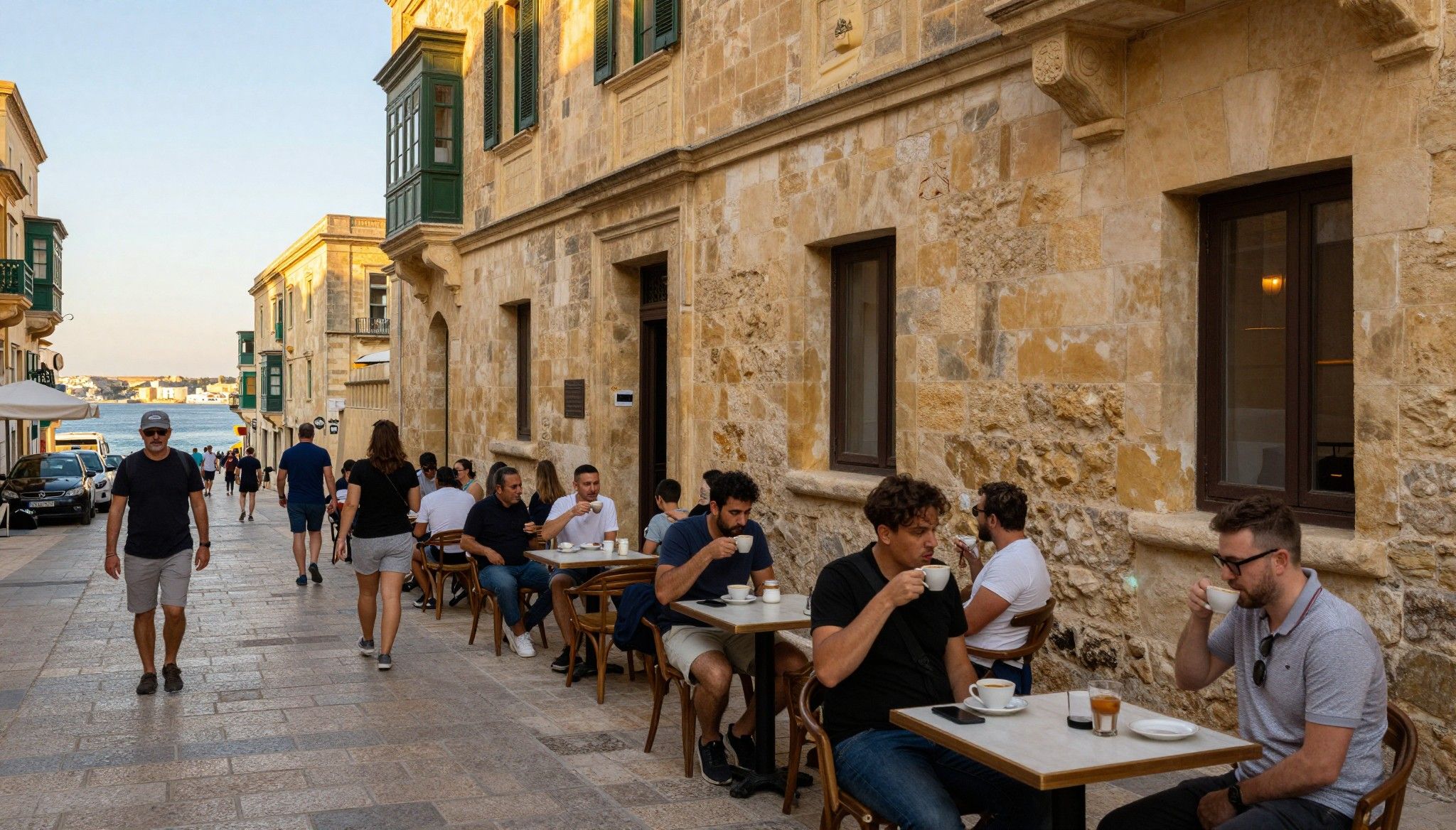
Imagine waking on a limestone street in Valletta, walking five minutes to a café where the barista knows your order, then catching a bus to a secluded swim cove at St. Peter's Pool by late afternoon. Malta is compact — every errand, market and sea view folds into a single day — and that concentration shapes how you live here, and how you should buy.
Living Malta: intense, intimate, island‑scale
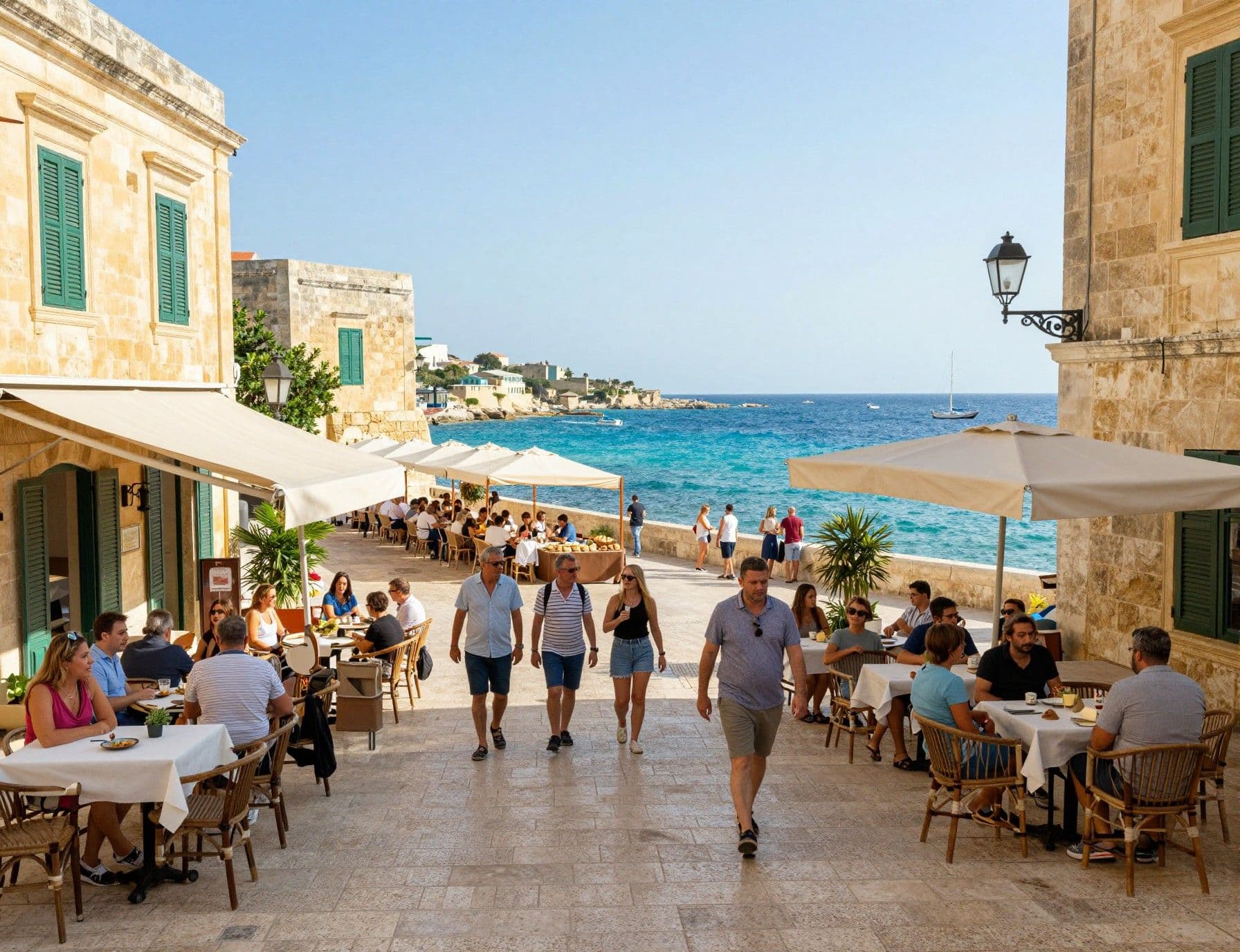
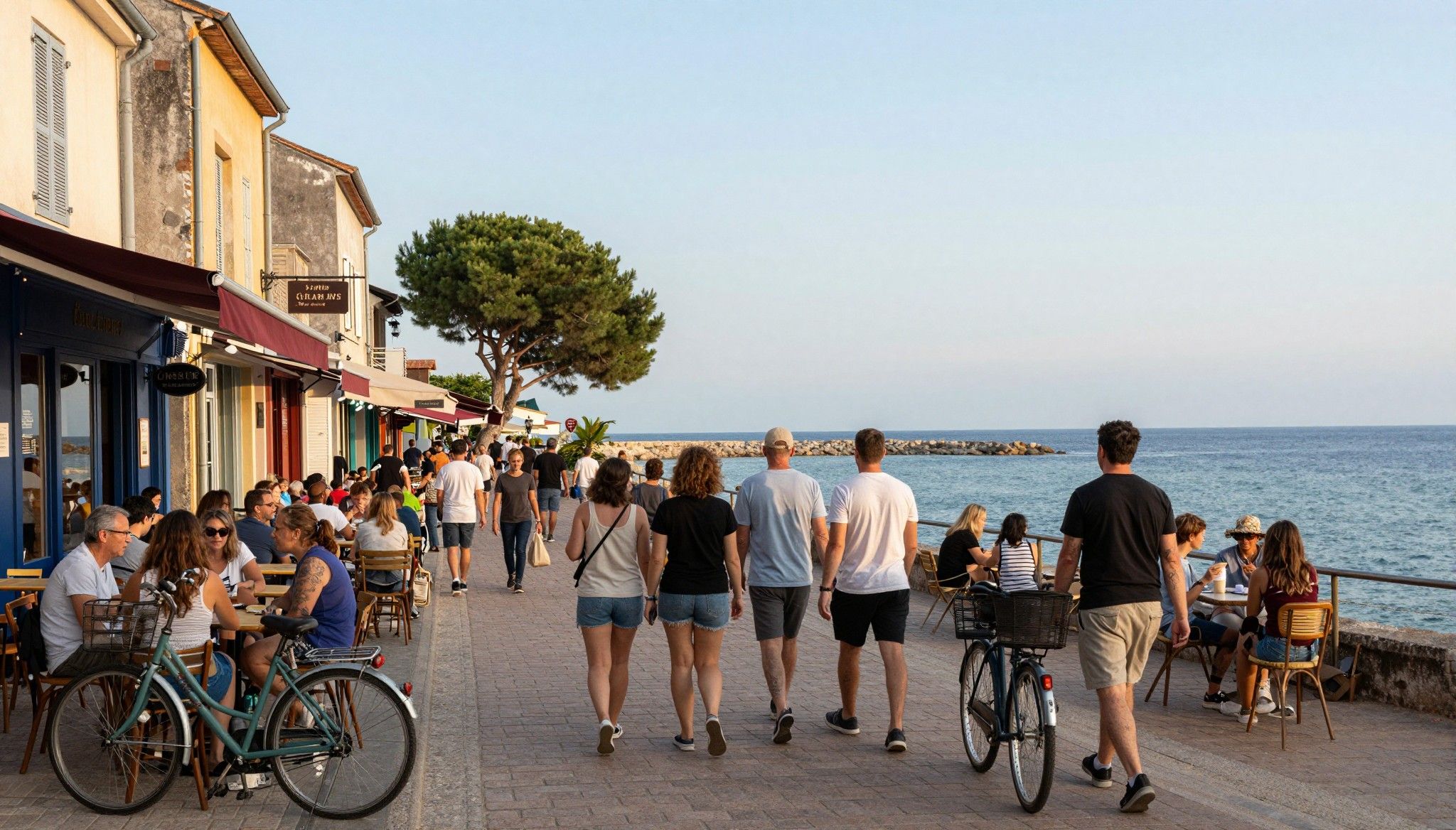
Life in Malta feels rehearsed and spontaneous at once. Mornings begin with strong espresso and pastizzi from family bakeries; afternoons smell of sun‑warmed salt and frying garlic; evenings are piazzetta conversations over seafood and local wine. The island’s scale makes neighbourhood choice decisive — where you live determines your social calendar, commute and weekend rituals.
Valletta & The Three Cities: days in historic stone
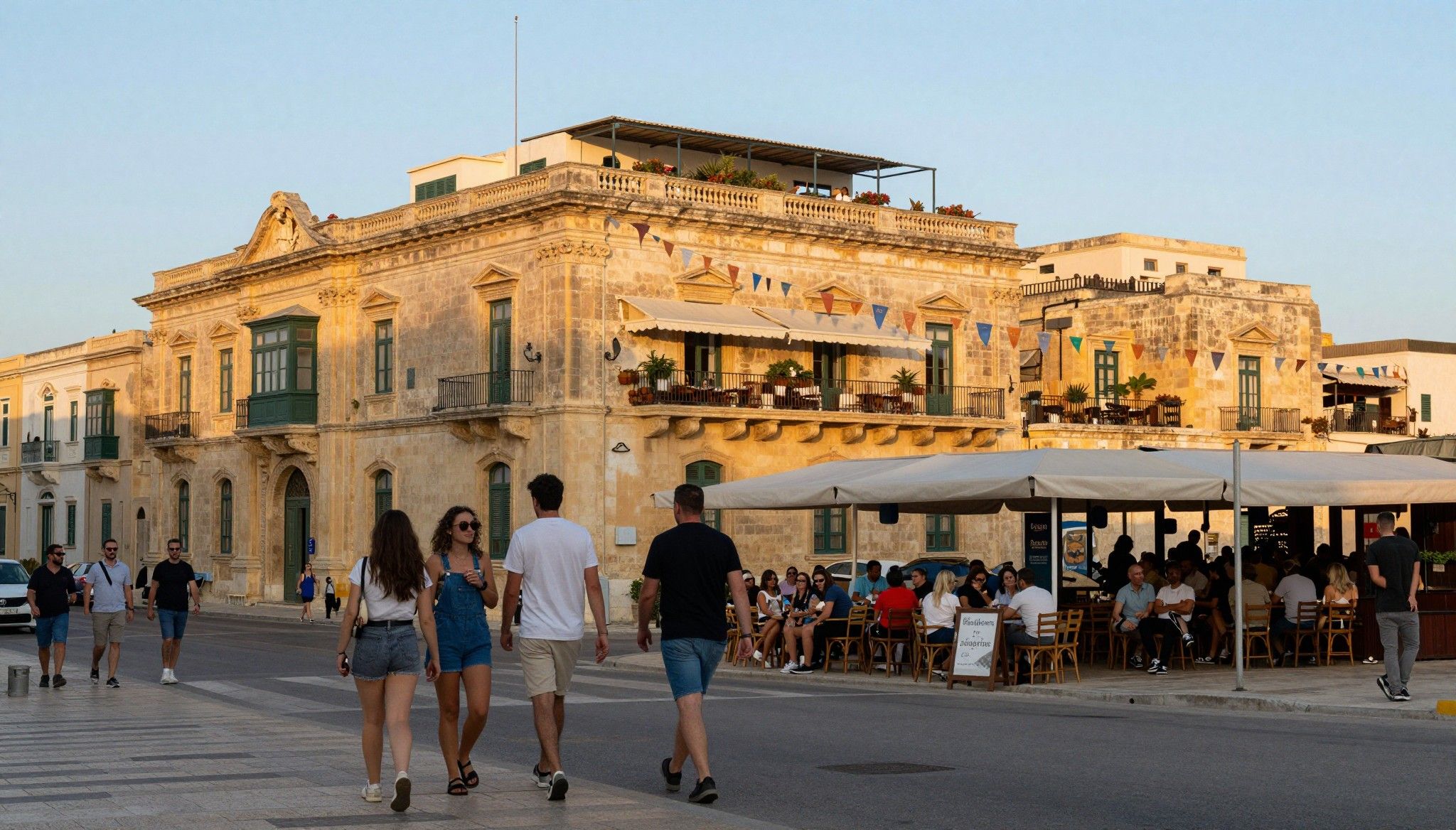
Valletta is a living museum with 18th‑century balconies, narrow lanes and a surprising number of intimate bars and restaurants squeezed between grand facades. Cross the Grand Harbour to Senglea and Vittoriosa and you get quiet harbourside life where older Maltese families still meet at the same café table every morning — a valuable social network for new arrivals.
Sliema, St Julian’s & Pembroke: coastal rhythm and cafés
If you prefer terraces, promenades and easy access to nightlife, Sliema and St Julian’s deliver. Morning walks along the Sliema seafront, lunchtime trattorias on Tower Road and weekend swims at Balluta Bay define the lifestyle. Pembroke offers greener parks and long beaches, useful if you want a balance between family life and busy coastal amenities.
- Lifestyle highlights: Valletta cafés, St. Peter’s Pool swims, Sunday market in Marsaxlokk, espresso at Caffe Cordina, evening passeggiata in Sliema.
Making the move: how lifestyle shapes the property you need
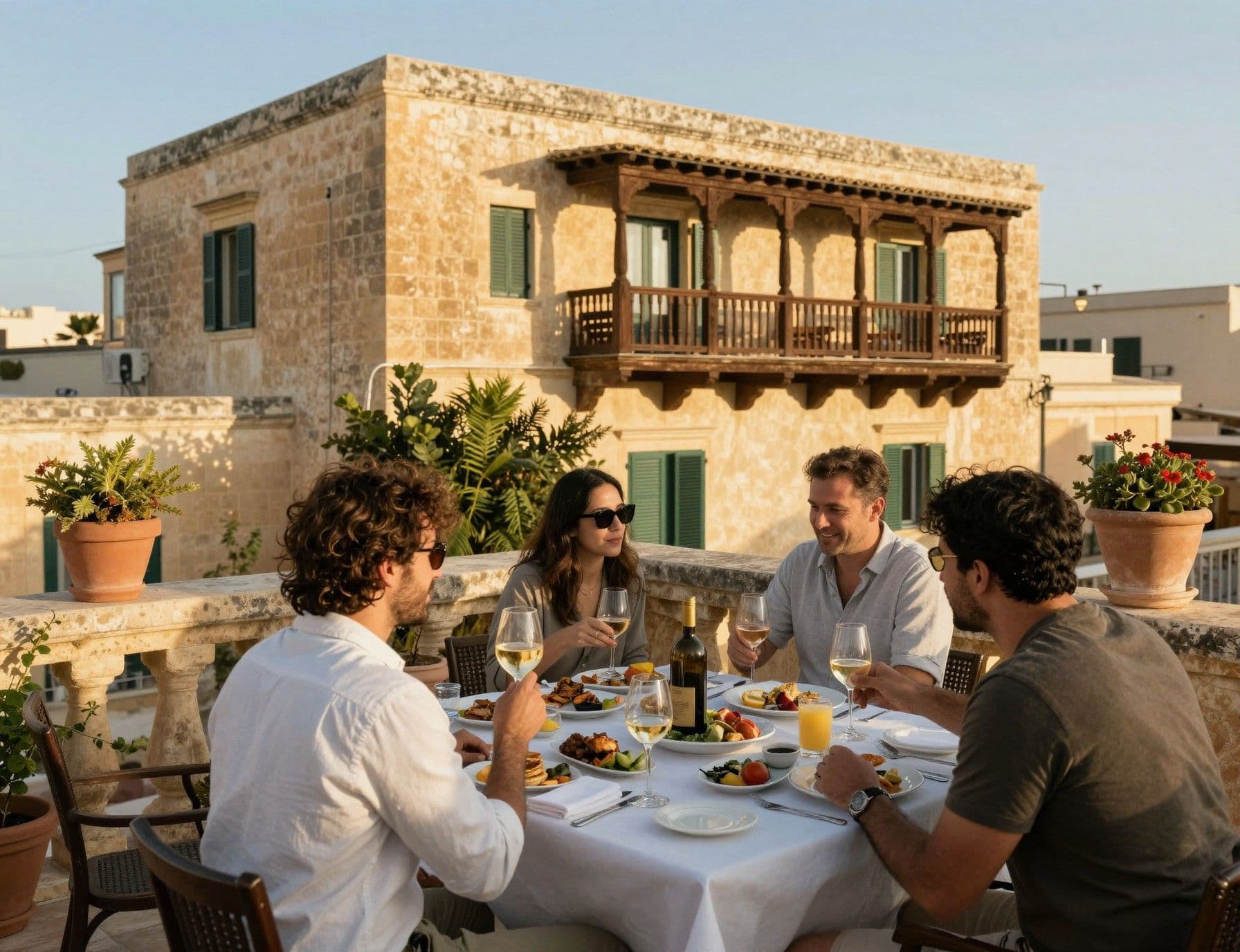
Malta’s tourism rebound and small resident population make occupancy patterns and short‑term demand relevant to investors and lifestyle buyers alike. Recent official data shows inbound tourism added tens of thousands to effective population density in 2024, which affects rental demand, neighbourhood vibrancy and seasonal noise levels. Use that reality to prioritise property features that match how you want to live.
Property types: townhouse, penthouse, or modern apartment?
Townhouses in older villages give you roof terraces and character, but often need renovation and sound insulation. Modern apartments in Sliema and St Julian’s offer lift access, communal amenities and easier short‑term letting. Penthouses provide light and views but command a premium and can suffer from heat gain — practical choices like external shading and ventilation matter more here than elsewhere.
Work with experts who match lifestyle to legal reality
Because Malta uses zone rules (including Special Designated Areas) and island‑scale idiosyncrasies, choose agents who understand local licences, renovation constraints and micro‑neighbourhood character. The right agency translates a lifestyle brief — e.g., late‑evening social life vs. quiet family pace — into a shortlist of streets, not just property types.
- Steps to align lifestyle and purchase: 1. Map weekdays and weekends: pick two candidate neighbourhoods that match real routines. 2. Visit across a week and a weekend to test noise and services. 3. Check micro‑amenities: bakeries, pharmacies, primary schools and bus routes. 4. Verify short‑term demand if you plan rentals, using tourism and booking platform data. 5. Agree renovation limits and running costs with your agent before bidding.
Insider knowledge: what expats wish they’d known
The tightness of Malta’s market means small details matter: orientation for summer heat, balcony depth for shade, and mains water pressure in older cores. Expats often underestimate the social value of a corner café or a regular market stall — these are the nodes where you build community faster than through meetup groups.
Language, customs and the social currency of smallness
English is an official language, which flattens many practical barriers, but learning Maltese opens doors in neighbourhood life and gives you better access to local tradespeople. Social norms value face‑to‑face introductions; a weekend at a village festa (religious feast) can accelerate friendships and introduce you to reliable contractors and property contacts.
Long‑term lifestyle tradeoffs to consider
Growth and tourism create both opportunity and friction: rental income potential rises, but so do seasonal crowds and pressure on services. Think five years ahead — will you want quieter weekends, or do you enjoy the bustle? That answer should determine whether you buy in a harbour‑front village or a residential inland suburb.
- Quick red flags and smart checks: • Confirm SDA status early (limits on foreign purchases). • Inspect roofing and external shading for summer heat. • Ask for recent water and electricity bills in older buildings. • Check proximity to frequent bus routes if you plan car‑light living. • Validate short‑term rental rules with your agent and local council.
In a market as intimate as Malta’s, the right local agent is a lifestyle enabler — not a salesperson. They connect you to the streets where you’ll have coffee, introduce you to builders who understand limestone, and help you time purchases around market flows. If you want to live the island life, buy the rhythm first and the property second.
If you’re ready to see Malta with lifestyle lenses and market clarity, shortlist two neighbourhoods, book weekday and weekend visits, and ask an agent to show three comparable properties in each — one ‘lived‑in’, one ‘renovation’, one ‘ready to move’. That process reveals the real tradeoffs and makes the island feel like home before contracts are signed.
Norwegian market analyst who relocated to Mallorca in 2020. Focuses on data-driven market insights and smooth relocation for international buyers.