Malta: The Island Rhythm That Shapes Smart Buys
Malta compresses Mediterranean life into compact neighbourhoods—strong demand, limited supply and local quirks reward lifestyle-led buying backed by local experts.
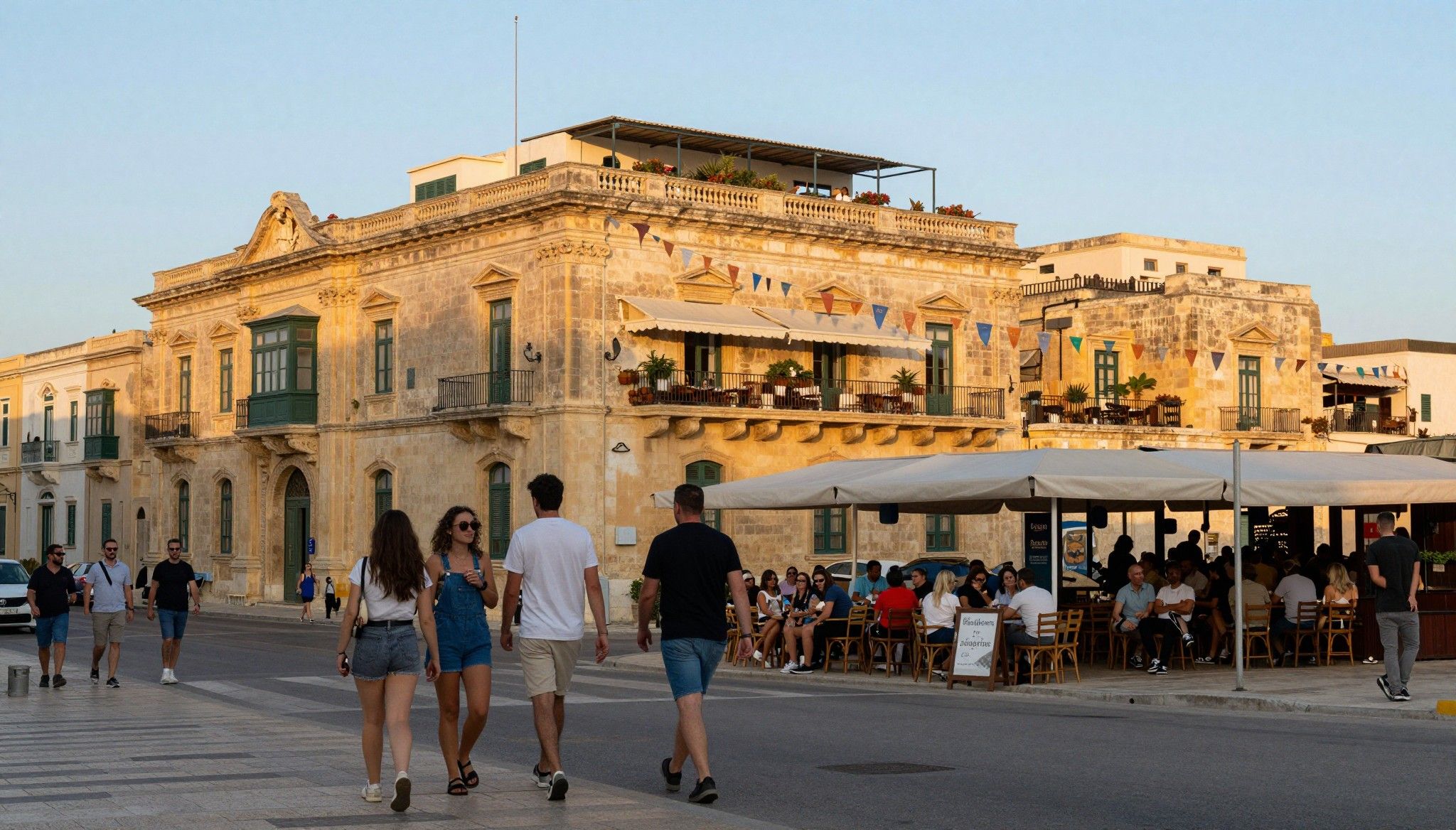
Imagine sipping a strong espresso on a balconied street in Sliema as fishing boats drift in the golden light of the harbour; that compact, sun-drenched rhythm is Malta. For international buyers dreaming of a Mediterranean life, Malta compresses coastal pleasures, historic streets and short commutes into an island-sized, highly livable package — but with its own quirks and market dynamics you should know before you fall in love.
Living the Malta rhythm
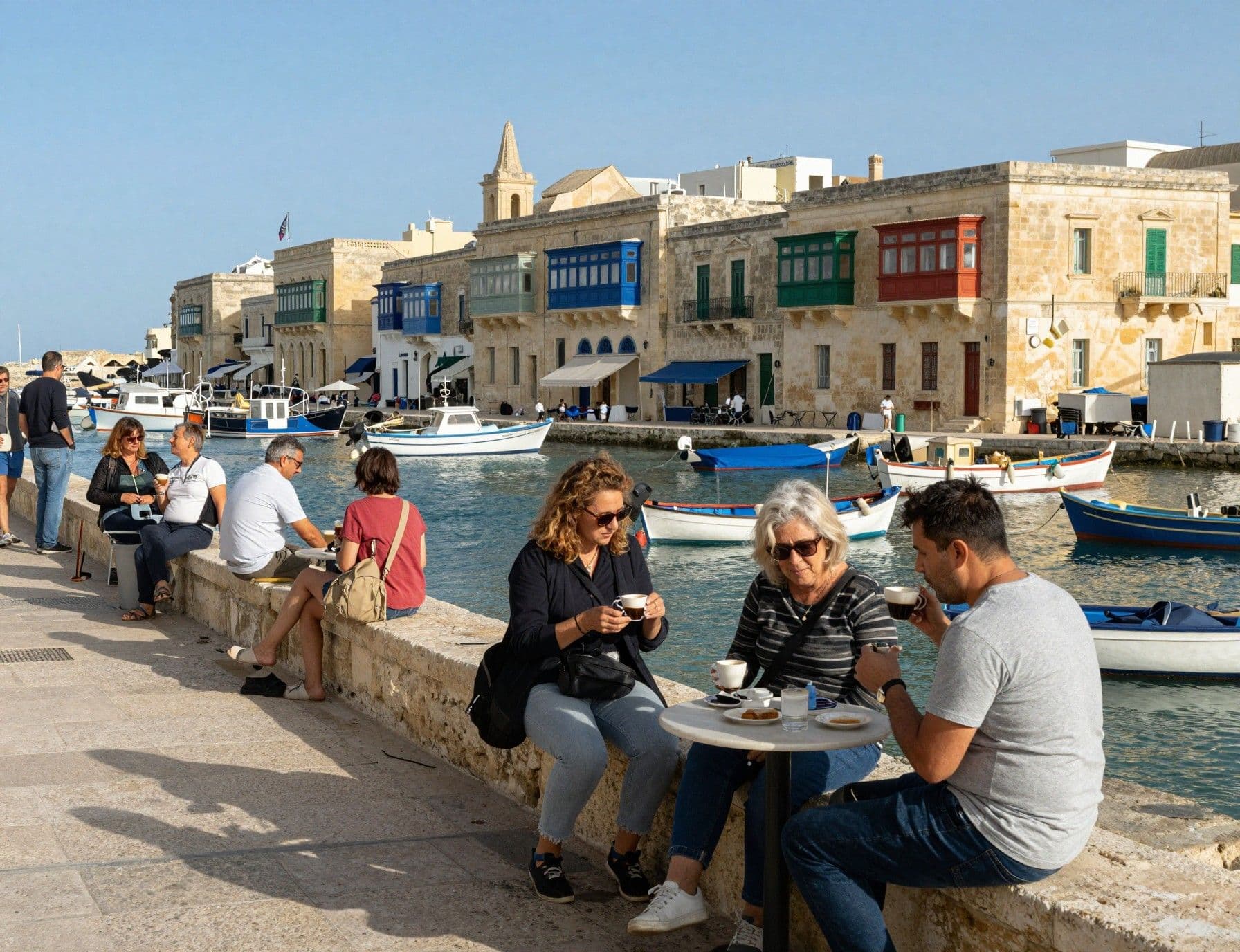
Malta is intense by design: short distances, layered history, and a social calendar that runs year-round. Valletta’s baroque streets meet the slick promenades of Sliema and St. Julian’s nightlife; inland villages keep quieter routines. Economically, steady demand and limited land have pushed prices up in recent years — the International Monetary Fund notes persistent growth in real estate as part of Malta’s broader economic expansion. That mix creates both lifestyle appeal and liquidity considerations for buyers.
Neighbourhoods that feel like different countries
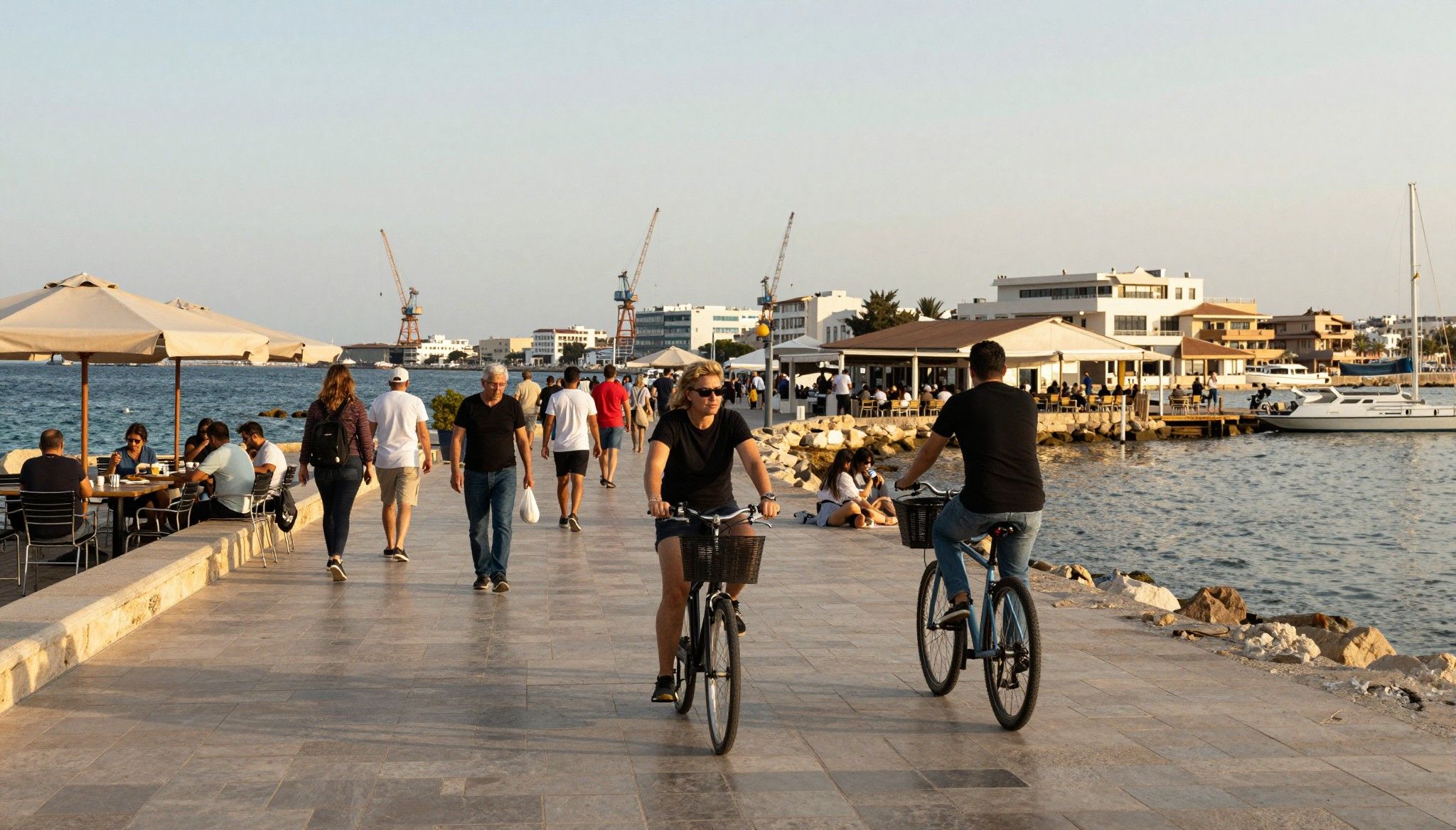
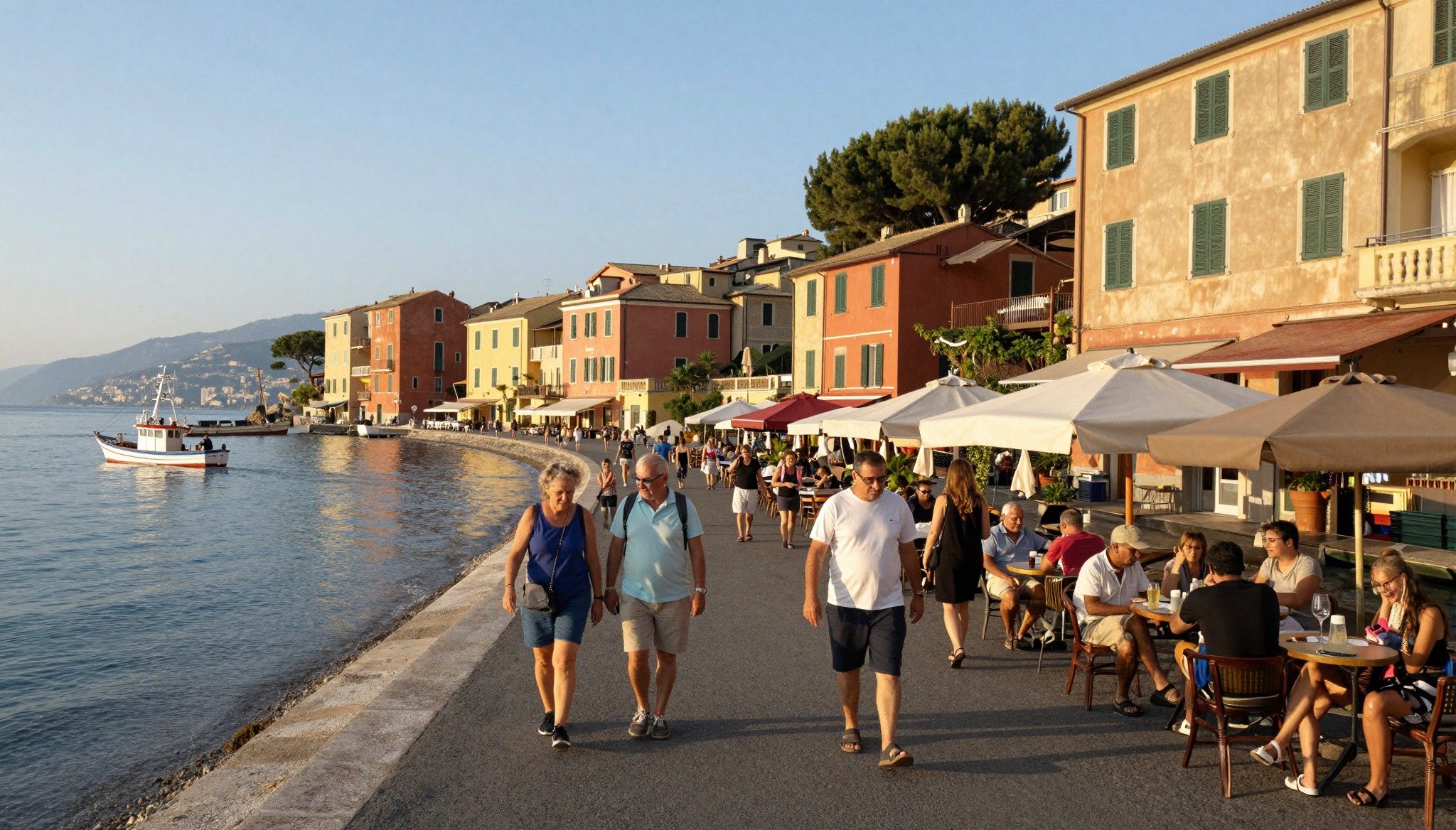
Walkable Valletta is for architecture lovers who want immediacy — museums, narrow alleys and rooftop bars. Sliema and St. Julian’s (Paceville) suit those after café life, seafront strolls and espresso culture. Mellieħa and the north provide wide beaches and a slower pace; Marsaxlokk keeps the fisherman's market and a sense of everyday tradition. Gozo (the sister island) feels rural, with restored farmhouses and quieter summers.
Food, festivals and the small-island social calendar
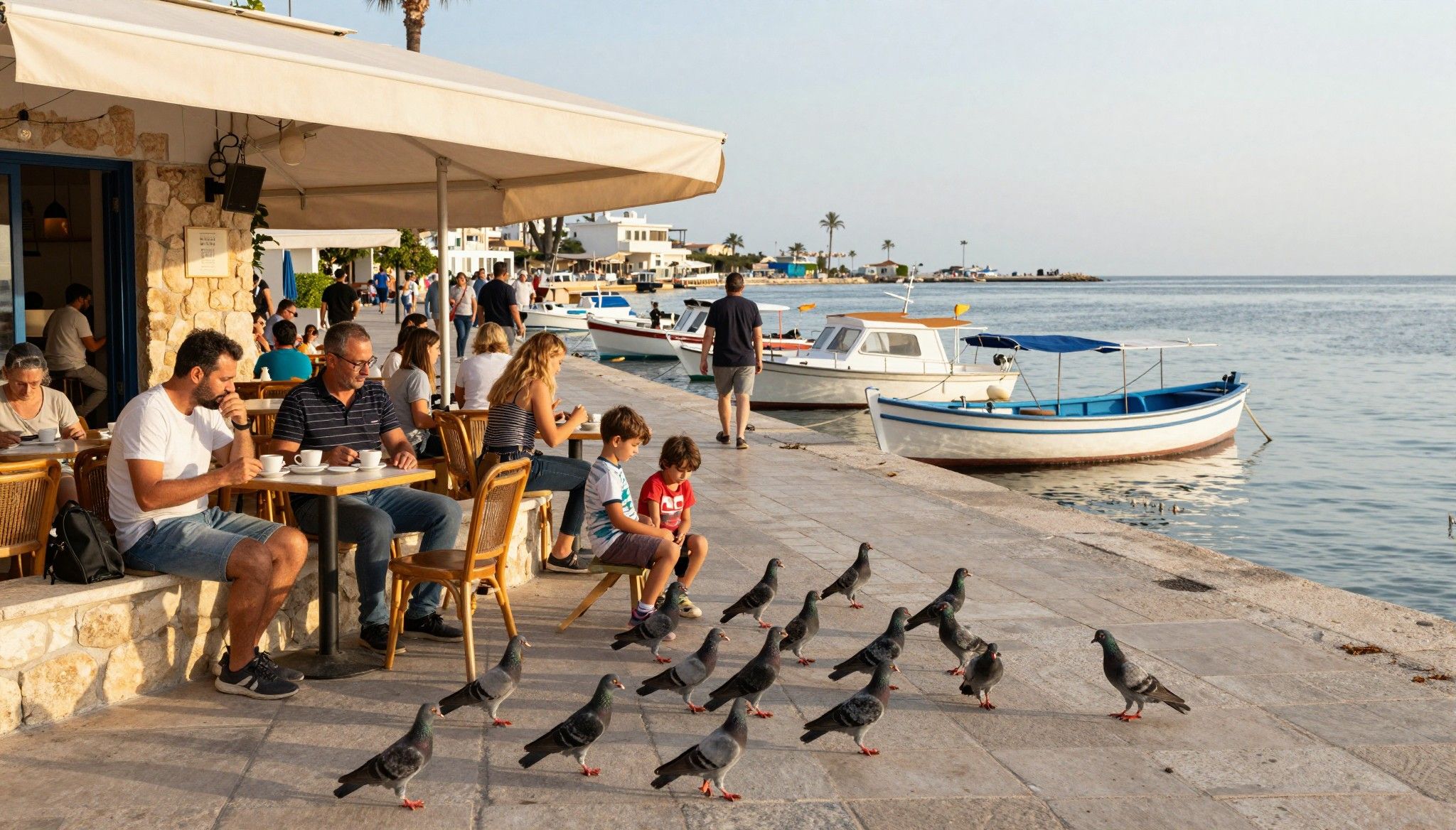
Weekends in Malta orbit around markets, festas (village feasts), and family meals. Expect fresh lampuki (dolphinfish) in season, pastizzi at dawn, and cafés full of conversation. The island’s population has grown in recent years, partly due to migration, keeping neighbourhood life lively and demand for good rental stock high. That social density is part of the attraction — and part of why good homes move quickly.
- Valletta rooftop bars, Sliema promenades, Marsaxlokk fish market, Mellieħa bay mornings, Gozo farmhouse restorations, Paceville evening scene
Making the move: how lifestyle shapes the property you need
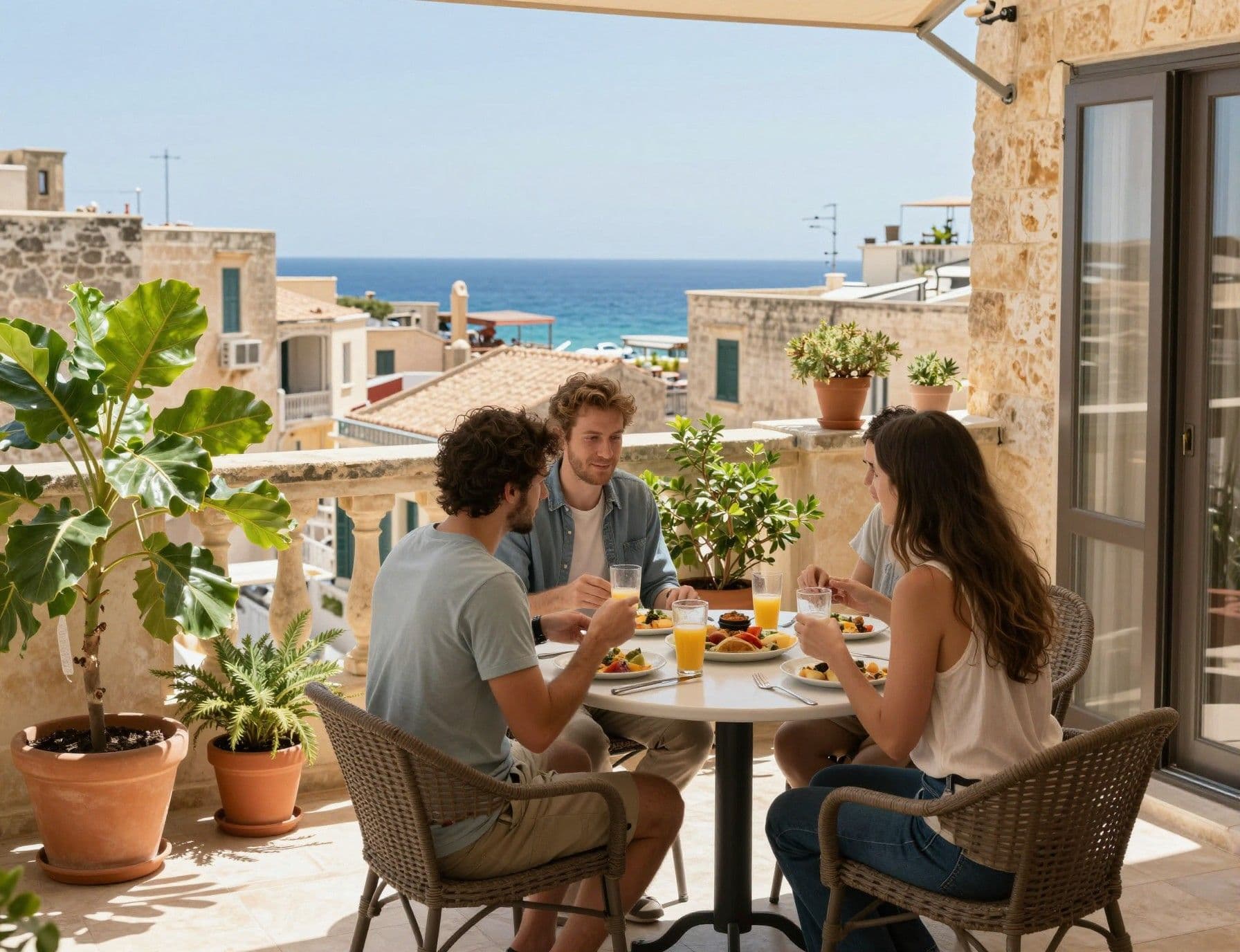
Your lifestyle choice should determine the property type more than headline price per square metre. Valletta's historic apartments reward short walks and rooftop life but limit private outdoor space. Sliema and St. Julian’s developments offer contemporary apartments with balconies and amenities — better for rental flexibility. North and Gozo properties trade convenience for space and garden potential. Align daily routines (work, children’s schools, cafés) with the physical features of the property.
Property types and how you'll actually use them
Apartments and maisonettes dominate Malta’s market; maisonettes often include ground-level terraces that feel like private gardens. Newer developments add pools and concierge services but come at a premium. Restored townhouses in older cores require careful inspection for damp, wiring, and layout constraints. Think in lifestyle blocks — nightly walks, weekend beach access, and how much indoor-outdoor space you need for hosting.
Working with local experts who understand life, not just prices
- Use agents who can show you life-as-lived, not staged listings. Ask for live-day visits (weekday and weekend). Confirm proximity to the exact cafés or schools you care about. Prioritise lawyers and architects with Malta experience for heritage properties. Check recent transaction comparables — Malta’s inventory is thin, so a single off-market sale can reset local pricing quickly.
Insider knowledge: expat lessons and market realities
Expats often arrive charmed by narrow alleys and sea views, then discover three recurring realities: demand concentrates in a few neighbourhoods, seasonal rental peaks matter, and the paperwork needs local direction. Eurostat and national indices show Malta’s house prices have outpaced some EU averages recently, which matters if you expect short-term capital gains or strong rental yields.
Cultural integration, language and everyday practicalities
English is an official language and widely used for business, healthcare and schooling — a major ease for international buyers. But local social life still revolves around community events and neighbourhood cafés; showing up to local festas, markets and church open days fast-tracks friendships. For longer stays, learn Maltese phrases to show respect; it opens doors in smaller villages.
Long-term lifestyle and market sustainability
Malta’s compact size concentrates development pressures. The IMF flags household and bank exposure to the property market as a risk factor — in plain terms, price swings can be sharper on an island. For buyers focused on a long-term life, prioritise quality of neighbourhood, access to services and realistic maintenance budgets over short-term speculation.
- Inspect for damp and insulation, confirm utility upgrade plans, check local planning restrictions, budget for heritage repairs in Valletta, verify short-term rental licensing if income matters, meet neighbours where possible
If Malta feels like a fit, the next steps are deliberate: pick two or three neighbourhoods, spend several days living their rhythms, shortlist properties with a local-lawyer-reviewed heads of terms, and use trusted agents to secure private viewings. Market data shows steady price growth and tight supply; that rewards careful selection and readiness to act when the right home appears.
Conclusion: Malta condenses Mediterranean life into manageable daily rituals — strong cafés, neighbour-first social patterns and a coastline always within reach. That lifestyle comes with a compact market where informed, locally supported decisions beat speed or speculation. Spend time in the neighbourhoods, choose property types that match how you want to live, and partner with agents and advisers who translate island life into durable property choices.
Dutch investment strategist with a Portugal-Spain portfolio. Expert in cross-border financing, rights, and streamlined due diligence for international buyers.