Cyprus Tax Truths: Neighborhoods, Seasons & Costs
Live Cyprus before you buy: test seasons, verify VAT/title and prioritise neighbourhood rhythms over beachfront postcards to match lifestyle with tax truth.
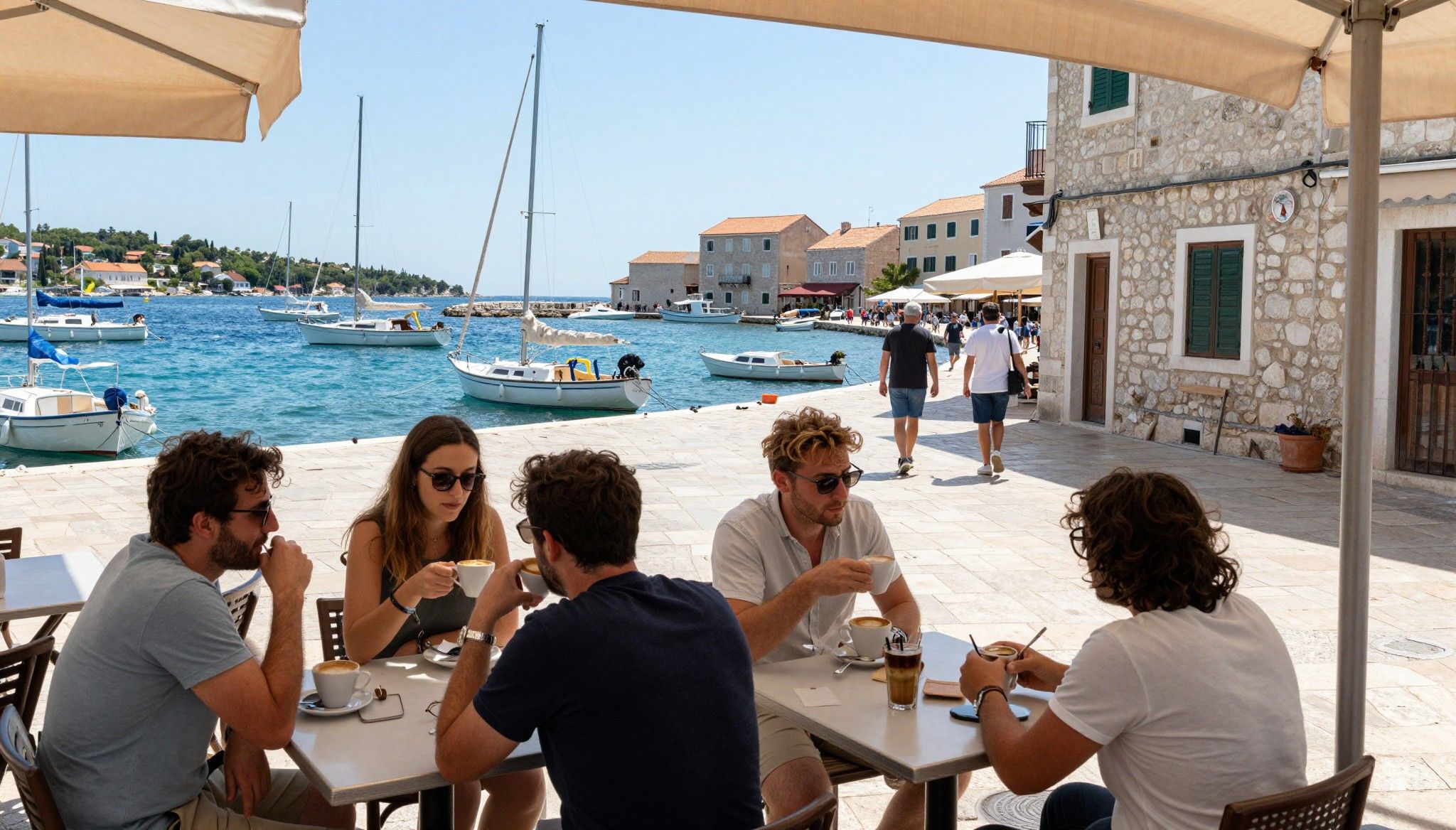
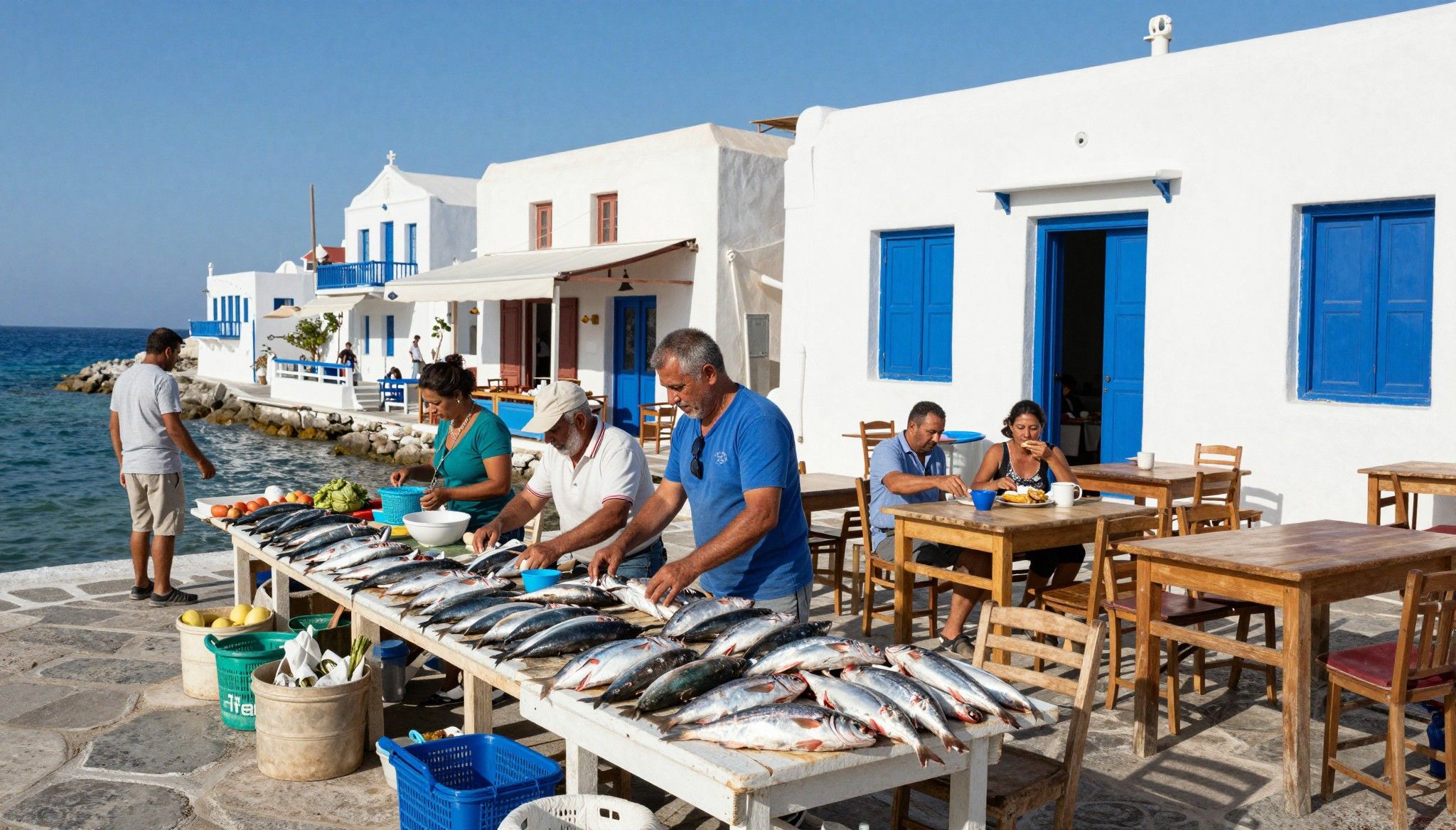
Imagine waking to an espresso at To Kafeneio on Ledra Street, then cycling to a quiet cove outside Paphos where fishermen mend nets. Cyprus feels like a sunlit patchwork of seaside tavernas, stone‑roofed mountain villages and compact, walkable towns where neighbours still greet each other by name — and that everyday warmth shapes why people buy here, not just price charts.
Living Cyprus: rhythms, neighbourhoods and small pleasures

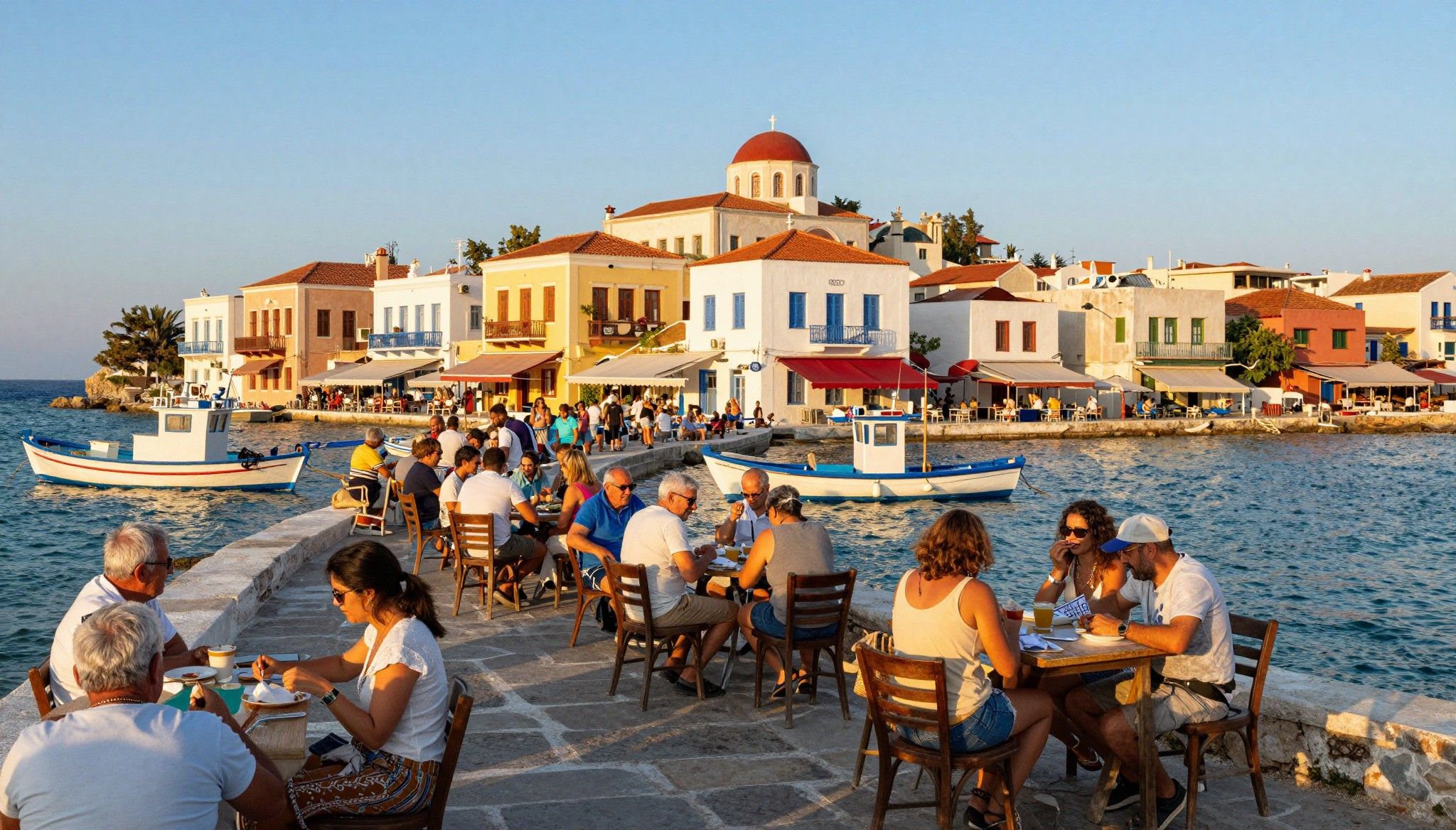
Days in Cyprus move between turquoise mornings and cool evenings in stone courtyards. Coastal towns (Limassol, Paphos) hum with cafés and yacht moorings; inland, Omodos and the Troodos foothills trade bustle for courtyards, vineyards and slower shopping rhythms. English is widely spoken, markets are seasonal and fresh, and a weekend routine often means beach time before a late mezze — practical life that will determine what property works for you.
Limassol & Germasogeia: coastal energy with international services
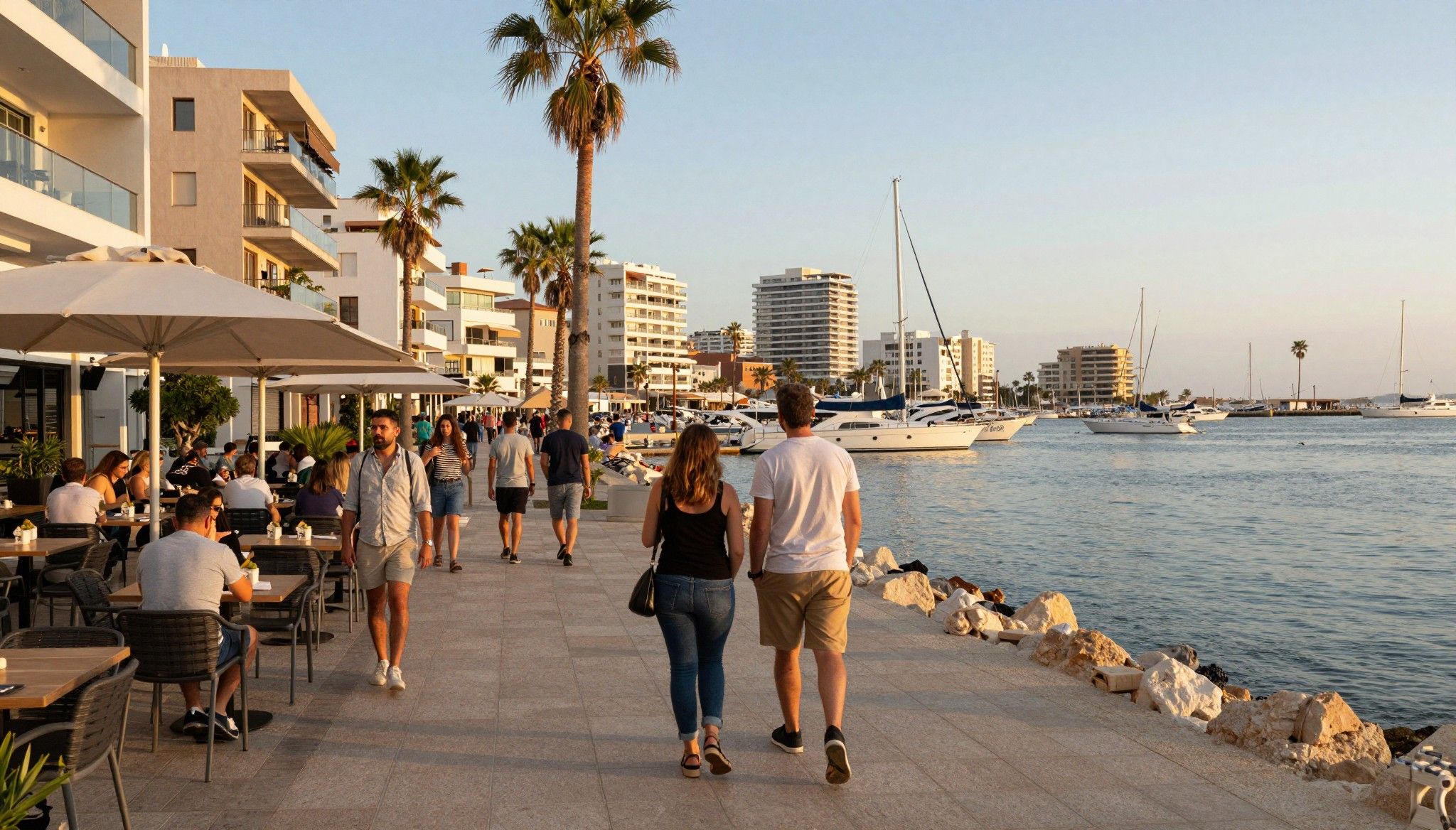
Limassol’s waterfront promenade, marina restaurants and international schools make it the natural base for buyers who want a cosmopolitan beach life. Streets like Ayios Nikolaos and the Germasogeia strip reveal late cafés, contemporary apartment blocks and easy access to services — but expect a premium for proximity to the sea and the school corridors.
Paphos & Peyia: heritage, calmer coasts and village life
Paphos combines a compact old town, Roman mosaics and quiet suburbs where stone houses with courtyards sit near small beaches in Peyia and Chloraka. Here you trade some nightlife for more affordable plots and bigger terraces — an important lifestyle vs. price trade-off few buyers consider until they arrive.
- Lifestyle highlights to test during a visit:
- Morning espresso on Ledra Street (Nicosia) — feel the city heartbeat
- Sunday mezze in Omodos — sample village hospitality and weekend rhythms
- Walk the Limassol marina at dusk — check noise, lighting and transport links
Making the move: tying lifestyle choices to tax, regulation and market facts

Your lifestyle wish — sea views, terrace dinners, a short school run — must be matched to tax liabilities, transaction costs and local market momentum. Cyprus’s residential prices have been rising modestly in recent quarters, with official indices showing steady gains in both houses and apartments; that momentum affects where your budget will buy the lifestyle you pictured. Check the Central Bank’s RPPI and recent market reports before making assumptions about value pockets.
What to expect on costs and taxes in practice
Purchase costs are a mix of VAT (applies to new builds), transfer fees (often waived where VAT is charged), stamp duty and legal fees. For buyers of new developments aim to clarify whether VAT applies and who pays it — this single detail can change net price by several percentage points. For typical resale purchases, transfer fees follow a progressive schedule based on value and are a predictable closing cost to budget for.
- Steps to audit the tax side before making an offer:
- 1) Confirm VAT status of the unit and whether transfer fees will apply.
- 2) Ask your lawyer for a running total: stamp duty, transfer fees, notary and registration costs.
- 3) Request recent utility and municipality rates for the address — they vary by locality.
Residency, non‑dom status and the citizenship backstory
Cyprus offers attractive tax rules for residents with non‑dom status (exemptions on certain foreign income and dividends), and permanent residency schemes exist for property investors who meet thresholds. The controversial citizenship‑by‑investment programme (widely reported and increasingly restricted in recent years) is not a simple shortcut; policies changed after scrutiny and so buyers should not base a purchase solely on a fast‑track passport expectation.
Insider knowledge: what expats wish they'd known
We spoke to long‑term residents and agents: common surprises include seasonal acoustic differences (seaside roads can be quiet in winter but busy in summer), the administrative lag when applying for title deeds, and the fact that a modest renovation can transform a compact stone house into an all‑year home. These practical realities determine living comfort far more than headline square‑metres.
Language, community and social routine
Many Cypriots speak English, which flattens the integration curve for newcomers. Still, joining a local church feast, a vineyard tour or a littoral clean‑up is how neighbours meet. Expect a hybrid social life: international meet‑ups in Limassol, family‑centred weekends in Paphos, and quieter markets in Larnaca that build local friendships.
Long‑term practicalities that shape lifestyle value
- Key long‑term factors to check now:
- Title deed status and any outstanding mortgages — ownership clarity is priceless.
- Local planning pipeline — future hotels or roads change neighbourhood life and prices.
- Seasonal rental demand if you plan to let — returns vary between Limassol and rural villages.
A few contrarian truths we've learned: buying in peak summer to 'feel' the place often misleads — the peaceful off‑season reveals noise, parking and community realties. And the much‑advertised beachfront apartment isn’t always the best for daily life; often a short walk inland buys you larger terraces, lower maintenance and stronger neighbourhood roots.
- How to arrange a move that protects lifestyle and wallet:
- 1) Spend one week in high season and one week off‑season to test noise, services and local markets.
- 2) Have a lawyer verify title deeds and register a pre‑contract deposit structure to hold the property while you do checks.
- 3) Get a written breakdown of VAT/transfer fees from seller/developer — treat the VAT question as negotiable.
Working with the right local agency is not a luxury in Cyprus — it’s how you translate a seaside afternoon into a compliant purchase. Choose agencies that supply recent comparables, confirm deed status, and introduce independent lawyers and surveyors. A lifestyle‑minded agent who knows which streets have evening markets or quiet lanes will save you time and prevent buyer’s remorse.
Conclusion — live the life you visited, not the one on the brochure: test seasons, confirm taxes and title, and prioritise neighbourhood routines over postcard views. When your agency understands both the coffee shops you love and the transfer fee line items, you’ll buy with confidence and stay for the life.
Danish relocation specialist who has lived in Barcelona since 2016. Helps families move abroad with onboarding, schooling, and local services.