Greece: Lifestyle First, Market Facts Second
Greece’s lifestyle pull—island days, city markets—is real, but buyers must pair romance with data: rising prices, new Golden Visa rules, and neighbourhood cadence matter.
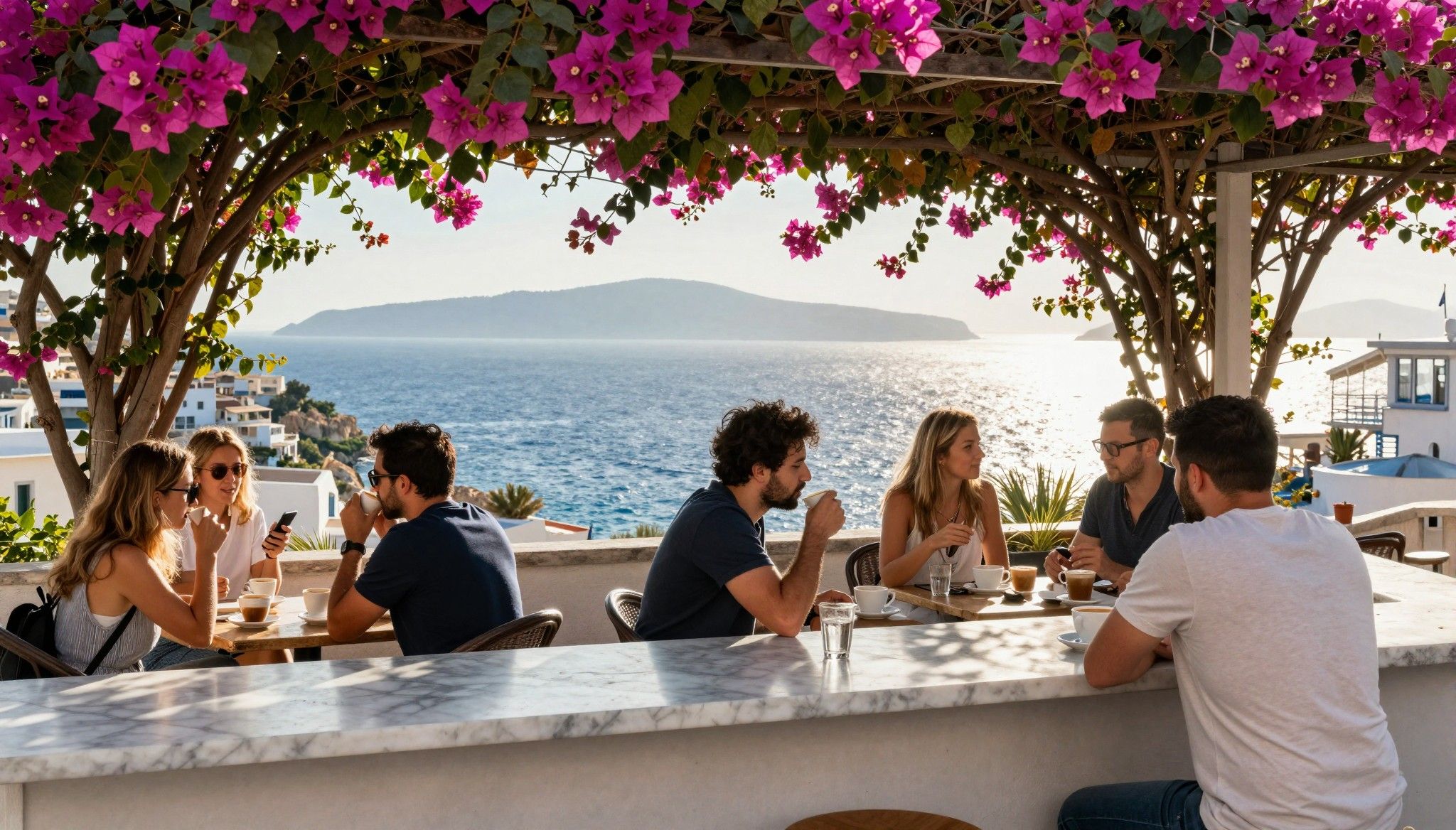
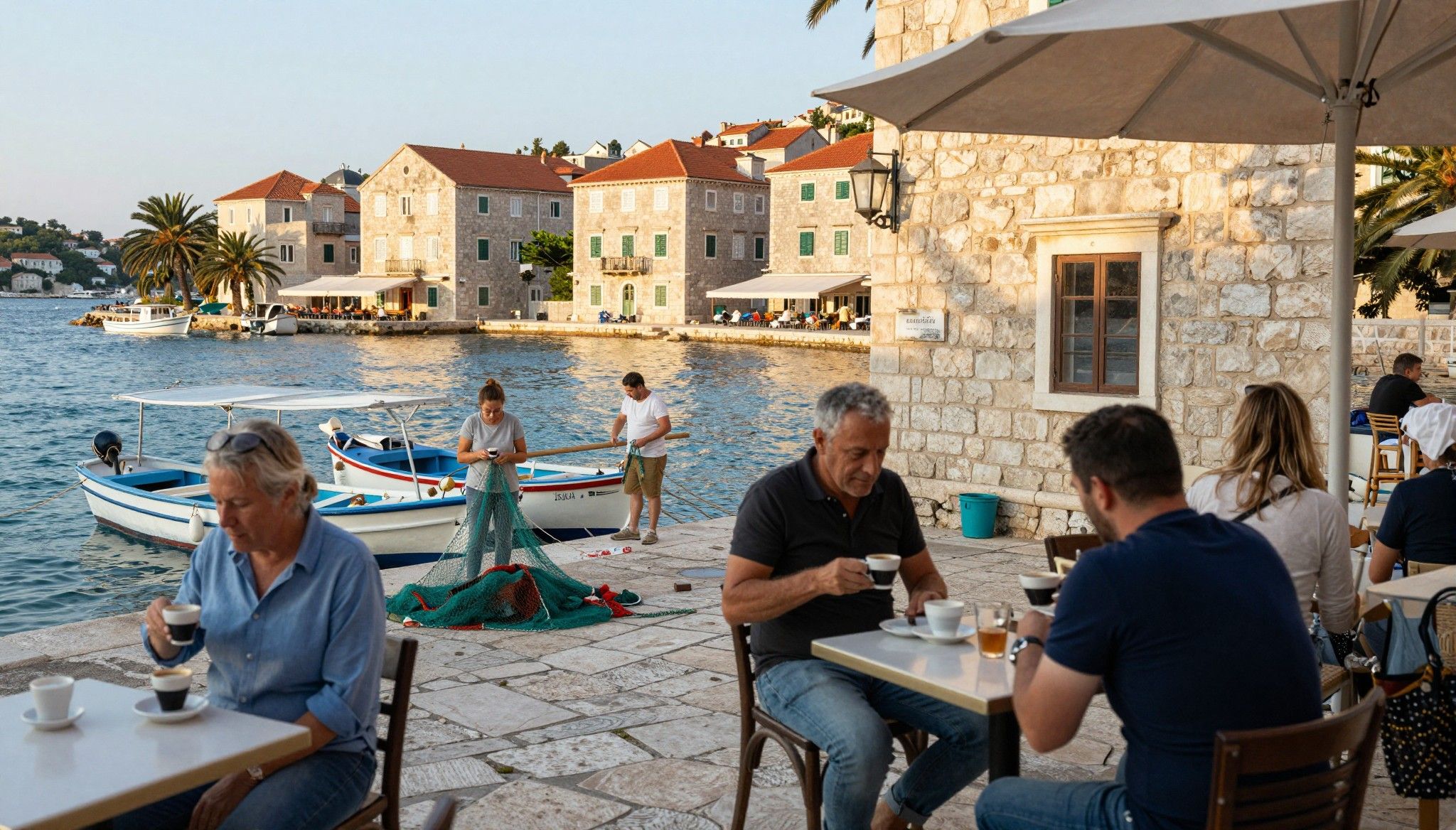
Imagine sipping an espresso on a tiled counter in Anafiotika as fishing boats bob below, then taking an evening stroll through Plaka past lantern-lit tavernas. Greece still feels like a collection of lived-in postcards: narrow streets, morning markets brimming with figs, and sea-breezes that reshape daily rhythms. For international buyers, that romance meets an active, shifting market — record tourist flows, legislative changes to investment visas, and rising prices in sought-after spots. Knowing which neighborhoods keep their soul and which are becoming investment theatre is the difference between falling in love and buying regret.
Living the Greece lifestyle
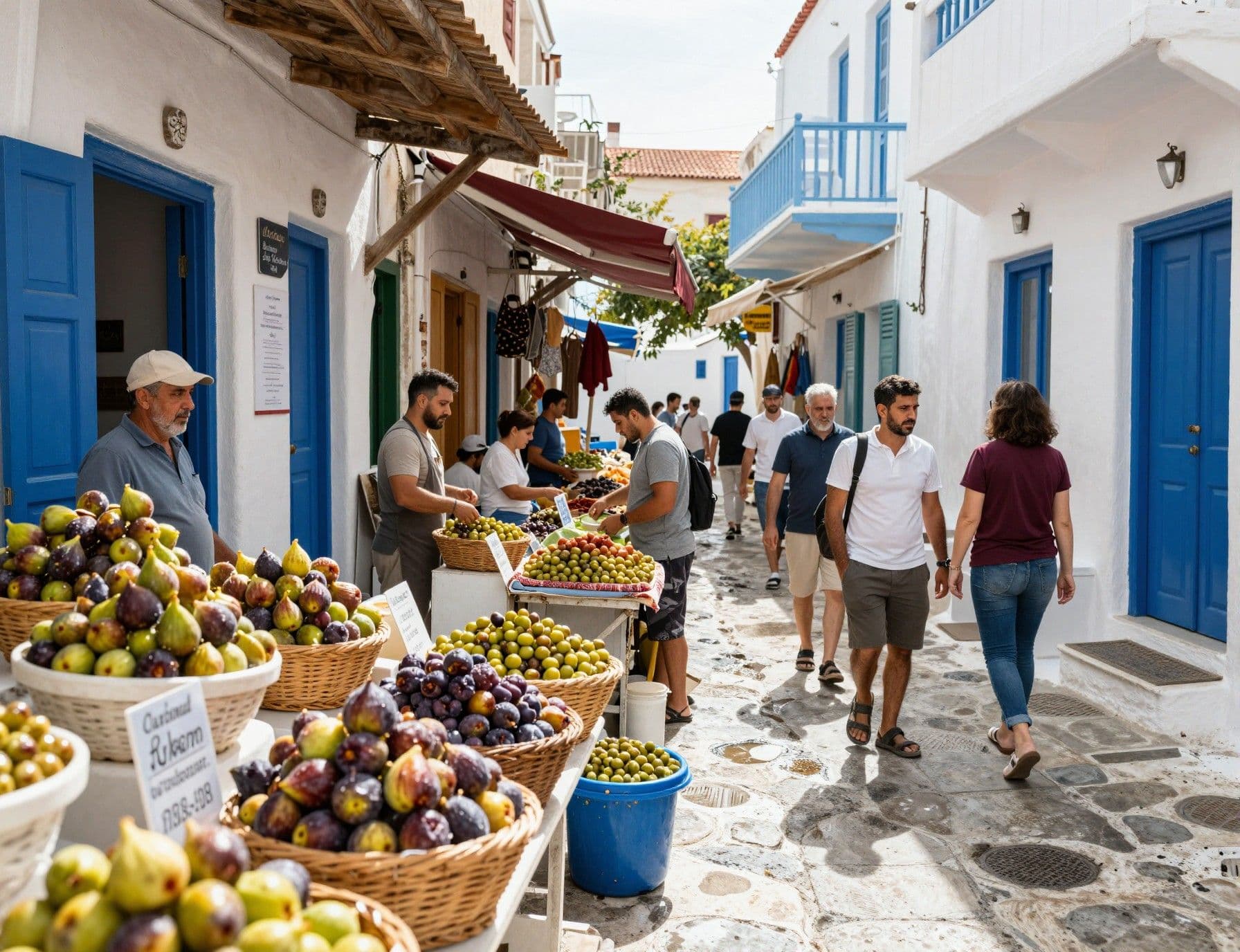
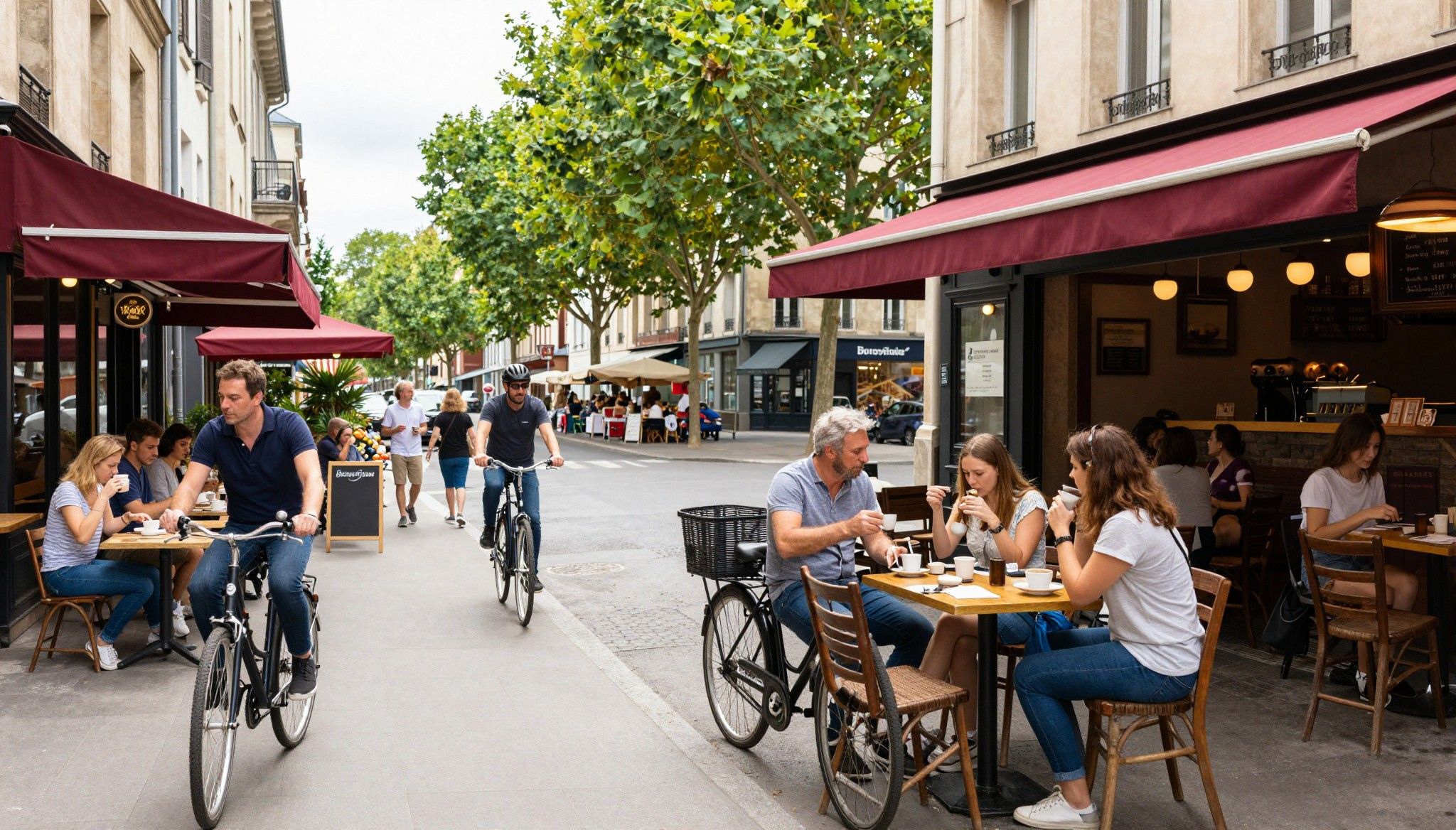
Day-to-day life in Greece moves at a pleasant, weather-shaped tempo. Weekdays blend early-market rituals—farmers and fishmongers at Varvakios Market—with slow afternoon coffee, while evenings condense sociability into taverna dinners and seaside promenades. Tourism has surged back to near-record levels, adding energy (and price pressure) to coastal towns and islands—yet inland villages and less-travelled suburbs maintain quieter rhythms and lower entry prices. The contrast is why lifestyle choices must drive location selection.
Athens: layered city life, block by block
Athens is compact and contradictory: polished Athenian boulevards like Kifisia sit alongside bohemian Koukaki, while Psyri pulses with nightlife and Pangrati has become a family-friendly compromise. Streets matter: walk a side lane off Dionysiou Areopagitou and you’ll find retired Greeks playing backgammon; walk Ermou at noon and you’ll feel the city’s retail heartbeat. For buyers wanting both culture and convenience, neighbourhood microclimates—noise, walkability, green pockets—are decisive.
Islands & coast: know the tourist cadence
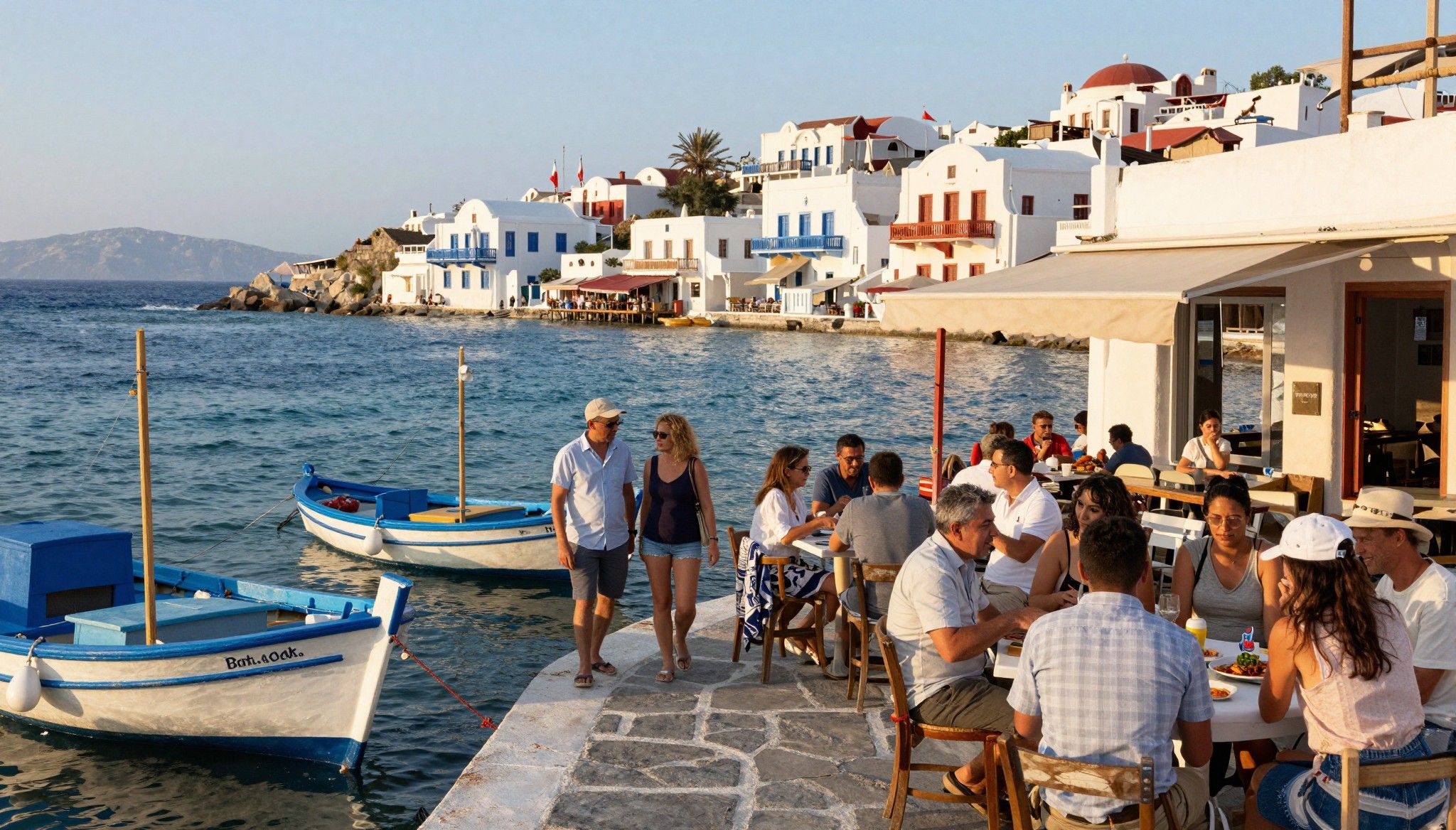
On Mykonos, Santorini and selected Cyclades, summer compresses life into a few intense months: crowded beaches, premium short-term rentals, and sharply higher seasonal incomes for owners. By contrast, islands like Naxos or Tinos balance tourism with local agriculture, offering more stable year-round communities. If you crave full-season vibrancy, choose the high-traffic islands; if you want community continuity, look to less-touristy islands or the Peloponnese coast.
- Morning markets in Athens (Varvakios), espresso culture in Koukaki, evening taverna rituals in Plaka, sunset swims at Agios Nikolaos (Crete), kite-surfing beaches on Paros, village festivals (panigyria) during summer.
Making the move: lifestyle meets real estate reality
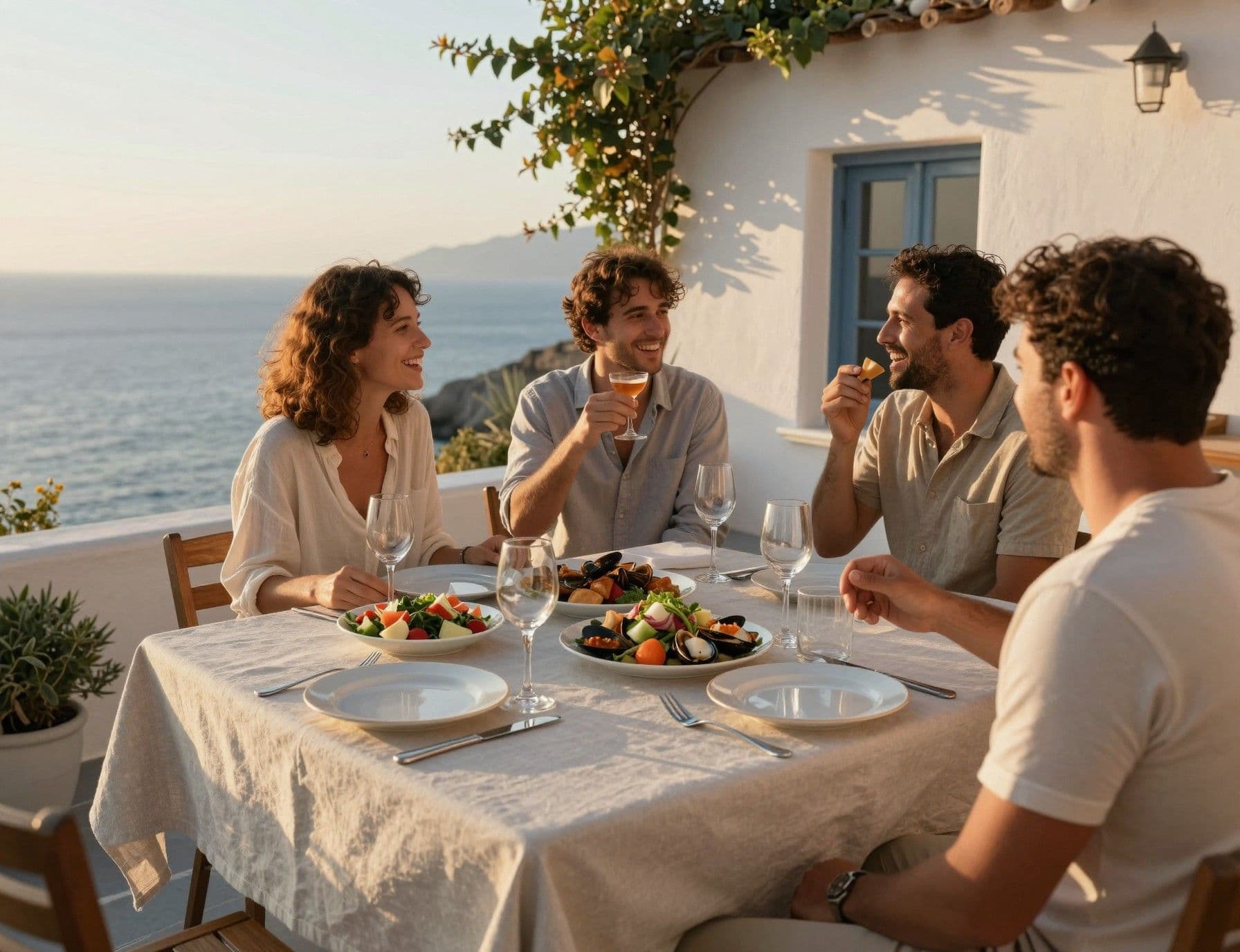
Romance must be tempered by market facts. Residential prices in Greece recovered strongly after the crisis and have shown solid year-on-year growth in recent quarters. Price momentum is strongest in Athens and the major islands, while secondary coastal towns and rural areas still offer price gaps for buyers prepared to trade instant rental yield for long-term lifestyle return. Match the kind of life you want with the right property type to avoid buying into pure tourist arbitrage.
Property styles and how they feel
Whitewashed island cottages give you outdoor terraces and sea-breeze living but often require ongoing maintenance and earthquake-safe upgrades. Neoclassical apartments in central Athens offer high ceilings and urban fabric—ideal for year-round living or long-term lets. New-builds near resort marinas bring modern amenities but can lack neighbourhood authenticity. Choose property type based on use: live-full-time, seasonal retreat, or short-let investment—each demands different features.
Work with experts who know more than listings
Local agents and lawyers should translate lifestyle aims into legal and logistic action. Recent changes to investor residence permits (Golden Visa) altered minimum investment thresholds in high-demand areas and added conversion rules for commercial-to-residential projects. A trusted local adviser helps you understand whether a property qualifies for residency pathways, what conversion work is permissible, and how seasonal rental rules or municipal zoning will affect your long-term lifestyle.
- Decide your primary use (live, earn, hybrid). Choose three neighbourhoods that fit that life. Commission local due diligence (zoning, structural, seismic). Budget for conversion and maintenance (include 5–10% contingency). Engage a local lawyer to confirm residency or permit eligibility.
Insider knowledge: what expats wish they'd known
Expats often assume Greece is uniform: it isn’t. Seasonal towns peak and trough; municipal services vary from island to island; and community warmth can be intense but sometimes inscrutable. Language helps—learn key phrases—but relationship capital opens doors: a favoured builder, cafe owner, or neighbour will save you weeks. Also, expect intermittent bureaucracy: patient planning pays off. Those who integrate slowly find richer, more stable lifestyles.
Cultural rhythms that affect where you buy
Local festivals (panigyria), olive harvests, and religious holidays shape market activity and community life. Buying in a village with a strong agricultural calendar means months of quiet followed by intense community bustle; in resort towns, the reverse applies. Choose the cadence that suits you: predictability and local ties, or seasonal highs and rental opportunity.
A practical red flag: policy moves matter. Since 2024, Greek investor-residence laws have tightened in high-demand zones, raising thresholds and introducing stricter conversion rules for properties on islands and in Attica. If residency is central to your plan, verify status under current law before committing. Changes can be fast and materially affect investment calculus.
- Seek local tax and legal advice early; prioritise structural and seismic reports for older builds; verify short‑let permissions with the municipality; budget for seasonal utility and maintenance spikes; meet neighbours before buying when possible.
If the idea of waking to a baklava seller’s call, spending afternoons by turquoise coves, and joining the annual village feast appeals, Greece will repay you in everyday joys. But pairing that romance with careful, location-specific due diligence—understanding tourist cadence, recent Golden Visa law changes, and local building realities—turns yearning into a sustainable life. Start with three neighbourhood visits, hire a local lawyer, and let an experienced agency show you both the postcard and the back street.
Danish relocation specialist who has lived in Barcelona since 2016. Helps families move abroad with onboarding, schooling, and local services.