Croatia’s Coastal Pipeline: The Summer Illusion
Summer glamour hides supply risk: use shoulder‑season visits, pipeline verification and local legal checks to turn Croatia’s coastal romance into year‑round value.
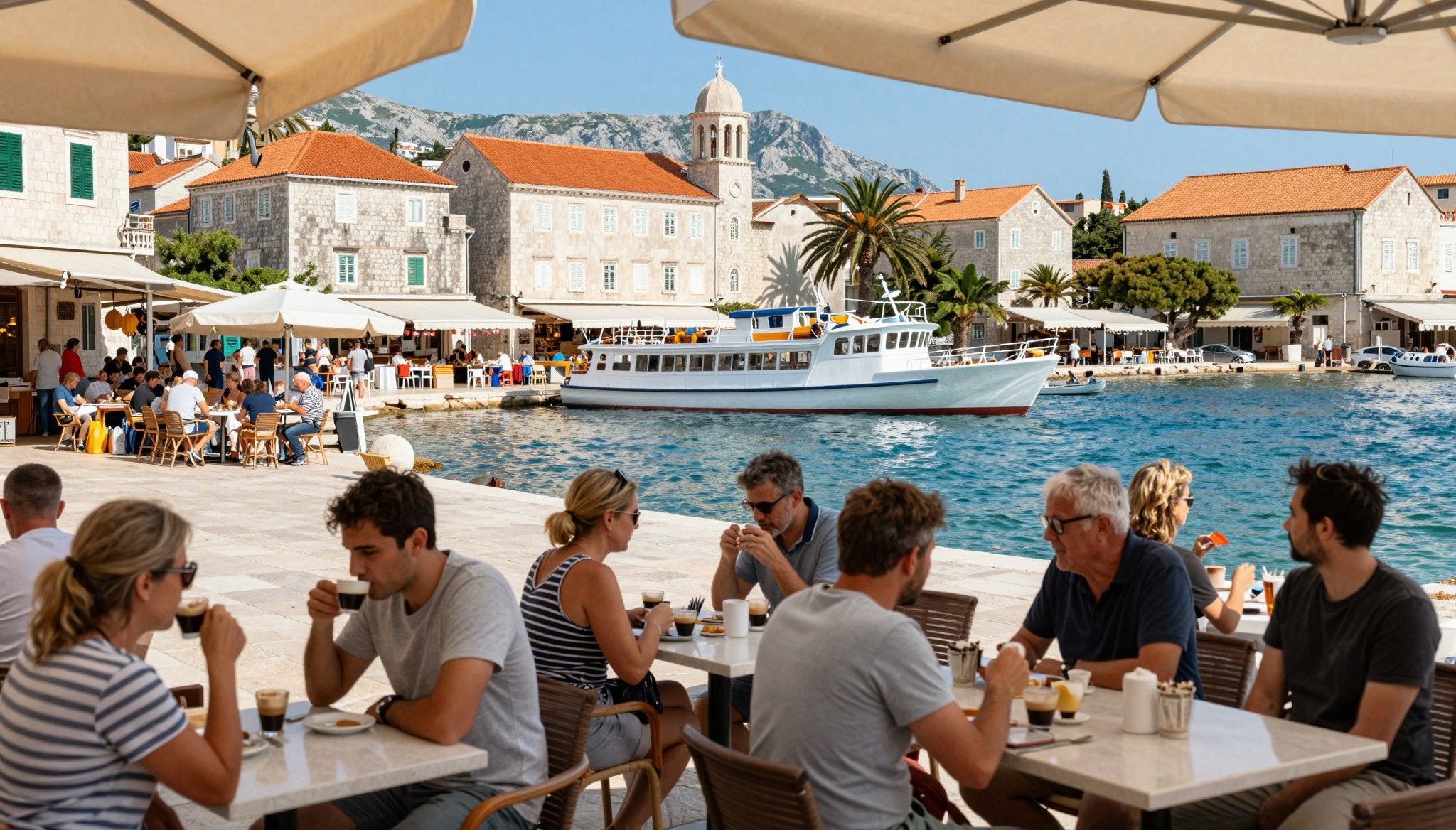
Imagine sipping a ristretto on Korčula’s waterfront as fishermen mend nets, then stepping into a sun-drenched real‑estate office where the agent tells you prices peak in August. That scene — vivid, seductive, seasonal — explains why most international buyers fall for Croatia in summer and then make the wrong purchase decisions. This guide flips the script: we start with the life you’re buying, then map the development pipeline, seasonal distortions and pragmatic steps to avoid a costly summer illusion.
Living the Croatia life — what you’ll actually wake up to
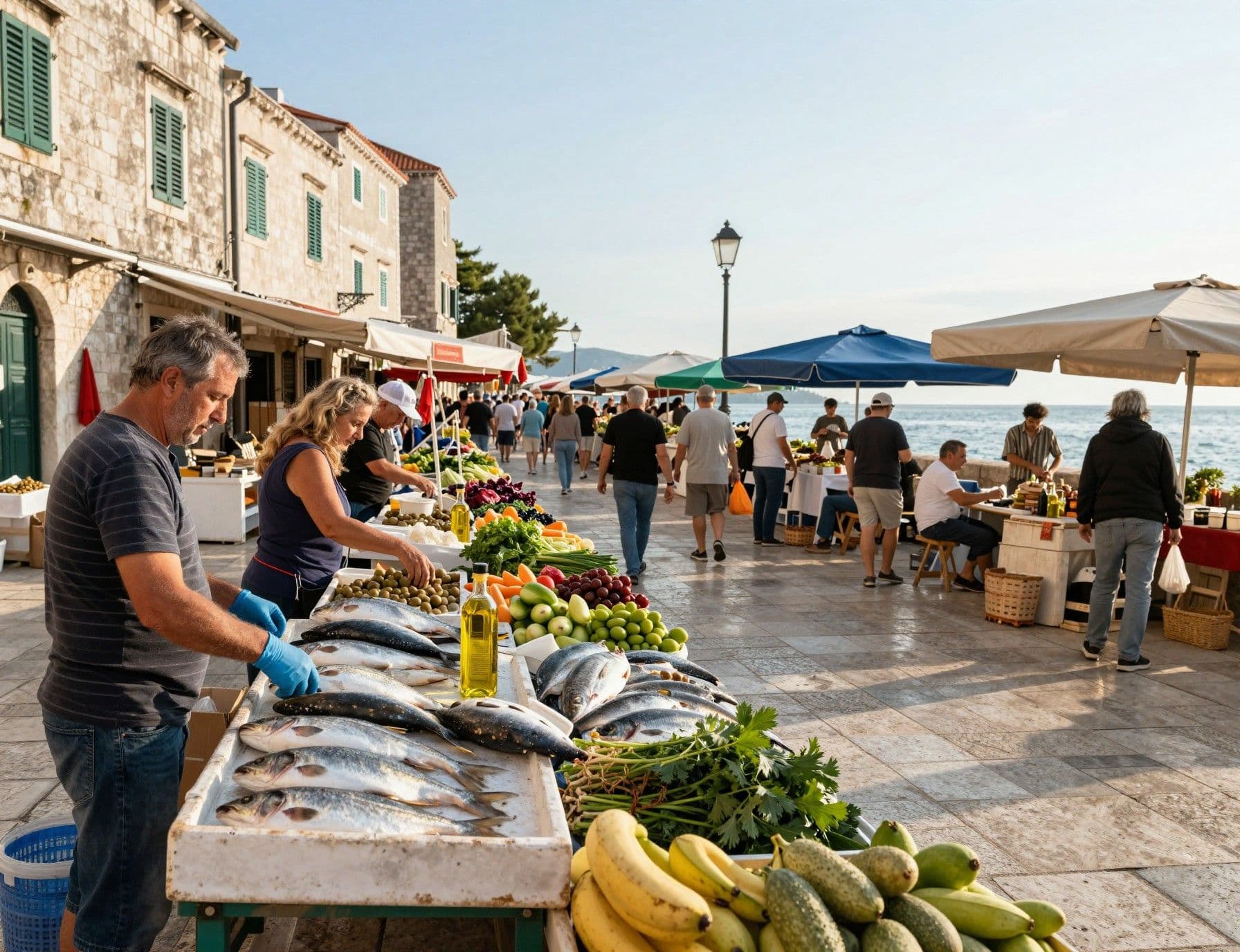
Croatia feels like two countries in one: a coastal choreography of cafés, pebble beaches and late dinners along narrow harbours; and an inland cadence of markets, forests and quieter days. Picture morning markets on Dolac in Zagreb, the smell of grilled fish on Split’s Riva at noon, and off‑season coves on Vis that feel almost private. That mix shapes demand for new developments: coastal apartments that promise views and proximity to nightlife, and inland houses that trade sea access for space and value.
Neighborhood spotlight: Split – Veli Varoš to Žnjan
Veli Varoš is old‑town intimacy — small cafés, fishermen’s terraces and steps that slope to the sea — while Žnjan, only a few tram stops away, is the new‑build story: promenades, modern apartments and a different daytime rhythm. Buyers seeking everyday coastal life often choose Varoš for community; those chasing rental yields or turnkey modern living lean toward Žnjan developments with pools and concierge services.
Food, season and tempo: why calendars matter
Tourism is increasingly year‑round: 2024 and 2025 data show growing pre‑ and post‑season arrivals, meaning markets are less binary than before. Still, the summer months concentrate visitation, visibility and short‑let demand — and developers and sellers tune their messaging to that peak. Use tourism seasonality data to tell whether a new development’s rental forecasts are realistic year‑round or summer‑dependent.
- Lifestyle highlights: streets, tastes and small pleasures
- Morning espresso on Split’s Riva; afternoon swims at Zlatni Rat (Brač) or Bačvice (Split)
- Saturday farmers’ market on Dolac (Zagreb) and fish stalls on Zadar’s waterfront
- Small‑island pace on Vis and Lastovo — ideal for remote work and creatives
Making the move: pipeline, supply signals and the summer illusion
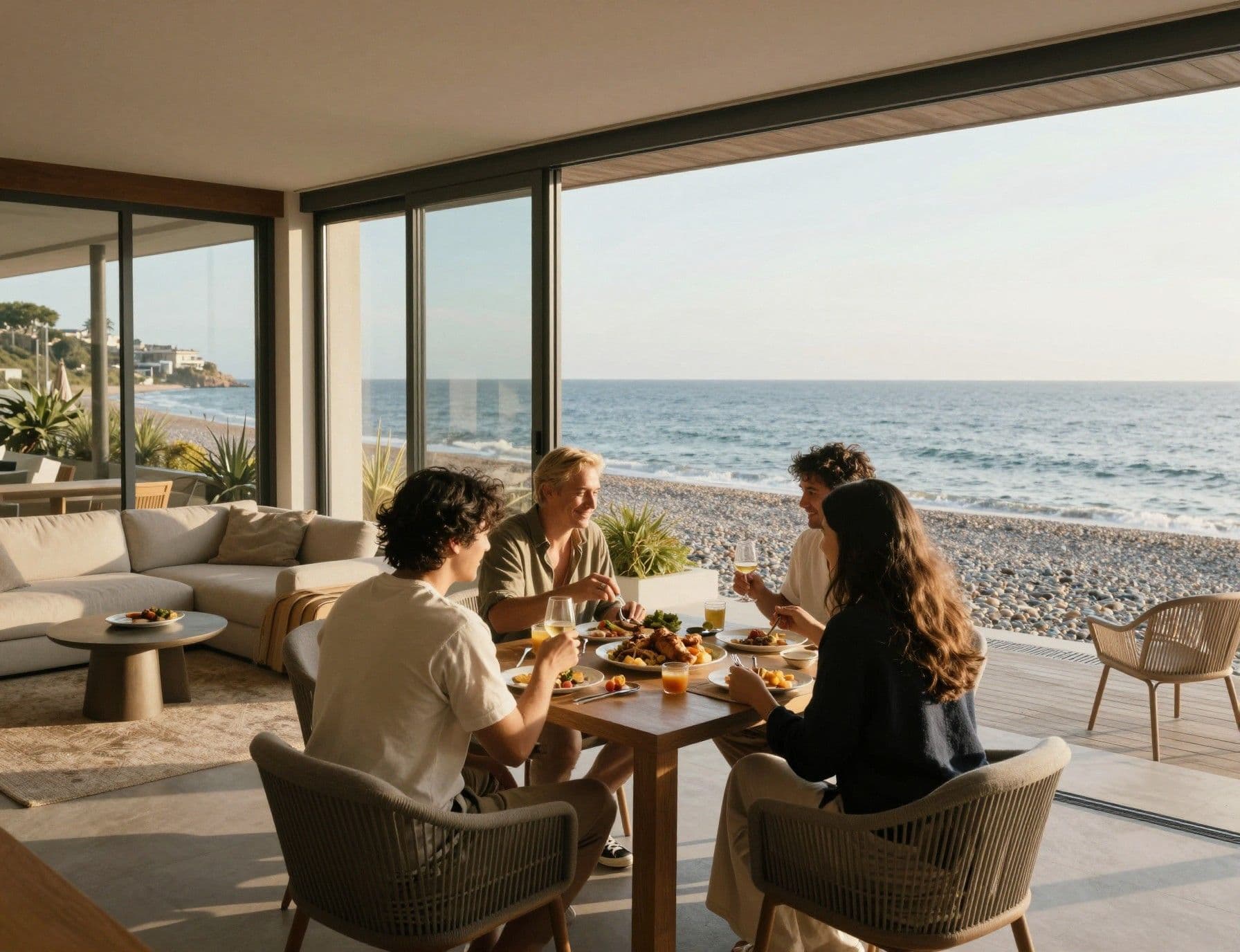
New‑build momentum on the Adriatic has been strong, but two signals matter for buyers: prices have continued upward while transaction volumes cooled in 2025, and developers concentrate on coastal, mid‑market projects. That combination creates visible supply (construction cranes, glossy showrooms) during tourist season which can make inventory look deeper than it is. Read pipeline signals as you would a tide: surface activity during July–August is not a reliable indicator of year‑round supply or long‑term pricing.
Property styles: new builds vs. restored stone houses
New developments deliver amenities — parking, thermal glazing, central heating options and easy property management — and often target short‑term rentals. Restorations of stone houses in old towns trade amenities for character and usually require upgrades to meet modern life. Choose type based on daily habits: if you crave low maintenance and a managed building, new builds on the mainland or larger islands are more aligned; if you want street‑level life and an authentic address, restored properties in historic centres win.
Work with experts who see past summer staging
EU/EEA buyers have the same acquisition rights as Croatians; non‑EU buyers generally need Ministry of Justice approval and proof of reciprocity. Beyond legal checks, seek agents and lawyers who monitor permits, pipeline delivery schedules and utility take‑over dates — details that often hide behind summer show flats and optimistic rental projections.
- Practical checklist to cut through summer noise
- Request phased‑completion certificates and utility connection timelines before reserving.
- Compare advertised rental yield to off‑season occupancy (ask for eVisitor data or local operator reports).
- Verify developer track record via previous projects’ handover quality and warranty claims.
- Insist on language‑clear contracts and independent valuation — summer staging inflates perceived scarcity.
Insider knowledge: what expats wish they’d known
Expats often report the same surprise: life off‑season is calmer, friendlier and cheaper, yet market listings and agents in summer project peak prices as baseline. Use local seasonal intelligence — which cafés close for winter, where municipal roadworks happen in November, which marinas increase fees in shoulder months — to align expectations with real life rather than the staged summer narrative.
Cultural cues that change where you buy
Croatians prize neighbourhood continuity: local shops, seasonal fishermen and weekly markets anchor community life. A property two blocks from a market square will reward you with conveniences and social ties that new beachfront promenades sometimes lack. Ask yourself whether you want a address that performs for tourists or one that supports week‑in, week‑out living.
Long‑term view: pipeline, regulation and sustainability
Expect incremental regulation around short‑lets, property taxation and coastal development in coming years — policy responses to seasonal pressure and housing availability have appeared in recent policy discussions. For buyers this means favoring developments with clear compliance credentials, energy performance measures and solid local council engagement over speculative coastal projects that depend on ever‑rising summer demand.
- Red flags developers push in summer showrooms
- Presented 'guaranteed' high summer yields without year‑round occupancy data
- Staged common areas and model flats that mask final finishes or small‑print defects
- Pressure to reserve with vague handover dates or refundable‑only deposits
If you’re buying from abroad, plan a shoulder‑season visit (April–June or September–October). Those months reveal how a place hums when it isn’t performing, show actual service levels, and let you meet property managers, neighbours and independent café owners whose insights matter for long‑term living.
- Step‑by‑step move plan (ease the pipeline risk)
- 1) Visit in shoulder season; live like a local for 4–7 days.
- 2) Commission an independent condition and market‑rent report before signing.
- 3) Use a local lawyer to confirm land registry, developer guarantees and any Ministry of Justice approvals for non‑EU buyers.
- 4) Negotiate phased payments tied to clear certificates of completion and utility connections.
Conclusion: Croatia sells seasonality as romance. Smart buyers start with the life they want — markets, cafés, neighbourly rhythms — then ask hard questions of the pipeline. Use shoulder‑season visits, independent inspections and local legal expertise to turn summer’s emotion into year‑round value. If you want, we can point you to vetted agencies and lawyers in Split, Dubrovnik and Istria who specialise in new developments and off‑peak due diligence.
Dutch investment strategist with a Portugal-Spain portfolio. Expert in cross-border financing, rights, and streamlined due diligence for international buyers.