Cyprus Non‑Dom: Lifestyle Perks and Tax Pitfalls
Why Cyprus’s lifestyle appeal and non‑dom perks are attractive — and how VAT, transfer fees and residency rules change the math. Plan seasonally, verify VAT, and use local experts.
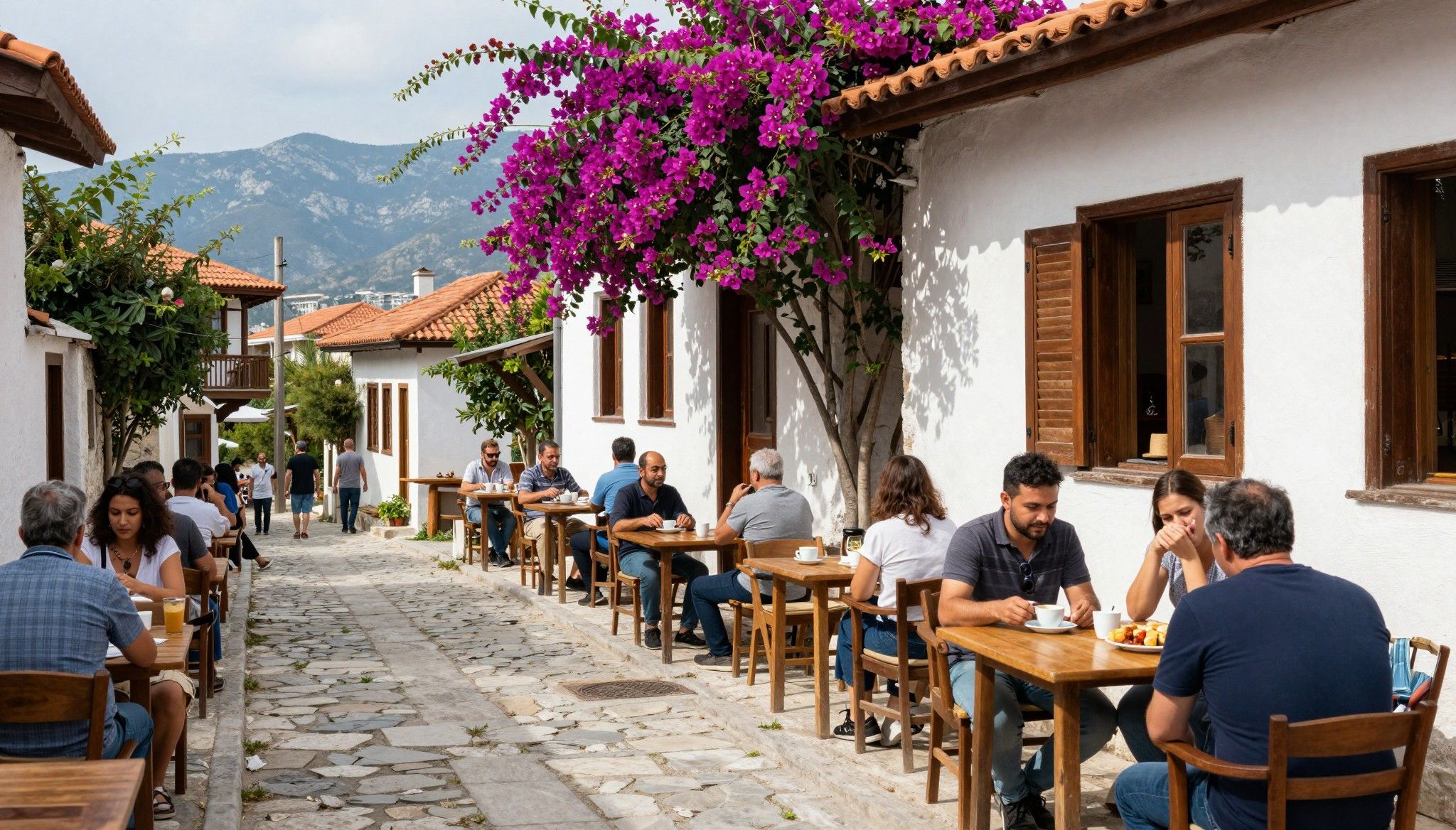
Imagine waking up to a slow coffee on Phinikoudes promenade, then cycling past citrus groves to a village taverna for lunch. Cyprus sells a life as much as a tax regime—sunlight, small towns, easy English, and neighbourhood routines that feel immediate and uncomplicated. But beneath that Mediterranean ease sits a tax and regulatory landscape that rewards some moves and punishes rushed assumptions. This guide blends the sensory pull of life in Cyprus with hard facts about non‑dom status, transfer taxes, VAT quirks and agency roles, so you can plan a purchase that supports the life you truly want.
Living Cyprus: sunlit mornings, village rhythms and coastal afternoons
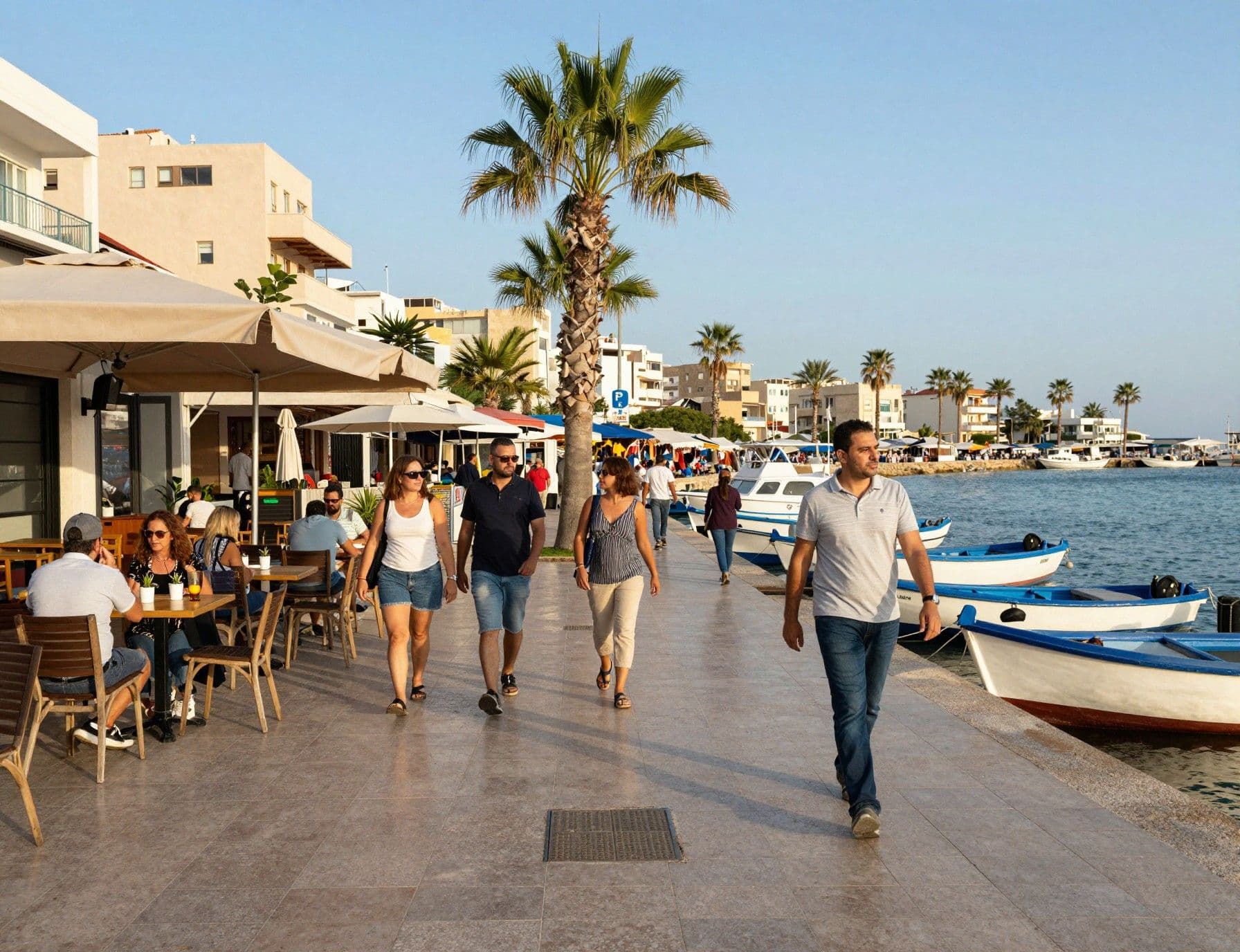
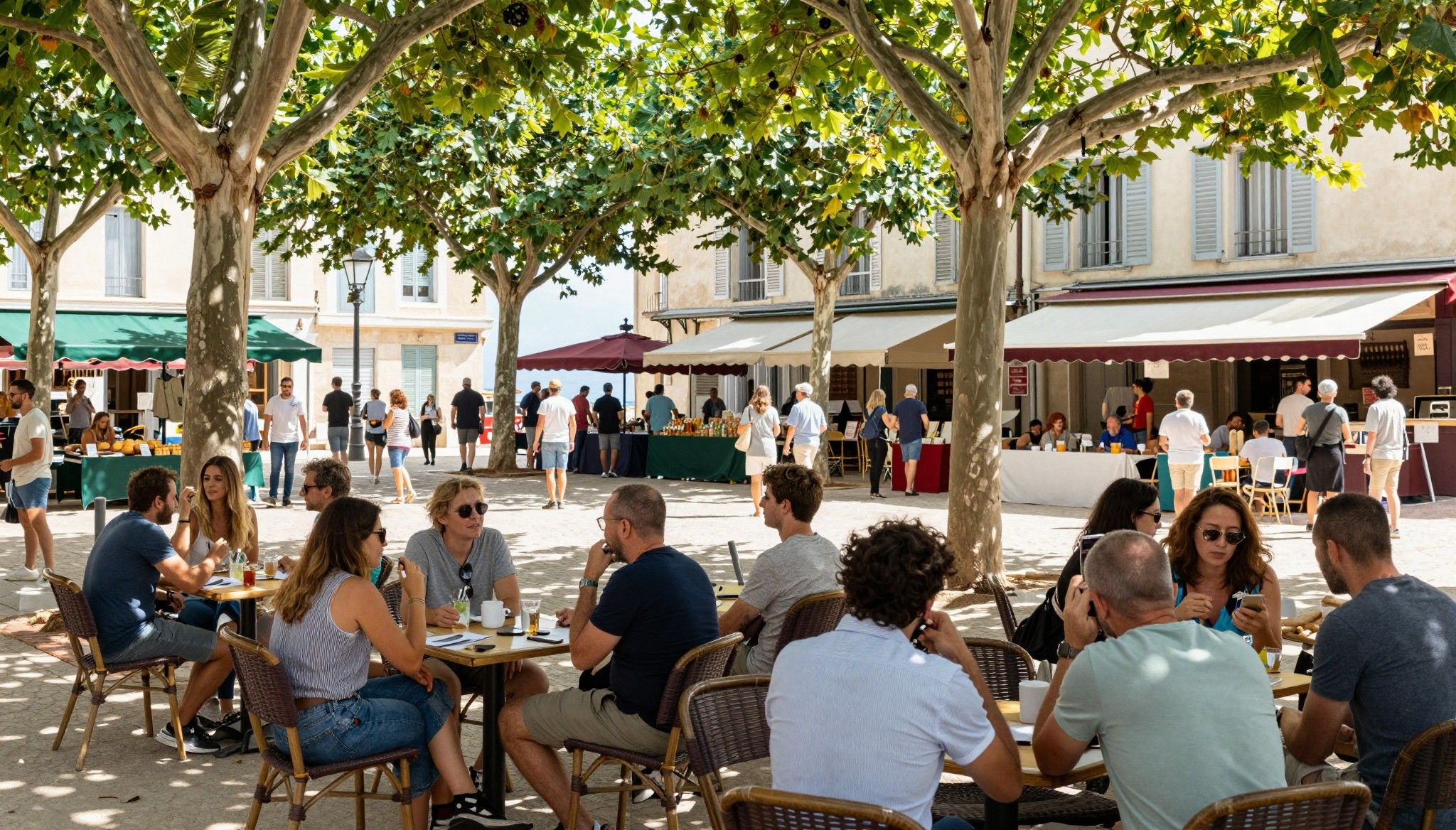
Cyprus feels compact yet varied: sandy Mediterranean beaches in Larnaca, buzzy cafés and yachts in Limassol, and stone‑strewn villages in the Troodos that slow time. Daily life leans outdoor — breakfast at a kafeneio, siesta‑style afternoons on shaded terraces, evening passeggiatas by the sea. For buyers, these everyday patterns determine neighbourhood choice more than any headline tax break; proximity to a market, reliable water, or a sheltered terrace often shapes satisfaction more than marginal tax rates. Think in terms of how you’ll live from Monday to Sunday, then check the tax implications.
Neighborhood snapshots: Larnaca, Limassol, Paphos and the Troodos villages
Larnaca’s Finikoudes and Mackenzie combine beachfront promenades with neighbourhood bakeries — great if you crave daily sea walks and cafés within five minutes. Limassol’s old port and Germasogeia offer cosmopolitan nightlife, international schools and marina‑side living that suits families and professionals. Paphos balances archaeology and calm coastal suburbs; Coral Bay and Tombs of the Kings give different rhythms but similar sunshine. Inland, Troodos villages such as Kakopetria or Omodos trade the beach for cooler summers, local wine festivals and stone cottages that reward long‑term restoration projects.
Food, markets and the social cues that shape where you buy
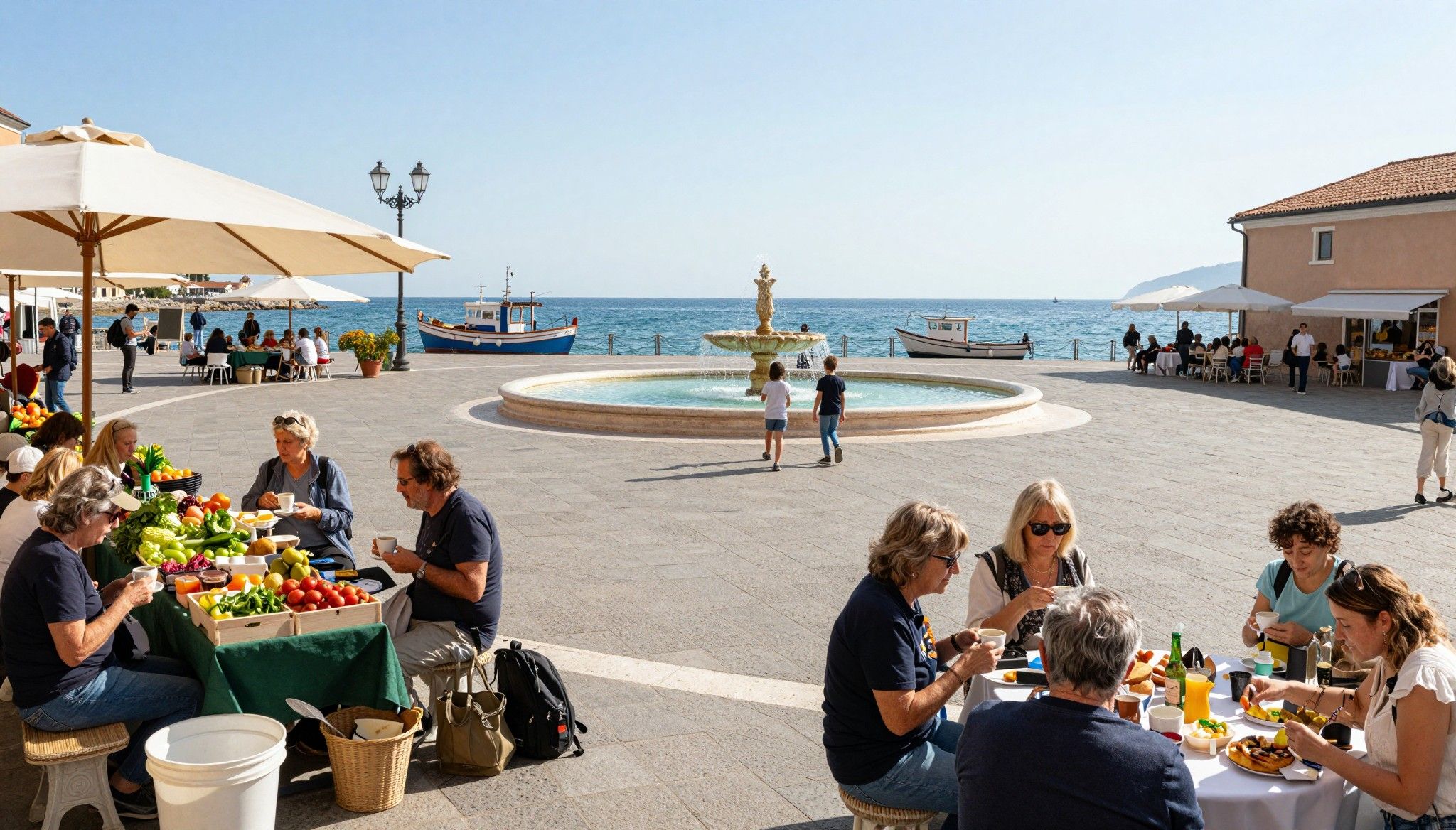
Weekends are market days: wet fish stalls, almond cakes and small plates in village squares anchor local life and signal neighbourhood health. If you want a daily espresso, choose streets with a stable kafeneio; if you prefer an international grocery and co‑working, target suburbs near Limassol or Nicosia. These micro decisions affect property choice: a small apartment close to a market trades rental yield for lifestyle, while a villa outside town buys calm but requires a reliable car and sometimes private water solutions. In short, match property type to the rhythm you want, then test tax and regulation against that lifestyle.
Making the move: how Cyprus taxes and rules shape real life

Cyprus’s tax architecture can feel generous at first glance: no annual central property tax since 2017, an appealing non‑dom regime for new residents, and VAT rules that vary by new build versus resale. But the devil is in timing and classification: whether VAT applies, whether you qualify for a non‑dom exemption, and whether transfer fees attract the resale 50% reduction materially change transaction costs. Recent market reports note sustained residential demand and price gains, so tax planning matters not just for ownership costs but for long‑term capital returns. Use official calculators and recent market briefs to model scenarios before signing.
Property taxes and transaction costs: what to expect and when
- Transfer fees: charged by the Land Registry and broadly range depending on value, often reduced by 50% for resale properties where VAT was not charged. VAT: generally 19% on new builds sold by developers unless a reduced rate applies; resale homes normally do not carry VAT. Stamp duty: recent reforms have reduced or removed small historic duties on contracts in certain years — check the current status as rules changed in recent budgets. Capital gains tax: levied at 20% on gains from property disposals with exemptions for principal residences under specified conditions. Non‑dom status: offers exemption from taxation on dividends and interest for qualifying individuals for a set period, but requires specific residency and domicile tests. These elements combine to shape the net cost of buying, renting out or selling property over time.
How tax quirks translate to real decisions
If you plan to rent short‑term near the coast, VAT classification on a developer‑sold apartment will influence headline yields — an advertised gross yield can quickly shrink once VAT and agency fees are applied. Buying a resale in an older building may lower upfront fees because of the 50% transfer fee reduction, but older stock can mean renovation costs and licensing checks (eg. tourism permit for holiday rentals). Non‑dom status can make Cyprus attractive for passive income, but lifestyle choices—how many days you spend on the island, where your family remains tax resident—determine eligibility and real benefit.
Insider knowledge: expat truths, red flags and seasonal timing
Expats often arrive enchanted by the lifestyle but surprised by bureaucracy. Residency processes, tax registrations and practicalities such as utility connections and title checks take time and local patience. Seasonal illusions matter: visiting in August paints a different picture than a quiet December — infrastructure strain and tourism demand in summer can inflate short‑term rental figures but give a misleading picture of day‑to‑day life. Recent data shows rising transactions and price pressure, underscoring the need for due diligence rather than impulse buys during festival crowds.
Red flags to watch for before you sign
- Unlicensed developer sales or missing planning permits — always ask for building permits and occupancy certificates. VAT status confusion — confirm whether the sale is VATable new development or resale. Incomplete title chain or unresolved encumbrances — get a full Land Registry search. Overly optimistic rental yield claims in peak months without year‑round data. Agencies that promise rapid residency or tax exemptions without legal backing.
A practical step‑by‑step for buyers who pair lifestyle with tax sense
- Engage a local bilingual lawyer early to check title, permits and VAT classification. Request a scenario of net cash flow that includes VAT, transfer fees, agency commission and likely renovation. Check non‑dom eligibility based on domicile history and intended residency days; confirm with a Cyprus tax adviser. Visit in at least two seasons — one peak and one shoulder — and test daily routines like market access and school commutes. Use a trusted agency to horizon‑scan supply pipelines and negotiate developer clauses (completion timelines, snagging warranties).
Longer view: where life and regulation meet value. Cyprus shows steady residential demand and moderate price growth, supported by tourism recovery and infrastructure investment. That trajectory makes taxes and timing strategic levers rather than mere paperwork: buy in a part of town where the life you want is sustainable, and structure the purchase so post‑purchase costs don’t erode returns. Use official sources and recent market briefs to stress‑test assumptions — what looks like a simple seaside bargain can hide permit costs or VAT that shift the numbers materially.
Conclusion: fall for the life, plan for the rules. Cyprus sells a particular Mediterranean life — terraces, markets and the slow pleasure of neighbourhood rituals. Treat tax and regulation as part of the design brief: they shape what you can afford, how you’ll use a property, and whether your dream endures. Start with lifestyle (which streets, which cafés, which climate), bring in local legal and tax experts early, and test your plan across seasons. An agency that understands both lifestyle and compliance becomes the bridge: they should introduce you to the right streets and the right advisors, not just the nearest postcard.
Danish relocation specialist who has lived in Barcelona since 2016. Helps families move abroad with onboarding, schooling, and local services.