Why Greece’s ‘Postcard’ Price Tag Misleads Buyers
Greece’s popular postcards can overstate cost; neighbourhood-level rhythms and recent policy shifts reveal practical buying opportunities for lifestyle-focused international buyers.
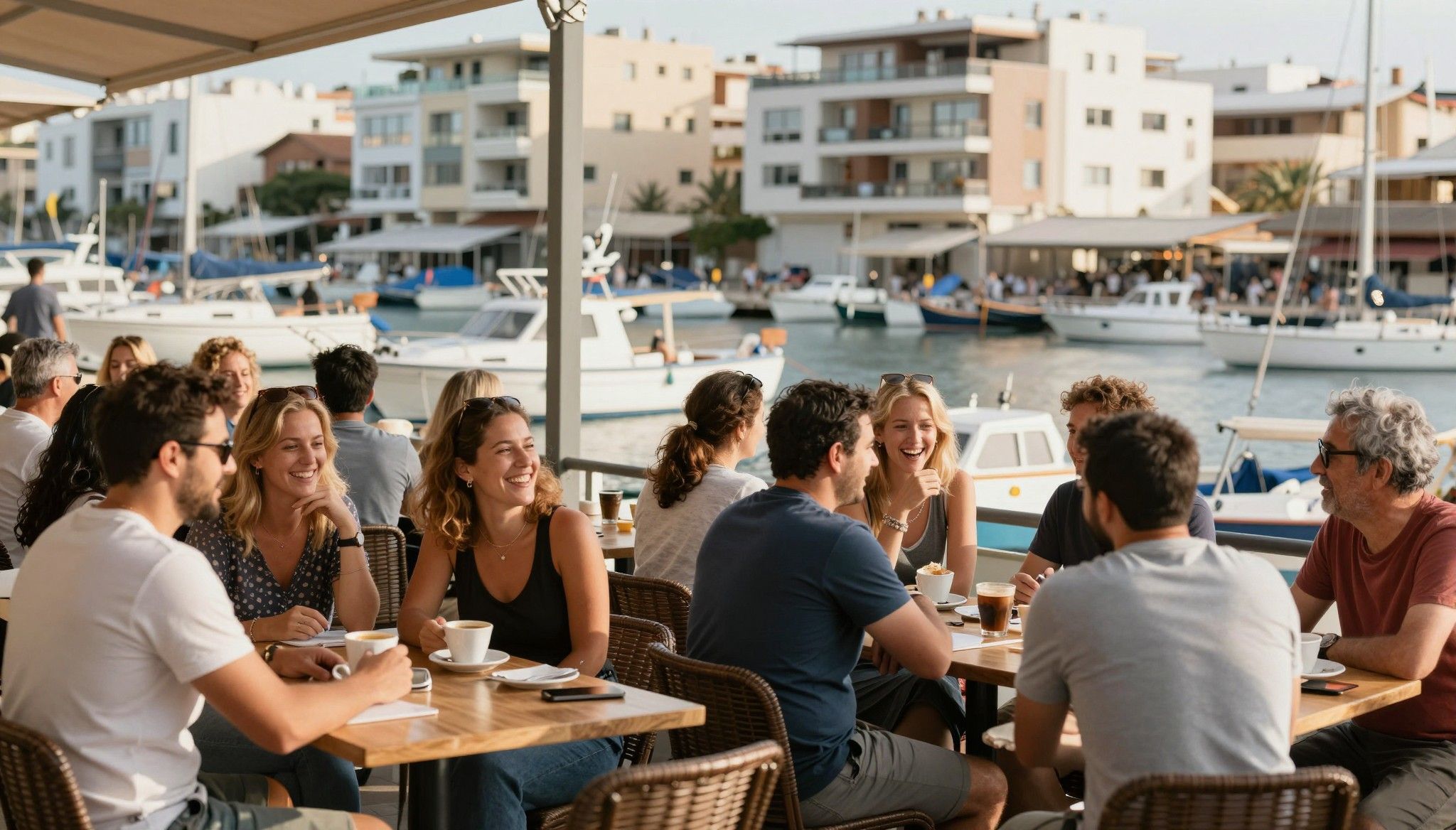
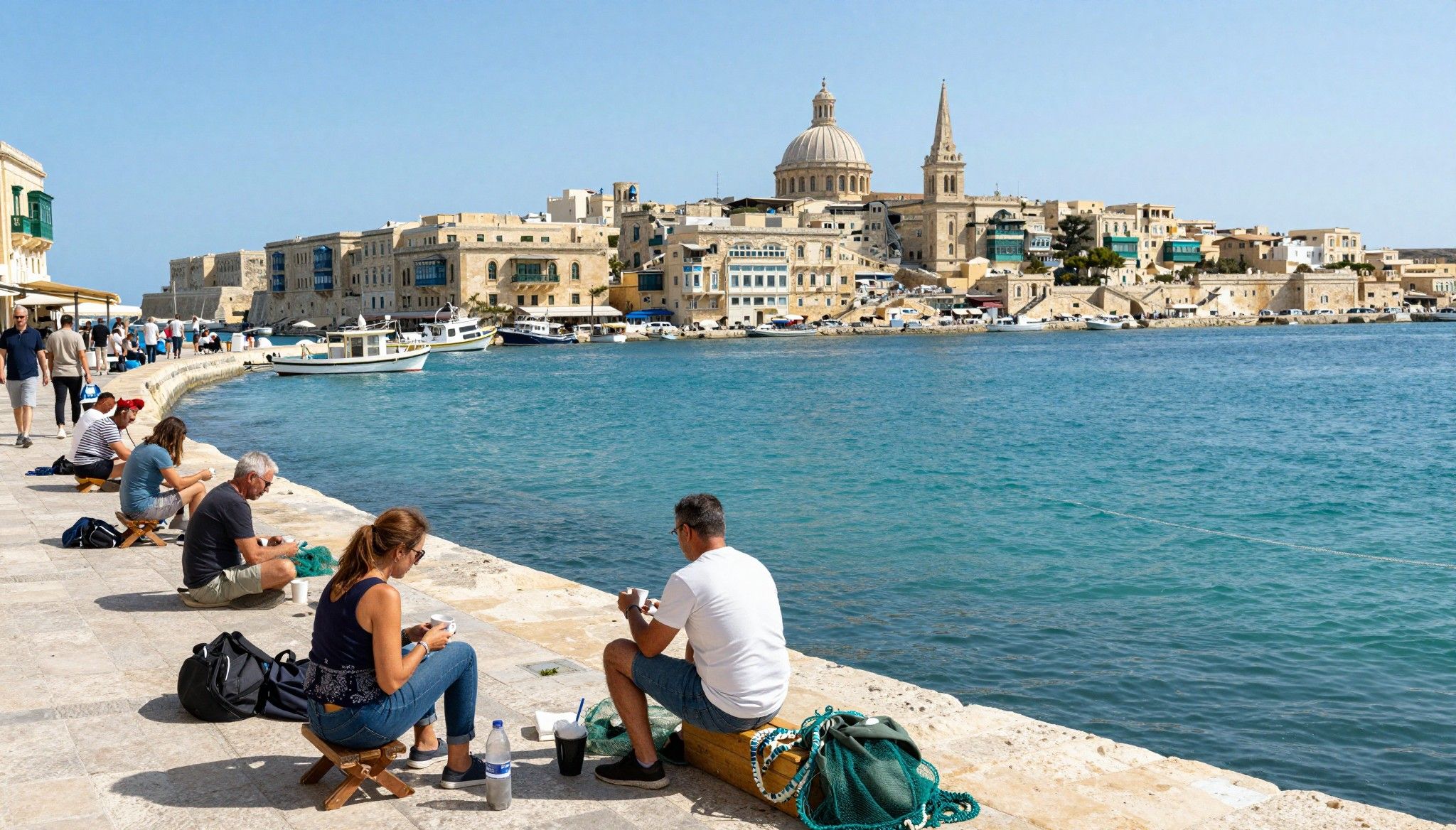
Imagine sipping espresso at a sunlit kafeneio on Athens' Koukaki hill, then driving two hours to a windswept Cycladic inlet where a taverna still serves the catch of the day. Greece can feel both effortlessly lived-in and cosmetically picturesque — a country where everyday rhythms (markets, late dinners, neighbourhood squares) define value as much as price tags. That lived reality matters for international buyers: what looks expensive on a postcard may hide practical buying opportunities nearby. Recent market analysis shows national price momentum but strong local variation, making neighbourhood-level insight essential.
Living the Greece lifestyle
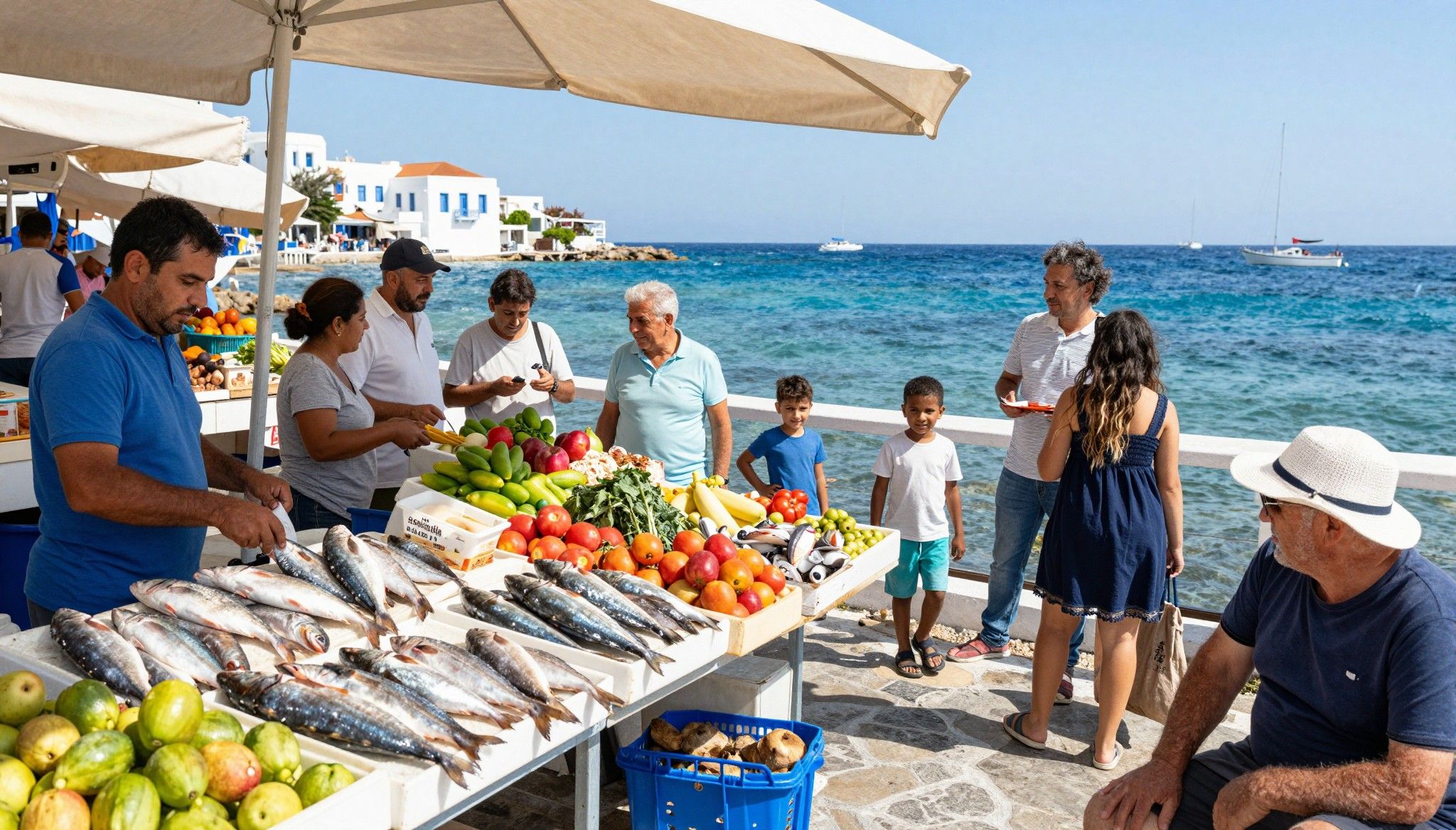
Live here and you'll notice how seasons and places shape everyday life: Athens hums year-round with coffee shops, museums and evening promenades; islands pulse hard in July and soften into quiet authenticity by October. Official house-price indices indicate steady growth nationally, but that growth is uneven — Attica and selected islands lead while inland towns lag. For buyers, the amenity map — schools, healthcare, marinas, fast ferries — often matters more than headline averages. Pair sensory experience with data: walk streets, taste local markets, then check neighbourhood-level indices and vacancy patterns before committing.
Athens neighbourhoods: Koukaki, Pangrati, and Mets
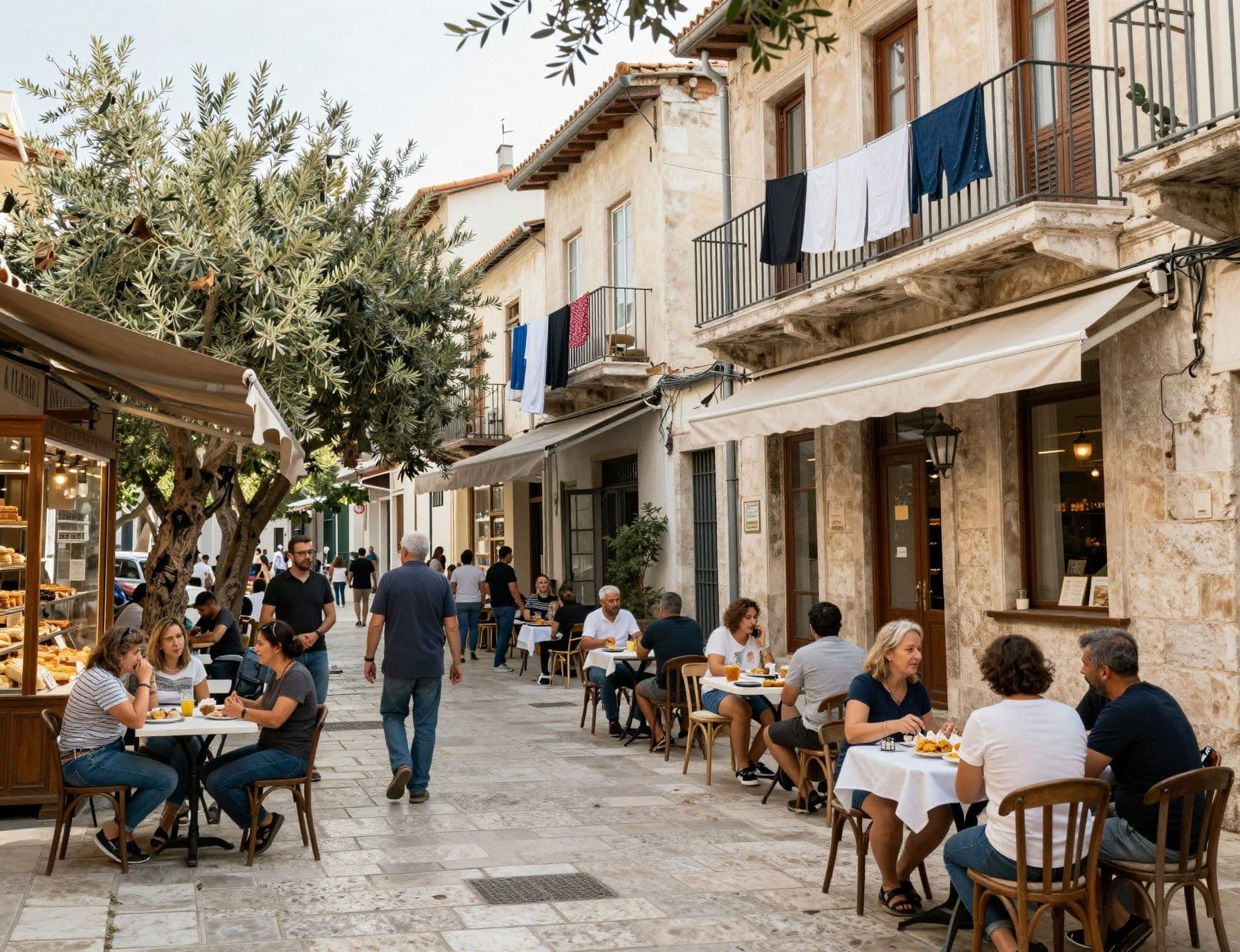
Koukaki offers narrow lanes, neighbourhood tavernas and easy access to the Acropolis — a compact, walkable urban life with a rising market for renovated apartments. Pangrati is daytime markets and late-night cafes, attractive to younger expats and remote workers seeking community without Lip service to tourism. Mets retains a quieter, almost residential Athenian character with mature trees and villas near sporting grounds; it can be more affordable per square metre than the postcard zones yet equally convenient. These pockets illustrate how local character, not city-level averages, steers daily life and value.
Island life: beyond Santorini and Mykonos
Santorini and Mykonos dominate postcards — and prices — but islands like Naxos, Tinos and parts of Crete offer more balanced everyday life: year-round services, farming communities and calmer summer crowds. Policy changes to residency-by-investment rules have concentrated buyer interest in specific islands and urban areas, which pushed prices in visible hotspots while opening quieter alternatives. For lifestyle-minded buyers, choose an island whose rhythm — fishermen at dawn, local markets, village festivals — matches the life you want to live, not the one that photographs best.
- Lifestyle highlights to scout in person
- Morning market runs: Varvakios Agora (Athens) or Chania central market (Crete) for fresh produce, local interaction and neighbourhood rhythm
- Coffee culture: sit-down espressos in Koukaki’s courtyards to test daily life at different hours
- Coastal walks: Glyfada promenade for suburban seafront living, or Anogi to Agios Nikolaos trail in Crete for island hiking
Making the move: practical considerations that respect lifestyle
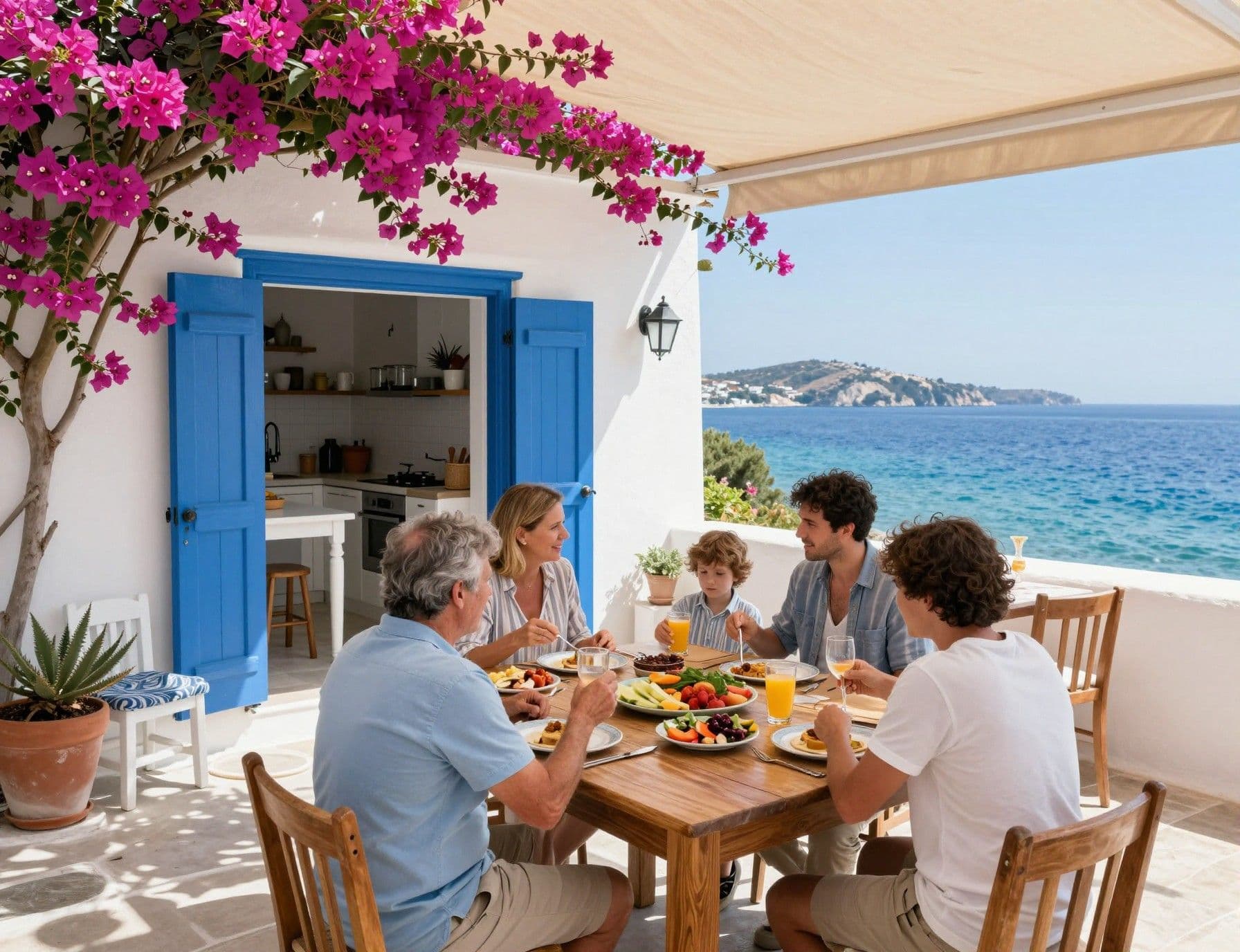
The dream (quiet squares, seaside dinners) must meet process (inspections, permits, local professionals). Start by mapping the daily conveniences you need — healthcare access, ferry frequency, international schools — then overlay supply factors such as renovation costs, building permits and rental demand. Greek property markets reward local knowledge: two properties with similar photos can differ in insurability, conversion permission, or seasonal rental performance. Bring a local architect or engineer to structural visits and ask agents for recent comparable transactions in the same street rather than the wider area.
Property styles and how you'll use them
Stone village houses offer thermal mass that keeps summers cool but often need electrical and insulation upgrades to suit year-round living. Cycladic whitewashed homes are low-maintenance outside yet can have complicated rainwater management and limited storage. Modern Athens apartments provide central heating and strong market liquidity but may lack outdoor private space. Match property type to lifestyle: if you want a year-round home, prioritise insulation, plumbing and heating; if you buy for summers and rentals, prioritise outdoor living and easy access to beaches and transport.
Working with local experts who know the life you want
Choose an agency that can demonstrate street-level experience: recent sales in the same block, introductions to trusted engineers and boots-on-the-ground photos from multiple seasons. Legal counsel should be able to explain recent residency-rule changes and the practical steps needed to convert or reclassify property use. Ask for a dossier with recent utility bills, building permits, and a neighbourhood rental calendar to understand off-season vacancy and income potential. A good local team turns lifestyle aspirations into feasible property choices.
- Practical steps to align lifestyle with purchase
- Scout the neighbourhood at different times (weekday morning, Saturday afternoon, local festival) to feel rhythms and noise levels
- Request recent comparable sales within the same street, not just the area, to assess true market value
- Order a structural and systems inspection focusing on water, wiring and insulation to estimate renovation budgets
- Confirm planning and permitted uses; if you plan short-term rentals, check local municipality rules and register requirements
Insider knowledge: what expats wish they'd known
Expats often expect either instant paradise or instant paperwork headaches; reality lies between. Seasonal employment, ferry timetables, and local festival calendars shape rental demand and neighbours' moods more than glossy listing photos. Data show house-price indices have risen nationally while local markets diverge — understanding seasonality and transport links changes both lifestyle and investment outcomes. Learning the unspoken rules — who cleans communal stairwells, when shops close for August — makes integration smoother and reveals small practical features that affect daily life.
Cultural integration and everyday social cues
Greek social life values neighbourhood ties: frequent small talk at the bakery, aproximações (friendly routines) at the cafe, and invitations to local festivals. Learning a few phrases and attending a church or village festival in season opens doors quickly. For families, local schools and paediatric services vary by island and region; for remote workers, café Wi‑Fi and occasional co‑working hubs in places like Chania and central Athens matter more than beachfront glamour.
Long-term lifestyle vs. short-term rental trade-offs
If you want a home that also earns income, accept trade-offs: high summer yields may require property management, extra cleaning and rapid guest turnover; year-round living needs better insulation and reliable utilities. Recent agency reports show sale prices rising in 2025 with varying local strength, so weigh projected rental yields against renovation costs and seasonality. Many buyers find greater long-term satisfaction choosing properties that work for their life first, and the short-term rental market second.
- Red flags to spot on viewing day
- Letters from the municipality that reveal unresolved planning issues or fines
- Water damage stains near rooflines or under showers indicating plumbing or drainage problems
- Inconsistent ownership documentation or missing cadastral entries that complicate transfer
- Neighbour complaints about short-term rentals, loud events or construction that could signal future disputes
Conclusion: buy the life, not only the view. Start with a sensory visit — markets, cafes, ferry timetables — and layer in data from national statistics and respected local research. Ask agents for street-level comparables, engage an independent engineer, and confirm residency or Golden Visa rules with legal counsel. With the right local team, Greece rewards buyers who prioritise lived experience: the result is not just a property but a daily life that feels like it belongs to you.
Danish relocation specialist who has lived in Barcelona since 2016. Helps families move abroad with onboarding, schooling, and local services.