Why Italy’s 'Expensive' Label Hides Local Value
Italy’s lifestyle appeal masks regional price divergence; pairing sensory neighbourhood choices with ISTAT and industry data reveals under-the-radar value for international buyers.
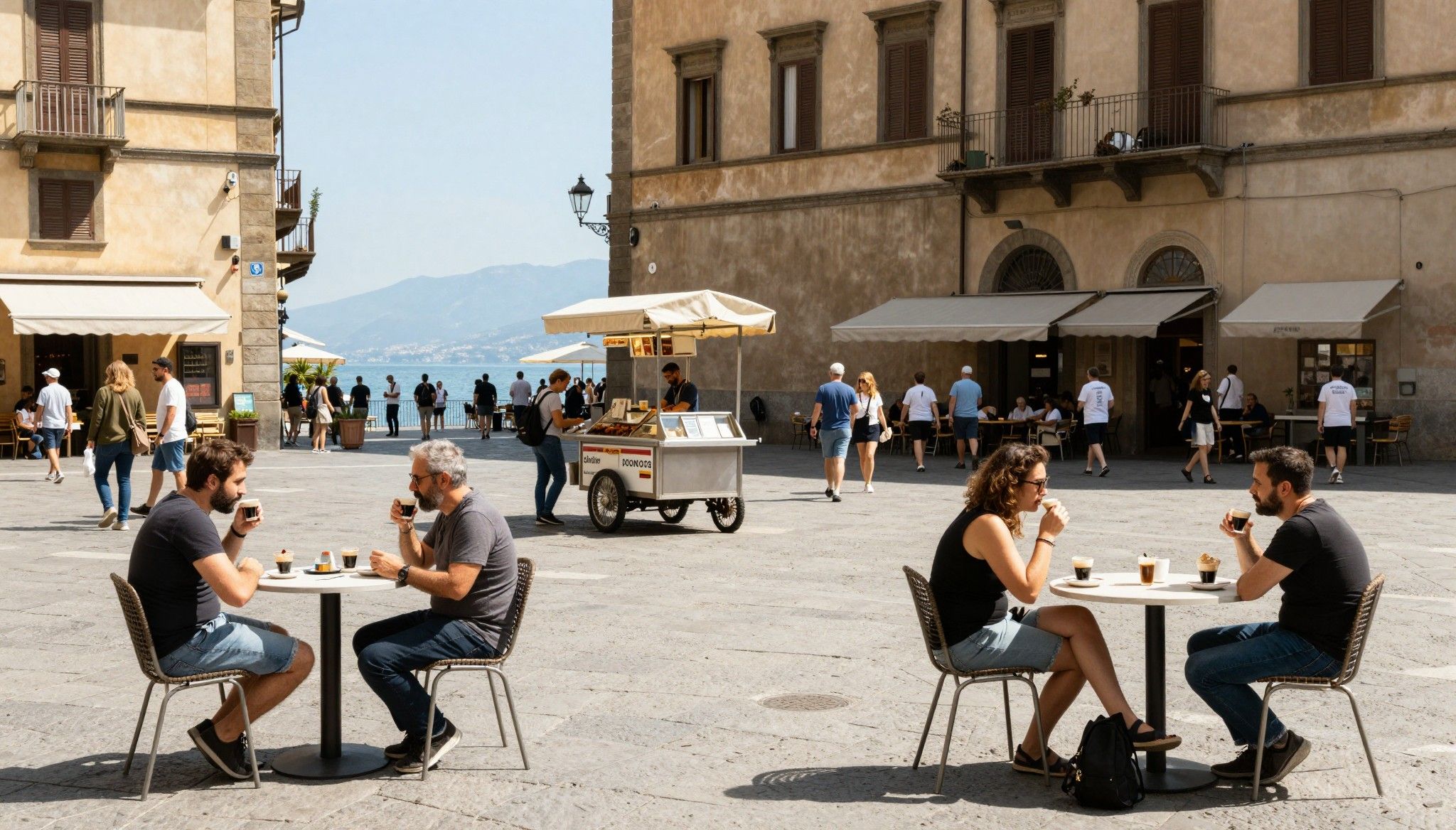
Imagine waking to the smell of freshly baked cornetti, stepping out onto a narrow street where laundry flutters between balconies and an elderly barista already knows your order. That sensory, lived-in Italy — neighbourhood markets at dawn, aperitivo on a piazza at dusk, and small-town festivals that thread the year together — is exactly why buyers come. But lifestyle and market signals don’t always match the postcards: prices vary wildly between regions, and many assumptions about "expensive Italy" miss practical pockets of value. Read on to fall in love with the life and to see where the data says opportunity really sits.
Living the Italy lifestyle
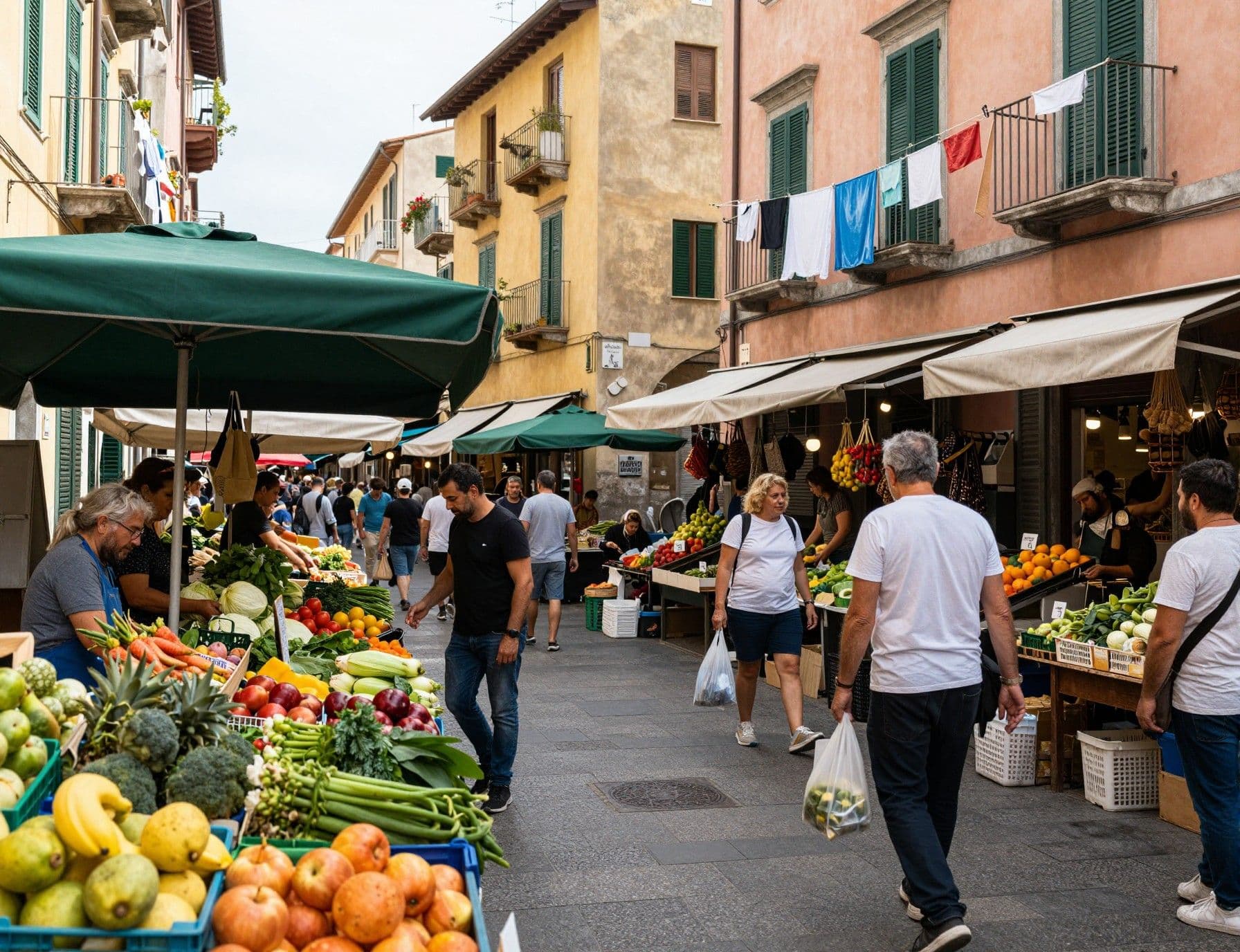
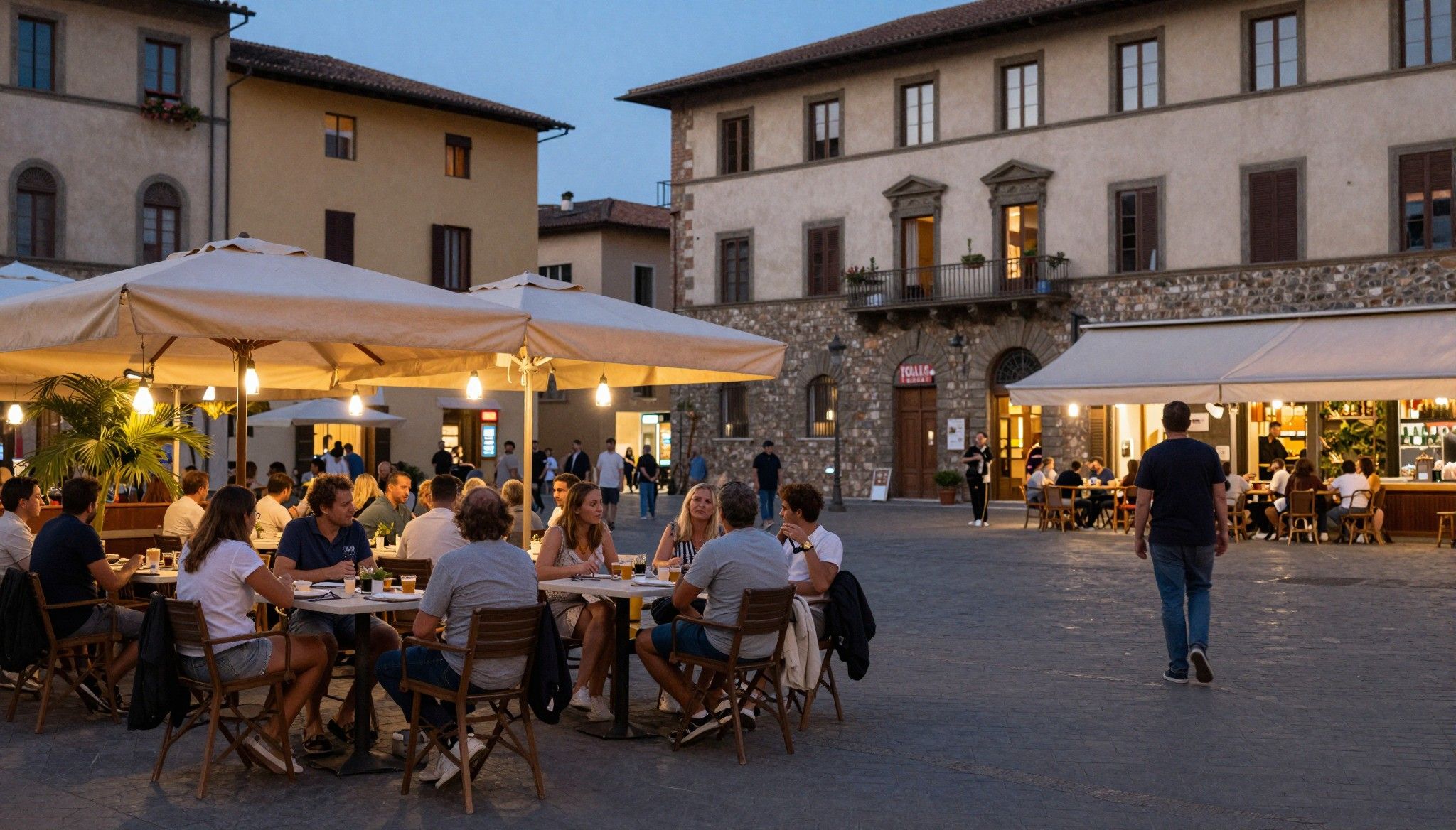
Italy is a mosaic of daily rhythms. In coastal Liguria you find early-morning passeggiata and pastel-painted facades; in Florence, late-night art openings and espresso-fuelled afternoons; in Puglia, agricultural terraces and farmhouse tables where the meal lasts for hours. Each region offers a different tempo — seaside days, hill-town slow living, or metropolitan intensity — and your property choice should answer which rhythm you want to live inside, not just which picture you like on Instagram.
City neighbourhoods and coastal towns with real character
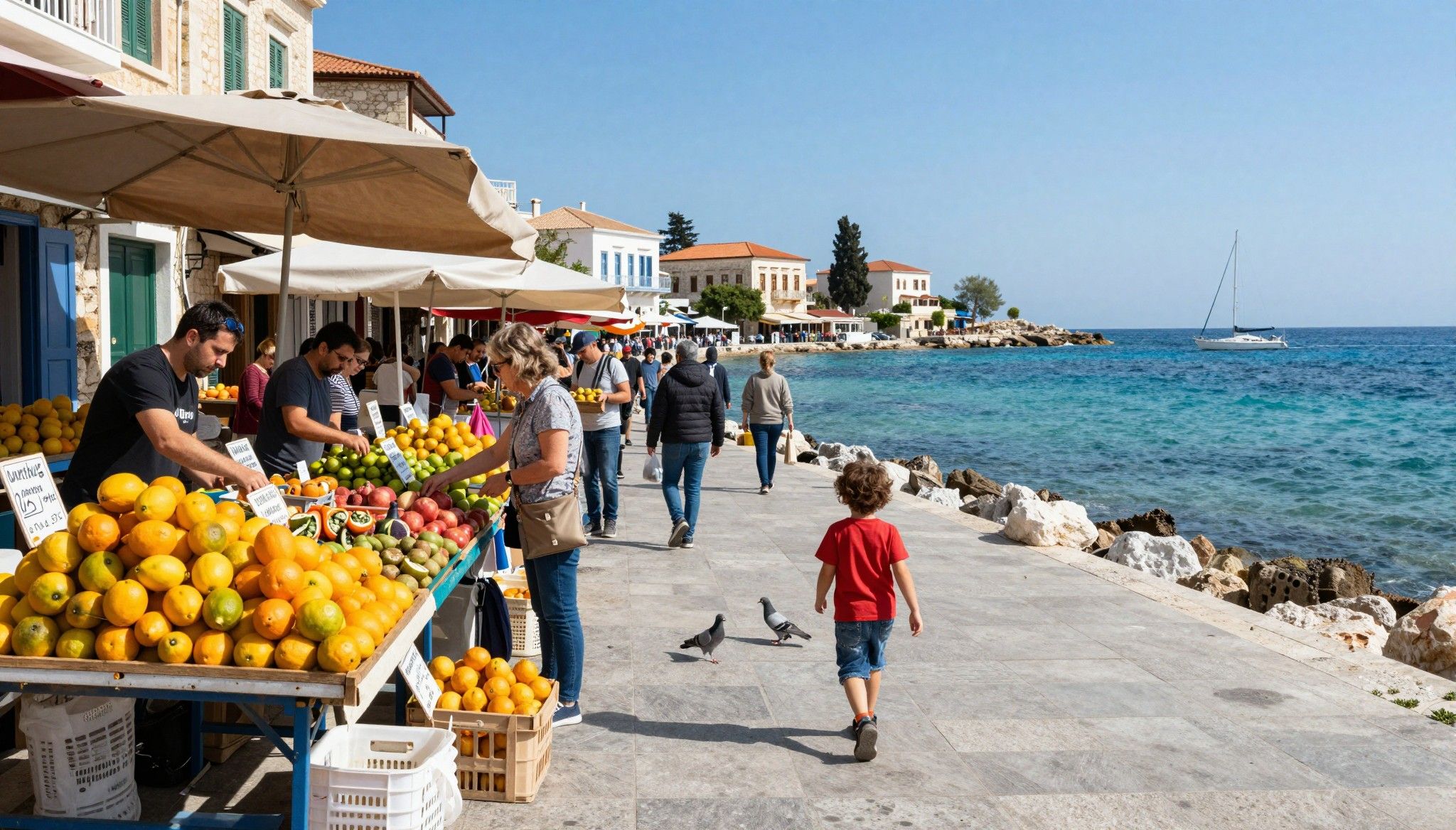
Milan’s Brera and Navigli lanes suit cultural planners and remote professionals who value cafés, galleries and coworking. Rome’s Trastevere still offers cobbled corners and local trattorie if you accept narrower apartments and tourist season crowds. Along the coast, Levanto and Santa Margherita Ligure combine beach access with rail links; down in Puglia, Polignano a Mare and Monopoli give you dramatic cliffs, trattorie and surprisingly affordable historic homes compared with northern Riviera prices.
Food, seasons and everyday rituals
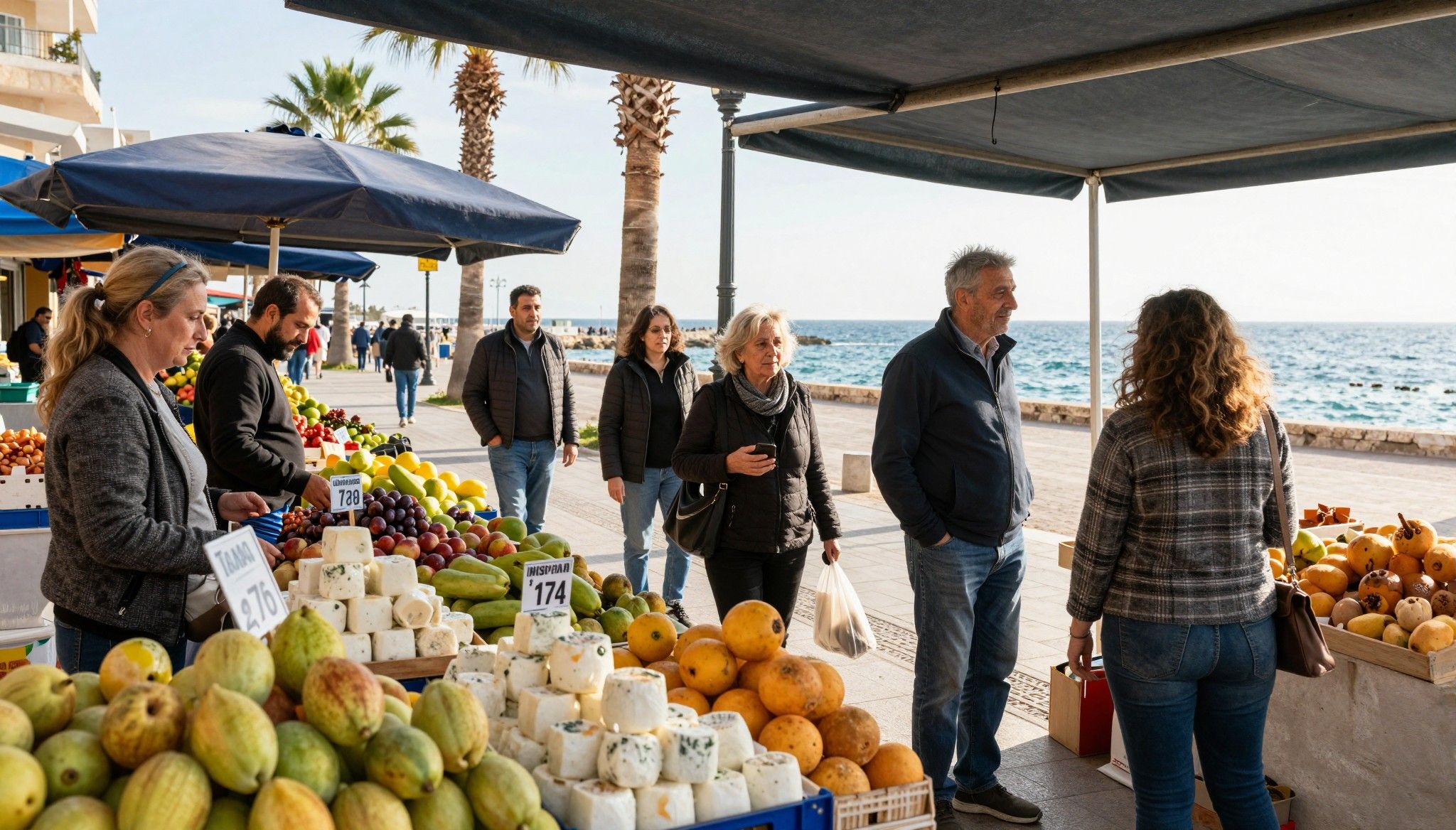
Markets shape weekly life: consider Florence’s Mercato Centrale for fresh produce and social mornings, or Palermo’s Ballarò for an exuberant street atmosphere where food is the pulse of public life. Seasonal rituals — olive harvests in autumn, summer sagre (food festivals), carnival in Venice — change what neighbourhoods feel like and how homes are used, from long-lived terraces in summer to cozy interiors in winter. If you want indoor-outdoor living, terraces and shutters matter more than square metres.
- Early-morning market coffee at Mercato Centrale (Florence); sunset passeggiata on Lungomare in Salerno; porcini and truffle festivals in Piedmont; weekend second-hand book fairs in Bologna; coastal cliff swims near Polignano a Mare; aperitivo hours on Navigli (Milan).
Making the move: practical considerations
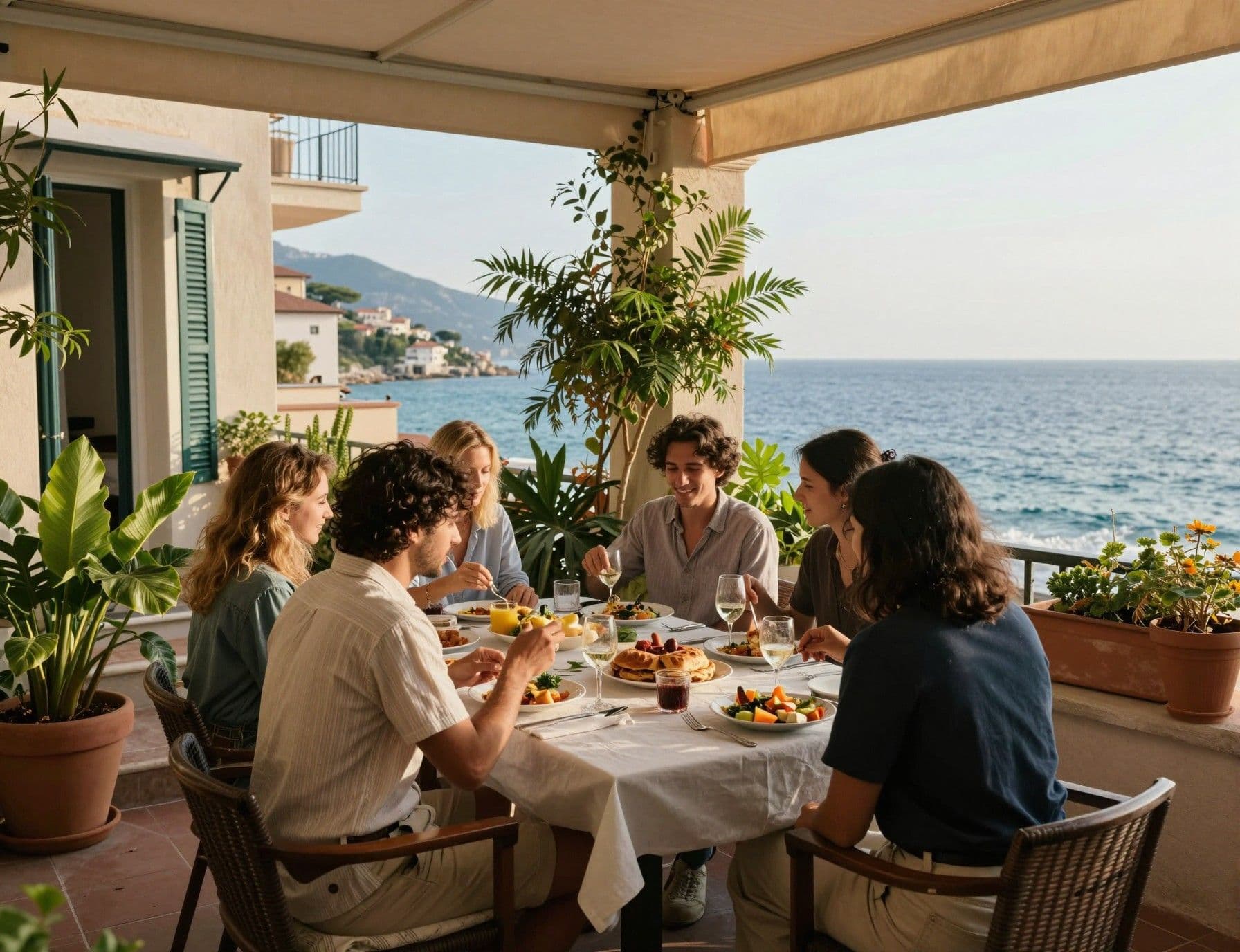
Dreams meet conditions: national house prices have been positive but modest — ISTAT shows gentle year-on-year growth rather than runaway inflation — and local markets diverge strongly between Milan/Rome and smaller southern towns. Supply constraints in major cities push prices up and discount down, while southern coastal and inland areas frequently offer lower entry points and attractive yields for buyers willing to accept a different lifestyle. Use local data to pick a micro-market; the national headline won’t tell you whether a seaside village is undervalued.
Property types and how they match lifestyle
Historic centre apartments deliver immediate atmosphere — narrow streets, high ceilings, and neighbors who are part of the community — but often come with constrained layouts and renovation needs. Newer condos or converted warehouses in cities give amenities and better thermal performance, useful for year‑round or rental use. In coastal and rural settings, look for outdoor living: terraces, private gardens, and sun exposure are lifestyle multipliers that also improve rental desirability during high season.
Working with local experts who understand life and law
A great agent is part cultural translator, part market analyst. Agents with local networks can show you off‑market options (common in Italy), recommend trusted geometri and notaries, and explain neighborhood rhythms that affect rental windows. For international buyers, agencies that regularly handle foreign clients shorten the learning curve — they know how to coordinate remote viewings, verify permit histories, and flag seasonal quirks that change a neighbourhood’s feel.
- Decide your lifestyle priorities; list must-have vs nice-to-have. Commission local surveys (geometra) and check permits before offers. Use notarised pre-contract (compromesso) with price deposit protections. Plan for seasonal use: budget for winter heating if not a summer-only home. Choose an agency with bilingual staff and local after‑sales support.
Insider knowledge: what expats wish they'd known
Expats often arrive enchanted, then discover seasonal rhythms and local bureaucracy that redefine expectations. Rental yields vary: smaller southern cities and university towns can show higher gross yields compared with tourist-saturated Florence or Milan, where yields compress but capital appreciation and short‑term rental demand can be strong. Knowing yield ranges helps set realistic expectations for returns and lifestyle trade-offs.
Cultural integration and everyday logistics
Learning basic Italian accelerates daily life: from grocery runs at the mercato to negotiating with local craftsmen. Join local clubs — football, bocce, or cooking classes — to build social capital quickly. Be prepared for slower administrative processes than you may be used to; patient planning and local contacts are the most reliable ways to move a purchase forward without frustration.
Long‑term lifestyle and value signals
Look beyond postcards: transport links, hospital access, and year‑round services matter for long-term value and livability. Regions investing in rail or digital infrastructure often see steady demand from remote workers and families. For buyers thinking long term, small towns with revived services or improved connectivity can offer both better entry prices and community sustainability.
- Watch for: new rail or road upgrades; local planning for tourism management; seasonal rental caps; energy-efficiency incentives for renovations; the presence of international schools or clinics.
If Italy’s appeal is lifestyle first, then process second, your strategy should reflect that. Start by spending time in the exact neighbourhood you love across seasons; use local agents to test micro-markets and demand; and plan purchases with pragmatic timelines for renovation, permits, and seasonal occupancy. An agent who understands both the life you want and the local mechanics is not a salesperson — they’re your translator to a new daily rhythm.
Conclusion: Italy rewards buyers who pair romance with data. Let lifestyle lead your shortlist — streets, markets, terraces — and let local statistics, yield benchmarks and trusted experts shape the purchase. When you combine a neighbourhood you can picture yourself in with practical, data-backed choices, Italy becomes not only a dream but a workable property decision.
Swedish strategist who relocated to Marbella in 2018. Specializes in legal navigation and tax planning for Scandinavian buyers.