Italy: Street‑Level Life vs. Market Reality
Italy sells a lifestyle: pick a neighbourhood for daily life first, then back it with street-level data from ISTAT and Agenzia delle Entrate before you buy.
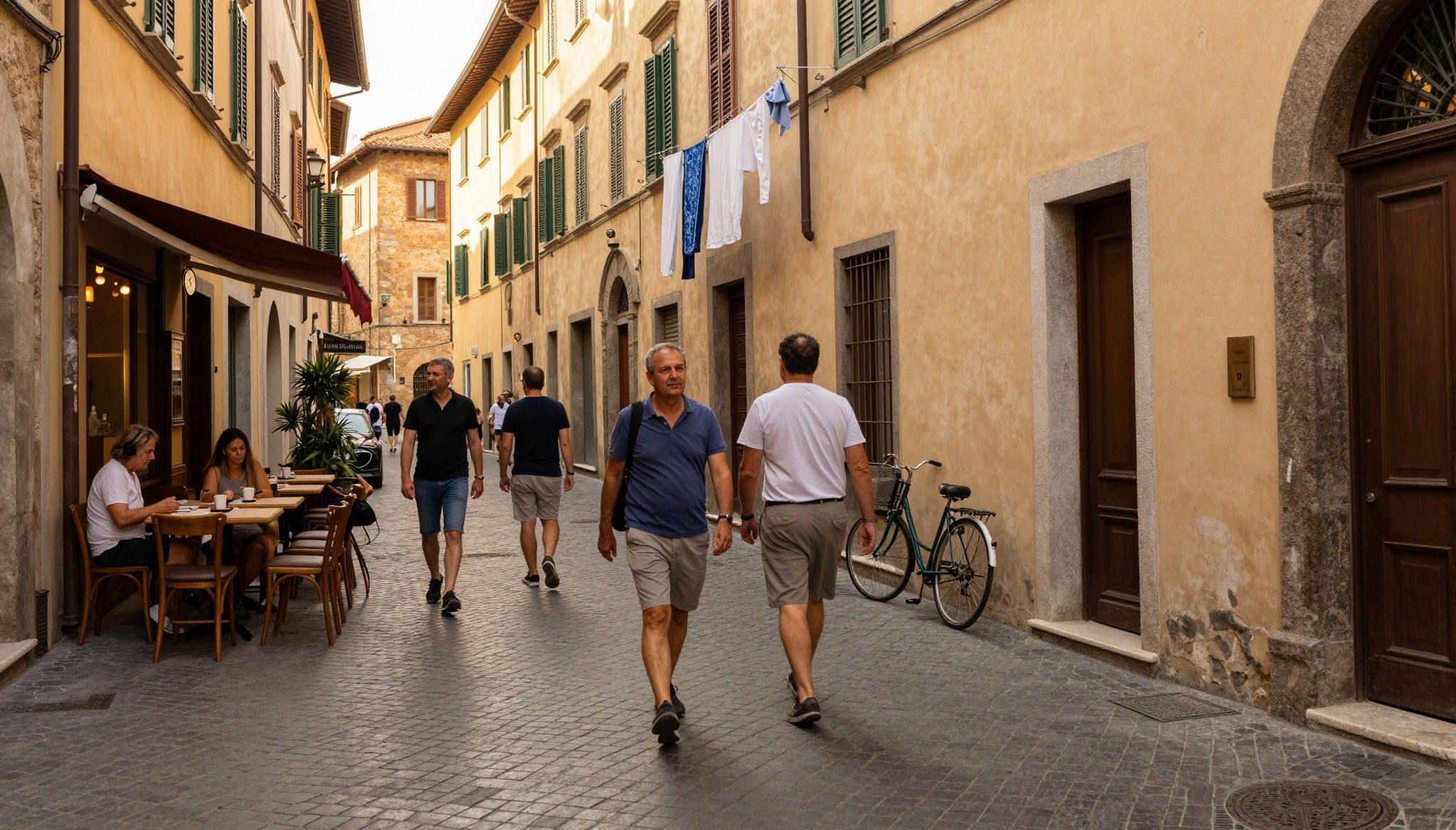
Imagine waking to the clatter of an espresso cup on Via dei Coronari, or stepping out to a sunlit terrace above the Tyrrhenian with a market bag of fresh produce. Italy sells a life as much as it sells a property — cobbled lanes, neighbourhood bars with standing-room-only mornings, and summers that are measured in evening passeggiate. That daily texture is the currency international buyers pay for; understanding how it maps to local markets is the work that follows. According to recent market analysis, prices and transaction volumes vary widely across regions and neighbourhoods, so the romance must be paired with data before you commit.
Living the Italian life — what actually changes
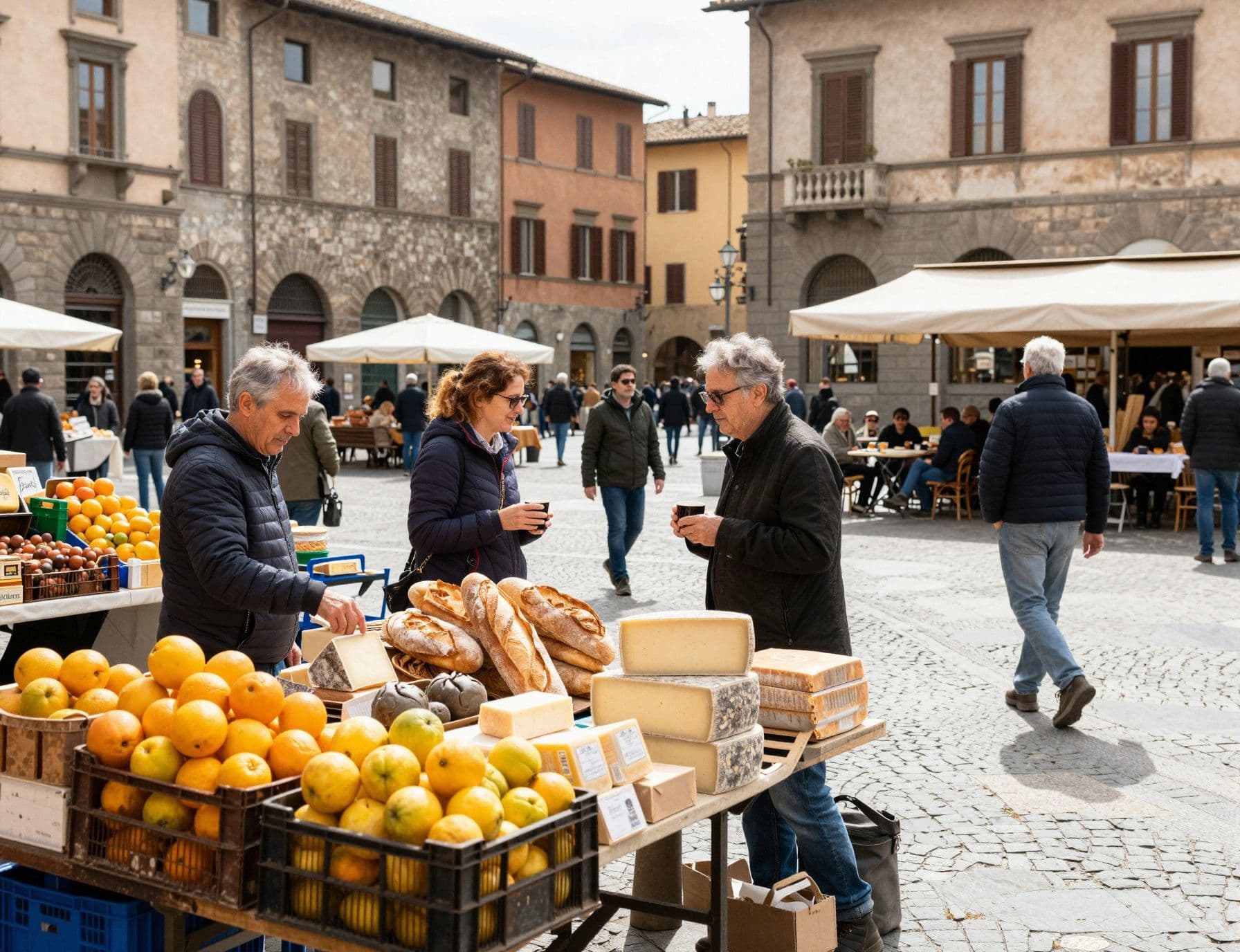
Living in Italy is a study in pace and place. In central Florence the day begins with a quick espresso at a bank of marble counters; on the Ligurian coast it starts with fishermen organising the morning’s catch. The sensory map — olive oil aromas, open-air markets, late-night osterias — should shape where you look: historic centre apartments trade on immediacy and atmosphere, coastal houses trade on outdoor space and seasonal rental potential, and smaller towns offer community ties and lower entry prices.
City neighbourhoods that feel like a life
Rome’s Trastevere is an evening neighbourhood — narrow lanes, trattorie and church bells — whereas Milan’s Brera and Navigli are daytime cafés that turn into late-night aperitivo streets. Venice’s Dorsoduro keeps an offbeat artistic energy once tour groups drift away; Florence’s Oltrarno still feels like artisans’ territory. These micro-differences define daily routines: coffee at a corner bar, a midweek market run, or a 30-minute commute to a coworking hub — and they should determine whether you prioritise a compact historic flat or a larger home with outdoor space.
Coast and small towns: a different rhythm
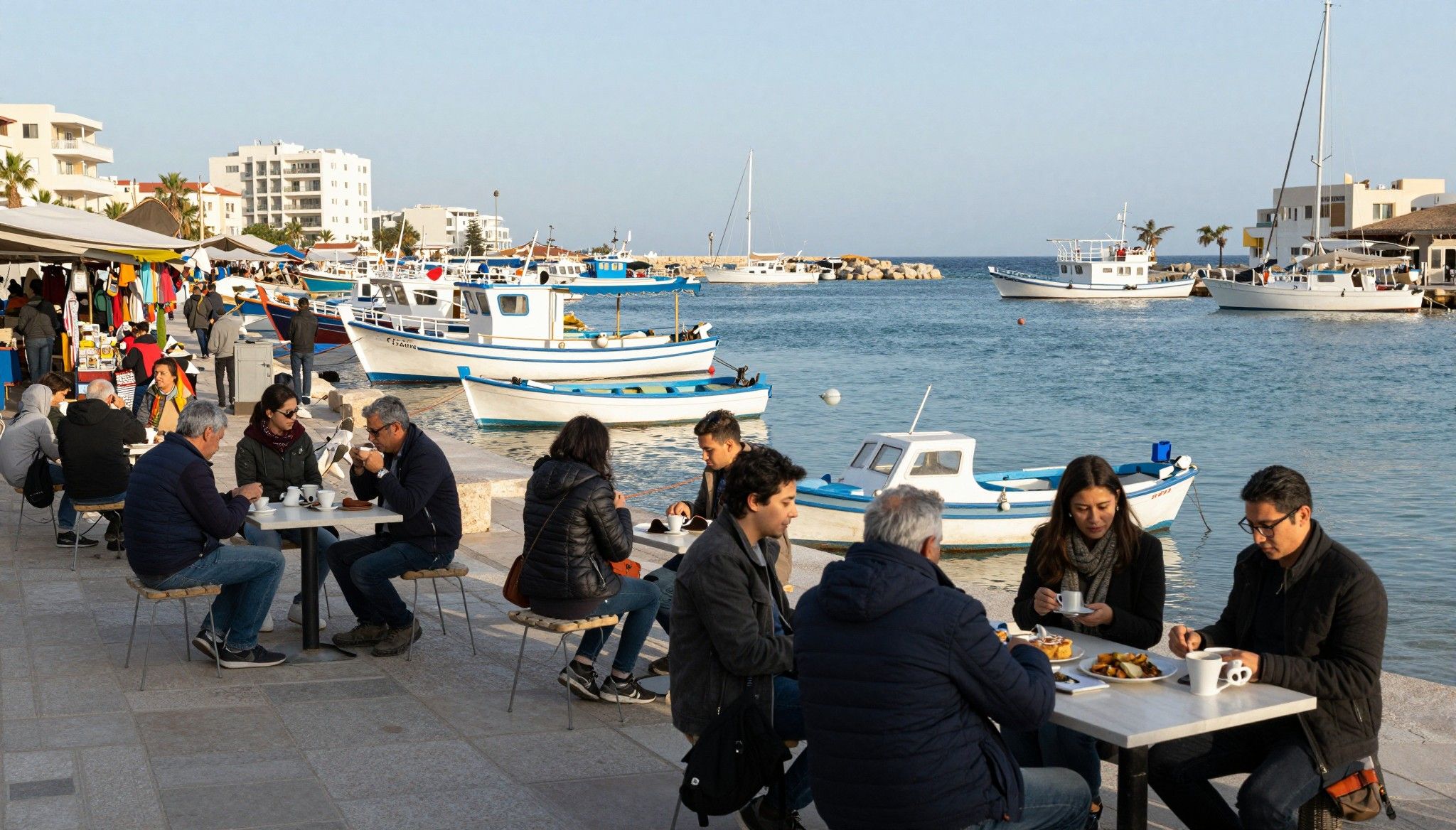
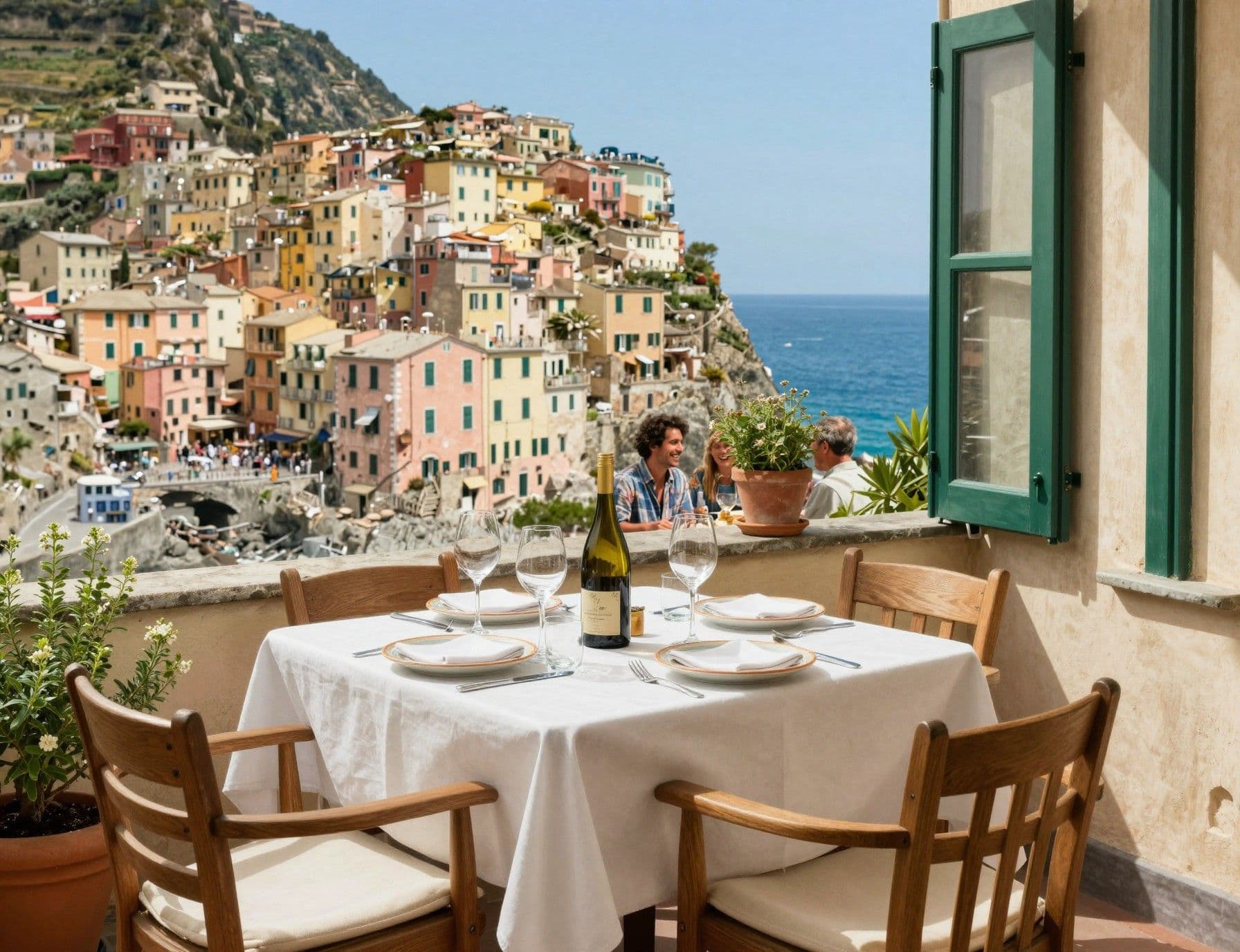
The Amalfi Coast (Positano, Amalfi), Liguria (Camogli, Levanto) and the Cinque Terre towns sell spectacular days but quieter winters; Sanremo and the northern Adriatic offer year-round services at lower premiums. In many seaside places the seasonal swell of short-term rentals reshapes neighbourhood life in summer and leaves quieter, community-focused winters — a factor both for lifestyle and rental income estimates. If you love sea air and terraces, weigh how many months each year that life is fully present.
Making the move: the market picture and what it means
The headline: Italy’s market is segmented and resilient. National indices show modest year-on-year growth in recent quarters, but the story is regional: cities and sought-after coastal zones outperform inland provinces. Official statistics from ISTAT track this unevenness and confirm that buyers who focus on specific neighbourhoods — rather than national averages — make better decisions. Use national data to spot direction; use local listings and agent knowledge to spot the micro-opportunity.
What the data actually says
Government and industry reports show transactions dipped during higher-rate periods and then stabilised as demand shifted toward lifestyle-driven purchases. The Agenzia delle Entrate’s market observatory and Bank of Italy surveys point to lower mortgage volumes when rates rose, yet steady interest in prime and coastal properties from foreign buyers. Translate that into practical terms: expect slower-moving auctions and bargains in over-supplied neighbourhood pockets, while compact historic flats in cultural centres remain competitive.
Lifestyle factors that affect price and liquidity
- Proximity to markets, salons and cafés — sustains rental and resale value
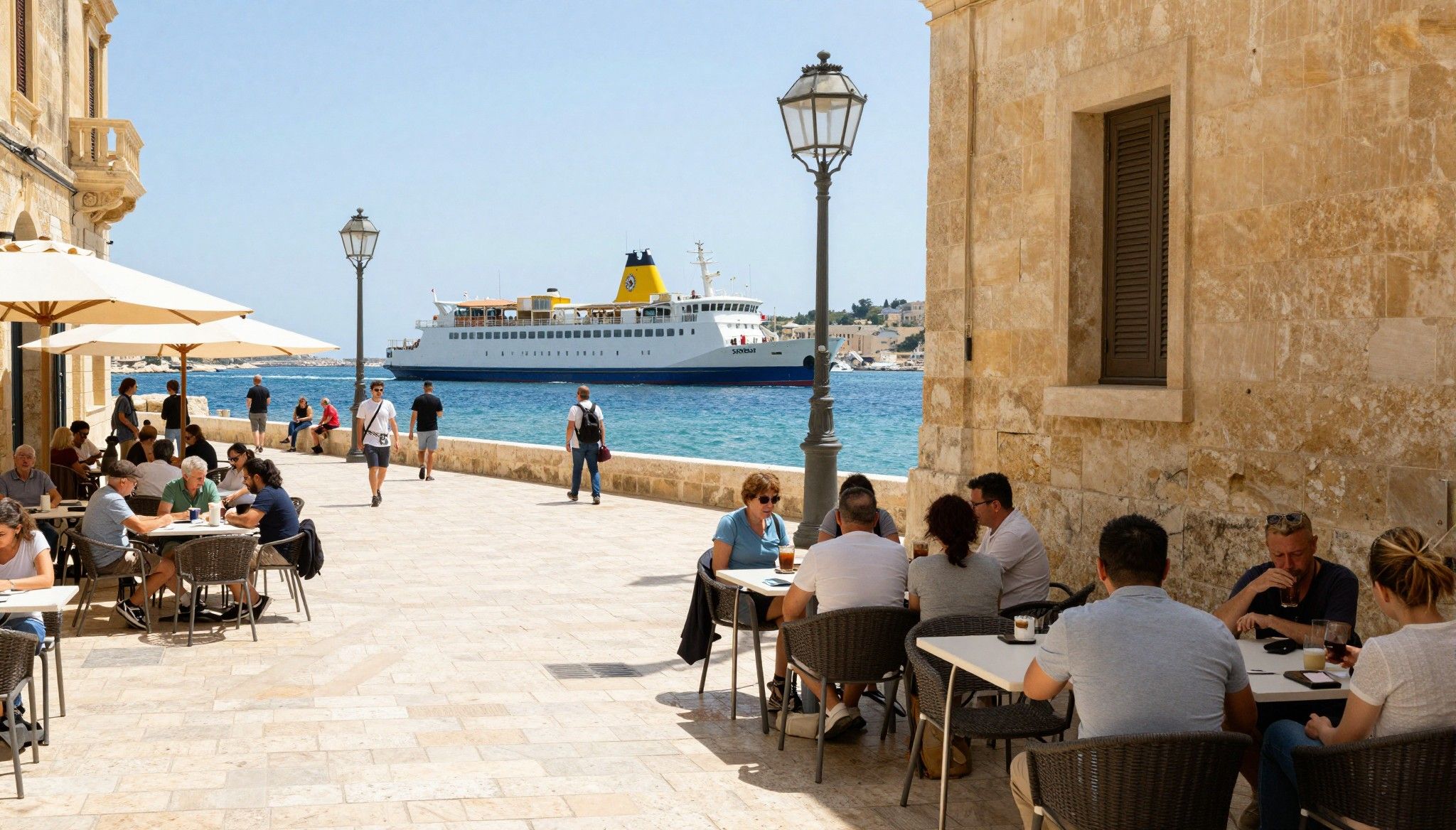
- Access to seasonal transport (ferries, regional trains) — determines shoulder-season demand
- Outdoor space (terrace, garden) — premiums on the coast and in dense city cores
- Local services (year‑round shops, medical facilities) — the difference between holiday home and full-time move
Practical next steps — work with experts who know the life you want
You’re buying a lifestyle; the right agency translates that into address-level checks, resale likelihood and daily comfort. Local agents who live in the neighbourhood — not national chains — tend to know which streets keep their character and which are becoming tourist thoroughfares. Ask prospective agencies about recent comparable sales, typical time-on-market for similar properties, and local rental yields in high and shoulder seasons.
Property styles and how they fit daily life
A 60–80 m² flat in Brera gives walkable culture and coworking options; a 120 m² townhouse in Liguria trades space for stairs and coastal views. New‑build apartments in provincial capitals often offer elevators, private parking and easier maintenance; historic centre units deliver atmosphere but come with quirks — thin walls, historic building regulations and sometimes complex condominium governance. Match your chosen property type to how you will actually live there: daily convenience, guests, entertaining and maintenance tolerance.
How local experts help (a practical checklist)
- Provide verified recent sales in the street to benchmark price and time-on-market.
- Review condominium minutes and local planning permits to spot upcoming works that might alter life and value.
- Advise on seasonal rental rules (where allowed) and realistic shoulder-season occupancy.
- Connect you with trusted notaries and local tax advisors who speak your language and explain transfer costs.
Insider knowledge — the expat lessons you won’t read in brochures
Expats say the surprises are cultural: slower administrative timelines, the unspoken rules of condominium life, and how seasons reshape services. Reports and industry yearbooks underline one clear point — the property is only the start: community, access to healthcare, and schools matter for long-term happiness. Read local forums, visit in two seasons, and speak with residents over coffee — those conversations reveal whether a place offers everyday warmth or only summer magic.
Cultural practicalities that affect where you buy
Language matters. In smaller towns, few speak fluent English and daily bureaucracy is Italian-first; in Milan and Rome international services are common. Expect local business hours to influence your routine — morning closures and long lunch breaks in many towns — and plan for seasonal service variation if you buy on a coast dependent on summer tourism.
How life evolves after the move
After six months you’ll find your favourite bakery, the pharmacy that opens late, and the friend who keeps spare keys. Property often becomes less precious than the routines it enables — a piazza conversation on Sunday, a neighbour who collects your mail, or an annual festa that ties you in. For many international buyers, that integration is the real return on investment; pick a place where those routines are possible year-round, not just in high season.
Conclusion: fall in love, then check the street. Buy the life you want — a neighbourhood’s cafés, transport links, and winter services matter as much as a terrace or view. Start with sensory visits in two seasons, ask local agents for street-level comparables, and verify trends against ISTAT and the Agenzia delle Entrate reports before signing. When you combine appetite for la dolce vita with measured local intelligence, Italy becomes a place to belong and a worthwhile long-term holding.
Dutch investment strategist with a Portugal-Spain portfolio. Expert in cross-border financing, rights, and streamlined due diligence for international buyers.