Greece: Streets, Seasonality and Real Value
Fall for Greece’s rhythm, not the headline price: urban and coastal pockets are rising but lifestyle-led choices and new Golden Visa rules change the calculus.
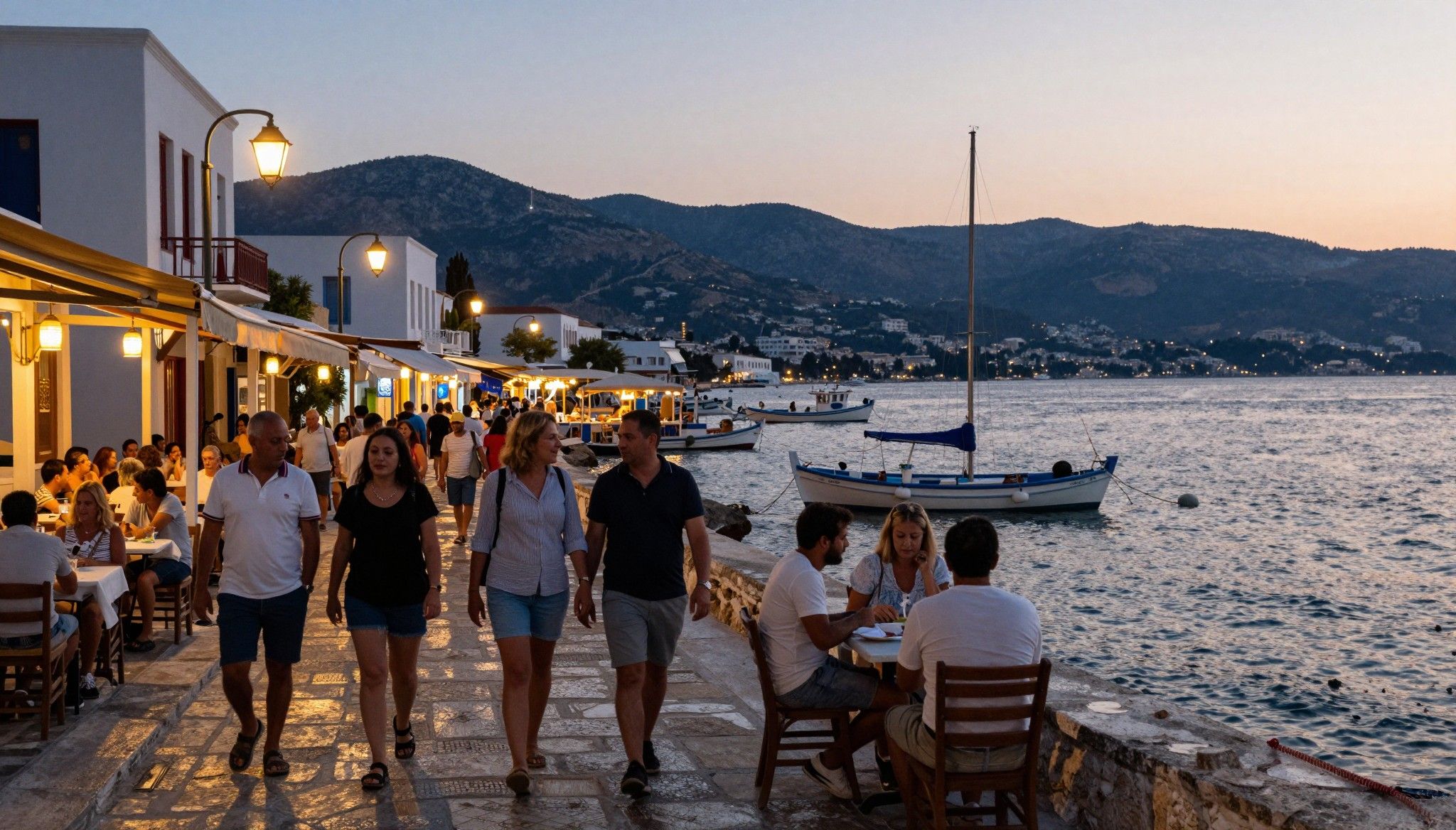
Imagine waking to a morning espresso on a shaded balconette in Koukaki, then walking past bakers, ancient stone, and a neighbourhood cat that knows your name — that everyday intimacy is Greece. But behind the postcard calm are clear market signals: prices are rising in cities and coastal pockets, regulatory shifts affect residency-by-investment, and neighbourhood choices shape both lifestyle and long‑term value. This piece pairs the feeling of living in Greece with the precise steps international buyers should take to convert a dream into a durable home or investment.
Living Greek Life: Rhythm, tastes and streets
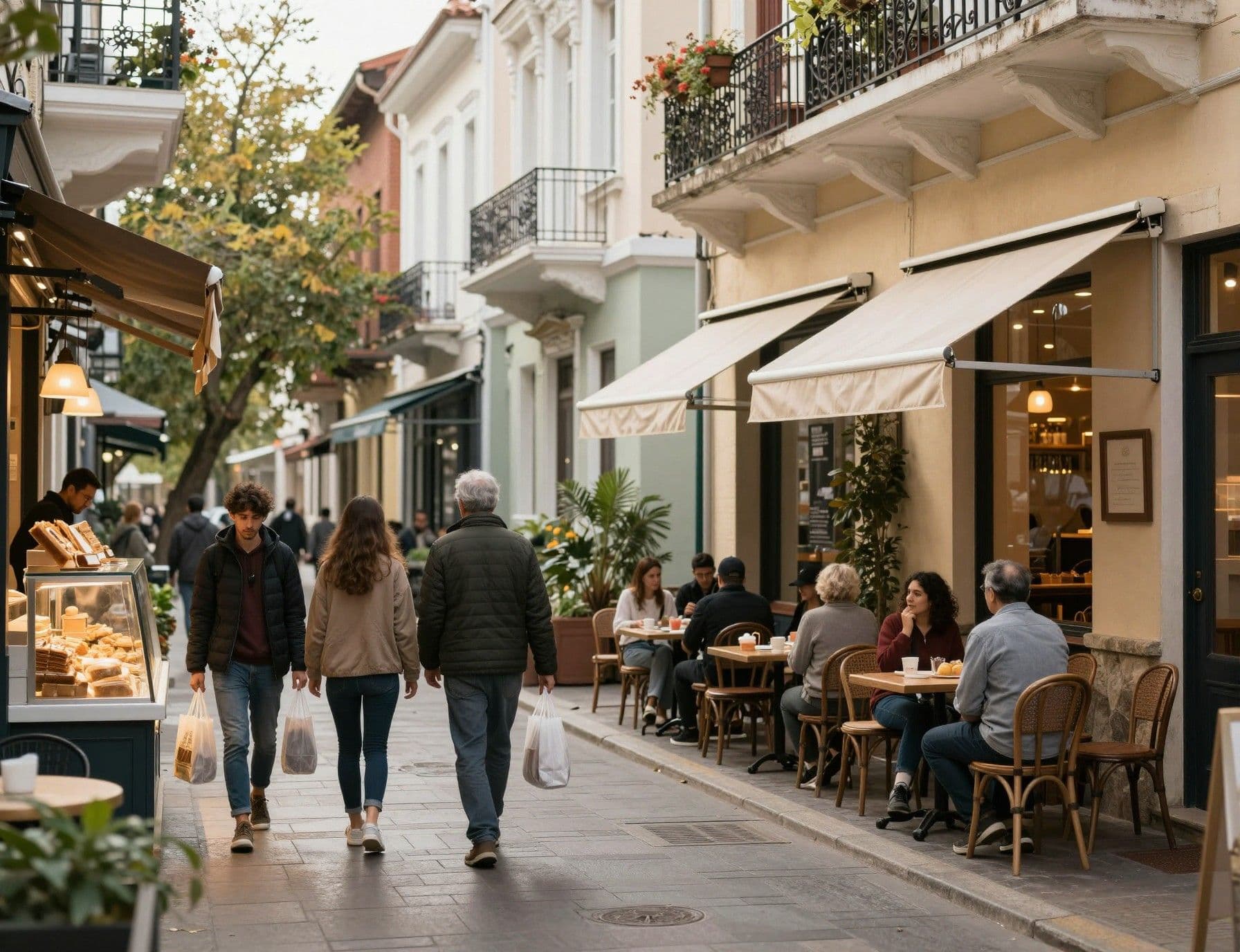
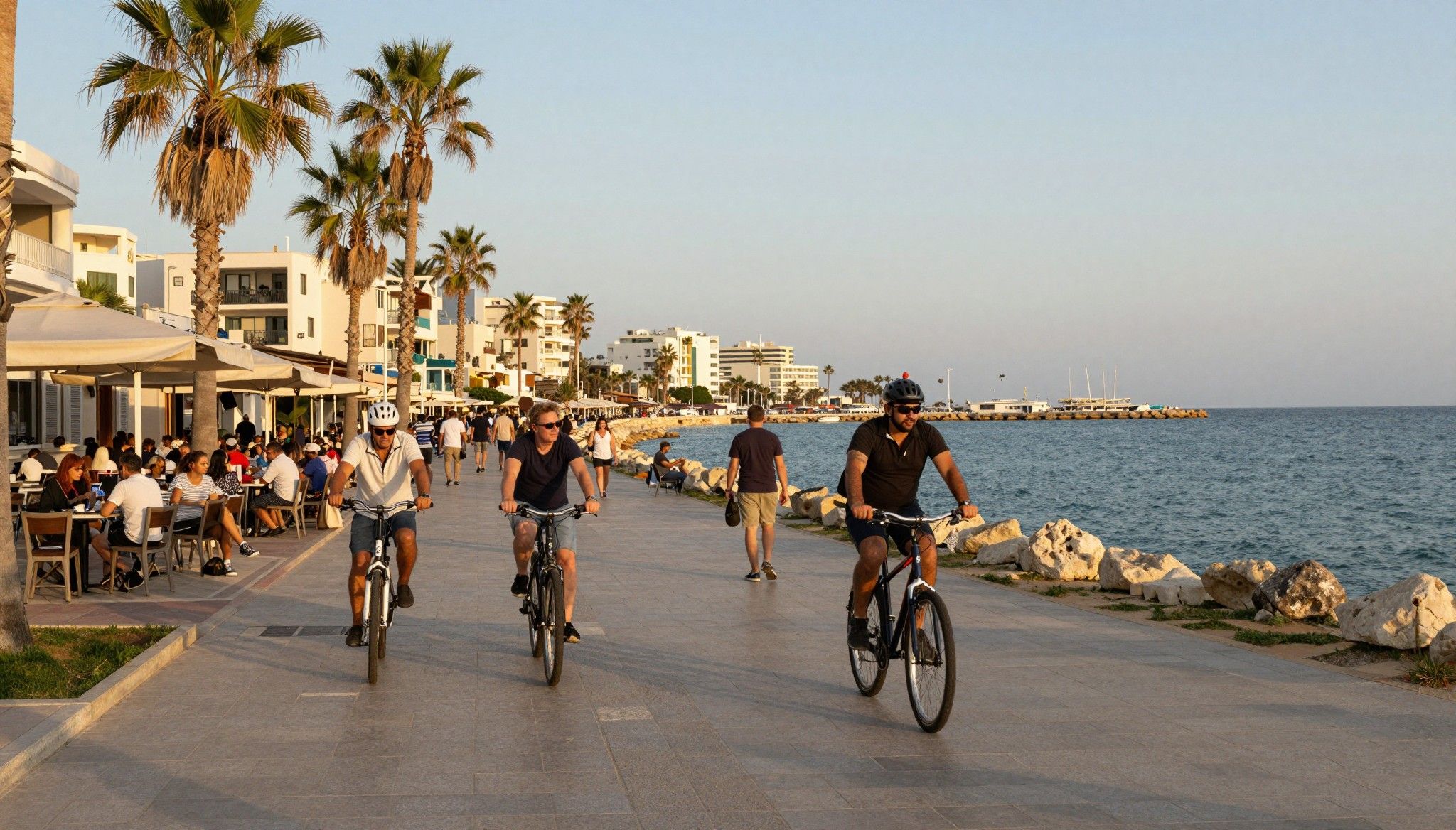
Greece moves at a human pace: mornings for markets and cafés, long lunches in summer, and evenings that pull towns into sociable squares. In Athens you hear motorbikes and church bells; on the islands the sound is sea and conversation. Recent national data show apartment prices rose materially through 2023–2024, with continued momentum in 2025 — a reminder that lifestyle desirability is already mapped into prices, especially near transport hubs and coastal promenades.
Neighborhood spotlight: Koukaki, Pangrati, Glyfada
Koukaki sits under the Acropolis — narrow streets, friendly kafeneia and a mix of restored neoclassical buildings and contemporary apartments. Pangrati is for those who want local life without losing access to museums and parks. Glyfada gives you the Riviera feel: seaside dining, marinas and a more international schooling and services mix. Each has a different tempo; choose a street, not just a suburb, to match your daily rituals.
Food, markets and seasonal life
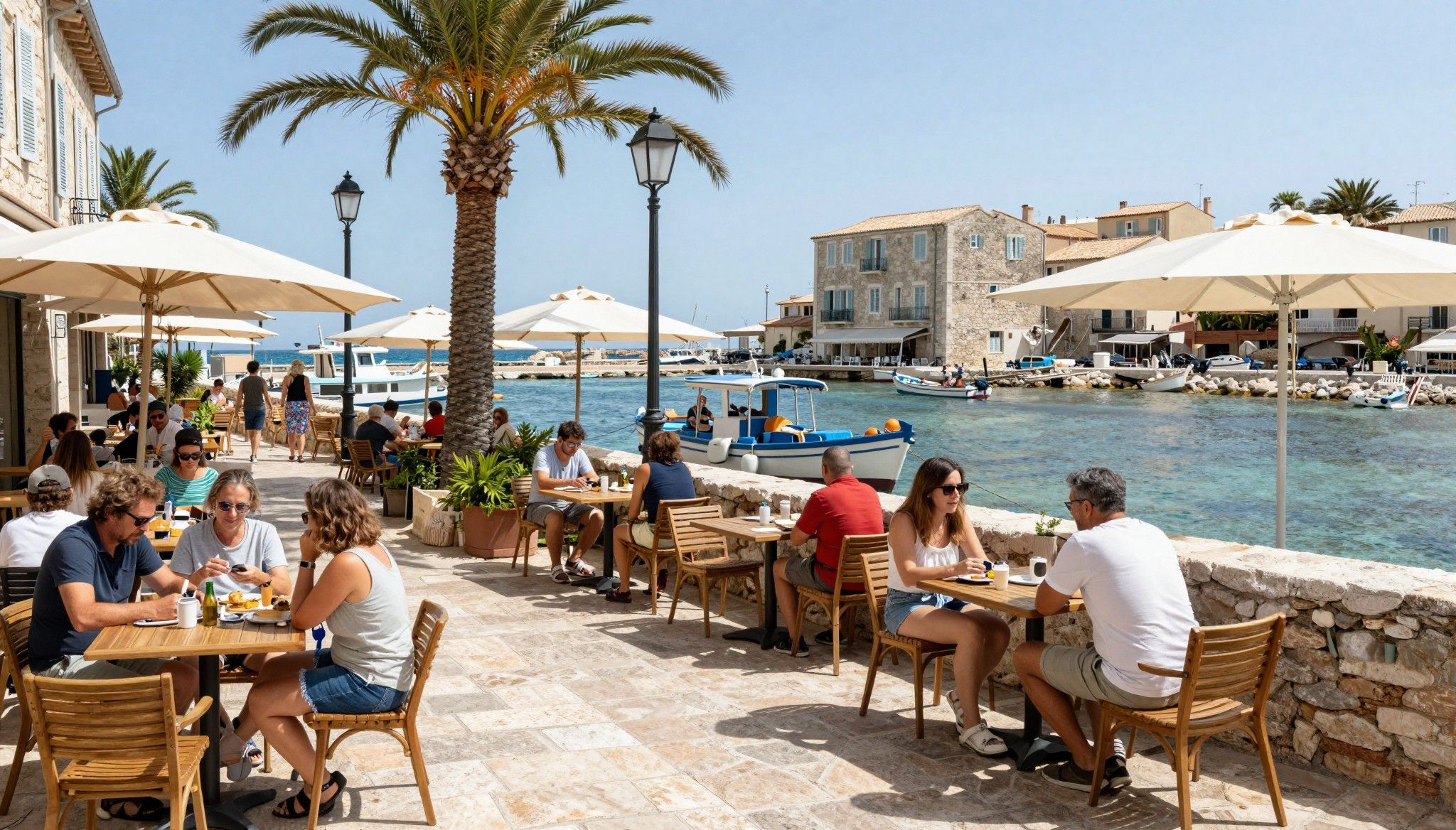
Weekends are for fish markets, plaki (baked dishes) and strolling waterfront promenades. In winter, city life tightens — neighbourhood cafés fill, museums run special programmes, and islands quiet down into local communities. That seasonality shapes how you will use a property: are you buying a full-time home, a seasonal base, or a hybrid short‑let asset? Your answer should shape neighbourhood selection and amenity needs.
- Lifestyle highlights to look for in Greece
- Morning market on your street — fresh bread, fish and a chance to meet neighbours
- A short walk to a tree-lined square or small beach for weekend ritual
- Local tavernas renowned by residents (ask a shopkeeper, not a travel blog)
Making the move: lifestyle choices that should drive property decisions
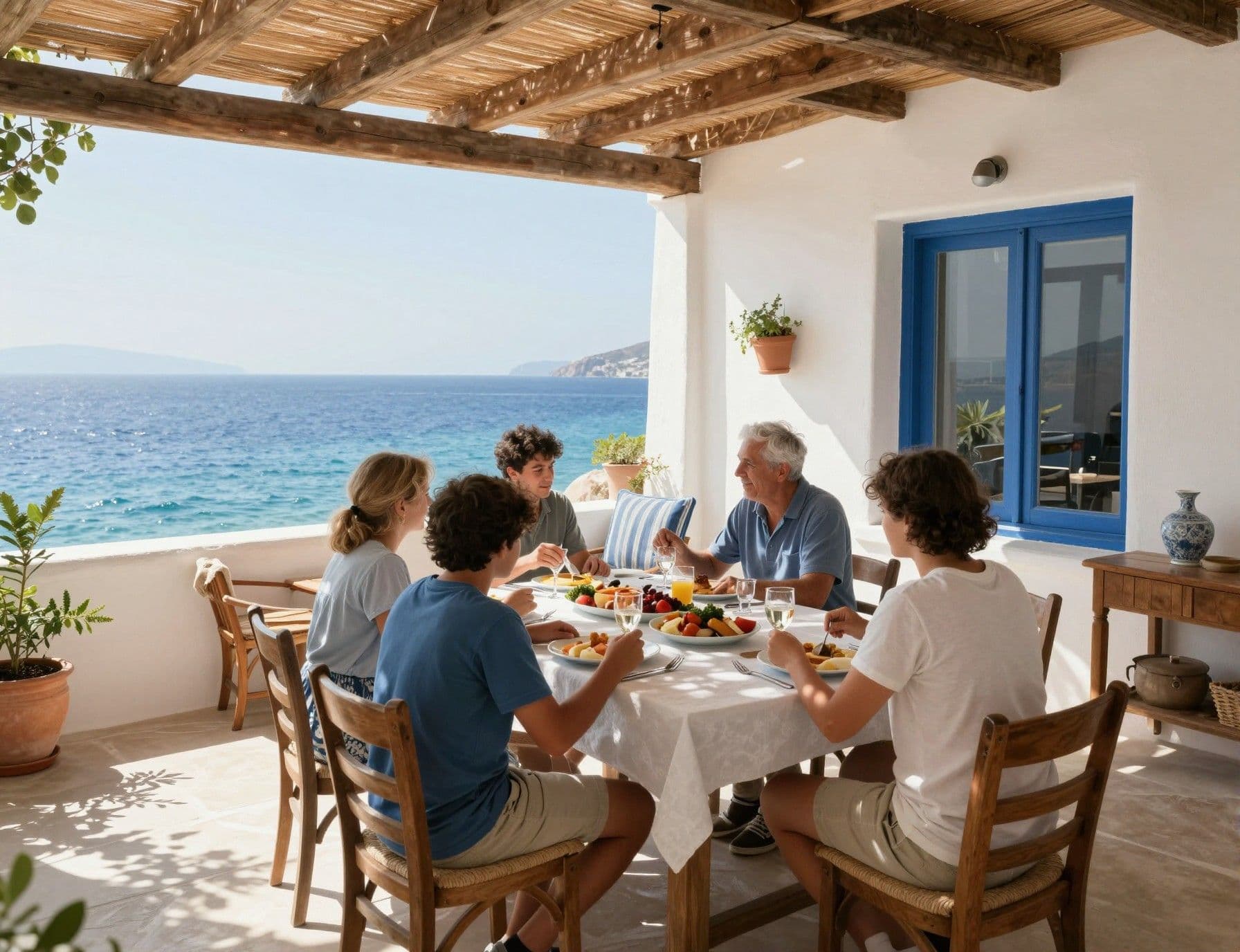
If you fall for a street, use data to back the feeling. National indices show annual house-price growth concentrated in urban and desirable coastal areas, so a lifestyle-led choice (sea access, walkability, café culture) will often mean paying a premium. That premium can be sensible if matched to how you intend to live there; otherwise it becomes an emotional overpayment.
Property styles & what they mean for daily life
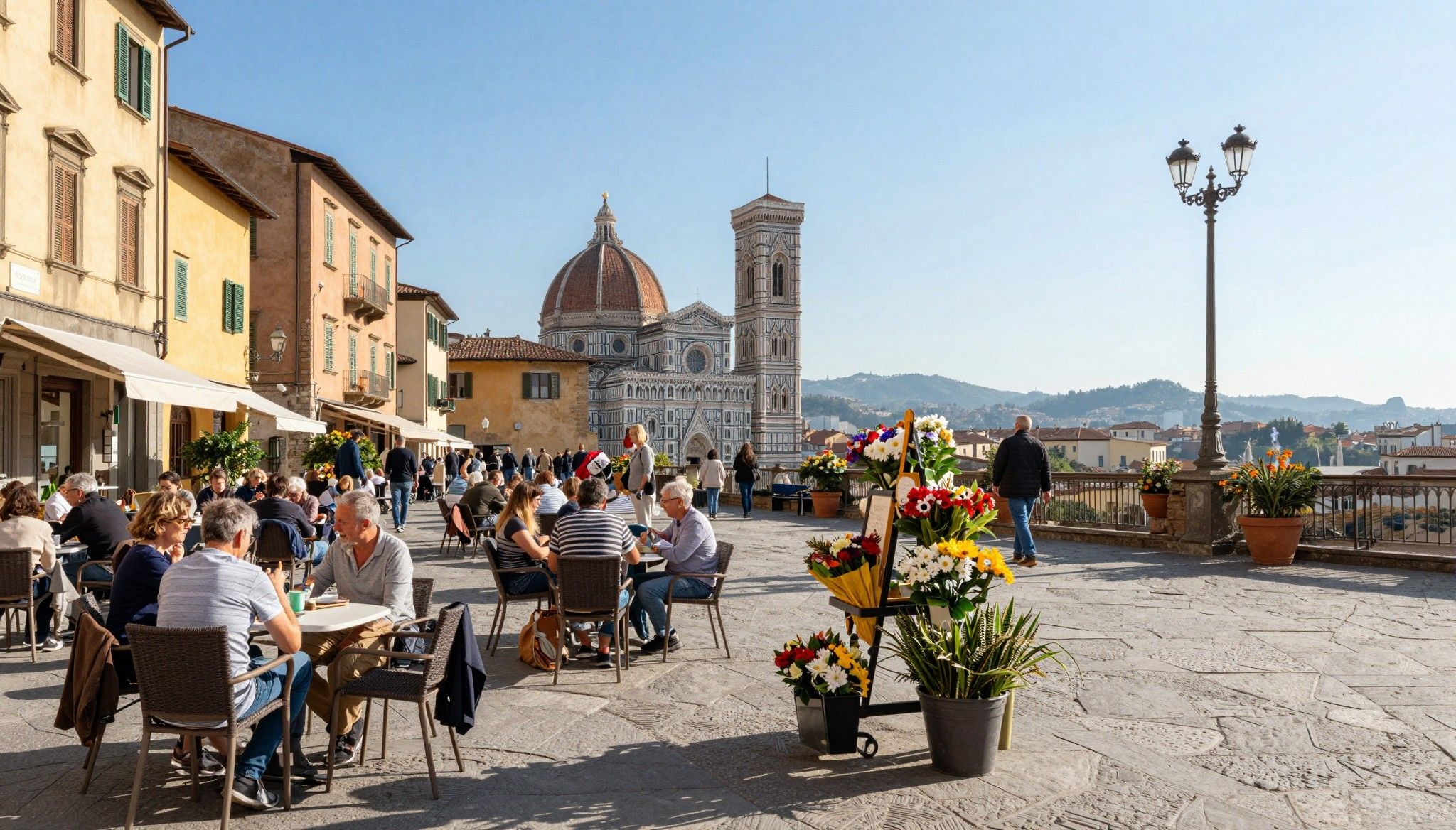
Neoclassical flats (central Athens) offer high ceilings and indoor character for city living; modern developments near the coast emphasize balconies, pools and indoor‑outdoor flow. If you want café culture outside your door, prioritise ground-floor shops and small squares. If privacy and a garden top your list, look to villa belts in the Athens Riviera or inland Peloponnese towns where square metres buy more outdoor life.
Working with local experts who understand the life you want
Agencies are most useful when they translate lifestyle desires into technical checks: delivery times for utilities, building permits for restorations, seasonal rental rules and residency implications. A trusted local advisor will also brief you on the new Golden Visa thresholds and minimum area rules introduced in Law 5100/2024 — essential if residency is part of your plan.
- How to combine lifestyle and due diligence (step-by-step)
- 1. Walk the street at three different times (market morning, mellow afternoon, and evening) to test noise, light and community.
- 2. Ask for the building’s permit history and utility bills — a small terrace can be priceless, but check structural and connection realities.
- 3. Verify short‑let rules locally; some municipalities restrict new STR registrations and residency-linked investments may ban short‑term leasing.
Insider knowledge: what expats wish they’d known
Expat stories often repeat the same surprises: the joy of small, reliable rituals; the friction of paperwork; and the unexpected value in neighbourhoods tourists overlook. Many buyers overpay for views they rarely use, while undervaluing proximity to a simple square or expert grocer that defines daily life. Those micro‑choices determine long‑term happiness more than broad price indices.
Cultural integration, language and social rhythms
Learning basic Greek phrases, joining a local kafeneio, and attending a church festival or neighbourhood kermes will accelerate integration more than expensive membership clubs. Local networks often spring from simple acts: regular coffee at the same place, a weekly produce run, or volunteering at a local event. Agents who can introduce you to those micro‑communities add outsized value.
Long-term living: maintenance, climate and resale
Consider humid‑salt exposure near the sea which raises maintenance needs; choose materials and systems accordingly. In Athens, older buildings may require seismic upgrades. For resale, streets with daily life (markets, tram stops, schools) tend to hold value better than purely touristic corridors. Think about how five years of daily life will feel, not just how a place photographs.
- Red flags experienced buyers watch for
- Missing or unclear building permits, especially for terraces or converted basements
- Strata rules that block desired uses (pets, rentals, short lets)
- No documented maintenance history in coastal properties (corrosion risk)
Conclusion: fall in love with a life, then build the transaction to fit it. Spend time in the precise street, test daily routines, and use market data to set a realistic offer. Work with an agent who can translate lifestyle needs into legal checks — from permit history to implications of Law 5100/2024 — so your Greek life starts as it should: full of small, reliable pleasures and no surprises.
British investor turned advisor after buying in Costa del Sol since 2012. Specializes in cross-border compliance and data-driven investment strategies for UK buyers.