Croatia: Where Price Heat Hides Smart Opportunities
Croatia’s national price headlines hide local opportunity: coastal and Zagreb hotspots soared, but falling transactions and micro‑pockets create pragmatic openings for lifestyle‑led buyers.
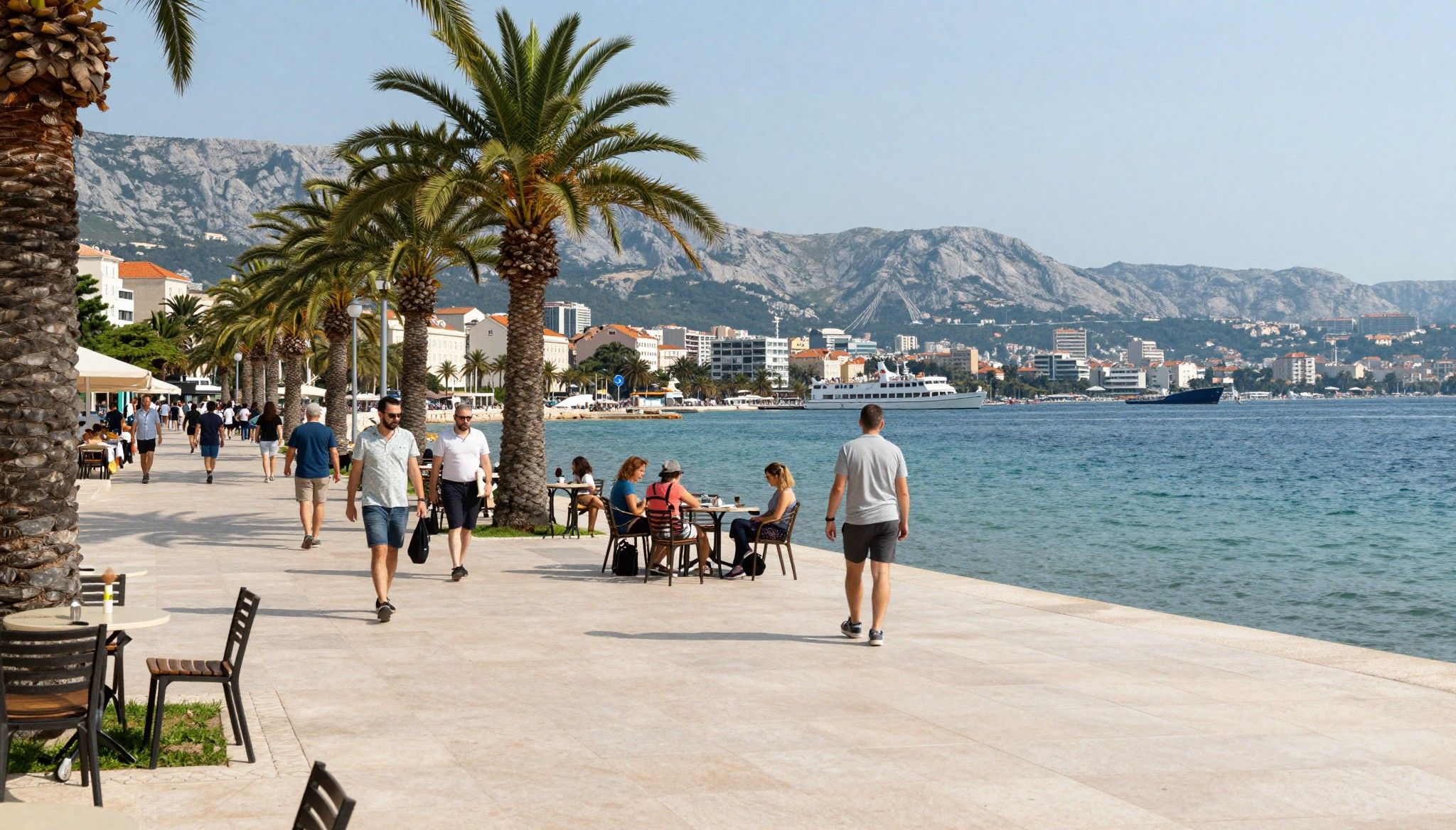
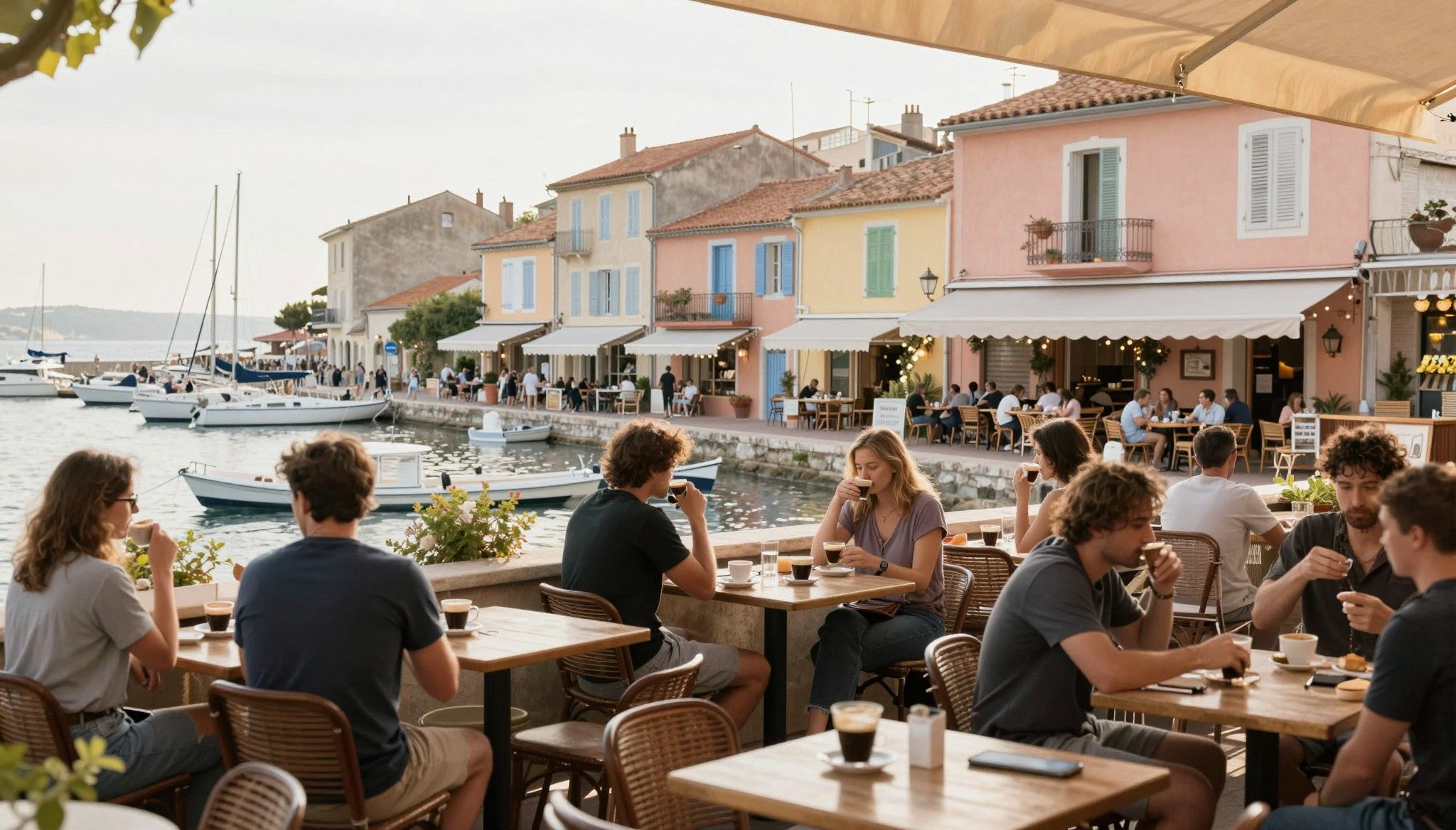
Imagine sipping espresso on Split’s Riva at 8am, then closing a laptop at 2pm to swim from a pebble cove — that is everyday Croatia for many buyers. The coastline sells a lifestyle: limestone alleys, morning markets, and a slow rhythm that accelerates in summer. Yet price headlines (and city-centre Instagram flats) mask a more nuanced market: strong headline growth in national indices, falling transaction volumes in tourist hotspots, and local pockets where value still exists. This piece blends that lived experience with data from the Croatian Bureau of Statistics and local market portals so you can fall in love — and buy with clarity.
Living the Croatia lifestyle
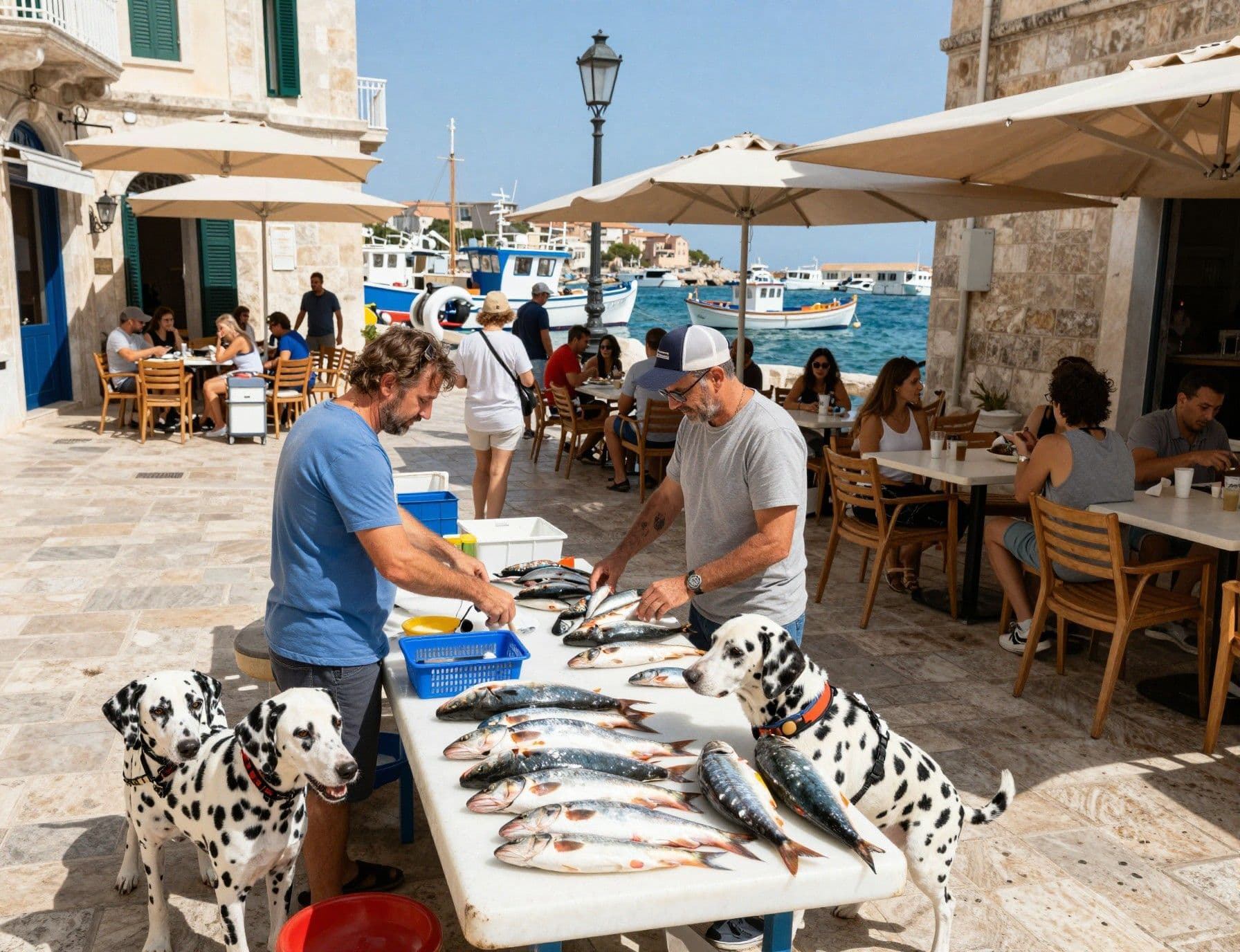
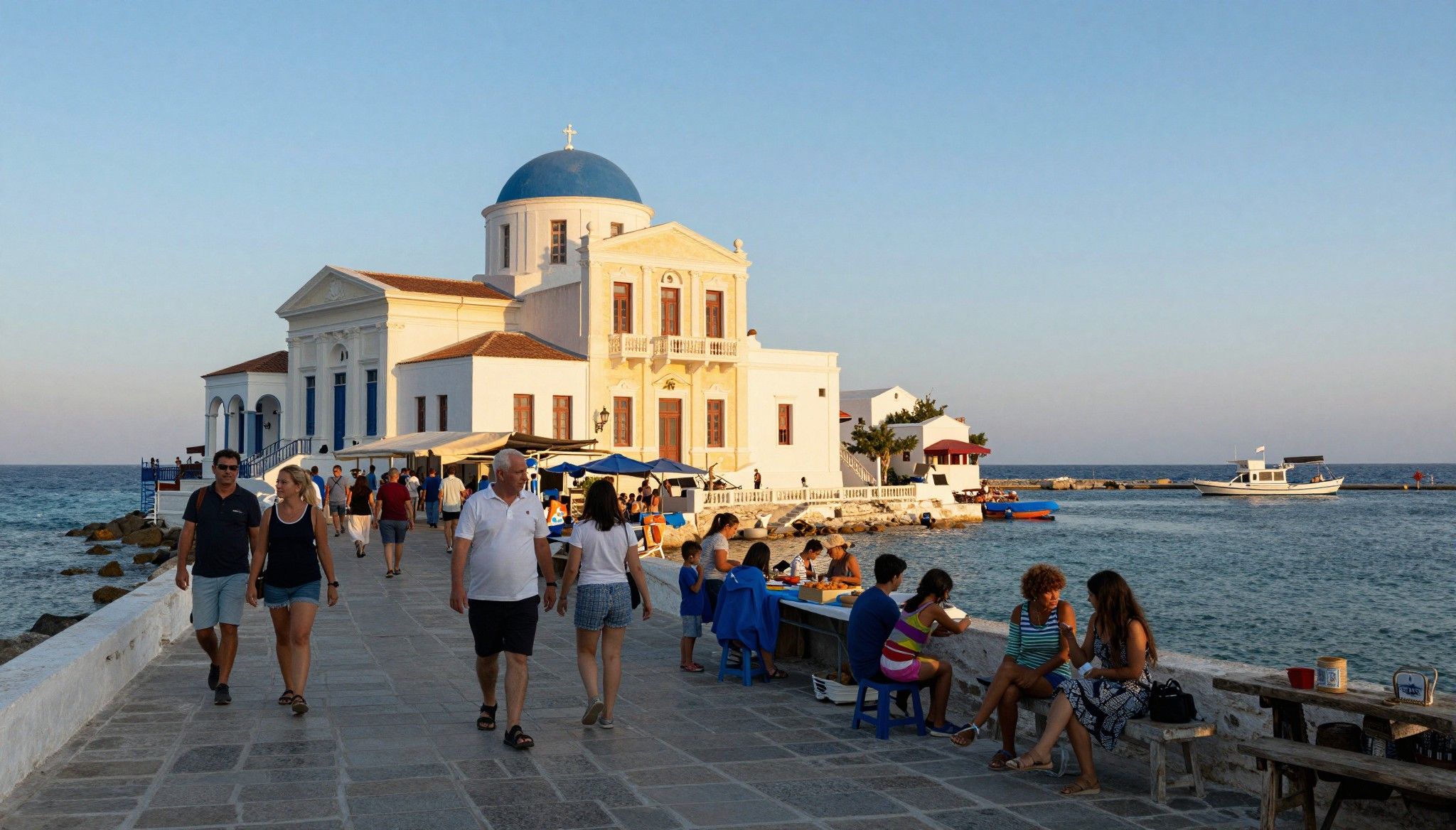
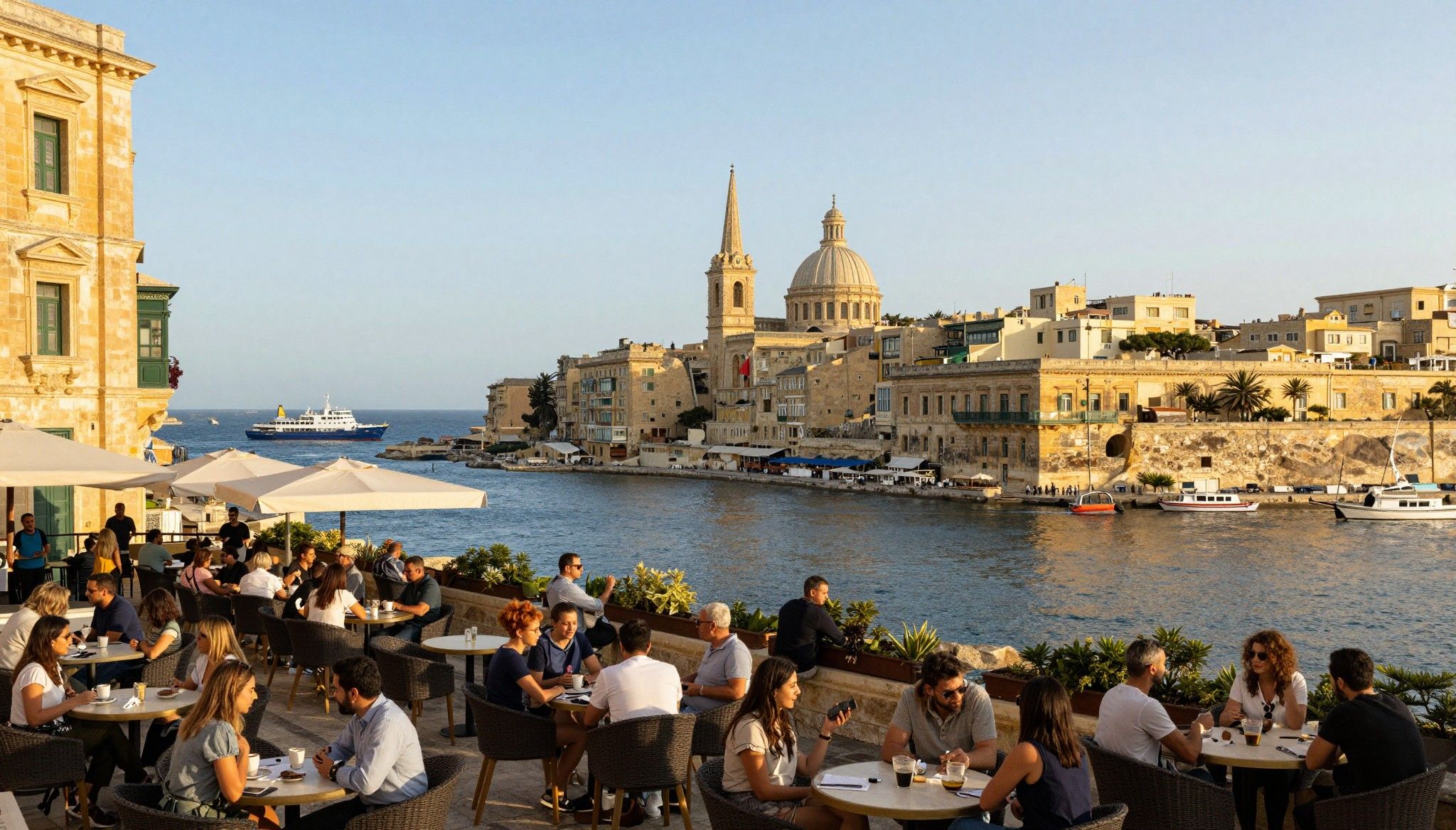
Croatia’s daily rhythms vary sharply by place: Zagreb hums with café culture and late-night galleries; Dalmatian towns like Split and Zadar pulse with fishermen’s markets, promenades and summer festivals; islands slow time to a horizon of fishing boats and family-run konobas. Official house price indices show double-digit year-on-year growth through 2024–2025, driven largely by demand on the Adriatic coast and in Zagreb — a useful signal that prime locations have become more expensive, not that the whole country is uniformly overpriced. Local nuance matters: an HPI headline cannot replace a street-level visit.
Zagreb & Adriatic: two different Croatias
Walk Zagreb’s Tkalčićeva in spring and you’ll see coworking meetups; stroll Hvar’s harbour and long-weekend yacht crowds rewrite the rules of demand. Asking prices confirm the split: coastal counties (Split‑Dalmatia, Istria) report the highest per‑m² figures, while inland counties and smaller islands can be 30–60% cheaper per square metre. If your dream is waterfront living, expect a premium — but if you prize everyday life (markets, local cafés, neighbors), many undervalued pockets remain within comfortable commuting distance.
Food, markets and the rhythm that shapes value
A weekend in Croatia often means visiting a local market — Dolac in Zagreb, Pazar in Split, or Rovinj’s fishermen unloading the morning catch. These places anchor communities and, importantly, correlate with property demand: neighbourhoods with strong market culture and weekly social life tend to retain value during softer market stretches. During peak tourist months those same streets can feel crowded; outside season they reveal why locals love them. For buyers, lifestyle signals (a bustling market, a small ferry link, a reliable café) can be better predictors of sustained demand than coastal postcodes alone.
- Dolac market (Zagreb): morning life and weekday demand
- Riva promenade (Split): summer activity, strong holiday-rental pull
- Lungo Mare (Rijeka/Opatija stretches): year-round promenading and upper-tier apartments
- Smaller island villages (Brač, Vis): community stability, lower transaction frequency
Making the move: practical considerations that respect the lifestyle
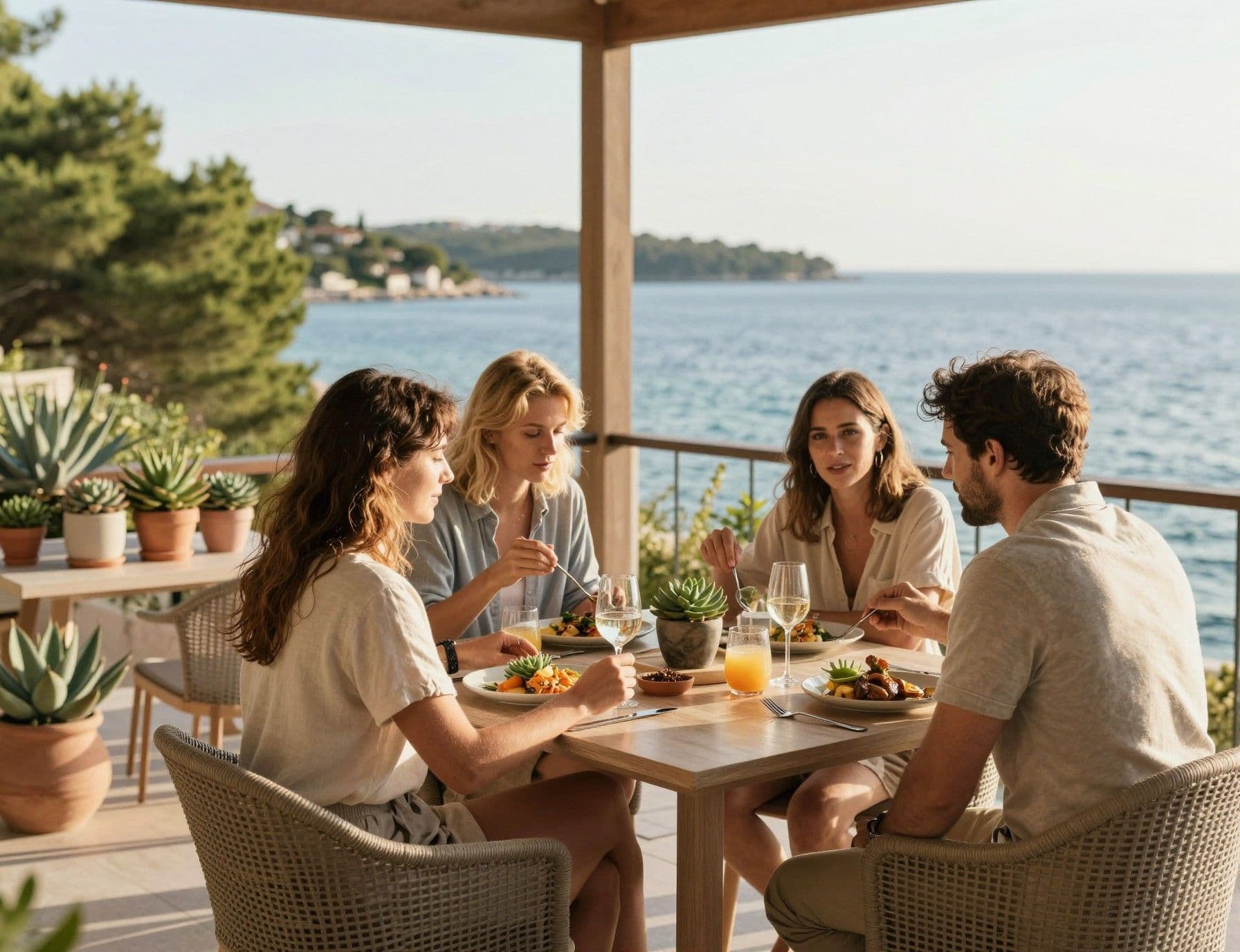
Dreaming and buying must meet in the same place. The market shows fast headline growth, but transactions are falling in some coastal areas — a sign that fewer sellers are willing to trade and that buyers face competition for the most desirable units. That mix raises two practical priorities: match property type to actual use (full‑time living, seasonal rental, hybrid remote work), and work with local experts who can read micro‑trends — not just national indices.
Property styles and the life they enable
Stone apartments in historic centres offer instant atmosphere and short walks to cafés, but often mean stairs, smaller floorplates and higher maintenance. New-build coastal developments offer terraces, parking and modern insulation — appealing if you want indoor‑outdoor summer living and easier rentals. For remote work, prioritise reliable fibre or 4G/5G coverage and a quiet street; for family life, look for local schools, healthcare access and green spaces. Let lifestyle use-cases (daily coffee route, market visit, school run) dictate layout and location more than postcard views alone.
Work with agents who sell the lifestyle, not just listings
A good local agency translates neighbourhood rhythm into comparable metrics: seasonality of rentals, average transaction times, typical renovation costs, and realistic rental yields by month. They also advise on off‑market opportunities — often the only way to access family homes that never hit portals. Ask agencies for recent sold comparables (not just asking prices), nearby amenity maps, and references from international buyers who completed purchases in the last 18 months.
- Request these from any agency you interview: 1) three sold comparables from the neighbourhood in the last 12 months; 2) an estimate of seasonally‑adjusted rental income; 3) a breakdown of likely renovation timelines and costs; 4) local utility and maintenance expectations for older stone homes; 5) introduction to a local notary and tax advisor.
Insider knowledge: what expats wish they'd known
Experienced expats tell the same stories: they bought not for headlines but for a street, a café and a neighbour who becomes family. They also flag surprises — seasonality affects utility bills and wear-and-tear, island logistics add renovation costs, and legal timelines can slow closings. The national HPI’s double-digit growth in recent quarters means competition is concentrated; yet falling transactions in 2025 show corners of the market where sellers are cautious, creating negotiation room for informed buyers.
Language, customs and daily integration
Croatians prize directness and neighbourhood ties. Learning a few Croatian phrases, joining a local volunteer group, or shopping weekly at a market accelerates integration and reveals the unofficial condition of properties. Expat communities cluster in English‑friendly pockets (parts of Zagreb, Split, Dubrovnik island enclaves) but real belonging happens where you adopt local routines — the bakery that knows your name, the summer neighbour who saves a parking spot.
How life changes five years after moving
Most buyers describe a shift from tourist-fueled novelty to local routine: markets replace guidebooks, small‑boat trips replace long tours, and investment goals often flip from short-term yield to long-term quality of life. Data suggests the market may cool from rapid growth; that’s helpful if you prefer picking steadily appreciating lanes — think inland towns with good connections or secondary coastal towns where new supply meets balanced demand.
- Red flags to watch for before an offer:
- Unusually high asking price but long days on market — sellers may be unrealistic
- Properties promoted as ‘renovated’ without permits — check notary records
- Island properties with limited utilities access or expensive ferry logistics
- High short‑term rental income claims without seasonal adjustment
- Step-by-step buying rhythm we recommend: 1) Visit in two seasons (shoulder and summer) to feel place rhythms; 2) Ask agent for three comparable sold prices; 3) Commission a local survey and permit check; 4) Agree a conditional deposit and timetable with notary; 5) Plan for 6–12 months of adaptation (utilities, registrations, neighbourhood integration).
Conclusion: Croatia’s headline price heat should not scare you away — but it should sharpen your approach. Fall for the streets, markets and daily rhythms first; use national indices and local portals to choose where competition is fiercest and where opportunities remain. Work with agencies that bring neighbourhood nuance, demand sold comparables, and help you see which properties are lifestyle buys and which are speculative plays. Then book that second‑season visit — the Croatia you’ll live in is not the summer you see on postcards.
Norwegian market analyst who relocated to Mallorca in 2020. Focuses on data-driven market insights and smooth relocation for international buyers.