Why Autumn House‑Hunting Beats Summer in Croatia
Autumn reveals the real Croatia: quieter streets, post-season listings and data-driven leverage. House-hunt in shoulder months to see how neighbourhoods and property values behave year-round.
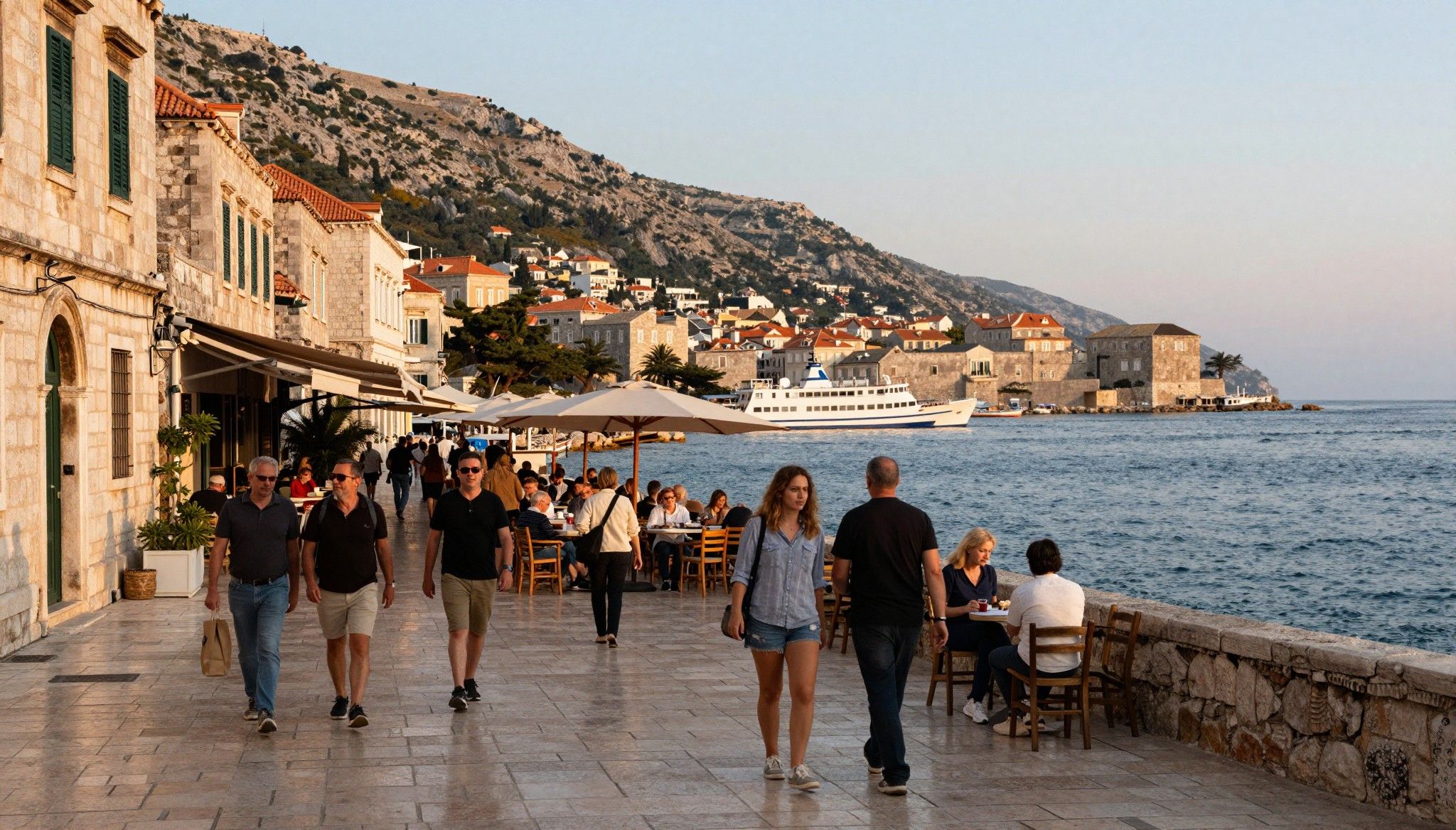
Imagine stepping off a ferry in Dubrovnik in late September: terraces are full, the light is softer, and for the first time in months you can hear local life again instead of tour groups. That quieter, more lived-in rhythm is not just nicer to experience — it changes how neighborhoods feel, how properties perform and, crucially, when you should buy. In Croatia the seasonal heartbeat — summer tourism, autumn calm, winter maintenance — creates price, availability and negotiation patterns that savvy international buyers can exploit. This guide argues a counter-intuitive case: autumn is often the smarter season to house-hunt in Croatia, and here’s the lifestyle and data-backed reasoning that explains why.
Living the Croatia lifestyle: rhythms that shape property value
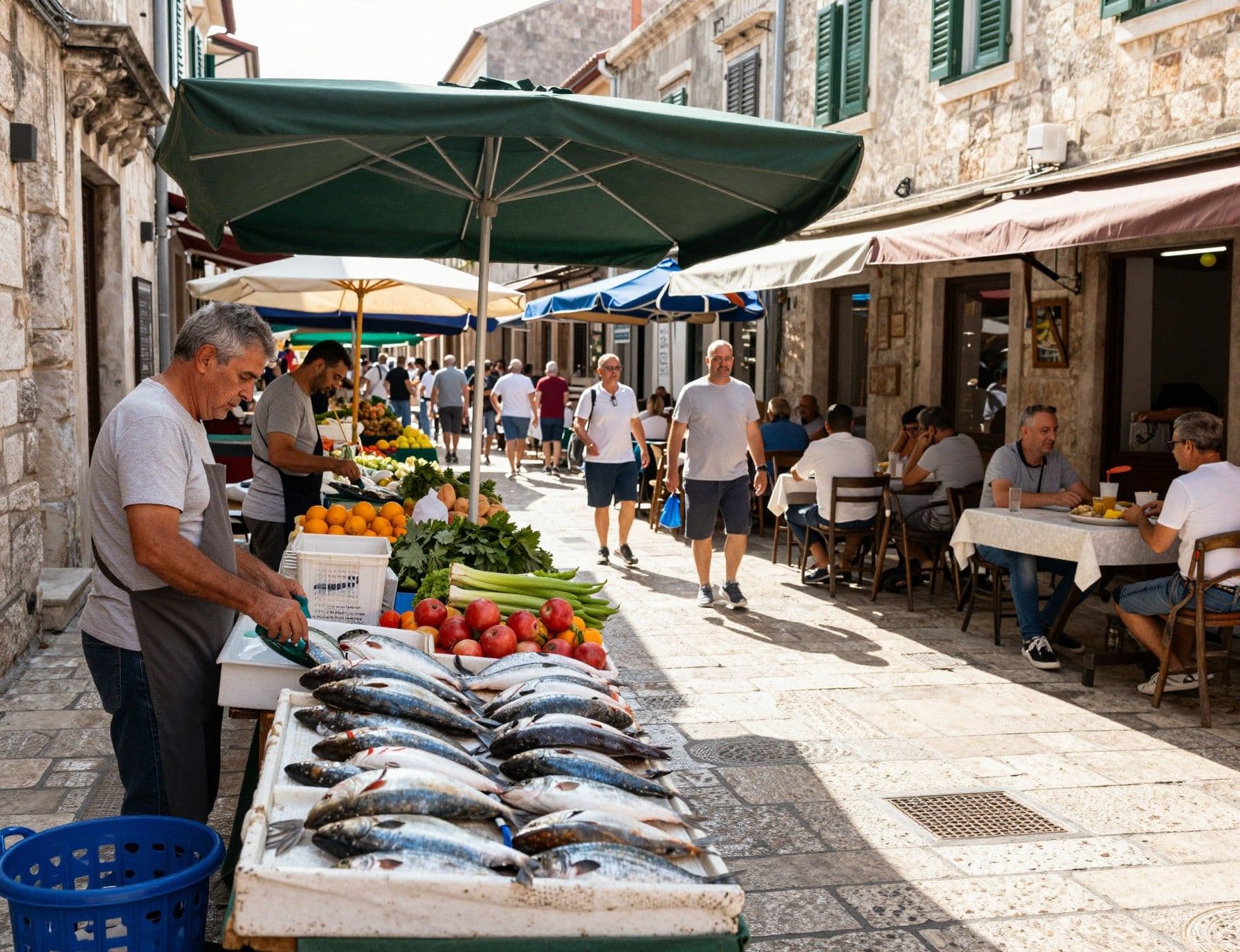
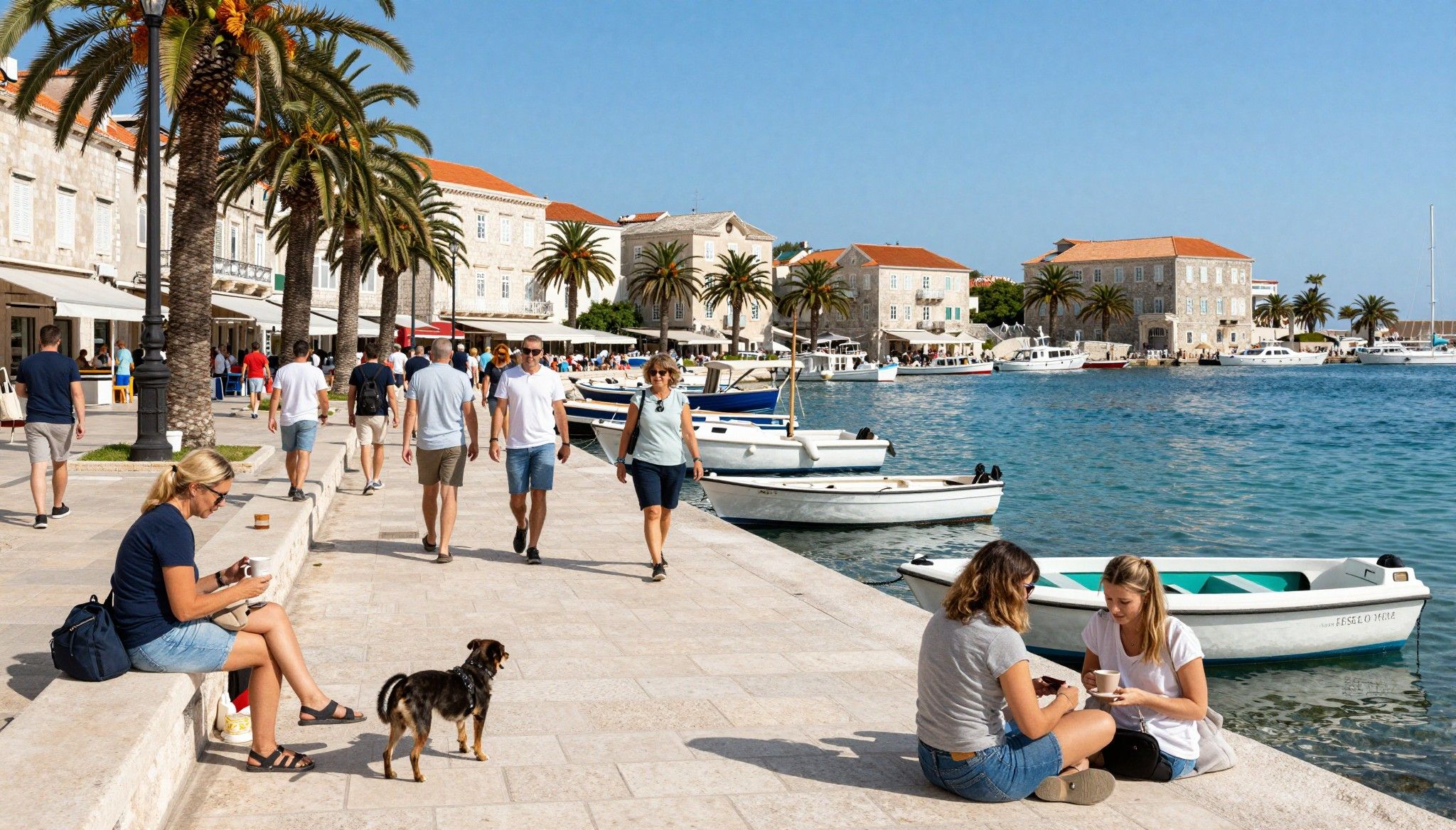
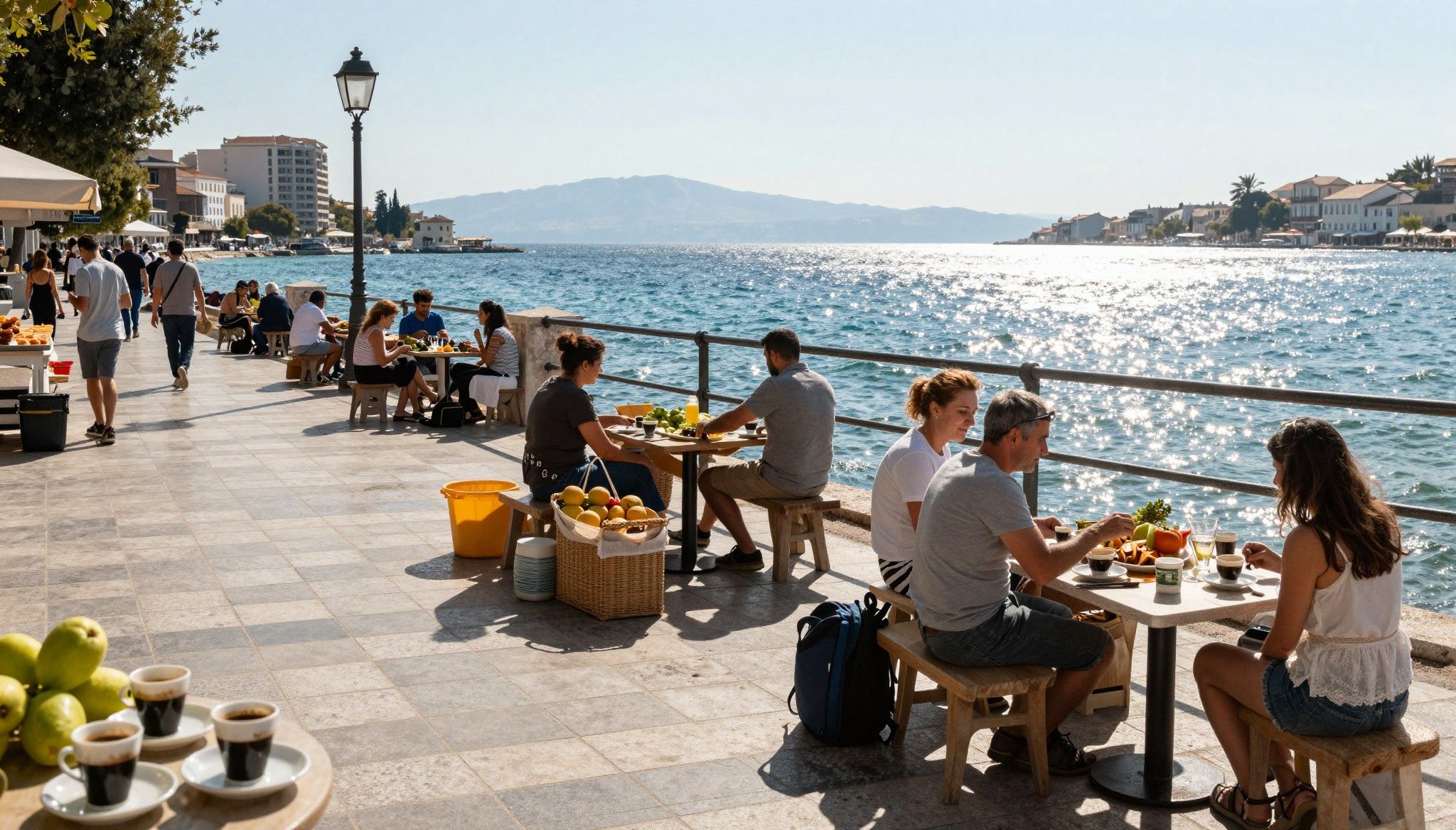
Croatia’s daily life blends Adriatic ease with Central European practicality. Mornings in Rijeka or Split begin with espresso at local kafićs, afternoons drift to beaches like Zlatni Rat or hidden pebble coves in Istria, and evenings gather around neighbourhood konobas for grilled fish and local pošip wine. The high summer months transform coastal towns into bustling marketplaces — good for short-term rental income but poor for assessing true neighbourhood character. Visiting outside peak season reveals resident routines: markets, school runs, municipal works and quieter streets that show how you’d actually live year-round.
Local neighbourhoods that change with the seasons
Take Split’s Veli Varoš: in July it’s full of short-term guests, but by October its narrow lanes return to locals cooking, children on scooters and cafés serving long lunches. In Dubrovnik’s Ploče you’ll see maintenance crews repairing seawalls and property facades in autumn — an indicator of municipal investment that’s invisible in summer. On the Istrian coast, towns like Rovinj reveal their year-round artisans in shoulder months, and inland areas such as Motovun show affordability and lifestyle trade-offs few tourists ever see. Those seasonal transformations matter because they reveal maintenance cycles, municipal priorities and real occupancy rates — all drivers of long-term value.
Food, markets and social life — what you’ll actually join
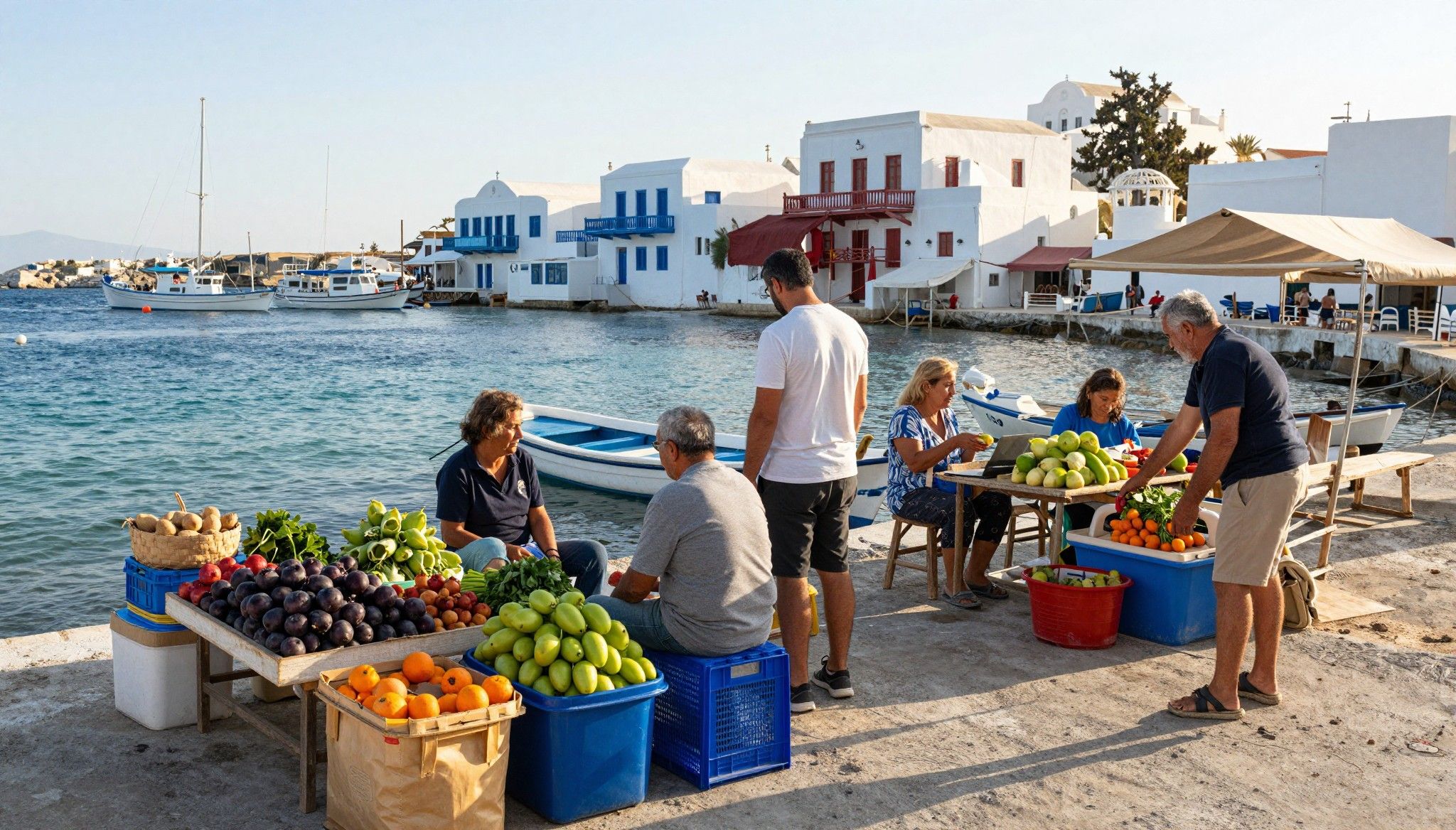
Weekend routines in Croatia center on markets and the sea: Zagreb’s Dolac market hums on Saturdays, Split’s fish market runs daily and island markets in Hvar or Brač pulse on market days. Culinary seasons — fresh truffles in Istria (autumn), sardine festivals on the Dalmatian islands (spring/summer) — shape footfall and local incomes, which in turn affect short-term rental demand and peak-season pricing. If you crave community life rather than tourist spectacle, visiting during harvest festivals and market season will show where locals spend money, meet friends and invest in their neighbourhoods.
- Lifestyle highlights (places to experience outside peak summer)
- Wander Veli Varoš in Split for authentic café life and sunset views
- Visit Rovinj in October for truffle markets and quieter art studios
- Take a weekday stroll along Dubrovnik’s residential Ploče to see municipal upgrades and property maintenance
Making the move: practical considerations that autumn reveals
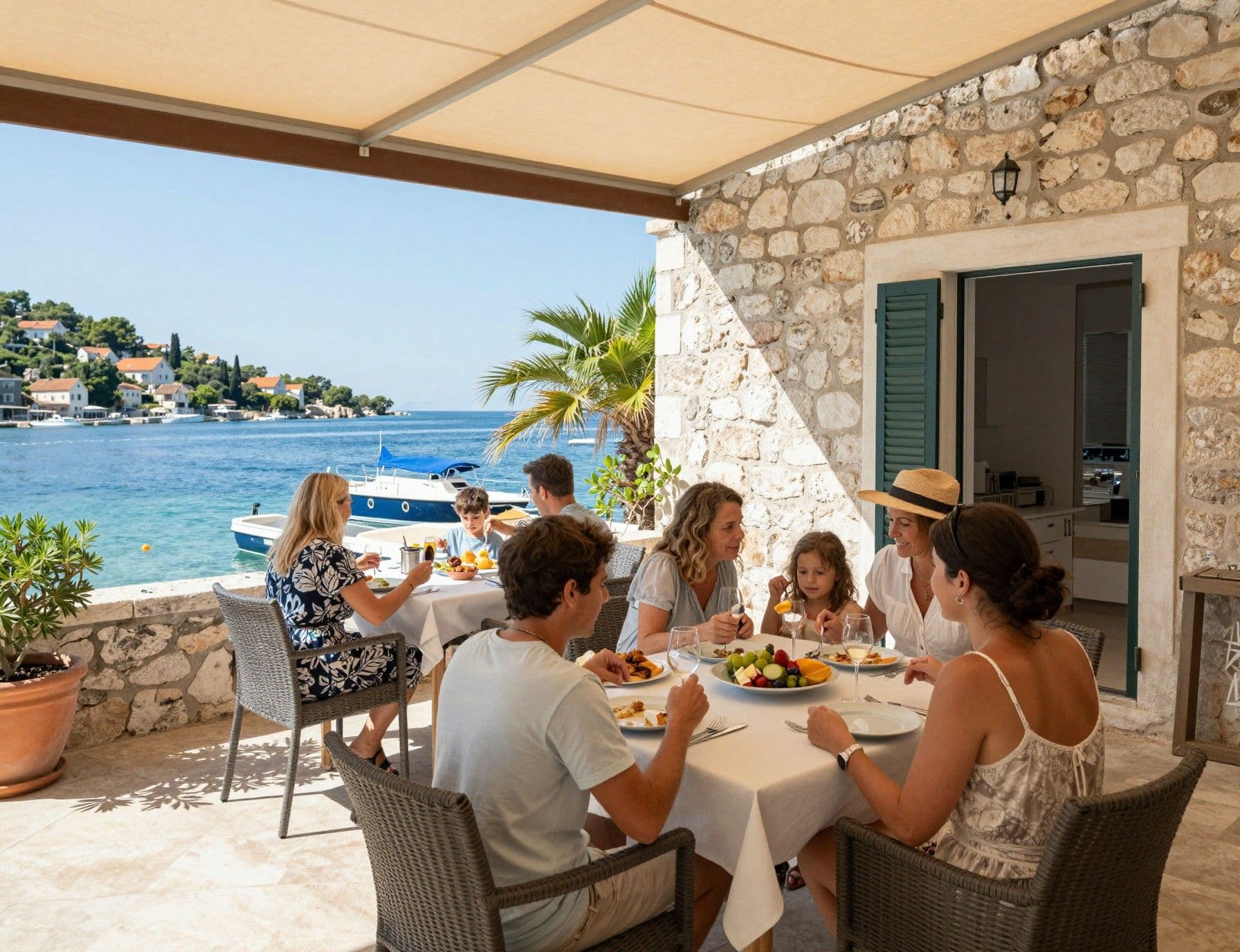
Market data from the Croatian Bureau of Statistics shows strong year-on-year price growth concentrated on the Adriatic coast and Zagreb, while government guidance clarifies who can buy and where — a necessary practical filter before falling for a sea-view. Autumn is when new listings appear after summer reconciliations: owners decide whether to renovate, rent again, or sell. That post-summer listing surge increases choice and creates negotiation leverage because owners and developers have clearer accounts of seasonal income and maintenance costs.
Property styles and which suits your life
Stone houses in Dalmatia offer thick walls and shaded courtyards ideal for summer, but they may need year-round heating upgrades for winter comfort. New-build apartments in Zagreb or Rijeka provide modern insulation and services suited to remote work and longer stays. Terraced coastal flats with balconies work well if you prioritise outdoor dining; inland villas with gardens suit buyers seeking privacy and lower maintenance during off-season months. Match the architecture to the rhythm you want: full-season residency, extended stays with rentals, or purely investment-focused short-term letting.
Working with local experts who know the rhythm
A local agency or lawyer will flag reciprocity requirements for non-EU buyers, municipal restrictions on coastal plots and seasonal maintenance trends that affect value. Good agents track post-season listings, renovation schedules and short-term rental occupancy rates — data that’s particularly visible in autumn. When you commission inspections or surveys, schedule them during or just after shoulder season to see how a property performs in wet weather and low occupancy. That timing reduces surprises that often surface only in winter.
- Practical, lifestyle-focused steps to act in autumn
- 1. Book visits in late September–November to see neighbourhoods return to resident life.
- 2. Ask agents for summer occupancy figures and autumn maintenance invoices to estimate real running costs.
- 3. Commission surveys in shoulder season to reveal damp, insulation, and heating needs that summer hides.
Insider knowledge: what expats wish they’d known
Expats often tell the same story: they fell for a sunlit terrace in July and only understood the real costs in November when invoices arrive and the town quiets. Cultural nuances — the importance of personal relationships with a local notary, the informal repair economy in island villages, and municipal schedules for coastal repairs — shape ownership experience. Knowing where to buy is as much about community fit as it is about square metres: a friendly konoba and a local market connect to daily life in ways rental yields don’t capture.
Integration, language and community signals
Simple moves — learning basic Croatian greetings, joining a market morning, or volunteering at a local festival — accelerate belonging and reveal neighbourhood quality. Look for signs of year-round life: children at local schools, shops open outside tourist months, and visible municipal services. Those are the community signals that sustain property value beyond rental seasons and lead to neighbourly support when maintenance issues arise.
Long-term lifestyle realities and scenario planning
Think in three scenarios: buy-to-live, buy-to-let (seasonal), and hybrid (personal use plus letting). The Croatian market’s strong recent price growth means buyers should model rental season volatility and off-season occupancy. For non-EU buyers, reciprocity and administrative consent remain practical constraints; consult official guidance early to avoid losing a chosen property to procedural delays. Scenario planning that includes seasonal cashflow, maintenance windows and community rhythms will help you avoid common mistakes after purchase.
- Red flags to watch when a property looks perfect in summer
- No municipal maintenance records — check for sea defences and drainage work
- Absent winter photos or evidence of heating/damp mitigation
- High summer occupancy but low off-season bookings — signals risky yield assumptions
Conclusion: Fall for Croatia, but buy on the evidence of autumn. Fall’s quieter streets reveal the routines, maintenance cycles and community strengths that summer conceals, and data from national statistics and official buyer guidance confirms that coastal markets move with the seasons. If you want the lifestyle — espresso mornings, market Saturdays, island escapes — schedule visits in shoulder months, hire local experts who track seasonal data, and model scenarios that include off-season costs. Book an autumn scouting trip, bring a checklist (insulation, municipal works, occupancy data) and let a trusted local agency translate the season’s insights into a confident offer.
Norwegian market analyst who relocated to Mallorca in 2020. Focuses on data-driven market insights and smooth relocation for international buyers.