Croatia: Buy the Life, Check the Data
Croatia offers irresistible coastal rhythms and rising regional price gaps; buy the lifestyle you’ll live—off‑season visits, reciprocity checks and local surveys matter most.
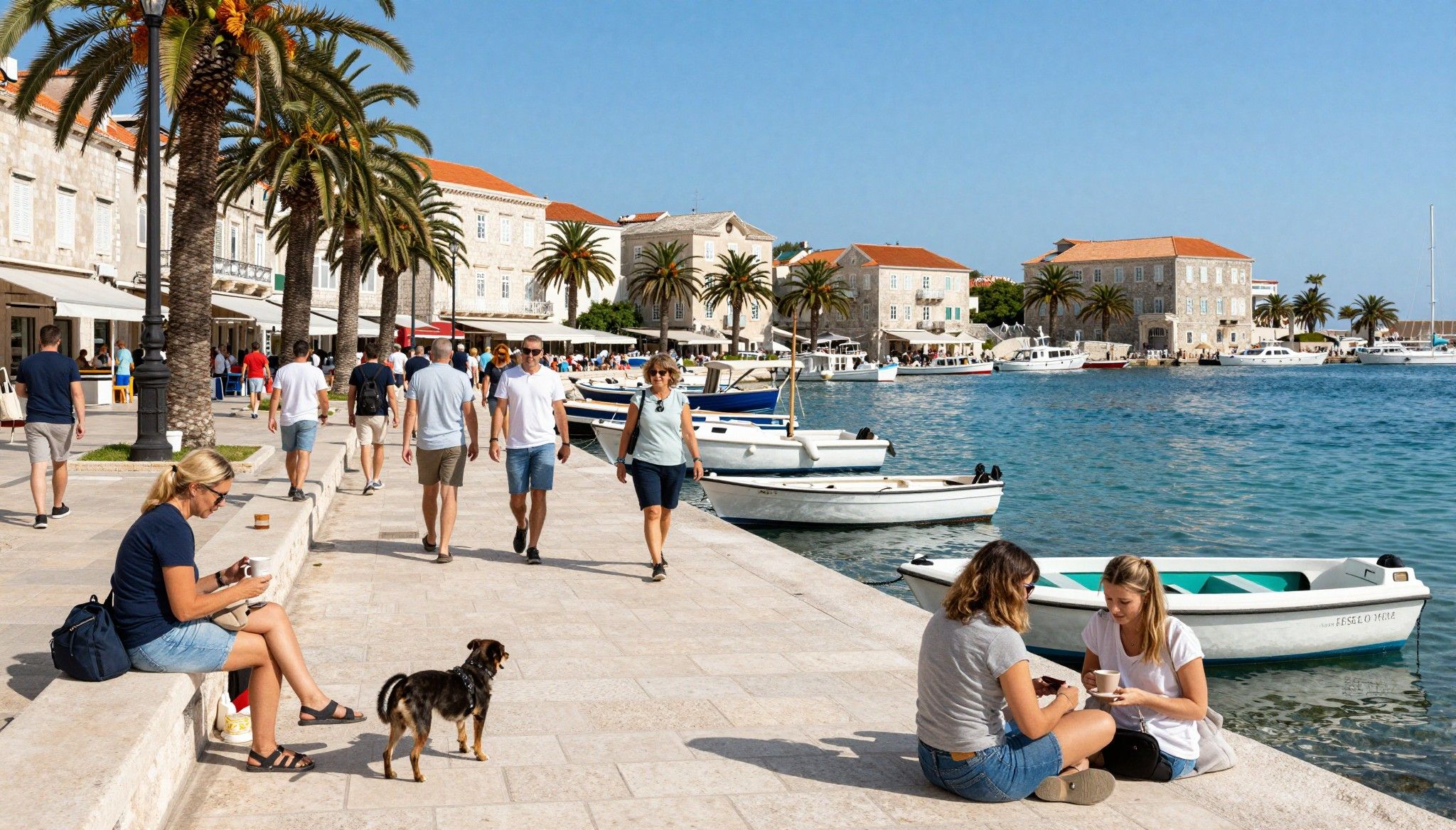
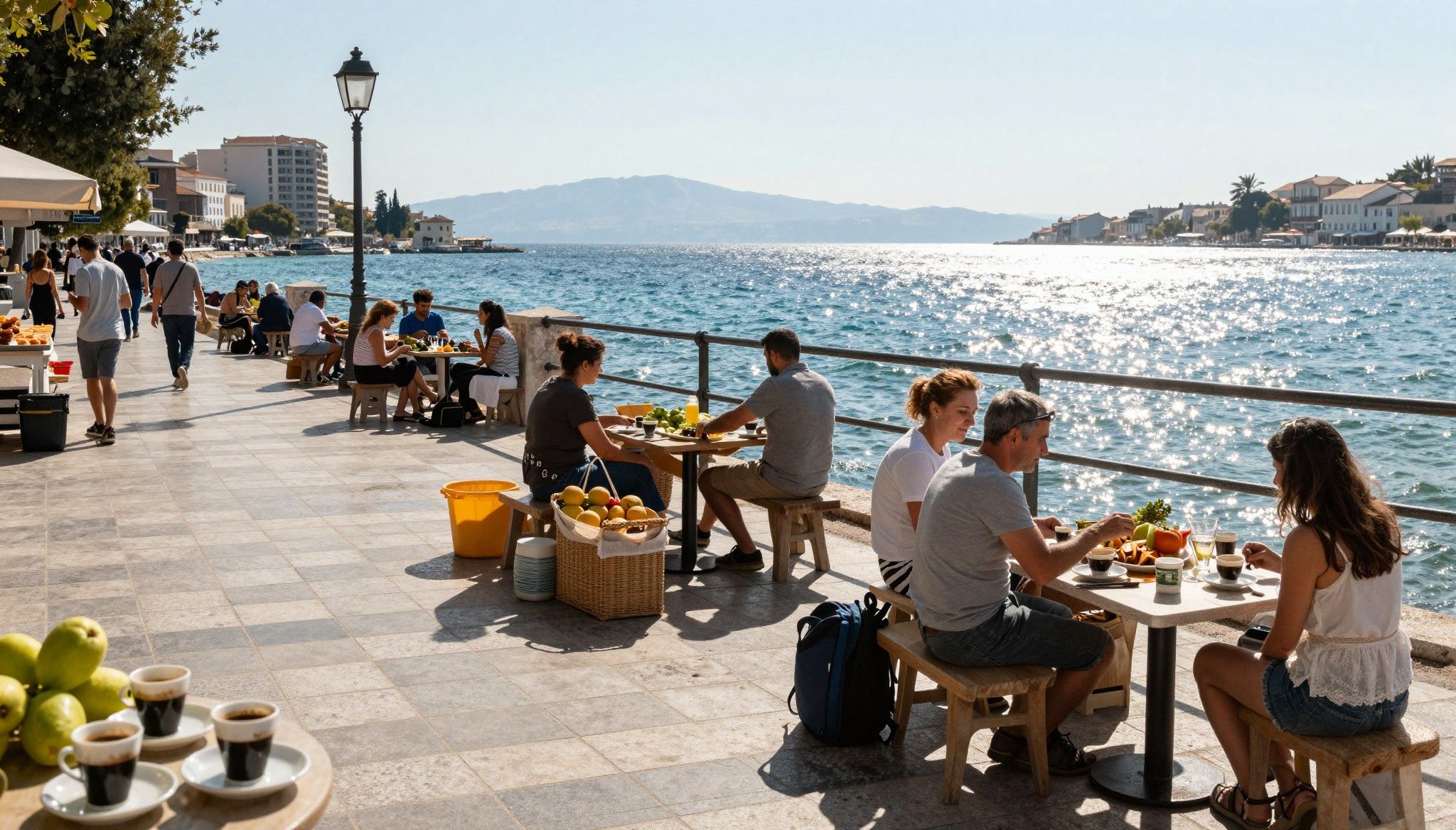
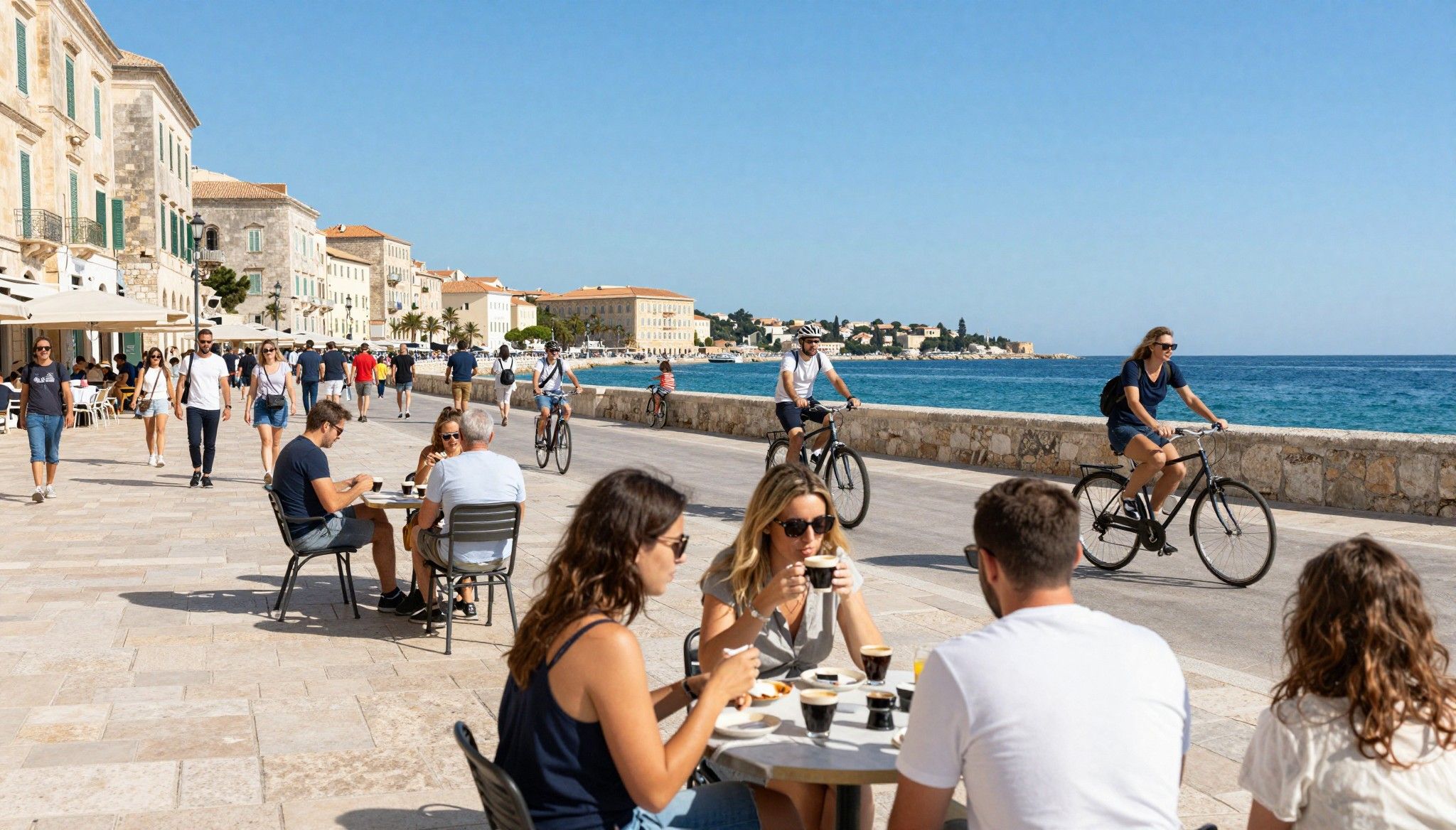
Imagine sipping an espresso on Split’s Riva at 08:00, then escaping the tourist tide for a quiet stone street in Veli Varoš — that contrast is Croatia. It’s a place where medieval alleys meet yacht-lined marinas, where an off-season morning market smells of citrus and fresh fish, and where lifestyle choices — island pace or city rhythm — shape where you should buy. Understanding those rhythms is why data matters: prices are rising unevenly across regions, and the lifestyle you fall in love with may carry different market realities.
Living the Croatia lifestyle
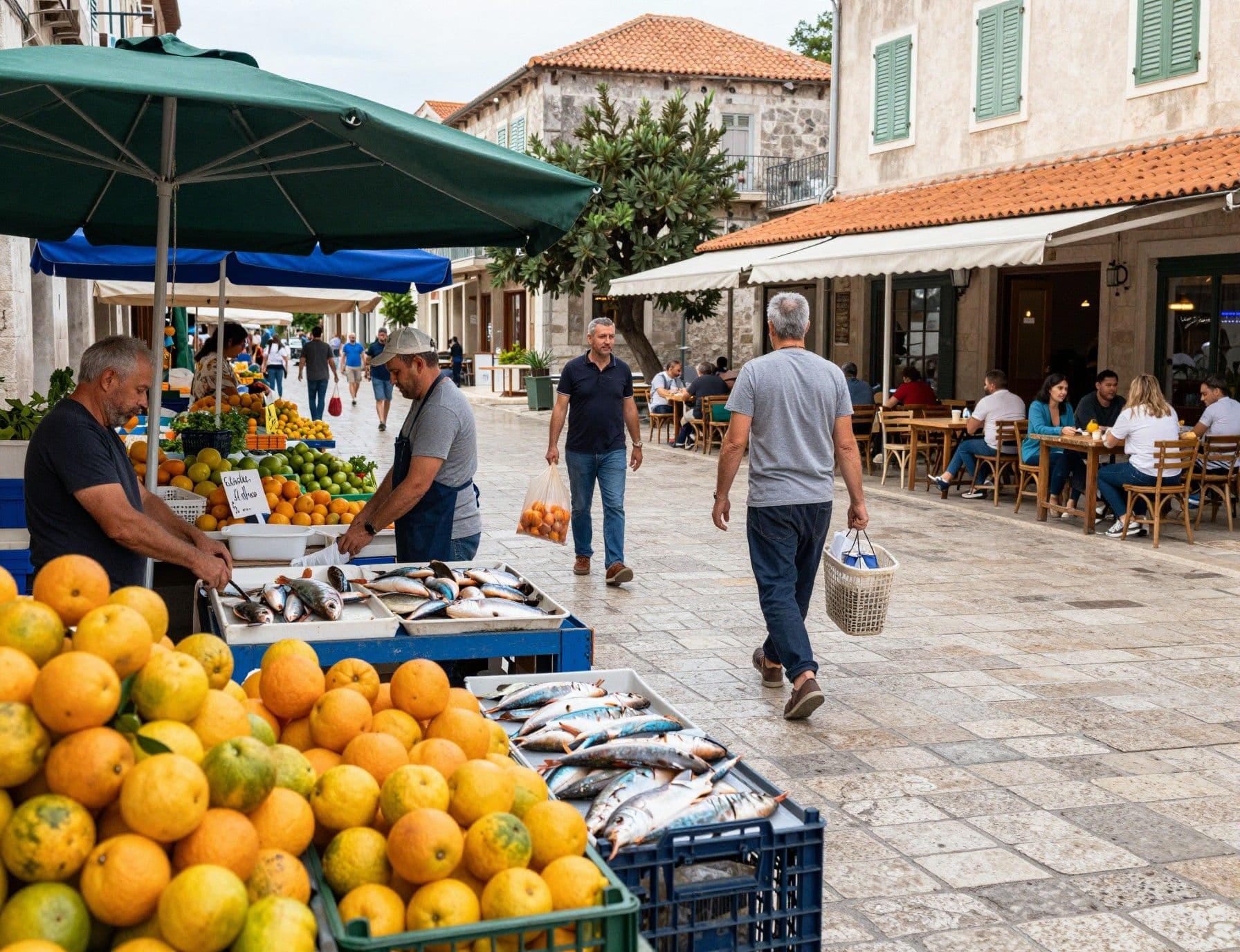
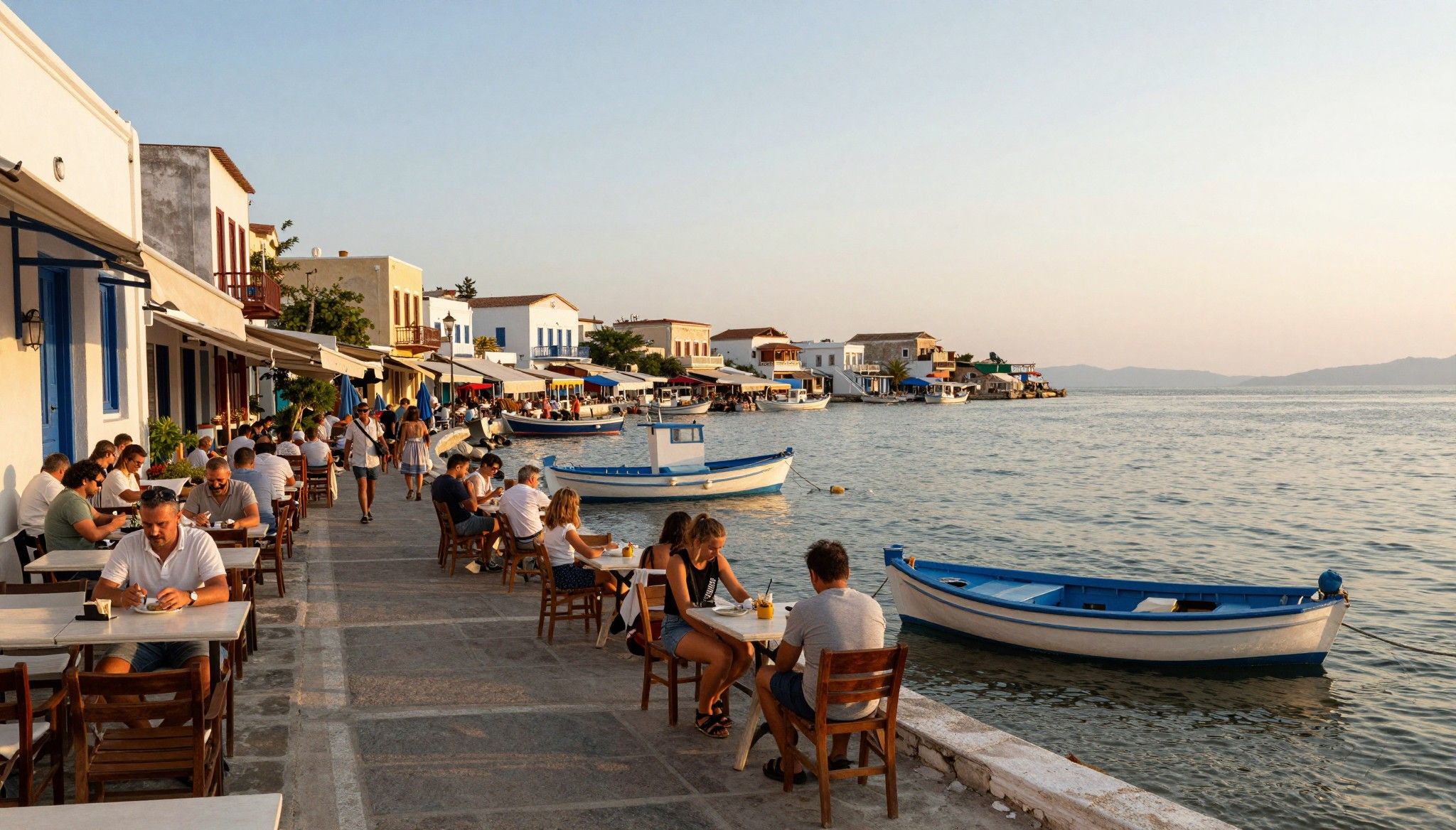
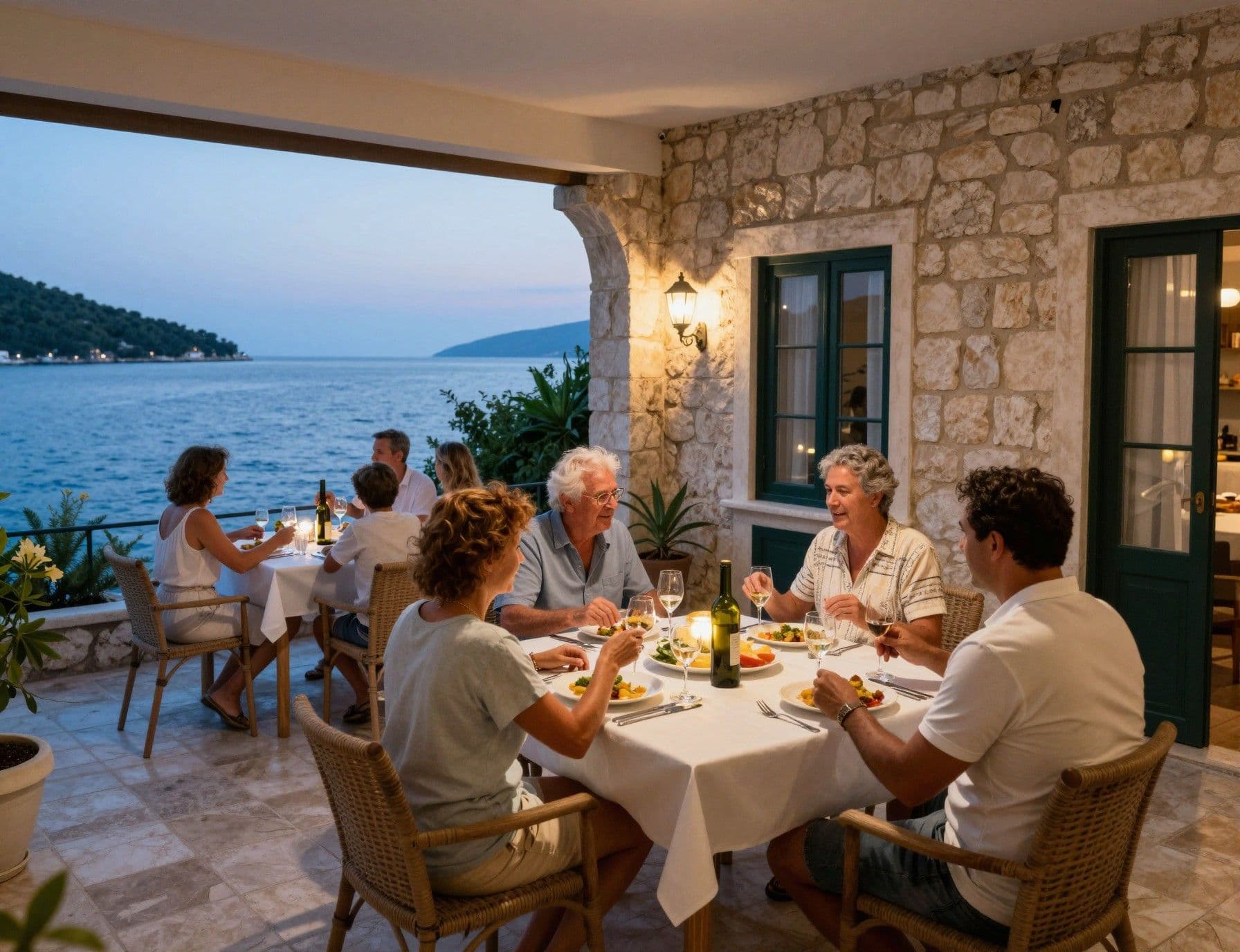
Croatia’s daily life is a study in contrasts. Mornings can be market-first — fruit stalls, bakers, and espresso — while evenings are for long meals that last until late. Coastal towns pulse with seasonal energy from May to September and soften into slow, local routines in winter; Zagreb keeps a four-season cultural calendar with museums, cafés and year-round services. If you want sea every day, Dalmatian islands and Split deliver; if you want year-round restaurants and international connections, Zagreb and Rijeka are stronger bets.
Neighbourhood spotlight: Old Town Dubrovnik vs Split’s Veli Varoš
Dubrovnik’s Old Town is cinematic — UNESCO-protected stone, tiny squares, and cruise-ship seasonality that both fuels rental demand and creates congestion. Veli Varoš in Split is quieter: narrow lanes, small konobas (local taverns) and a community of residents who value daily life over tourism spectacle. For buyers, the former offers high short-term rental yields during summer; the latter suits owners seeking an everyday neighbourhood with easier access to local networks.
Food, markets and weekend rituals
Weekend life often orbits open-air markets: Dolac in Zagreb, Pazar in Split, and Rovinj’s fishing quay are where residents buy produce, meet friends and plan meals. Olive oil and Istrian truffles shape seasonal menus in the north, while grilled fish and peka (slow-cooked meat or octopus) are Dalmatian staples. These culinary patterns influence property choices: owners who love cooking and entertaining favour apartments with larger kitchens or terraces; those who eat out frequently prioritise proximity to town centres.
- Lifestyle highlights: real places you’ll want to know
- Dolac Market, Zagreb — morning ritual for fresh produce and people-watching.
- Riva, Split — seaside promenade for coffee, sunsets and civic life.
- Rovinj waterfront and Carera Street — Istrian galleries, seafood, and romantic lanes.
- Hvar town harbour — summer nightlife and island living (high season premium).
Making the move: practical considerations
Dreams collide with rules. Non-EU buyers may need reciprocity or state consent to acquire property; these rules change and sometimes include time-limited reciprocity lists. Always verify current reciprocity status for your nationality before making offers. Also note that Croatia uses land registers and a transparent notary-based conveyancing system — but the nuance is local: islands often have complex parcel histories and older stone houses may require heritage permissions for renovations.
Property styles and what they mean for daily life
Choose architecture to match lifestyle: a renovated stone house on Brač gives character and cool summer interiors but can have small windows and limited insulation — ideal for summer stays, challenging for long winters. New-build seafront apartments in Istria or along the Makarska Riviera offer modern comfort, parking and lower maintenance. For long-term residency, prioritise heating, insulation and access to year-round services.
Working with local experts who understand the life you want
An agent who knows festivals, boat moorings and market days is invaluable. They can flag seasonal nuisances — cruise schedules in Dubrovnik, marina development plans in Split, or municipal renovation zones — and advise on rental demand patterns. Use specialists: a local lawyer for conveyancing, a surveyor familiar with coastal erosion risk, and a tax adviser who understands Croatian municipal surtaxes on rental income.
- Steps that blend lifestyle and practicality
- Visit off-season (October–April) to test daily life, services and commute patterns.
- Check reciprocity and consent requirements for your nationality before offer.
- Ask an agent for multi-year rental data (not just summer peaks) to assess real yield.
- Get a technical survey focused on damp, insulation and access to services — crucial for stone houses.
Insider knowledge: what expats wish they'd known
Expats often discover two surprises: first, tourism skews perceptions of everyday life — a coastal town bustling in July can be tranquil the rest of the year; and second, house prices have recorded strong growth in recent years, particularly in coastal hotspots. Croatia recorded over 20 million tourist arrivals in 2023 and house-price indices show notable year-on-year increases; that combination supports seasonal rental income but also means competition and premium pricing in tourist-facing locations.
Cultural integration and daily social life
Croatians value directness and community ties. Learning basic Croatian will unlock quieter neighbourhood networks and market conversations. Expect slower bureaucratic timelines than in some Northern European countries — patience and a local fixer (agent or lawyer) speed things up. Social life is pedestrian-first: piazzas, coffee bars and konobas are where friendships form.
Long-term lifestyle and market sustainability
Long-term buyers should weigh seasonality against infrastructure: is there year-round healthcare, schools or reliable transport? Look for towns investing in off-season tourism (Rovinj and parts of Istria are diversifying) and regions with improving connectivity to airports. These signals indicate communities aiming for sustainable resident populations, not just summer rentals.
- Red flags to watch before you sign
- Unclear land registry entries or multiple heirs on island parcels.
- Properties advertised with “sea view” but separated by a planned marina or new development.
- Sellers pushing short-term rental promises without verifiable occupancy data.
Quick data-backed snapshot
Official data show sustained house-price growth across Croatia in recent years, with steeper rises along the coast compared with inland regions. Tourism concentration in Istria, Split-Dalmatia and Dubrovnik-Neretva counties supports seasonal rental markets but also amplifies price pressure and planning restrictions in historic cores.
Conclusion: fall for the life, buy with local intelligence. Croatia sells an Atlantic-sun rhythm and island afternoons, but the practicalities — reciprocity, local service seasons, building fabric and real occupancy data — determine whether a purchase becomes a weekend love affair or a sustainable life. Book an off-season visit, ask for multi-year rental statistics, verify reciprocity for your nationality, and hire local legal and technical expertise. With the right local team, the island alley you love can become the address you keep.
Swedish strategist who relocated to Marbella in 2018. Specializes in legal navigation and tax planning for Scandinavian buyers.