Greece: The Coastal Corners Buyers Overlook
Fall for Greece’s rhythms—then buy with data: visit shoulder season, check local indices and verify deeds to match lifestyle with durable value.
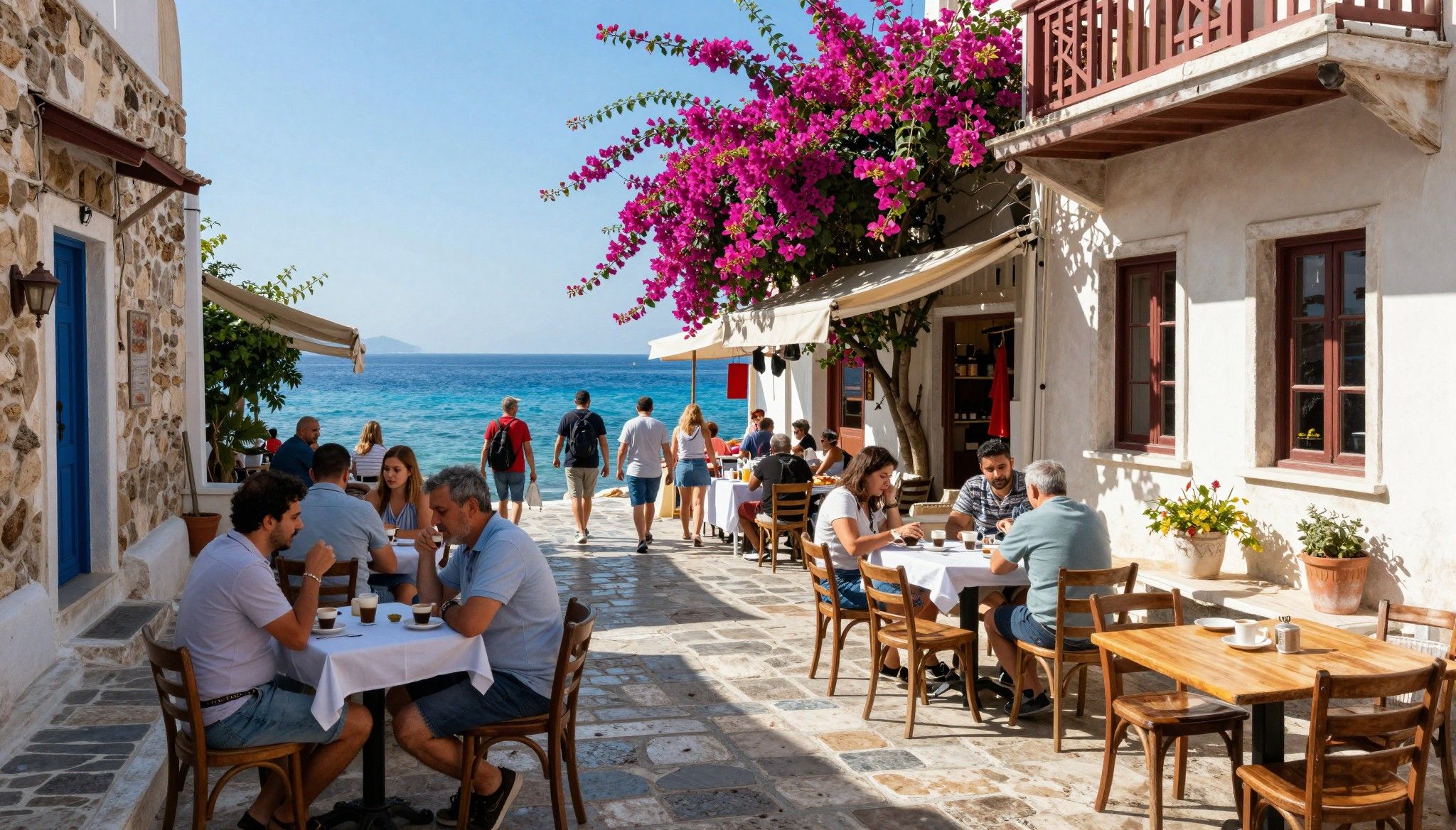
Imagine stepping out at 08:30 for espresso on a sun-warmed square in Plaka, then slipping into a narrow lane where bougainvillea drapes stone walls and an old baker slides warm spanakopita from the oven. That quiet sequence—coffee, community, an unhurried walk home—captures why so many of us fall for Greece. This article pairs those lived moments with data and local insight so you can decide where to buy with both heart and head.
Living the Greek life: more than a postcard
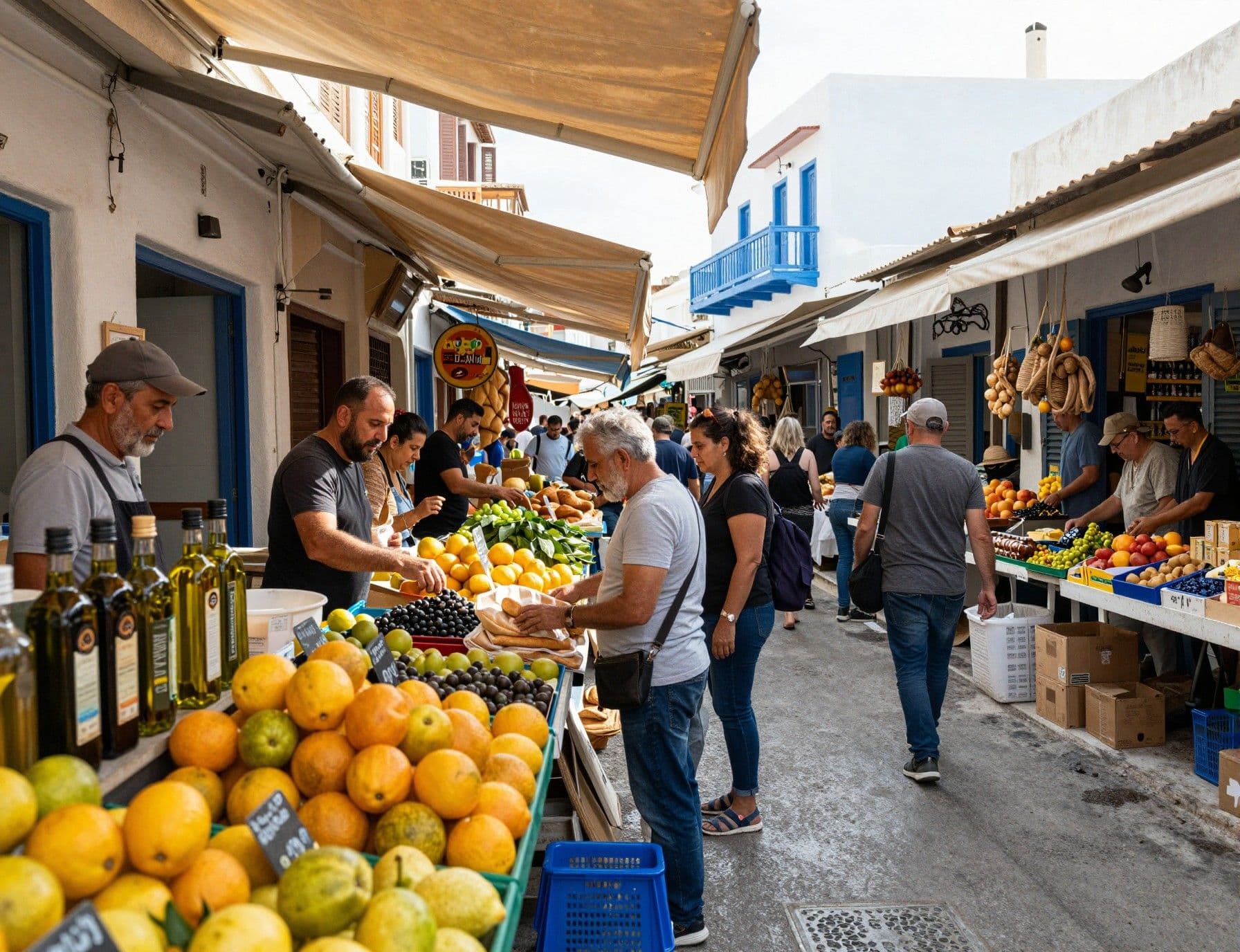
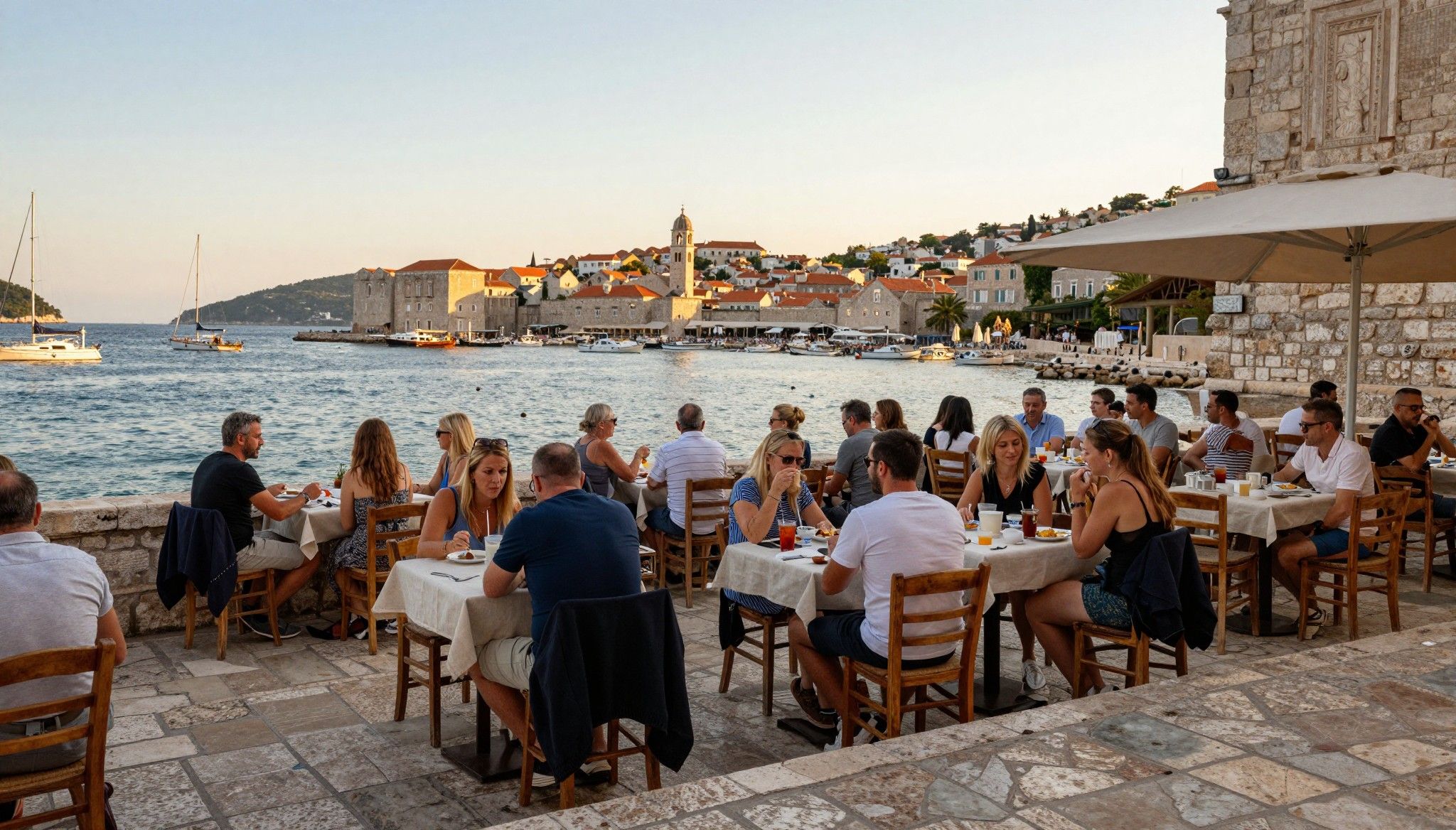
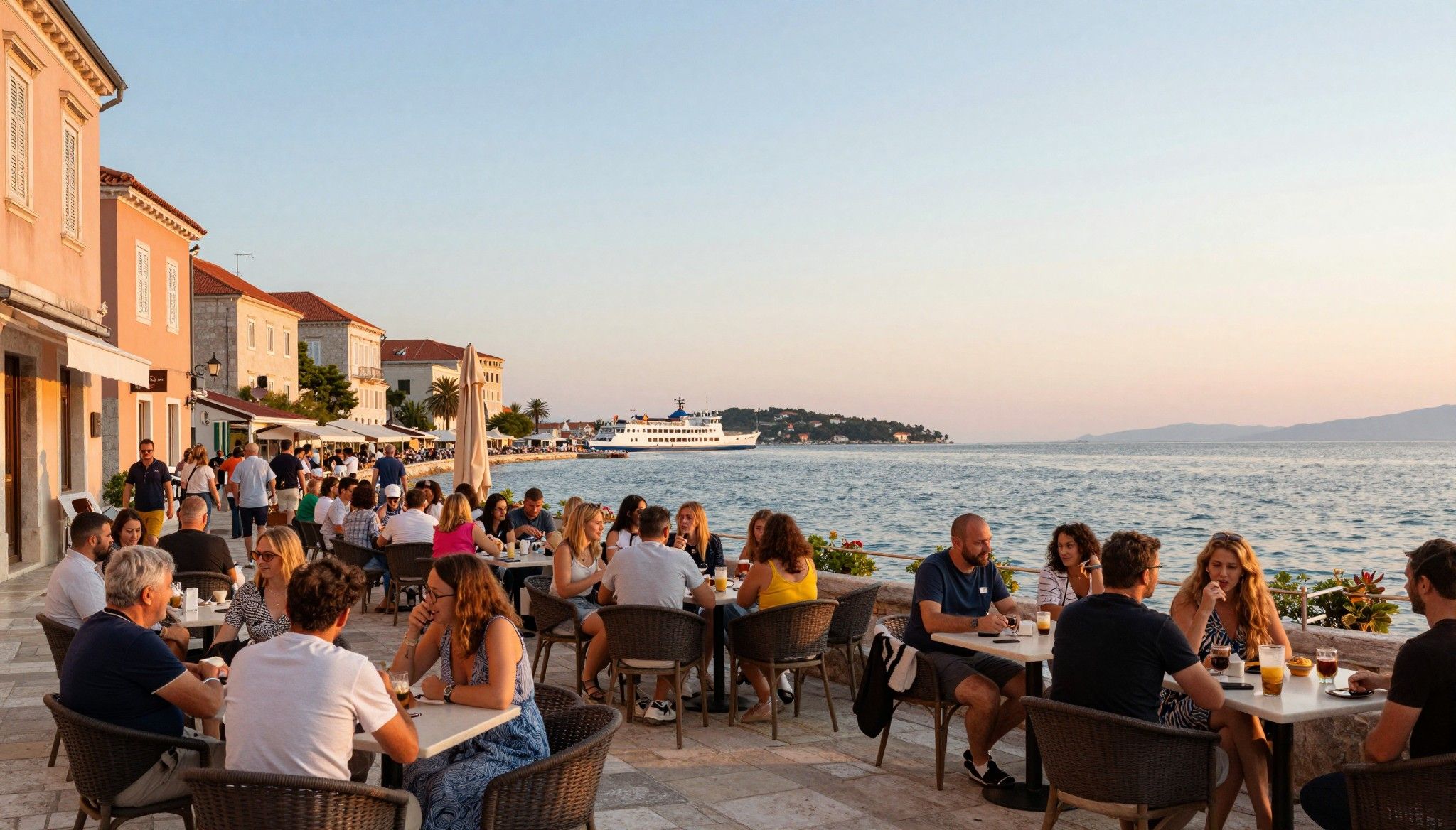
Daily life in Greece is structured around place and season. Mornings begin in cafés, afternoons drift to beaches or siestas in smaller islands, and evenings are for long dinners that start late and run long. Tourism is big—bringing vibrancy and seasonal markets—but neighbourhood rhythms persist year-round in towns like Kifisia (Athens), Ano Poli (Thessaloniki), and Hora on many islands. Recent visitor numbers underline demand for short-term rentals in hotspot zones, a factor that shapes local markets and ownership models. ([ot.gr](https://www.ot.gr/2025/07/23/english-edition/tourist-arrivals-in-greece-up-in-2024-elstat/?utm_source=openai))
Athens neighbourhoods that feel like towns
Walk Kolonaki for galleries and espresso, then cross to Mets for quiet apartment blocks and local markets; each area offers different daily tempos. Kolonaki suits someone who wants city-life amenities and short cultural walks; Mets, with tree-lined streets and older urban villas, suits buyers craving calmer mornings. Sellers here price lifestyle as heavily as square metres—expect neighbourhood premiums where cafés, parks and morning markets are within a five-minute walk. ([savills.gr](https://www.savills.gr/research_articles/262959/380043-0?utm_source=openai))
Island life: what seasons really mean
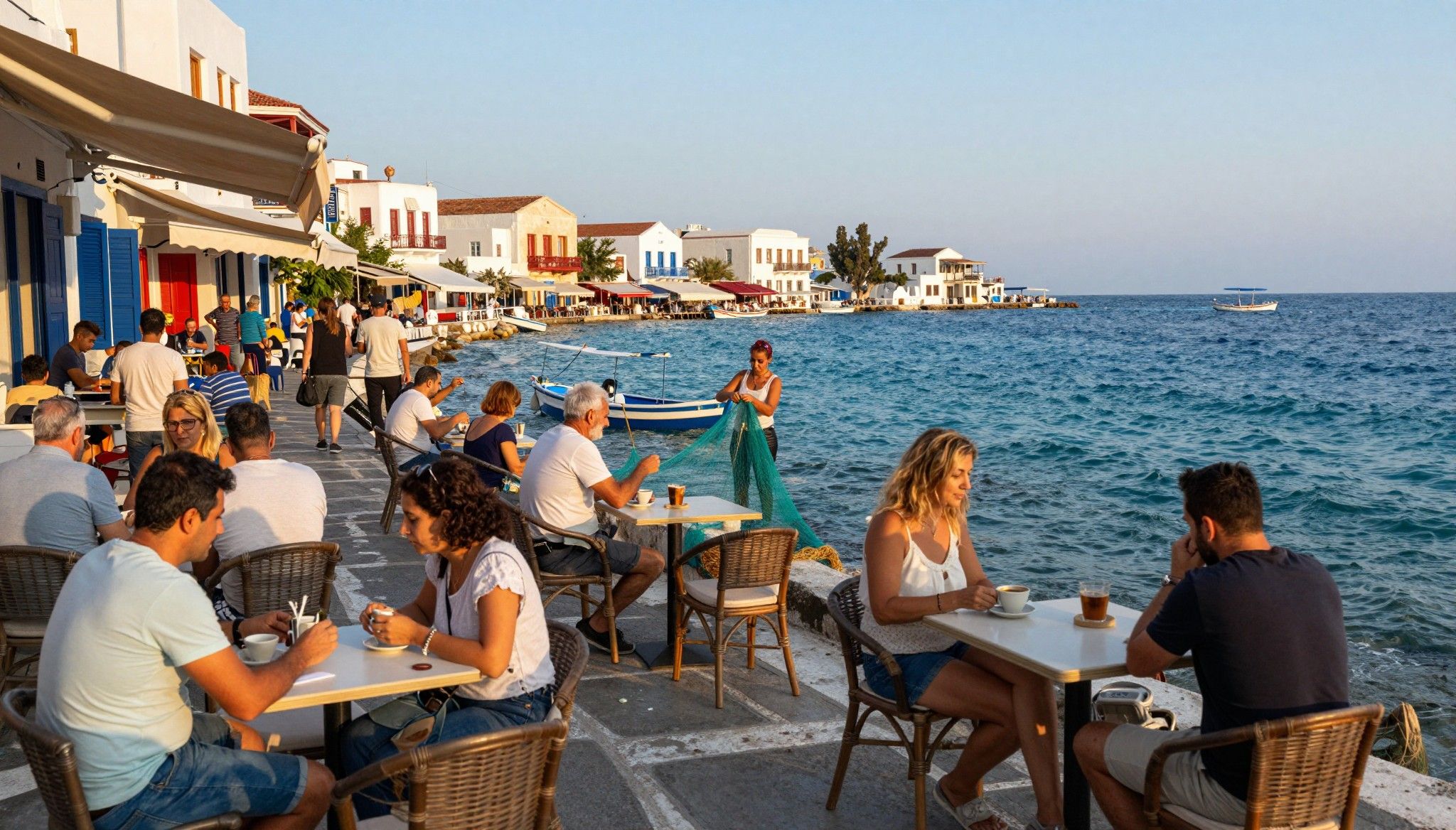
Summer brings full beaches and lively tavernas; shoulder months—April–June and September–October—offer the clearest view of year-round island life. Many locals work seasonally, so services like child care and specialist shops can be scarce in winter on smaller islands. For buyers who want an active winter community, consider larger islands (Crete, Rhodes) or coastal towns on the mainland where year-round services and health facilities are more reliable. ([bankofgreece.gr](https://www.bankofgreece.gr/Publications/Note_on_the_Greek_economy_24_January_2025.pdf?utm_source=openai))
- Lifestyle highlights: real places to imagine living
- Espresso at Ta Karamanlidika tou Fani (Athens) and a walk through the Central Market (Varvakios) for fresh fish.
- Sunday market browsing in Chania’s old town, followed by late-afternoon swims at nearby Nea Chora beach.
- Cycling along the waterfront in Thessaloniki then catching a late-night meze at Valaoritou’s narrow lanes.
Making the move: property styles that match how you live
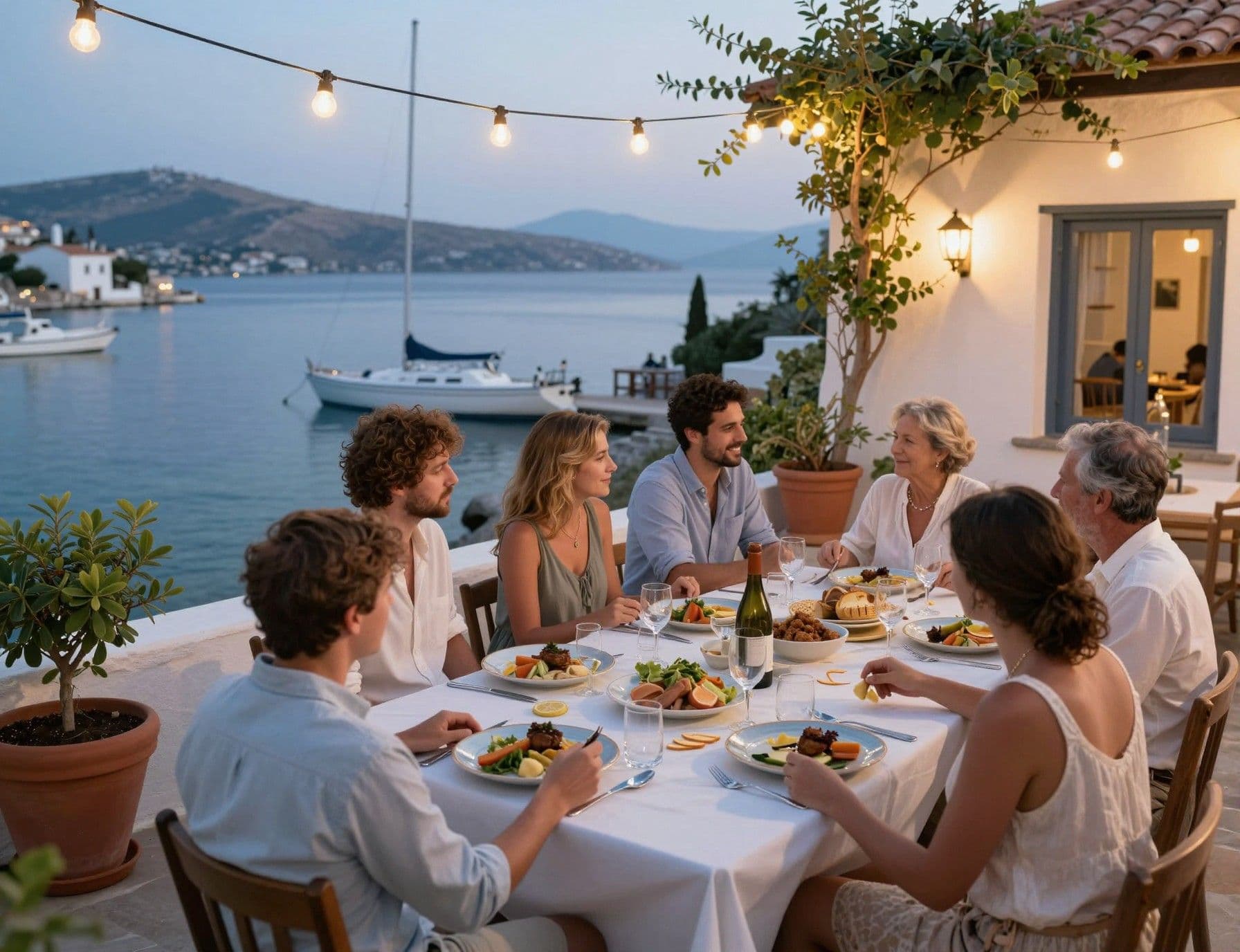
Greek stock of housing ranges from neoclassical city flats to whitewashed Cycladic houses and modern seafront developments. Apartment prices increased notably through 2023–2024 in many regions, so matching property type to lifestyle avoids common buyer regrets: a picture-perfect cave house may not have reliable winter heating or year-round services. Use price indices to check how local submarkets have moved in recent quarters before making an emotional offer. ([bankofgreece.gr](https://www.bankofgreece.gr/en/news-and-media/press-office/news-list/news?announcement=8e6098c4-5e6c-4f5d-9deb-01283ba33f38&utm_source=openai))
What different property types actually give you
Neoclassical apartments: central, strong rental appeal in cities, limited outdoor space. Island cottages: exceptional lifestyle but often need renovation and modern services. New developments: convenient amenities and modern insulation, helpful for year-round living but sometimes distant from authentic local life. Match type to time-spent: if you’ll use the property seasonally, proximity to an airport or ferry matters more than household storage or insulation.
Working with agents who understand place, not just price
Local agents who live in the neighbourhood will point out year-round conveniences—where the winter shop closes, which streets flood in heavy rain, which owners tolerate short-term lets. For international buyers, pick agents who can show transaction comparables and local utility costs, and who coordinate with lawyers who specialise in Greek title searches. Agencies with market research capabilities can provide recent sale prices and rental demand snapshots to test your investment assumptions. ([savills.gr](https://www.savills.gr/research_articles/262959/375963-0?utm_source=openai))
- Steps to blend lifestyle and due diligence
- Visit in shoulder season to assess year-round services and noise levels; compare at least three similar properties on the same street for true market pricing.
- Ask an agent for recent sale deeds (not just listings) to confirm transaction prices, then commission a local survey for unusual features like terraces and permitted extensions.
- Work with a Greek lawyer to verify titles, building permits and any easements; keep a contingency for renovation and energy upgrades.
Insider knowledge: myths, red flags and local truths
Two myths trip international buyers: that island homes are automatically cheap, and that all seaside plots command endless rental demand. Reality is nuanced—prime island properties are priced at a premium and smaller islands can be thin markets outside peak months. Use recent market reports and local sales data to test assumptions about yield and liquidity before committing. ([knightfrank.com](https://www.knightfrank.com/research/reports/global/the-residence-report-3041/contentassets/the-residence-report-202526-12403.pdf?utm_source=openai))
Cultural cues that shape everyday life
Language matters but hospitality helps: learning basic Greek opens doors at markets, municipal offices and with neighbours. Expect slower administrative timelines; patience is a practical asset. Social life is formed around rituals—weekday coffee, Sunday family lunches, and festival days—so get to know local calendars to time viewings and renovations without clashing with community events.
Long-term lifestyle and value signals
Look for improving infrastructure—new ferry links, expanded regional airports, and local regeneration projects—which often precede steady price growth. Cross-check these signals with official indices and local planning notices to avoid speculative purchases based only on promised improvements.
- Red flags to notice on viewing day
- No recent energy certificate or non-compliant electrical wiring—indicates hidden renovation costs.
- Unclear access rights to terraces or land—ask for title plans and surveyor confirmation.
- An agent who refuses to share recent comparable sales—transparent markets use deeds, not just listings.
Six months after moving, most buyers say they underestimated neighbourhood rhythms: local shops closing for August, the soundscape of late-summer festivals, or winter isolation on small islands. Visit outside high season to experience true everyday life, and plan property features—heating, storage, internet—that support twelve-month living, not just holidays.
Final thoughts: fall in love, buy with evidence
Greece offers an intoxicating mix of food, community and coastline—yet the smartest purchases start with living tests and verified data. Combine a shoulder-season visit, local agent insight, recent sale deeds and a specialist lawyer to turn longing into a lasting home. If you want, start by asking an agency for recent comparable deeds and a shoulder-season viewing plan so you can see the life, not the postcard.
Dutch investment strategist with a Portugal-Spain portfolio. Expert in cross-border financing, rights, and streamlined due diligence for international buyers.