Croatia: Buy the Life — Back It with Data
Fall for Croatia’s life — but buy it with data: seasonality, title clarity and neighbourhood routines determine long‑term value and happiness.
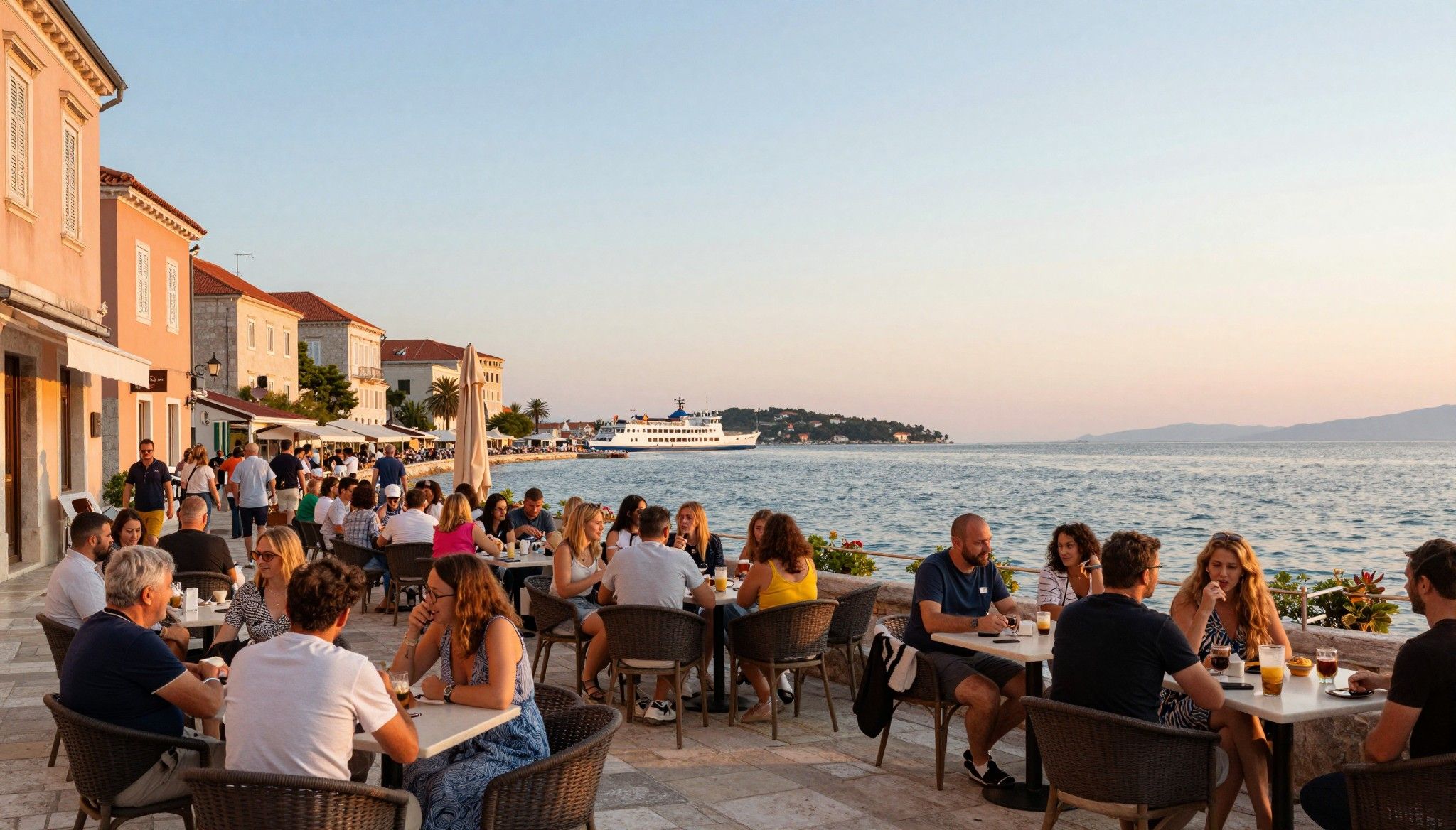
Imagine sipping a morning espresso on Split’s Obala Hrvatskog narodnog preporoda, hearing ferries chime and bakers call out fresh burek — then signing on a property whose true costs and seasonality you already understand. Croatia’s coast looks like a postcard, but the best buyers arrive with a plan that blends seaside life with market reality, not just a summer feeling.
Living the Croatia rhythm
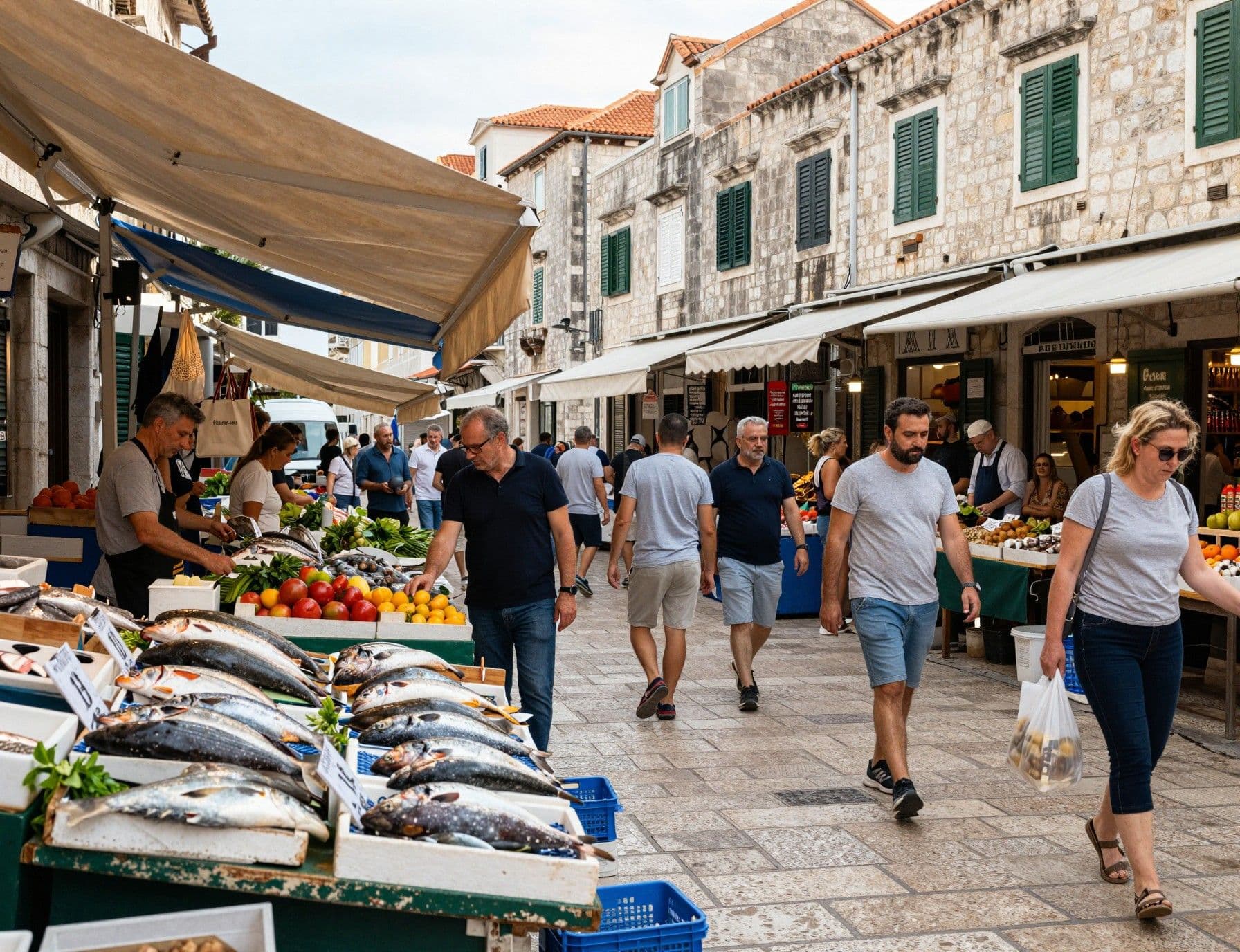
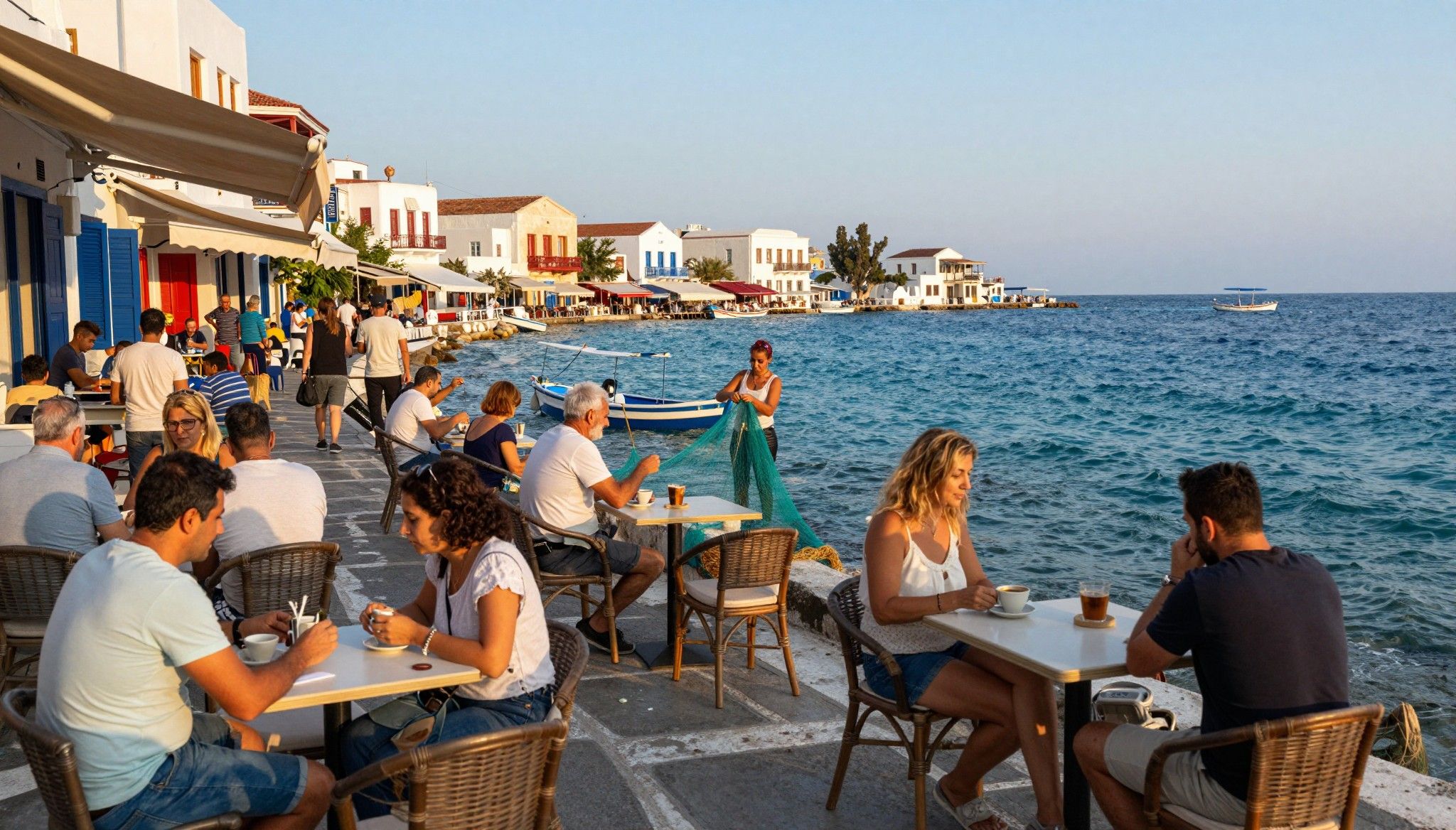
Croatia’s daily rhythm shifts with the seasons: spring markets hum, summers brim with festivals and boat traffic, autumn brings truffle and olive harvests, and winters slow to local life. Tourism remains a major backdrop — over 20 million visits across 2024 — which shapes rental demand, local services and the pulse of coastal towns. Know which rhythm you want before you buy.
City centre mornings and island evenings
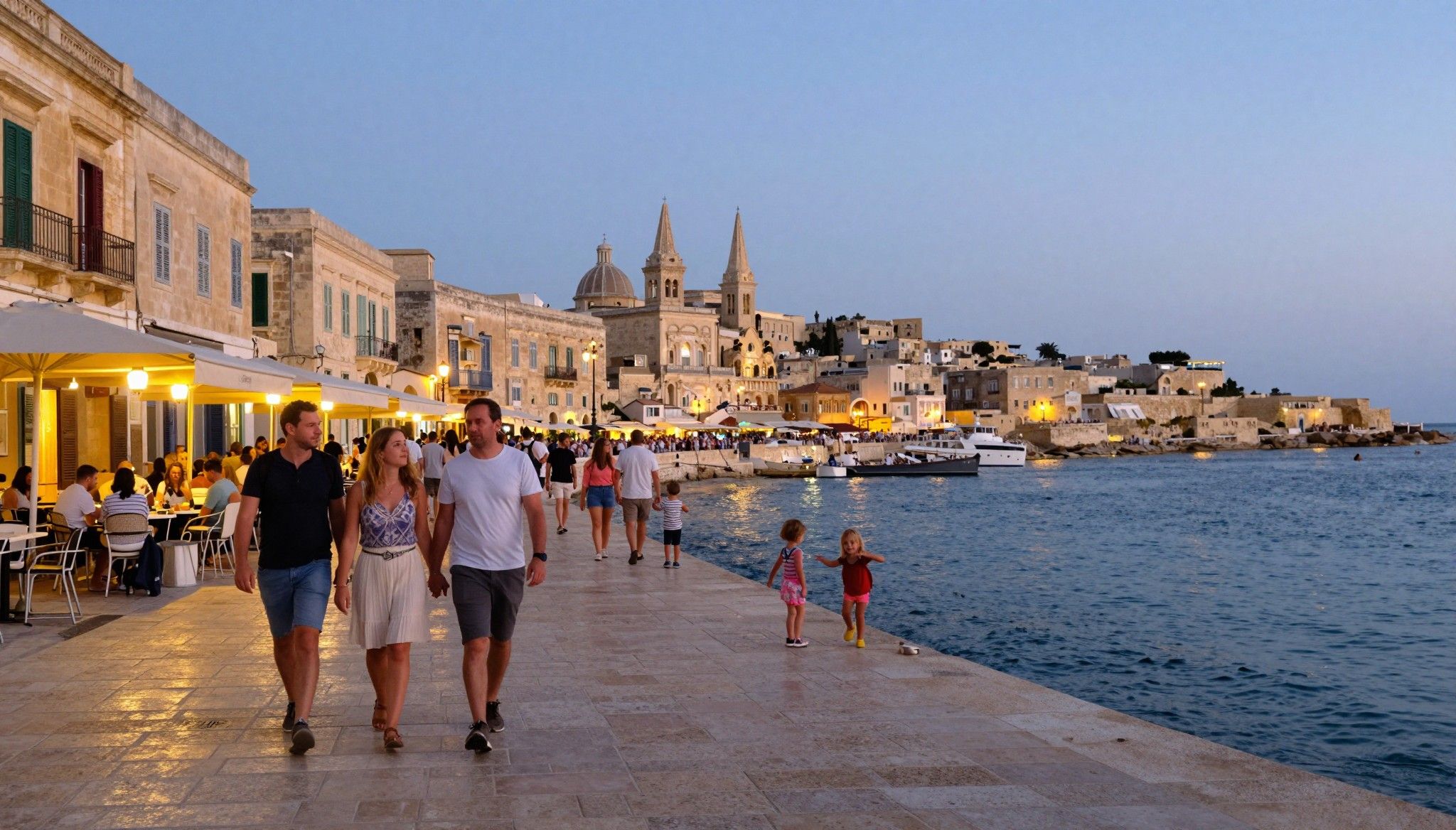
If you picture espresso at Zagreb’s Tkalčićeva and gallery openings, you’ll value compact apartments with good insulation and access to year‑round services. If you dream of Hvar’s lavender and sunset moorings, expect a more seasonal pace: lively in May–September, quieter the rest of the year. Each choice implies different property types and income profiles.
Food, markets and micro‑neighborhoods
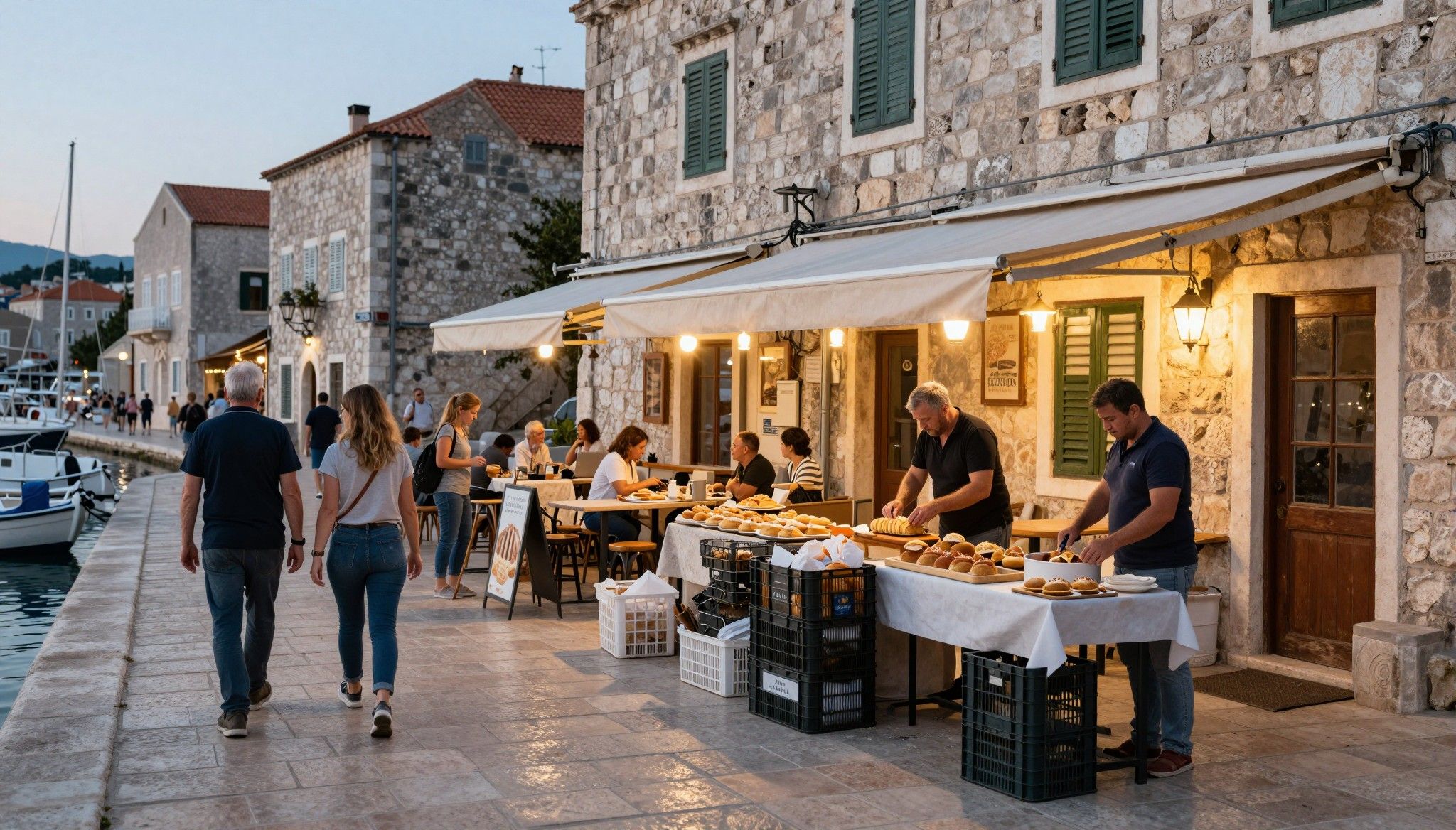
Picture buying fish at Split’s Pazar at dawn, sharing a table at Cafe Luxor, then buying a renovated Dalmatian stone apartment nearby. These micro‑moments define where locals choose to live and where prices cluster. Seek streets with daily life — bakeries, markets and small grocers — not only proximity to a tourist promenade.
- Lifestyle highlights you’ll actually use
- Morning market runs (e.g., Split Pazar, Zagreb Dolac)
- Island boat access and mooring options (Hvar, Brač, Korčula)
- Hidden pebble beaches outside Dubrovnik’s Old Town (e.g., Lapad coves)
Making the move: lifestyle meets market reality
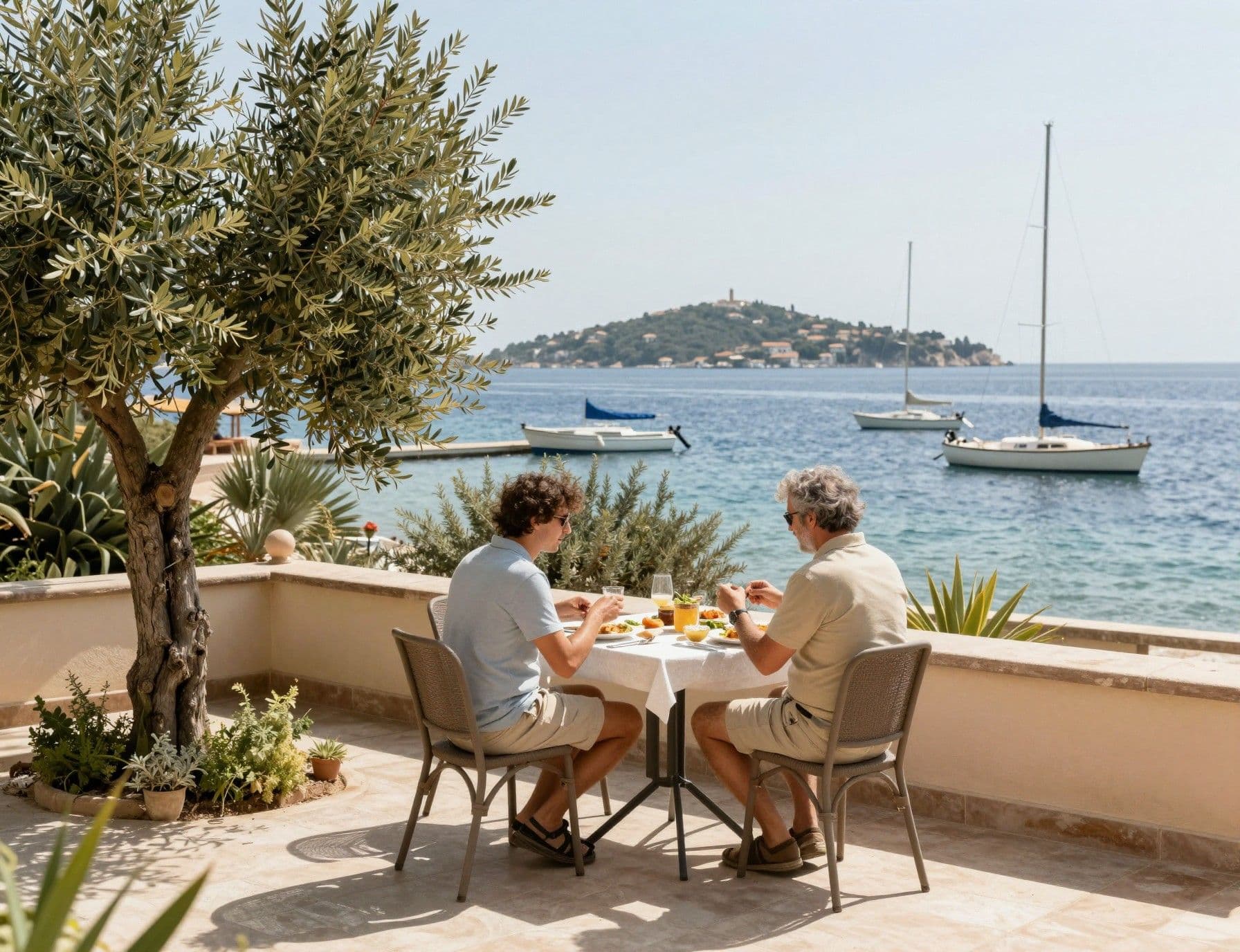
The coastal fantasy collides with measurable trends: Croatian house price indices have recorded notable increases in recent years, driven by limited coastal supply and elevated tourism demand. Pair lifestyle priorities with data — price growth patterns, seasonal rental yields and property type liquidity — to avoid being seduced by a single dramatic view.
Property styles and how you’ll live in them
Stone townhouses near Diocletian’s Palace fit buyers after a repair‑project lifestyle; new‑build seafront apartments suit those wanting immediate low‑maintenance living and rental management. Consider insulation and AC for summer heat, storage for winter months, and accessibility if you want year‑round residency versus seasonal escape.
Work with local experts who match your life, not just lead‑gen
A trusted lawyer and an agency with island experience are non‑negotiable. They’ll check land registry entries, reciprocity rules for non‑EU buyers, and whether the property’s title allows tourist rentals. Choose advisors who can show neighbourhood use patterns — not just glossy photos.
- Practical, lifestyle‑aware steps to shortlist a property
- Visit outside peak months to test local services and noise levels — October–April reveal the true year‑round life.
- Ask for neighbour profiles: how many units are owner‑occupied vs holiday‑rented and whether owners are locals or investors.
- Confirm utility performance (water pressure, waste collection) and broadband speeds; remote work is possible but location matters.
Insider knowledge: what expats wish they’d known
The common surprise is less about paperwork and more about lifestyle gaps: bakeries close earlier, island doctors vary by season, and parking can be the deciding factor between a relaxed life and daily hassle. Expat communities cluster around repeatable conveniences — supermarkets, reliable clinics and year‑round cafes.
Language, local customs and social life
A little Croatian goes far: hello (dobar dan), thank you (hvala), and basic shopping phrases build goodwill. Expect slower administrative rhythms and value personal introductions — a neighbour’s referral often unlocks the best local tradespeople.
Long‑term view: what keeps life sustainable
Look for towns investing in year‑round culture and infrastructure (local festivals, upgraded marinas, winterised services). Properties in towns with municipal investment tend to hold value better and offer rental returns outside peak months.
- Red flags experienced buyers avoid
- Unregistered extensions or unclear ownership chains
- Properties marketed as “sea‑view” but with limited year‑round accessibility
- Promised rental yield projections with no evidence of off‑season demand
If you want to move forward, start with a short research trip timed outside July–August and bring a checklist: land registry extract, utilities check, neighbour interviews and a trusted lawyer’s red‑flag list. Agencies that translate lifestyle signals into legal checks are the ones who protect the life you imagine.
Conclusion: Croatia is a life you can buy — but only if you buy the right life. Balance the irresistible coastal scenes with data on seasonality, title clarity and local services. Plan visits in quiet months, prioritise advisors with island and city experience, and let lifestyle desires shape, but not blind, your decisions.
Norwegian market analyst who relocated to Mallorca in 2020. Focuses on data-driven market insights and smooth relocation for international buyers.