Italy: Lifestyle-Led Neighbourhood Comparison
A lifestyle-led comparison of living rhythms across Italy’s cities, coasts and villages, paired with street-level market signals and expert sources to buy with confidence.
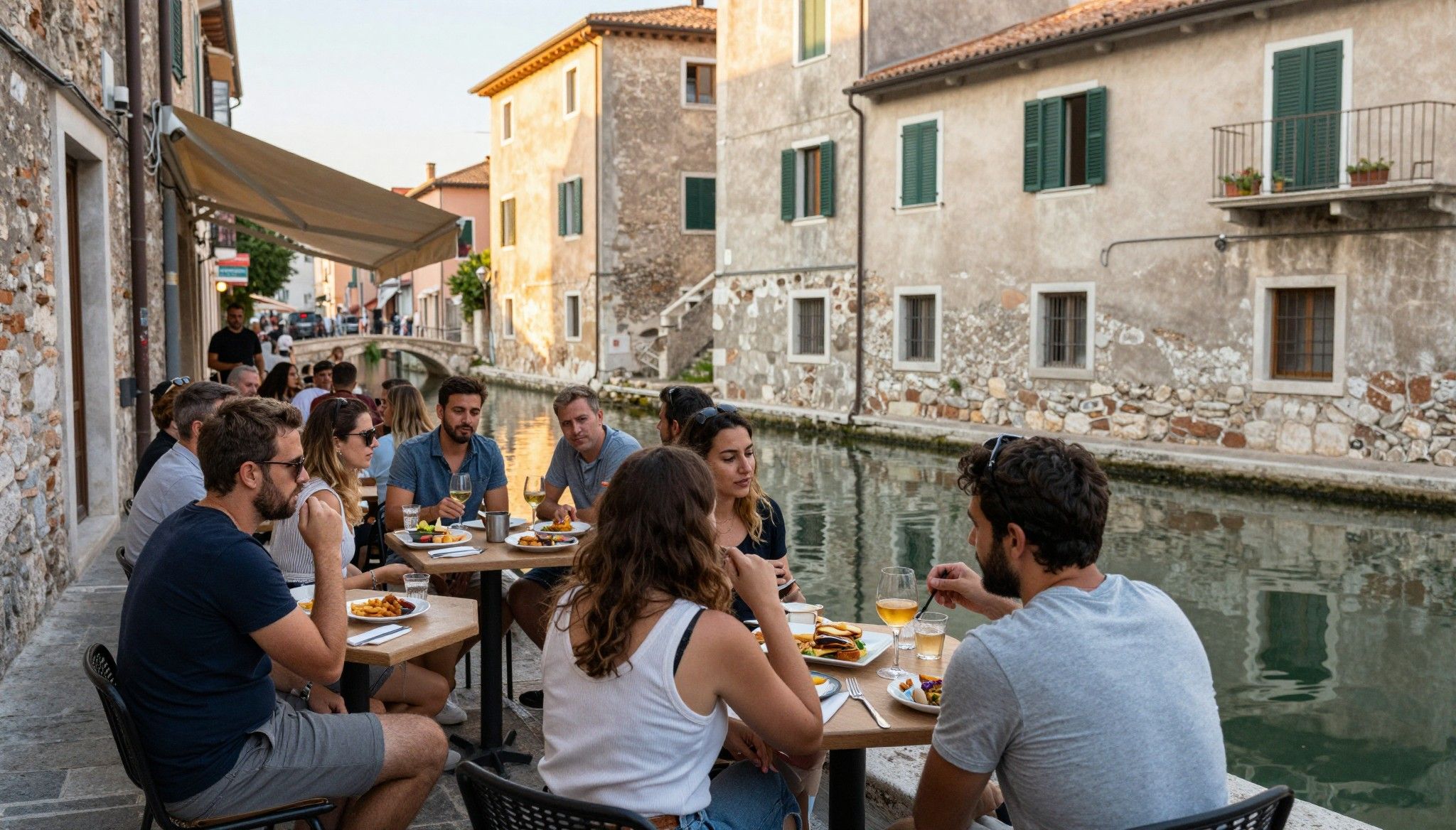
Imagine waking to a bakery bell on Via dei Coronari in Rome, sipping an espresso at a canal-side table in Venice’s Dorsoduro, then scanning village listings in Puglia between calls — that sensory, slow-moving rhythm is Italy. For international buyers the romance is real: markets that mix centuries-old fabric with modern lifestyle amenities, each region offering a distinct daily tempo. But romance without context becomes risk: buyers must pair feeling with facts — seasonal rhythms, neighbourhood micro-markets and local paperwork. This piece is a lifestyle-first comparison of what life in Italy actually feels like and the practical signals you should watch before making an offer.
Living the Italy life — more than a postcard
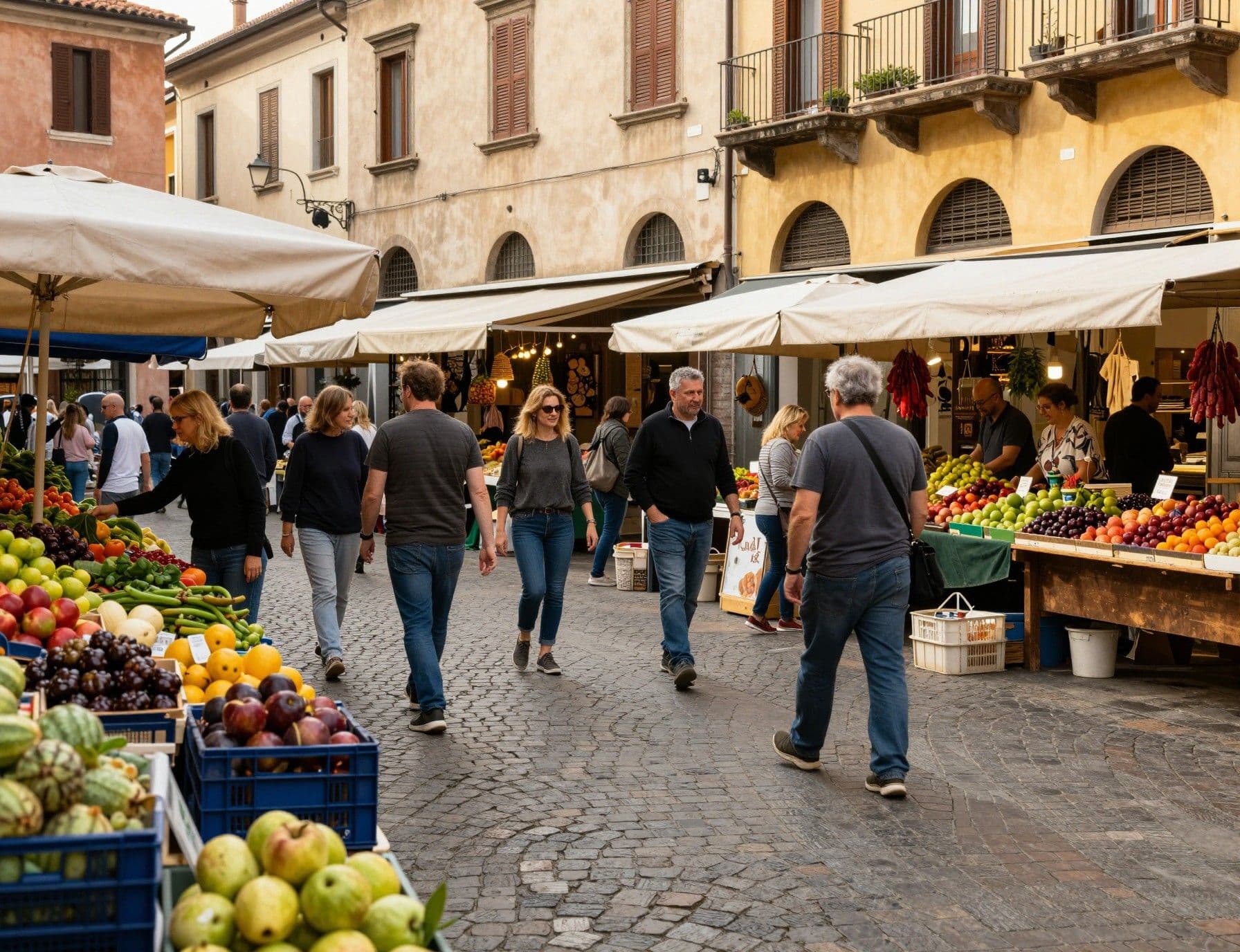
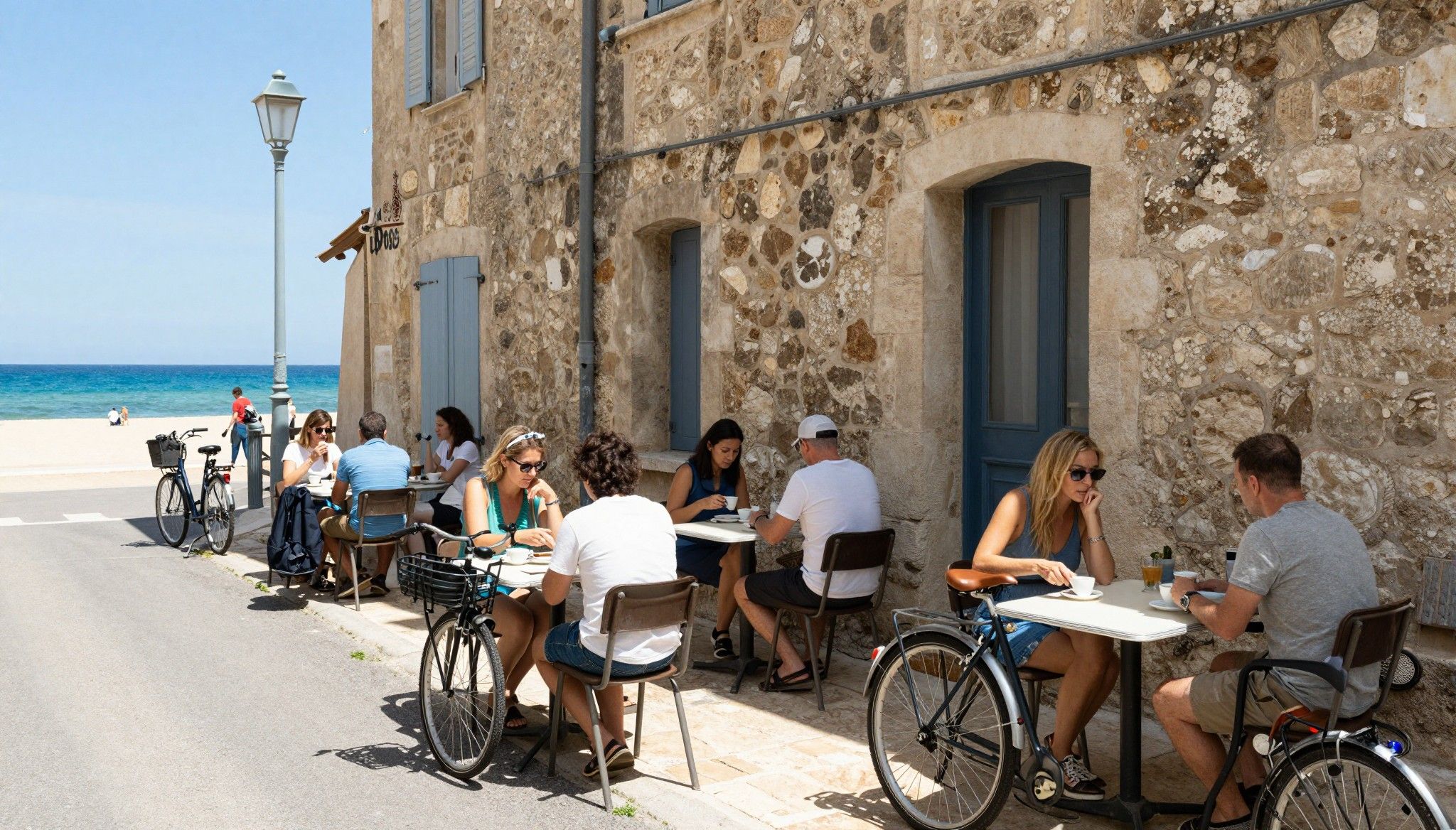
Italy isn’t one lifestyle but many: Milan’s brisk design cafés, Florence’s Renaissance afternoons, Liguria’s narrow seaside alleys and Sardinia’s white sand intimacies. Each place sets daily habits — morning markets in Palermo, aperitivo hour in Milan’s Navigli, sunset swims on the Amalfi coast — and those habits shape what property works. Data confirms steady interest in high-quality dwellings: luxury and lifestyle-led segments have maintained demand even as broader markets moderate. For buyers, this means matching the neighbourhood rhythm to how you want to spend your days, not to a postcard image.
City pulse vs coastal slow: where you’ll live
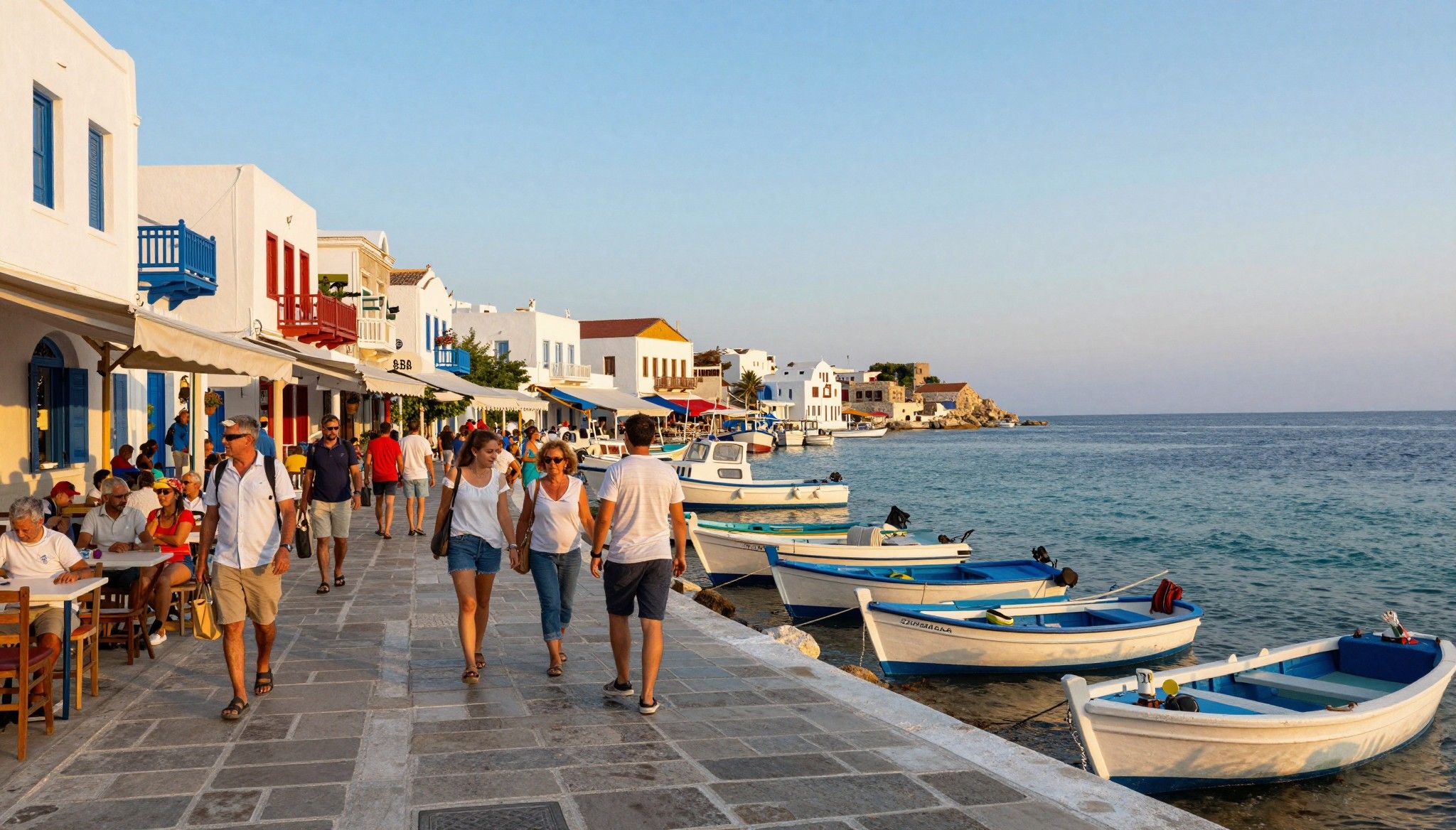
Pick Milan if you want a compressed, 9–5 creative energy: coworking cafes, designer showrooms and direct flight connections across Europe. Choose coastal Liguria or Amalfi if your day revolves around sea, narrow lanes and seasonal tourism; summers are busy, winters hush. Smaller towns in Tuscany or Le Marche trade immediate conveniences for farmland, markets and community rituals — think weekly market barter and neighbourly pasta exchanges. Understanding this tempo translates directly into which property type keeps you happy year-round.
Food, ritual and neighborhood life
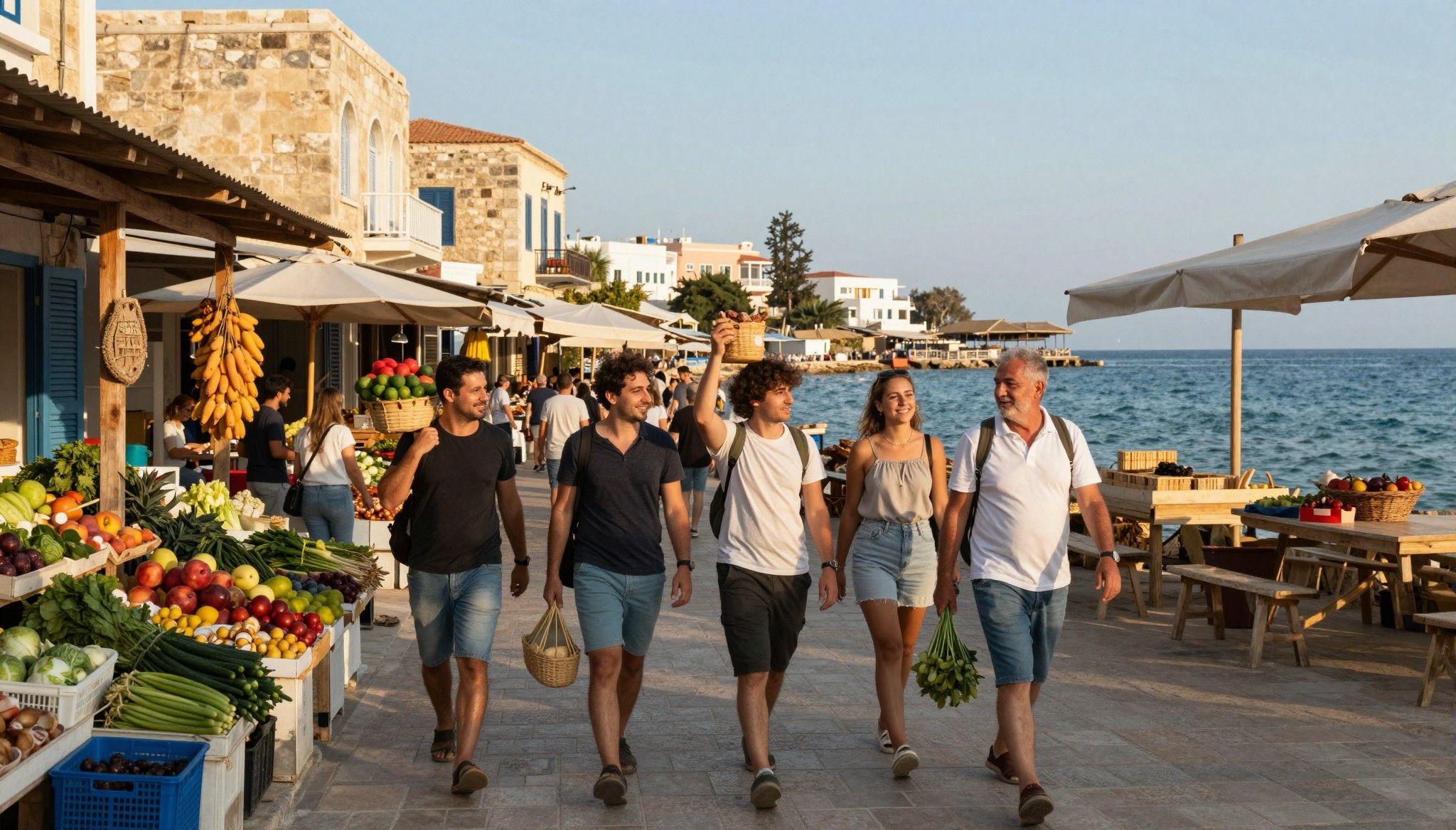
Eating punctuates Italian life — Mercado di Campo de' Fiori in Rome at dawn, aperitivo in Trastevere at dusk, fish markets in Sicily at first light. These rituals are where neighbours meet and where good properties reveal themselves: hands-on market access, a reliable espresso bar and a piazza within walking distance. Tourism data shows domestic and international visitors cluster seasonally, so the liveliness of an area can swing dramatically over months. Buy with those swings in mind: a central café may be your community anchor or a seasonal bustle that fades come October.
Market-square essentials: Campo de' Fiori (Rome), Navigli (Milan), Dorsoduro (Venice), San Frediano (Florence), Porto Venere (Liguria), Polignano a Mare (Puglia).
Making the move: lifestyle-aware practicalities
The dream must meet market signals: Italy recorded year‑on‑year price increases in recent quarters while activity rose — a reminder that desirable, lifestyle-led pockets carry a premium. National statistics (Istat) and major broker reports (CBRE, Nomisma) show moderate growth concentrated in prime city and coastal segments. That makes timing and neighbourhood choice critical: offer too low in a hot micro-market and you lose the property; overpay in a sleepy village and liquidity may be limited. Blend lifestyle fit with local pricing data before you bid.
Property types and how they feel day-to-day
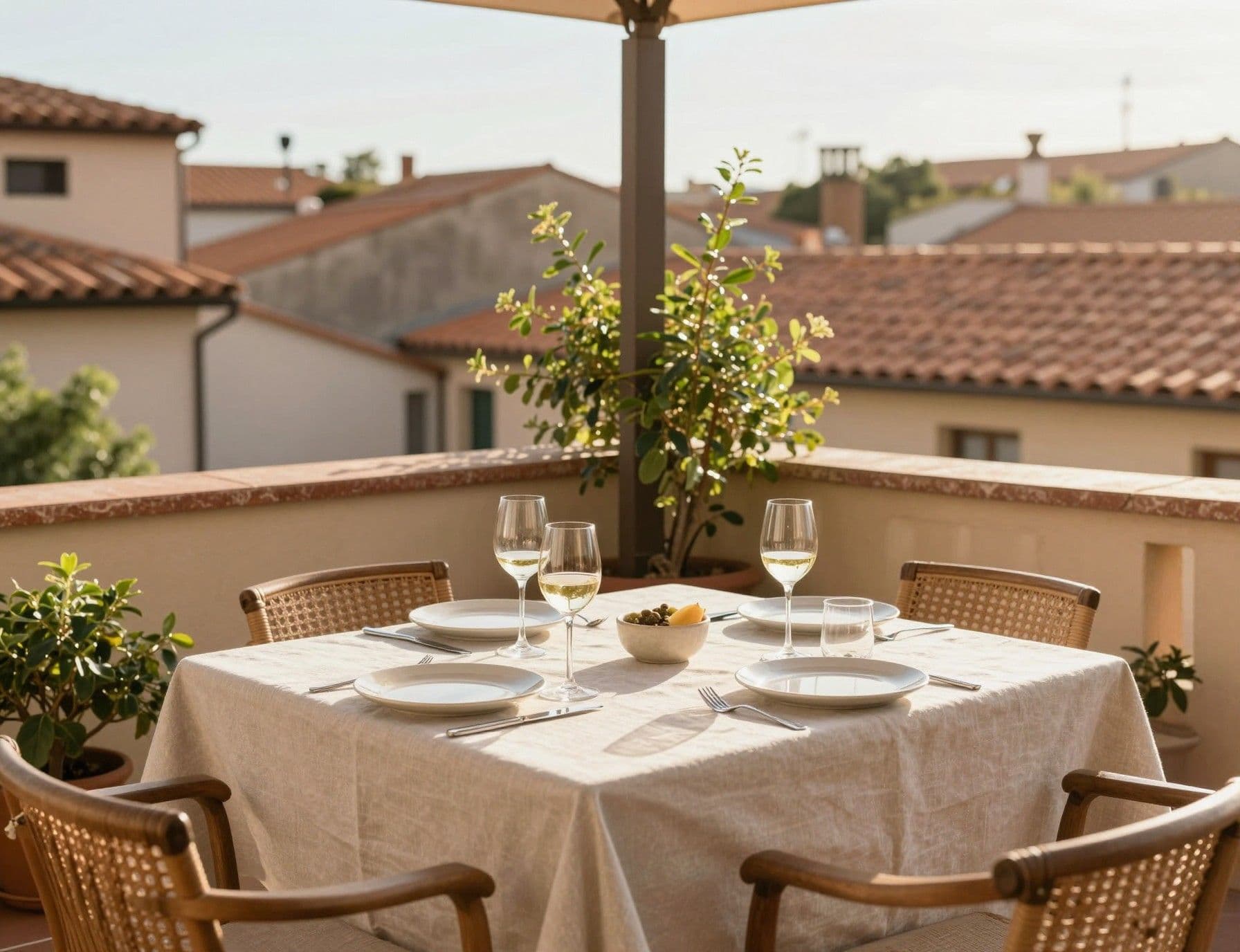
Historic centro apartments offer morning light, walking access and a compact, atmospheric life — but expect stairs, older plumbing and strict renovation limits. Seaside villas buy you terraces and sealight but require maintenance, salt-resistant finishes and season-aware rental plans. Converted farmhouses in Tuscany give land, vineyards and quiet, yet distance from services changes weekly routines. Choose by the life you want to live: terrace dinners and neighbour chatter, or private land and long drives to markets?
Working with local experts who know the rhythm
A local agent who knows the piazzas and the permit office shortens the learning curve. Good agencies translate lifestyle wishes into search parameters — for instance, 'quiet street with a market within 10 minutes' — and flag hidden costs like condominium restoration funds or seasonal rental rules. Use agencies as lifestyle scouts: ask for recent comparable sales within the street, rental demand data by month, and any upcoming municipal projects that could change the neighbourhood's tempo.
Six steps that blend lifestyle with practical action: 1) Map daily life: note your walk-to-coffee, market and transport radii. 2) Request street-level comparables from agents, not just area averages. 3) Inspect seasonally (visit in low and high season if possible). 4) Confirm renovation constraints and energy improvements with the local comune. 5) Check short-term rental rules if you plan to let seasonally. 6) Arrange local legal review for contract and inheritance implications.
Insider knowledge: what expats wish they'd known
Expats often discover the same truths: language accelerates integration; small gestures — knowing barista names, learning collection days for waste — open social doors; and seasons change everything. High tourist months can inflate rental yields but also bring noise, crowds and service variability; conversely, off-season living reveals true neighbourhood character. Many buyers wish they had stayed a month in the neighbourhood before committing — a simple way to test rhythm, noise and community before paperwork.
Cultural cues that shape where you settle
In Italy, the social map often follows piazzas, churches and markets rather than transport lines. If you prize sociability, prioritise central squares and neighbourhood cafés; if privacy matters, look for courtyard apartments or upper-floor terraces. Understand that renovation etiquette and municipal rules vary by region — what’s routine in Emilia-Romagna can be bureaucratic in Liguria — and a local architect or geometra becomes invaluable during renovation planning.
Long-term lifestyle questions
Ask whether the neighbourhood will sustain your lifestyle as you age: proximity to healthcare, a reliable grocery and local services matter more than a view. Data-driven forecasts suggest modest national growth ahead, but local dynamics — regeneration projects, improved rail links, or incoming schools — can change desirability quickly. Think five to ten years ahead: will the piazza still host the same vendors? Will a new station shorten your commute? Those shifts determine both joy and resale value.
Red flags to watch before signing: • Unclear ownership chains or absent land registry extracts. • Large, imminent condominium restorations without clear funding. • Properties advertised consistently year after year at the same price. • Lack of energy performance certificate (APE) or hidden structural issues. • Municipal restrictions on short-term rentals if you plan seasonal lets.
Italy repays the patient buyer. Live the days here first, use local experts to translate lifestyle into search criteria, and pair that with street-level data and municipal checks. If the idea of weekly markets, afternoon passeggiata and terrace dinners still calls you, start with a two-week stay in your target neighbourhood, request comparable sales from an agent, and commission a local pre-purchase survey. A life well-lived in Italy begins with curiosity and careful local work.
Next steps: plan a neighbourhood visit in high and low season, ask an agent for street‑level comparables and rental seasonality, and commission a local notary/legal review before making an offer. Use lifestyle checks — morning market, evening aperitivo, weekday noise — as seriously as price per square metre. When done thoughtfully, buying in Italy becomes less about owning an asset and more about buying a life.
Danish relocation specialist who has lived in Barcelona since 2016. Helps families move abroad with onboarding, schooling, and local services.