France: Lifestyle Signals Behind Price Trends
Fall in love with France's daily rhythms while using INSEE and Notaires data to match lifestyle to durable property value across regions.
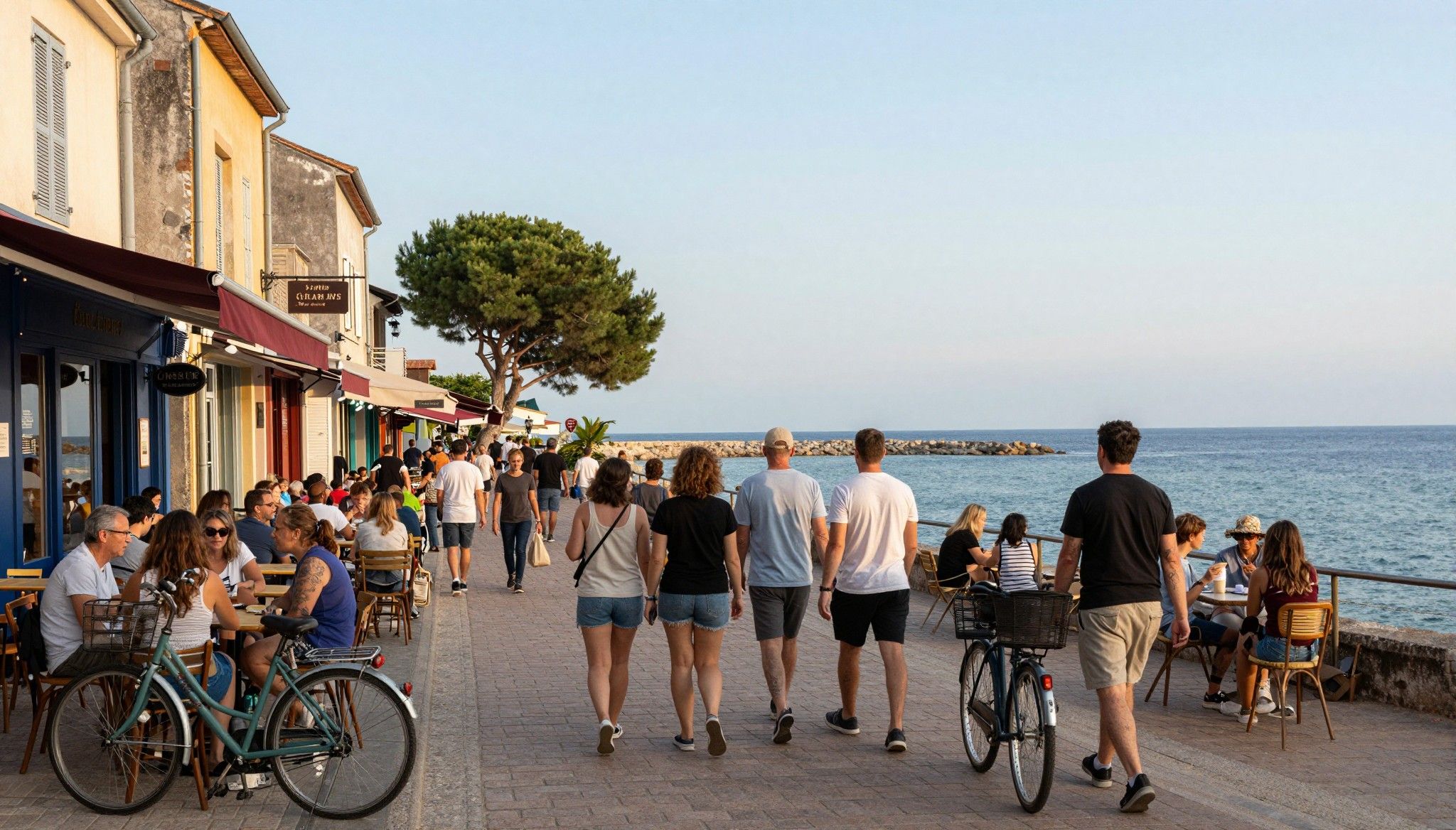
Imagine waking in an apartment on Rue des Martyrs, buying warm baguettes at a market stall, then pausing at a corner café while property listings ping on your phone. That mix — everyday ritual, layered history and reliable infrastructure — is what draws people to France. But behind the poetry are measurable price cycles: some coastal towns and ski resorts raced back in 2024–25, while parts of Île‑de‑France only recently stabilised after corrections. This guide combines sensory, street‑level life with market signals international buyers need to decide where to plant roots.
Living the France lifestyle
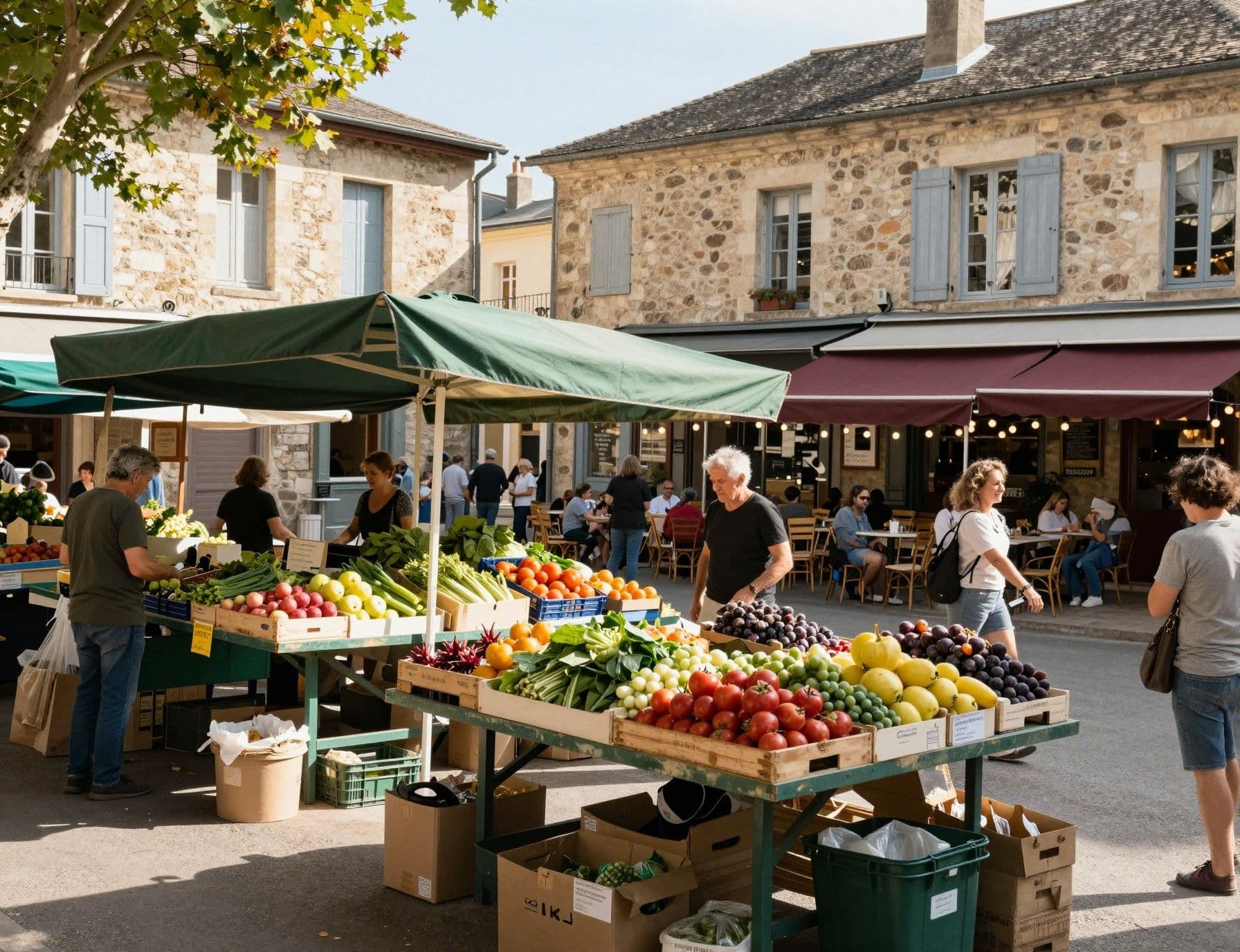
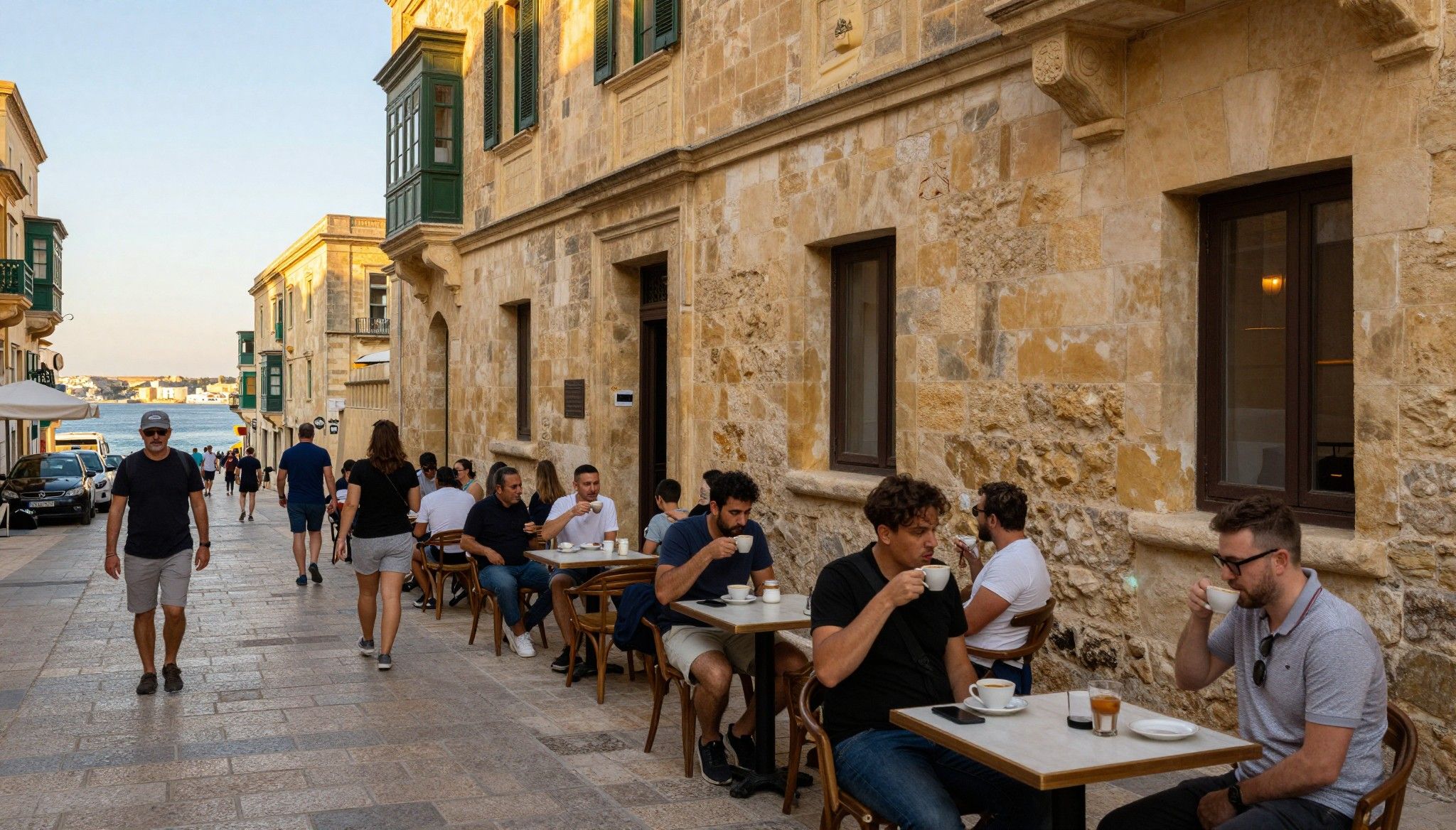
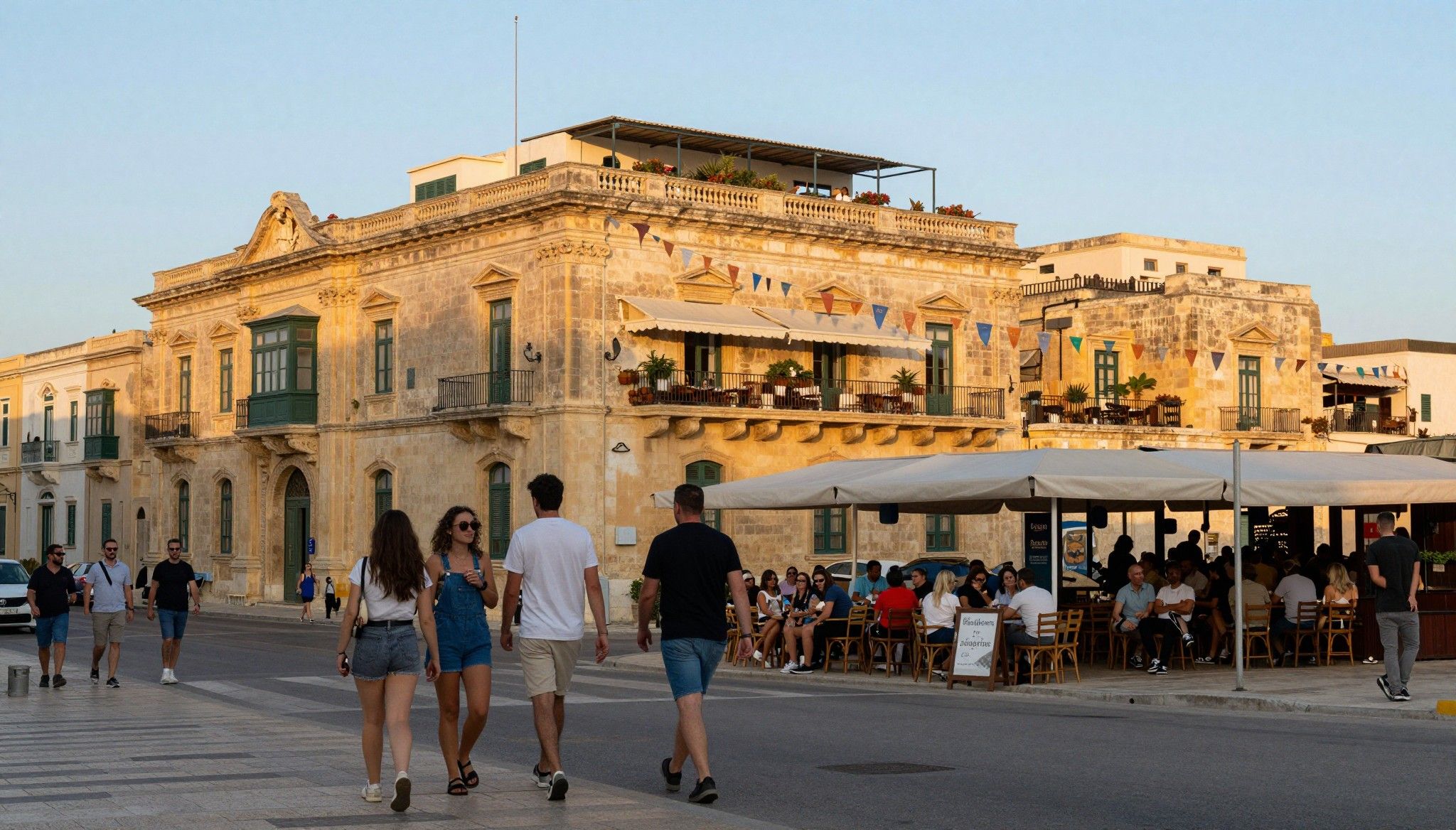
France lives in layers: morning markets and boulangeries, long lunch breaks in summer, and neighbourhoods that change block by block. In Paris you’ll hear morning cyclists and evening jazz; on the Côte d'Azur, the mood slides toward terraces and salt air; in Lyon, the gastronomic DNA shapes the weekend market ritual. Each rhythm affects the type of home you’ll want — a quiet courtyard flat, a seaside apartment with shutters, or a village house with a vegetable patch — and how resilient its value is to national movements in prices.
Neighborhood spotlight: Paris' 10th vs. 16th arrondissement
Walk from Canal Saint‑Martin (10th) and you’ll find small bakeries, canal benches and a mix of renovated workshops-turned‑flats; prices here reward lifestyle seekers and short‑term rental demand. In contrast, the 16th offers wide boulevards, quiet parks and larger apartments that appeal to families and long-term stability. Recent data show Paris remained segmented in 2024–25: central arrondissements kept high per‑m² levels while outer suburbs corrected more steeply, so choose by daily life, not just headline city averages.
Food, markets and seasonality: life that shapes value
The weekly market in Aix‑en‑Provence or Bayonne does more than fill your fridge — it animates neighbourhood demand. Notaires’ reports for 2025 show increased transaction volumes in many regional centres after earlier falls, meaning areas with strong local culture and regular markets often lead recoveries in activity and prices. For buyers this means lifestyle anchors — markets, schools, transport hubs — are as important as short‑term price headlines.
- Lifestyle highlights to watch (real places and rituals)
- Sunday market at Cours Saleya (Nice) — café life and local produce that keep neighbourhood demand steady
- Morning espresso at Café de Flore (Saint‑Germain) — signals an area’s enduring international appeal
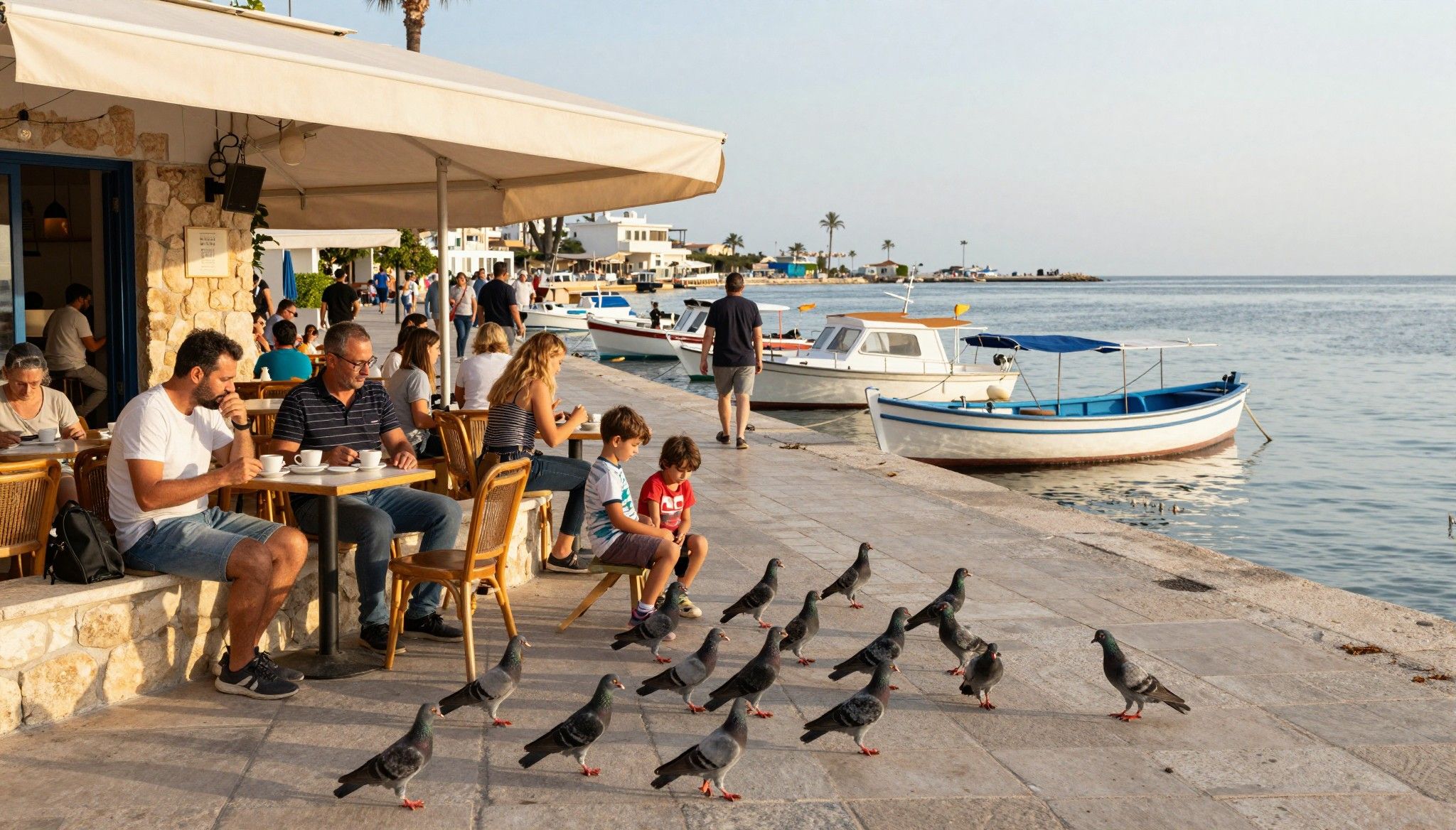
- Seafront promenades in Biarritz — lifestyle + seasonal rental premium in summer months
- Village fêtes and harvest markets in Dordogne — slower markets but strong long‑term buyer interest
Making the move: practical considerations tied to lifestyle
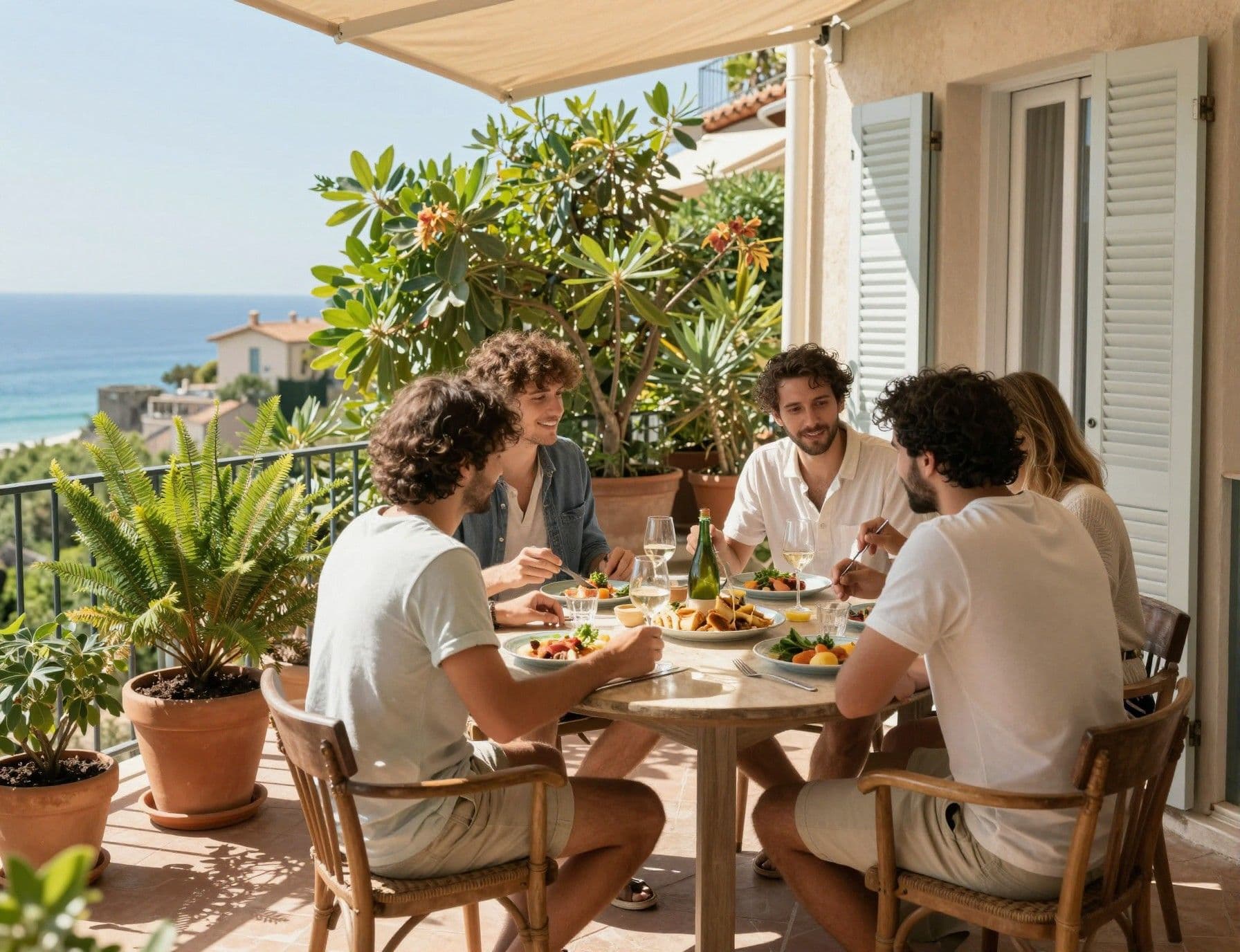
Beautiful mornings and weekend markets are the dream; financing, timing and building type set the reality. After the 2023–24 corrections, INSEE reported prices for second‑hand dwellings began rising again in early 2025. That shift makes two things clear: (1) buying for lifestyle often aligns with buying in towns where demand recovered first, and (2) timing matters less than matching the property type to how you’ll use it — holiday rental, year‑round home, or hybrid.
Property styles and how they map to daily life
Century‑old apartments with high ceilings suit those who value neighbourhood charm and walkability; they command price premiums in established arrondissements. New‑build seaside apartments offer easier maintenance and energy efficiency — attractive to seasonal residents and lower running costs. Country houses in regions like Charente or Lot give garden life and lower per‑m² prices but carry maintenance and insulation considerations that affect long‑term cost.
Working with local experts who know the life, not just the listing
Agencies that live in the neighbourhood will steer you toward streets, cafés and schools that fit your daily routine — and they’ll read local market signals like supply bottlenecks that lift prime values. Savills’ 2025 research highlights that prime markets were resilient in H1 2025, underlining that well‑connected neighbourhoods often outperform headline averages.
- Steps to match lifestyle with durable value
- List your non‑negotiables (school run time, market proximity, seaside access) and rank them by daily impact.
- Visit neighbourhoods at different times — weekday mornings, Saturday markets, and weekday evenings — to test the rhythm you want.
- Ask your agent for local transaction data (three‑year trend by street or postal code) rather than city‑wide averages.
Insider knowledge: what expats wish they'd known
Expats often tell the same stories: they fell for a street, not a spreadsheet; they underestimated winter sunlight in the southwest; or they bought for summer when they needed a home for all seasons. Recent reporting shows larger cities resumed price growth in early 2026, but this masks the unevenness across smaller towns and coastal pockets. The lesson: marry local rhythm research with national indicators.
Cultural integration, language and daily rituals
French neighbourhood life rewards small gestures: learning basic greetings, shopping at the same market stall and timing your own pace to the local rhythm. That integration increases your enjoyment of the property and, over time, your ability to judge value — whether a renovation will pay off or if a flat’s rental appeal is seasonal.
Long‑term lifestyle: how life evolves after the move
Five years in, most buyers report their priorities shift: access to community services, reliable broadband, and neighbour relationships often outrank the initial love of a view. Buying with that horizon in mind—choosing a property that supports winter living, low maintenance or easy rental management—keeps both lifestyle and value aligned.
- Red flags local life reveals
- A street that’s quiet in summer but deserted in winter — can indicate weak year‑round rental demand
- Limited local services (no nearby grocery or pharmacy) — small daily frictions that erode long‑term happiness
Final thoughts and next steps
France offers a rare blend: place‑specific daily life and long‑term market depth. Use national indicators (INSEE, Notaires) to see the broad cycle, but choose by block, not by headline. Visit in different seasons, prioritise neighbourhood rituals you want to keep, and work with an agent who measures streets, not stereotypes. When lifestyle and data agree, you’ll buy from a place of delight — and defensible value.
Dutch investment strategist with a Portugal-Spain portfolio. Expert in cross-border financing, rights, and streamlined due diligence for international buyers.