Italy: Live the Rhythm, Plan the Details
Italy offers a mosaic of lifestyles — from Milan’s design pulse to coastal villages — but smart buyers pair romantic vision with local due diligence and regulatory planning.
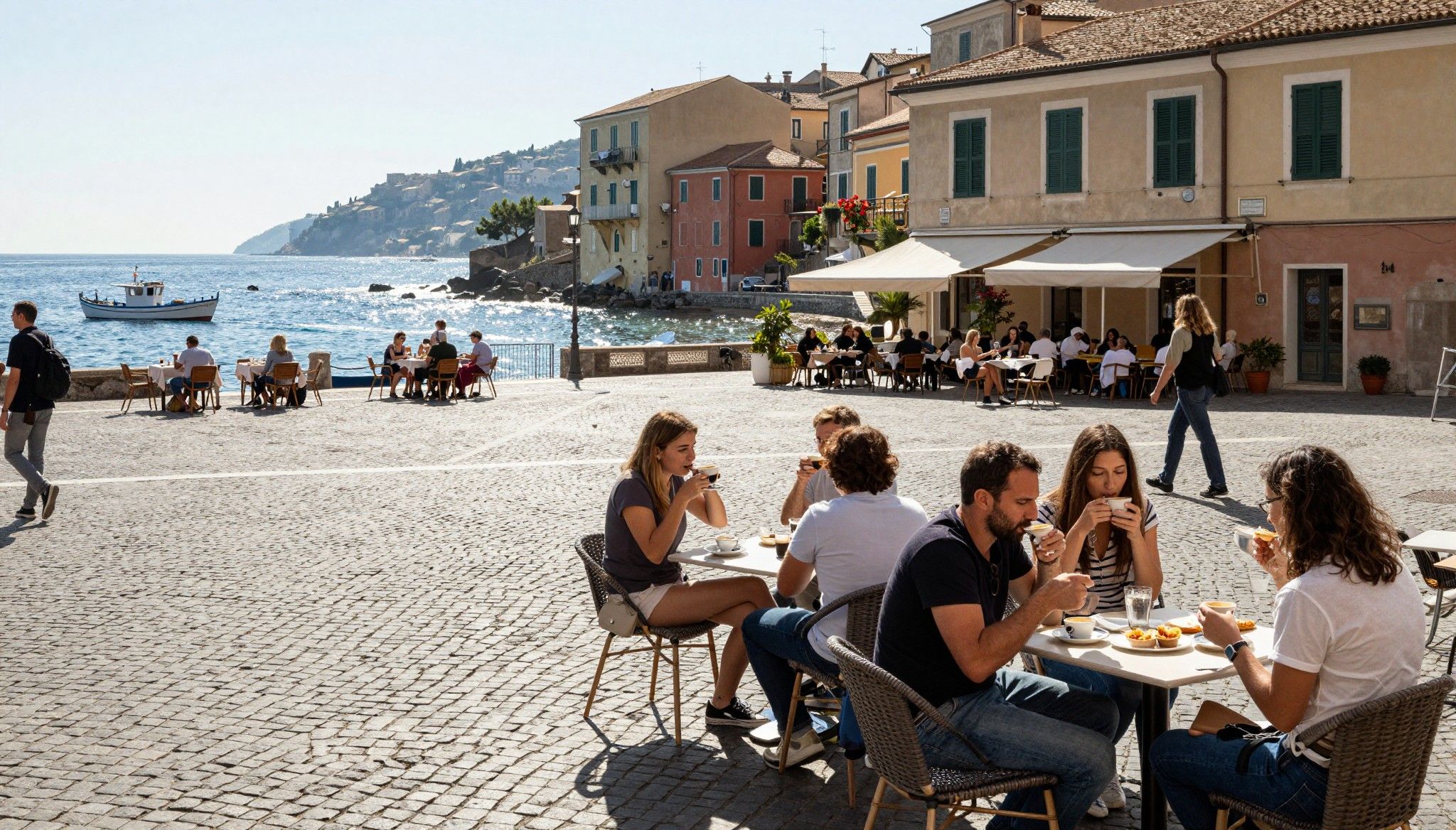
Imagine stepping out at 09:00 to buy morning bread on Via dei Condotti, then slipping into a tiny bar for espresso as the city hums around you — scooters, church bells, and a market seller calling out the day’s catch. That rhythm — slow afternoons in piazzas, intense cultural weeks, and effortless meals shared outdoors — is why buyers fall for Italy before they ever sign a contract. Yet the choices you make (neighborhood, building age, heating type) shape whether that romance becomes everyday life or a recurring holiday.
Living the Italy lifestyle
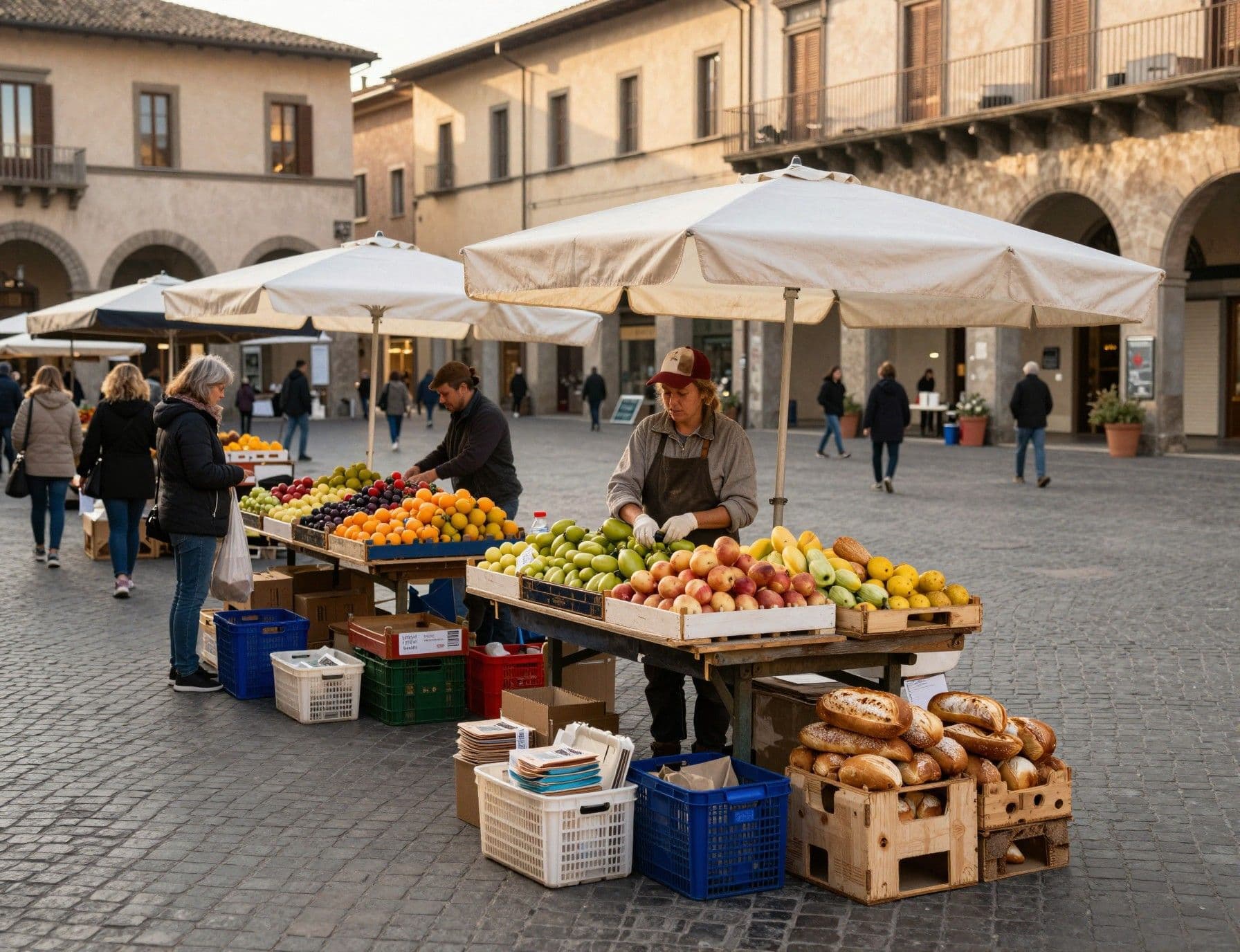
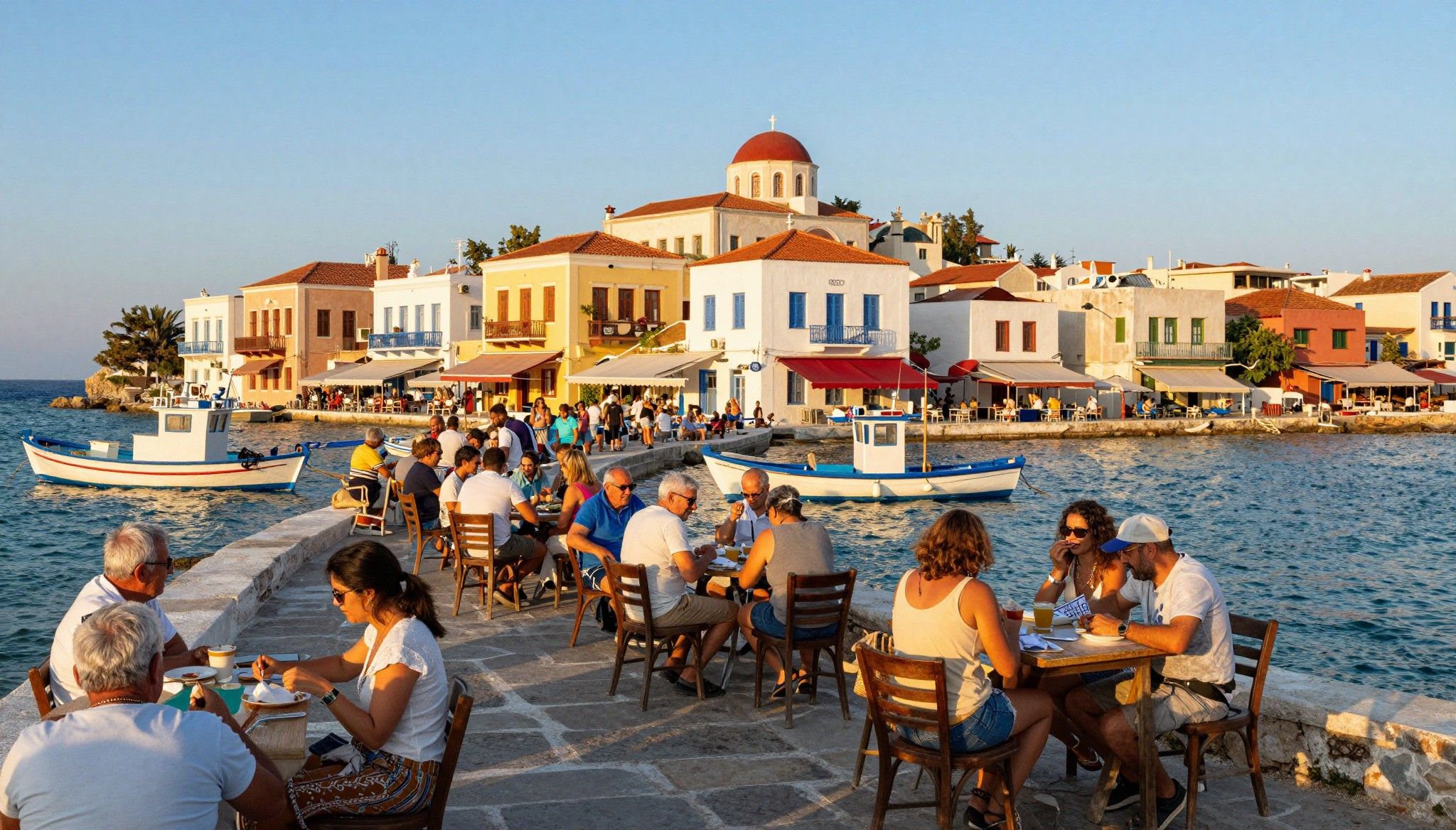
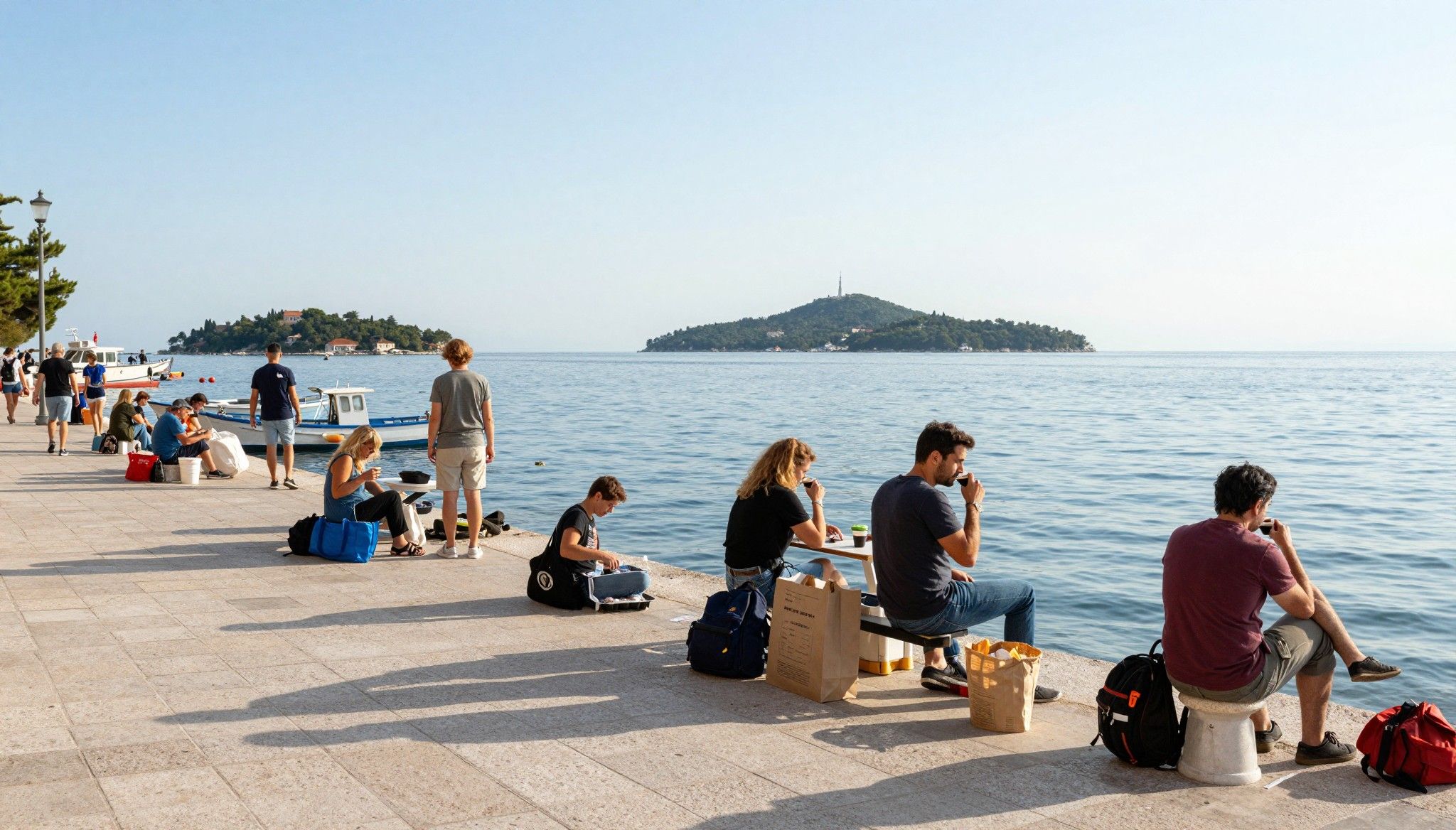
City squares, coastal promenades and olive-grove afternoons: living in Italy feels like a series of perfectly lit vignettes. Milan offers an urban, design-driven tempo; Florence folds you into centuries of artisan life; Rome mixes monuments with neighborhood intimacy; and coastal towns from Liguria to Puglia bring a daily cadence of sea, market and aperitivo. Each place has its own voice — and your daily life will be closer to that voice than to any travel brochure.
Milan: work, coffee and canals by interchangeable seasons
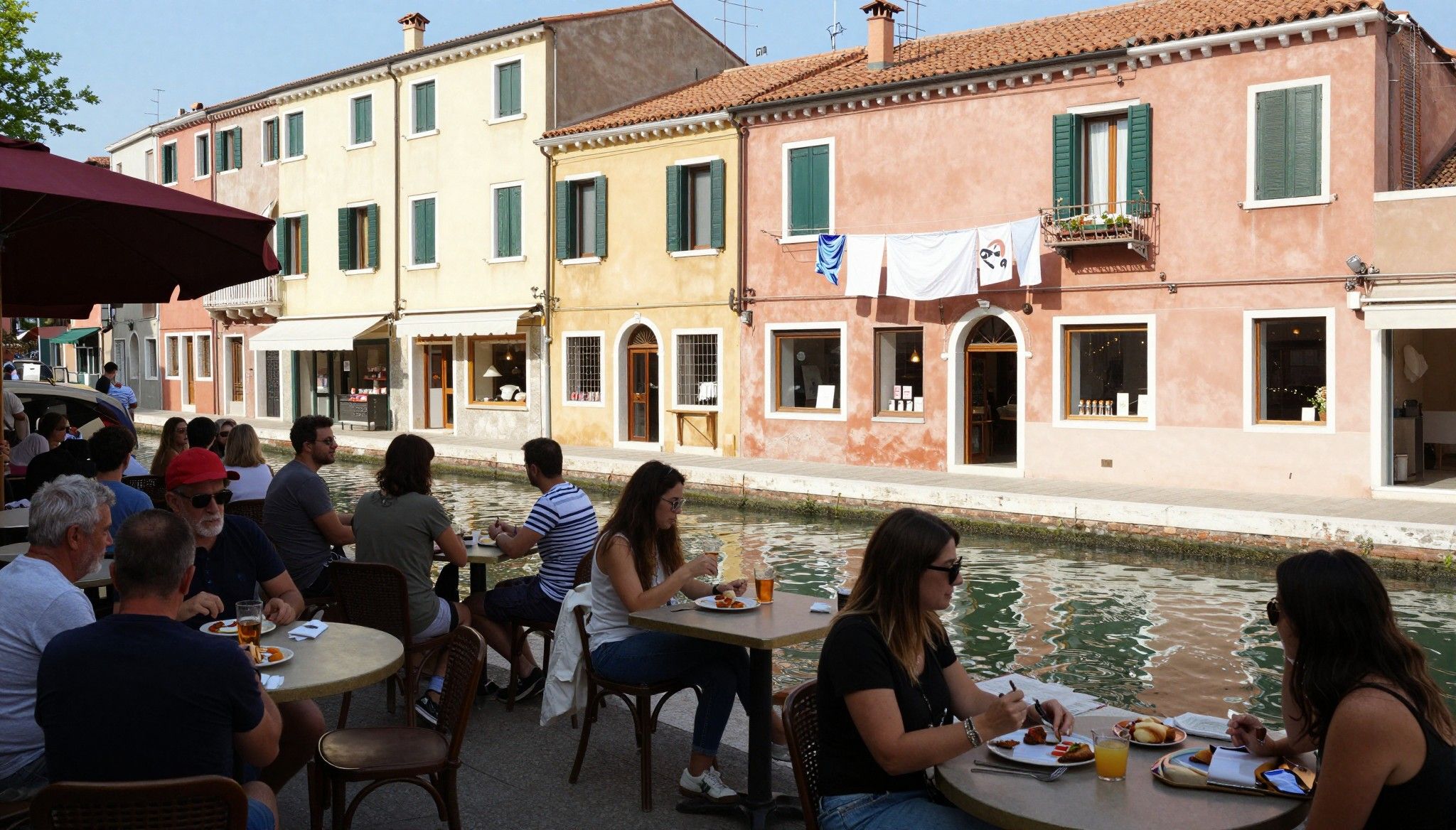
In Navigli you’ll hear live jazz spill out from canal-side bars; in Brera, gallery openings and late-night risottos define the week; Porta Romana quietly balances Bocconi students with families. Milan’s compact scale makes it possible to have an international career and a neighborhood where shopkeepers know your name. For many internationals, Milan is the city that lets you keep a busy professional life while enjoying Italy’s rituals — long lunches, punctual aperitivi and weekend escapes to Lake Como.
Florence & smaller cities: craft, markets and walkability
Florence’s Oltrarno retains artisan shops where leatherworkers and restorers still work by hand; mornings begin at the Mercato Centrale and end at a trattoria where the staff treat you like a neighbor. In smaller towns — Lucca, Lecce, Bergamo — life is measured in weekly markets, church festivals and communal lunches. These places reward buyers who want immediate connection to local life rather than a polished, international bubble.
- Lifestyle highlights: Passeggiata at dusk, neighbourhood trattorias, weekly food markets (Mercato Centrale, Mercato di Testaccio), canal-side aperitivi in Navigli, olive-harvest weekend experiences.
Making the move: practical considerations

The romance of Italian life meets a market that is pragmatic and increasingly regulated. House prices in major cities rose through 2024 and into 2025, and buyers now contend with energy-upgrade regulations, renovation costs and an eye toward rental demand. That means the lifestyle you want — central piazza, sea view, historic beams — must be balanced with a clear plan for maintenance, energy upgrades and local permitting.
Property styles and what they mean for daily life
A historic apartment in a palazzo gives morning light, thick walls and classic detail — but expect older plumbing, higher condominium fees and renovation permits. A modern conversion in Porta Nuova or Isola offers efficient systems, lifts and parking, but less of that lived-in, layered Italian character. Coastal villas come with outdoor life and gardens, but also exposure to salt air and maintenance needs. Choose the property that fits how you want to spend time: cooking in, hosting friends, or escaping to the sea on weekends.
Working with local experts who know the lifestyle
Local agents, architects and a bilingual notary (notaio) will be your filters between lifestyle vision and legal reality. Agents who specialise in expat needs can pre-check utility connections, condominium rules and rental potential; architects advise on energy upgrades that will be required under new EU and national rules. If residency is part of your plan, consult investor-visa specialists early — Italy’s Investor Visa has clear investment bands and documentation requirements that are easier to meet when the purchase and immigration timelines are aligned.
- Practical steps blending lifestyle and process: 1) Define the day-to-day lifestyle you want (walkable neighbourhood, sea access, artisan culture). 2) Shortlist neighbourhoods and visit in at least two seasons. 3) Commission a local due-diligence check (structural, legal, energy). 4) Align financing, notary and residency paperwork before making offers. 5) Budget 10–20% over purchase price for renovations and compliance upgrades.
Insider knowledge: what expats wish they'd known
Expats often tell the same stories: the magic arrives quickly, and the operational friction arrives next — slow bureaucracy, a heating system that fails in winter, or a noisy tourist street. Those are manageable if you know them in advance. Pick neighbourhoods where the rhythm matches yours: if you’re a morning person, avoid late-night nightlife districts; if you crave a garden, verify legal possibility for changes and ongoing maintenance costs.
Cultural integration and daily life
Language helps more than paperwork — even a few phrases open doors at the bar, market and local offices. Join neighbourhood clubs, church festivals or a language exchange to find friends faster. Many internationals find community around schools, sports clubs or weekly market stalls; others prefer co-working hubs in Milan and Rome to bridge professional ties with local life.
Long-term lifestyle and value
Look beyond the glamour and plan for durability: energy efficiency upgrades, seismic reinforcement in some regions, and a maintenance plan for historic features. These investments protect daily life (consistent heating, lower bills) and often raise long-term resale value. Early adopters who prioritise compliant, efficient properties can benefit from incentives and face less competition when regulations tighten.
- Red flags to watch for: unclear condominium minutes and unpaid levies, absence of clear energy certificates (APE), unresolved historic-heritage restrictions, and properties that require full rewiring without a reliable local contractor.
Conclusion: live the life, plan the details. Italy rewards buyers who marry lifestyle clarity with locally informed due diligence. Visit across seasons, work with an agent who knows the neighbourhood rhythm, and budget for upgrades that preserve both the home’s character and your daily comfort. When that balance is right, your days will feel less like a long holiday and more like the life you imagined at the start.
Dutch investment strategist with a Portugal-Spain portfolio. Expert in cross-border financing, rights, and streamlined due diligence for international buyers.