Croatia: Where price headlines hide buyer advantage
A lifestyle-first look at Croatia’s price trends: where rising headline prices hide buyer leverage, plus neighbourhood‑level checks to match life with value.
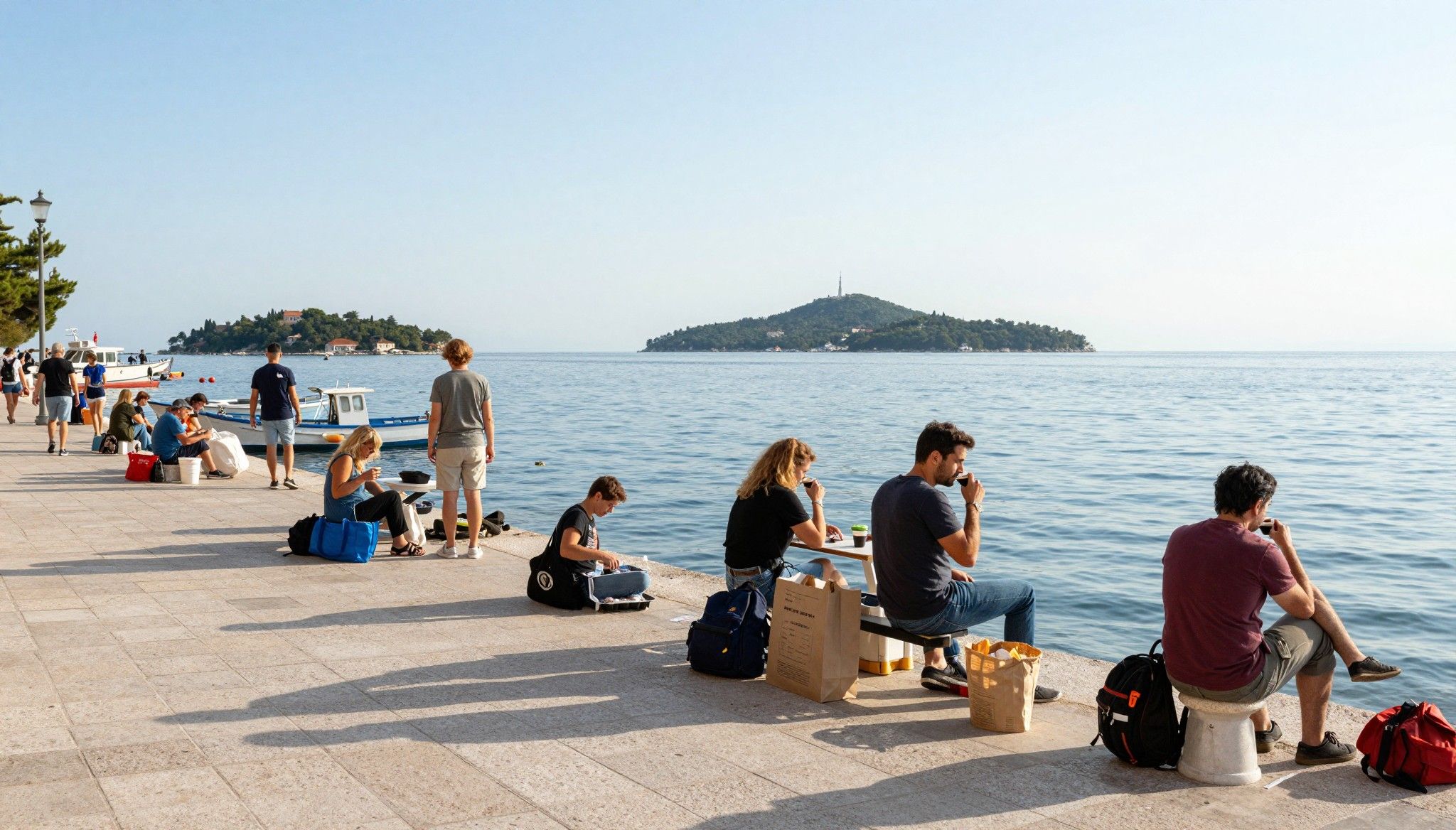
Imagine waking up to espresso steam and the distant chatter of fishermen on a Dalmatian quay, then stepping into a 19th‑century stone lane where a local bakery still folds warm burek by hand. Croatia sells that gentle, lived‑in Mediterranean life — but the price story behind it is more complicated than postcard headlines suggest.
Living Croatia: what daily life actually feels like
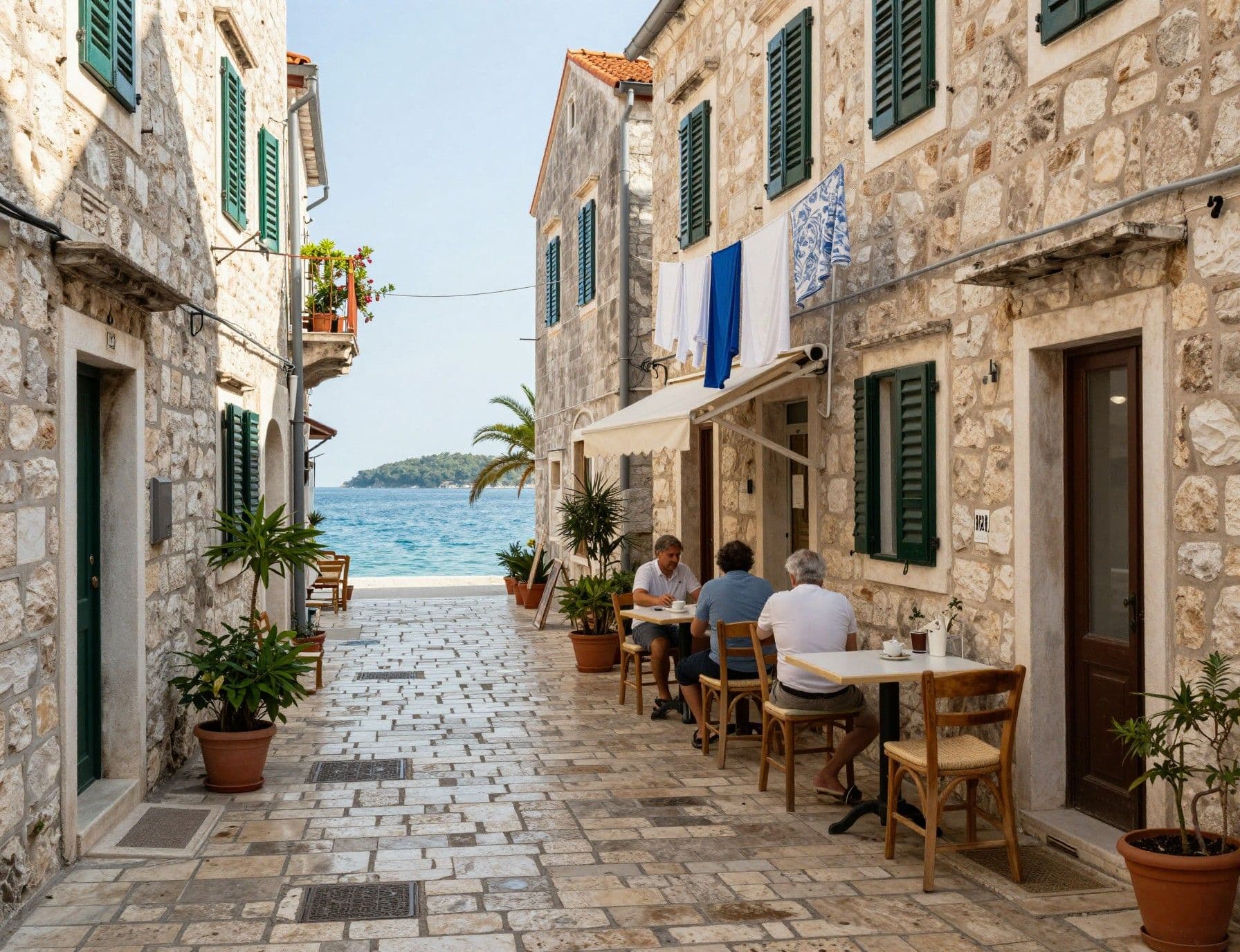
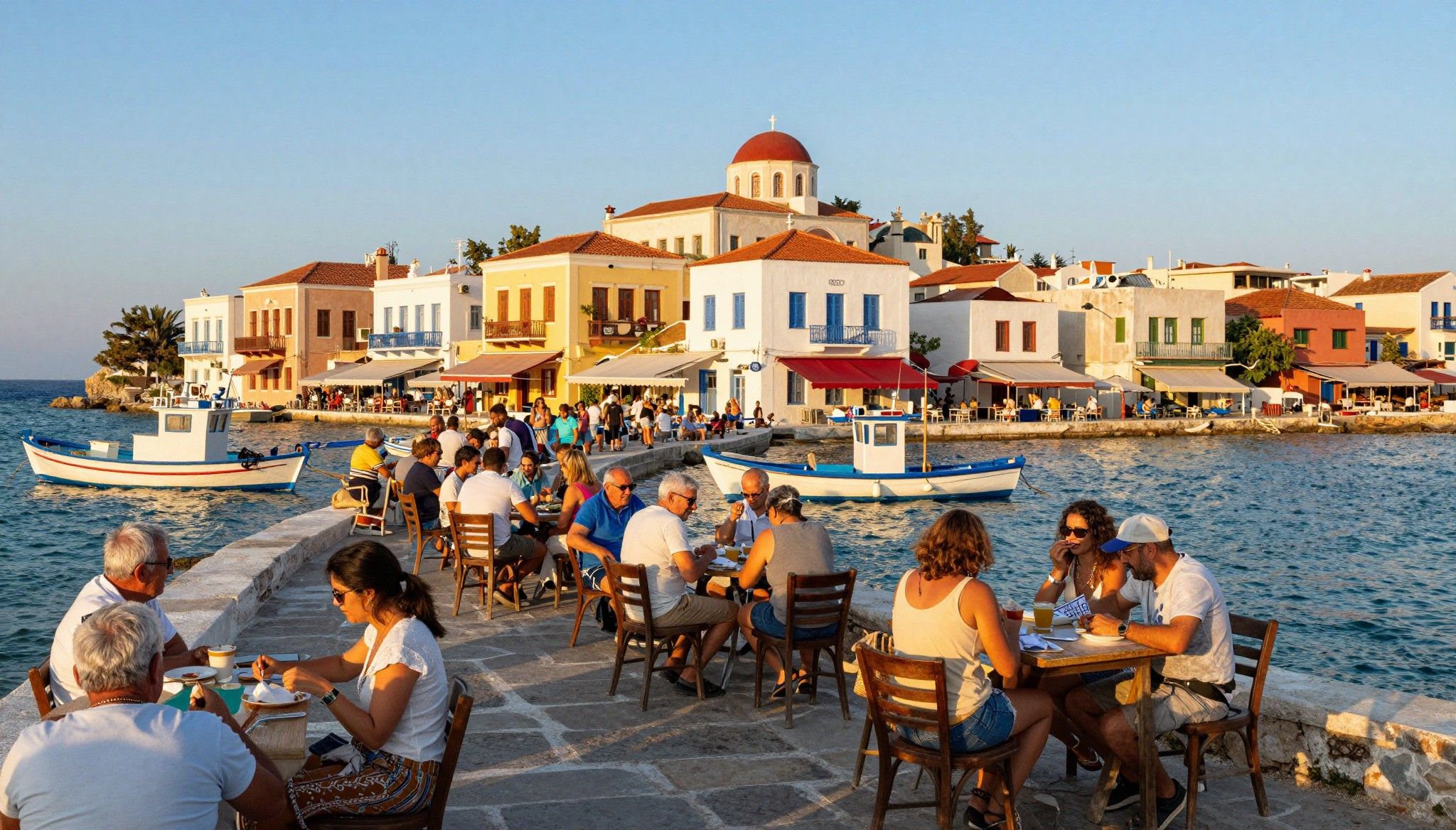
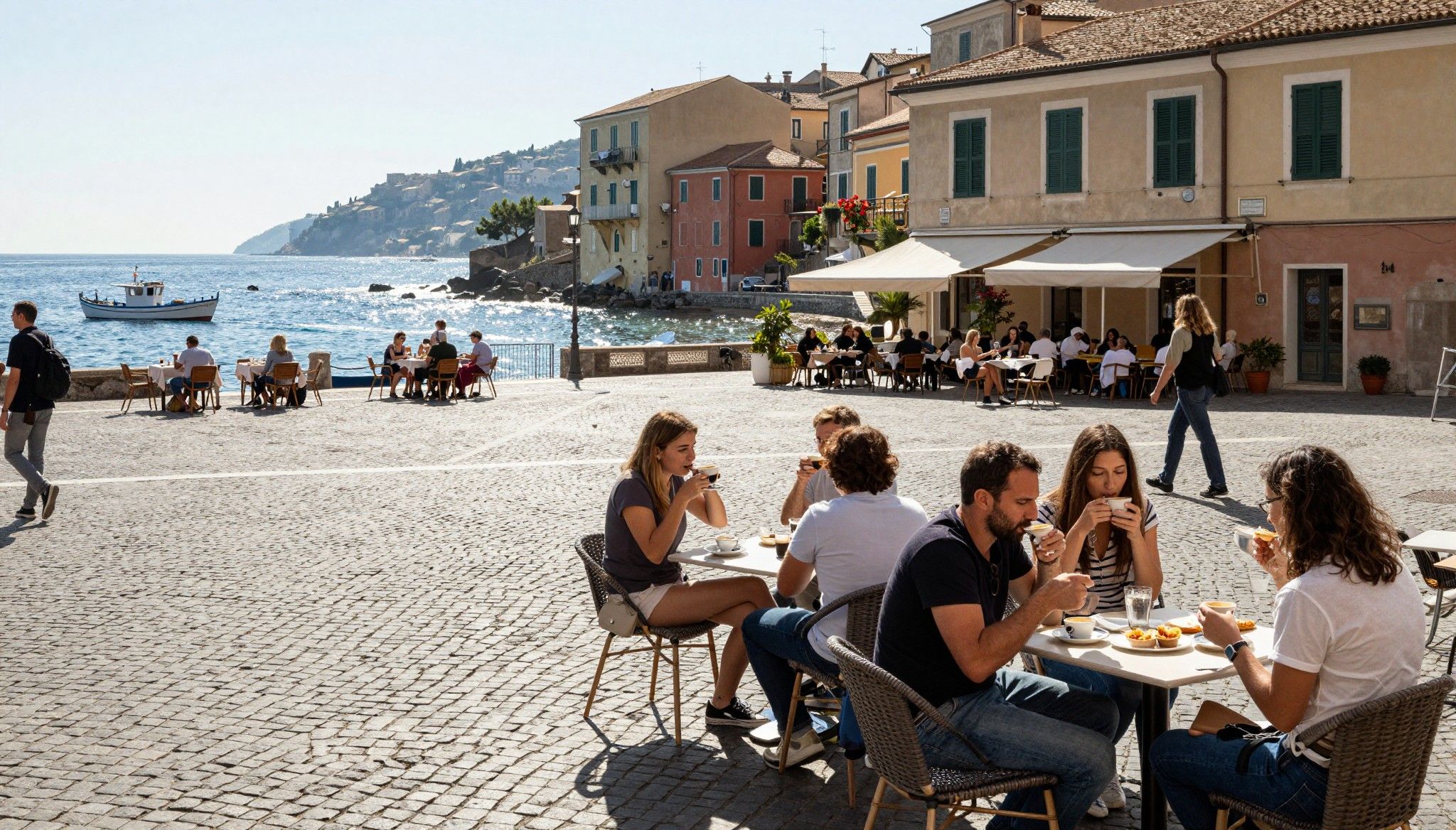
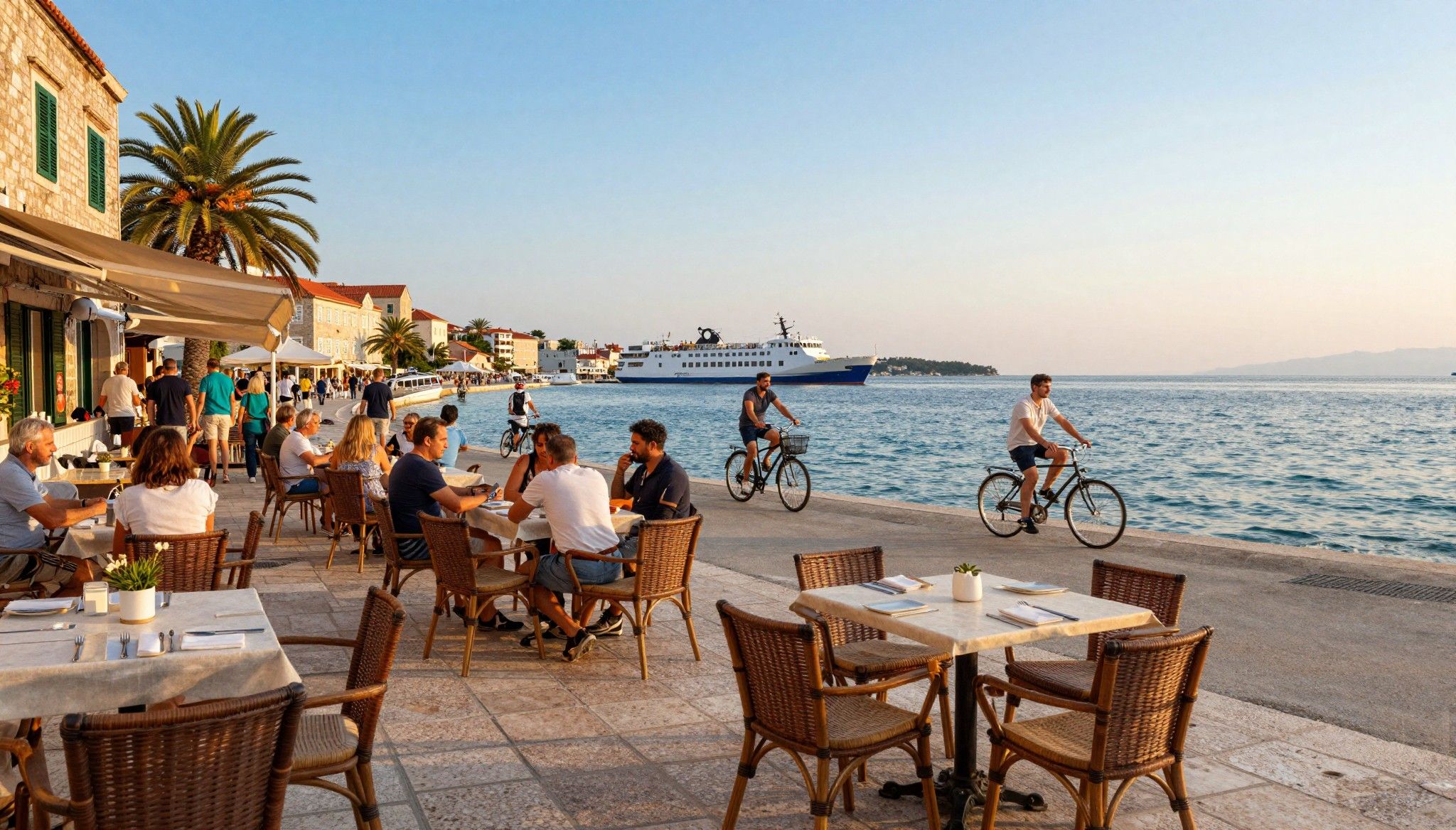
Strollable old towns, small‑scale marinas and markets shape everyday routines: morning coffee on Split’s Riva, a weekday fish purchase at Zadar’s bazaar, weekend drives through Istria’s truffle hills. Life is seasonal — summers bustle with tourism, but spring and autumn deliver a calmer, more authentic rhythm where neighbours really know each other.
Neighbourhood snapshots that matter to buyers
Zagreb’s Donji Grad offers a compact urban lifestyle of promenades, bakers and small galleries; Split’s Varoš rewards early risers with sunlit terraces and quick sea access; Rovinj and Poreč pair Istrian stone houses with cafe culture and short drives to vineyards. Each place translates into a different property trade‑off: historic charm vs. modern convenience, pedestrian life vs. car reliance.
Food, seasons and weekend life
Picture buying morning produce at Dolac market in Zagreb, an afternoon swim off Zlatni Rat in summer, and a late autumn truffle lunch in Motovun. Local food scenes are a shortcut to community: neighbourhood konobas, family‑run bakeries and island markets are where you meet neighbours and test whether a place feels like home.
Making market signals work for your lifestyle and wallet
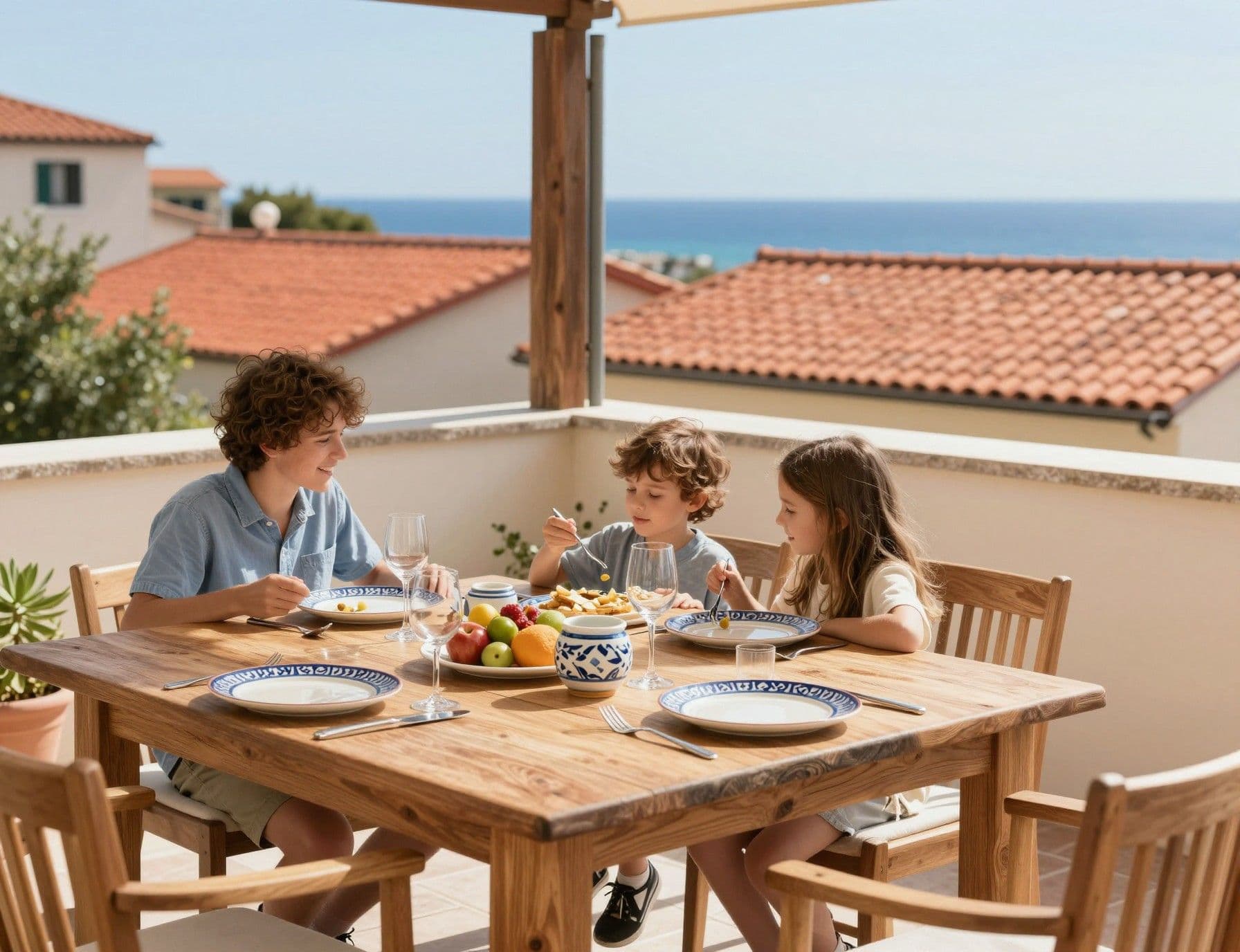
Recent official data show strong headline growth in Croatia’s house price index — coastal and urban hotspots led gains — but transactions tell a subtler story: rising asking prices have coincided with slowing sales, creating pockets of buyer advantage if you know where to look. Use both price indices and transaction volumes when timing offers.
Property types: how architecture shapes everyday living
Stone apartments in Split and Dubrovnik offer immediate context and walkability but often need retrofitting for insulation and plumbing. Modern developments near Pula or Zagreb provide parking, bigger terraces and reliable infrastructure — ideal for families or remote workers. Your lifestyle — morning markets or home‑office sunlit terraces — should guide the style you prioritise.
Steps to marry lifestyle with market data
1. Define which season you’ll live there: full‑summer hospitality or calm shoulder months. 2. Match property type to daily habits (walkability, storage, AC, insulation). 3. Track both house price indices and transaction volume in your target area. 4. Insist on a local agency with documented sales and local post‑purchase support.
Insider knowledge: the contradictions buyers often miss
A common myth: Croatia’s coast is uniformly unaffordable. In truth, micro‑markets differ sharply — small islands and certain Dalmatian towns command premiums, while nearby mainland villages and less touristic stretches of Istria offer tangible value. Also, higher headline prices have reduced transaction volume, giving patient buyers leverage where sellers must move stock.
Cultural signals that affect property value
Local festivals, preserved old towns and marina projects increase seasonal demand and rental appeal, but they also distort year‑round livability. A promenade lined with summer bars is lively in July, quieter — and sometimes lonelier — in November. Balance rental yield hopes against the year‑round community you want to join.
Practical red flags local buyers watch for
- Unfinished coastal developments with unclear ownership. - Properties with tourist licences promised but not legally secured. - Buildings lacking modern insulation or drainage (high retrofit cost). - Listings with unusually rapid price drops — often marketing tactics rather than genuine bargains.
Working with local experts who match lifestyle to numbers
Choose agents who show recent closed sales (not just listings), provide area‑specific transaction data, and can introduce reliable architects and property managers. An agent who knows which streets fill with locals in winter — and which are summer theatre — will save you both money and disappointment.
What expats wish they'd known before buying
Expats often underestimate ongoing running costs (seasonal maintenance, water, utilities) and the emotional cost of buying purely for summer months. Those who integrated — learned basic Croatian, joined local clubs, used neighbourhood services — report a faster, fuller adaptation and better long‑term value retention.
Practical long‑term checks before you commit
1. Confirm utility upgrades and flood‑risk history. 2. Ask for three years of service bills. 3. Check access in winter (island ferries, mountain roads). 4. Request recent comparables in the same street — not just the town average.
Conclusion: buy the life you want, armed with local data
If the dream is coastal mornings and neighbourhood ties, Croatia delivers. If the goal is investment, read local indices and transaction trends closely: rising prices plus falling transactions create selective opportunities. Start with neighbourhood visits outside high season, bring a local agent who shares closed‑sale data, and let lifestyle preferences narrow the market‑analysis work. You’ll buy more than a property — you’ll buy a way of life that fits the numbers.
Norwegian market analyst who relocated to Mallorca in 2020. Focuses on data-driven market insights and smooth relocation for international buyers.