Greece contrarian: Where locals buy, tourists skip
Greece’s charm hides practical surprises: local neighbourhood life, post-2024 residency rules and uneven price growth change where lifestyle-minded buyers find value.
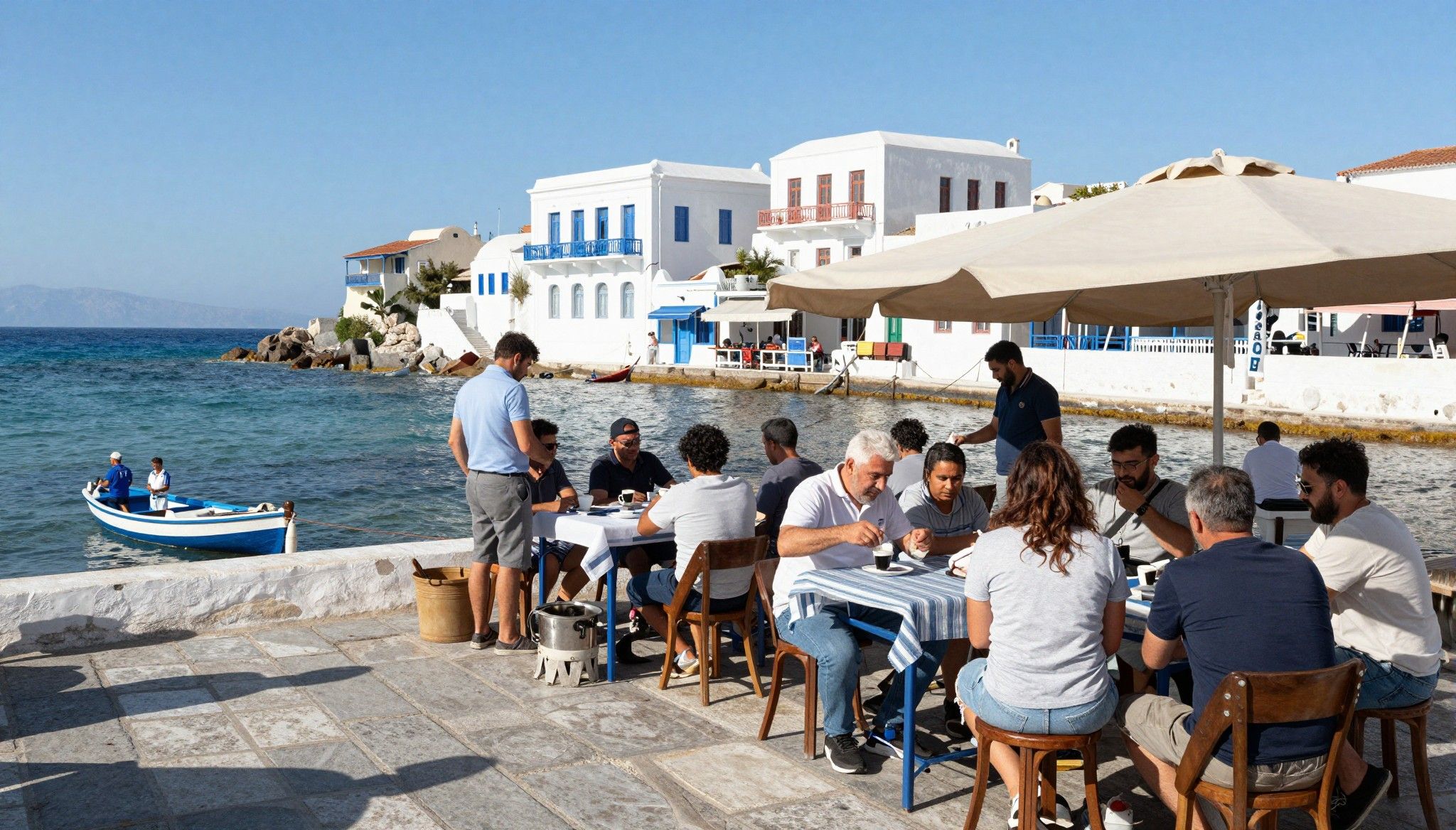
Imagine stepping out for morning coffee on a quiet lane in Koukaki, the Acropolis a few blocks away, then driving 30 minutes to a pebble beach where locals bring picnic wine and children build low, careful sandcastles. That contrast — ancient city life within an hour of island tempo — is Greece's charm, and it’s where savvy buyers find value tourists miss. Recent price indices show steady growth in urban and island pockets, but the narrative “everything Greek is expensive” misses local nuance and zoning detail. This piece blends the sensory life — cafés, markets, food stalls — with legal and market facts so international buyers see both the dream and the ledger.
Living the Greece life: city pulse, island pause
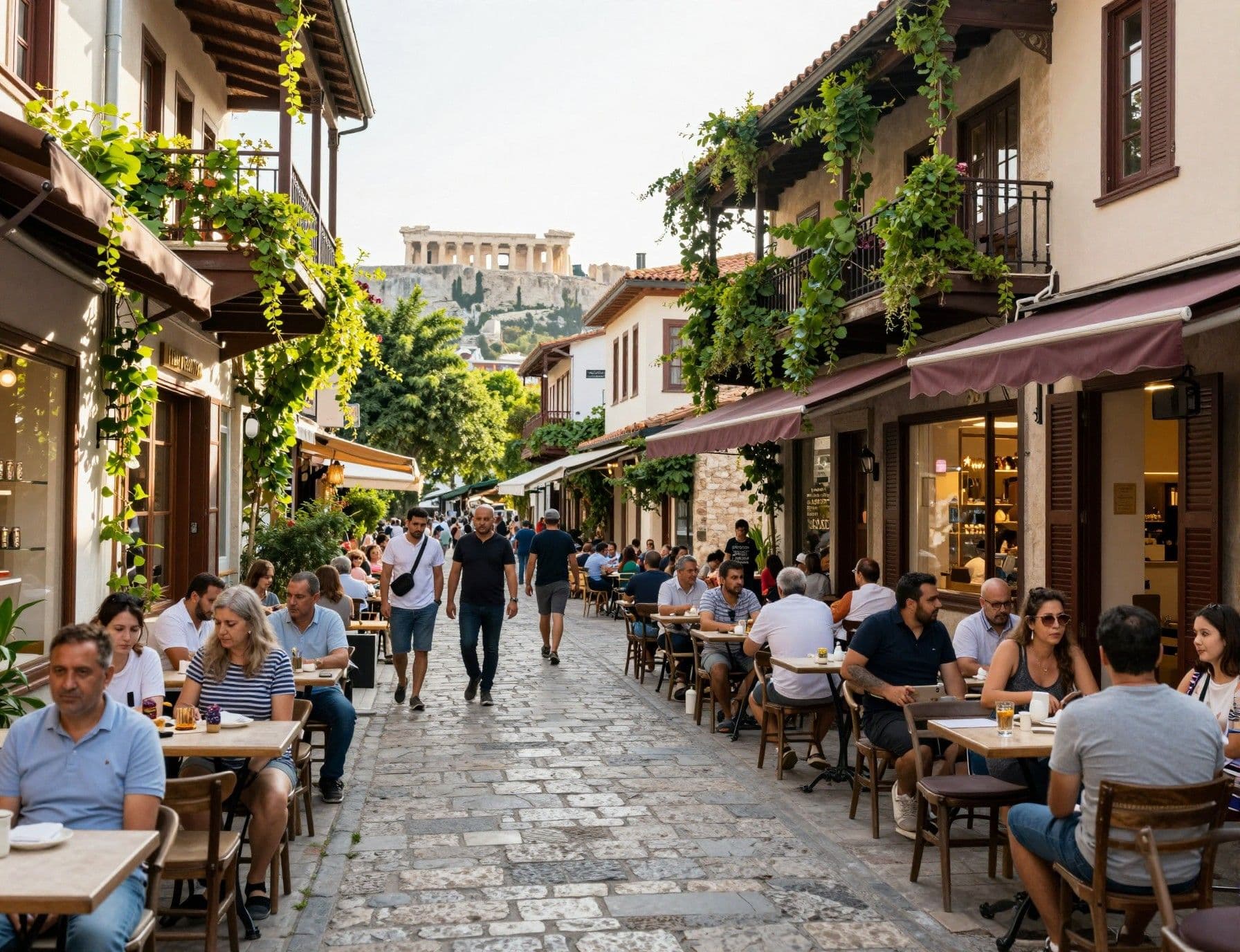
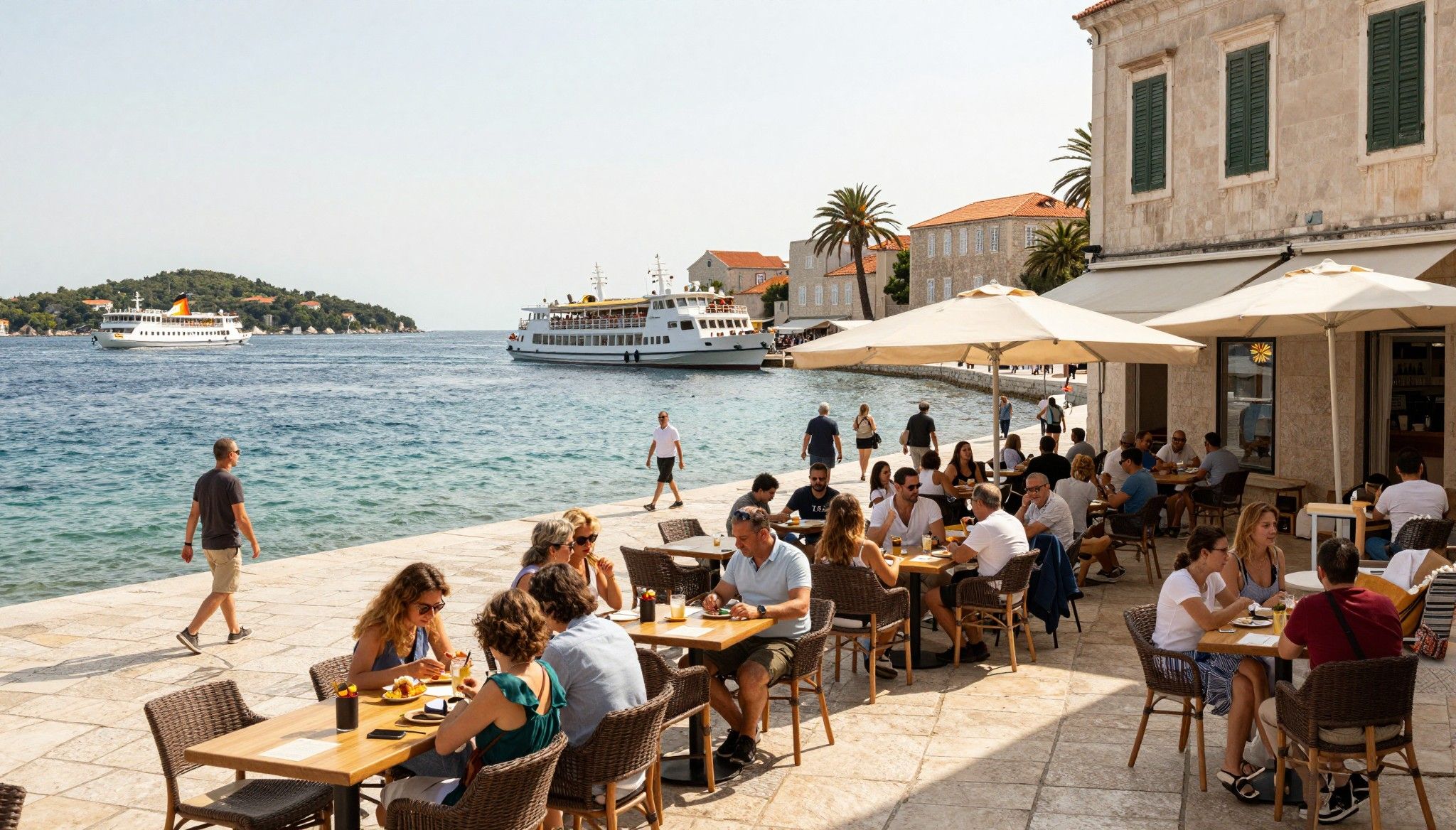
City mornings in Athens smell of fresh koulouri and espresso; evenings are a slow procession from aperitivo bars in Kolonaki to tavernas in Pangrati. Across the Aegean, Santorini and Mykonos host postcard moments but also high seasonal churn; smaller islands — think Naxos, Paros, Syros — keep local rhythms and lower seasonal inflation on rents and prices. Picture weekday markets in Chania’s old town or Sunday seafood grills in Vouliagmeni: these are the everyday experiences that shape where locals buy and which neighbourhoods sustain year-round life. For buyers, lifestyle maps to practical choices — proximity to health services, seasonal occupancy rates, and neighbourhood community fabric matter more than a simple price-per-square-metre figure.
Athens neighbourhoods that feel like neighbourhoods
Koukaki, Pangrati and Exarchia are often overlooked by first-time visitors but loved by residents for human-scale streets, independent cafes and night markets. Koukaki blends proximity to the Acropolis with quieter streets on Iouliánou and Drakou where locals linger; Pangrati offers parks and schools, making it practical for families. If you want coastal city life, Glyfada and Vouliagmeni on the Athens Riviera offer marine clubs, seaside promenades and a different rental market dynamic — higher seasonality but strong year-round resident communities. Choosing a neighbourhood is less about prestige and more about daily patterns: morning coffee walking routes, weekend markets, and the commute you’ll realistically accept.
Food, markets and the small pleasures that define choice
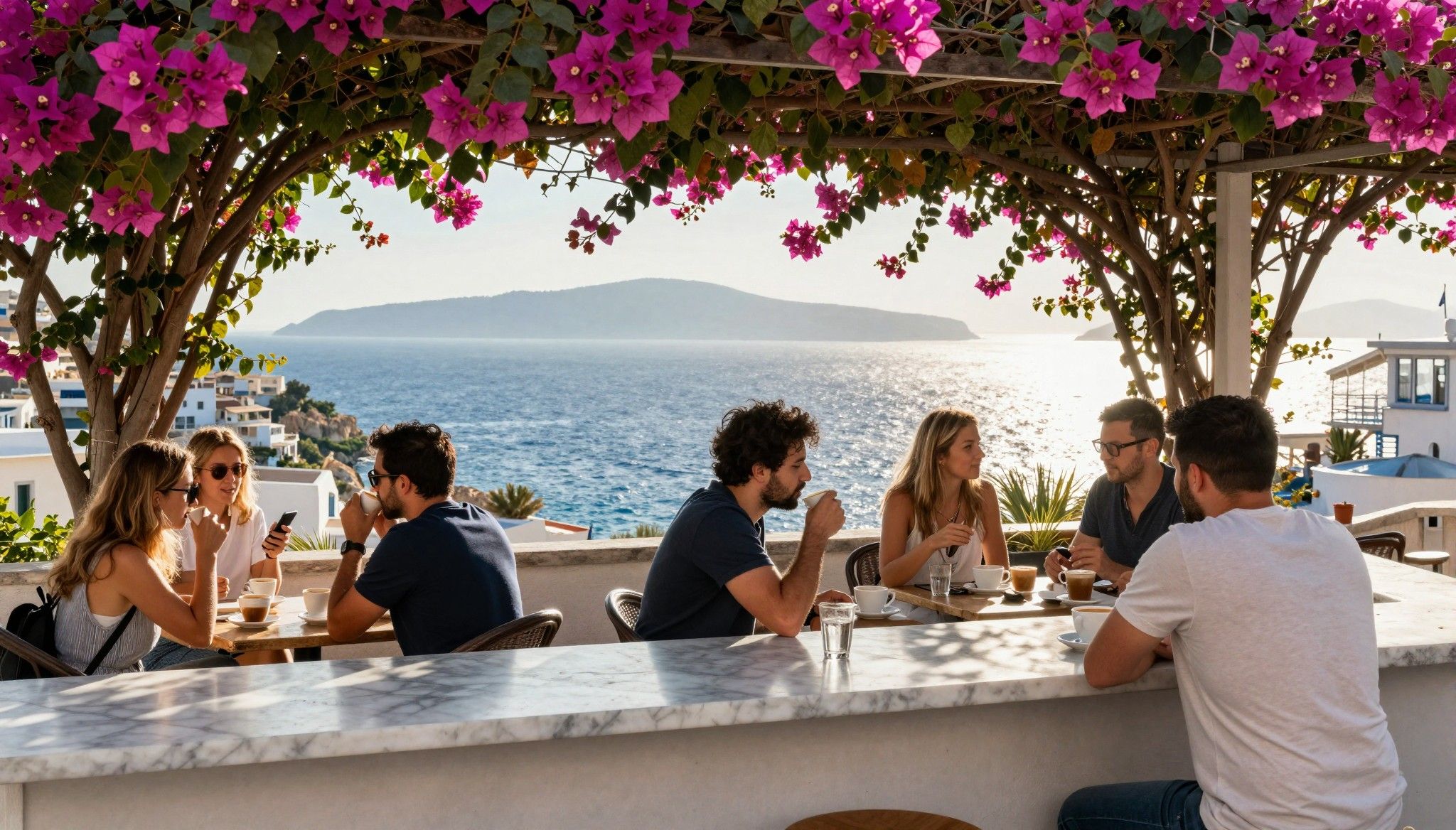
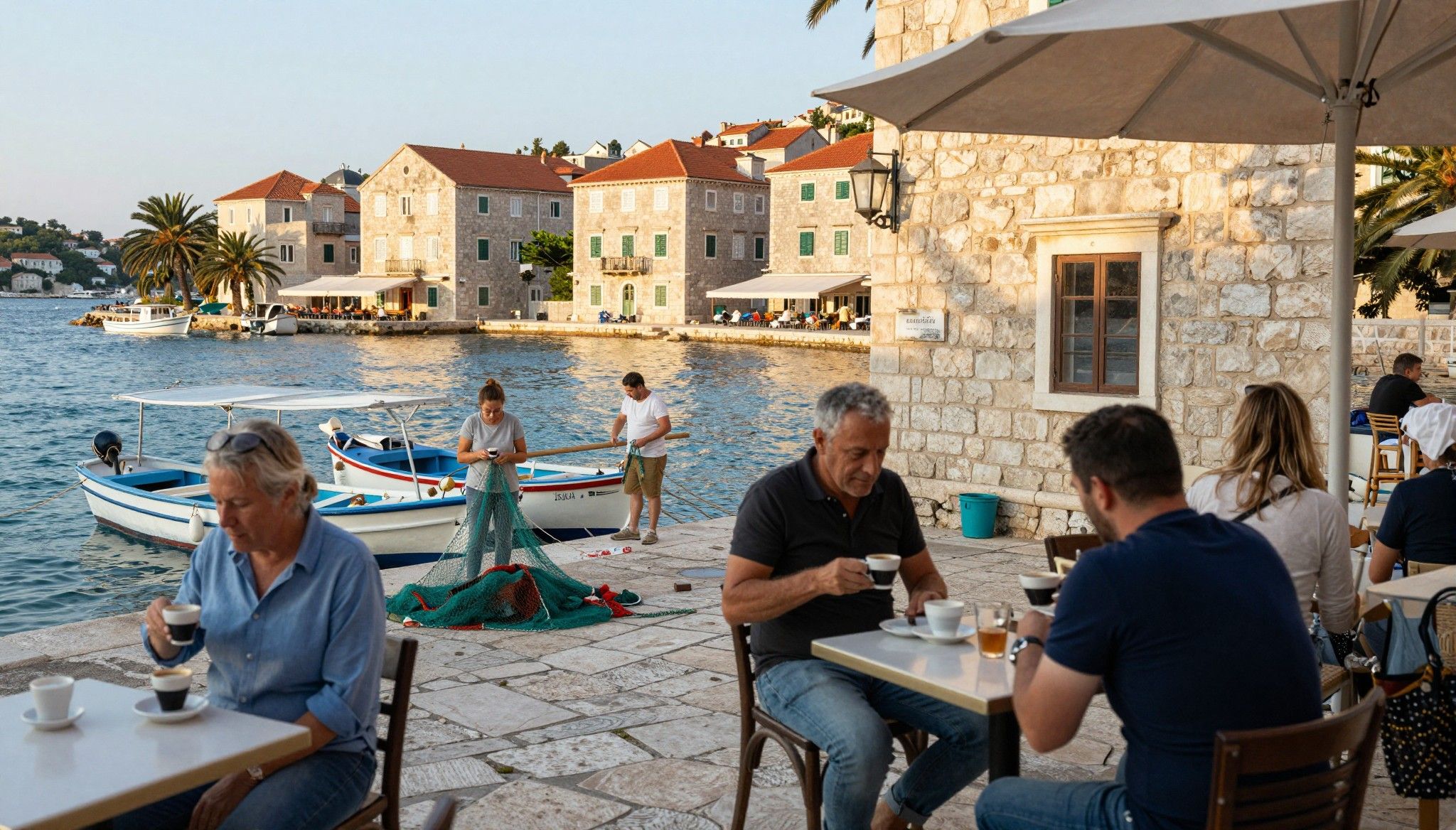
Meals in Greece are social anchors: morning espressos, late lunches of grilled fish, and evening mezze shared on a terrace. Local markets — Varvakios in Athens or the weekly farmers’ market in Chania — signal seasons, and living near them changes daily life more than a sea view does. Chefs and restaurateurs are migrating to neighbourhoods with good foot traffic and reasonable rents — a useful proxy for buyers who value future resale and short-term rental potential. These cultural cues point to where communities are strengthening, not just where tourists photograph sunsets.
- Lifestyle highlights worth mapping before you buy: Koukaki’s walkable streets and local wine bars; Glyfada’s seaside promenade and shopping; Naxos’ family-run tavernas and inland villages; Chania’s Venetian harbour and weekly produce market; Vouliagmeni’s thermal beach culture; Paros’ low-rise villages with artisan shops.
Making the move: how lifestyle choices shape the purchase
Dreams must meet checklists: recent Bank of Greece indices confirm price growth in key urban and island pockets, so timing and location matter for affordability and rental yield. The Golden Visa regime was amended in 2024, creating zone-based minimum investments that materially change where certain investor-types buy; islands with higher thresholds now demand a different approach than smaller Cycladic or Ionian islands. That means an Athens suburban apartment, a restored village home on Paros, and a boutique Santorini investment carry different legal, tax and occupancy realities. Work with advisers who can translate these regulations into a lifestyle-aligned acquisition plan.
Property styles and how you'll live in them
Stone-built island houses (traditional whitewashed façades) suit owners who prioritise courtyard living and outdoor terraces, and often require renovation — ideal if you want to invest time and taste. Modern Athens apartments (post-war blocks to new builds) support a walkable urban routine with easy access to co-working, galleries and markets; top-floor terraces with AC and insulation matter for summer comfort. New-builds and renovated listed properties each carry different compliance and retrofit requirements under recent laws — always factor in energy upgrades and potential permitted use changes when budgeting. The home you choose should match how you intend to use it: weekend retreat, full-time base, or a rental-first asset.
Working with local experts who know the life, not just the listings
The best local agents understand morning routines, school runs, and which baker on the block keeps sourdough consistent through August — that knowledge beats generic listing reach. Seek agencies that show comparative street-level photos, recent utility bills, and neighbours’ use patterns rather than glossy staging images; they will point out hidden costs like seismic retrofits or waste-collection schedules. Local lawyers familiar with recent residency and investment law changes safeguard timelines; experienced property managers explain seasonality’s impact on maintenance and income. In practice, meeting an agent at a café in the neighbourhood you love will tell you more than remote property portfolios.
- Steps that blend lifestyle and practical checks: 1. Map daily life: walk morning coffee routes and the market before bidding. 2. Check seasonality: request recent months’ occupancy and utility patterns. 3. Verify permitted use: confirm residential classification and renovation limits. 4. Run a neighbourhood noise and access check at different times of day. 5. Ask for a local cost estimate for energy upgrades and seismic reinforcement.
Insider knowledge: expat trade-offs and cultural truths
Expats quickly learn that learning a little Greek unlocks neighbourhood invitations faster than any renovation project. Social life often centres on the kafenion (local coffee shop) or the village square, and being seen regularly matters; owners who treat a property like a second home but expect full-time neighbourhood acceptance may be surprised. The tightened residency scheme after 2024 shifts investor behaviour: islands and prime Attica zones now demand higher thresholds for residency-linked purchases, which reduces speculative buying in some hot spots and opens quieter, value-rich towns for long-term residents. Those who buy for life — not just yield — find community and value align in unexpected places.
Cultural integration and daily life realities
Integration is practical: register locally, learn a handful of polite phrases, and show up to the market and local festivals — these small acts seed long-term friendships. Public services differ between Athens, regional towns and islands: health access, schooling options and transport reliability should influence where families and retirees buy. Expect a relaxed pace; bureaucratic steps take time and local relationships often smooth them. Buying with the intention to join local life — not just collect income — changes which properties make sense.
Long-term lifestyle outlook and resale signals
Look for indicators beyond price growth: local school openings, ferry schedules, and municipal investment in parks or sewage systems predict sustainable demand. Areas with mixed, year-round economies (local services plus tourism) tend to have steadier rental yields and more realistic resale prospects than purely tourist-facing strips. The recent Bank of Greece data shows that growth is uneven; buyers who align lifestyle intent with neighbourhood fundamentals capture both quality of life and manageable financial risk. In short, buy where you will live, and the market will likely follow.
If Greece feels like a collage of seaside tavernas, limestone lanes and lively neighbourhood cafés, that is because it is — and that collage determines where smart buyers put down roots. Start with life: visit the market, sit at the square, and sample two neighbourhoods across a week and an island across a weekend. Then layer in data: local price indices, recent law changes and permitted use checks (especially post-2024 Golden Visa reforms) to be sure the property supports the life you want. Partner with an agency that offers street-level insight, verified neighbourhood photos, and transparent recent sales data — then buy the lifestyle, not the label.
British investor turned advisor after buying in Costa del Sol since 2012. Specializes in cross-border compliance and data-driven investment strategies for UK buyers.