Croatia: The ‘Expensive’ Tag and Where Value Hides
Croatia’s headline price growth masks local value: coastal hotspots push averages up, while islands, Istrian hill towns and inland centres offer lifestyle upside and better value. Data-led visits and local counsel close the gap.
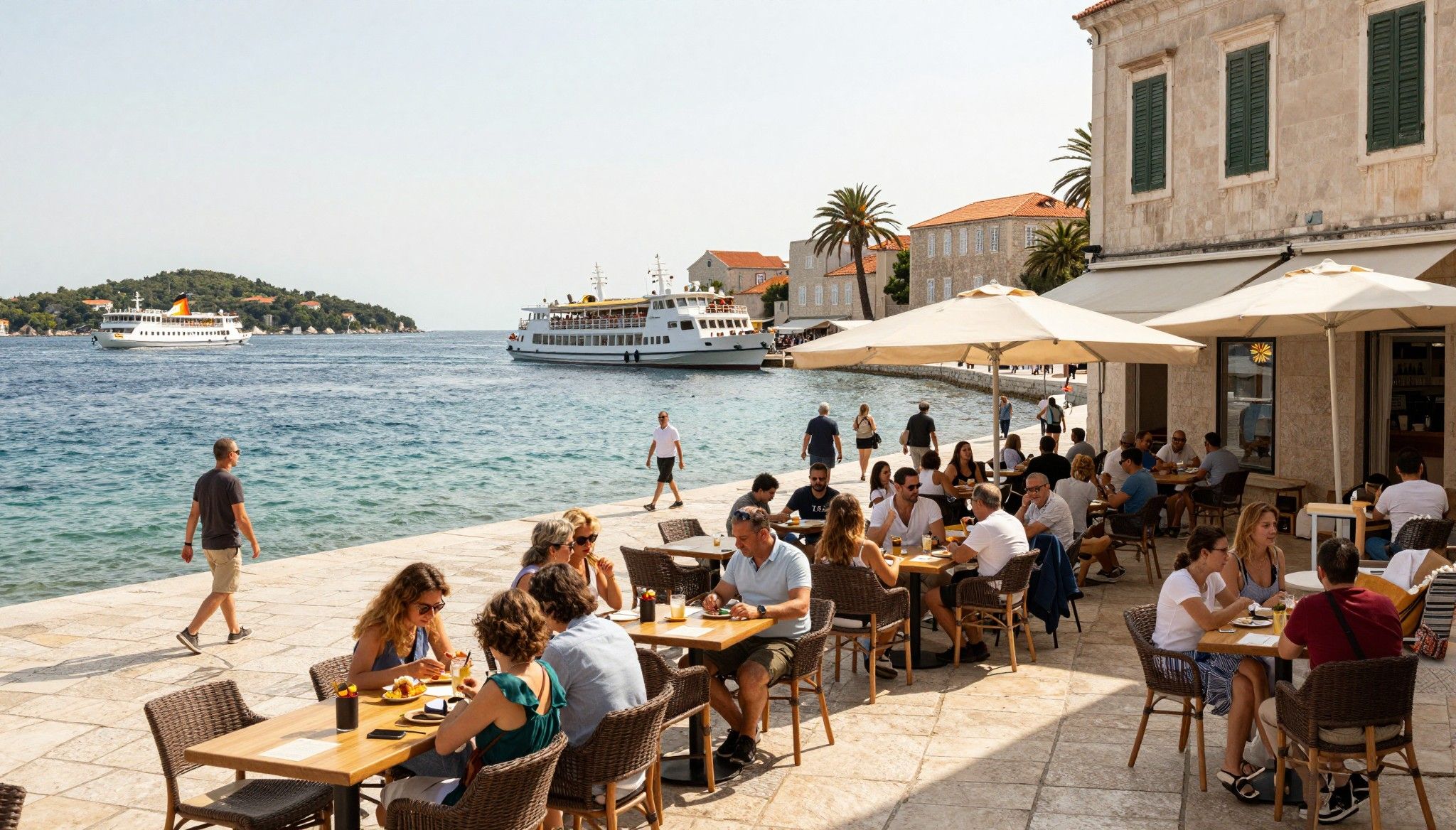
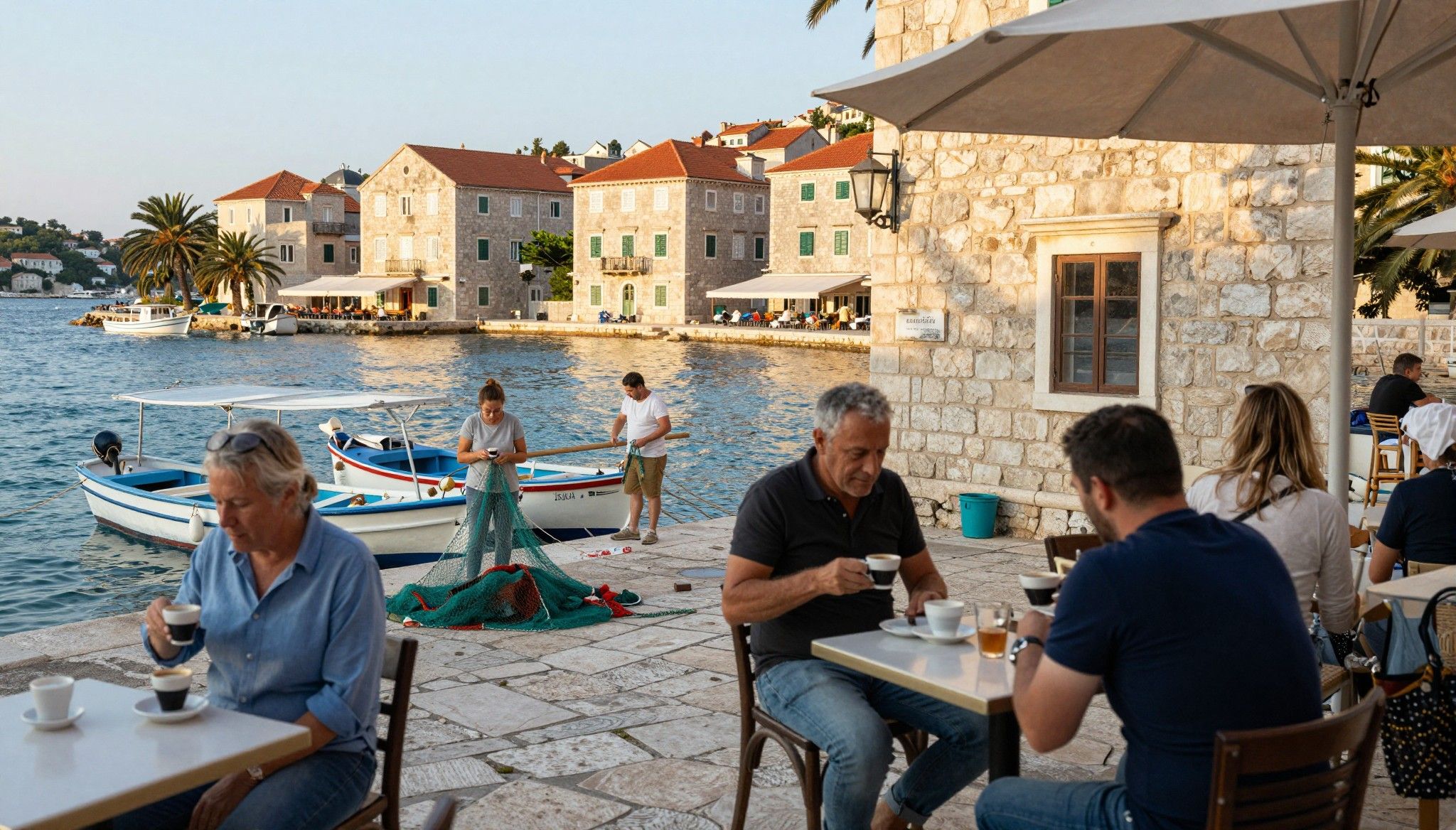
Imagine sipping espresso at a shaded table on Split’s Riva as fishermen mend nets nearby — then realising the apartment across the square has risen in value over the last year. Croatia feels like Mediterranean calm, but its price story is active. For international buyers, that tension — lively coastal life vs fast-moving price signals — is where opportunity and risk meet.
Living the Croatia lifestyle
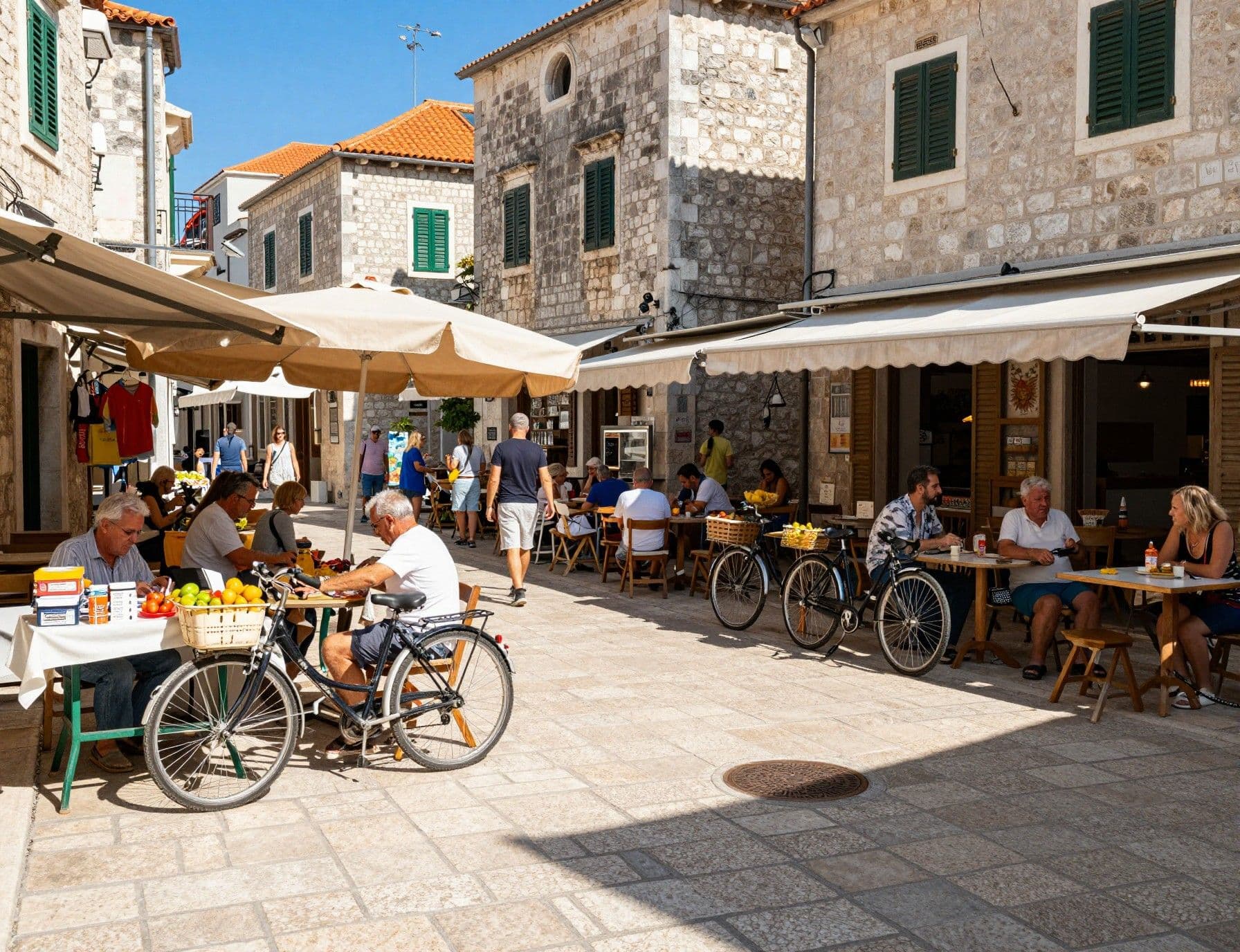
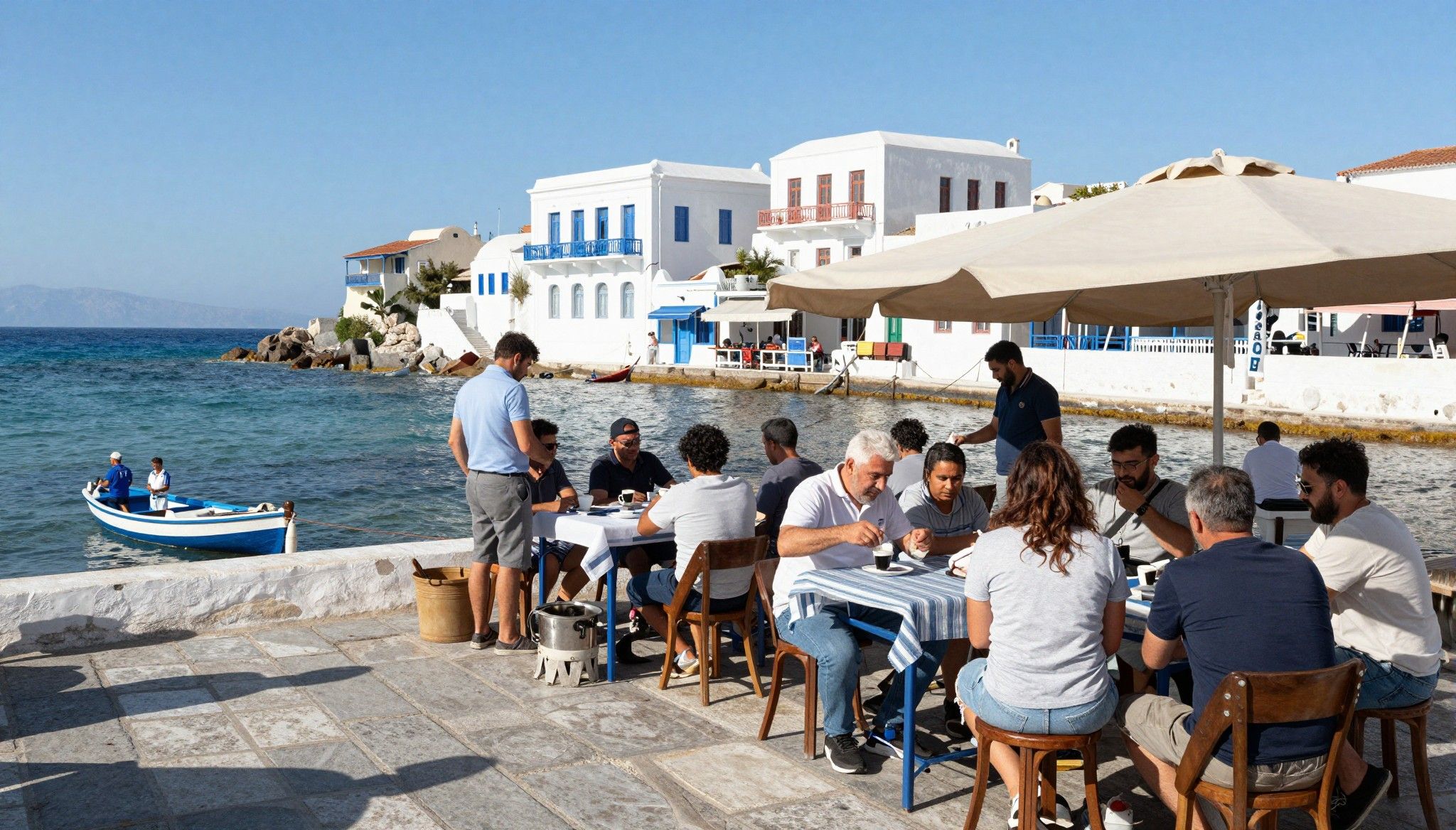
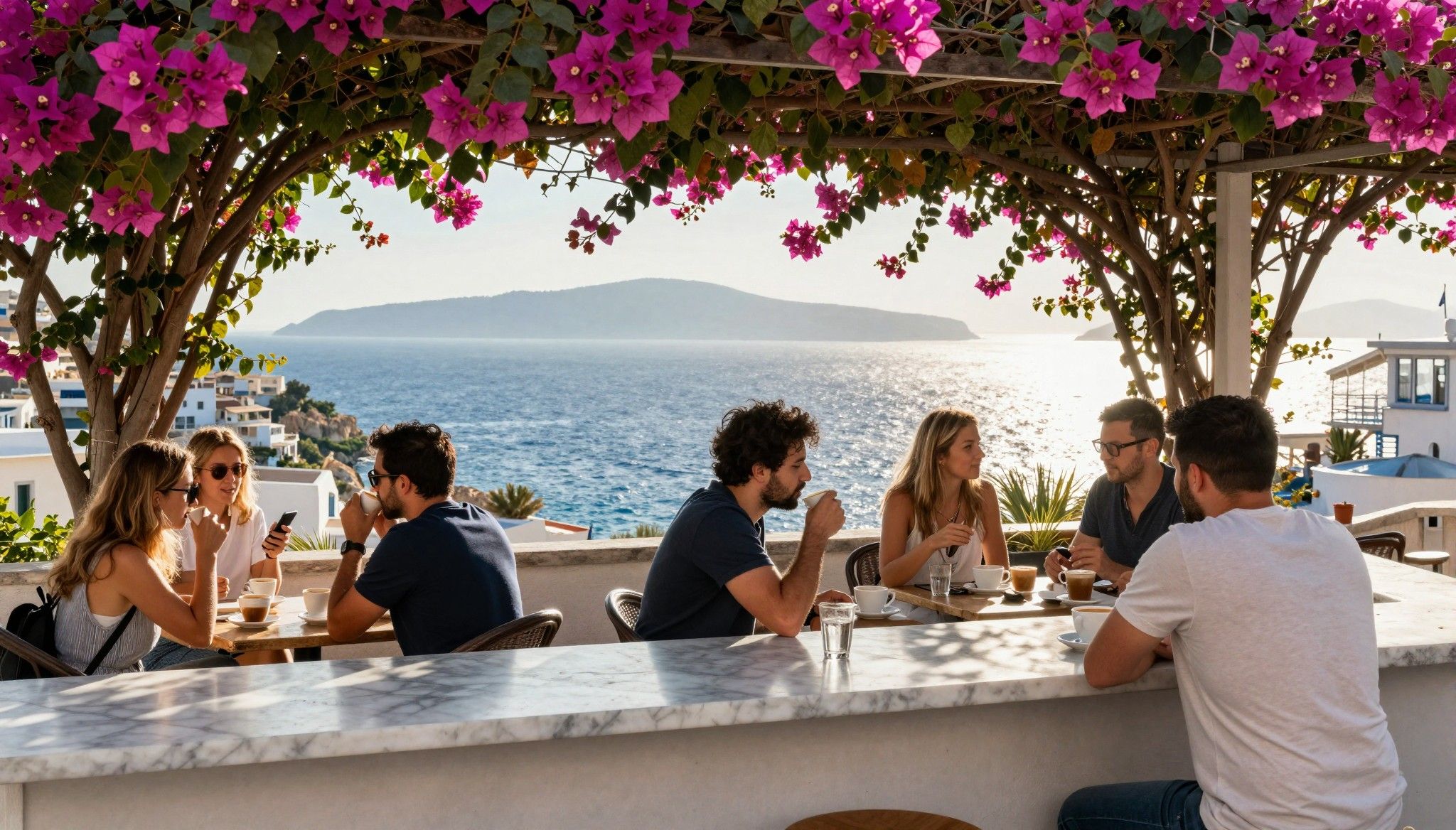
Daily life in Croatia is shaped by sea and season: morning markets in Zadar, late-afternoon terraces in Dubrovnik’s Old Town, bike rides along Istria’s olive-scented lanes. Streets are human-scale, cafés are social anchors and islands like Hvar or Korčula pulse with a slow, social rhythm in summer and a quieter, local rhythm off-season. That rhythm matters when you buy — the neighbourhood that sings in July can feel empty in November, and that affects rental demand, prices and living satisfaction.
Coastal moods: Split, Dubrovnik, Zadar
Split blends working port life with island-hop convenience; the Old Town and Bačvice offer lively street life while neighborhoods such as Varoš and Znjan have different day-to-day feels. Dubrovnik’s Old Town is unmissable for daytime atmosphere but pricey and tourist-heavy; look to Lapad or Gruž for a more residential rhythm. Zadar and Šibenik offer lower entry points with authentic markets and growing café culture.
Inland & Istria: relaxed towns, year-round life
Istria’s hill towns (Motovun, Rovinj outskirts) are magnets for food and wine lovers; they provide steadier year-round life, higher resale appeal for buyers seeking community, and properties that age gracefully. Inland areas like Varaždin and Zagreb suburbs trade coastal views for services, schools and stronger off-season demand.
- Lifestyle highlights to visit before you buy
- Morning market at Split’s Pazar; espresso at Café Bajamonti in Rovinj; sunset walk on Zadar’s Sea Organ; weekend truffle market near Motovun; island ferry ride to Vis from Split.
Making the move: practical considerations
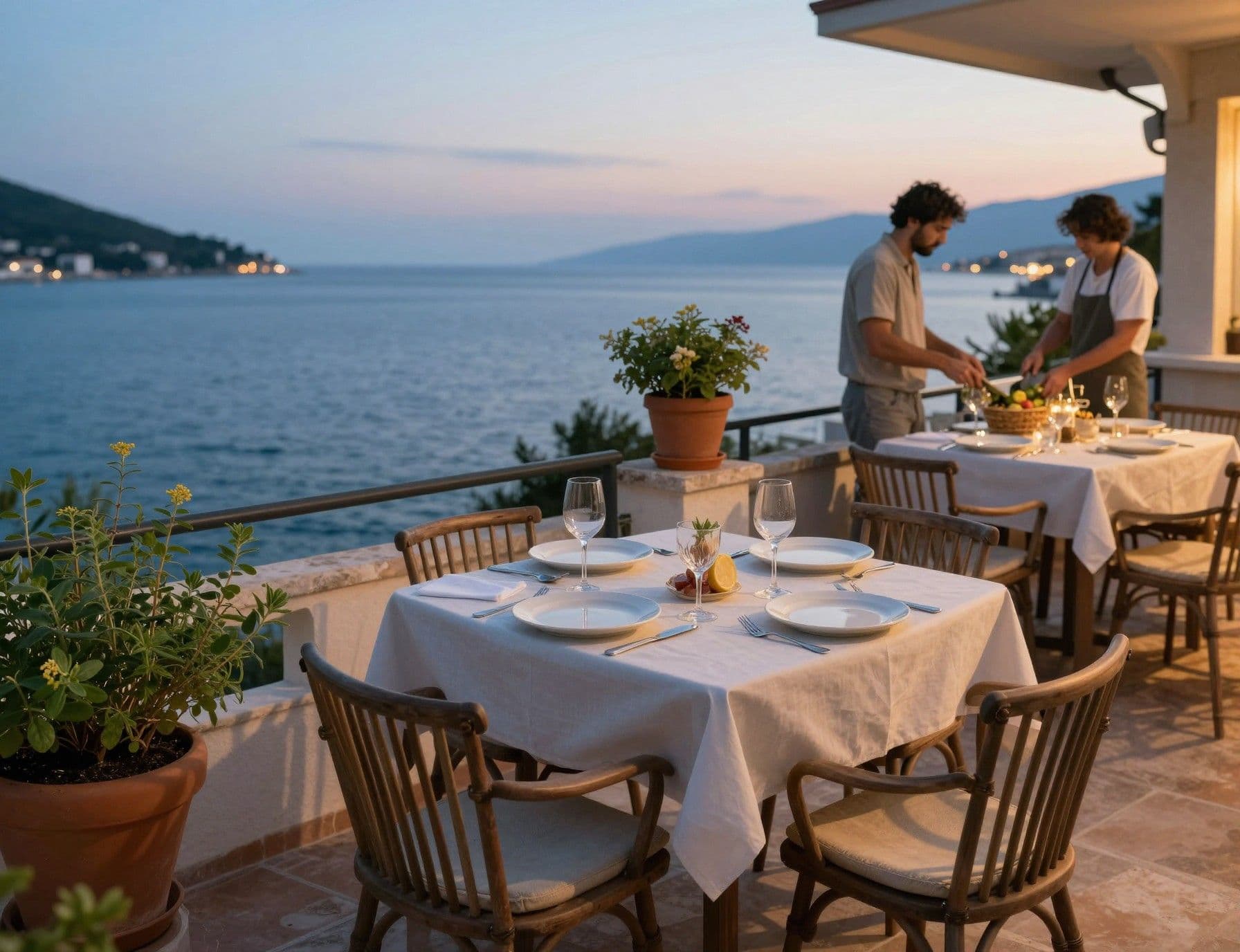
The lifestyle is seductive, but the purchase mechanics differ depending on your nationality and goals. EU, EEA and certain OECD citizens generally buy on the same terms as Croatians; non-EU nationals face reciprocity rules and sometimes ministerial approval. That administrative layer shapes timing, negotiation posture and which neighbourhoods are truly accessible to you.
Property types and how they'll shape your days
Stone townhouses in Dalmatia suit people who want historic texture and small terraces; new-build seafront apartments offer low-maintenance living and rental appeal but often higher VAT or developer pricing; inland villas and renovated farmhouses give space and gardens for year-round life. Match type to rhythm: if you want active summer social life, prioritise proximity to squares and promenades; if you prize privacy and quiet, choose sheltered bays or inland towns.
Work with local experts who live the lifestyle
A local agent plus a Croatian property lawyer shorten the learning curve. Agents translate neighbourhood nuance; lawyers handle title checks, ministerial consent (when needed) and contract detail. For island purchases, confirm ferry schedules and year-round service — agencies with island experience are practically essential.
- Practical steps that blend lifestyle and process
- Visit neighbourhoods for at least three different times (market morning, weekday evening, weekend).
- Request transaction-level price history for the building or street — not just city averages.
- Engage a lawyer to confirm reciprocity or ministerial approval requirements early.
Insider knowledge: price signals and counterintuitive truths
Croatia’s national house price index shows strong recent growth — coastal demand, Eurozone integration effects and limited coastal supply have pushed indexed prices higher. That makes some coastal towns appear 'expensive', but a data-driven read shows pockets of value: smaller islands, Istrian hinterlands and certain off-season coastal towns where demand is more domestic than tourist-driven.
Why “expensive” is an oversimplification
Headline growth hides diversity. Eurostat-style indices and national HPI figures report national averages — but they mask micro-markets. Split’s Old Town and Dubrovnik’s tourist core will carry premiums, while outlying Hvar villages, inland Istria or secondary islands can offer lower per-m2 prices with comparable lifestyle upside for buyers willing to trade immediate seafront access for space, community and quieter seasons.
What expats consistently wish they’d known
Many expats underestimate off-season realities: shops close earlier, ferry timetables shrink, and rental income drops. They also overpay for 'postcard' locations. Savvy buyers look for towns with mixed economies (marinas, agriculture, remote workers), good transport links and years of steady demand rather than only peak-season traffic.
- Red flags and market checks
- Sudden price jumps on a single listing (ask for transaction history); properties sold repeatedly in a short window (check title chain); missing municipal permits for renovations; reliance on short-season tourist rentals as the sole income assumption.
Long-term outlook and where to look now
Croatia’s Eurozone membership and growing connectivity suggest continued interest from EU buyers and investors. For lifestyle investors, current opportunities often lie off the main postcard strips: smaller coastal towns with marinas, renovated stone houses in Istrian hill towns, and well-connected inland towns where schools and healthcare support year-round life.
- Checklist before you make an offer
- Confirm buyer nationality rules (EU vs non-EU) and ministerial consent needs.
- Obtain a transaction-level price history and local rental seasonality data.
- Visit the neighbourhood across seasons and speak to at least two local agents and one independent lawyer.
Conclusion: fall for the life, buy with the numbers. Croatia offers real Mediterranean life — markets shaped by islands, history and seasonality. Love the markets, but let data and local counsel shape offers, timing and expectations. A local agent who understands both atmosphere and transaction detail will help you turn admiration into a confident purchase.
Swedish strategist who relocated to Marbella in 2018. Specializes in legal navigation and tax planning for Scandinavian buyers.