Malta’s Price Myth: Where Lifestyle Outweighs the Premium
Malta’s price premium buys rare proximity: compact neighbourhoods, bilingual convenience and steady demand—reframe cost as lifestyle value backed by official market data.
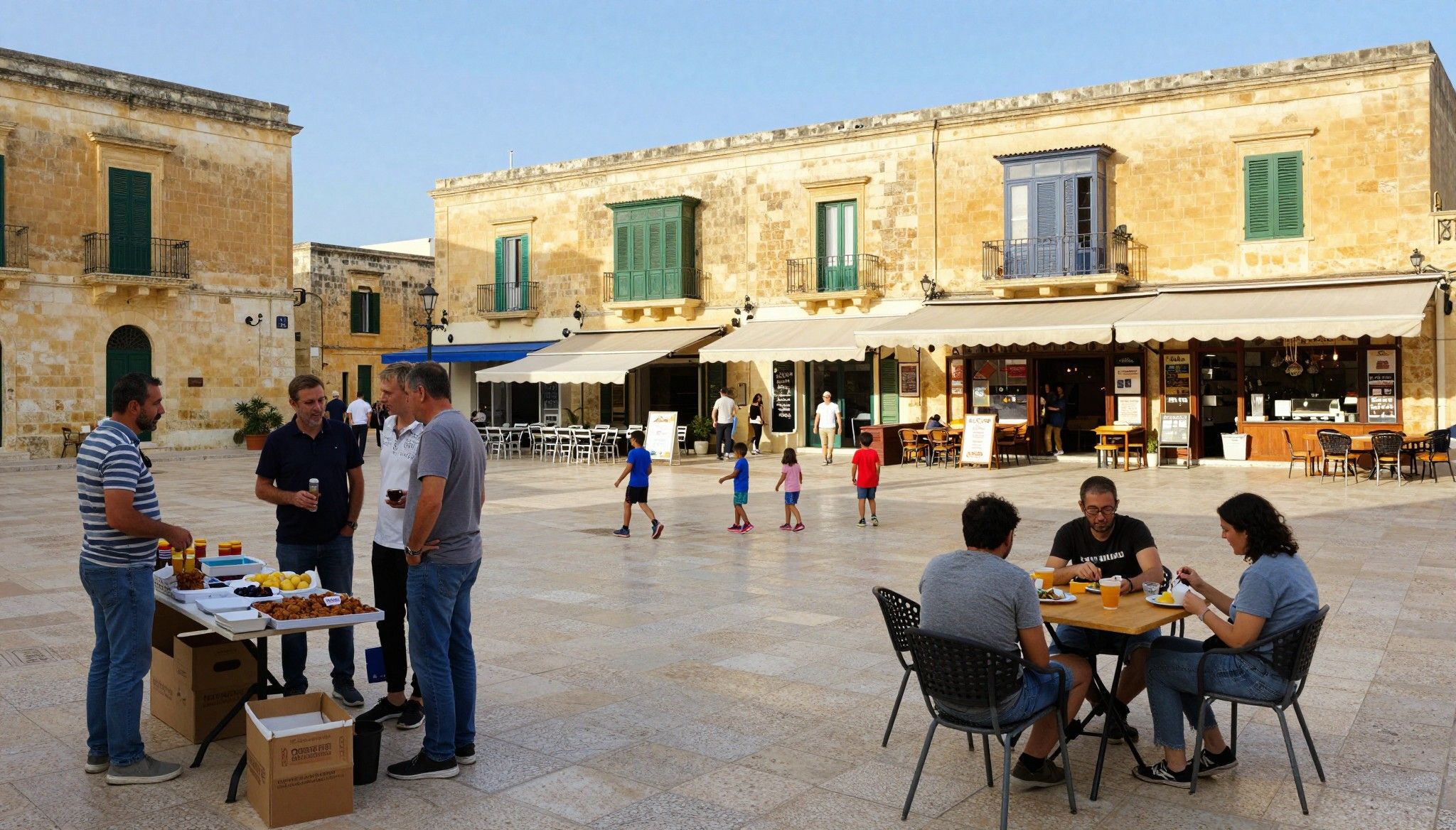
Imagine sipping an early-morning espresso on Strait Street, then walking ten minutes to a limestone bay where local children chase crabs and fishermen mend nets. That compact, lived-in intimacy — narrow streets, roof terraces, and a neighbourhood cafe where the barista knows your name — is Malta’s real product, and it changes how you value property here. Prices feel high at first glance, but the premium buys density, bilingual convenience (English is official), and a micro‑country lifestyle you can’t replicate on the mainland. For international buyers who want both sea and city in walking distance, Malta is less a pricey outlier than a different value equation; the numbers back that up in surprising ways.
Living the Malta lifestyle: compact, social, seaside
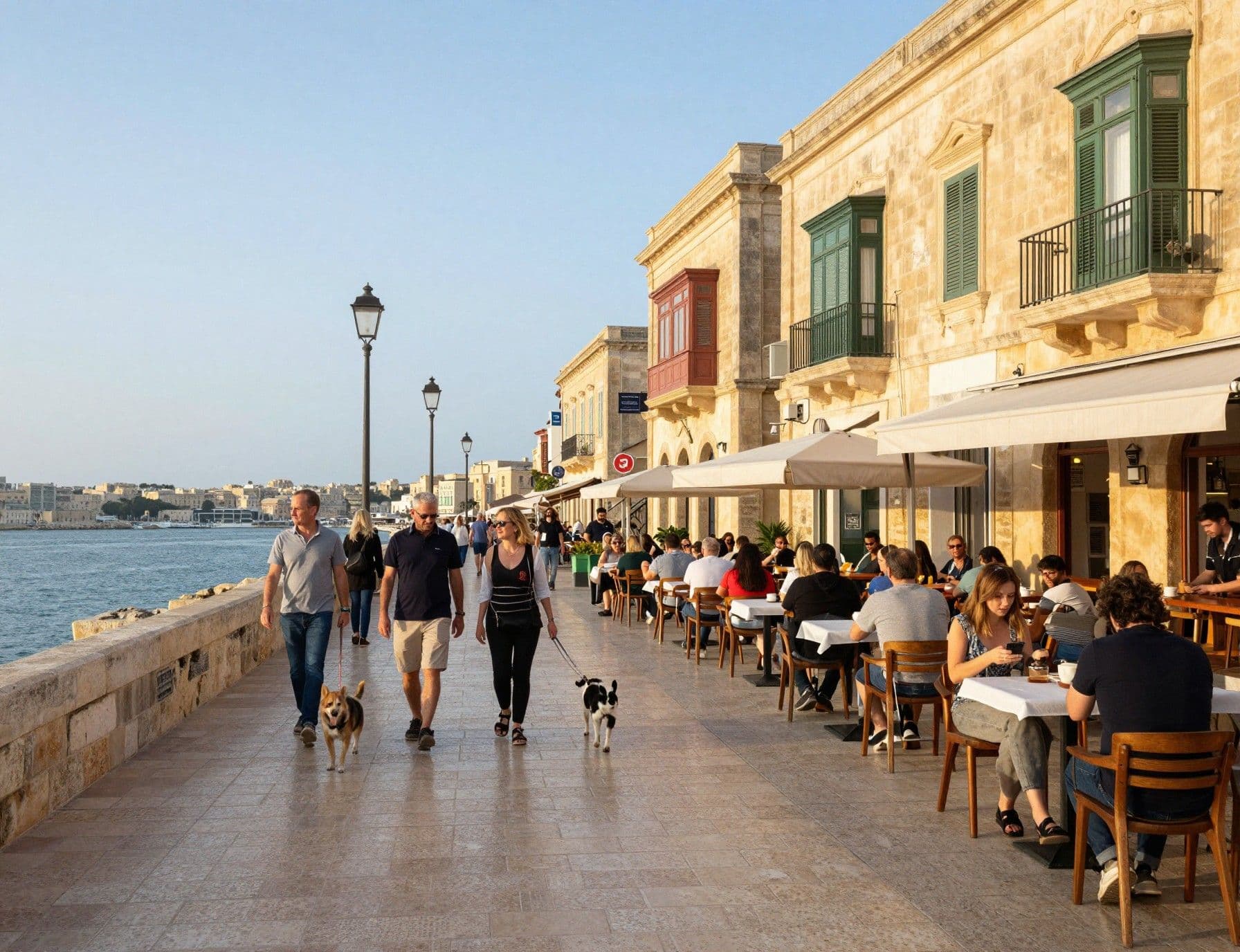
Life in Malta moves at Mediterranean tempo but within small radiuses: work, social life, schools and the shore often sit within 15–30 minutes. Streets pulse with a mix of Maltese families, long‑term expats and a steady flow of professionals from finance and iGaming — a pattern that keeps central neighbourhoods active year‑round. Recent official statistics show residential prices rose modestly in 2024, reflecting steady demand rather than speculative spikes; that steady demand underpins the convenience premium buyers pay. The result: properties that feel alive, occupied and useful rather than empty holiday assets.
Valletta & the Three Cities: history as lifestyle
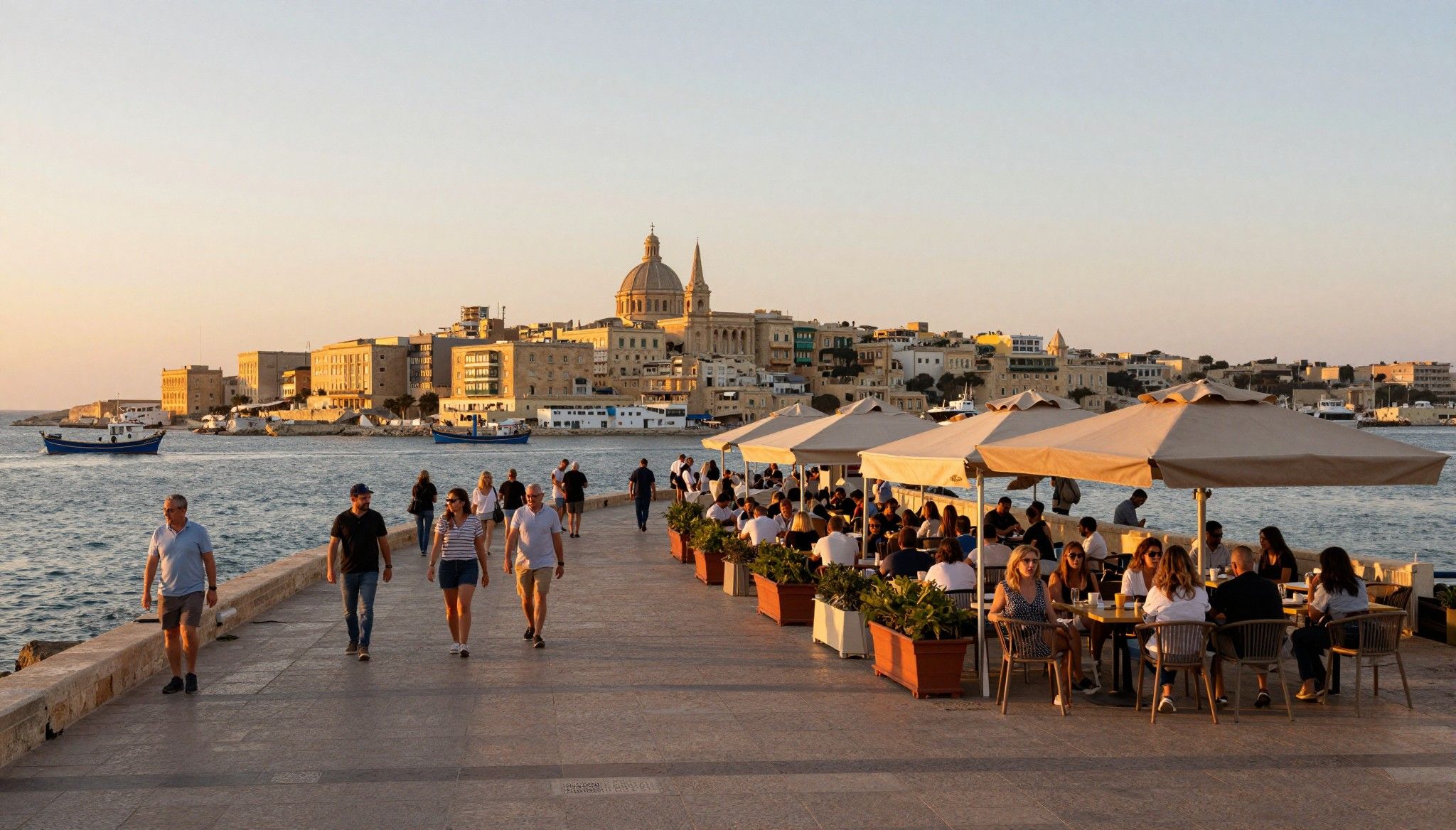
Valletta’s baroque streets and the view from the Upper Barrakka Gardens are daily life for those who choose them; neighbours buy bread by foot and meet in small cafes. The Three Cities (Vittoriosa, Senglea, Cospicua) trade Valletta’s tourist rhythm for sheltered harbourside calm, with narrow lanes and restored townhouses. These districts attract buyers who prize cultural density and short commutes — and who accept smaller floorplates in exchange for location and character. Official data shows price growth across central localities has been consistent, underlining why buyers pay more to secure these walkable, historic cores.
Sliema, St Julian’s & Balluta: social life and serviceability
If you want cafes that open at 07:00, lively promenades and easy service access, Sliema and St Julian’s deliver. These are Malta’s service hubs: modern apartments, concierge‑style blocks, and the island’s main private rental demand — from young professionals to seasonal tourists. Rents and short‑let demand have been rising in such zones, making them interesting for investors seeking occupancy rather than pure capital appreciation. Expect modern new builds here to trade at a premium for lifestyle convenience and rental pick‑up.
Lifestyle highlights to taste Malta: Valletta’s morning markets at Marsa, coffee at Cafe Society in Sliema, sunset swims at Għajn Tuffieħa, fishermen’s breakfasts in Marsaxlokk, terrace aperitifs along Spinola Bay, and the neighbourhood festas that knit communities together.
Making the move: practical realities that shape lifestyle choices
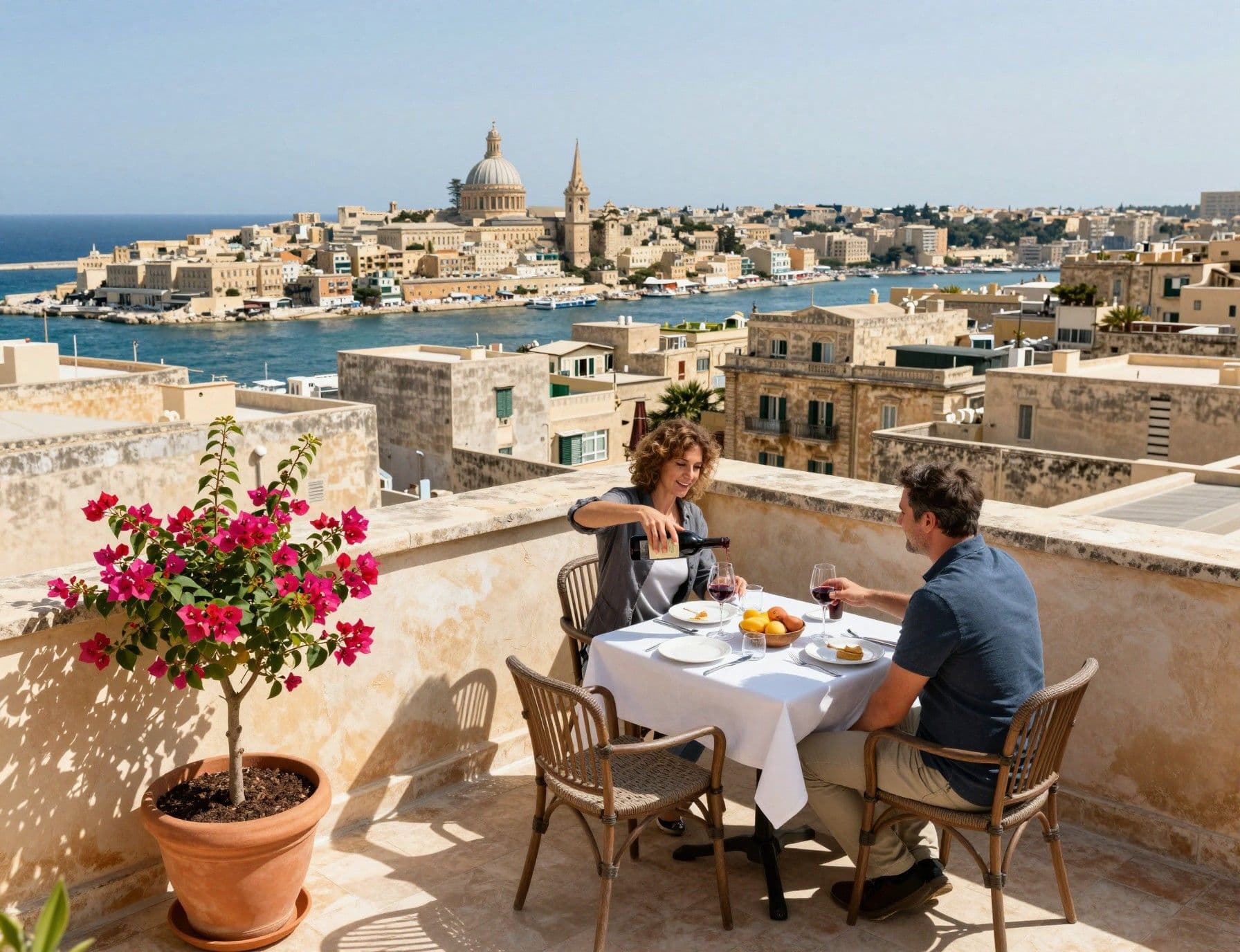
Dreams meet documents when you begin house‑hunting in Malta: the market is compact, regulations are specific, and small differences in location change living quality dramatically. Rental yields across Malta typically sit in the low‑to‑mid single digits, so buying here should often be framed as lifestyle ownership with secondary rental upside rather than yield-first investment. Working knowledge of local permit norms, utility connections and conversion realities will save weeks on projects and preserve your lifestyle vision.
Property styles and how they shape daily life
Choose a restored townhouse and you get thick limestone walls, interior courtyards and a history‑infused living pattern that favours fragmented rooms and roof terraces. Choose a new apartment block and you get open-plan living, elevators and European‑style amenities — but a different connection to street life. For day‑to‑day happiness, match the property type to how you want to live: townhouses for privacy and tradition; seafront flats for easy social life; modern blocks for convenience and lower maintenance.
Working with local experts who know the lifestyle
1. Ask agents to show you how a neighbourhood works across a week (not just a Saturday). 2. Insist on seeing utility bills, maintenance records and short‑let calendars for prospective units. 3. Use a local lawyer to verify planning permissions and any short‑let eligibility. 4. Plan visits in both high and shoulder seasons to test noise, occupancy and community rhythms.
Insider knowledge: what expats wish they’d known before buying
Expats often tell the same short list of surprises: the dominance of limestone architecture limits some modern renovations; neighbourhood identities matter more than square metres; and seasonal tourism still shapes local services. Knowing this changes purchase priorities — you might trade living room space for a usable roof terrace or a quieter side street instead of a busy seafront. That pragmatic reshuffle makes the premium feel less like a cost and more like a deliberate lifestyle purchase.
Language, social life and integration
English is an official language in Malta, which flattens many of the typical barriers for international buyers: bank meetings, utilities and school admissions often happen in English. Social integration is pragmatic — join a local festa, volunteer at a community group, or start at a parish coffee morning to meet neighbours. These routines accelerate the feeling of belonging and make a property purchase feel like the start of a life, not just an asset move.
Long‑term lifestyle risks and signals to watch
Be mindful of supply concentration in narrow neighbourhoods, watch municipal planning updates that affect short‑lets, monitor population and employment trends (iGaming and financial services are major demand drivers), and factor in utility upgrade costs for older buildings — these signals tell you whether a lifestyle purchase will remain desirable.
Conclusion: if Malta’s price tag gave you pause, reframe the question: are you buying square metres or a particular way of life? In Malta you buy proximity — to sea, culture and services — and that premium can be justified with careful neighbourhood selection, season‑aware visits and local expertise. Start by shortlisting what daily routines you won’t compromise on (schools, commute, terraces) and ask agents for evidence of neighbourhood occupancy across seasons. That simple approach filters choices fast and turns a seemingly expensive market into one where the lifestyle payoff is clear.
British investor turned advisor after buying in Costa del Sol since 2012. Specializes in cross-border compliance and data-driven investment strategies for UK buyers.