Greece: Lifestyle‑First Buying and Insider Risks
Greece combines seasonal island life with rising city demand; visit in shoulder season, prioritise local experts, and match property type to daily rhythms for lasting value.

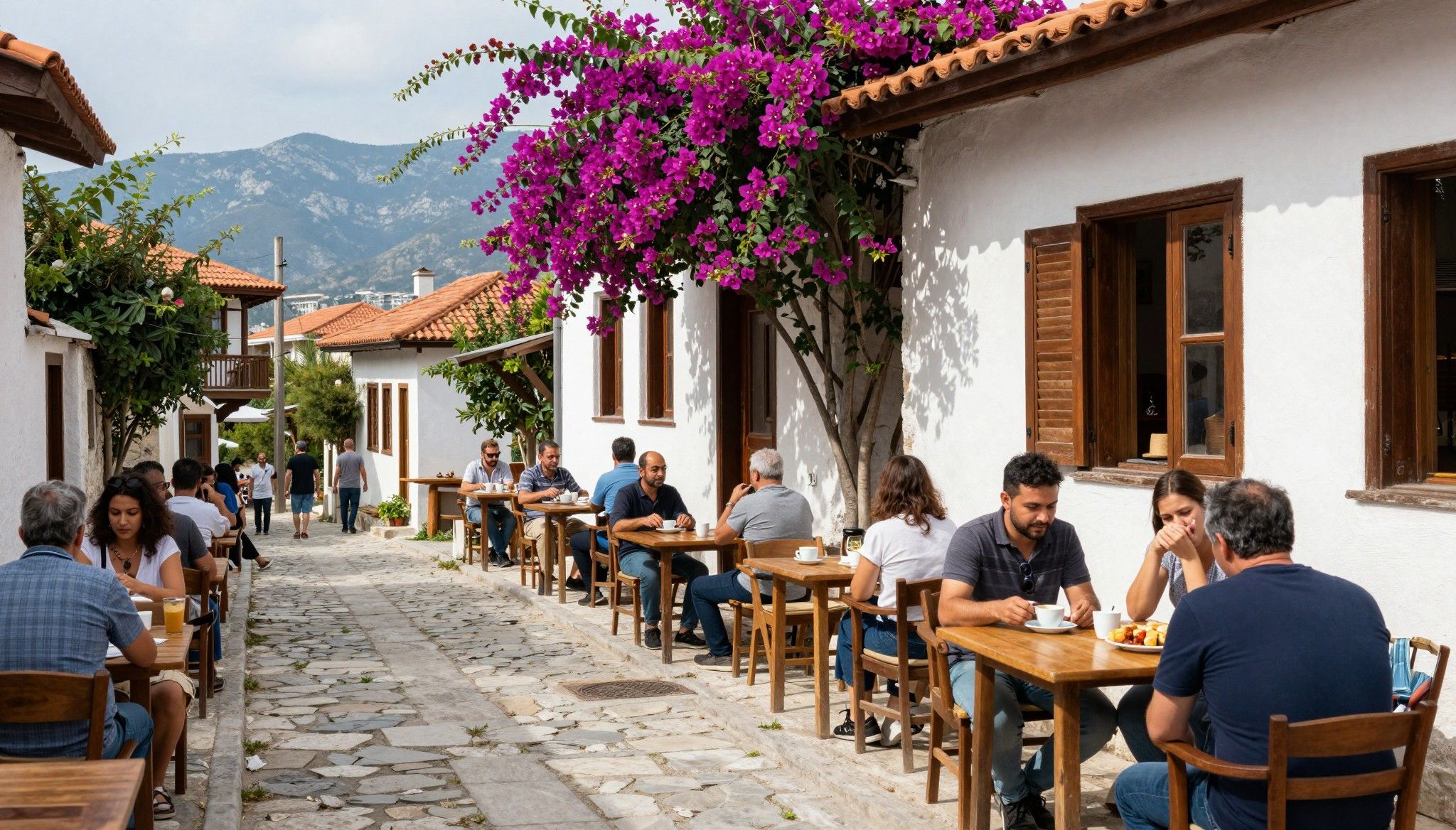
Imagine an October morning in Plaka: espresso steam mixing with sea air, a fishmonger arranging the day’s catch, bougainvillea spilling over a whitewashed stair. That sensory rhythm—slow breakfasts, bustling markets, windy island afternoons—shapes why people buy in Greece, not just for price charts but for daily life that feels designed around conviviality and the sea. Yet lifestyle and transaction often arrive at different times: the narrow lanes that charm you can complicate renovation logistics and parking. This article pairs the lived-in pleasures of Greece with practical moves international buyers should use to turn a dream into a durable investment.
Living the Greek Life: rhythm, place, and taste
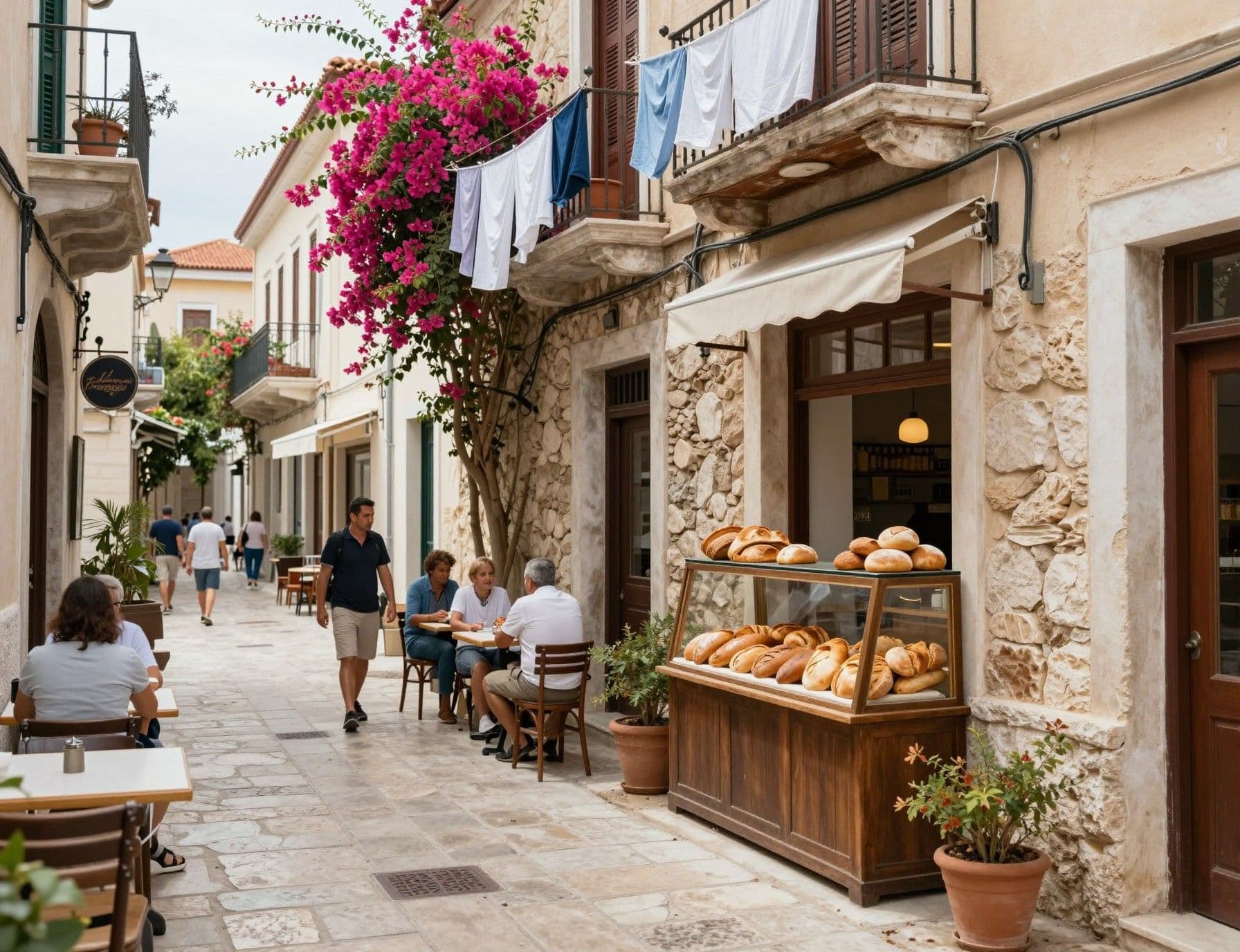
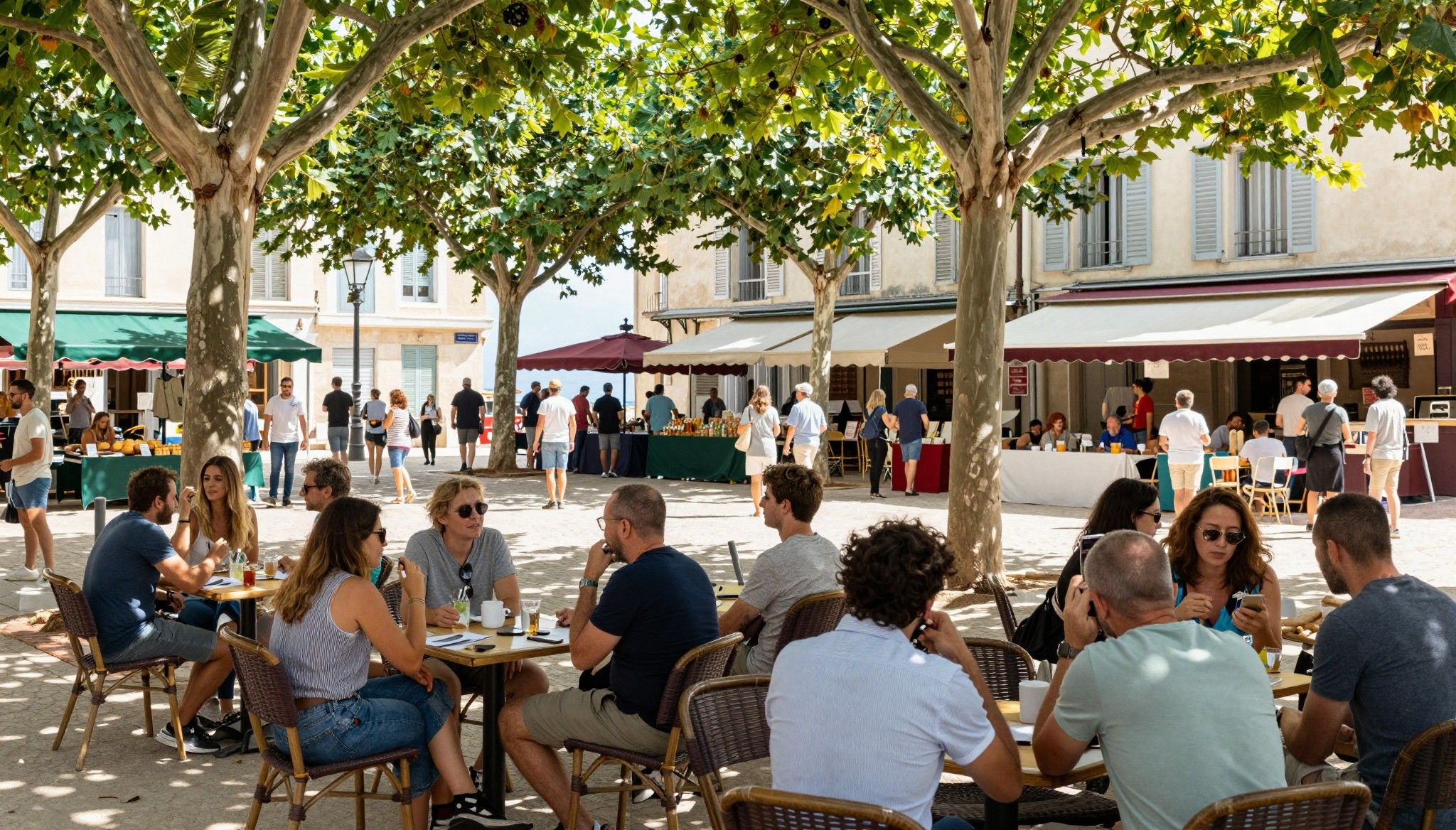
Living in Greece means layering seasons into daily life: a quiet January in Cycladic alleys, a boisterous July on municipal beaches, and spring markets that feel like a second opening night. Athens offers an urban rhythm—cafés on Kifissia’s tree‑lined avenues, aperitif crowds by Thissio overlooking the Acropolis—while islands like Naxos and Tinos trade nightlife for village festivals and long lunches. Recent market reports show strong demand across urban and island markets, so the lifestyle you fall for often translates into sustained price interest and rental demand in key areas.
Spotlight: Athens neighbourhoods that feel like small towns
Walk from Pangrati to Mets and you see what buyers love: corner bakeries, weekend markets, and squares where kids play until late. Koukaki and Thissio combine proximity to the historic core with quieter residential streets, while southern suburbs such as Glyfada provide coastal living with international schools and yacht moorings. These microclimates define how you’ll use a property—city apartment for weeknights, coastal home for weekends—and explain why certain pockets command a premium.
Food, festivals and the island tempo
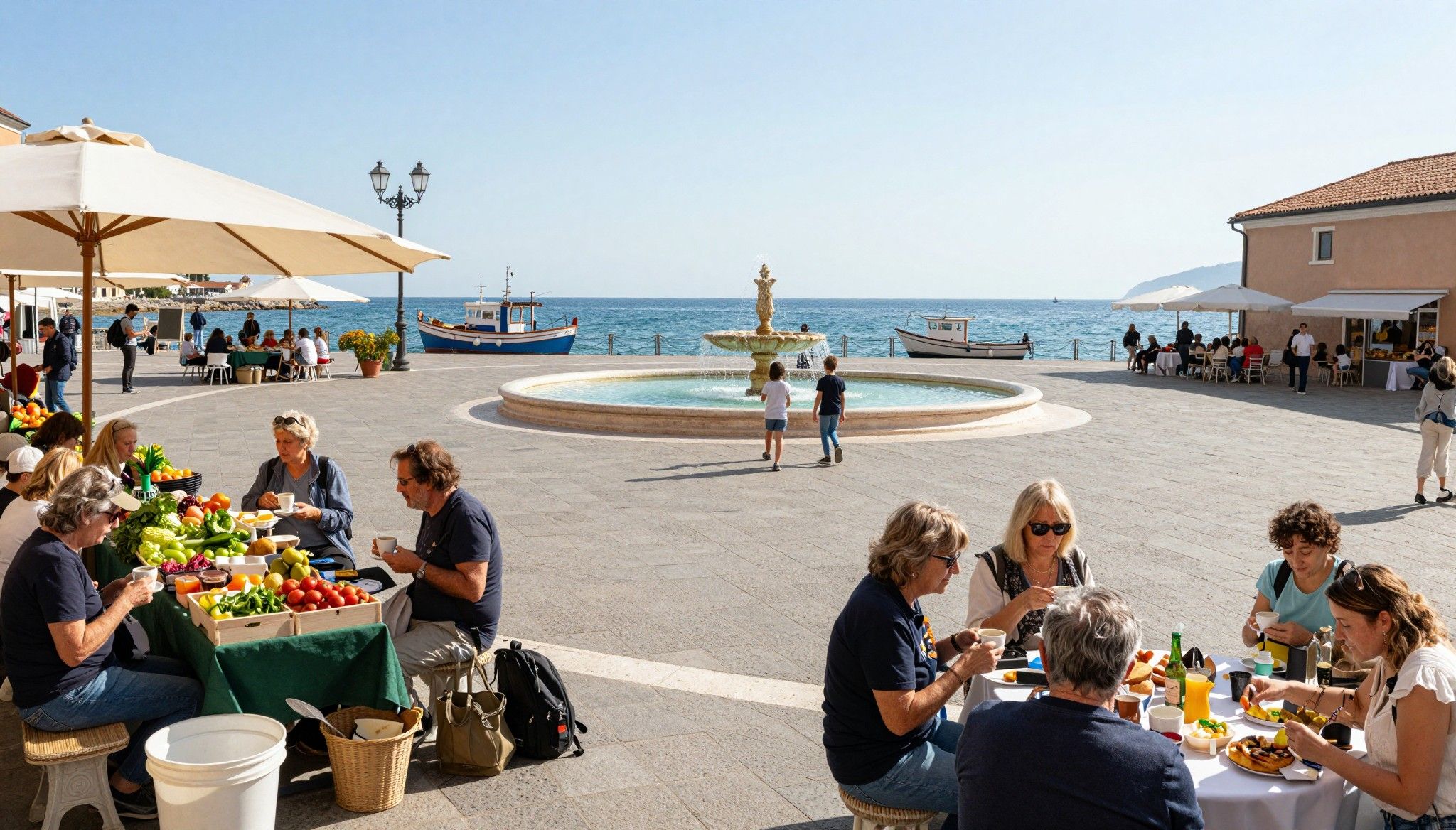
From weekday souvlaki to August panigyria (village feasts), food and festivals structure social life. Visit the Varvakeios Market in Athens on a Thursday and you’ll see restaurateurs buying for the weekend; on islands, small harvest festivals determine when shops close and when the village truly wakes. These cycles matter: they set rental seasonality and the kinds of short‑term income you can expect, and they decide when it’s smart to visit for house‑hunting if you want to see neighbourhoods in their authentic tempo.
- Varied lifestyle highlights: Varvakeios Market (Athens), Thissio promenades, Glyfada marina, Naxos markets, Plaka stair cafés, Tinos marble-carving workshops.
Making the move: lifestyle decisions that shape property choices
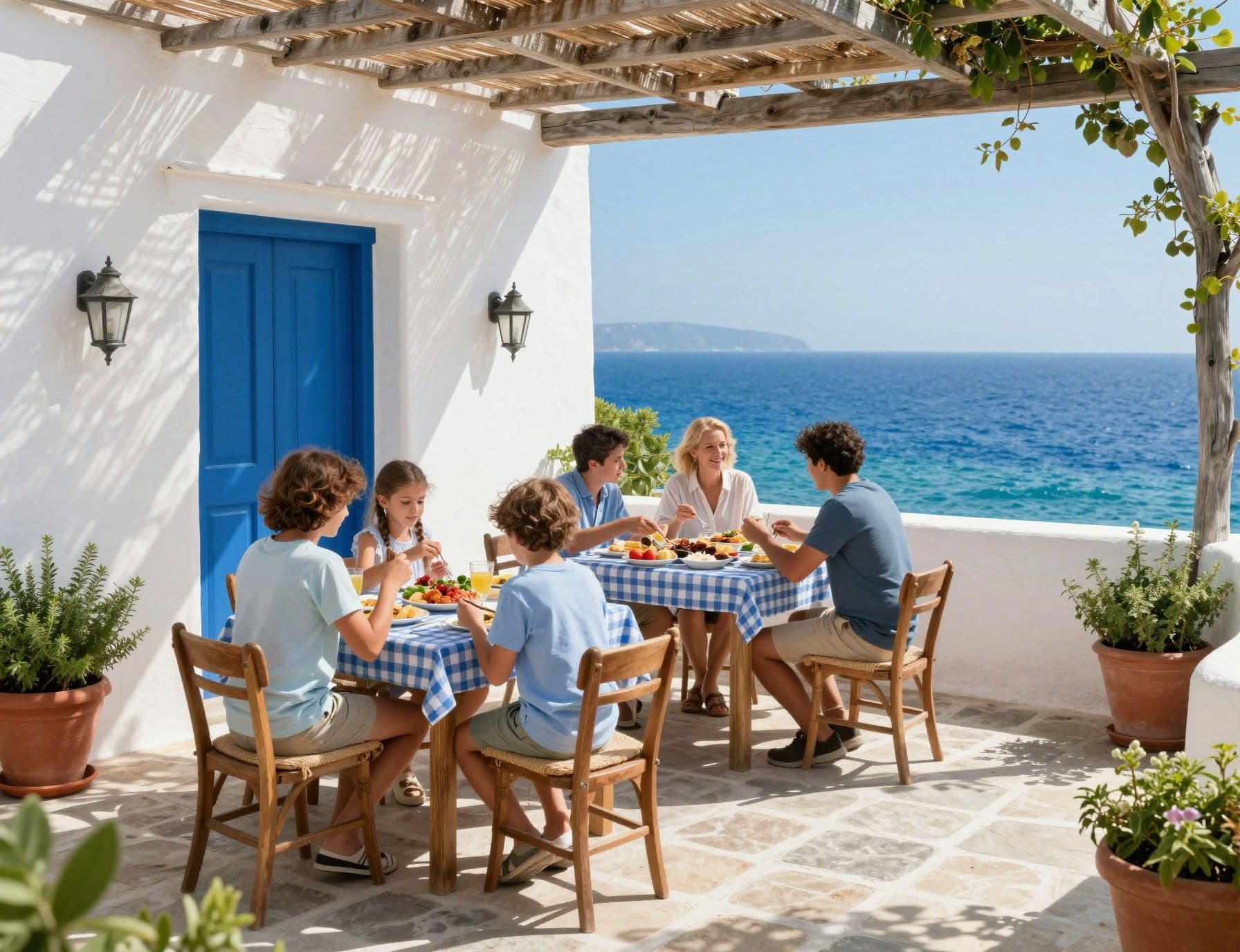
Your lifestyle shortlist—island escape, Athens base, or a combined life—should drive the type of property you target. Practical realities follow: transport links, renovation permissions, and the new investor residency thresholds introduced since 2024 change which areas attract international buyers. For example, higher Golden Visa thresholds in Attica, Thessaloniki and larger islands have nudged some buyers toward secondary islands and mainland coastal towns where thresholds and prices remain comparatively lower.
Property styles: whitewashed maisonette or modern Athens apartment?
Stone village houses offer vaulted ceilings, courtyards and slow‑paced living but often need significant structural work and seismic upgrades. Newly built apartments in Athens provide modern insulation, elevators and energy certificates that ease rentals and resale, with asking prices rising notably in 2024–25. Match the property type to how you intend to live: frequent use means modern conveniences; seasonal stays tolerate more character but budget for upgrade costs and permit timelines.
Working with local experts who know life and law
A local agent who knows festival calendars, access constraints, and municipal permit timelines will save weeks in due diligence. Lawyers familiar with recent residency law changes can confirm whether a property qualifies for investor schemes before you commit. Use agencies that combine lifestyle matchmaking (finding the street you’ll love) with transactional rigor (checks on title, encumbrances and seismic compliance).
- Six lifestyle-first practical steps: 1) Visit in shoulder season to see real daily life; 2) Ask for recent energy/structural reports; 3) Check local festival dates that affect access; 4) Confirm Golden Visa eligibility if residency matters; 5) Budget 10–20% extra for renovations and permits; 6) Use a bilingual notary and lawyer for contracts.
Insider knowledge: what expats often only learn after living here
Expats tell the same practical things: service hours shrink on Sundays and certain months, neighbours matter more than in anonymous cities, and a small local repair network is worth its weight in gold. Tourism growth fuels seasonal rental potential but also strains local services during peak months; owners who plan for quiet months find year‑round life richer and properties easier to maintain. Real insight: the community you choose will determine whether Greece becomes a wealthy weekend habit or a lived, integrated life.
Language, integration and everyday customs
Greek is the language of neighbourhood life, but English is widely used in tourist hubs and among professionals in Athens and Thessaloniki. Learning even basic phrases accelerates invitations to local tables and helps with services that don’t always appear online. Expect a slower tempo at municipal offices and build buffer time into permit and registration processes; patience here converts into better local relationships and fewer surprises during renovation or rental setup.
Long-term lifestyle: how life evolves after you buy
Owners often describe a transformation: initial weekend visits give way to weekday routines—bakery runs, school runs, and local friends. That shift changes what you value: storage for surfboards, an oven that handles long family dinners, or an adaptable guest suite for summer rental. Market momentum suggests steady appreciation, but the most resilient investments are those that fit how you actually live there, not how a listing photographs.
- Red flags buyers should watch: title irregularities, missing energy/structural certificates, restricted access during festival months, unclear renovation permissions, and overstated rental yield projections during peak season.
If Greece feels like a cultural embrace more than a checklist, that’s the point. Pick the neighbourhood that fits your week—whether mornings at a seafront kafenio or evenings in an Athens square—and use local expertise to turn that daily scene into a secure legal and financial foundation. Next step: compile a short list of streets you loved on visit days, ask an agent for recent comparable sales on those streets, and commission a local structural survey before making an offer. That sequence keeps the romance intact and the investment sensible.
Dutch investment strategist with a Portugal-Spain portfolio. Expert in cross-border financing, rights, and streamlined due diligence for international buyers.