Malta: Street‑Level Life and Buying Realities
Malta’s compact, high‑demand market rewards buyers who prioritise neighbourhood life, street‑level research and local permits; RPPI data shows steady price growth.
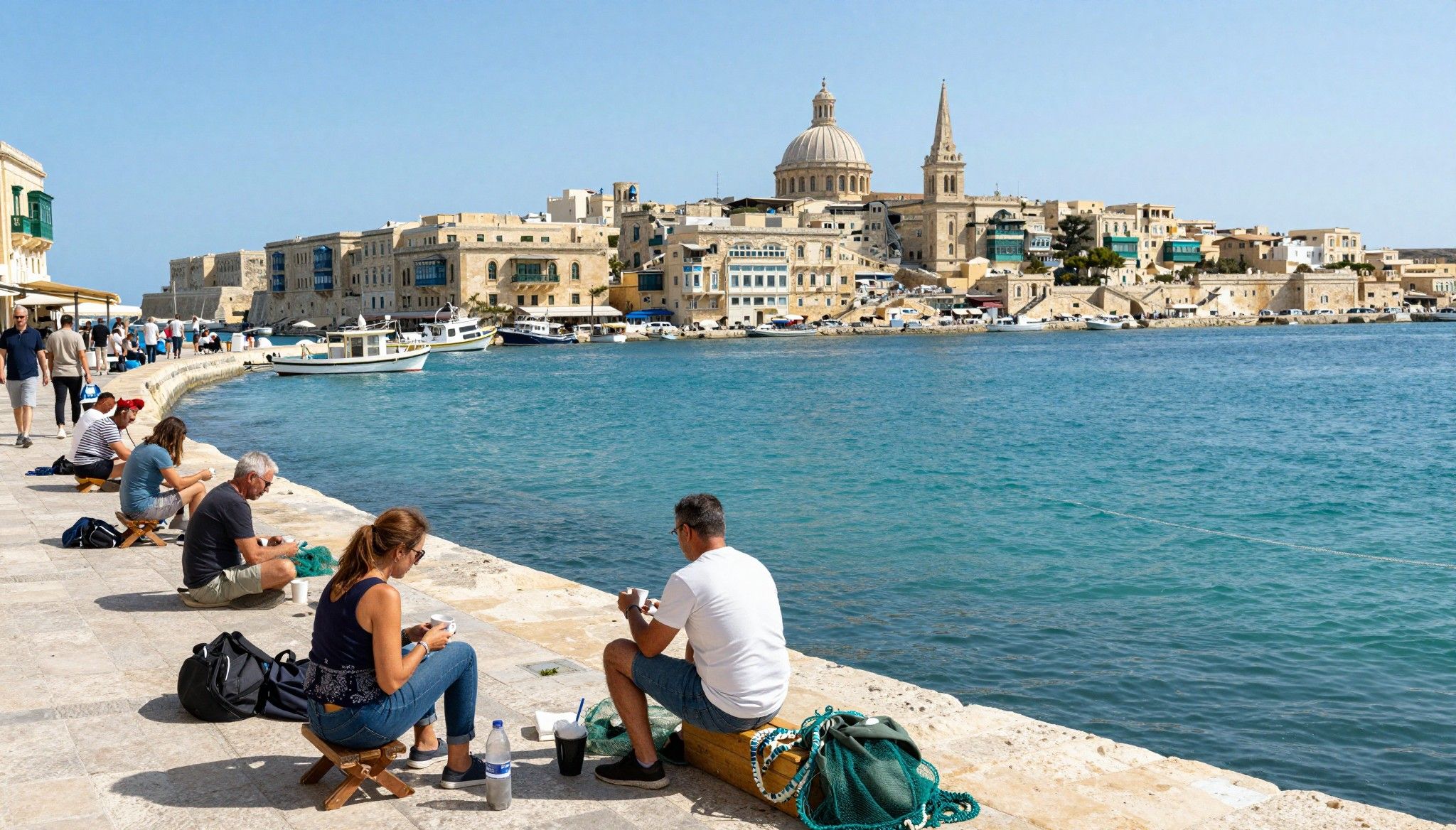
Imagine waking to the smell of coffee from a tiny Valletta café, walking past limestone townhouses whose balconies spill with bougainvillea, and reaching a turquoise cove for a late-afternoon swim. Malta is compact — 27 kilometres from end to end — which makes neighbourhood life intense: markets, festas, and weekday rituals fold into your door. That intimacy is Malta’s asset and its market reality; it shapes where buyers win and where they overpay. Evidence from the National Statistics Office shows steady price growth, so lifestyle choices and street-level knowledge matter as much as headline yields. (See official RPPI data.)
Living Maltese: daily rhythms and real neighbourhood texture
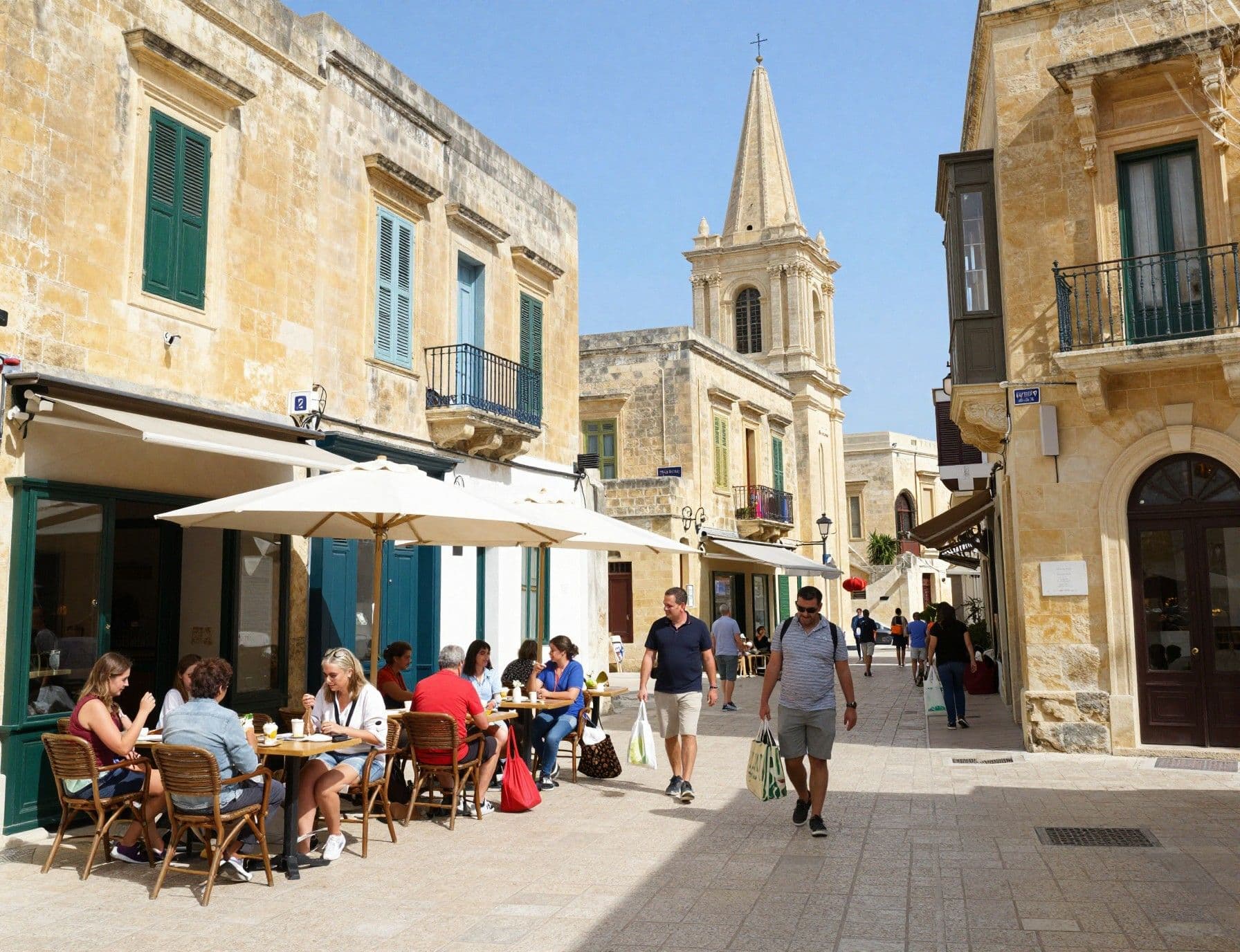
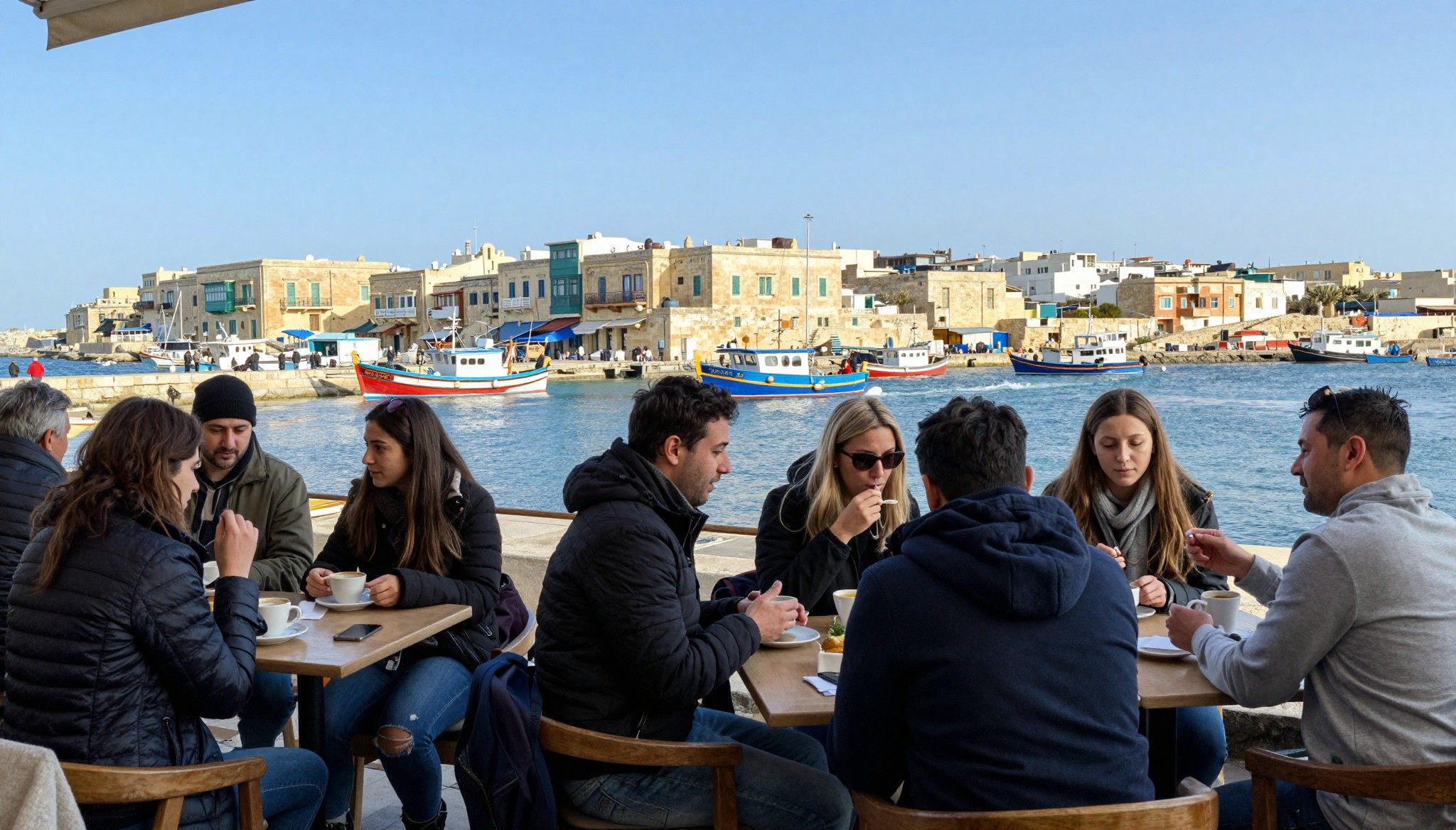
Life here moves on a Mediterranean clock: slow mornings, energetic lunchtimes, and late social evenings. Valletta and Sliema hum with cafés and offices; Marsaxlokk and Pretty Bay feel village‑slow even in summer. The Central Bank and local analysis note that price inflation is concentrated in well‑connected urban centres — which is exactly where daily conveniences and social life live. If you want the bustle, be prepared to trade outdoor private space for walkability and cultural proximity.
Valletta, Sliema, and St Julian’s: livable intensity vs tourist pulse
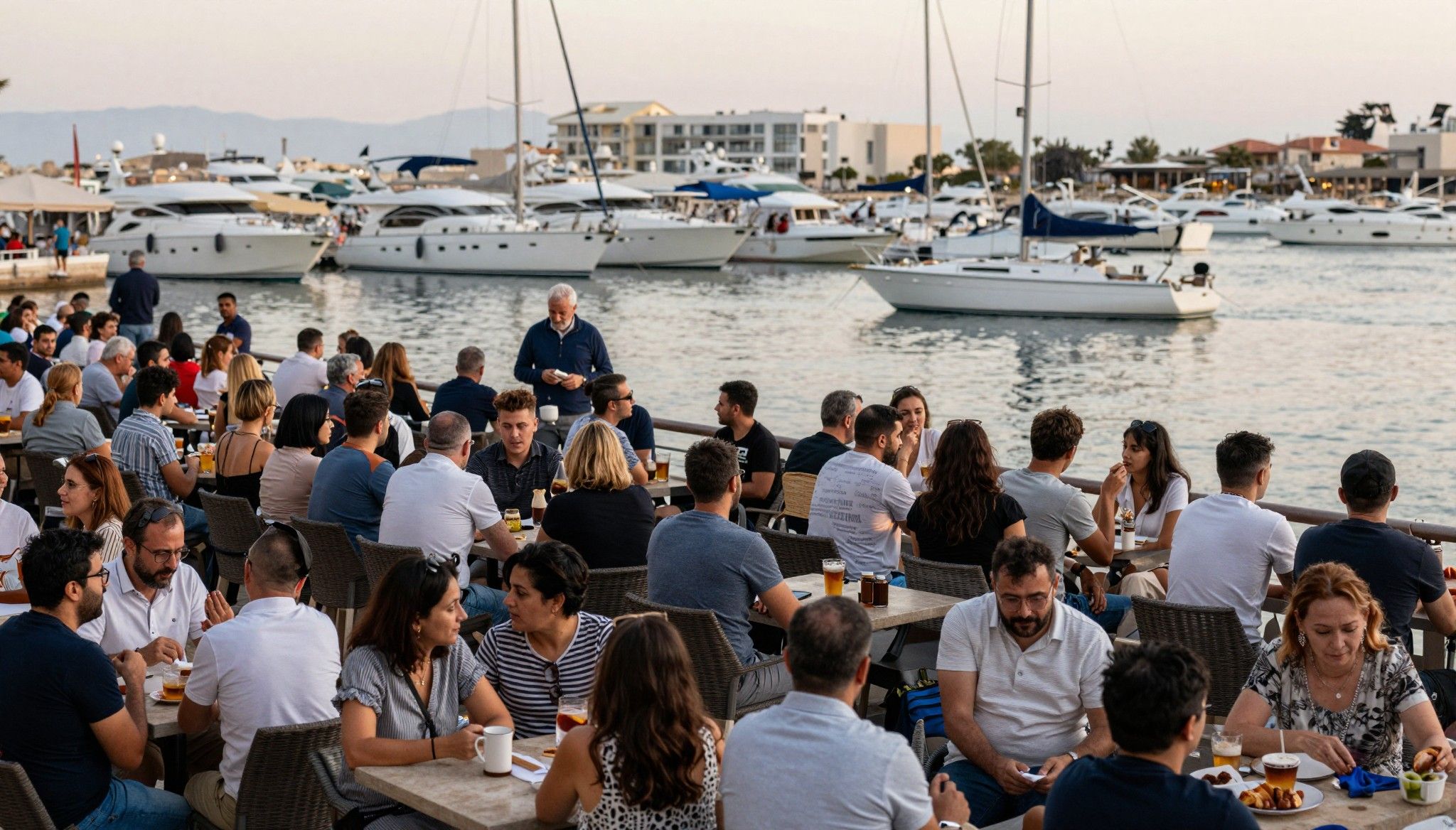
Valletta is theatrical — Baroque facades, Michelin‑level dining tucked into narrow streets, and an after‑work crowd that fills the harbourfront. Sliema blends residential blocks with seaside promenades and cafés where expats meet. St Julian’s (Paceville aside) offers modern apartments and a service economy that suits young professionals and short‑stay rental demand. Each area trades privacy and price for different pleasures: choose the rhythm you want to live in, not the postcard you fell in love with.
Food, festas and weekends — how lifestyle shapes location choice
Weekends are market‑driven: Marsa, Valletta and local village markets brim early on Saturday mornings with street food and seasonal produce. Festa season (summer) animates village squares with band marches and outdoor dinners — a fast way to meet neighbours. Practical note: if residency or visa matters to you, the government guide clarifies registration requirements and how renting first can ease integration before buying.
- Lifestyle highlights
- Morning espresso on Republic Street, Valletta; find café La Sfoglia for a quiet table and people‑watching
- Sunday fish market and harbour walk in Marsaxlokk; excellent for buyers who prize seaside village life
- Promenade runs and sunset drinks along Sliema–St Julian’s waterfronts; great for social, active buyers
Making the move: property types, permits and street‑level tradeoffs
Malta’s market is compact and regulatory nuances are decisive. Apartments and maisonettes dominate in central areas; terraced houses and converted townhouses appear in older quarters and Gozo. Non‑EU buyers often need an Acquisition of Immovable Property Permit (AIP) and may be restricted to Special Designated Areas for unrestricted purchases. Knowing where a property sits relative to permit rules changes both price and long‑term flexibility.
Property styles — what you’ll actually live in
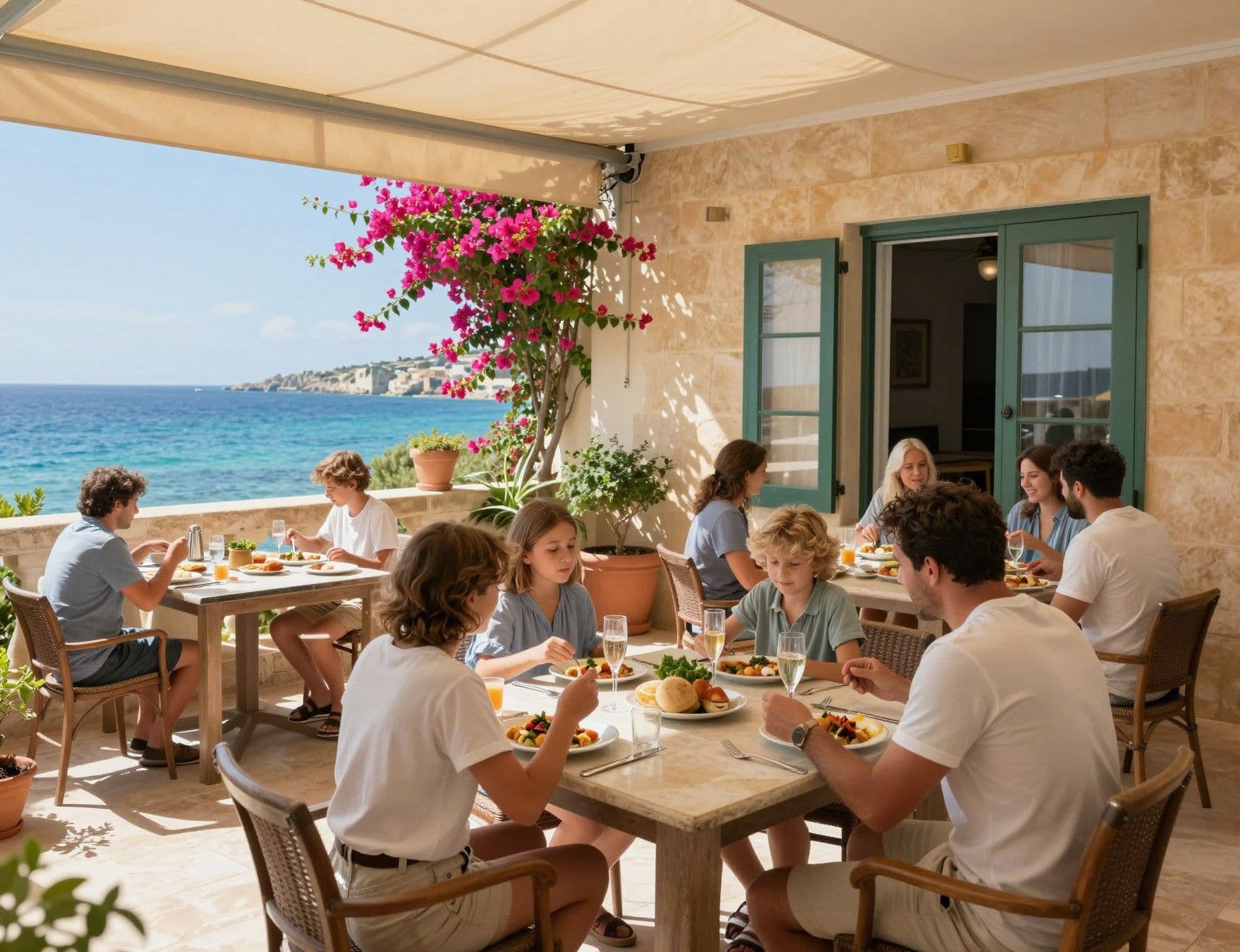
If you prize indoor‑outdoor living, look for maisonettes with terraces or modern apartments with balconies facing the sea. Limestone townhouses give character — timber beams, internal courtyards — but often need renovation and compliance checks. Newer blocks offer efficient layouts and amenities but bake in service charges and seismic/waterproofing considerations; match the building’s upkeep to how you want to live.
Working with the right local expertise
Agencies in Malta range from boutique specialists to larger firms. Use a firm that shows street‑level knowledge — which café, which parish, which local contractor — because data alone won’t tell you whether a street closes for a festa. PwC’s market commentary highlights limited public data and the premium on local insight; a strong notary and agency team will save time and risk in a compact island market.
- Practical steps with a lifestyle lens
- Rent for 3–6 months in your target neighbourhood to confirm daily rhythms and noise; this reduces buyer’s remorse and reveals hidden issues such as traffic or festa closures
- Ask agents for recent comparable deeds (not just listings) and insist on a notary who will perform full title searches and AIP checks if you are non‑EU
- Prioritise walkability and services over sea‑view alone if you plan year‑round living; Malta’s summer crowds can make waterfronts lively but less private
Insider knowledge: myths, red flags and expat lessons
Buyers often assume Malta equals cheap Mediterranean sun; in reality, scarcity of land and concentration of demand push central prices up. Conversely, peripheral towns and Gozo offer lower entry points and a different pace of life. Expat buyers we spoke with say the biggest regret is underestimating maintenance on older limestone properties and not budgeting for service charges on modern developments.
Cultural cues that change where you should buy
Language is not a barrier — English is an official language — but social integration follows parish and festa lines. Buying on a street with an active local committee means quicker updates on planning changes but also more communal expectations. If you want privacy, avoid narrow, pedestrianised lanes where community life is intense; if you want to belong, those lanes accelerate friendships.
Longer‑term signals to watch
Policy and residency programmes influence demand. The Malta Permanent Residence Programme and related thresholds affect where international buyers look; check current qualifying purchase values and be aware that programme changes alter local appetite for certain neighbourhoods. Track official updates before committing to price-sensitive coastal locations.
- Red flags and quick checks
- Unclear title history or missing deed copies — always insist on notarised searches
- Excessive short‑let signage or listings in a building — may indicate management issues or fluctuating neighbourhood character
- High service charges relative to building age — modern amenities can create ongoing costs that outpace rental returns
Conclusion — fall for the life, buy with street‑level sense
Malta sells a concentrated Mediterranean life — limestone streets, short distances and vibrant local rituals. That compactness rewards buyers who pair lifestyle clarity with local experts: a notary who understands AIPs, an agency with parish‑level knowledge, and a willingness to live in your chosen quarter before you buy. Use official RPPI data and Central Bank commentary to set expectations about price momentum and prioritise street‑level checks over glossy listings. When you buy with lived experience in mind, Malta’s intensity becomes an advantage rather than a risk.
Danish relocation specialist who has lived in Barcelona since 2016. Helps families move abroad with onboarding, schooling, and local services.