The Cyprus neighbourhood tour that changes how you buy
Street‑level Cyprus: pair seaside cafés and market rhythms with Central Bank and PwC data to find neighbourhood value that headlines miss.
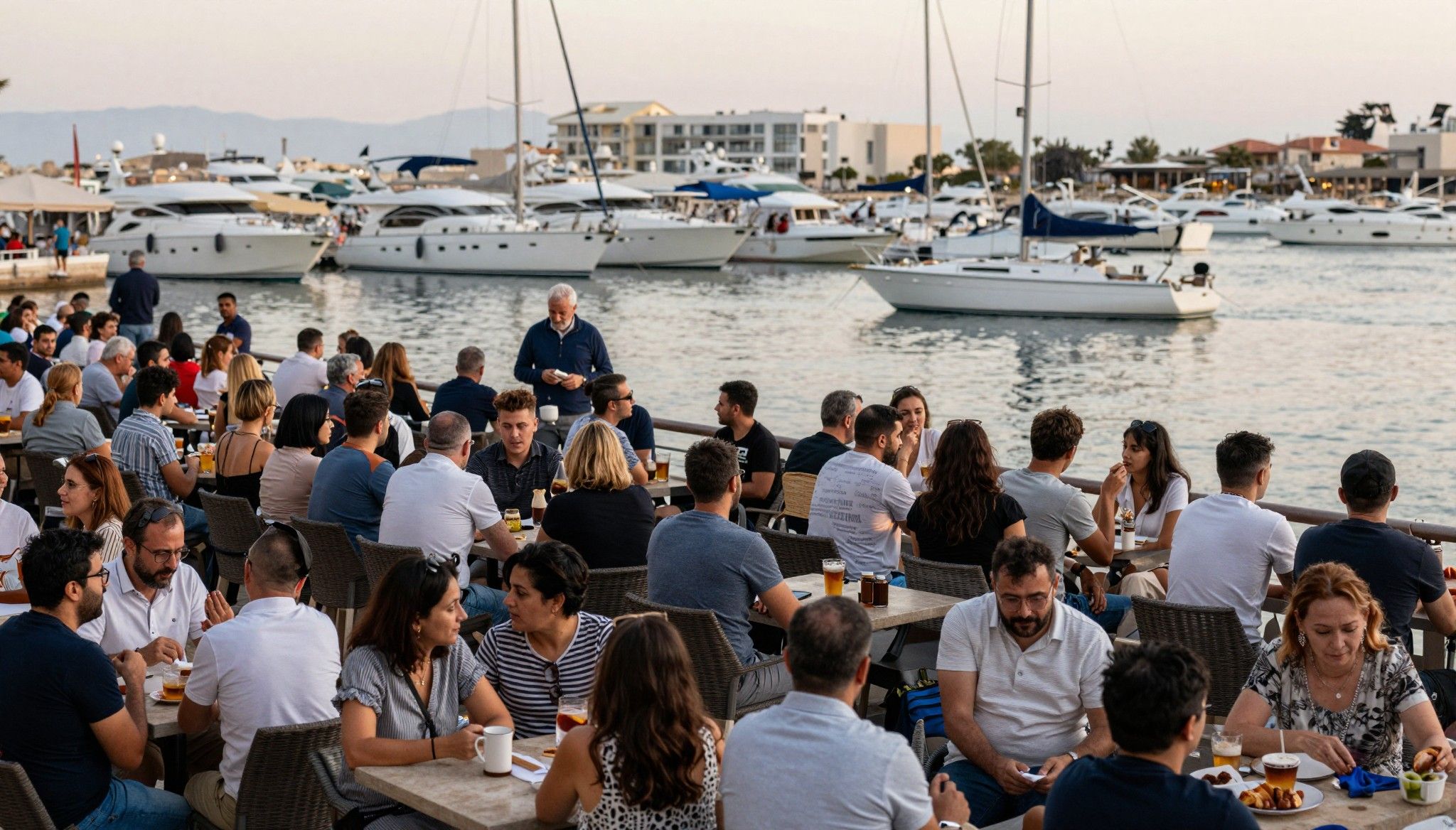
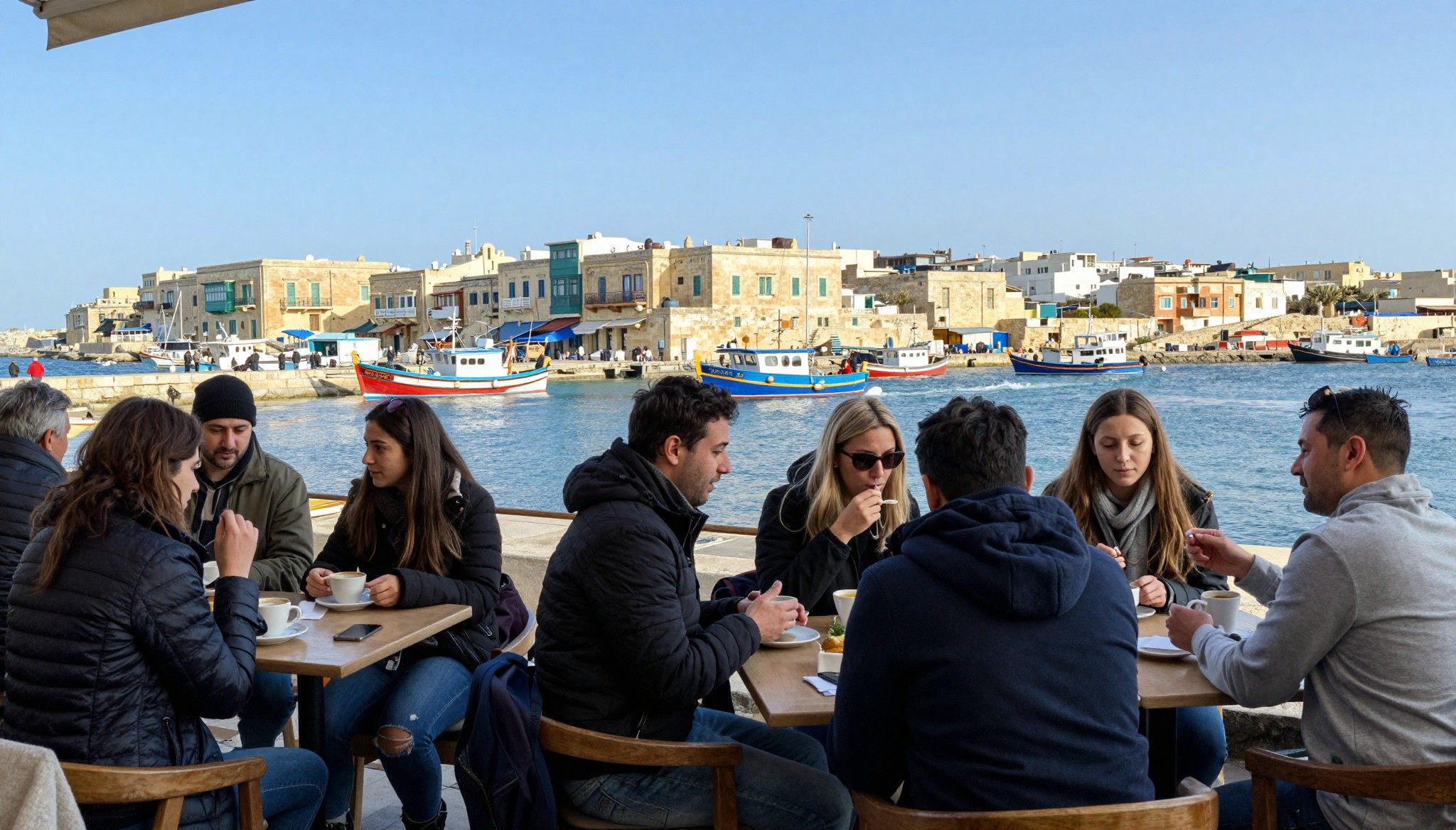
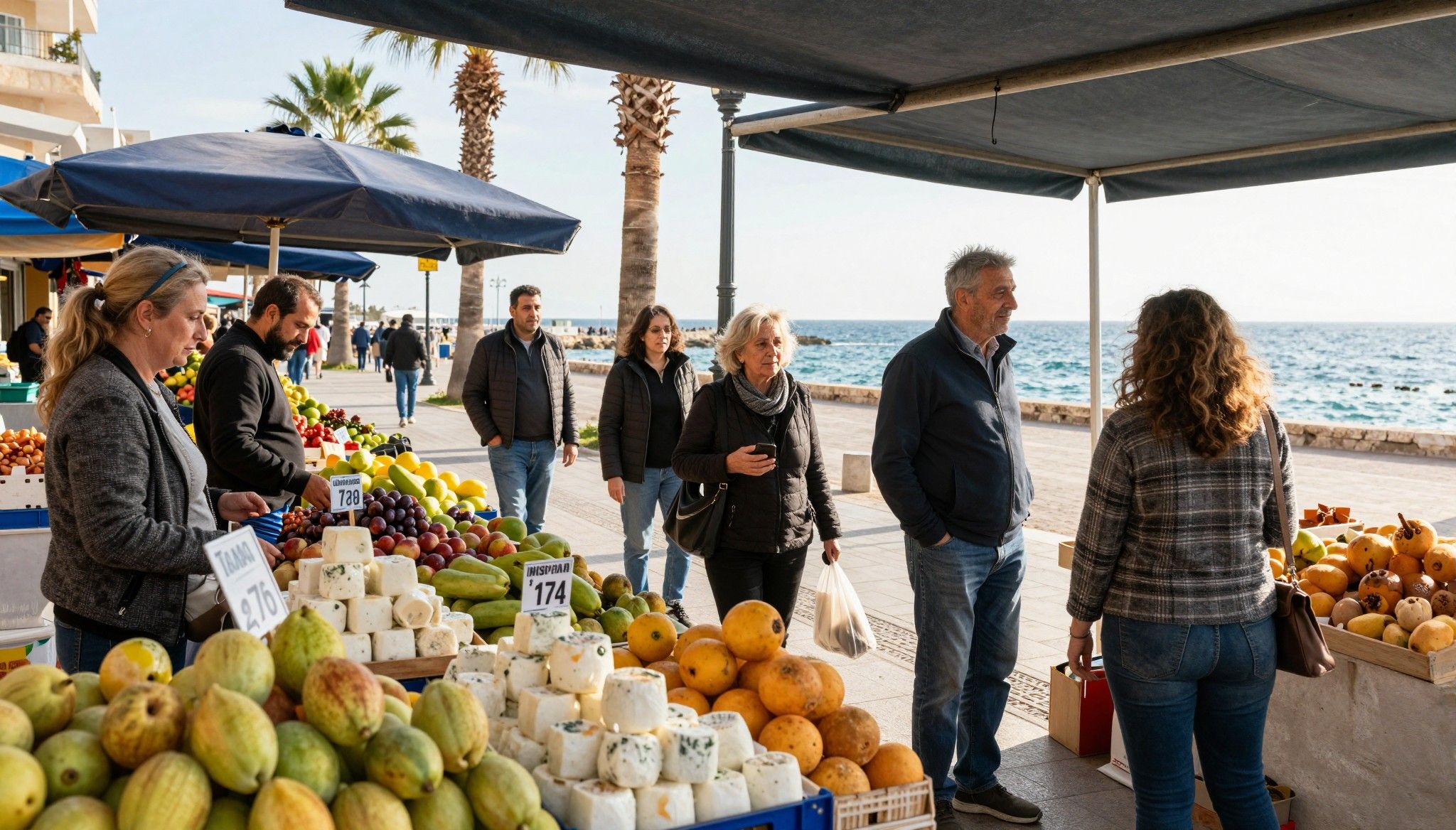
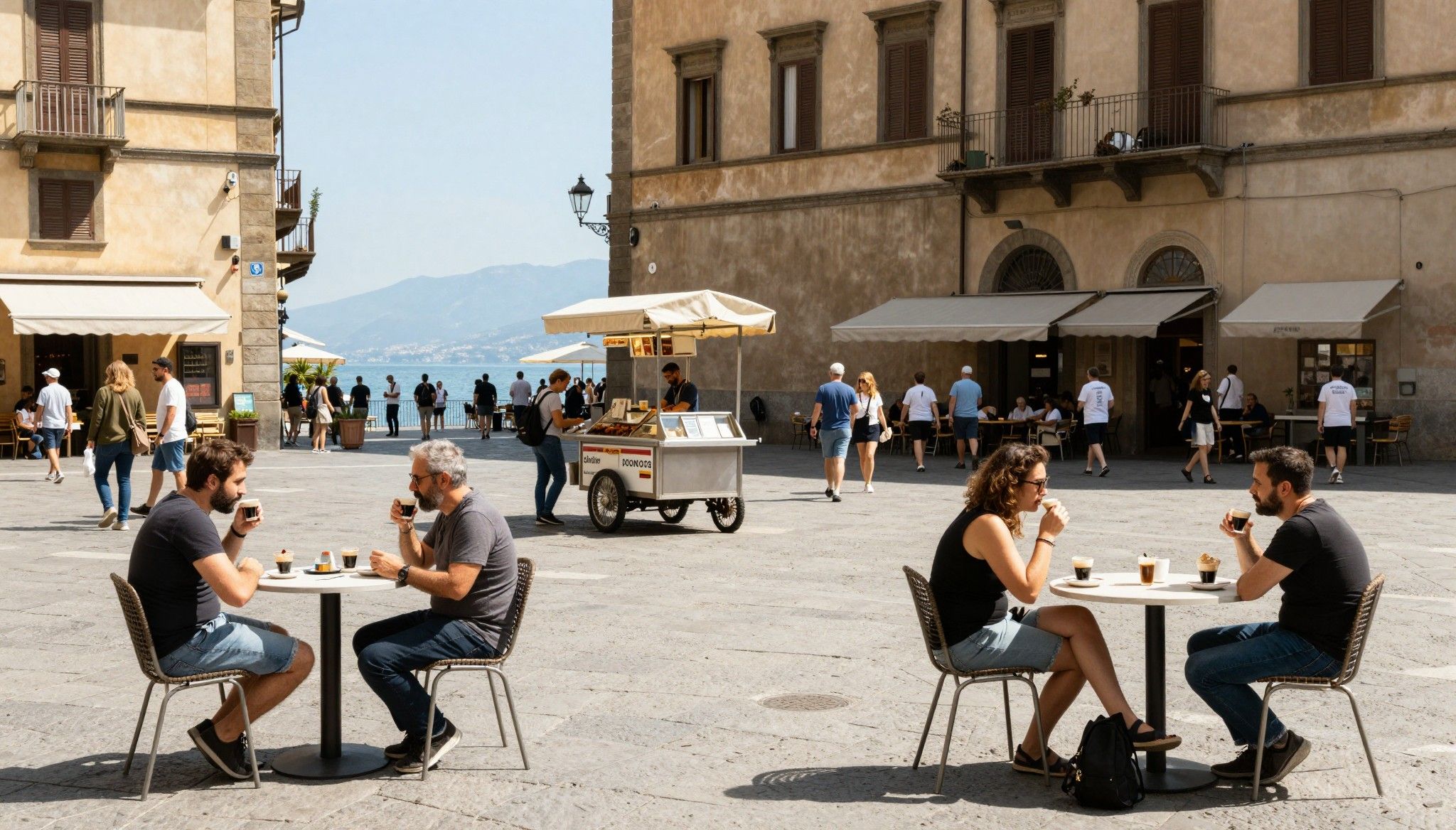
Imagine a Saturday in Cyprus: espresso at a sunlit kafeneio on Ermou Street in Larnaca, fishermen hauling nets at Larnaca’s Finikoudes, and a late‑afternoon passeggiata along Limassol Marina. The rhythm is Mediterranean — slow breakfasts, lively markets, long evenings — and that daily life shapes where people choose to live. For international buyers, the charm is immediate; for smart buyers, the signals are in street-level routines, not glossy brochures.
Living the Cyprus lifestyle
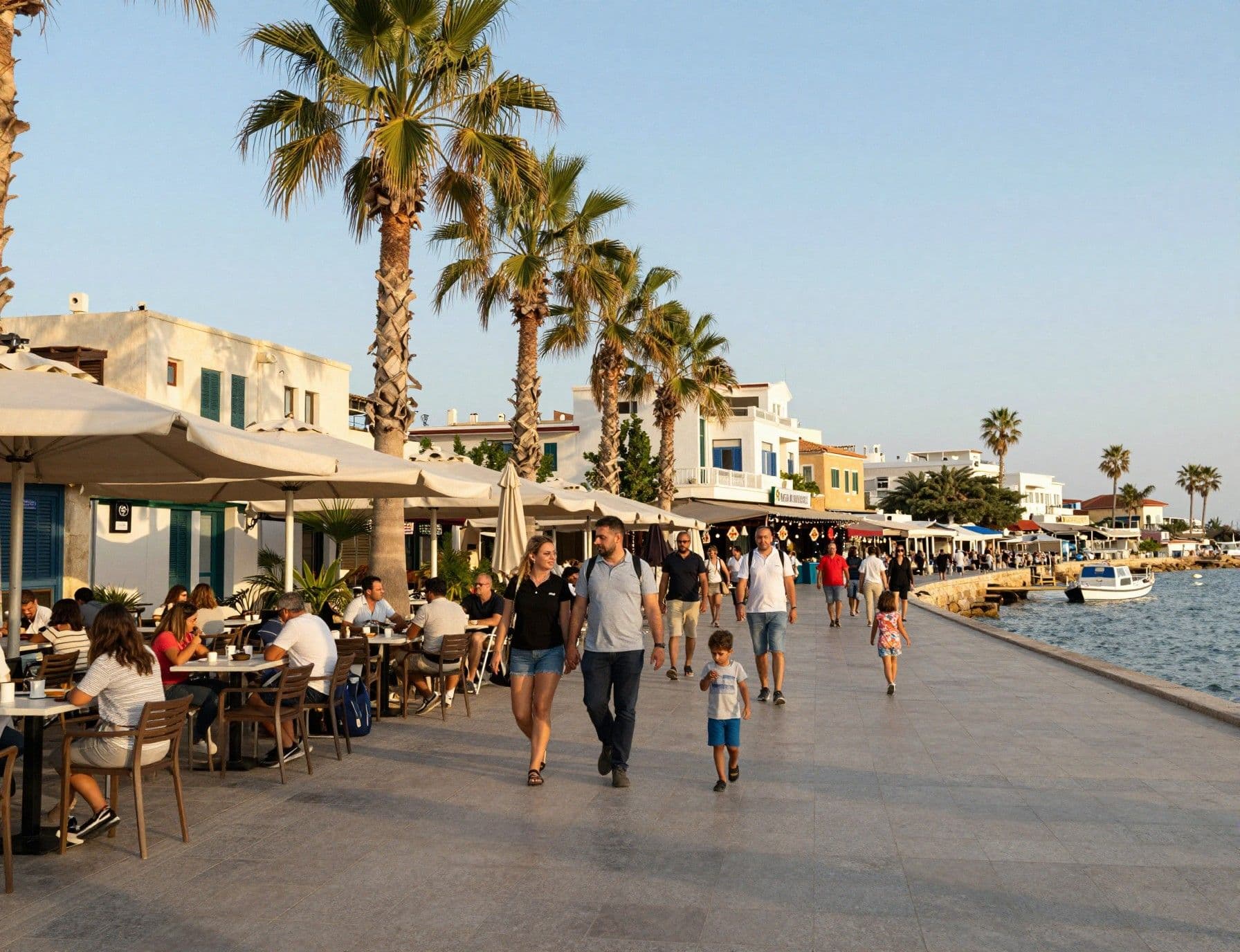
Cyprus is smaller than many expect, which means you can trade an urban apartment for quick beach mornings or mountain weekends without long commutes. Mornings begin with bakeries on corner squares; afternoons drift to beaches or village tavernas; evenings pivot to open‑air concerts in town squares. That loop — food, sea, community — is what most buyers buy into, and it should guide property choices as much as price per square metre.
Larnaca and the unpretentious coast
Walk down Ermou and you’ll see the local life that attracts both retirees and digital nomads: cafés with steady daytime traffic, municipal events on the promenade, and small galleries tucked between apartments. Larnaca has quietly become a value alternative to Limassol — better daily-life rhythm for less headline price — and that’s reflected in shifting buyer interest over recent years.
Limassol’s marina and the modern pulse
Limassol shows the island’s modern face: high-rise developments, designer cafés, and an international business community. It delivers convenience and resale liquidity, but buyers pay a premium for convenience. The trade‑off is clear — aspirational, service-rich living versus quieter community life inland or in neighbouring coastal towns.
- Lifestyle highlights — what living in Cyprus feels like
- Morning espresso on Ermou Street (Larnaca) and a local pastry
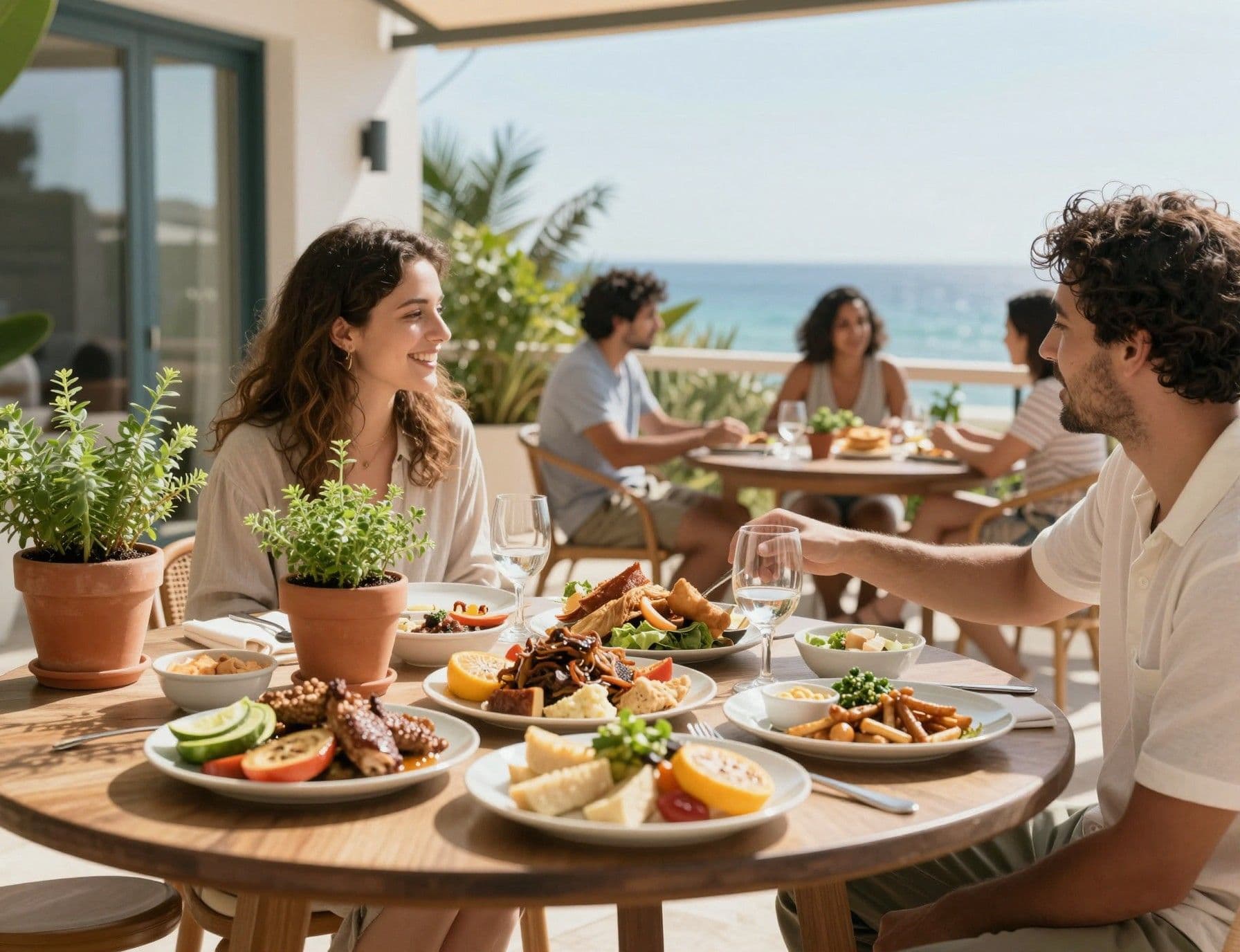
- Weekend fish meze at Paphos harbour, followed by a beach walk
- Evening promenades at Limassol Marina and seasonal outdoor concerts
Making the move: lifestyle‑meets‑market reality
The lifestyle you want must be checked against market facts. Cyprus’s Residential Property Price Index shows continued price growth in recent years, with apartments often appreciating faster than houses — a signal of urban and coastal demand. PwC and local market reports confirm rising transaction volumes and sustained foreign interest, though flows shift between districts. Use those macro indicators to refine where you search, not to decide alone.
Property styles and how they shape daily life
Modern seafront apartments give you terrace living, concierge services and easy rentals; village houses in Troodos deliver garden space and a slow pace. If you want morning markets and walkable cafés, prioritise older town cores or low‑rise developments near promenades. If privacy, a garden and mountain views matter, look inland to Peyia or the Troodos foothills.
Work with experts who translate lifestyle into listings
Local agents do more than show properties: they decode micro‑locations (the quiet side street with daily bread deliveries), explain seasonal rental dynamics, and check building compliance. Choose agencies that provide recent transaction comparables and can show walking‑time maps to cafes, schools and health services; those details align the property with the life you imagine.
- Practical steps that mix lifestyle and market sense
- 1. Visit in two seasons — shoulder and high season — to see daily life and tourist impact.
- 2. Ask for three years of rental data if you plan to let — apartments by the promenade perform differently than inland homes.
- 3. Value walkability: measure actual walking minutes to favourite cafés and services, not kilometres.
- 4. Get a local surveyor to check coastal construction quality — salt air affects façades and systems faster than inland climates.
Insider knowledge: expat truths and red flags
Expats quickly learn that Cyprus’s headlines miss the fine print. Foreign transactions remain a material share of volume, but buyer profiles shifted after policy changes and market cycles. That means pockets of opportunity appear where locals and long‑term residents confidently live while international attention moves elsewhere — precisely where value can hide.
Cultural integration and everyday belonging
English is widely spoken in business and services, but local Greek still matters at village tavernas and municipal offices. Join community events — church festivals, farmers’ markets, and neighbourhood coffee mornings — to see the social fabric. Those connections often determine whether a house feels like ‘home’ or just a holiday asset.
Red flags local buyers watch for
- Unfinished planning permits on coastal plots — development risk and potential delays
- Opaque service‑charge accounting in apartment blocks — check historic invoices and sinking funds
- Buyer reliance on peak‑season impressions — some streets empty off‑season, changing rental dynamics
Local buyers avoid these mistakes by asking for utility bills, recent building insurance receipts and talking to neighbours. Those simple checks protect lifestyle expectations and preserve future resale value.
Long‑term life: how your Cyprus dream matures
Over five years, buyers who prioritise neighbourhood life — schools, green spaces, daily routines — report higher satisfaction than those who bought only for headline yield. Data shows apartment price momentum in coastal towns, but long‑term life quality often comes from quieter streets and connectivity to services. Consider resale audience: retirees, local professionals or short‑term tourists — each values different neighbourhood traits.
- How to test neighbourhood fit in 6 practical steps
- 1. Spend three mornings and two evenings in the exact micro‑area you’d buy in; note noise, light and footfall.
- 2. Speak to at least two shop owners and one resident — they reveal unseen costs and benefits.
- 3. Check recent sales via local agent comparables and the Central Bank RPPI to confirm pricing trends.
- 4. Verify permits and service charges with the municipality and a local lawyer before signing.
- 5. Test connectivity: mobile signal, broadband options and access to international airports.
- 6. Ask an agent for seasonal occupancy data if rental income matters — summer and shoulder seasons behave differently.
Conclusion: buy the life, then back it with data. Cyprus rewards buyers who pair sensory, street‑level research with hard market signals. Start by mapping the daily routines you want, test those streets in two seasons, and ask local experts for recent transaction data and permit checks. That approach turns a lifestyle dream into a robust property decision.
Swedish strategist who relocated to Marbella in 2018. Specializes in legal navigation and tax planning for Scandinavian buyers.