Don’t Judge Cyprus by Summer: Seasonal Price Signals
Why summer viewings mislead: seasonal demand and district data reveal better timing and neighbourhoods for confident Cyprus purchases.
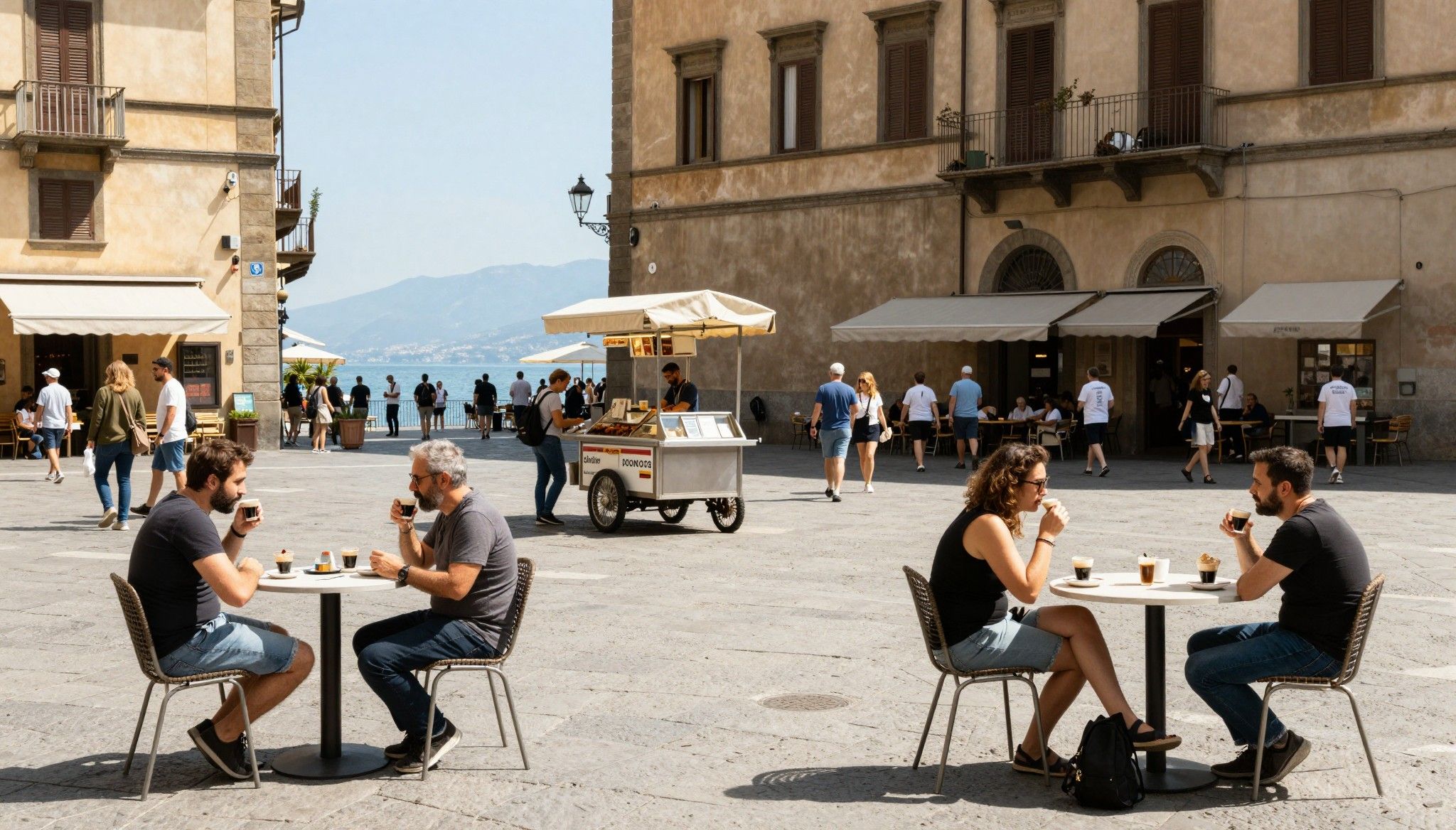
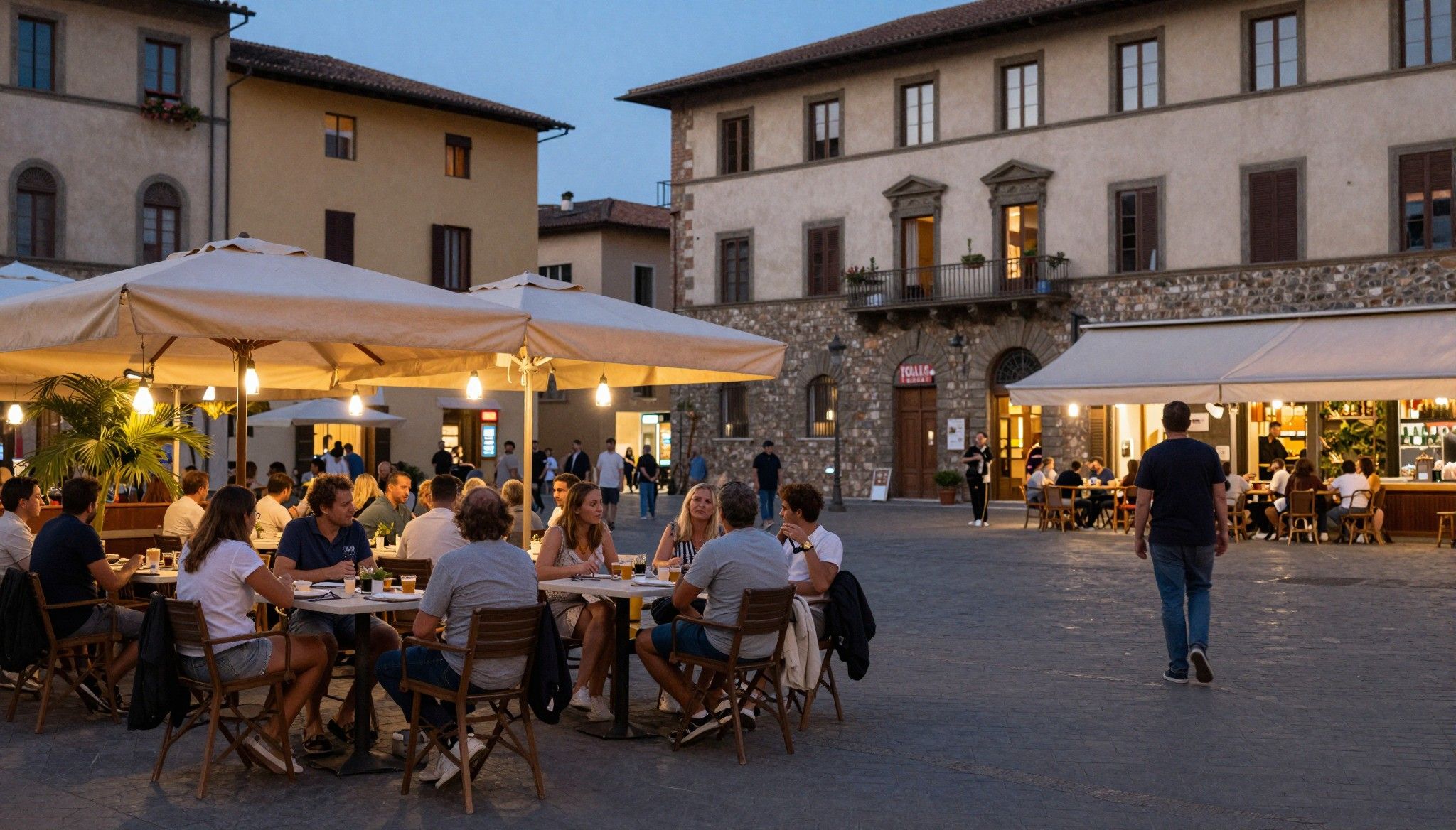
Imagine sipping a strong espresso on a shaded table in Limassol’s old town as delivery vans thread past a boutique bakery, then picturing twilight in Paphos where families stroll the harbour. Cyprus feels like a set of small, lived-in scenes — sunlit terraces, narrow streets, and beaches a short drive from city life. That sense of ease attracts buyers, but it also hides a seasonal truth: what you see in high summer is not the whole market. This guide flips the usual checklist on its head — we start with life here, then bring the data that explains how and when to buy.
Living Cyprus: rhythms, tastes and daily life
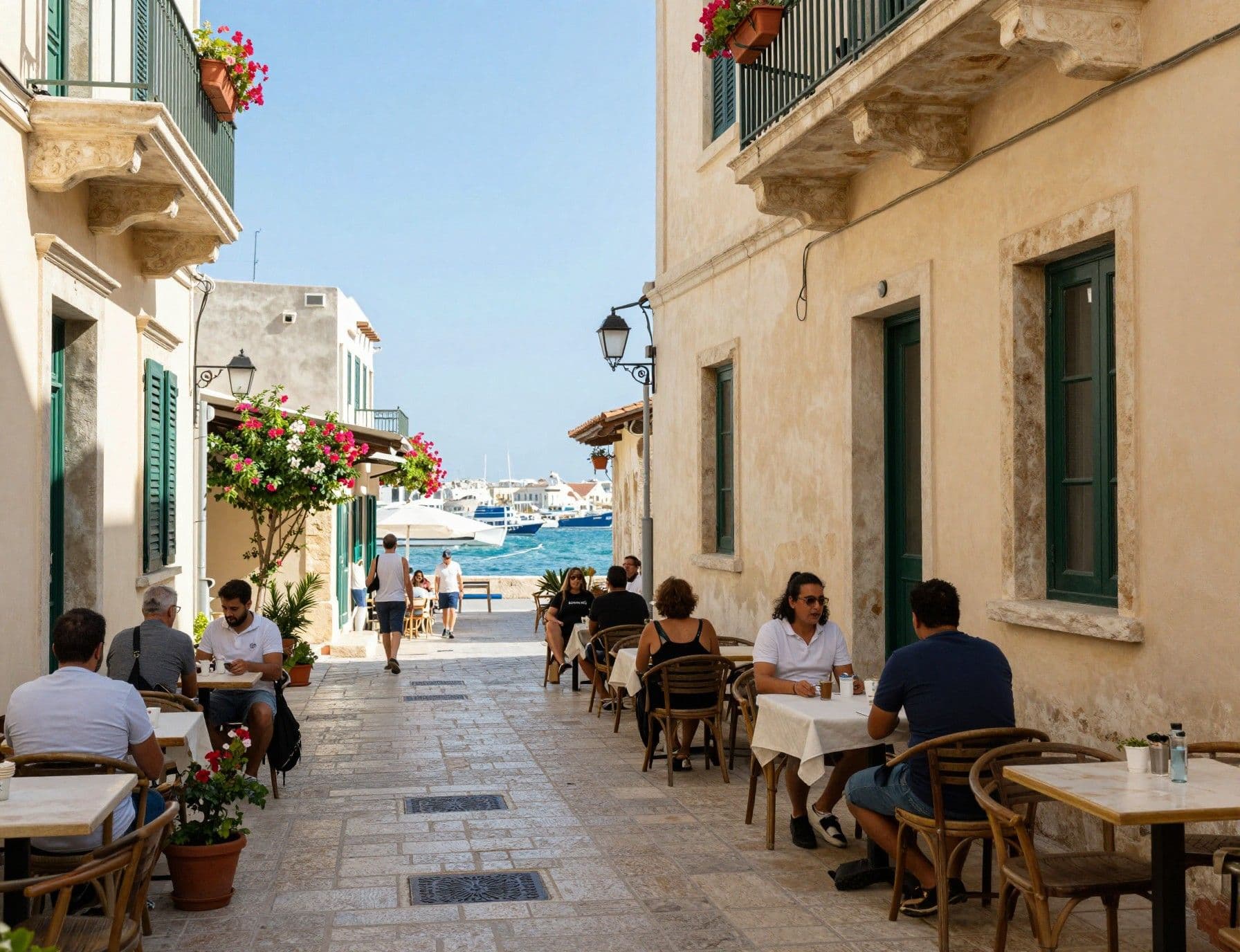
Cyprus moves at different speeds depending on where you are: Limassol hums with international business and seaside cafés, Larnaca has a working‑class calm with a long promenade, while Paphos and Peyia feel village‑close despite tourist seasons. Days begin with market stalls and coffee; evenings gather at taverna tables where mezze are shared slowly. For international buyers the welcome is practical — English is widely used, services are accessible, and there are established expat micro‑communities in each main district. These rhythms shape what you want in a property: proximity to nightlife matters in Ayia Napa, while a plot with shade and storage is priceless in mountain villages.
Neighborhood focus: Limassol’s dual personality
Walk from Germasogeia’s waterfront to Old Town Limassol and you’ll cross two markets: the seafront luxury scene and the everyday neighbourhood economy. Germasogeia and the Marina deliver apartment living, short‑walk cafes, and high rental demand, whereas Agios Nikolaos and the Old Port offer narrow lanes and a quieter, local pace. If your dream is morning runs on a seafront promenade and a late‑evening restaurant scene, coastal Limassol answers that; if you want to blend with Cypriot daily life, look slightly inland where prices per square metre often step down but lifestyle quality remains high.
Food, markets and weekend rituals
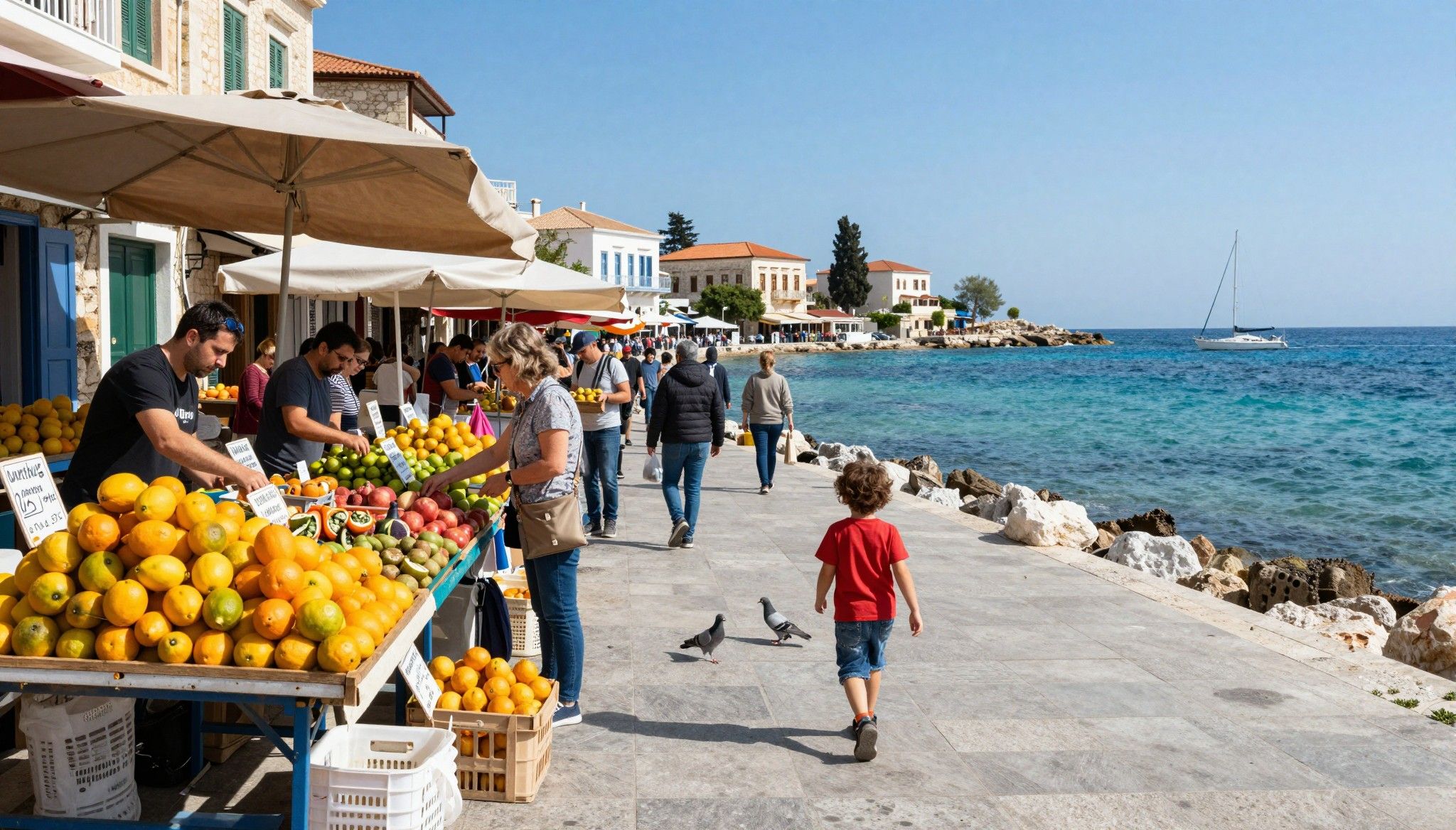
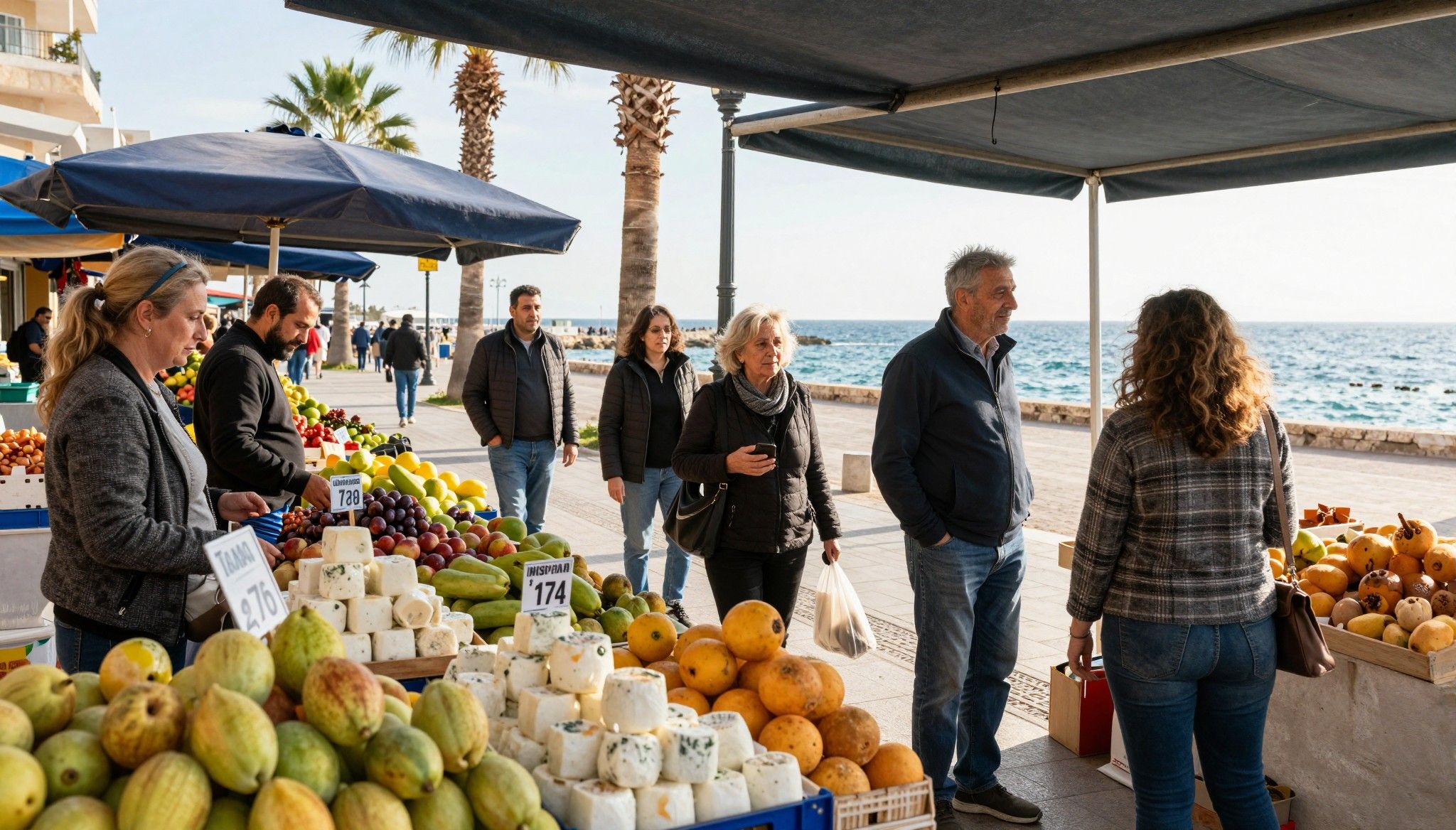
Saturday markets shape social life: at Nicosia’s Laiki or Paphos’ municipal market you’ll find seasonal halloumi, fresh fish and local olive oil that define daily meals. Cafés like Art of Coffee (Larnaca) and Giorgos in Kato Paphos become meeting points; small restaurants rotate menus with harvests and sea seasons. These patterns influence property choice — buyers who want to cook local will value easy‑access kitchens and outdoor storage, while those seeking an entertainer’s life prioritise terraces and proximity to vibrant foodie streets.
- Old‑town cafés, harbour promenades, Sunday markets, Beach clubs in Ayia Napa, Village tavernas in Tala, Morning fish auctions in Larnaca
Making the move: how lifestyle choices map to price signals
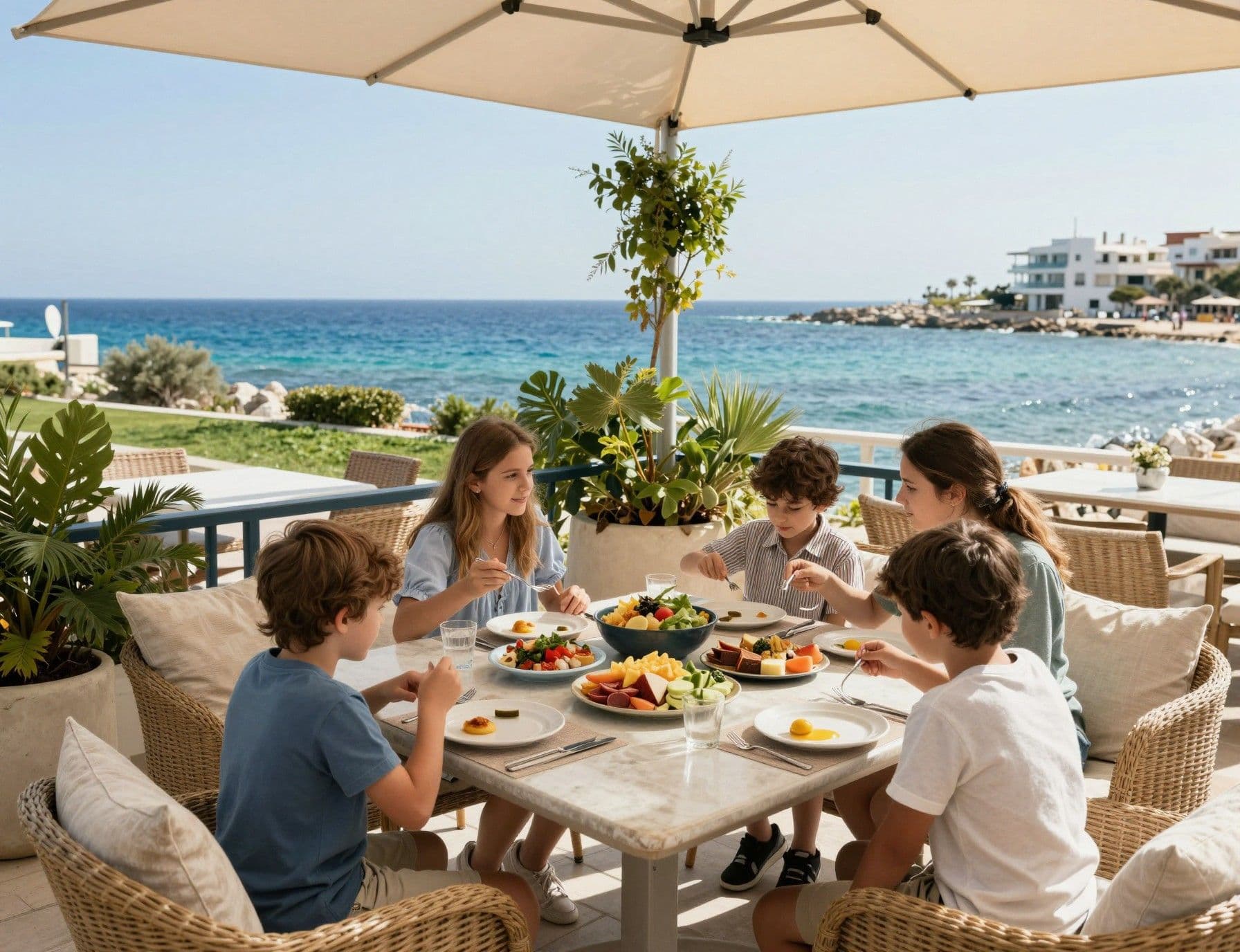
Dreams meet transaction data when you start to negotiate. National indices from the Central Bank and CYSTAT show steady year‑on‑year gains in recent quarters, but those aggregates mask district differences: Limassol often leads in value per square metre while Paphos and Larnaca show quicker unit sales growth. In practice, that means your lifestyle brief — sea view, nearby school, small‑town community — will steer you toward very different price trends and liquidity conditions. Treat indices as direction, not roadmap.
Property types and the life they enable
Apartments sell fast in coastal towns, partly because they match rental demand from tourists and short‑stay professionals; villas and village houses appeal to retirees or buyers seeking year‑round privacy. New developments around Limassol and Larnaca emphasise amenities — pools, concierge services, covered parking — that lift resale appeal but also add service costs. If you crave a terrace for morning coffee, choose orientation and floor level carefully: higher floors in Limassol give better sea breezes but often cost a premium.
Working with local experts who live the life you want
A local agent who spends weekends at the same cafés and knows the municipal quirks will save you negotiation time. Expect agencies to advise on micro‑factors — wind exposure for outdoor terraces, water scarcity in hillside plots, or planning restrictions near archaeological sites in Paphos. Seek advisers with recent transaction data and developer contacts; this market rewards relationships. Ask for comparable sales within the last 6–12 months, and for details on pending land registry backlogs that can delay completion.
- Define lifestyle priorities (school, sea, nightlife); Match to district (e.g., Paphos for retirees, Limassol for business); Verify recent comparable sales with an agent; Inspect for seasonal realities (insulation, shutters, shade); Confirm short‑term rental rules if you plan to let; Factor in service charges for new developments
Insider knowledge: seasonal realities, red flags and long‑term signals
Expat buyers often overvalue what they see in July: busy restaurants, high rental enquiries, and inflated short‑term rates. But official indices record calmer winter markets and return‑on‑asset signals that only emerge across seasons. Rental yields for apartments in main centres typically sit in the mid‑single digits, while tourist hotspots show seasonal peaks. Watch for these red flags: developers marketing summer occupancy guarantees without audited data, properties without proper title search results, and listings that avoid sharing recent sale comparables.
Cultural and practical quirks expats learn slowly
Talk is direct and transactions sometimes proceed at a relaxed pace compared with northern Europe; photocopies and personal introductions matter. Many locals value outdoor living, so expect covered terraces and sun protection to be common features in listings. Language rarely blocks deals, but official paperwork and notarised translations require patience. Long term, neighbourhood reputation shifts as infrastructure projects (marina expansions, new roads) complete — so check municipal plans before betting on future upside.
What to watch in market data
Follow district‑level price indices, transaction volumes, and rental yield reports (from CBC, CYSTAT and market consultancies). Rising prices with falling transaction counts can signal illiquidity, while steady sales with moderate price growth suggests healthy demand. For investors, short‑term rental returns should be balanced against seasonal vacancy risk; for lifestyle buyers, focus on service provision, connectivity and community rather than headline yields.
- Verify land registry status before offer; Check utility connection history and water supply notes; Ask for recent energy performance details and insulation; Insist on audited short‑term letting figures if marketed as investment; Visit in off‑season to test real living conditions
After the move: life in Cyprus often improves in small, cumulative ways. You learn which bakery makes consistently good bread, which back street avoids tourist noise, and which neighbour will water your plants when you travel. Financially, properties bought with seasonal caution and data‑backed comparables have fewer surprises at resale. If you want a partner in that process, pick an agency that demonstrates long‑term local data, transparent comparables and strong post‑sale support. Start with a short list of three agents, ask for transaction reports, and schedule an off‑season revisit before signing.
Conclusion: Cyprus is a mosaic of lifestyles and pricing dynamics. Fall for the life first — the markets follow people — then use district‑level data, off‑season visits, and local agency expertise to make a confident decision. Book a shoulder‑season trip, compare recent sales, and prioritise lived‑in features over postcard moments. That approach will keep your heart in the right place and your investment grounded in reality.
Swedish strategist who relocated to Marbella in 2018. Specializes in legal navigation and tax planning for Scandinavian buyers.