When Malta’s ‘Pricey’ Tag Hides Local Opportunity
Malta’s ‘expensive’ label hides street-level opportunities: match micro‑markets to lifestyle, visit in shoulder season, verify permits and residency rules for confident buying.
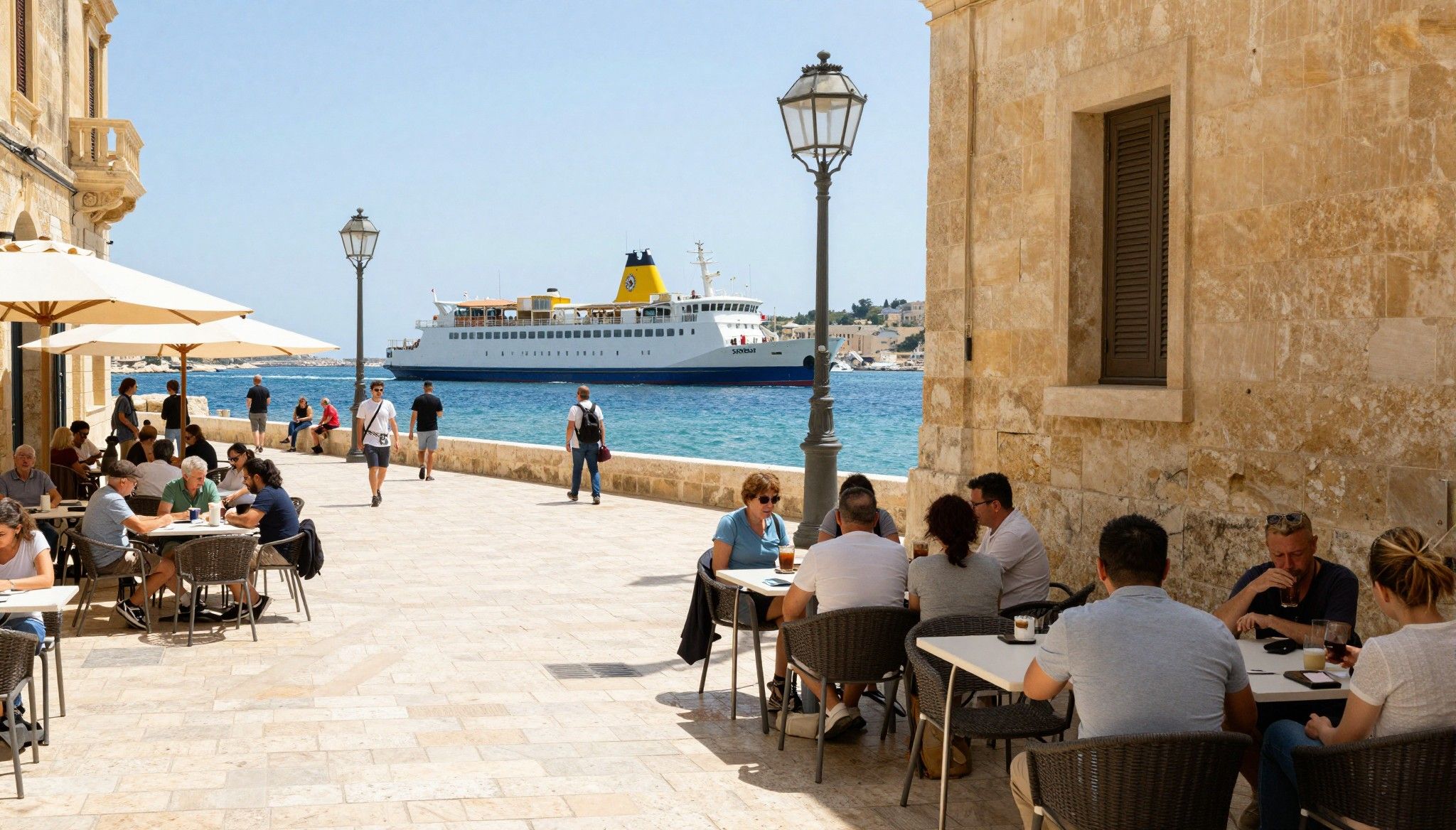
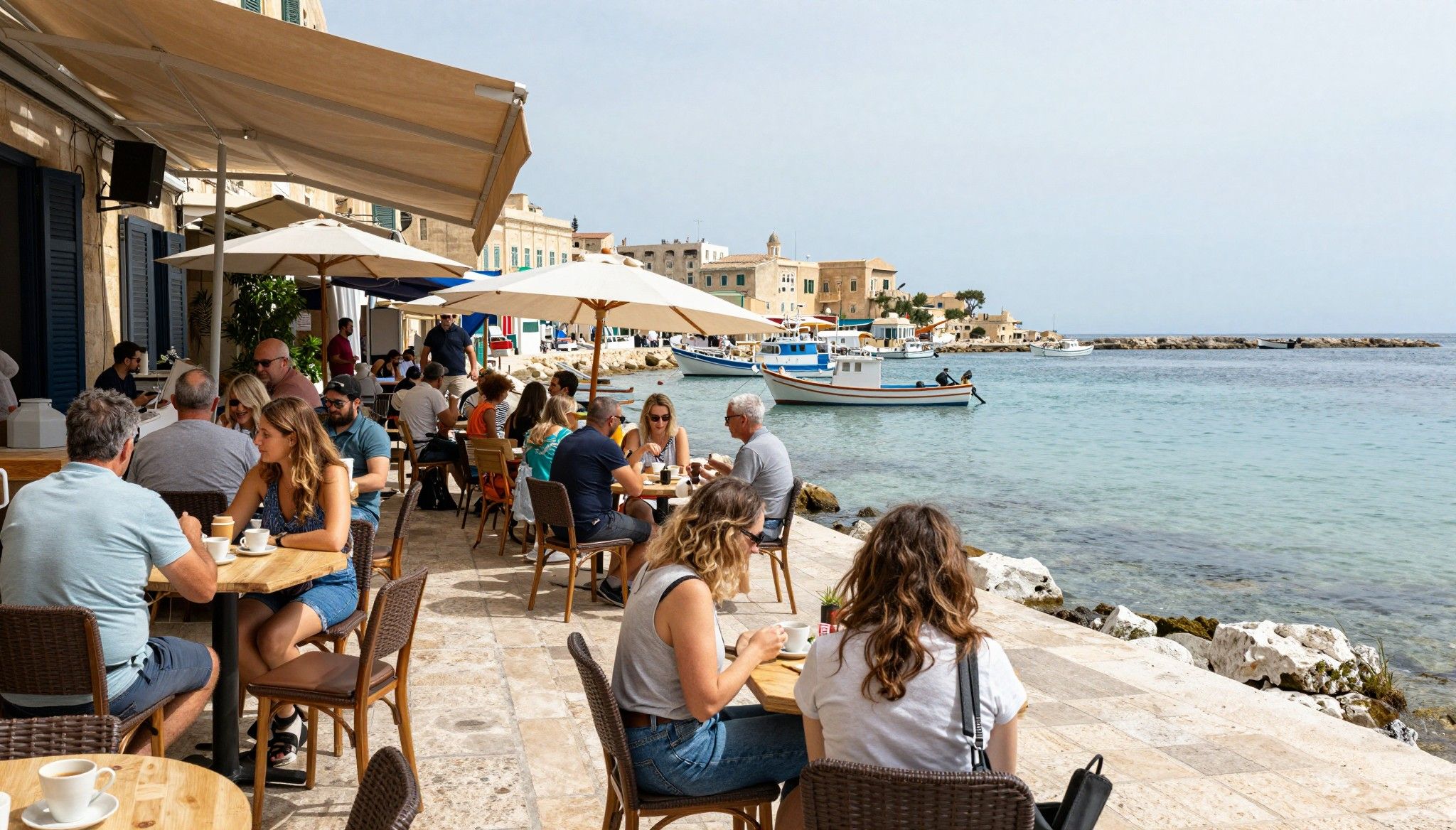
Imagine sipping an espresso on Sliema’s seafront promenade at 09:00, then wandering a short ferry ride to Valletta’s baroque lanes by noon — that compressed Mediterranean life is Malta. Small in scale, high on texture: limestone streets, neighbourhood cafés, a mix of young professionals in St Julian’s and older families in Marsaxlokk. For international buyers, Malta’s reputation swings between “too expensive” and “too boutique” — and both labels miss the island’s real opportunity.
Living the Malta Life
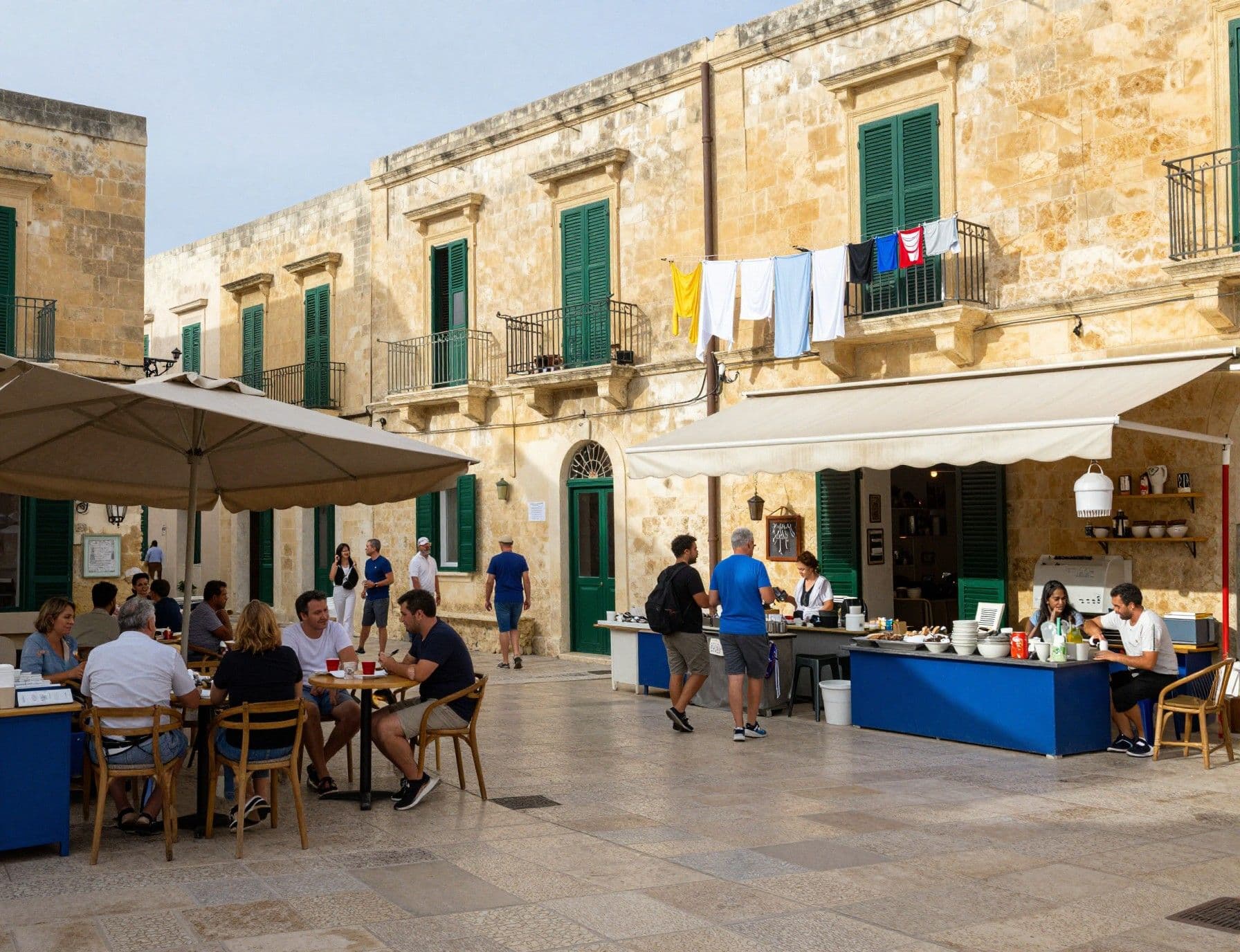
There is a rhythm here that’s easy to fall for: morning markets in Ħal Tarxien, late aperitifs in Balluta Bay, and the tide of tourists that ebbs after the school term. Life is intensely local — streets, cafés and parish festas matter. That density creates convenience: neighbourhood grocers, neighbourhood bars and a walkable network that makes a two‑bed apartment feel like a village home.
Sliema, St Julian’s and Valletta: three distinct moods
Sliema is all promenades and cafés — ideal for daily seaside living and short commutes by ferry. St Julian’s (and nearby Swieqi) pulses with nightlife, tech and iGaming professionals; Portomaso and Spinola Bay offer premium waterfront apartments. Valletta is compact and historic: narrow streets, cultural venues and an urban pace that feels European and thoroughly Maltese.
Food, markets and weekend rhythms
Expect seafood stalls in Marsaxlokk on Sunday mornings, family-run pastizzerias that draw queues at 07:00, and small plates of local ġbejniet (cheeselets) at neighborhood wine bars. Seasonal festas bind communities: a summer festa in a village square can be the social calendar for months. These rituals shape where locals choose to live — and where you’ll want to be.
- Lifestyle highlights: Sliema promenade; Spinola Bay cafés; Marsaxlokk fish market; Valletta’s Manoel Theatre nights; Mellieħa beaches and Gozo day-trips.
Making the Move: Practical Considerations
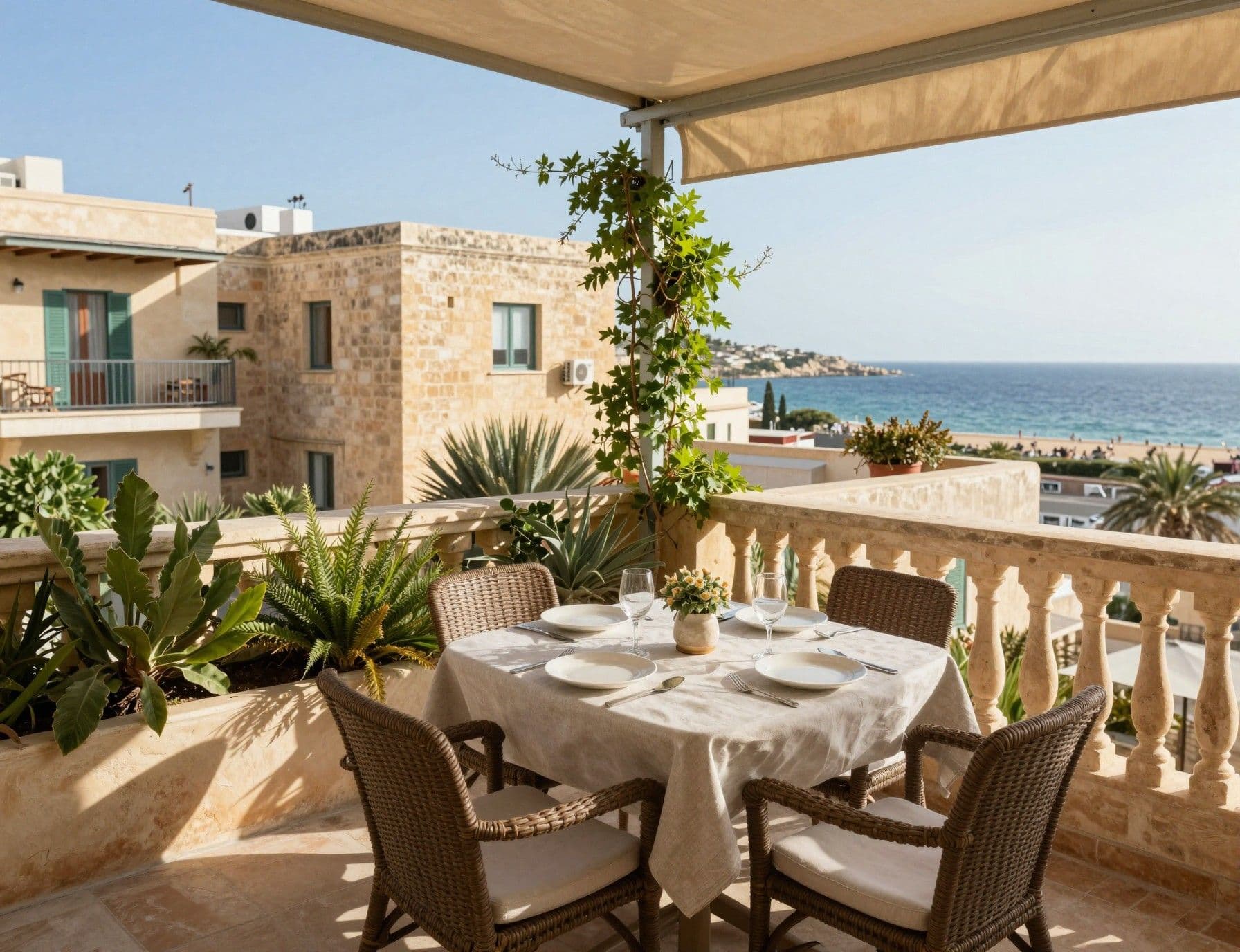
Your lifestyle dream must meet the island’s market reality. Prices nationally saw modest rises through 2024, driven by steady demand and limited land supply. That means value is rarely found by accident — it’s found by matching lifestyle priorities to the right micro‑market and by understanding seasonal liquidity and rental dynamics if you plan to let the property.
Property types and how they fit daily life
Modern seafront apartments deliver convenience and views but often less outdoor private space. Traditional maisonettes (a Maltese specialty) give a terrace and street life but may need careful renovation. Converted townhouses in Valletta offer high character and tight footprints. Think in trade‑offs: terraces for outdoor living, modern HVAC for hot summers, and storage for a compact house.
Work with local experts who understand lifestyle fit
- 1. Ask agents for street‑level lifestyle comparisons (noise, morning sun, ferry access). 2. View properties at different times: weekday morning, Saturday market, and late evening. 3. Check building age and service records — older limestone stock often hides plumbing and insulation work. 4. Match travel habits: proximity to ferry terminals, bus routes or the fast roads for cross‑island access.
Insider Knowledge: What Expats Wish They’d Known
Expat life is comfortable here — English is an official language and services are familiar — but integration still requires local attention. Parish events, language of small talk (Maltese and English mix) and school catchment areas influence daily life more than headline tax talk. Residency routes exist for third‑country nationals but have changed in recent years; always confirm current requirements with official sources.
Cultural quirks that change where you buy
Noise from festas or church bells, narrow streets that don't take large delivery vans, and informal neighbourhood hierarchies affect daily convenience. In practice, buyers trade off a quieter street for proximity to cafés and the ferry. Talk to neighbours and local shopkeepers during viewings — they give clarity no brochure can.
Long-term lifestyle and investment outlook
Malta’s constrained geography and steady inward demand support price resilience, but growth is incremental rather than explosive. For live‑buyers the reward is a compact, high‑service life. For investors, focus on micro‑locations with year‑round demand (central Sliema, parts of St Julian’s and selected Valletta conversions) rather than seasonal beach towns where yields fluctuate.
- Quick red flags to check before bidding: missing building permits; unresolved inheritance claims on older townhouses; poor ventilation in old limestone buildings; lack of clear parking provision; and properties listed without energy performance data.
- 1. Visit in shoulder season (April or October) to test daily life away from tourist peaks. 2. Order a structural and moisture survey for limestone façades. 3. Verify residency/residence-by-investment rules with the Residency Malta Agency. 4. Ask your agent for comparable completed sales on the street, not just the neighbourhood. 5. Factor service charge and municipal rates into running costs.
Malta is compact enough that where you buy defines how you live. Choose a street with the rhythm you want, test it at different times, and bring local expertise that understands both the lifestyle and the fine print. If you do, the island rewards with a dense, social, sun‑lit life that feels both Mediterranean and unmistakably Maltese.
Next steps: schedule a shoulder‑season visit, shortlist streets (not just towns), request verified sale comparables, and engage a local agent who can arrange surveys and residency checks. That combination turns Malta’s headline ‘pricey’ reputation into a targeted strategy for lifestyle success.
Norwegian market analyst who relocated to Mallorca in 2020. Focuses on data-driven market insights and smooth relocation for international buyers.