Italy: Life Rhythms vs. Market Reality
Compare Italy’s living rhythms—city mornings, hill‑town festivals, coastal summers—against market realities and practical checks for confident international buyers.
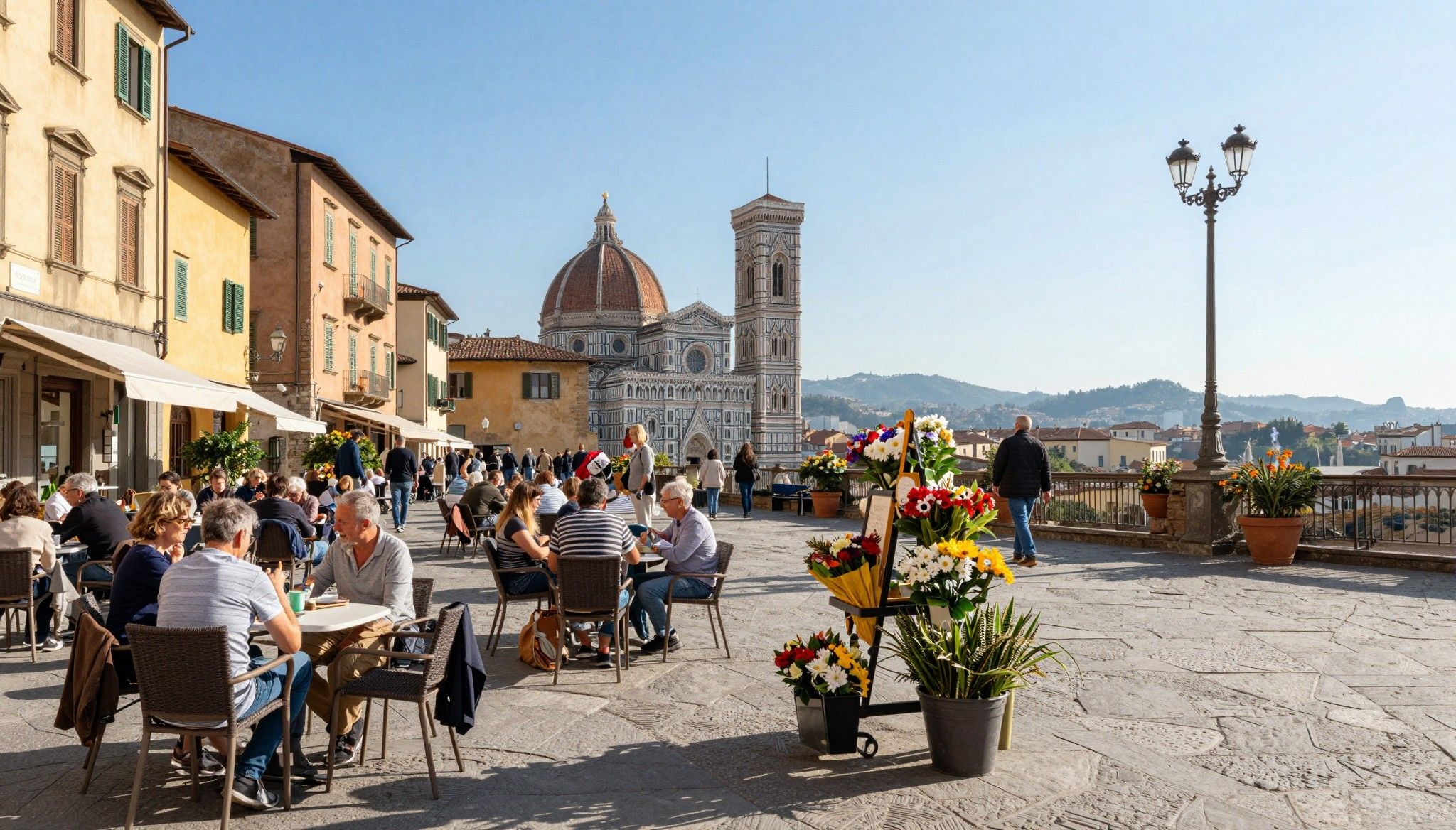
Imagine stepping out at dawn to buy bread at Mercato di Campo de' Fiori, coffee steaming in your hand, while a plastered palazzo across the square hums with life. That sensory scene — markets, narrow streets, seaside afternoons — is the real magnet that draws international buyers to Italy. But the romance meets hard facts: regional price divergence, shifting demand for renovated historic units versus new builds, and rules that shape what you can actually do with a property. Here we pair the life you crave with the market realities you need to know.
Living the Italy lifestyle
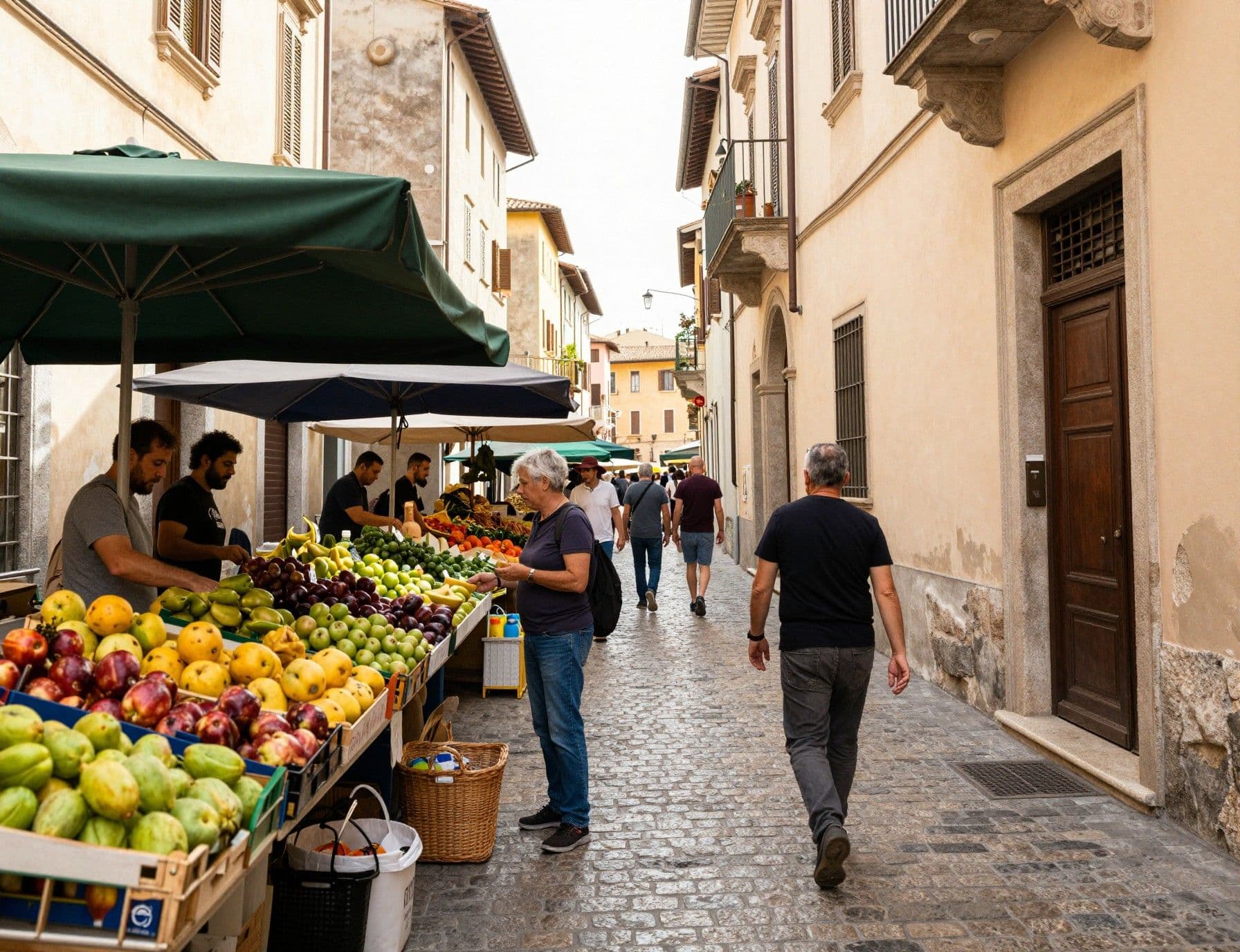
Italy is not one place but many rhythms: espresso and morning passeggiata in historic centro, slow lunches in hilltop villages, and sunlit afternoons along the Amalfi Coast or Sardinian beaches. In 2025 housing prices rose unevenly — stronger in Milan and Rome, gentler in much of the south — reflecting how lifestyle demand maps to market momentum. That means your dream life may be affordable or premium depending on street and season, not just region.
City centres vs. coastal towns: contrast in daily life
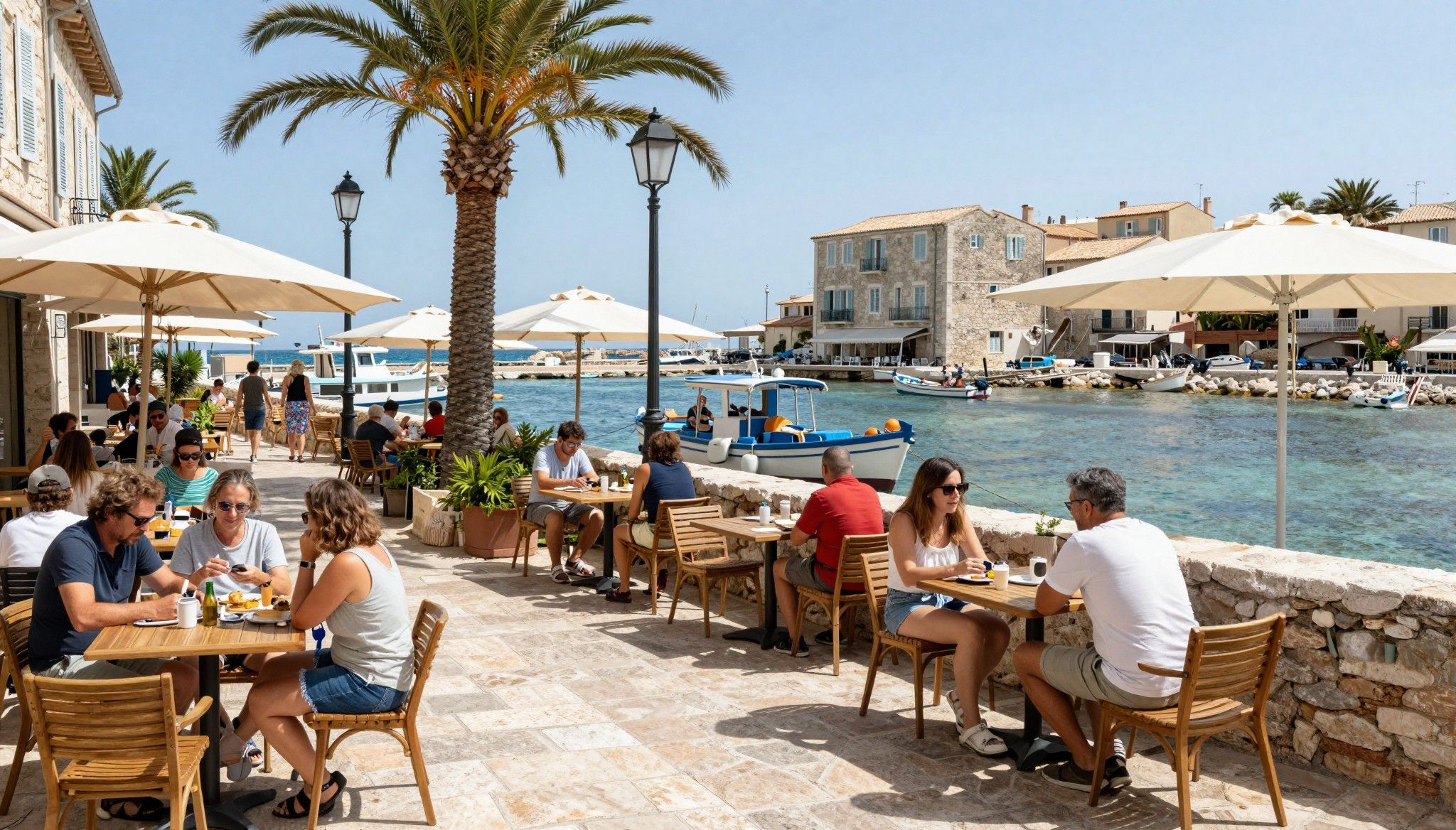
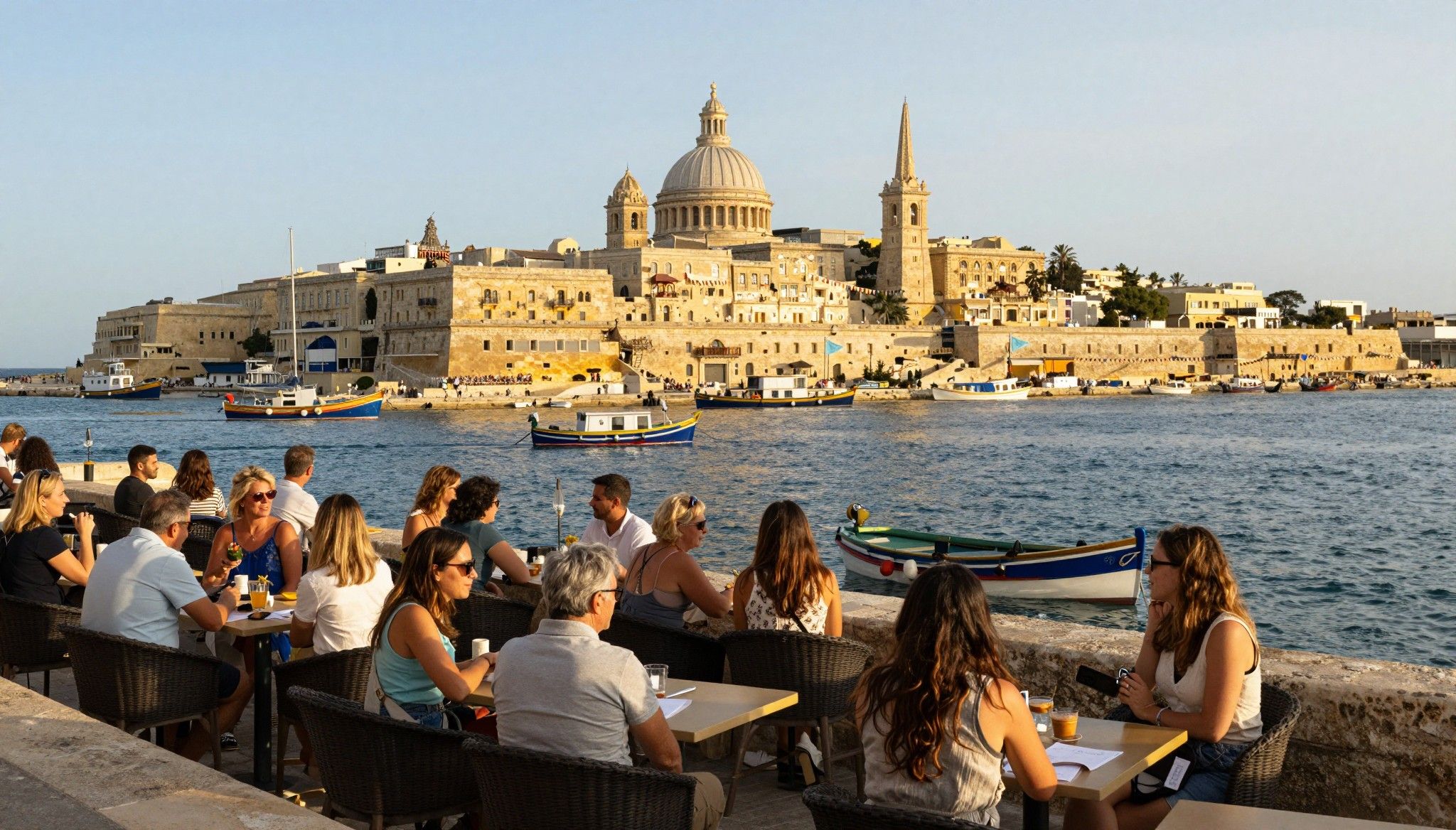
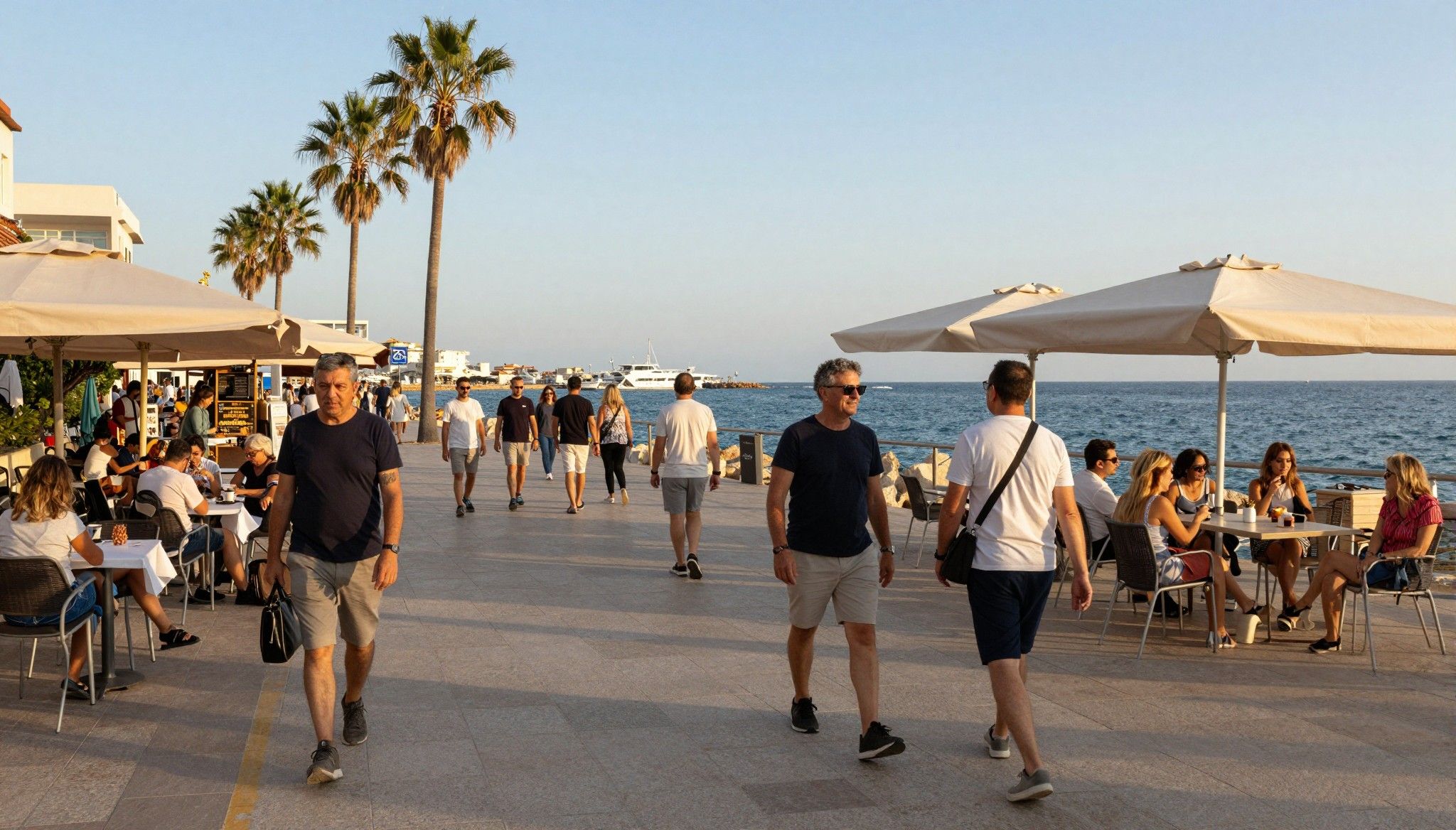
In central Rome or Florence, mornings are for markets and museum visits, afternoons for siesta-lite pauses in piazzas, and evenings for passeggiate and aperitivo. Coastal towns such as Positano or Taormina trade crowds in high season for quiet fishing harbours in winter, and many buyers choose coastal summer living with an urban base for year-round services. The experience you want — museum-rich streets or salt-scented mornings — should guide neighbourhood choice more than broad regional reputations.
Food, seasons and social life that shape where you live
Markets are weekly life: fresh fish in Genoa, truffles in Piedmont, citrus in Sicily. Festivals — Palio in Siena, Verona summer opera — reframe neighborhoods when they arrive. Seasonality matters: many coastal towns are almost empty in winter; hill towns hum with local festivals in autumn. If you want year-round neighbourhood energy, look for places with a resident population, good healthcare, and reliable transport rather than purely tourist hotspots.
- Lifestyle highlights to scout on a visit
- Buy morning coffee at Caffè Sant’Eustachio (Rome) to judge local pace and weekday crowds.
- Walk Via Toledo or Navigli (Milan) for nightlife and transport connectivity.
- Visit a weekend market in Oltrarno (Florence) to sample community life and artisanal shops.
Making the move: practical considerations
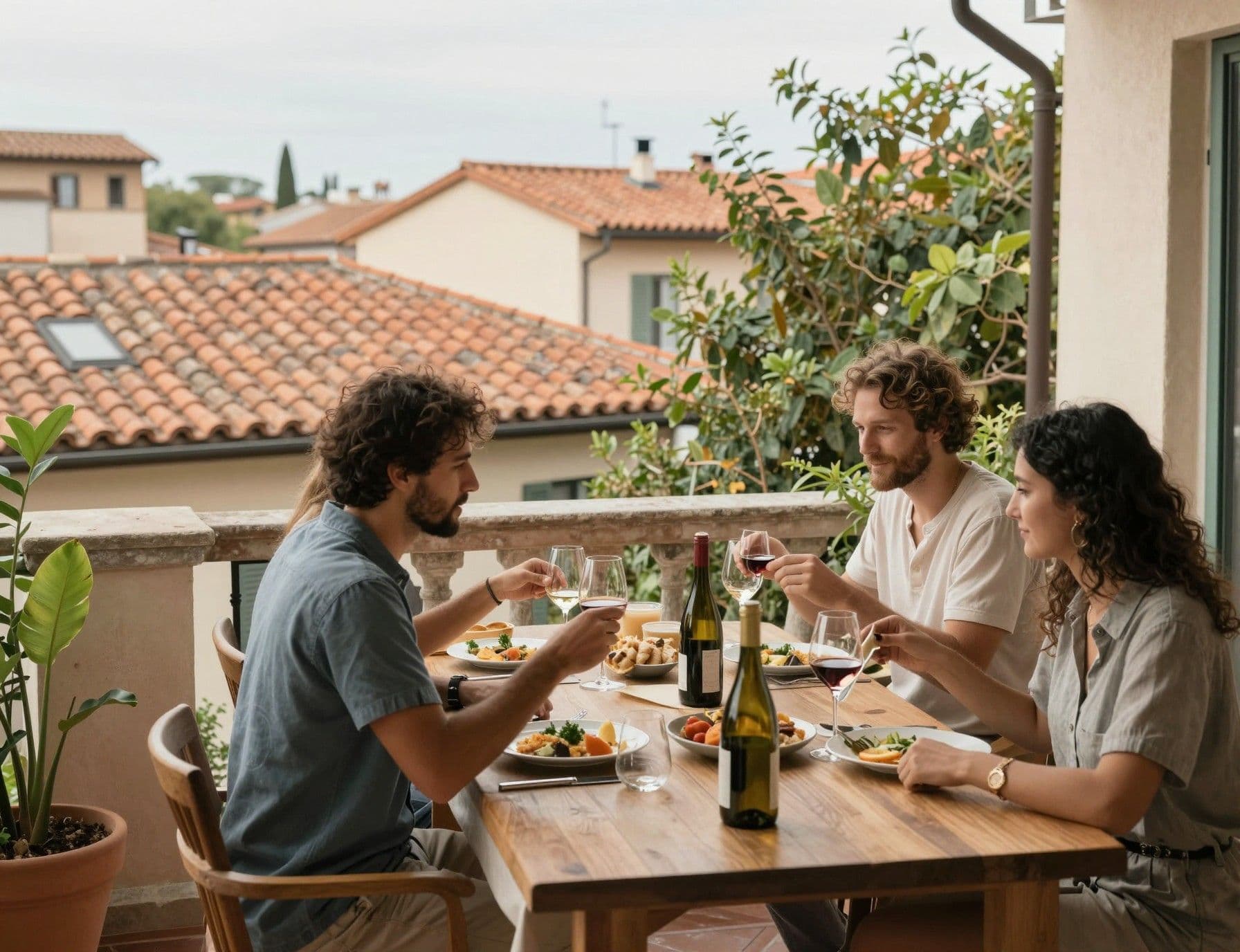
Romance without structure becomes risk. Italy’s market requires local expertise — from cadastral searches to understanding whether a home is classified as "abitazione principale" (principal residence) or a second home — because tax treatment, renovation incentives, and permitted uses differ. Recent reports show transaction volumes and prices rising in select urban centres, so timing, neighbourhood know-how, and a clear use-case (live, rent, renovate) are your practical levers.
Property styles and what they mean for living
Historic apartments often offer high ceilings, shutters, and central locations but come with irregular layouts, higher renovation complexity, and sometimes restrictive heritage rules. New-builds and converted warehouses give modern finishes, insulation, and predictable maintenance. Choose based on daily priorities: original character and location, or thermal comfort and low upkeep.
Working with local experts who know the lifestyle
An Italian agent (agenzia immobiliare) who lives in the neighbourhood will introduce you to artisans, local notaries and builders — the people who turn a good buy into a livable home. Insist on agencies that provide Dossier-style transparency: past sales, renovation records and energy certificates. For international buyers, bilingual agents and a trusted notary shorten timelines and reduce surprises.
- Step-by-step practical checklist blending lifestyle and process
- 1. Visit the neighbourhood at different times (weekday morning, Saturday market, evening) to test rhythm.
- 2. Obtain the cadastral plan and energy certificate early — they affect renovation scope and cost.
- 3. Confirm permitted uses (short-term rentals, B&B licences) with the local municipality before bidding.
Insider knowledge: expat truths and local quirks
Expats quickly learn three truths: first, postal addresses hide building histories; second, local bureaucracy moves slowly but predictably; third, seasonality shapes cashflow for rentals. Reports from Italian market analysts show city yields and demand concentrated in a few hubs — so lifestyle-led buyers who also need rental income should be precise about micro-location and property type.
Language, community and everyday integration
You can live happily with minimal Italian at first, but neighbours, tradespeople and municipal offices operate more smoothly if you learn basic phrases. Join local associations, volunteer at food markets, or take a pasta-making course to meet people quickly. In many towns, the expat community clusters around language schools and international clubs — good starting points for social life and trusted recommendations.
Long-term lifestyle and value considerations
Think in decades. Properties near transport links, hospitals, and year-round services age better in value than those purely tied to seasonal tourism. Renovation grants and energy-efficiency incentives — which have been periodically updated — can improve comfort and resale value, but require a multi-year plan and reliable local contractors.
- Red flags international buyers often miss
- Missing or inconsistent cadastral records — slows notarised transfer and can increase costs.
- Unapproved or partial renovations — can lead to fines or require costly retrofits to legalise.
- Relying on summer impressions only — towns empty out off-season and reveal service gaps.
Conclusion: fall for the life, plan for the details. Italy rewards buyers who pair an honest vision of daily life with rigorous local checks. Start by choosing the rhythm you want — city mornings or coastal summers — then hire an agent who can supply a dossier: recent comparable sales, cadastral extracts, and renovation records. Visit in shoulder seasons, verify paperwork, and plan renovations with local teams. Do that, and you buy not only a property but a place you can belong to.
Dutch investment strategist with a Portugal-Spain portfolio. Expert in cross-border financing, rights, and streamlined due diligence for international buyers.