Malta: Pick the Street, Not the Postcard
Malta packs city culture, sea air and compact convenience — choose a street that fits daily life, then validate price and rental signals with official indices and local reports.
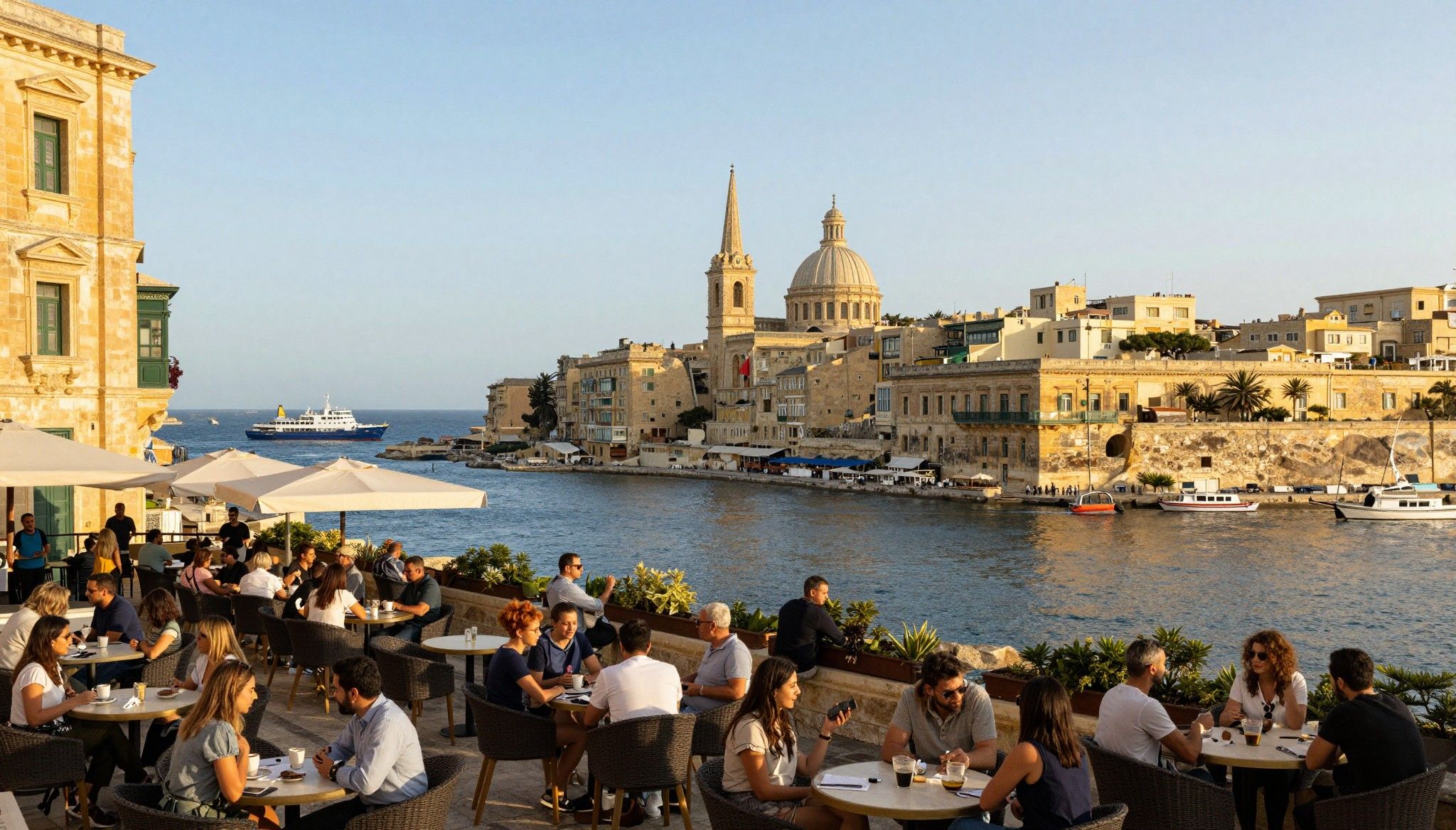
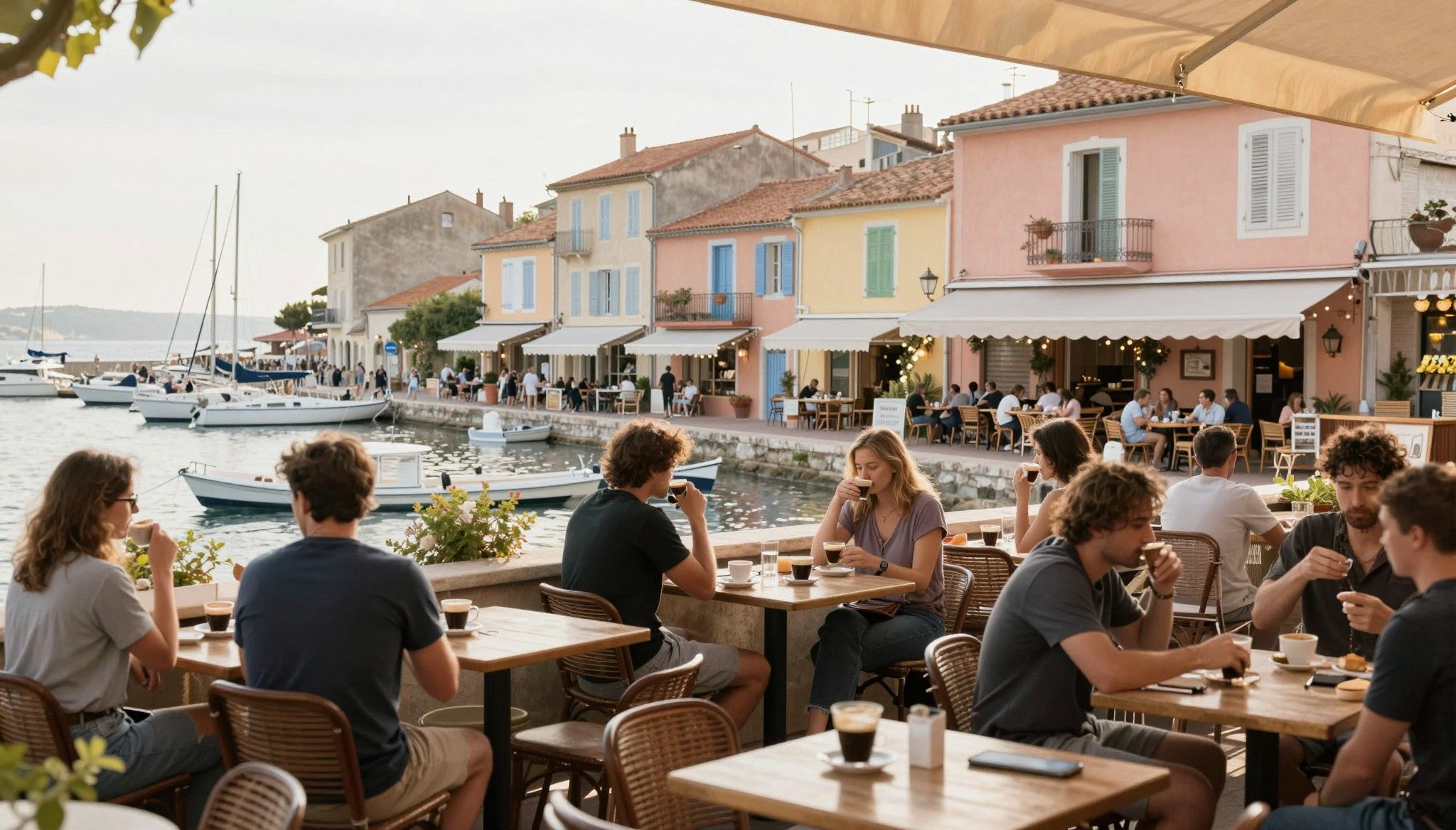
Imagine stepping out at 08:30 to a narrow street in Sliema where a baker unloads gbejna and ftira into a warm case, ferries chug across Marsamxett Harbour, and an English conversation drifts from a coffee table. Malta is compressible: compact enough that Valletta’s baroque pulse, St Julian’s nightlife and a quiet coastal cove like Marsaxlokk can be part of the same Saturday. That tightness is what makes Malta feel like a small country with big-life options — and it’s the single reason your property choice here is as much about street rhythm as it is about square metres. Recent official indicators show steady price movement and a rental market that international buyers need to understand before they bid; this piece mixes the lived Maltese day with the data you'll use when you decide to buy.
Living Malta: neighbourhood rhythms and daily life
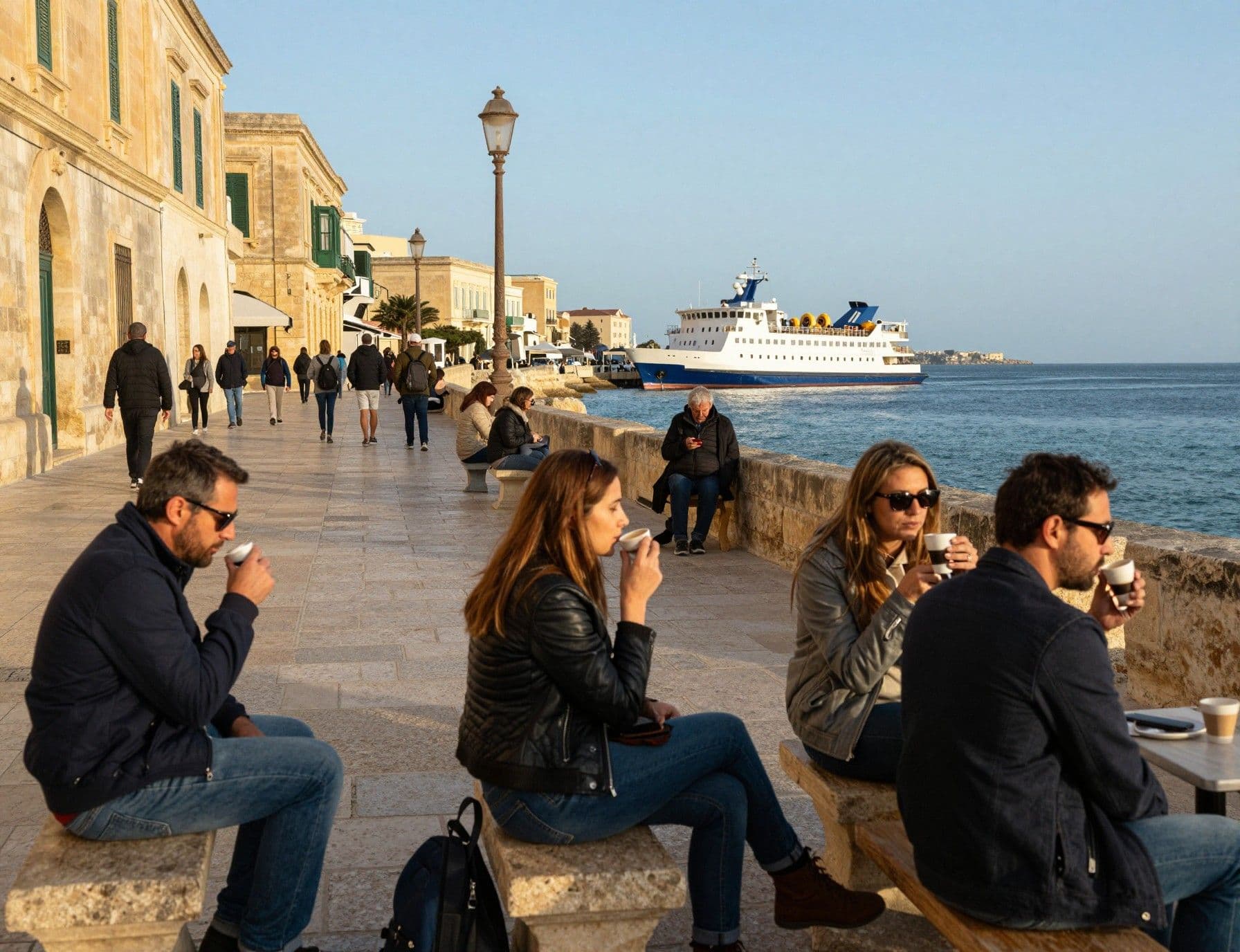
To live in Malta is to trade long commutes for intense local variety. Mornings can mean sea promenades and takeaway coffee in Sliema, afternoons a siesta-like pause in an Mdina lane, and evenings can be either a lively St Julian’s terrace or a quiet family meal in Swieqi. English as an official language smooths daily practicalities — from contracts to school enrolments — while Maltese culture keeps the calendar full with festas and band marches that shape weekend plans. These rhythms inform which property suits you: the social energy you want at 19:00 will often determine whether a seafront apartment or an inland maisonette fits your life.
Sliema & Tigné: promenade life and practical liquidity
Sliema’s Tigné area stitches together modern waterfront living, shopping and daily convenience: think compact apartments with balconies that open to a long promenade and ferries to Valletta. For buyers who prize rental demand and walkability, Sliema’s mix of tourists, expatriates and local professionals creates consistent short- and medium-term lettings. The trade-off is smaller internal spaces and frequent activity — a price many buyers happily pay for the lifestyle and the liquidity it brings.
Valletta & Mdina: historic homes and cultured quiet
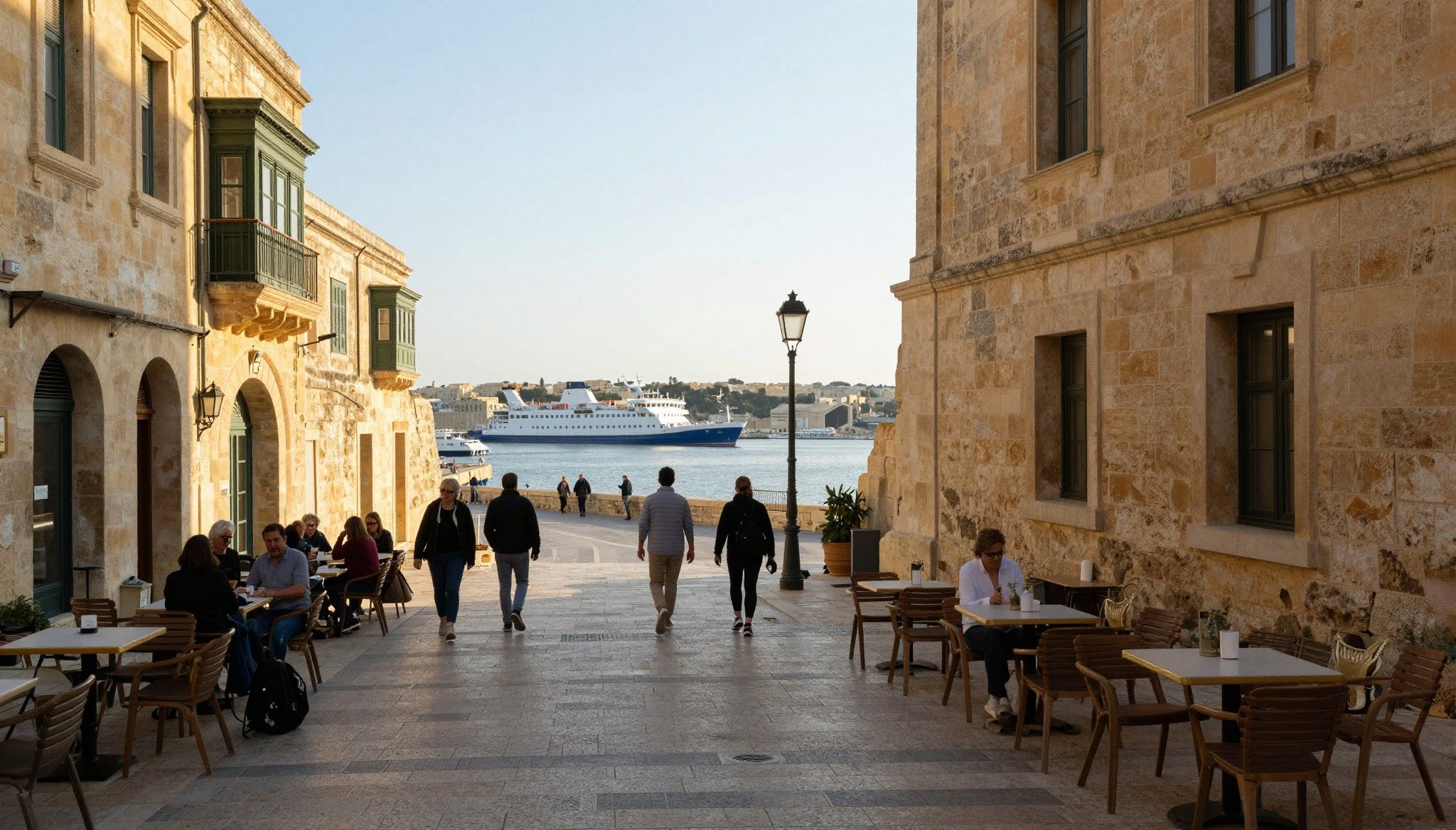
Valletta is the island’s concentrated cultural heart: palace facades, small squares and narrow alleys where cafés double as conversation salons. Buying here means character — high ceilings, limestone façades and often complex restoration work — plus a different rental audience: short-stay tourists and culture-seeking tenants who pay for location. Mdina, by contrast, sells quiet and heritage; it’s an atmospheric buy for occasional residency or high-end short lets, but its thin market means slower transactions and fewer comparables when valuing a home.
- Senses of Malta: lifestyle highlights to expect
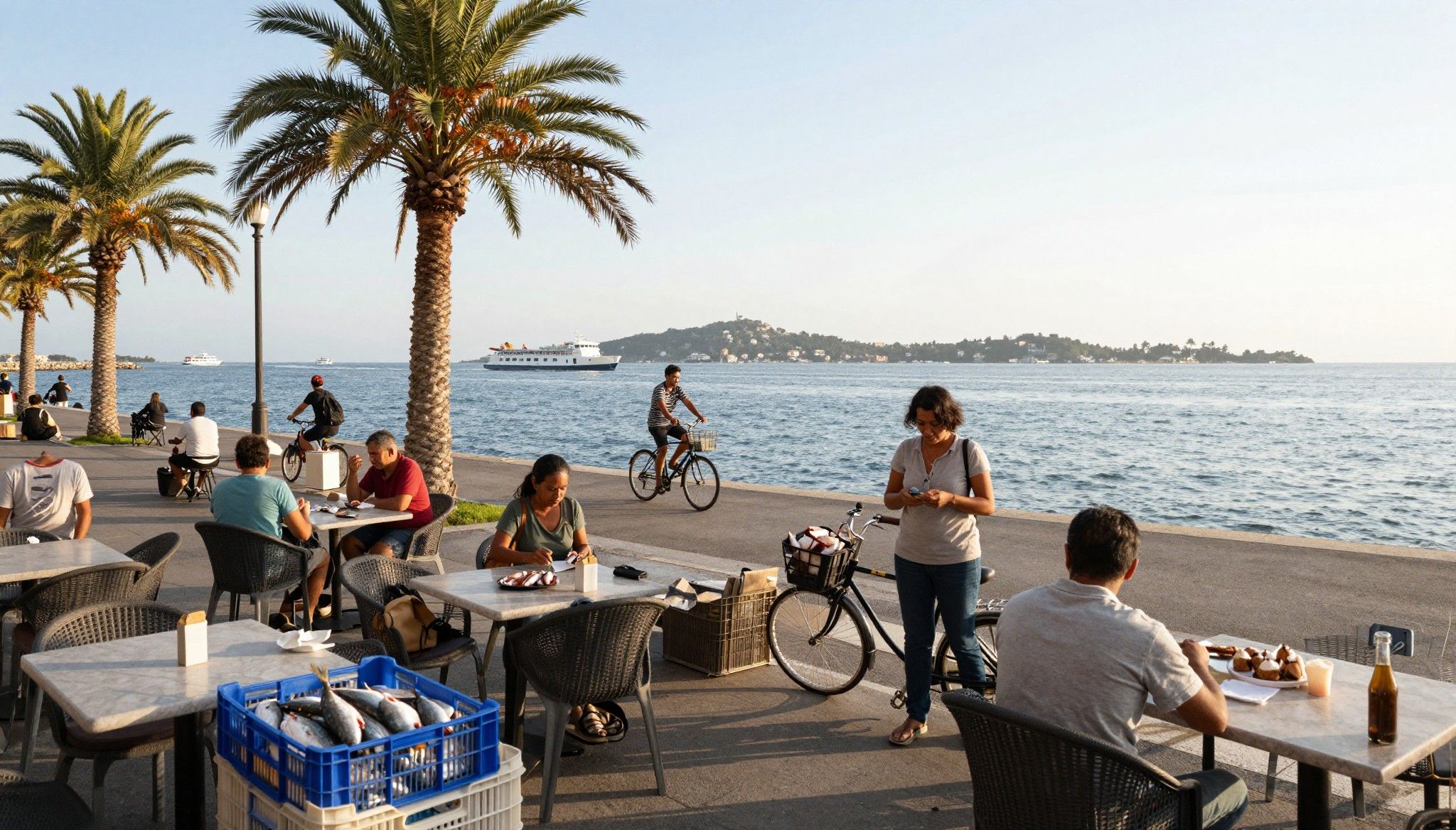
- Morning fish market in Marsaxlokk then lunch on the quay; authentic local cuisine and slow coastal life.
- Sunrise walks on Sliema’s seafront with easy ferry access to Valletta for evening theatre.
- Late-night terraces in St Julian’s for younger crowds and expat social life, especially in Paceville and Spinola Bay.
Making the move: lifestyle-led practical considerations
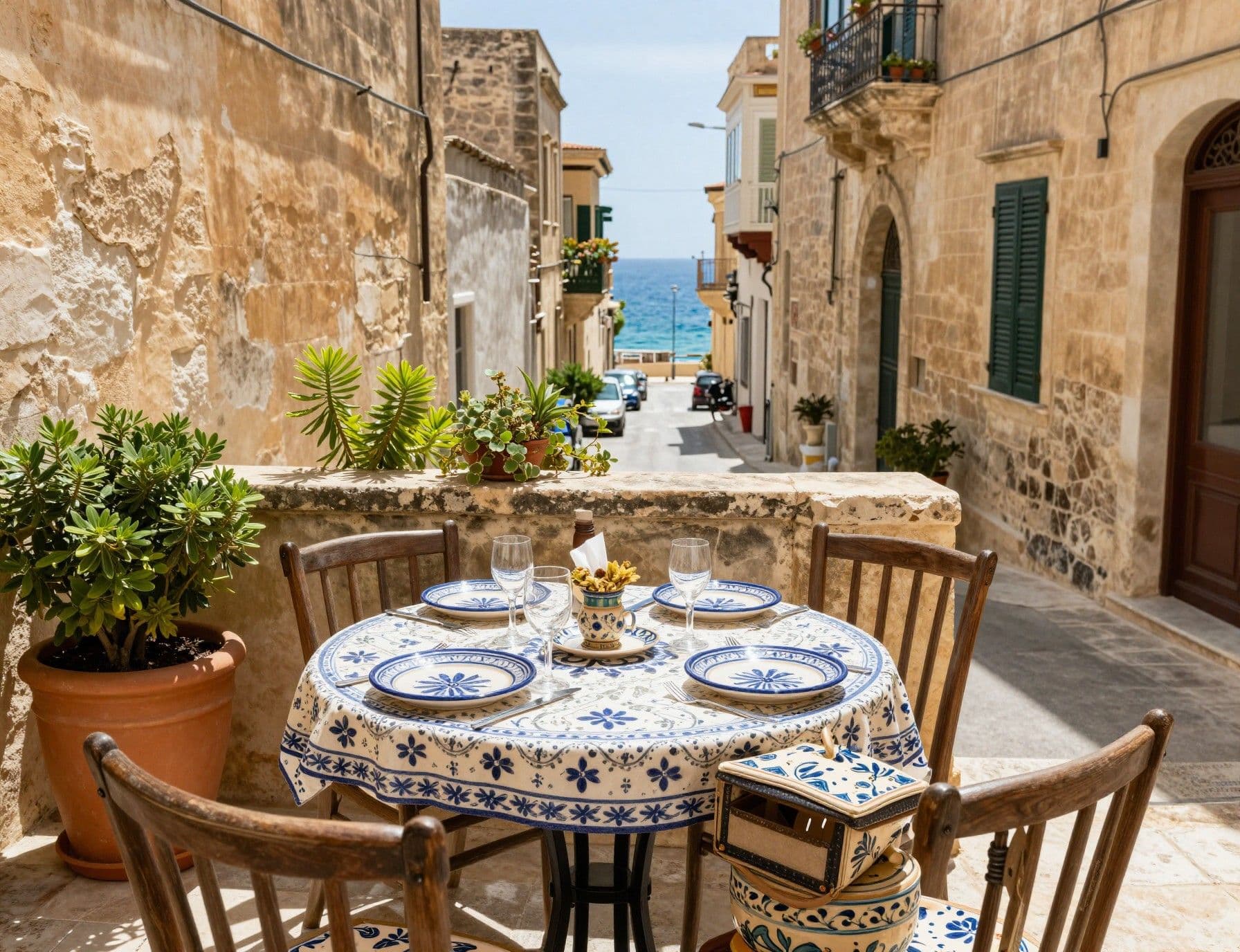
Your lifestyle wish-list must meet market reality: national indices show residential prices rising in recent quarters and a rental market that tightened through 2023–2024. That means popular seafront neighborhoods command premiums and yield different returns depending on short-let legality and seasonality. Use up-to-date price indices and rental reports when assessing offers — the island’s small size magnifies local premiums so a single street can differ from the next in both price and tenant profile.
Property types: what matches your daily life
Apartments and penthouses dominate urban Malta and suit buyers who want walkable life and low-exterior maintenance. Traditional maisonettes and townhouses can offer garden or roof terraces and feel more private, but often require restoration and a local project manager. New build inventory exists but is limited; review building permits and approvals carefully and expect developer timelines to be important when timing your move.
Working with local experts to preserve the lifestyle you bought
A good agent is part curator and part fact-checker: they match street rhythm to your life and validate the practicalities. Choose agencies with local resale and rental records, experience with restoration projects if you prefer character homes, and fluency in English and Maltese bureaucratic channels. Ask for three recent comparable lettings or sales on the exact street before you make an offer; small-market variance is real in Malta.
- Steps for a lifestyle-first purchase in Malta
- 1) Map three neighbourhoods by daily rhythm (morning, afternoon, evening) and visit each at those times.
- 2) Request comparable rents and sales on the exact street and an explanation of seasonal occupancy patterns.
- 3) Confirm short-let rules for the property and check the Housing Authority guidance if you plan holiday rentals.
Insider knowledge: expats’ real lessons and seasonal truths
Expats keep two notes in their pockets: first, language is rarely a barrier; second, the island’s small size means community reputation travels fast. Many buyers arrive enchanted by a tourist snapshot and then discover noise or parking challenges that matter more day-to-day than an initial view. Also remember seasonality: rental demand spikes in summer and cultural tourism affects short-let rates, while off-season life reveals the true resident pace that many buyers prefer.
Cultural integration and daily community
Maltese social life is anchored in neighbourhood rituals: church festa evenings, band club events and coffee culture. Making friends often happens through routine spots — the same bakery, the same ferry, the same bar — so choose an area where those rituals align with how you want to spend time. For families, Swieqi and Pembroke offer quieter streets and schools; for remote workers, Sliema and Gżira balance cafés with co-working options.
Long-term lifestyle and market signals
Over the past decade Malta’s market has shown meaningful price appreciation, but gross rental yields are moderate compared with some European peers. That pattern favours buyers seeking lifestyle plus steady medium-term capital growth rather than high immediate rental returns. Use official indices and broker reports to compare projected appreciation with the lifestyle premium you plan to pay for a central street or seafront address.
- Red flags and real checks before you sign
- Unclear service-charge histories on older buildings — ask for three years of statements and recent maintenance receipts.
- Ambiguous planning or restoration permissions on character homes — confirm timelines with the Planning Authority.
- Short-let compliance and neighbourhood tolerance — check local rules and recent enforcement actions before assuming tourist income.
Closing thought: Malta rewards buyers who treat lifestyle as primary and market data as validation. If you want mornings of sea air and evenings of intimate street life, pick streets that deliver those moments on an ordinary weekday, not just a postcard Saturday. Work with an agency that can show you day-in-the-life footage, comparable transactions for the exact address, and the local bills that will arrive after you sign. Then, come for a long weekend and test the rhythm — Malta will tell you whether it’s a match.
Danish relocation specialist who has lived in Barcelona since 2016. Helps families move abroad with onboarding, schooling, and local services.