Greece: Where the Life You Want Meets a Fast Market
Greece pairs slow coastal living with fast-moving urban markets; choose neighbourhoods by year‑round rhythm, verify off‑season services, and work with local bilingual agents.
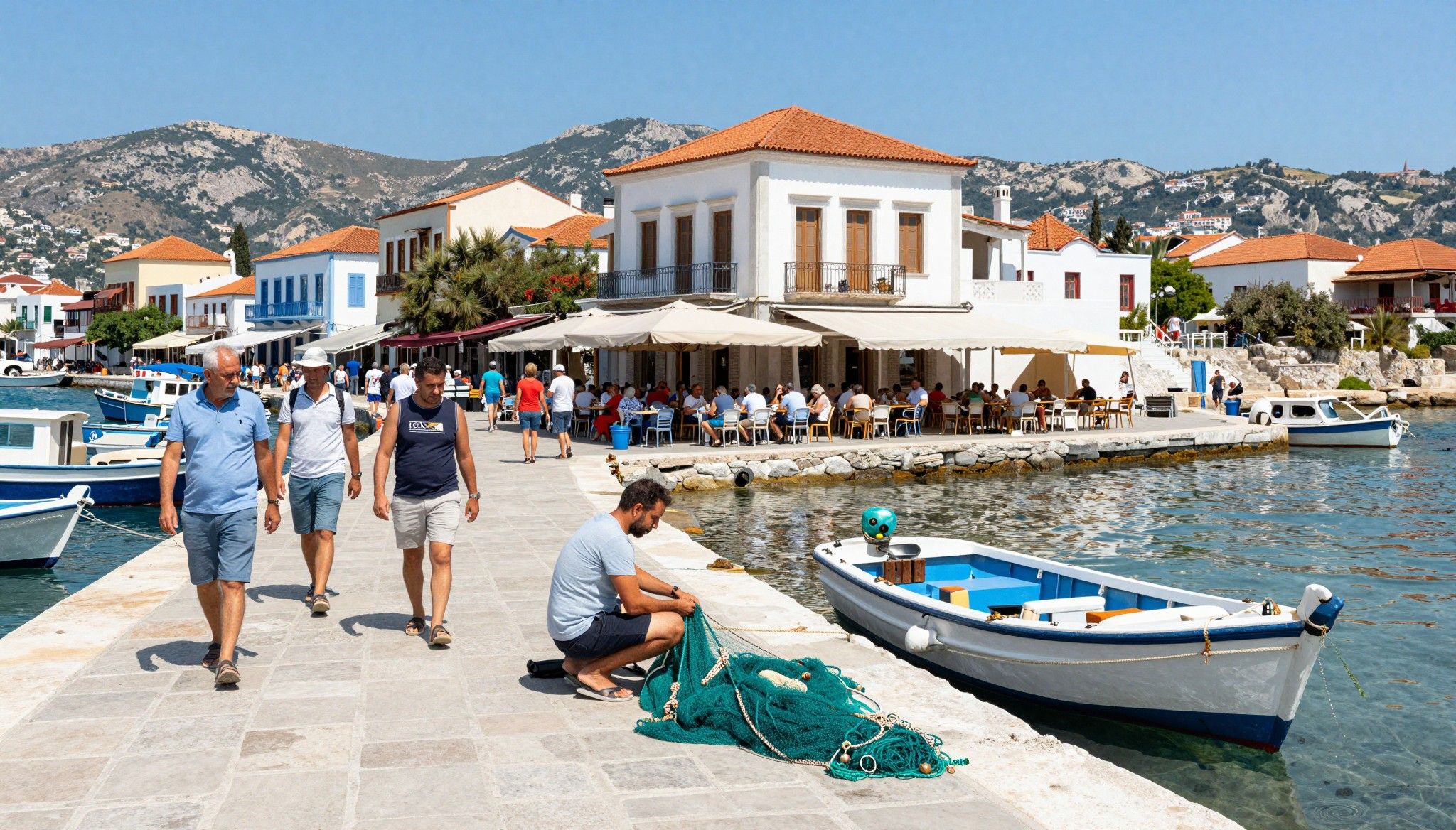
Imagine waking to a narrow Athenian lane as shopkeepers sweep their doorsteps, then an afternoon on a pebble beach on an island where tavernas still bring out the catch of the day. Greece is a patchwork of daily rhythms — noisy cafés, slow seaside afternoons, neighbourhood bakers — and that variety is the secret buyers fall for. But behind sunlit postcards the market is active and fast-moving: recent central‑bank data show national dwelling prices rising steadily, a reality that reshapes both lifestyle choices and investment timing. (See Bank of Greece residential price indices for the latest published figures.)
Living the Greece life: city pulse and island slow
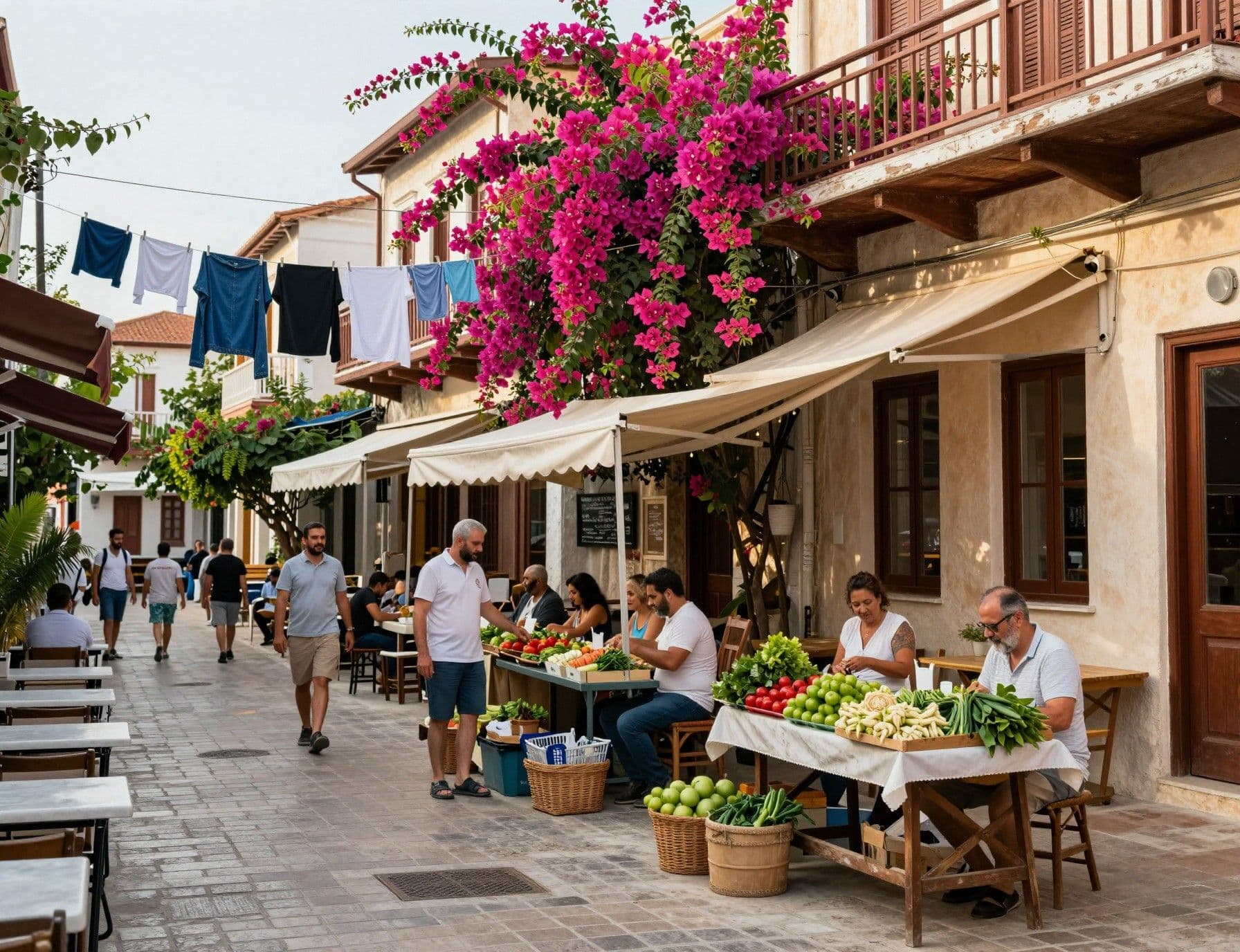
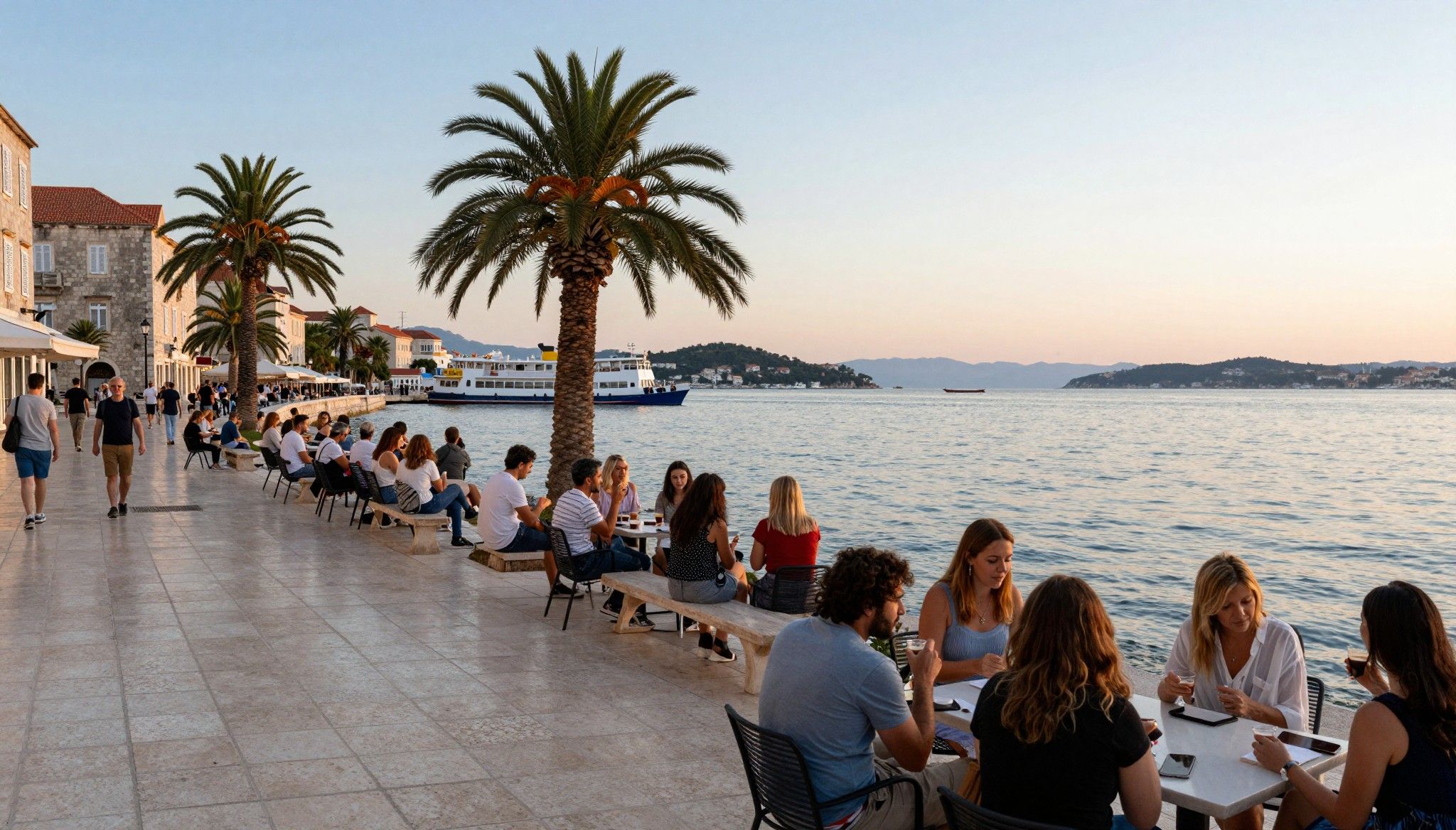
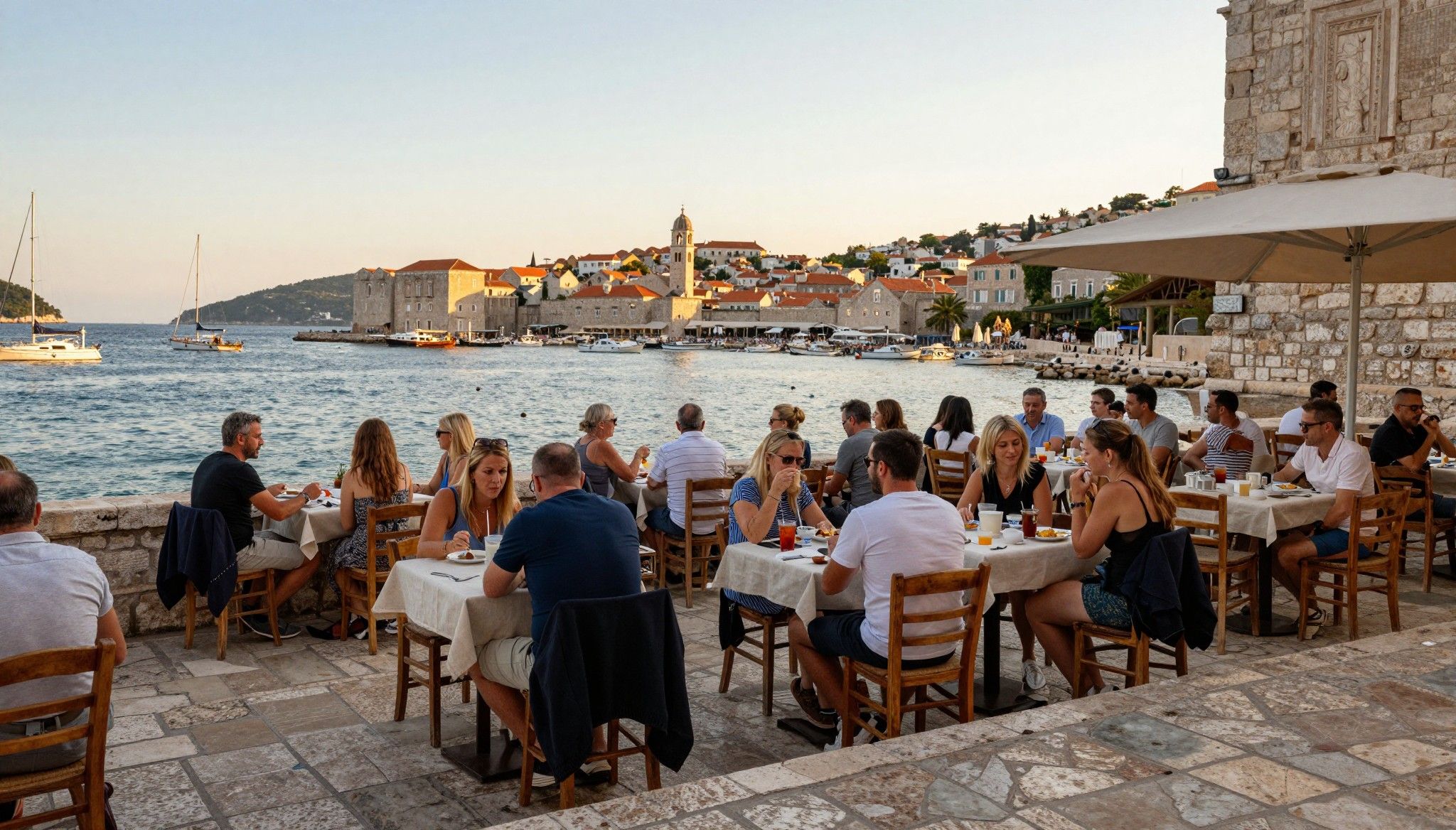
Greece’s contrast is its asset: Athens moves like a compact European capital where neighbourhoods pulse with cafes and galleries, while the islands stretch time into slow afternoons and late-night meals. House price indices from national statistics confirm this split — urban cores have seen faster price rises than many islands, which still reward patient buyers. Living here means swapping one daily rhythm for another: espresso at 09:00 in Koukaki, late supper on a Cycladic terrace at 22:00, market runs for tomatoes and fresh cheese on Saturday mornings.
Athens neighbourhoods: where life and value intersect
Walk from Psiri’s painted shutters to Pangrati’s tree-lined squares and you meet different Athenses: Psiri for late-night dining and creative energy; Koukaki for family life and proximity to the Acropolis; Kolonaki for higher-end shops and quiet embassies. Foreign buyers are increasingly drawn to mid-sized apartments in these areas — a mix of lifestyle convenience and liquidity — rather than oversized villas. Local agents who know which streets attract long-term renters will help you balance living well today and resale prospects tomorrow. (Market patterns for foreign buyers described in recent industry analyses.)
Island life: which islands promise routine, not just postcards
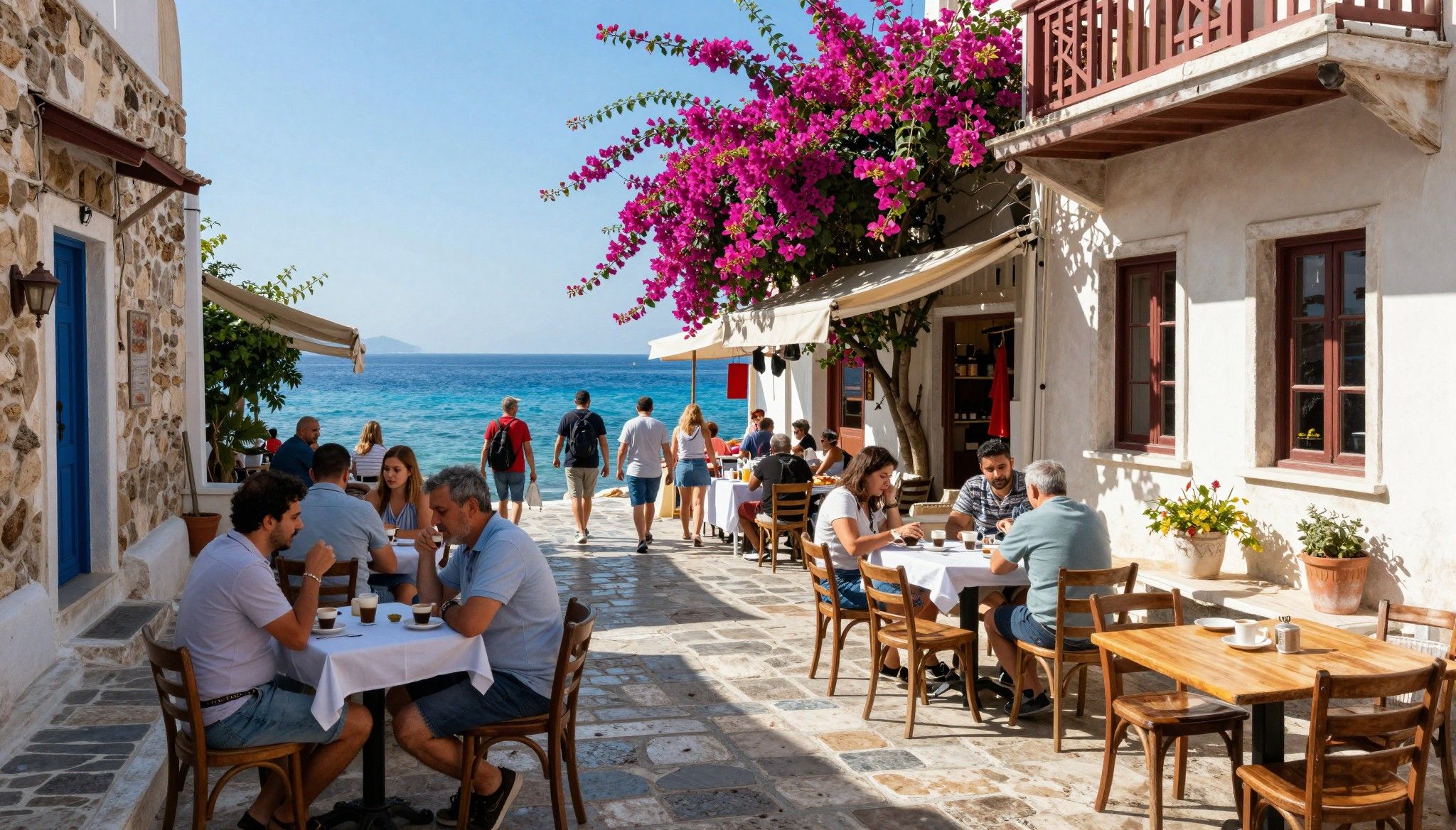
Not all islands are the same. Corfu and Rhodes have year-round services and stronger rental demand; smaller Cyclades like Serifos or Folegandros give you silence and price moderation but come with seasonal constraints. The central bank’s reports show that prices in island hotspots rose, but supply and seasonality still create opportunities for buyers who prioritise lifestyle over immediate yield. Picture breakfasts under bougainvillea and a short walk to a harbourside taverna — but also factor in narrow roads, limited off-season services, and the occasional ferry delay.
- Lifestyle highlights — real places and real moments
- Morning espresso on Dionysiou Areopagitou (Athens) followed by a stroll through Anafiotika
- Saturday market at Varvakios Agora and fresh fish dinners in Piraeus
- Terrace breakfasts in Plaka with lemon trees and late-night music in Psiri
- Sunset swims on Agios Prokopios (Naxos) and island kafeneia where everyone knows your name
Making the move: property choices that match how you'll live

The dream of outdoor living translates into specific property choices: a ground-floor apartment with a private courtyard, a terrace with shade, or a renovated neoclassical flat with high ceilings for cool summers. National price histories show steady long-term growth in many urban submarkets, so your lifestyle pick should also consider liquidity. If you want indoor‑outdoor summer living, prioritise properties with usable terraces and local water access rather than relying only on view-based premiums.
Property styles and everyday reality
Neoclassical apartments offer shade and thick walls that help with energy efficiency; modern builds bring insulation and convenience but may lack character. On islands, stone houses with cisterns and shaded courtyards are perfect for summer living but can carry higher renovation costs. Consider orientation, wind exposure (the meltemi can be strong), and whether terraces are sheltered for autumn and spring use — these small details determine how often you actually live outdoors.
Work with local experts who understand rhythm and resale
- Steps a lifestyle-led buyer should take
- Work with a bilingual agent who can show off-peak neighbourhood life and long-term rental demand, not only summer occupancy.
- Ask for a 12‑month expense schedule (utilities, communal fees, island ferry costs) and verify seasonal maintenance realities.
- Visit the area in winter and shoulder season to feel real services, noise levels, and access.
- Factor in renovation timelines and local contractor availability — islands can add weeks to lead times.
Insider knowledge: what expats wish they'd known
Expat stories often mix delight and small surprises: the efficiency of local produce markets, the social ease of neighbourhood kafeneia, and the slowdown of January business hours. But buyers frequently underestimate seasonal supply constraints and the negotiation culture — Greeks expect bargaining, and price rigidity is common in hot submarkets. Reports on housing pressures show that while prices rise, the quality of life tradeoffs (crowded summers, limited winter services) are what determine long‑term satisfaction.
Cultural cues that affect daily life and buying
A friendly hello in a kafeneion can turn into practical help — neighbours share recommendations for plumbers and festivals — but language matters. Learning conversational Greek opens doors to better renovation quotes and social invitations. Also, note local rhythm: shops close midday in many towns, and public services can be slower; these cultural details affect how you plan renovations, bureaucracy, and even moving days.
Long-term lifestyle and market sustainability
Think beyond the first summer: population trends, infrastructure plans, and rental demand shape long-term value. Urban regeneration projects in Athens and transport upgrades on some islands can lift certain streets — and experienced local agencies can point you to streets where owners improve properties frequently, which is a signal of future liquidity. Balance lifestyle with these structural signals to avoid paying for a view that won’t sell.
Conclusion — fall for the life, but plan like an investor
Greece offers a rare combination: unhurried social life, rich food culture, and pockets of market dynamism. If you fall in love with a street or a taverna, use that passion to guide practical checks — winter visits, contractor quotes, and an agent who knows both tavernas and transaction tax timing. Start by visiting for a shoulder‑season week, shortlist 2–3 neighbourhoods, and ask your agency for comparable sales and a year‑round cost schedule. That way you buy the life and keep the optionality.
Norwegian market analyst who relocated to Mallorca in 2020. Focuses on data-driven market insights and smooth relocation for international buyers.