Croatia: Buy the Life, Back It with Data
Fall for Croatia’s daily rhythms — not the summer postcard — and use house price indices and local market reports to time, price and inspect the property that will support year‑round living.
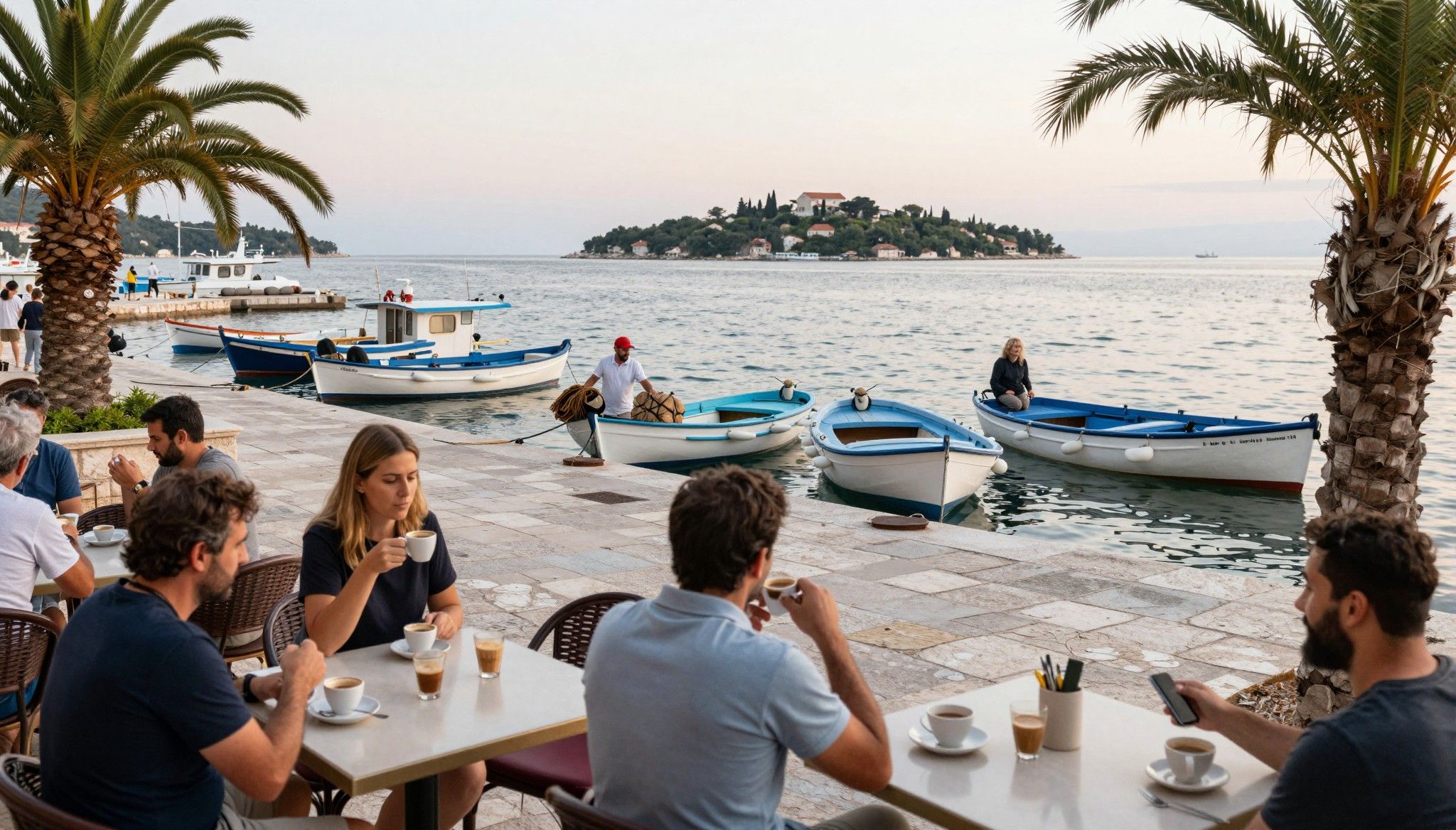
Imagine waking up to the smell of fresh burek, cycling along a palm‑lined waterfront and pausing for an espresso at a café where the barista knows your name. That daily rhythm — a slow morning, an active late afternoon and sociable evenings — is what draws people to Croatia’s coast and old towns. But the story for buyers is not only sun and stone: prices, buyer profiles and seasonality are shifting, and knowing where the market really is makes the difference between a beloved home and a costly surprise. This guide blends life‑first scenes with data from Croatian authorities and market specialists so you can picture life here and plan a sensible purchase.
Living Croatia: rhythms, places and everyday pleasures
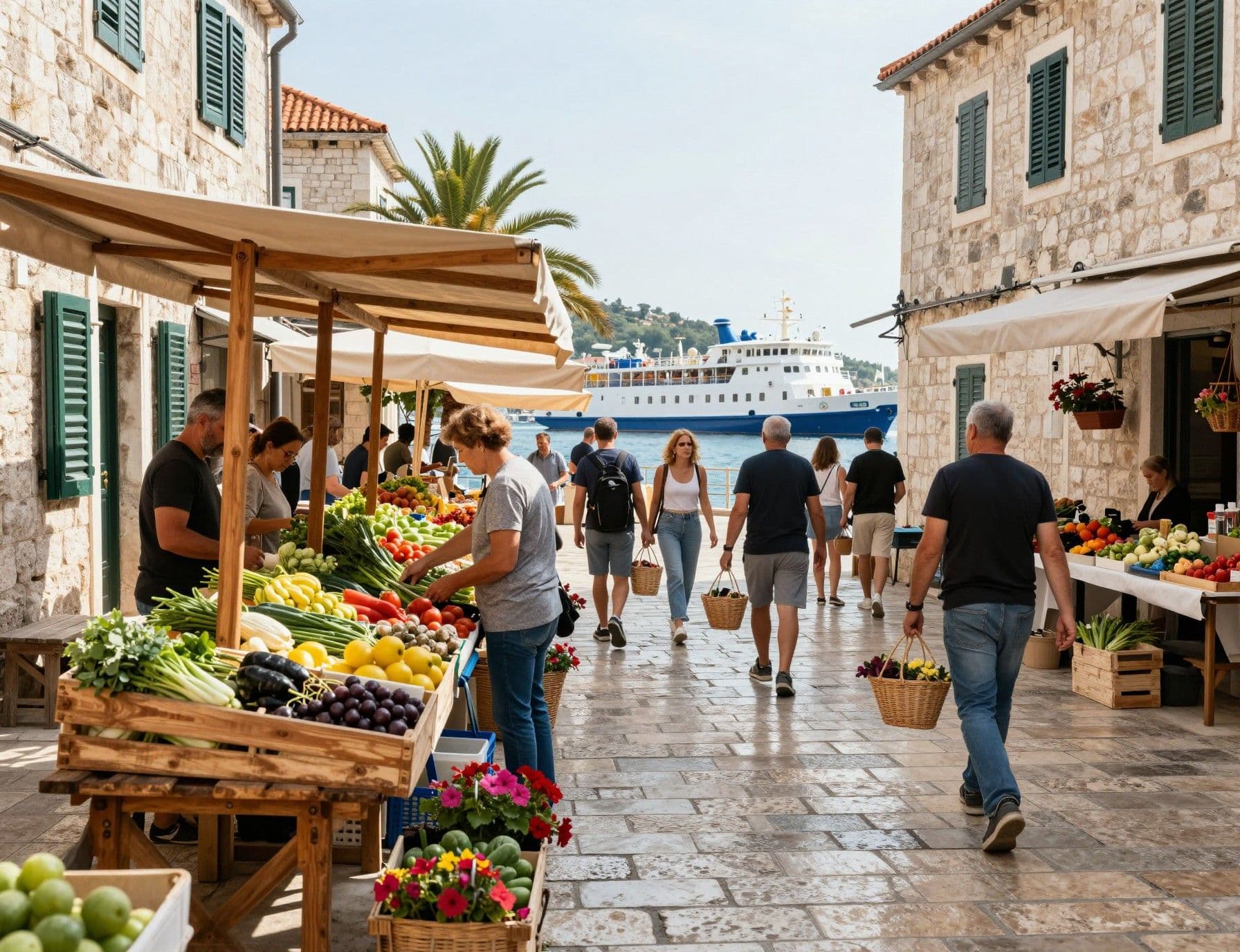
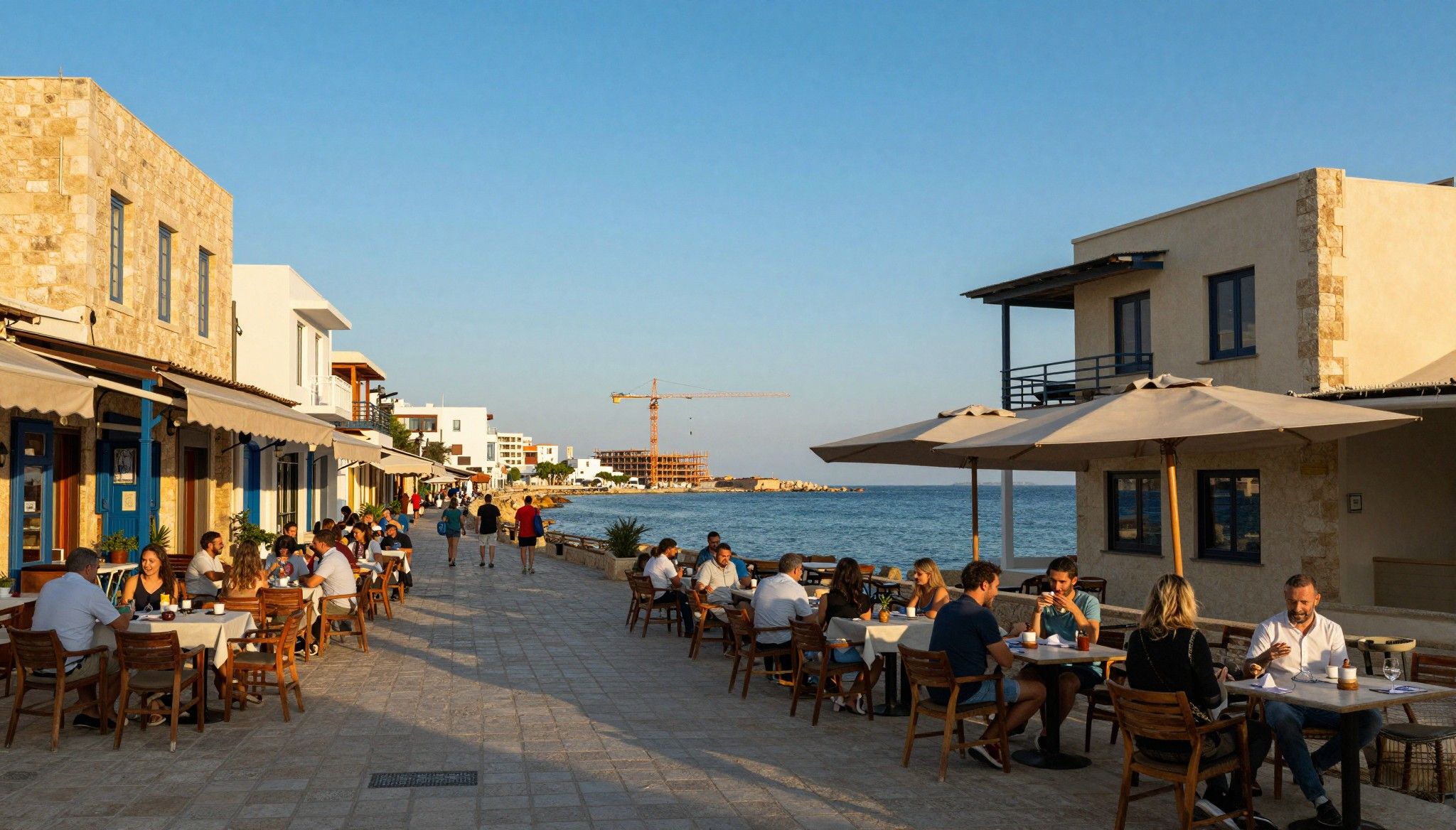
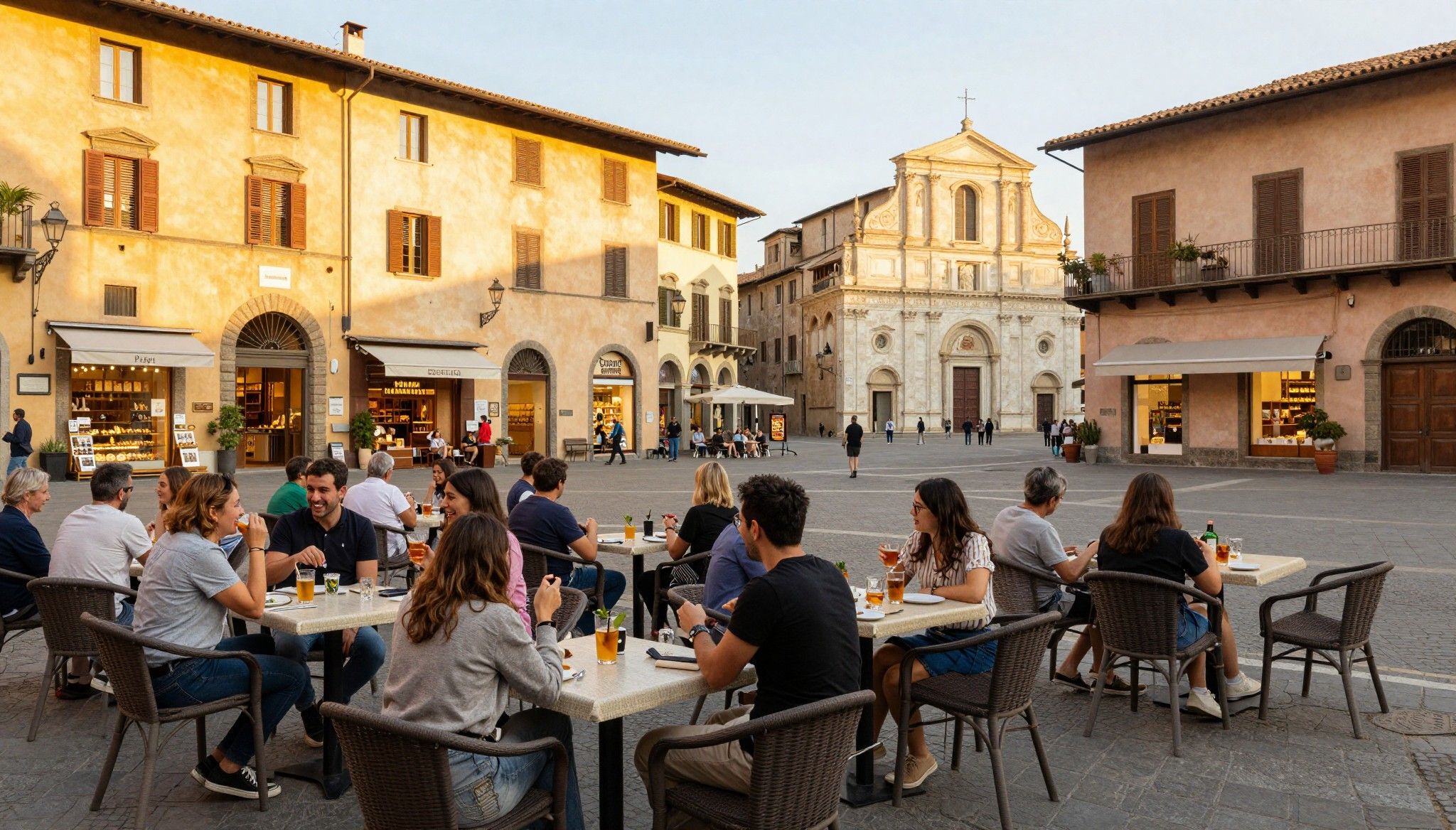
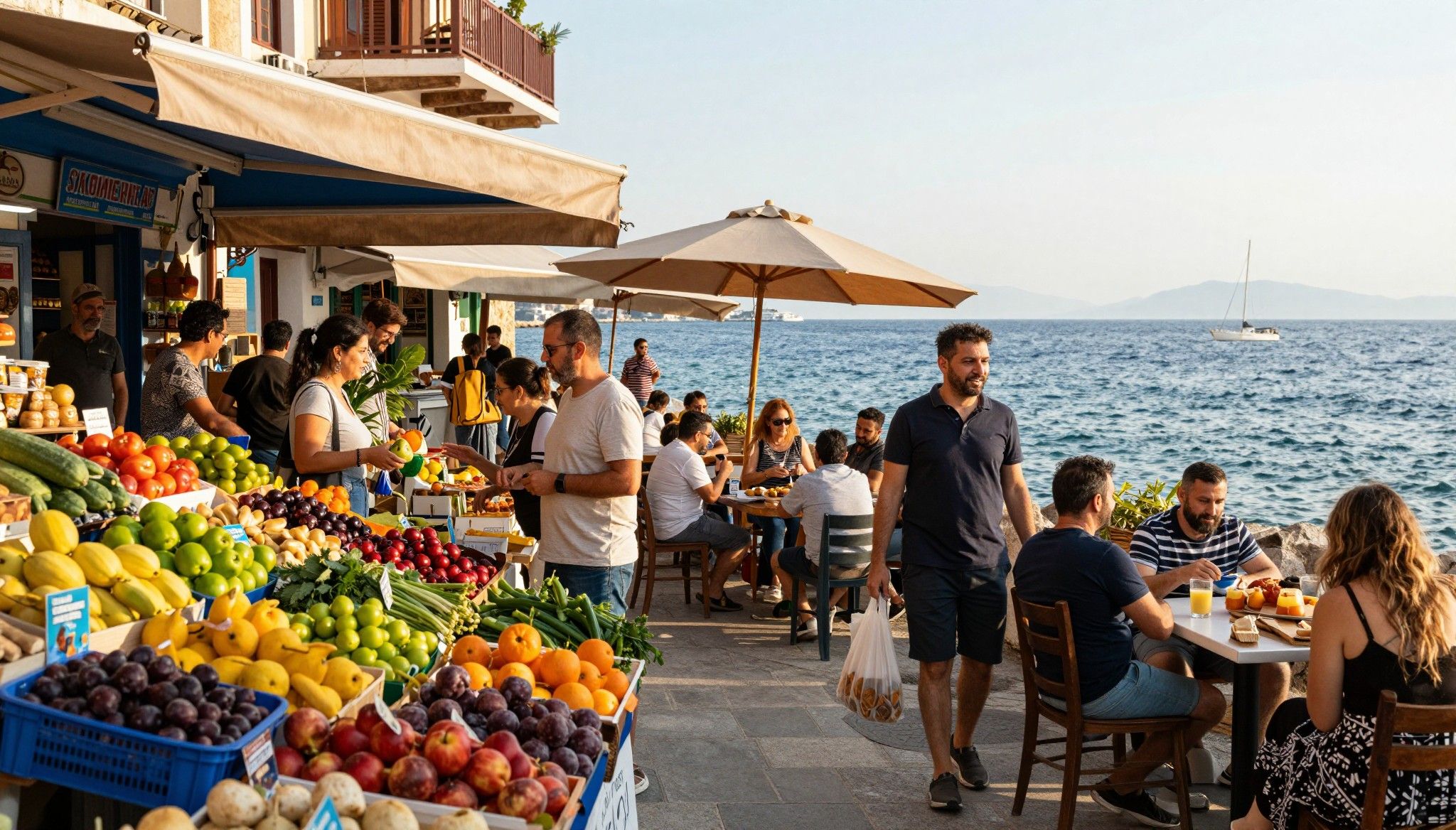
Croatia lives on two paces: the languid coastal life — think Hvar’s morning markets and Dubrovnik’s marble promenades — and the busier urban cadence of Zagreb, where cafés, theatres and weekend street markets dominate. Summers bring tourists and a lively waterfront culture; winters reveal quieter neighbourhoods and year‑round communities. Expect local routines: late lunches, neighbourhood bakeries selling warm pastries at 07:00, children playing in squares, and Sunday family gatherings around long tables. That human tempo shapes what you look for in a property: access to a vibrant piazza versus a quiet gardened courtyard matters as much as square metres.
Coastlines and islands: Split, Korčula, Istria
If you love cafés that open onto the sea, look at Split and the nearby islands. Split mixes Roman fabric in Diocletian’s Palace with a modern waterfront life; Brač and Hvar offer olive groves and quieter village rhythms. In Istria, Rovinj and Pula lean into Italian‑influenced cuisine and year‑round residents, while smaller Dalmatian towns become seasonal theatres — alive in July and almost private by November. For lifestyle buyers, the coastal choice is a trade‑off: peak season vibrancy versus off‑season privacy and local services.
Urban life: Zagreb’s neighbourhoods and rhythm
Zagreb is compact, seasonally stable and attractive for buyers seeking cultural life beyond summer tourism. Streets like Tkalčićeva and the area around Dolac market pulse with cafés and small shops; residential pockets in Donji Grad and Maksimir combine green space with convenient transport. For families and year‑round remote workers, Zagreb’s hospitals, international schooling options and coworking scene are practical anchors that coastal towns don’t always match. Choosing the city means trading seaside swimming for a steadier calendar of cultural life.
- Lifestyle highlights to sample before you buy: morning market at Dolac (Zagreb); espresso on Split’s Riva; konoba dinners in Stari Grad (Hvar); sunsets at Cape Kamenjak (Istria); island ferry ride to Brač; weekend truffle hunts near Motovun.
Making the move: property types, market signals and timing
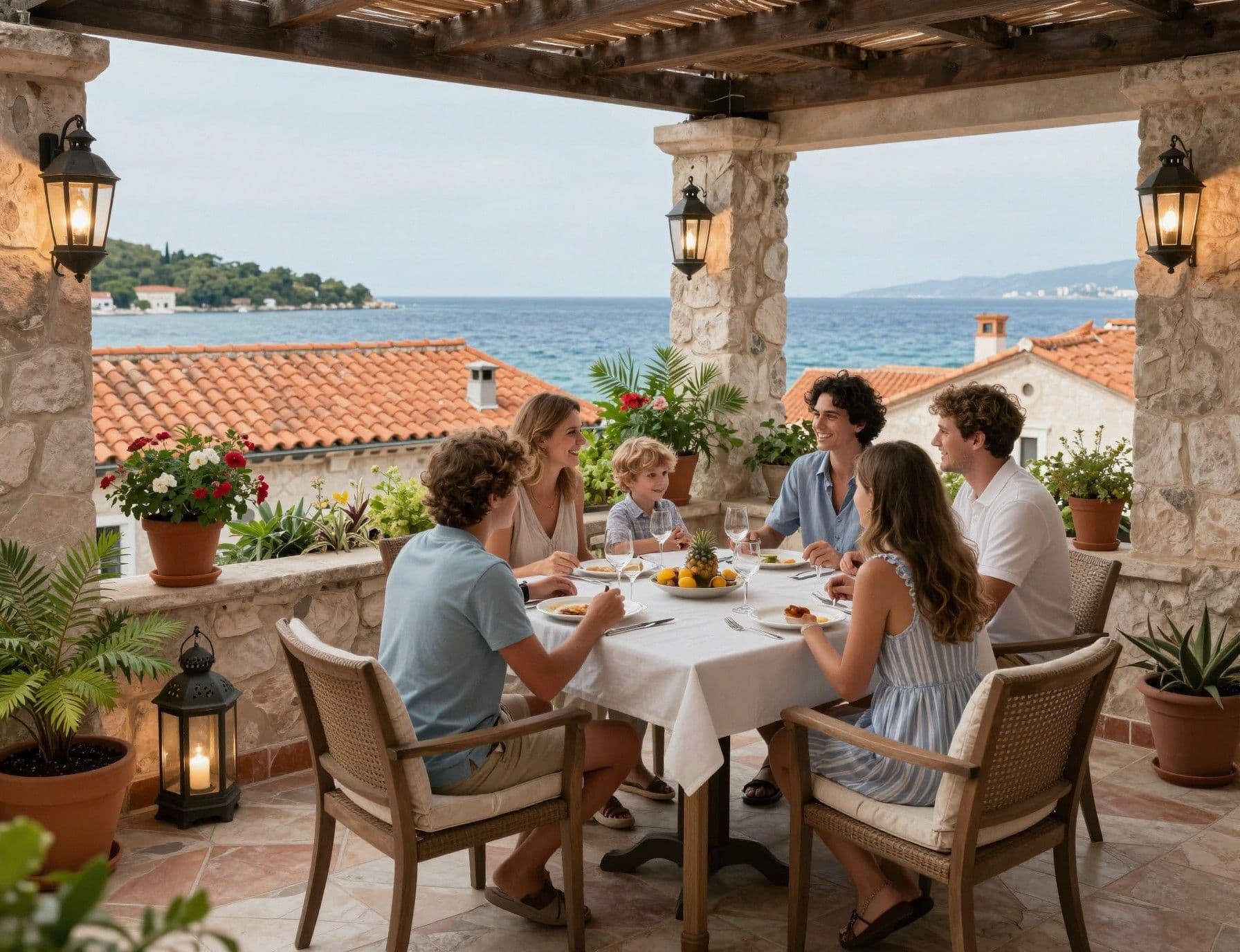
Croatia’s official house price index shows continued growth over recent quarters, though growth varies by region and property type. Coastal hotspots saw strong demand through 2023–2024, but taxes, seasonality and a recent decline in foreign transactions have softened some overheated corners of the market. Market reports from local brokers highlight that while headline prices rose nationally, transaction volumes have cooled — a signal buyers should use to negotiate. In short: prices may still be ascending in sought‑after coastal streets, but you have leverage if you look outside the tourist season and check regional transaction trends.
Property styles: historic stone houses, new-build apartments, and coastal villas
Historic stone houses in old towns offer immediate atmosphere — thick walls, shaded courtyards and a place in the village fabric — but expect renovation budgets and special planning rules. New builds along the coast give amenities like parking, insulation and warranties but can be sited in micro‑locations dependent on tourism flows. Villas with sea access are desirable but carry higher upkeep, seasonal letting demands and coastal regulations. Match property type to lifestyle: if you crave morning market life, choose a compact apartment near the centre; for gardened privacy, prioritise mainland towns with better year‑round services.
Work with locals who sell lifestyle, not just floorplans
Choose agents and developers who understand seasonal life: they’ll show you how a street changes from May to November, where the baker closes for the winter, and which ferry timetables affect island life. A good local advisor sources off‑season viewings, advises on rental potential and flags municipal rules. Ask agencies for transaction data, recent comparable sales and evidence of buyer nationality trends; these signals matter because foreign buyer volumes have recently fallen, changing bargaining power in many towns. Practical collaboration means an agent who can translate lifestyle desires into contracts and costed renovation plans.
- Buy‑with‑life checklist (steps that blend lifestyle and market sense): 1) Visit in shoulder season (April–May or September–October) to see real life off the peak; 2) Request recent comparable sales and municipal building plans; 3) Get a local survey for stone houses (moisture, foundations, seismic work); 4) Ask the agent for confirmed utility access and year‑round services; 5) Budget 10–20% for immediate works if the property is historic; 6) Confirm rental rules if you plan seasonal letting.
Insider knowledge: what expats wish they'd known
Expats often tell the same three truths: the off‑season is when you meet your neighbours; renovation budgets always surprise you; and the apparent popularity of a town in July can hide poor year‑round infrastructure. Recent reporting points to a decline in foreign purchases compared with the 2022 peak, a trend that gives patient buyers negotiation space but also signals changing demand sources. Knowing how communities change between August and January helps you pick a home that fits a full‑year life, not just a holiday postcard.
Language, integration and daily life
Croatian is the local language, but you'll find English widely used in tourist and urban areas; learning basic phrases opens doors and earns smiles. Small rituals matter: neighbourhood shops may close mid‑day, municipal offices follow rigid working hours, and social invitations often revolve around food. Joining a local association, volunteering at a fraška (local event) or taking a language course accelerates integration and helps you see beyond tourist seasons. These social patterns affect property choice: a home near the marketplace makes it easier to embed yourself than a remote villa that’s quiet nine months a year.
Long‑term scenarios: value, rental and community shifts
Scenario planning matters: in one plausible path, coastal demand remains strong with steady price growth but falling tourist volatility, favouring well‑serviced apartments and managed developments. Another path sees domestic buyers and regional neighbours (Slovenia, Austria) dominate, keeping volumes local and moderating price spikes. For investors who prize lifestyle, the sweet spot is properties that work as comfortable homes off‑season and produce modest seasonal income: think well‑insulated homes near town centres rather than isolated luxury villas dependent on summer rentals.
- Red flags to watch before signing: unclear ownership history; lack of seismic/structural survey for older stone houses; missing documented access to utilities; municipal restrictions on coastal development; and sales priced solely for seasonal rental yield without year‑round demand evidence.
If Croatia feels like the life you want, make decisions that preserve that life. Prioritise neighbourhood rhythms, off‑season visits and agents who show you both September sunsets and January grocery runs. Use official data when negotiating and insist on written comparables and recent transaction evidence — the Croatian Bureau of Statistics and reputable broker snapshots are your friends here. Start by shortlisting two towns that fit your daily priorities, schedule shoulder‑season viewings, and ask your agent for a negotiation plan tied to recent transaction volumes.
Conclusion: Croatia sells a lifestyle first — terraces, markets, island mornings — and a sensible buyer uses data to make that lifestyle sustainable. Visit off‑peak, work with a local agent who understands seasonality, and use official transaction indexes and broker reports to set realistic offers. When you buy with both heart and facts, you get the life you imagined and a property that stands up to rainy winters, municipal rules and changing tourism patterns.
Norwegian market analyst who relocated to Mallorca in 2020. Focuses on data-driven market insights and smooth relocation for international buyers.