France: Buy the Street Rhythm, Back It with Data
Fall in love with France’s street life, then buy with local data: regional price trends, seasonal pitfalls, and agent checks that keep the dream intact.

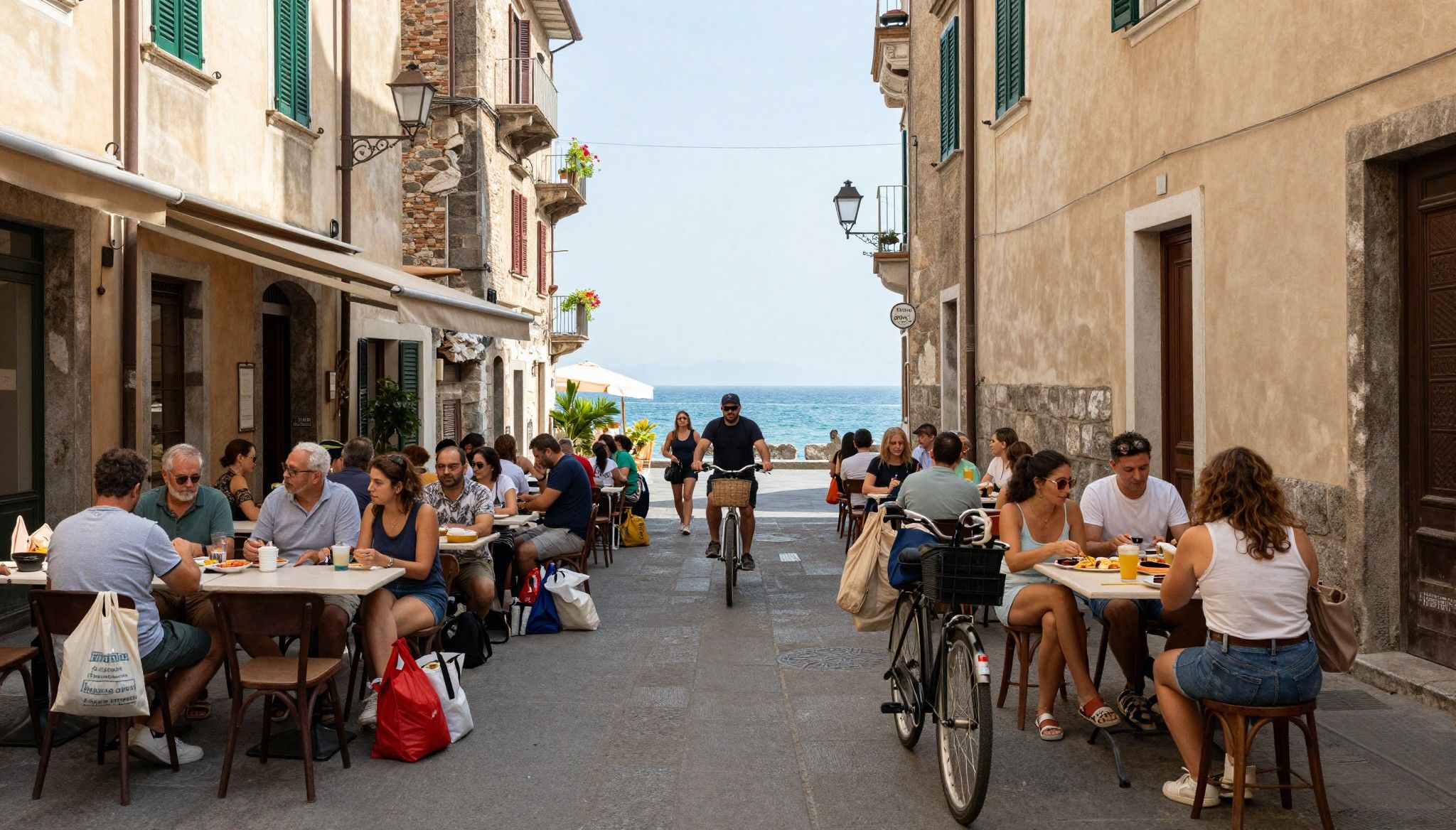
Imagine starting a morning in France with a croissant at a corner café on Rue Cler in Paris, buying seasonal peaches at Aix‑en‑Provence’s market at noon, and finishing the day with a sunset walk on the Plage de l’Espiguette. That sensory rhythm—food, light, markets, conversation—is what draws people here. But beneath the romance is a patchwork housing market: Paris flats behave differently to Provençal mas, and the Alpes‑Maritimes follow other price rules than central Brittany. Understanding those differences changes whether a purchase becomes a lifestyle win or a regret.
Living the France life: more than the postcard
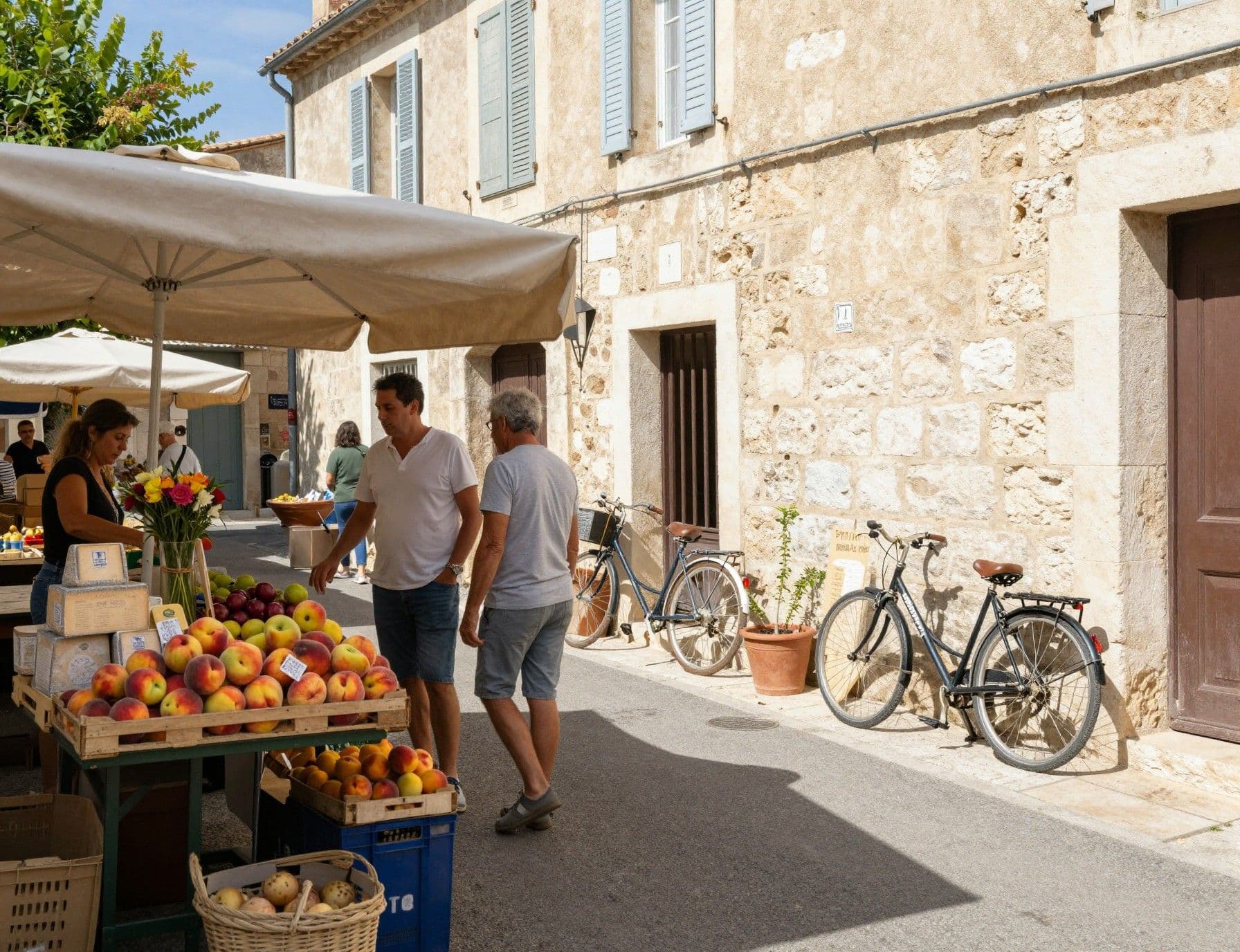
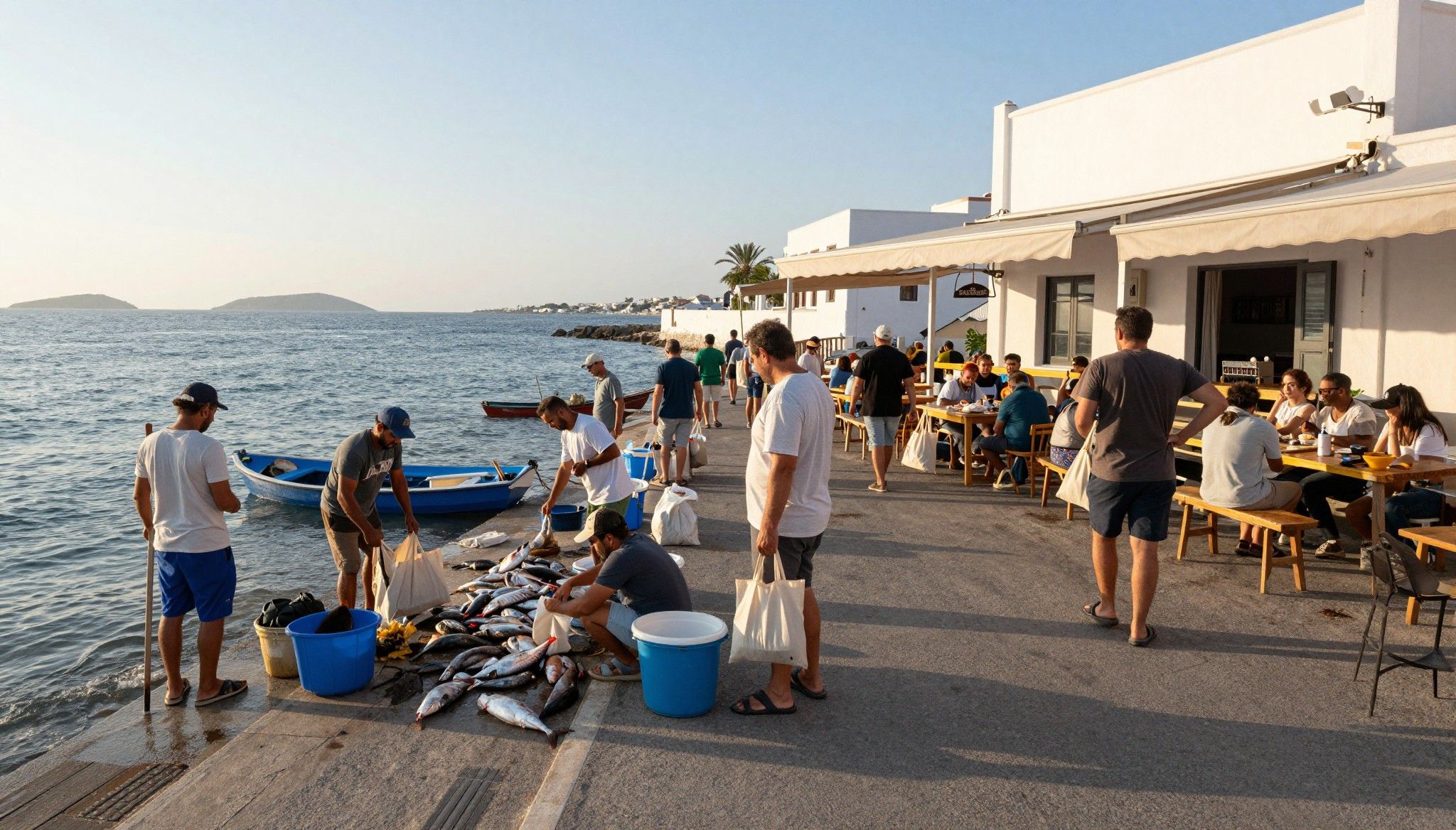
France is lived at street level. Mornings in Marseille mean fishermen unloading small catches; in Bordeaux the market lanes smell of roasted coffee and pâté; in Lyon families gather around bouchons at lunchtime. For international buyers this matters: the minute you leave the property tour and walk the local boulangerie route, you discover cues—noise, parking, market days—that determine how a home will actually feel year‑round.
Neighborhood spotlight: Paris’ 11th vs. Nice’s Promenade
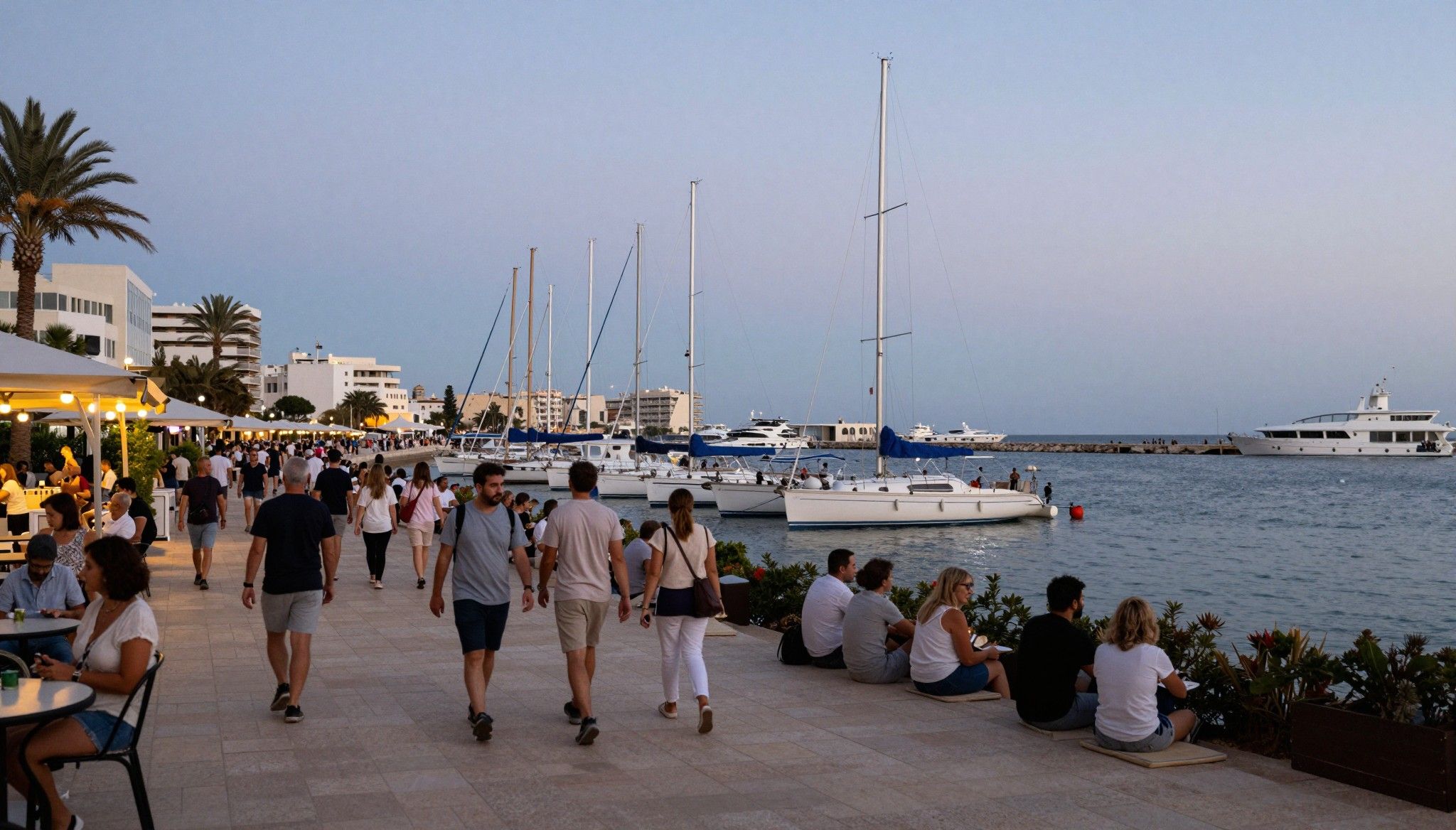
Take Paris’ 11th arrondissement: tight streets, dozens of independent cafés, and apartments that trade on community life. Contrast that with Nice’s Promenade des Anglais—more sunlight, tourist rhythm, and a premium on sea views. Price behaviour follows use: central Paris has a deeper inventory of small flats; coastal areas reward sea‑facing exposure and seasonality. Reports from market specialists show prime Paris prices stabilising while coastal micro‑markets rebounded at different speeds.
Food, markets and seasons: how life shapes value
Markets are seasonal in behaviour, not just in people. In wine country (Bordeaux, Burgundy) rental demand peaks during harvest and festival weeks; in ski towns (Megève, Val d’Isère) short‑term rental returns and pricing follow snow seasons. INSEE’s recent housing data shows national second‑hand prices rising in early 2025 after a period of cooling—yet regional differences are large. That means your lifestyle calendar (markets, festivals, ski season) should map to the micro‑market you choose.
- Lifestyle highlights to look for on the ground
- Weekly marchés (e.g., Marché Forville, Cannes) — great indicator of neighbourhood life and supply chains
- Local cafés (Rue des Martyrs, Paris; Cours Saleya, Nice) — morning footfall shows livability
- Transport nodes (RER stations, TER links, A7 motorway exits) — essential for hybrid living
Making the move: practical considerations that protect the lifestyle
Romance won’t pay a notaire’s fees. Once the lifestyle test is passed, you need to translate it into reliable market signals: recent sales, local price per square metre, energy rating premiums, and seasonal rental yields. Notaires’ datasets and market reports show modest national gains in 2025 but strong local divergences—so treat national headlines as context, not a buying rule.
Property styles and what they mean for living
A Haussmannian flat in central Paris offers walkability and resale liquidity but often needs renovation and has higher per‑m² prices. A restored stone house in Dordogne delivers land, privacy, and seasonal markets nearby but comes with maintenance and transport tradeoffs. New coastal developments on the Côte d’Azur promise amenities and lower immediate renovation risk, but carry location premiums that hinge on exact proximity to the sea.
Working with the right local experts
Choose agents who can translate lifestyle cues into data: provide recent comparable sales, energy performance diagnostics (DPE), and short‑term rental histories when relevant. A notaire and an architect who know the town will save you from surprises around permitted extensions, heritage restrictions, and local rental rules. International buyers should expect clear bilingual communication and a written timeline for purchase steps.
- Steps to align lifestyle and market data
- Walk the neighbourhood at market time; note footfall, parking, and service hours.
- Request 12‑month utility and maintenance records for older properties to price upkeep accurately.
- Ask agents for three comparable sales in the last six months and any off‑market activity.
- Get a local energy audit (DPE) and quotes for immediate works before final offers.
Insider knowledge: myths, red flags and contrarian truths
Myth: "Buying in summer gives you the best feel for a place." Truth: Summer crowds mask off‑season realities—noise, parking and closed shops become obvious in autumn. Red flag: a lively summer but dead winter high street. Contrarian pick: consider properties near year‑round markets and transport links rather than only judging vibrancy during peak tourist months.
What expats wish they'd known
Many expats underestimate how much local habits shape daily life: shop opening times, neighbourhood fêtes, and winter heating costs. Expat buyers also report underbudgeting for renovation timelines and local bureaucracy. The notaires’ figures suggest cautious price recovery—so avoid assumptions that every price dip is a buying opportunity without local context.
Long‑term lifestyle: which areas tend to age well
Areas with year‑round employment, strong transport links and health services—suburban Lyon, parts of Brittany with ferry links, and towns near ski resorts with diversified economies—tend to hold value. Look for towns investing in public infrastructure; Knight Frank and Savills note that transparency and amenities attract long‑term international demand.
- Red flags to avoid
- High seasonal rental turnover with weak off‑season demand
- Properties with unclear heritage status or unresolved planning constraints
- Lack of reliable comparables—if there are few recent local sales, proceed cautiously
Conclusion: fall in love deliberately
France offers a life of markets, cafés and varied landscapes—but to make it yours, bind the romance to evidence. Use local market data (notaires, INSEE), choose agents who map lifestyle to comparables, and test places in multiple seasons. If you want help turning a neighbourhood crush into a resilient purchase, an on‑the‑ground agency partner who shares your lifestyle brief will save time and protect value.
Norwegian market analyst who relocated to Mallorca in 2020. Focuses on data-driven market insights and smooth relocation for international buyers.