Cyprus: Fall for the Life, Read the Local Data
Fall for Cyprus’s Mediterranean rhythm, then match that life to neighbourhood-level data and local expertise for a confident purchase.
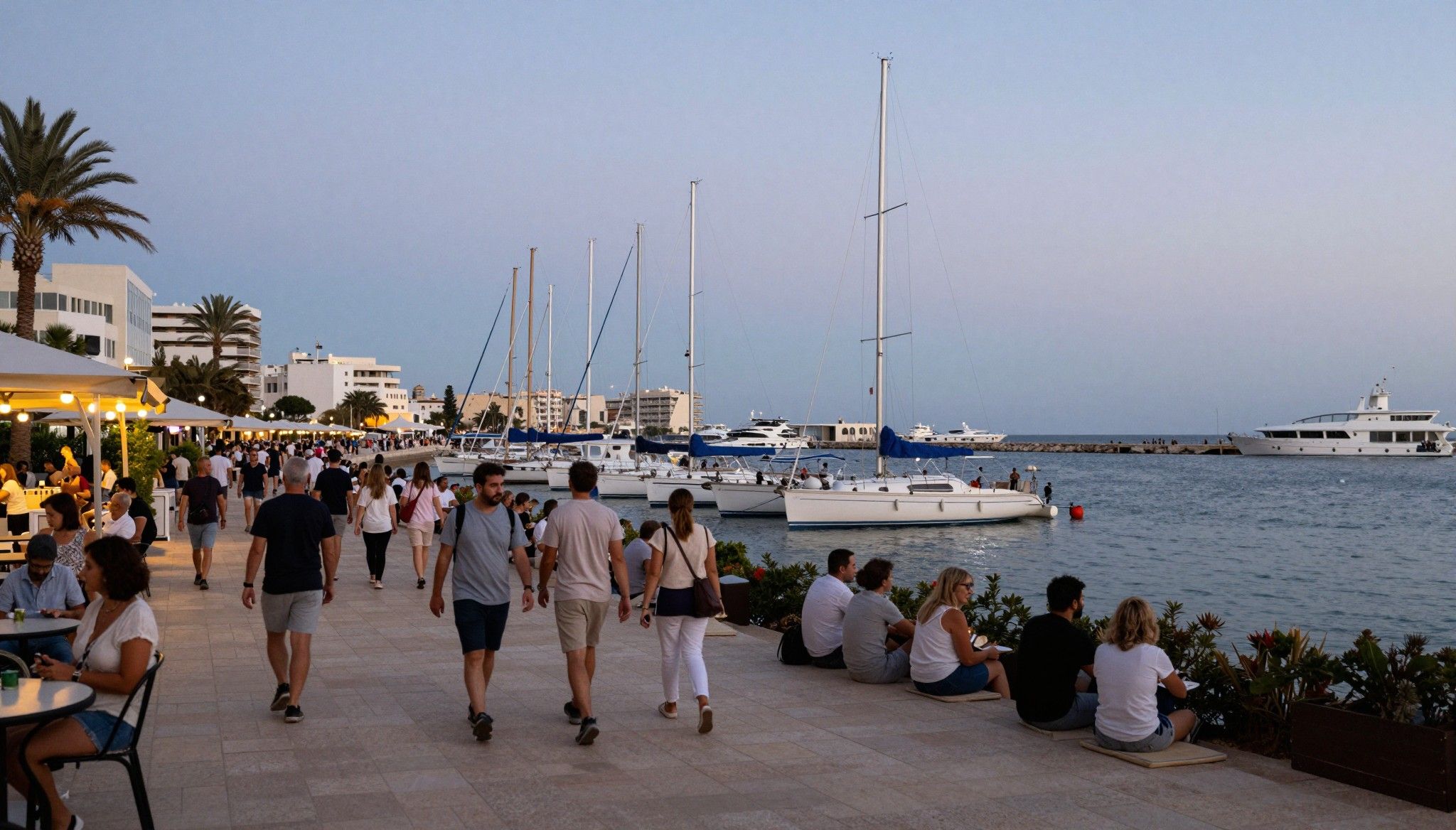
Imagine waking to a baker’s cart on a narrow Limassol lane, the sea a five-minute walk and a neighbourhood trattoria that knows your name. Cyprus feels smaller than it is: Mediterranean light, old stone streets, and a year-round rhythm that blends tourism energy with village calm. Yet behind that postcard is a market changing fast — recent market analysis shows cooling headline growth even as demand concentrates in coastal nodes. For international buyers, falling for the lifestyle is the easy part; the harder work is matching that life to realistic market scenarios and local expertise.
Living Cyprus: Daily rhythms and real places
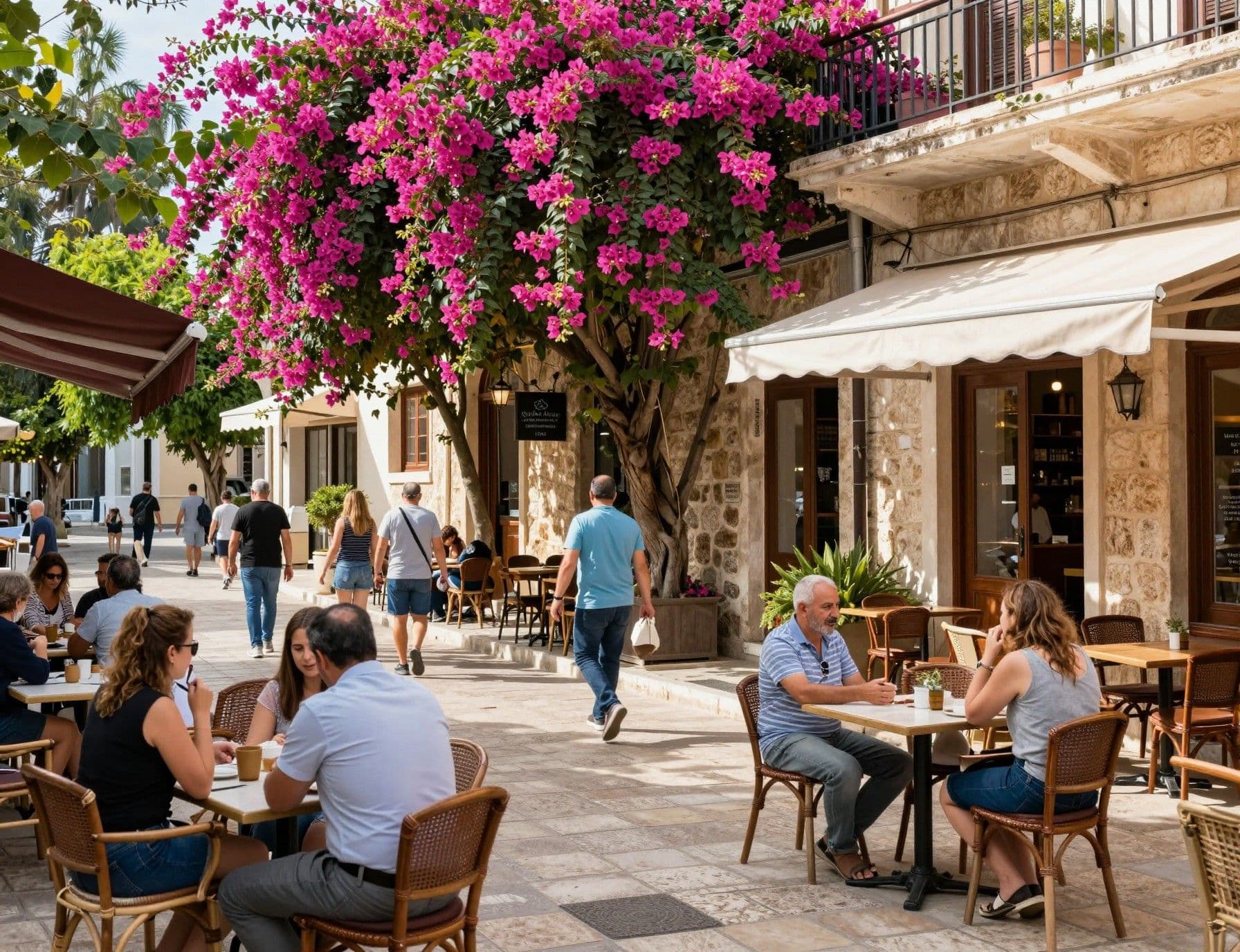
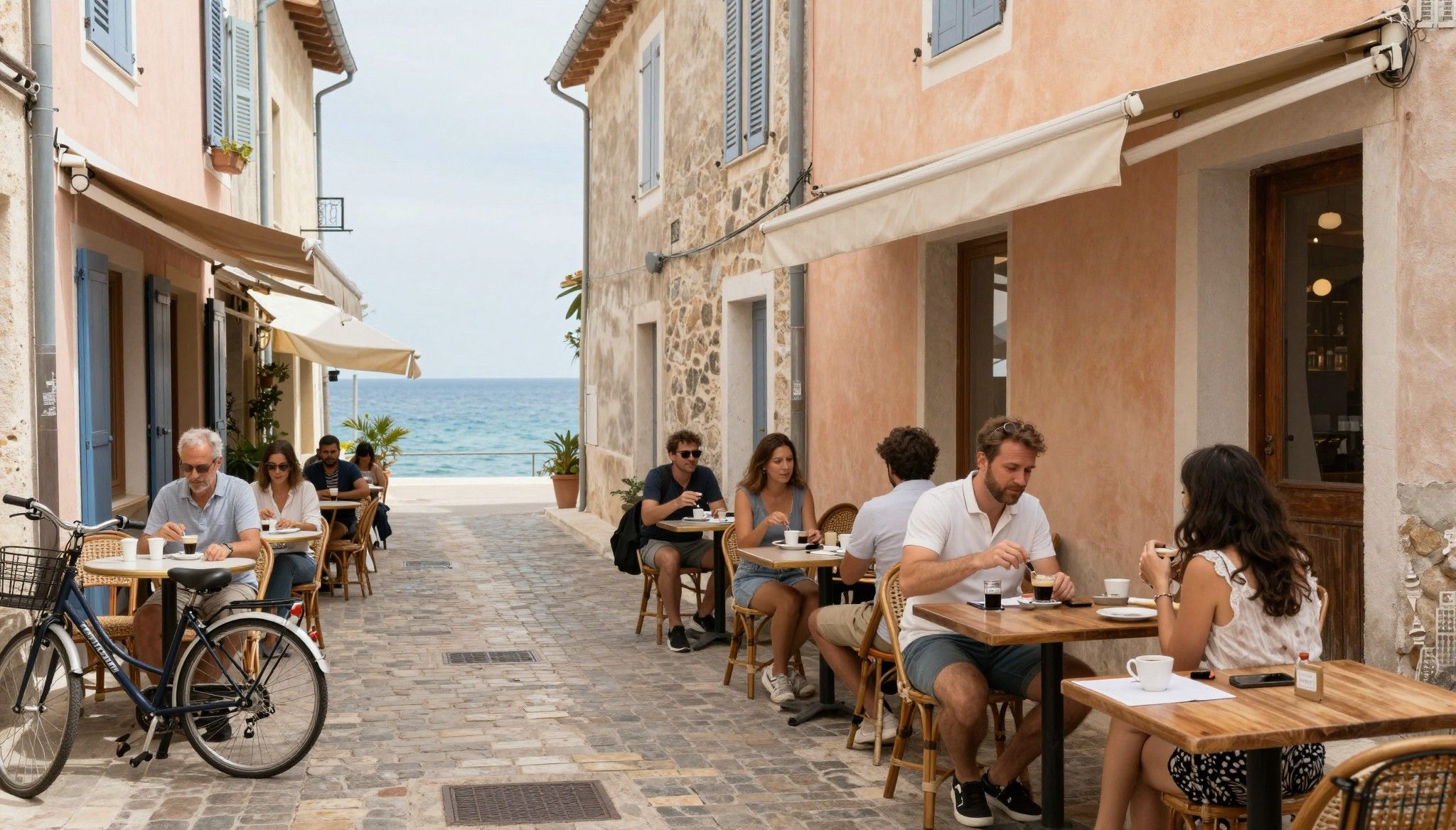
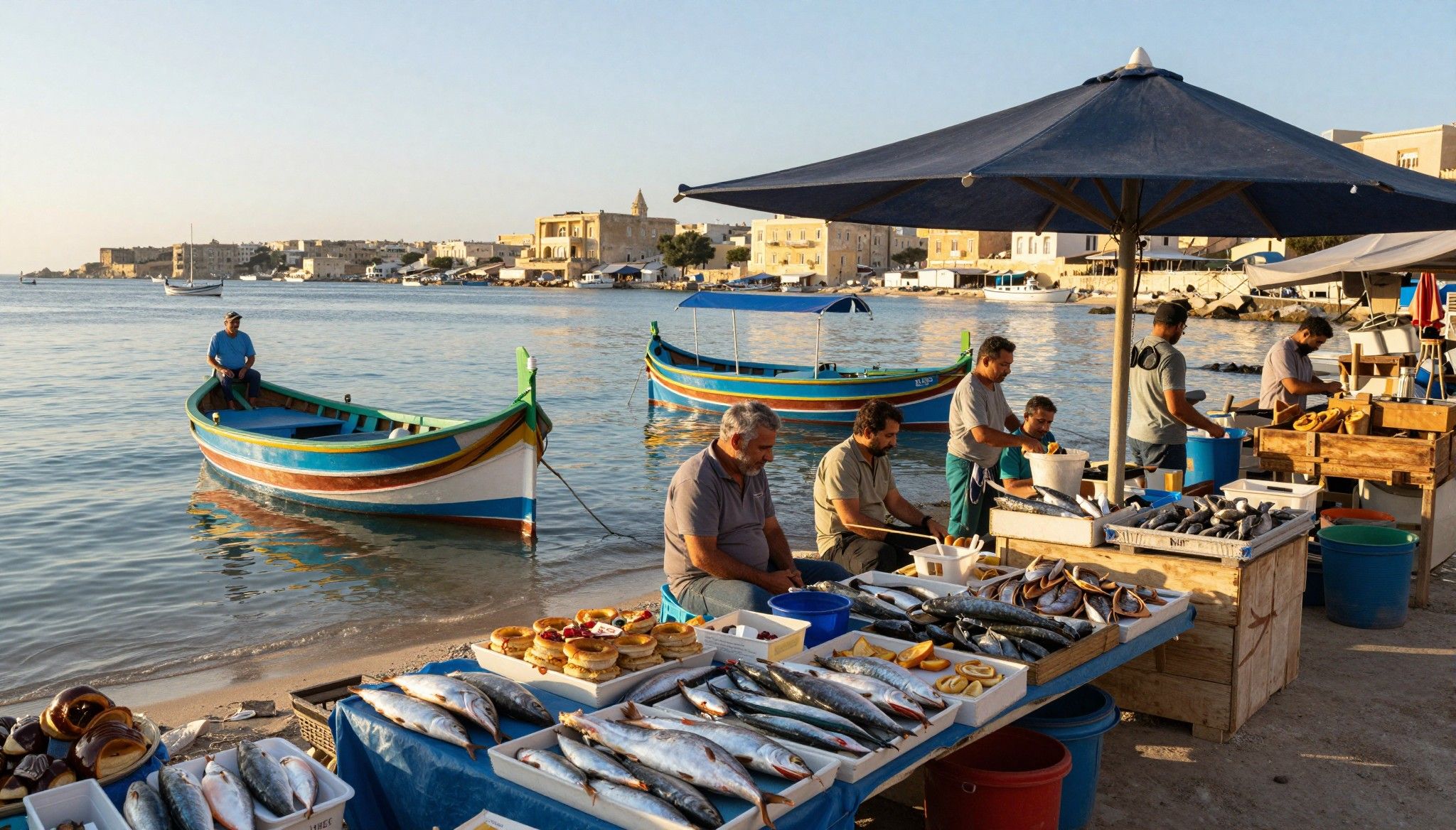
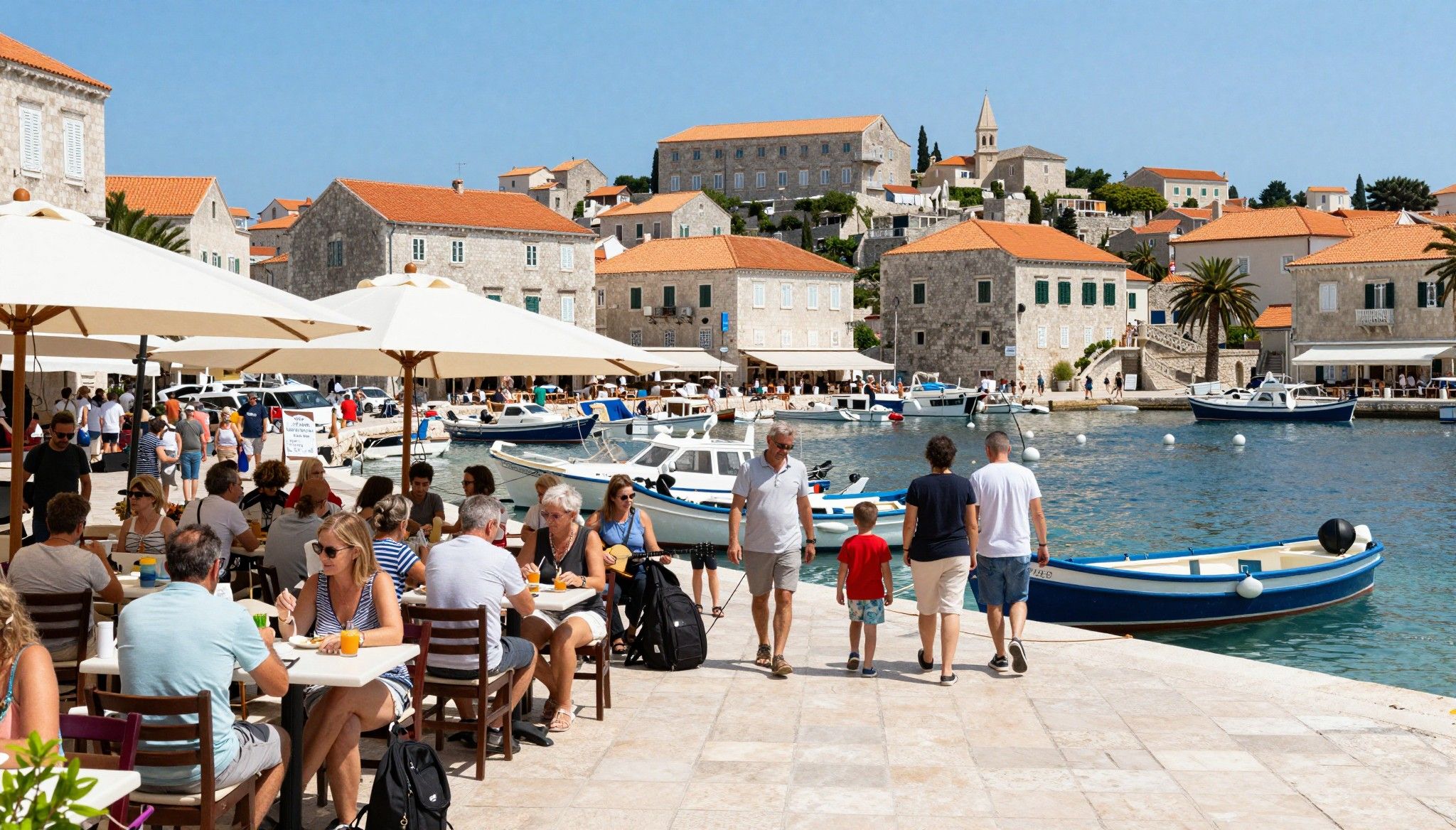
Cypriot life moves between café culture, beach hours and late-evening promenades. Mornings mean espresso and koulouri at neighbourhood bakeries; afternoons drift to beaches such as Kourion or Fig Tree Bay; evenings gather under plane trees in old town squares. That tempo shapes what you’ll want from a home: a terrace for siesta shade, shutters to keep out the midsummer heat and a kitchen built for market cooking. Living here is sensory — citrus and sea salt, mosque and bell, and a social warmth that rewards street-level investment in a community.
Limassol & the coastal corridor: salt, marinas and cosmopolitan nights
Limassol stretches east-west with pockets of difference: Old Port and the Marina bring restaurants and a younger international scene, while Agios Tychonas and Germasogeia offer quieter villa streets and family life. Property stock here ranges from contemporary seafront apartments to restored townhouses on Anexartisias Street. If you want cafés that open at 07:00 and rooftop sundowners at 20:00, this corridor delivers — but expect higher price density and developer-led renewal near the marina.
Paphos & Larnaca: heritage, scaled‑down coasts and year‑round communities
Paphos mixes UNESCO archaeology with family beaches, and Larnaca balances a working port atmosphere with an improving dining scene. Tourism data shows Paphos receiving a large share of visitors, which supports short‑let demand and seasonal services. For buyers seeking quieter rhythms, inland villages above Paphos or the suburbs of Larnaca offer lower densities and homes with land. The trade-off is access: consider drive times, local shops and the ripple effect of tourist seasons on rental income.
- Morning espresso at To the Point Bakery (Old Nicosia), sunset cocktails at Limassol Marina, weekend farmers’ market in Paphos, weekday sea swims at Mackenzie Beach (Larnaca).
Making the move: matching lifestyle to stock and risk
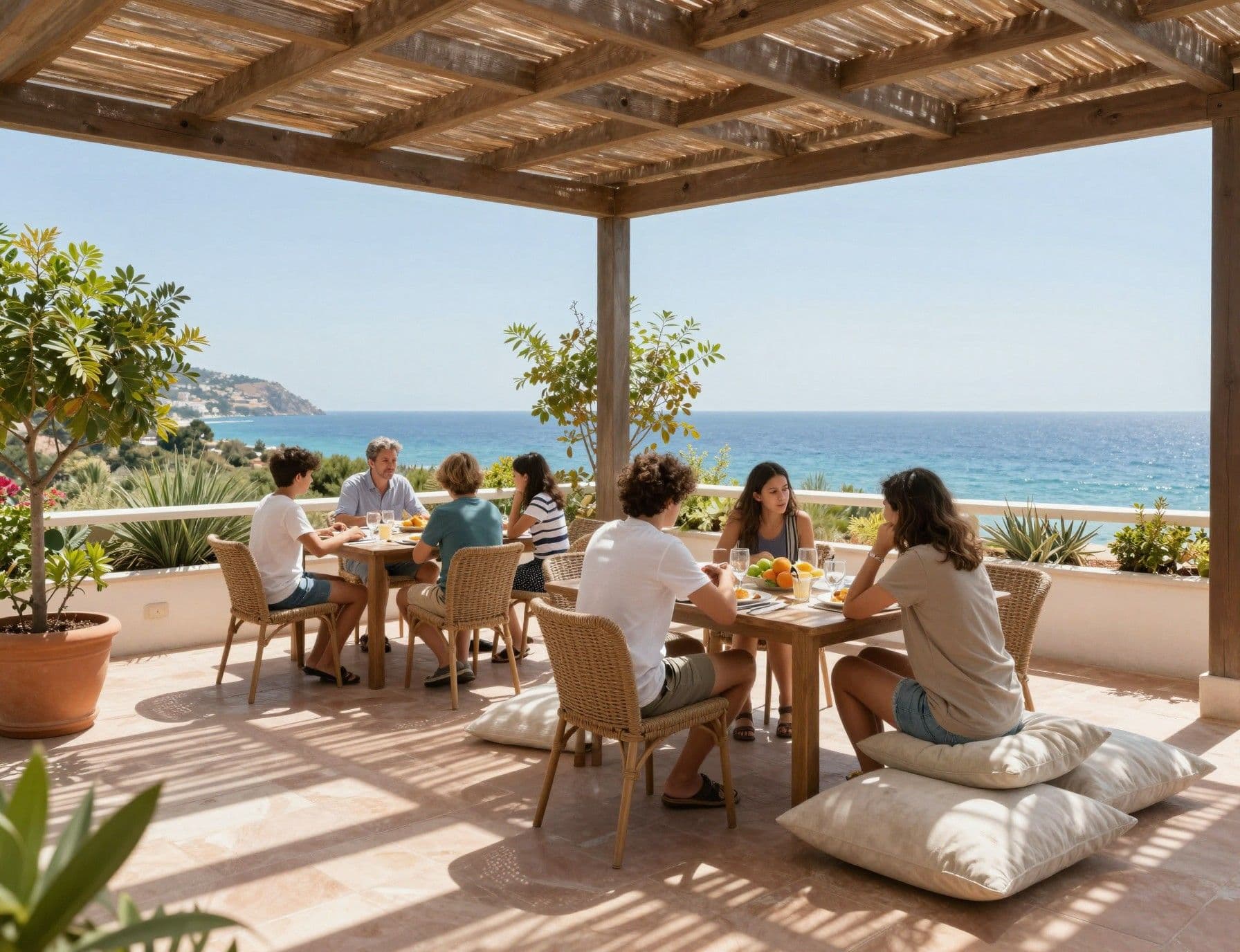
Loving Cyprus and buying sensibly are complementary tasks: start with the life you want, then map it to the types of property that deliver that life without overpaying for a postcard. Recent market commentary highlights uneven price performance across districts — headline growth has cooled even while new‑builds in central nodes rose sharply in recent quarters. That means there are both value pockets and hot spots; the trick is aligning your horizon (holiday use, full-time move, rental yield) with location-level data.
Property styles: what each buys you
Modern seafront apartments buy convenience and low-maintenance living: shared pools, concierge-style amenities and proximity to cafés. Traditional village houses (e.g., Tala near Paphos or Omodos in the Troodos foothills) buy character, land and slower seasons — often requiring renovation. New developments in Nicosia and Limassol target professionals and can command premium rents, while small penthouses deliver terraces that expand living space in all seasons.
Working with the right local experts
- 1) Ask agents for recent comparables on the exact street, not the district; 2) request developer warranty and completion timelines for new builds; 3) insist on a local lawyer who has closed non‑resident purchases before; 4) require a utility and title check before deposit.
Insider knowledge: myths, trade‑offs and expat realities
A few honest confessions from expats and agents: Cyprus’s ‘cheap island’ label hides sharp micro‑pricing; the coastline can be busy July–August; and English works but local relationships still open doors. Many buyers assume the seaside equals liquidity — but some coastal areas have a glut of short‑let stock that depresses long‑term yields off‑season. Smart buyers treat Cyprus as a set of neighbourhood markets rather than one homogeneous place.
Cultural integration and everyday life
Cypriots value invitations, community ties and practical generosity — accept the coffee and show up for the local festival and you’ll be known. English is widely spoken in business and tourism, but learning basic Greek phrases eases bureaucracy and buys goodwill. For families, local schools and healthcare are competent, while social life happens in small clusters: tennis clubs, church festivals and beachside tavernas keep circles tight and welcoming.
Long‑term thinking: maintenance, climate and resale
- Consider sunscreen for facades (coastal chloride corrosion), roof overhangs for summer shade, insulation for winter mountain dips, and service charges that fund long‑term upkeep for apartment communities.
If you want to test life before committing, rent for a season in the neighbourhood you love: it reveals daily flows, noise, and practical errands in a way viewings can’t. For buyers serious about yield, pair tourism stats with local occupancy patterns — Paphos and Limassol drive summer occupancy, while Larnaca shows steady year‑round demand from business travel. Use recent government tourism releases and local price analyses as your evidence, not your only guide.
- 1) Live there short-term before buying; 2) match house type to lifestyle (terrace vs garden vs apartment); 3) get local comparables and a trusted lawyer; 4) budget for climate maintenance and service charges; 5) plan exit scenarios based on district demand.
Cyprus is a place of sunlit cafés, layered history and pragmatic warmth. The purchase that brings the life you imagined balances sensory choice with neighborhood-level data and local expertise. If the life is what drew you here, let market evidence and on-the-ground advisors shape the practical steps: view in season and off‑season, verify supply dynamics, and secure a legal team familiar with non‑resident closings. Book a local viewing, stay a month, and let the island decide as much as you do.
Swedish strategist who relocated to Marbella in 2018. Specializes in legal navigation and tax planning for Scandinavian buyers.