The Adriatic’s Price Mirage: Contrarian Buying in Croatia
Coastal headline gains hide regional bargains: target inland towns, secondary islands and off‑season months to buy lifestyle at better value—data and steps included.
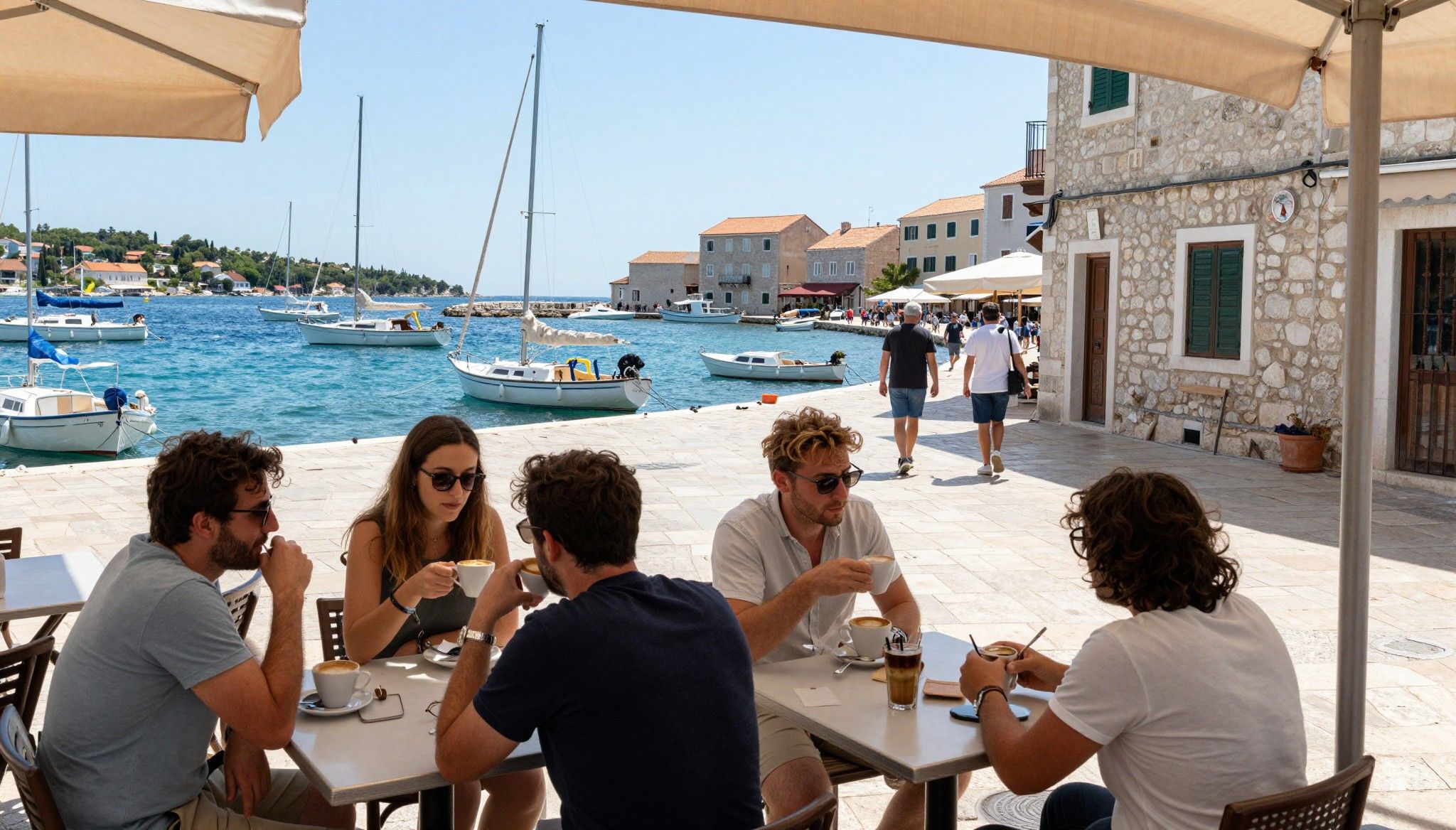
Imagine sipping espresso at Split’s Riva at 09:00, then driving 30 minutes to a quiet stone village where locals still gather at the bakery. Croatia lives in contrasts: crowded summer harbours and near-empty winter lanes, Michelin-star dining and family konobas, new coastal developments and centuries-old stone houses. Those contrasts are exactly why headline prices can mislead international buyers. This guide blends the sensory—cafés, markets, sea air—with data-driven, practical advice so you can fall for Croatia without paying for a postcard.
Living the Croatia lifestyle
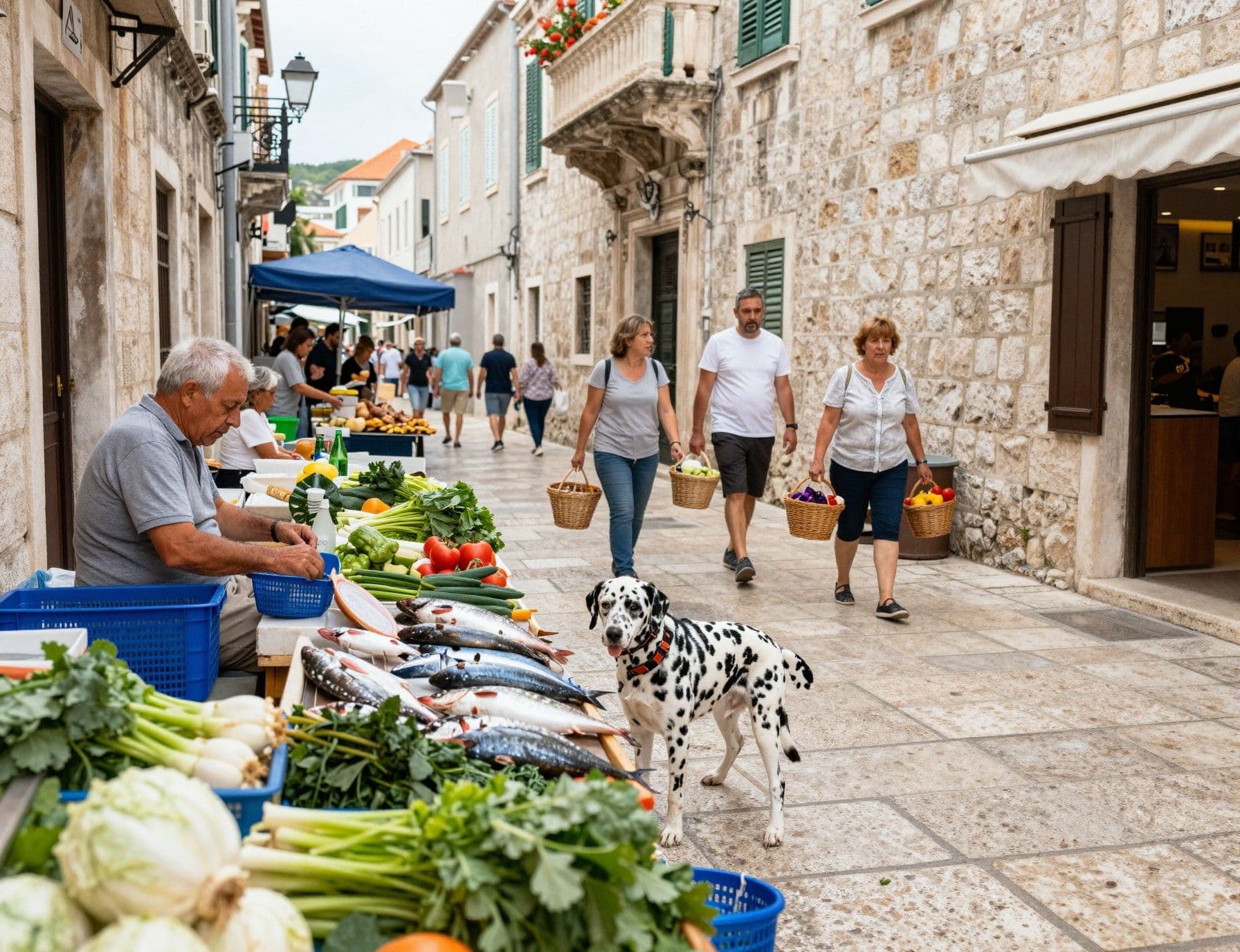
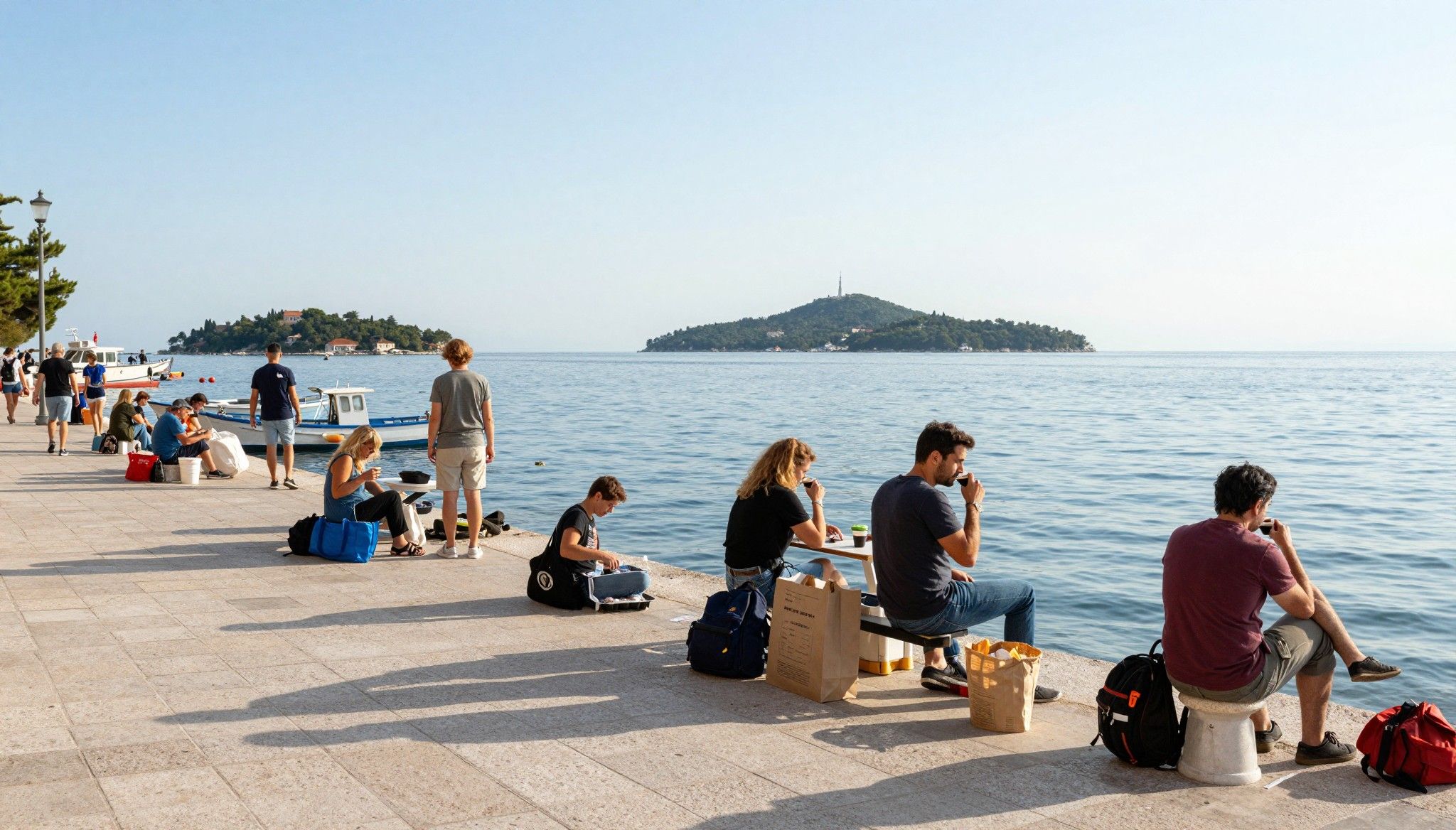
Life here moves with the Adriatic calendar: mornings at bakeries, afternoons on pebble beaches, and evenings at konobas where tables spill into lanes. Coastal towns such as Dubrovnik, Split and Hvar pulse with tourist seasons that shape neighbourhood life; Zagreb and Rijeka offer year-round urban rhythms with cafés, galleries and weekday markets. Official indices show strong house‑price growth concentrated on the Adriatic and Zagreb, but that doesn’t mean everywhere is expensive—many inland and secondary-island pockets remain under the radar. Think atmosphere first and headline price second: where you buy will determine whether you get the lived experience or the postcard premium.
Coastal centres vs. hidden coves
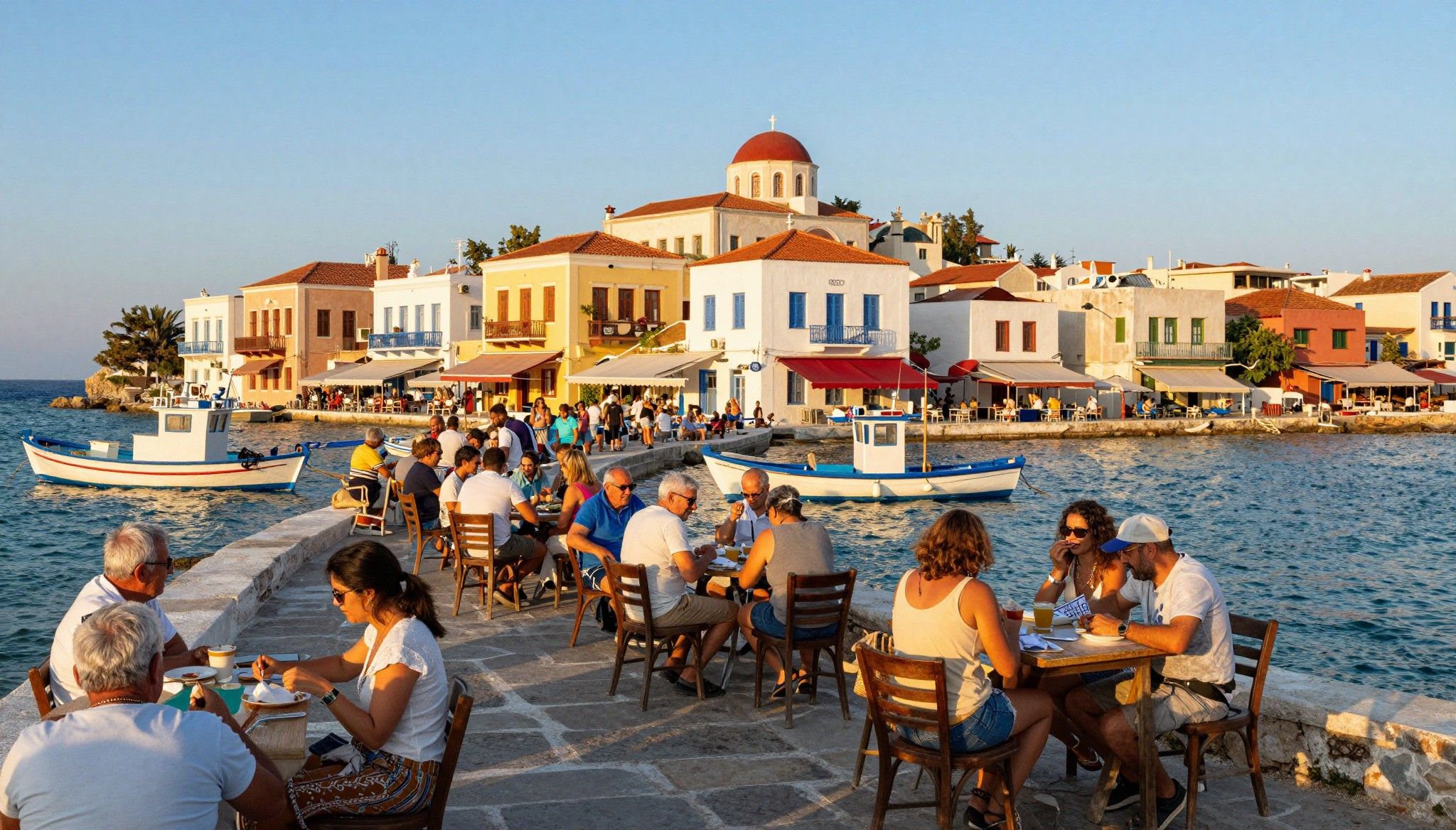
Split’s Riva, Dubrovnik’s Old Town and Hvar’s harbour attract buyers who prize immediate sea access and hospitality infrastructure. Those places show the fastest price appreciation and highest seasonal occupancy; official reports note double‑digit year‑on‑year growth pockets along the coast. By contrast, Istria’s inland hill towns, lesser‑known islands like Lastovo, and continental areas near Slavonia offer quieter streets, larger plots, and homes that cost a fraction of the hotspot rate—ideal if you want authentic community life without continuous tourist traffic.
Food, markets and daily rituals
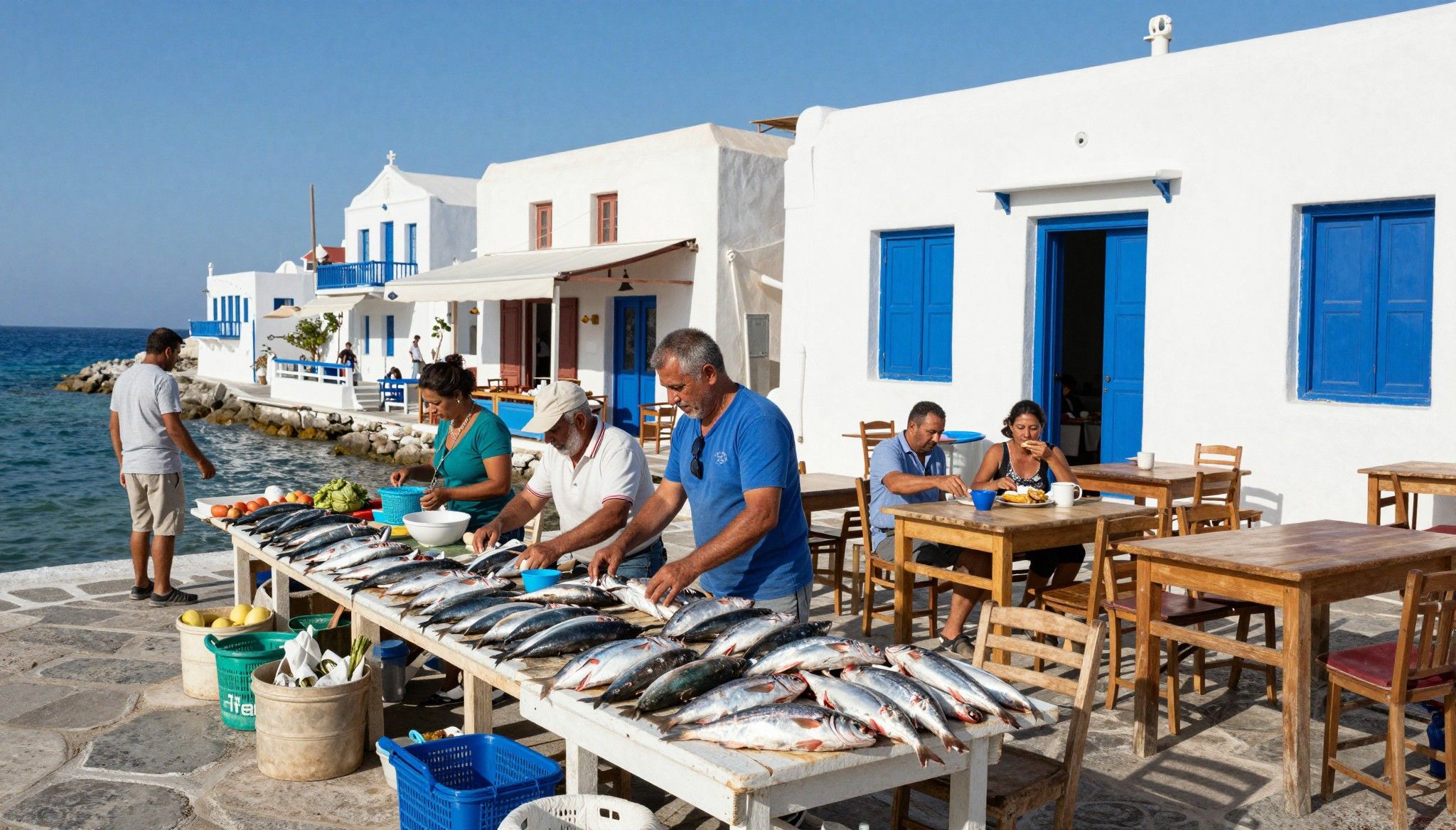
Weekends begin at farmers’ markets—Dolac in Zagreb, Pazar in Split—where fresh fish, prosciutto and olive oil set the menu for the week. Seasonal truffles in Istria, shellfish festivals on the Pelješac peninsula, and summer open‑air concerts create pockets of cultural intensity that affect short‑term rental demand and local prices. If morning market access and a lively neighbourhood are part of your dream, expect to trade square metres (and pay a premium) for doorstep life; if quiet terraces and land matter more, inland towns deliver better square‑metre value.
- Lifestyle highlights to scout during a visit: • Morning espresso at Café Uliks in Split and a walk along the Riva • Truffle hunt or lunch in Motovun, Istria • Weeknight konoba dinner in Stari Grad (Hvar) away from the harbour • Seafood market visit in Zadar followed by sunset on the Sea Organ • Cycling and wine tasting in Slavonia’s plains • A quiet island ferry ride to Lastovo or Vis where tourism is low
Making the move: practical considerations that preserve lifestyle
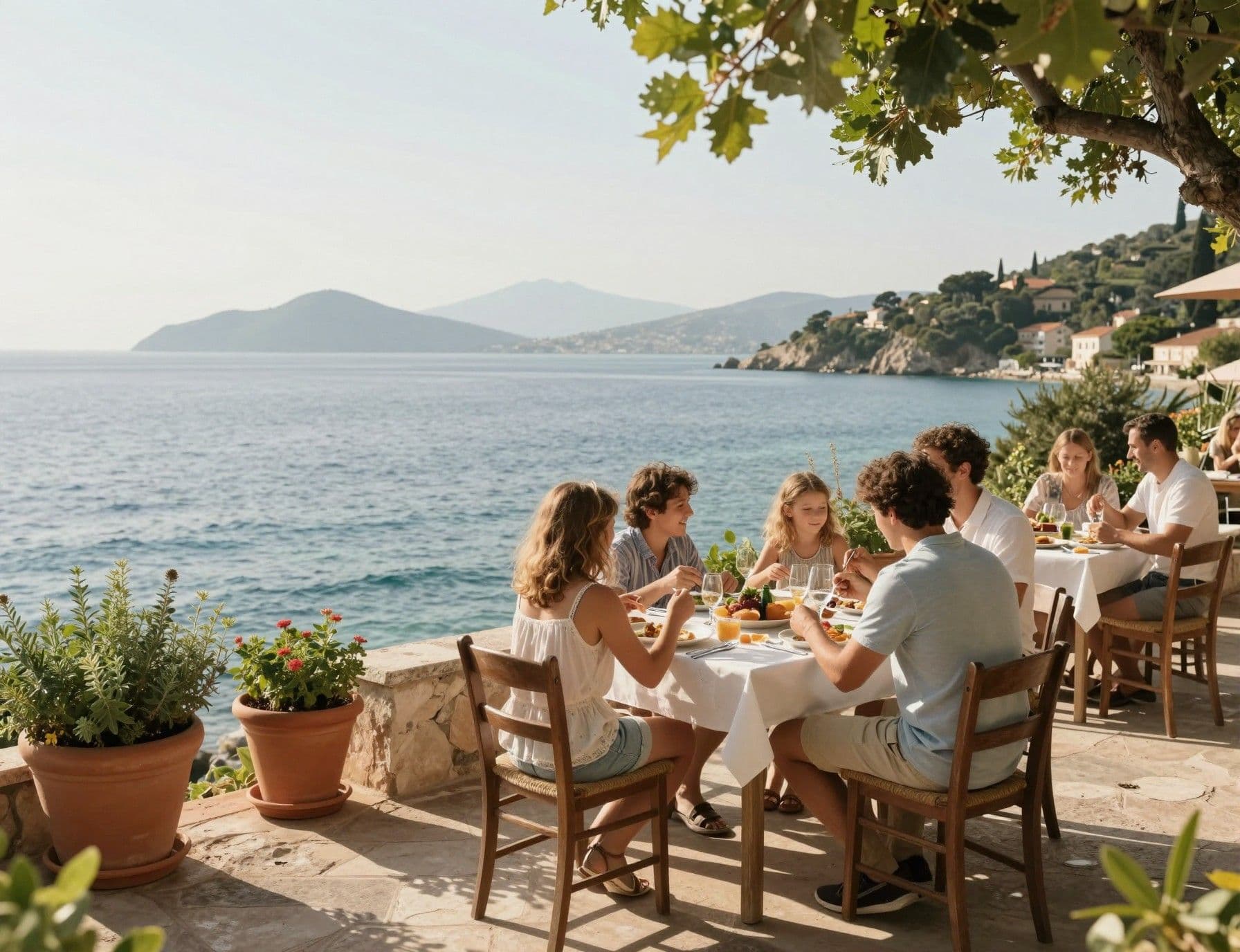
Dreams meet paperwork the moment you start looking at contracts, residency and registration. EU citizens enjoy near‑parity with Croatian buyers; non‑EU nationals face reciprocity rules and sometimes need governmental consent—an important step that affects timeline and negotiation. A notary finalises the sale, but the land registry (Zemljišna knjiga) is where ownership becomes real; errors or missing documents can delay registration and occupancy. Plan viewings with a lawyer or reputable agency who understands local timetables, translation needs, and land‑registry quirks so the lifestyle you fell for becomes legally yours.
Property types and what they actually deliver
Stone houses with courtyards deliver privacy, character and renovation complexity—expect structural checks for damp, wiring and septic systems. New coastal developments offer warranties, parking and amenities but often come with HOA fees and tourist‑season bustle. Apartments in city centres are convenient for cafés, shops and schooling; rural plots give space and gardening life but usually require a local contractor and longer waits for permits. Match property type to daily life: terrace space for alfresco dining, good insulation for winter, and reliable water supply for island homes.
- Practical steps that protect lifestyle value: 1. Verify residency and reciprocity rules before offer (EU vs non‑EU differences). 2. Order a land registry report and building permit check via a local lawyer. 3. Inspect utilities (water, sewage, electricity) and seasonal accessibility. 4. Factor in VAT/transfer taxes and typical agency/legal fees (usually 3–4% + VAT for agents). 5. Build a 10–15% contingency for renovations or unseen costs.
Insider knowledge: what expats wish they'd known
Expat conversations commonly start with romance and end with questions about winters, neighbours and bureaucracy. Locals prize ‘good neighbours’ and community reciprocity—expect to be slowly integrated through markets, volunteer events and local clubs rather than abrupt friendships. Winters are quiet and valuable for true-life testing: does the heating work, is the road cleared, and are businesses open? Many regret buying in peak summer without experiencing an off‑season month to test practicalities.
Language, community and social integration
Croatian is central to paperwork and local life; learn basic phrases for markets and utilities, and use a translator for legal documents if you’re not fluent. Many agencies and sellers speak English, but official registry entries and municipal communications are usually in Croatian—your lawyer or interpreter becomes indispensable. Join local Facebook groups, expat meetups and community events to test the lifestyle before committing; neighbours are the fastest route to living like a local.
Long‑term lifestyle and market signals
Official indices show robust recent growth, particularly along the Adriatic coast and in Zagreb—proof of demand, not inevitability. For long‑term lifestyle owners, look for demographic signs: year‑round services, school options, medical access and a stable rental market if you plan occasional lettings. For investors, monitor planning approvals and infrastructure projects that can shift neighbourhood character; for lifestyle buyers, prioritise neighbourhood rhythm and local services over short‑term capital gains.
- Red flags and quick checks before you sign: • No land‑registry extract or unclear boundaries • Missing building permits for recent renovations • Seasonal access problems (ferries, roads) in winter • Unusually high promised rental yields without supporting occupancy data • Utilities that require expensive upgrades on islands or remote plots
Conclusion: buy the life, not the headline. Croatia sells a mix of postcard moments and daily rituals; your best purchase matches the rhythm you want. Start with 48–72 hour off‑season stays in a shortlist of neighbourhoods, bring a lawyer early, and ask your agent to show comparable off‑season life rather than only summer weekends. When lifestyle and due diligence align, Croatia stops being a destination and begins to feel like home.
Danish relocation specialist who has lived in Barcelona since 2016. Helps families move abroad with onboarding, schooling, and local services.