Greece: Pick the Life First, Let Data Pick the Place
Greece pairs Mediterranean daily life with rising, location‑specific market momentum; choose neighbourhoods for lifestyle first, then use data and local experts to secure liquidity.
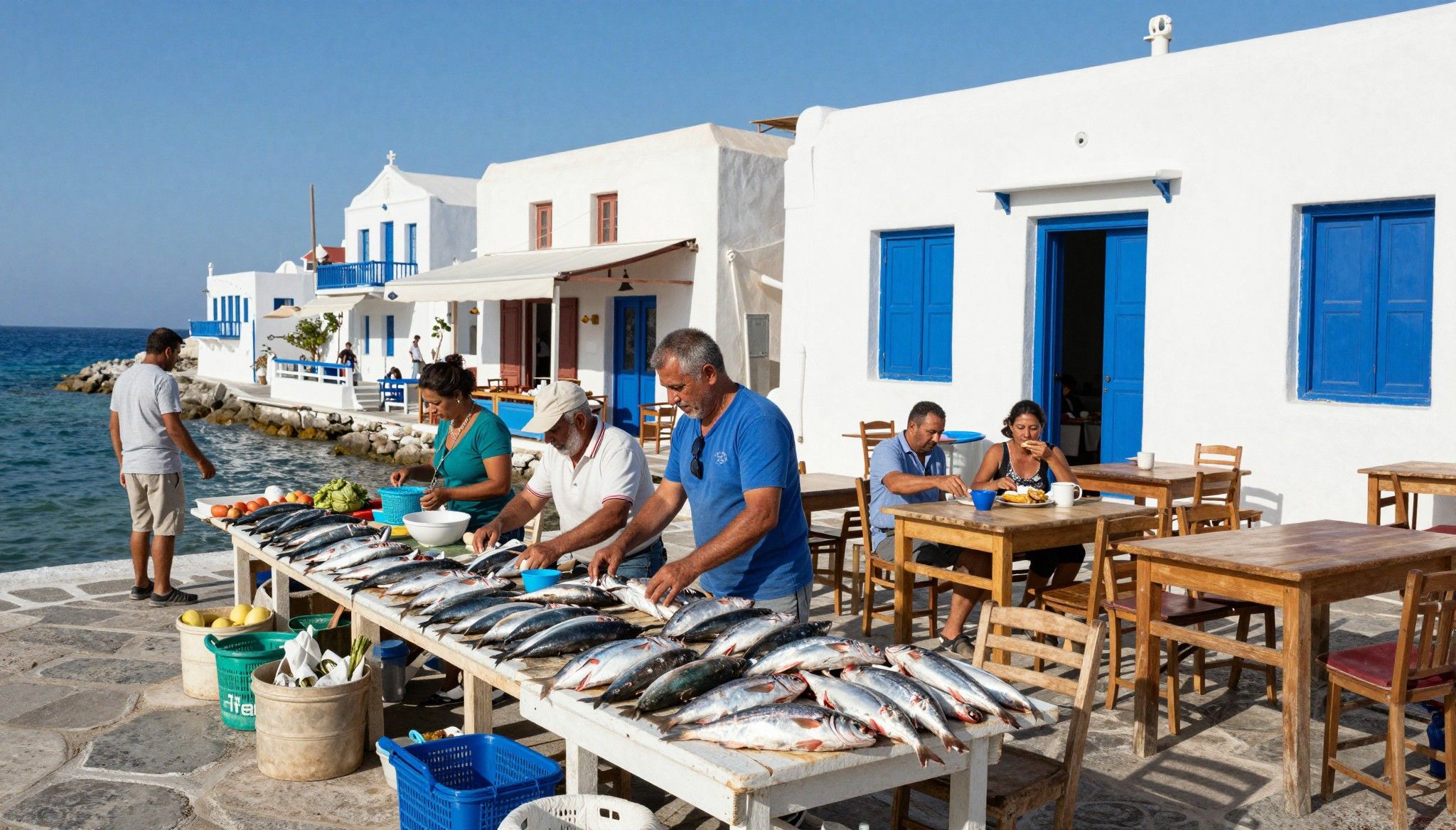
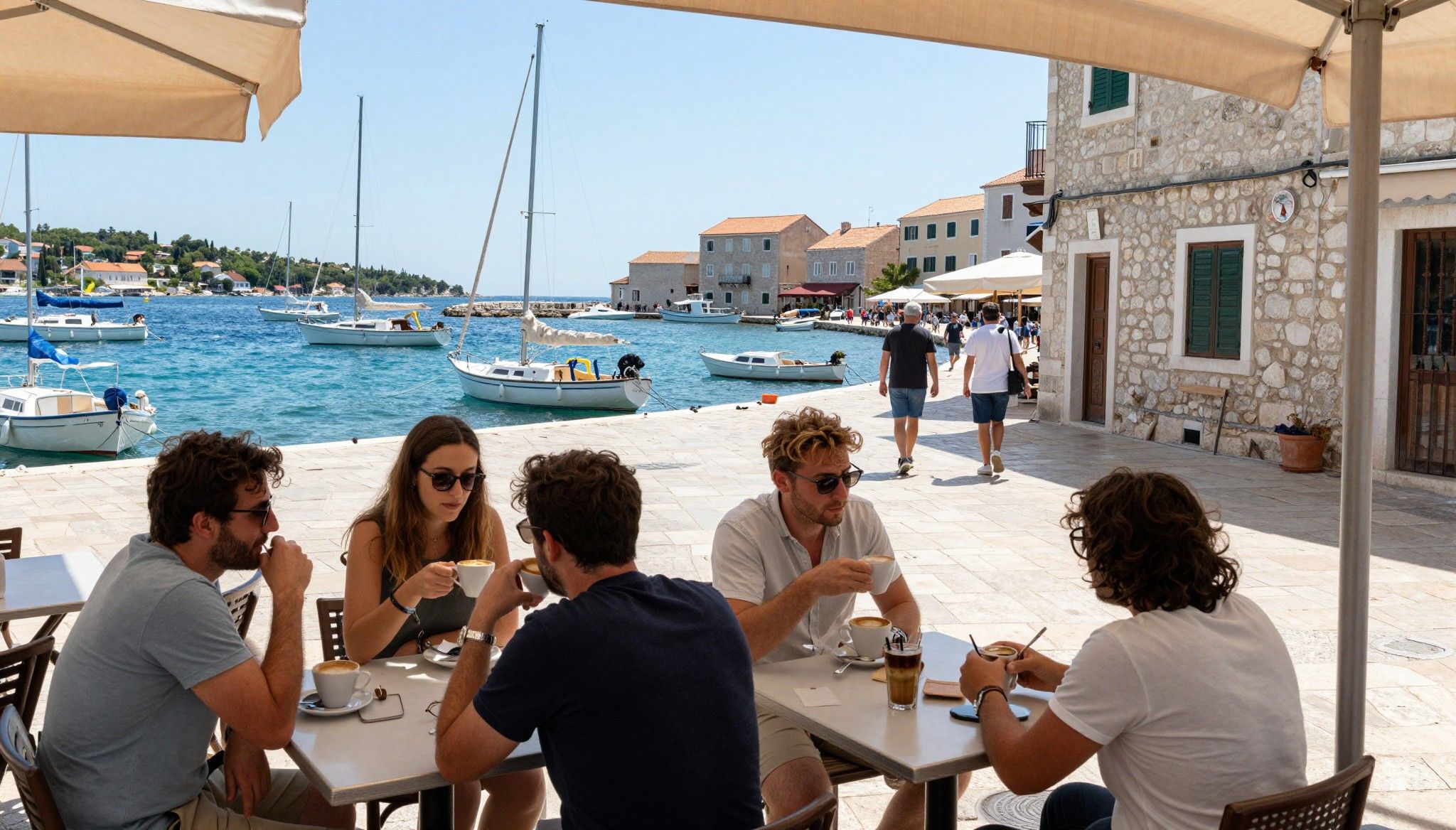
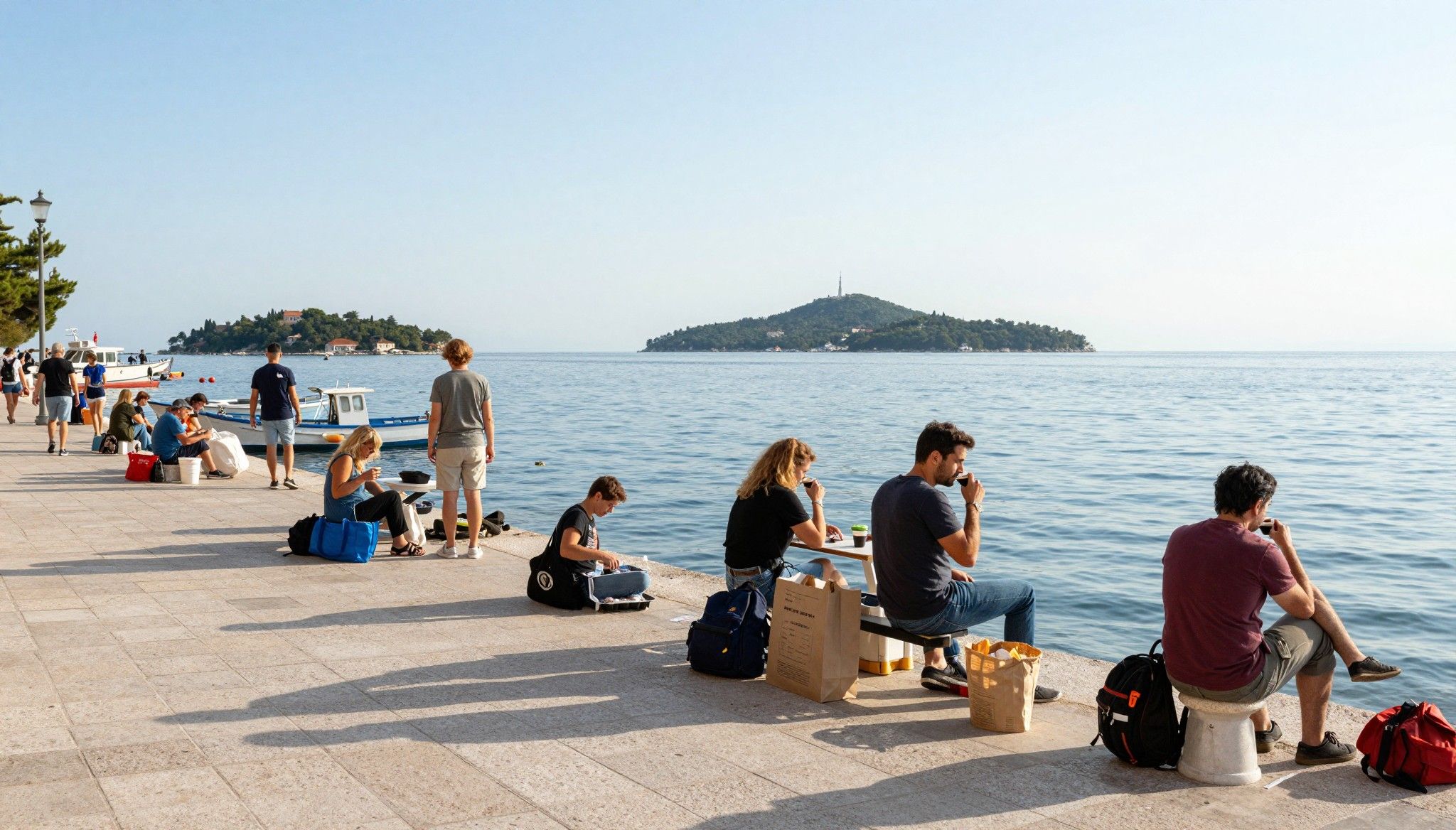
Imagine stepping out of a kafeneío in Athens’s Koukaki at 09:00, the smell of strong espresso mingling with sea air from the nearby Pnyx; by lunchtime you’re wandering the fish stalls at Varvakios Market and by evening watching fishermen mend nets on a Cycladic harbour. That rhythm — urban pulse in the morning, island calm by the weekend — is what pulls people to Greece. But beyond romance there are concrete signals: rising buyer interest, tangible price momentum and changing residency rules that shape when and where to buy.
Living the Greece lifestyle
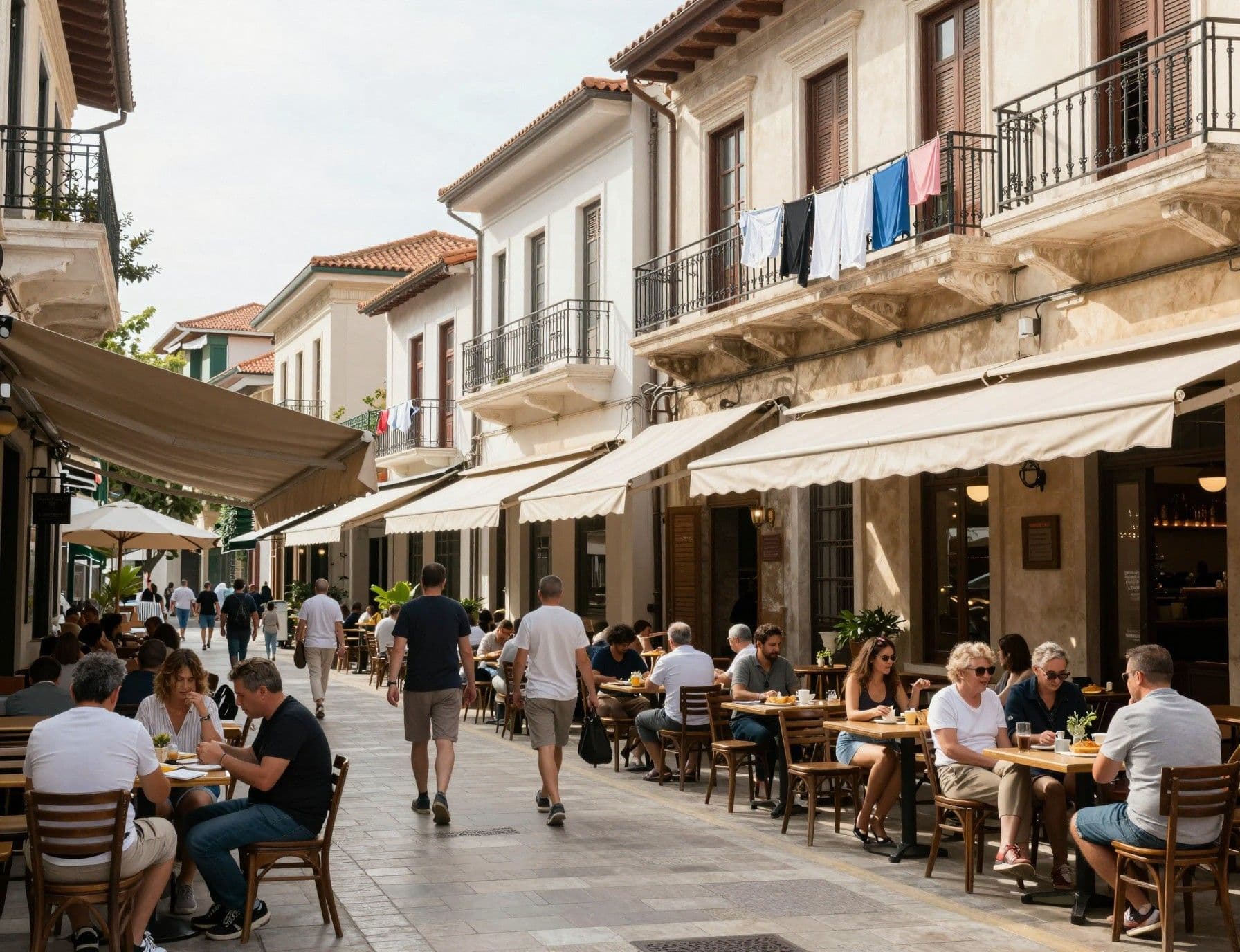
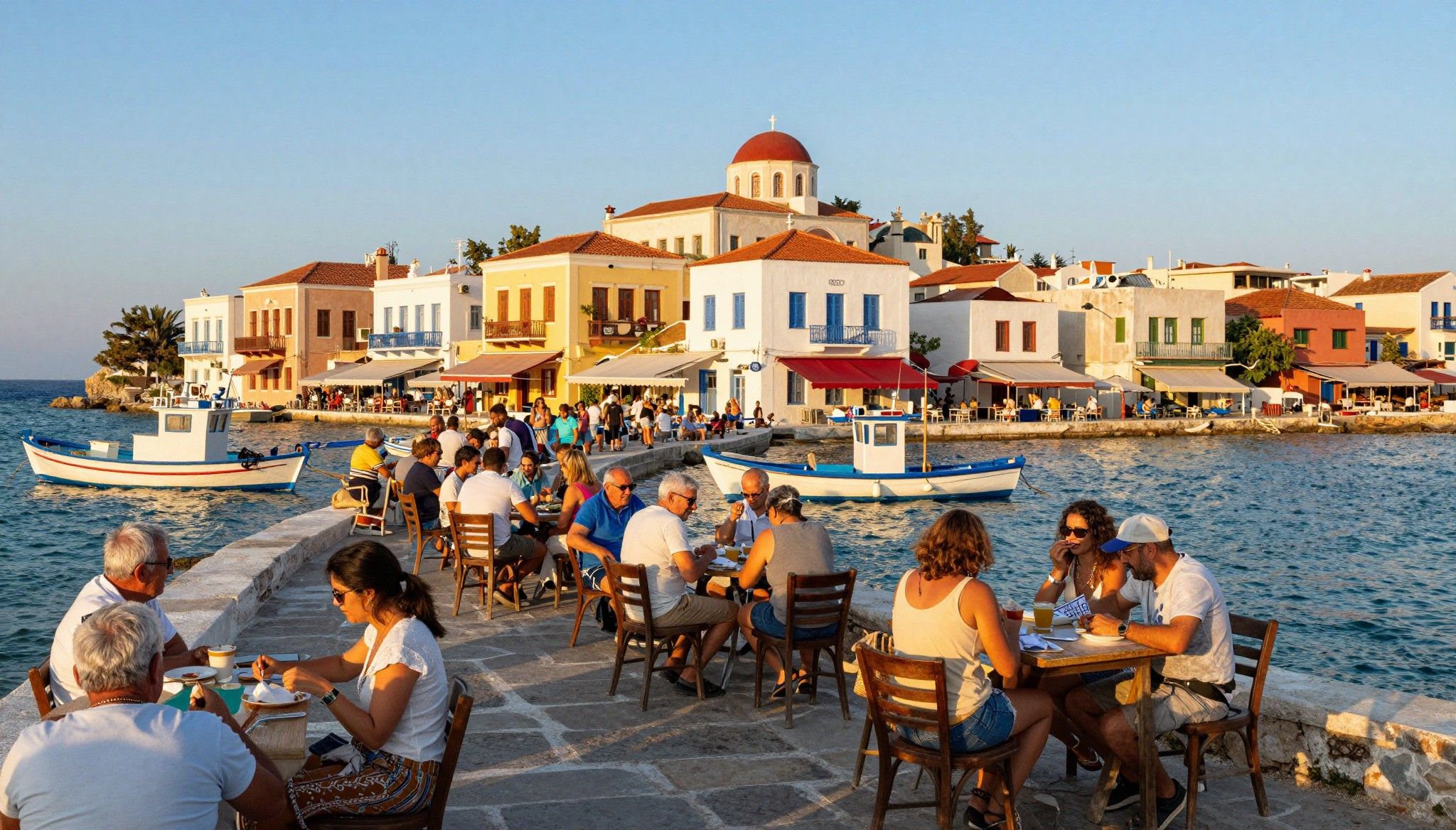
Greece is less a single lifestyle than a set of lifestyles: Athens’s creative neighbourhoods, the rigorous calm of Thessaloniki’s waterfront, rugged Ionian villas, and Cycladic simplicity on islands like Syros or Paros. Days are organised around fresh food, outdoor life and community rituals — morning coffee in a small square, late afternoon swims, long dinners. Climate — hot, dry summers and mild, wet winters — makes balconies, terraces and shaded courtyards essential design features.
Neighbourhood spotlight: Koukaki, Plaka, and Pangrati
Koukaki blends village streets with easy access to the Acropolis — good cafés, artisans and a strong short‑walk culture. Plaka is the postcard, best for investors targeting tourist rental demand but noisier year‑round. Pangrati offers a more local Athens life: parks, family bakeries and a resilient residential market where older apartments are being sympathetically renovated. Each area tells you what kind of daily life a purchase will buy.
Food, markets and social life
Food is social currency: morning koulouri and coffee, lunchtime mezzes, island tavernas serving freshly caught fish. Markets (central and island) are weekly rituals — a good neighbourhood has a fruit vendor you recognise. For buyers this translates to property features: space for entertaining, proximity to markets and walkable streets matter more than a perfect sea view if you value everyday life.
Making the move: practical considerations
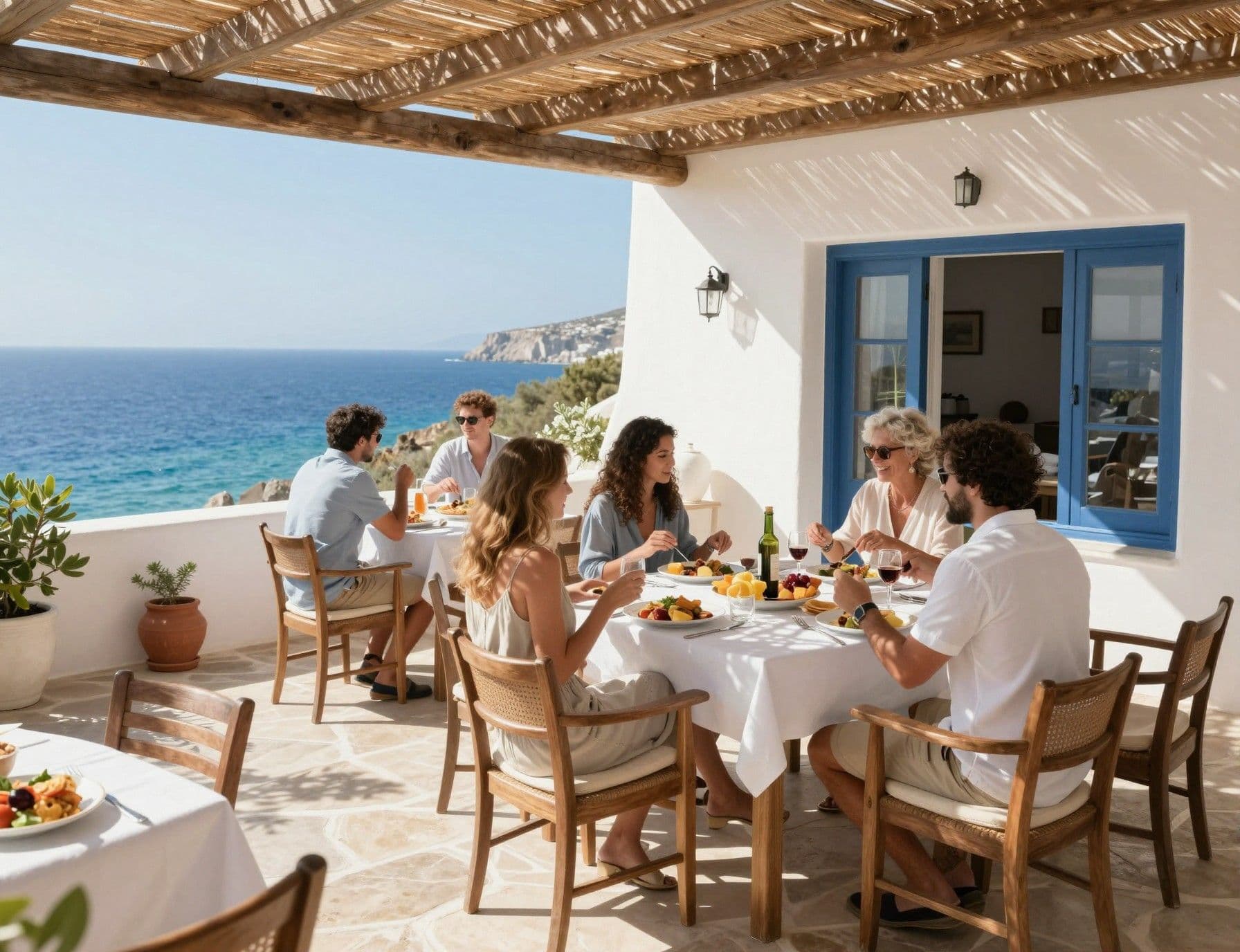
Dreams meet contracts here. The Greek market has been rising: national house price indices and industry reports show sustained growth in recent years, supported by foreign demand and constrained supply. That growth is uneven — islands and central Athens have outperformed inland and rural areas — so location choice directly affects both lifestyle and liquidity. Use data to pick tradeoffs that match your plans.
Property styles and what they deliver
From neoclassical flats in Athens to new‑build villas on Crete, property type defines living. Classic Athens apartments give you street life and convenience; island homes prioritise outdoor space and sea access; new developments often include insulation and pool amenities that reduce running costs. Match the property’s physical traits — orientation, outdoor area, insulation — to the lifestyle you want: long summers, year‑round living or rental focus.
Working with local experts who understand the life
Agencies and lawyers do more than show homes: they translate neighbourhood rhythms into realistic search criteria. A local agent can flag noisy tourist streets, municipal plans for coastal development, or islands where winter services thin out. Legal advisors clarify residency implications (including recent changes to investor visa thresholds) so your lifestyle plan isn’t derailed by paperwork.
- Decide your primary objective (live, rent, both).
- Choose 3 neighbourhoods that match daily life (markets, schools, transport).
- Ask agents for seasonal data: winter occupancy, utility access and road closures.
- Commission a local survey and title search before placing a deposit.
Insider knowledge: what expats wish they'd known
Expats often say the same things: the best buys are where locals actually live, not always where the photos draw crowds; heating is as important as air‑conditioning for year‑round comfort; and being fluent in the language speeds everything up. Short‑term rental returns can be attractive, but so is quiet, walkable neighbourhood life — decide which of those you want to subsidise with rental income.
Cultural integration and daily life
Greek social life rewards small courtesies: learn greetings, shop at the same market stall, arrive slightly later for social invitations. Language classes, local associations and volunteer work in your neighbourhood are the fastest route to community. For families, proximity to schools and healthcare becomes the daily currency that shapes where you buy.
Long‑term lifestyle and investment signals
Market momentum is real but moderating in pockets. Official indices and agency reports show positive but varied growth across regions, which means liquidity and resale prospects depend on micro‑location. Islands with improved air links or Athens suburbs near new transport corridors are the kinds of places where lifestyle demand and future resale converge.
- Choose neighbourhoods with year‑round services (doctor, supermarket, winter transport).
- Prioritise energy performance and water supply — essential for island living.
- Check municipality plans for coastal redevelopment and tourist zoning.
- Ask whether short‑term lets are common in the block — it affects community and wear‑and‑tear.
Conclusion: Greece offers a rare palette of lives — morning markets and late dinners, city cafés and quiet island coves. For international buyers the trick is to pick the life you want first, then use local data and expert advice to shape a purchase that supports it. Start by narrowing to three neighbourhoods, ask agents for seasonal occupancy and municipal plans, and commission local legal and technical checks before you pay a deposit. When lifestyle and diligence meet, a Greek home becomes more than a purchase: it becomes a place you’ll belong to.
Swedish strategist who relocated to Marbella in 2018. Specializes in legal navigation and tax planning for Scandinavian buyers.