Athens or the Aegean: Lifestyle Trades That Change Value
Compare Athens’ layered city life with island tempos: choose property by daily routine, not postcards — backed by Bank of Greece and ELSTAT data.
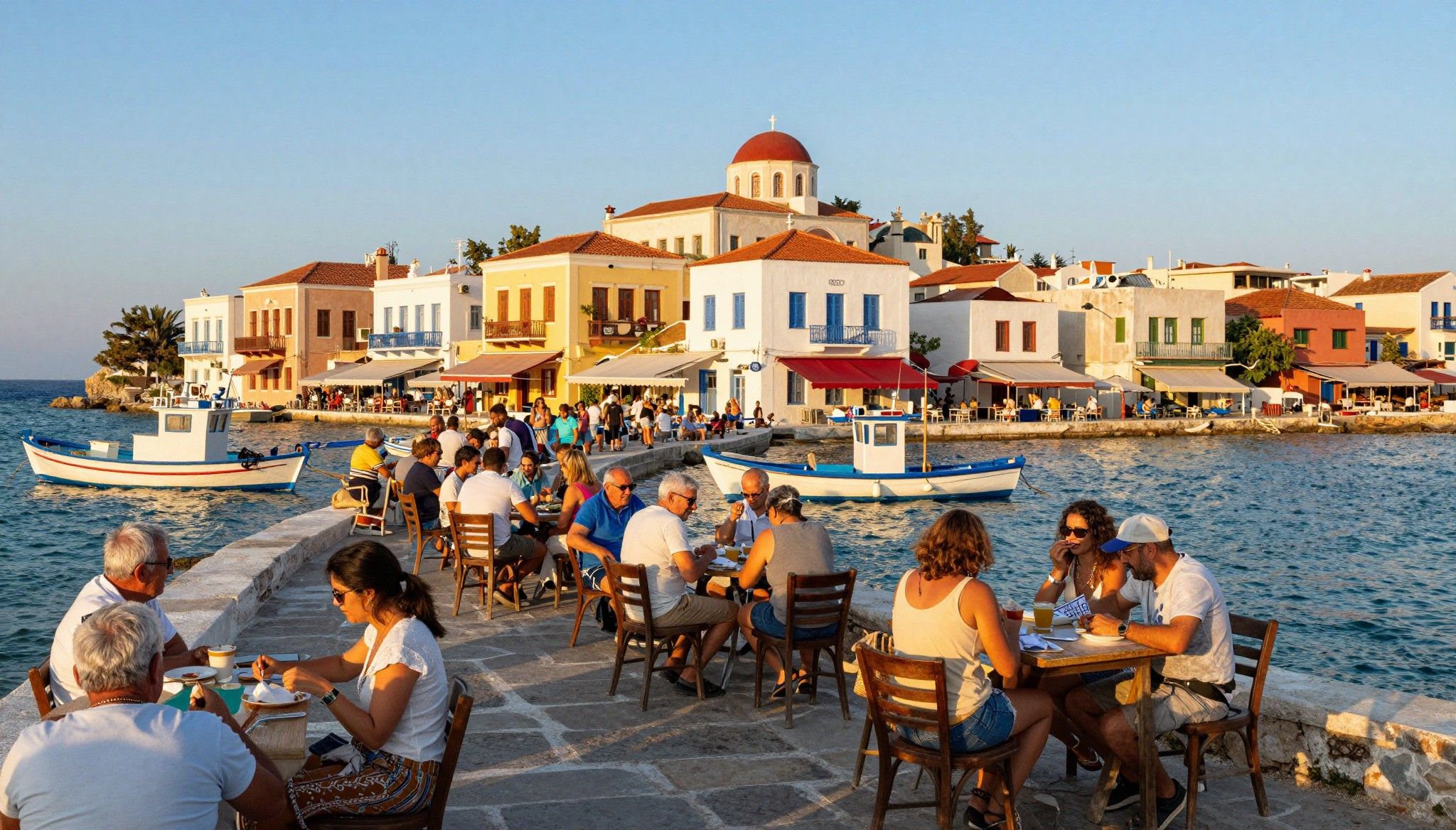
Imagine walking from a sunlit kafeneio on Plaka to a tram that drops you at a modern apartment on Koukaki — coffee in hand, the Acropolis in view, and a neighbourhood that hums year-round. Greece sells itself by image: islands, blue water, and whitewashed streets. But the lived reality stretches from metropolitan Athens’ layered mornings to quiet Ionian villages where the market still closes at midday. For international buyers, that range is a strength and a source of surprise: lifestyle choices — not just square metres — determine value.
Living Greece: A Day-to-Day Portrait
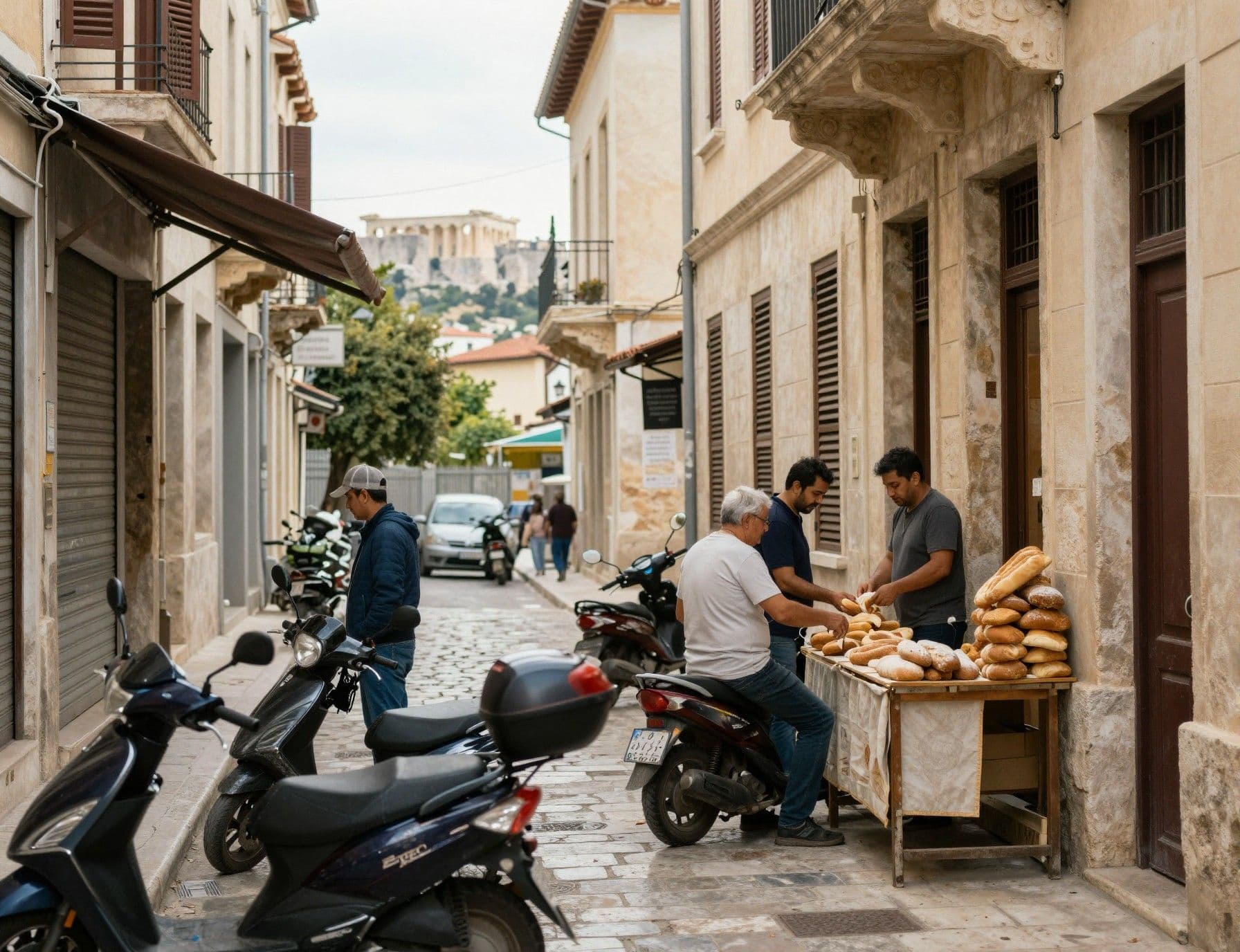
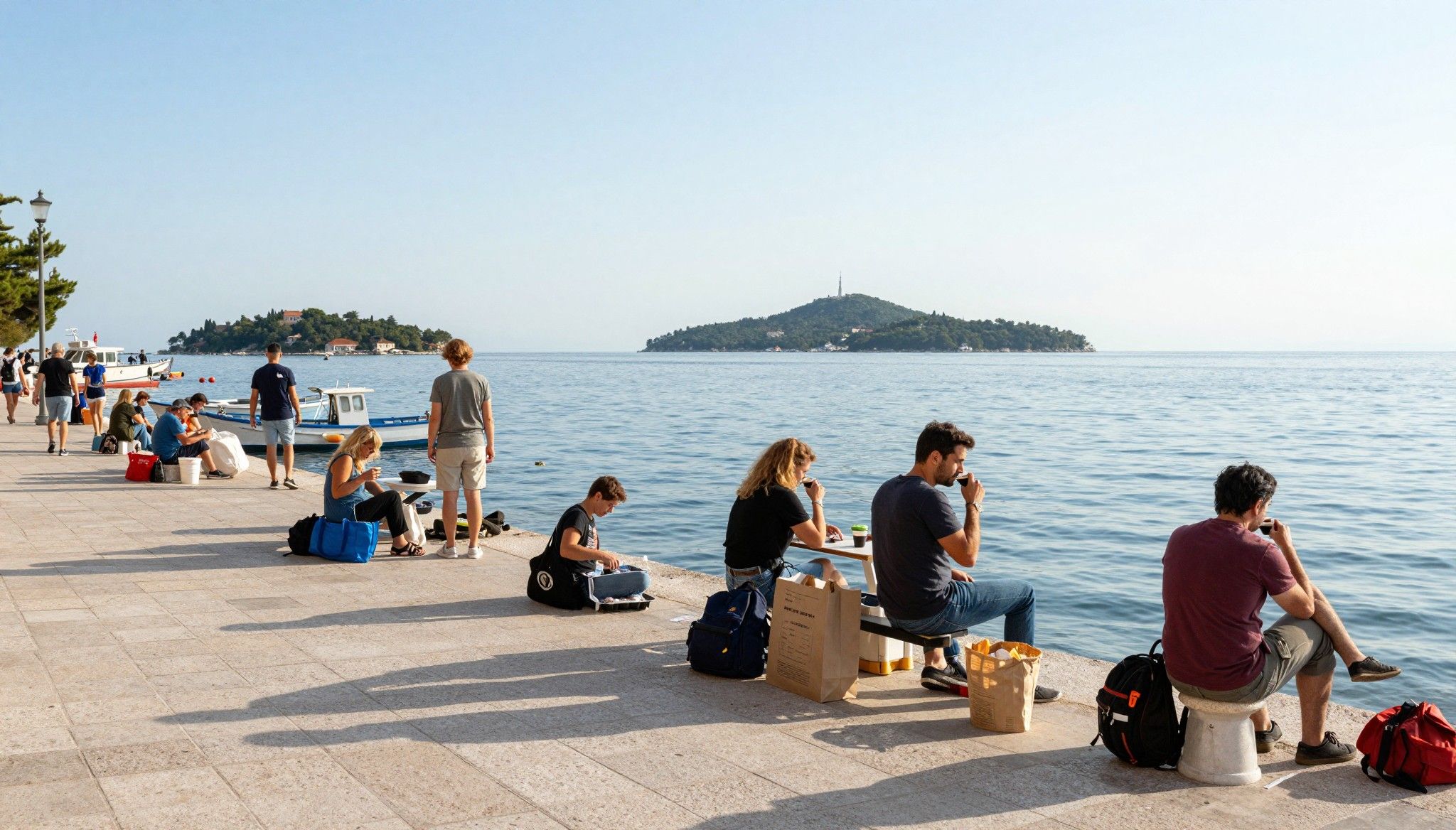
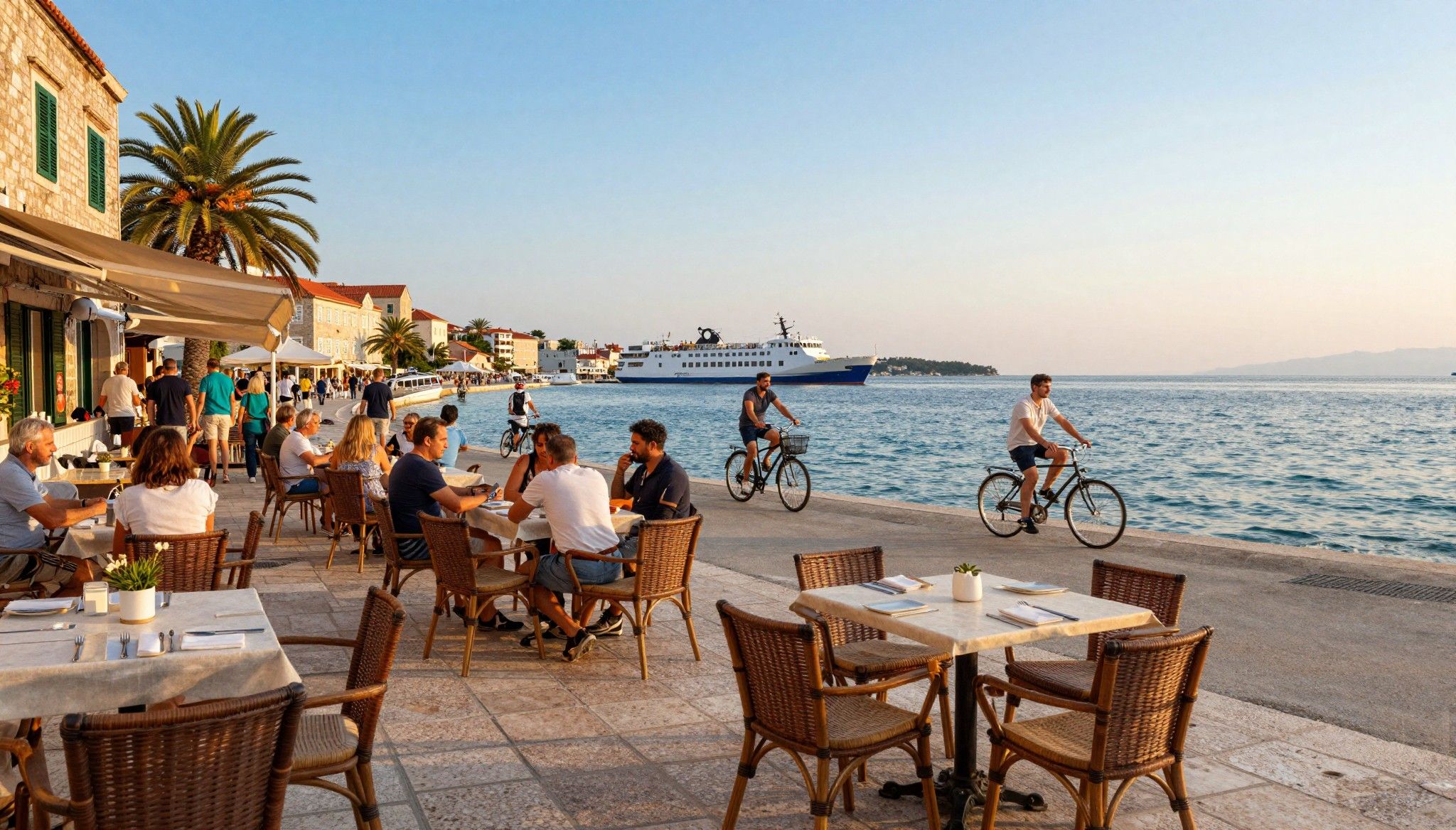
Mornings in Greece often begin with espresso and bread from a neighbourhood bakery; afternoons are for siesta-style pause or sea swims; evenings tilt toward long dinners and late promenades. The country’s pace is seasonal: Athens is a year-round engine of culture, while islands like Paros and Naxos pulse hard in summer and soften in winter. Those rhythms shape what property works: a compact city pied-à-terre supports cultural life; a stone house by a sleepy cove supports a slower, nature-centred routine.
Athens neighbourhoods: Layers of life
Koukaki and Pangrati trade easy access to museums and cafés for apartment living with balconies and small gardens; Exarchia mixes bookshops and late-night music with renovation opportunities; Glyfada and Voula on the southern coast give a suburban-by-the-sea lifestyle with marinas and beach clubs. Choosing among them is less about prestige and more about how you want to move through the day: do you want spontaneous culture, seaside weekends, or calm family routines?
Island life: pick a tempo, not a stereotype
Contrary to postcards, islands are not a single market. Mykonos and Santorini are high-season ecosystems with tight supply and premium services; Antiparos, Syros and parts of the Peloponnese offer quieter year-round communities with lower entry prices. Look beyond the famous names: islands with active farming markets and ferry connections give a livable balance of culture, community and accessibility without constant tourist churn.
- Lifestyle highlights to sample (actual places)
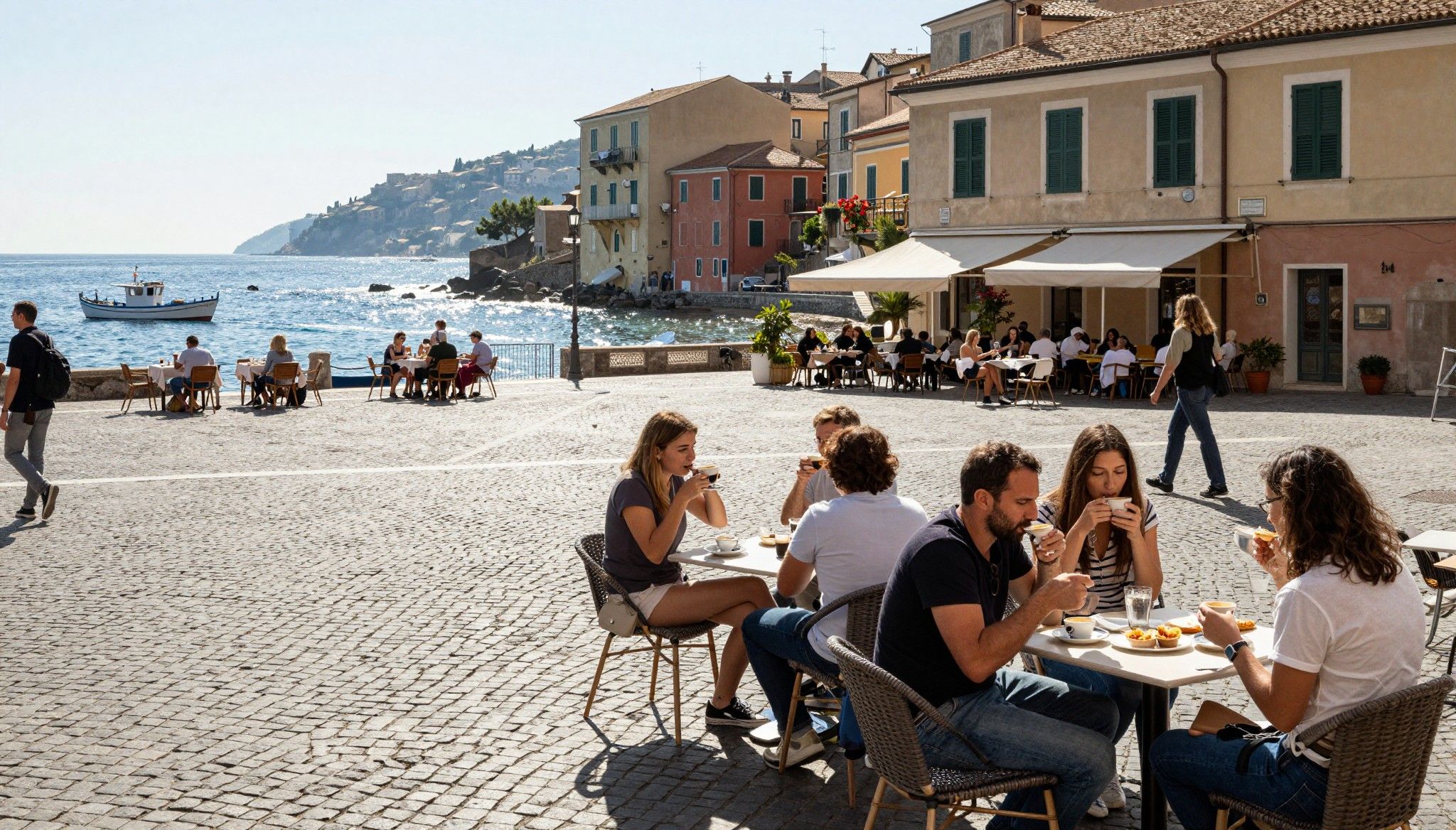
- Morning coffee at a kafeneio in Plaka; afternoon markets at Varvakios Central Market; sunset swims at Vouliagmeni; weekend farmers’ stalls in Naxos; late-night jazz venues in Metaxourgeio.
Making the Move: Lifestyle Meets Property Reality

Your dream lifestyle narrows into choices about structure, services and location — and those choices are visible in recent market data. Official indices and central‑bank reporting show sustained price growth in urban areas and new-builds, especially in Athens and popular island micro‑markets. That trend alters the calculus: a renovation project in a rising neighbourhood can deliver access to city life at a lower entry price than a turnkey seafront apartment in a small island town.
Which property type fits the life you want?
Stone cottages support slow, indoor‑outdoor living and are forgiving for buyers seeking privacy; new-build apartments deliver energy efficiency, mortgage eligibility and easier short-term rental management; conversion projects in town centres can merge historic character with modern systems — but require local permits and patient timelines. Match property type to daily habits: if you crave local cafés and evening strolls, prioritise walkability over sea view.
How local experts protect the lifestyle outcome
- Work with agencies and lawyers who can map lifestyle needs to legal realities: confirm zoning and change‑of‑use permissions; verify energy-certificates (building permits); align purchase timing with Golden Visa zones and thresholds; and assess short‑term rental permission if income matters. Local specialists turn abstract desires — ‘I want evening music and good bread’ — into concrete street addresses and vetted properties.
Insider Knowledge: What Expats Wish They’d Known
Expats often arrive enchanted, then find surprises: communal building rules that limit renovations, neighbourhood seasonality that affects daily life, and utility setups that differ from northern Europe. The good news is practical: neighbours, local bakeries and municipal offices are also the quickest path to solving small problems. Successful buyers learn a few phrases, build a network of local tradespeople, and accept that timelines in Greece often favour quality over speed.
Community, language and integration
Greek social life runs on invitations and shared meals; learning basic Greek opens doors at the market and with neighbours. Expats find community in international schools, maritime clubs, volunteer organisations and local kafeneia. For buyers who want to anchor quickly, consider towns with established expat populations — Chania (Crete), Corfu, and parts of Cyclades islands — where services and bilingual professionals are available.
Longer-term considerations that shape lifestyle sustainability
- Factors to test before buying: local transport links and ferry reliability; healthcare access and proximity to clinics; seasonal supply of services (winter staffing on islands); and potential for energy upgrades to cut long-term costs.
- A practical step-by-step checklist before you bid: 1) Visit in the intended season to feel daily life; 2) Commission a local survey and title search; 3) Confirm planning permission and permitted uses; 4) Model operating costs including utilities and property management; 5) Agree a phased renovation plan if needed.
Greece offers a rare combination: immediate sensory riches and pragmatic investment paths. Whether you choose an Athens apartment with easy cultural access or a calmer island house that slows your pace, prioritise the lived day — morning markets, evening promenades, accessible healthcare and local community — and use local experts to translate that lifestyle into a compliant, durable purchase.
Next steps: book a season-matched visit, request neighbourhood audits from agencies with local residency law experience, and get a written renovation and operations estimate before signing. The lifestyle is there; the work is to pick the corner of Greece where it will keep you happy year after year.
Dutch investment strategist with a Portugal-Spain portfolio. Expert in cross-border financing, rights, and streamlined due diligence for international buyers.