How Croatia’s Summer Hype Masks Year‑Round Value
Croatia’s coastal glamour hides quieter pockets of long‑term value; pair shoulder‑season visits with DZS and market data to spot neighbourhoods that deliver year‑round life.
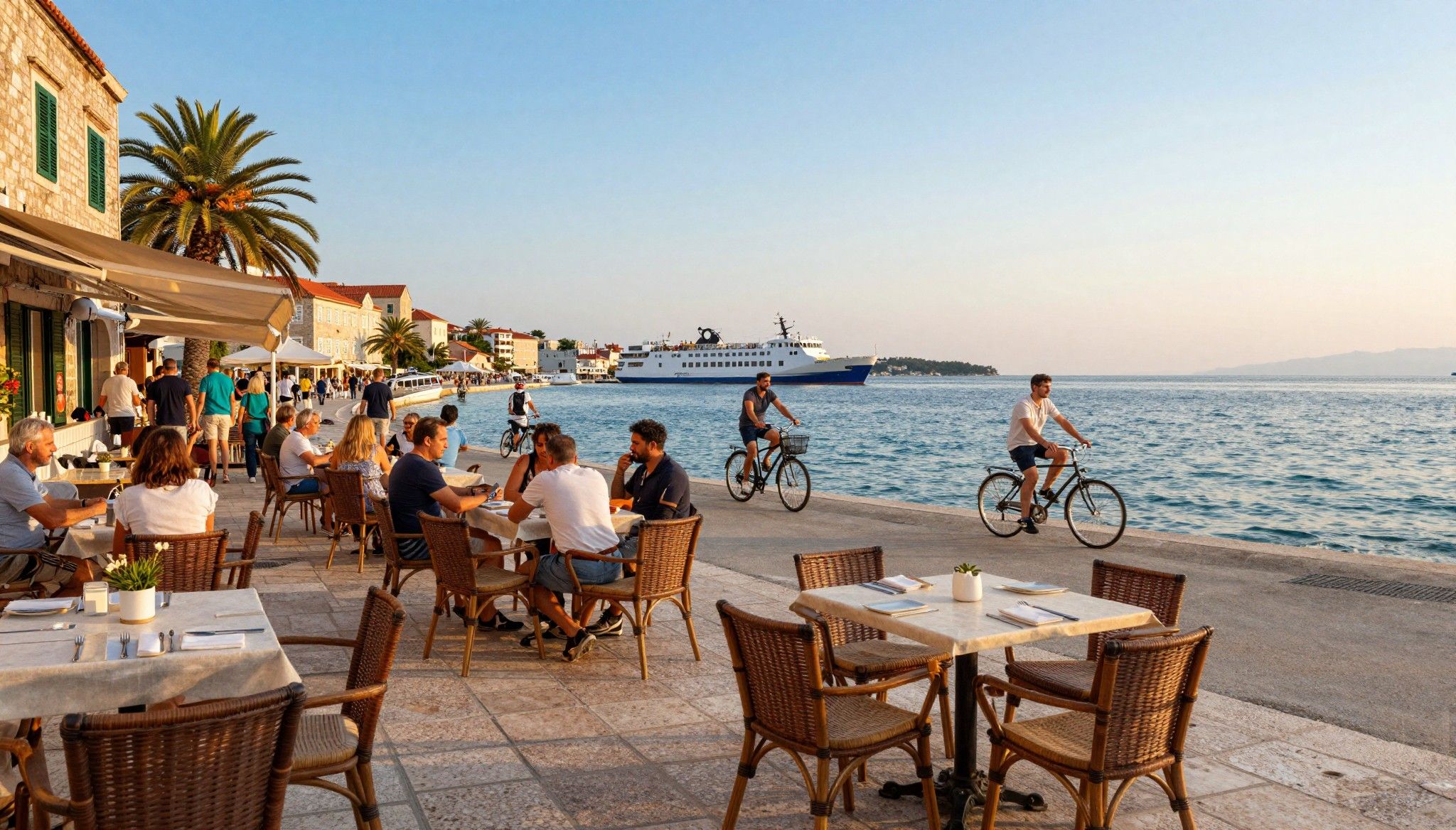
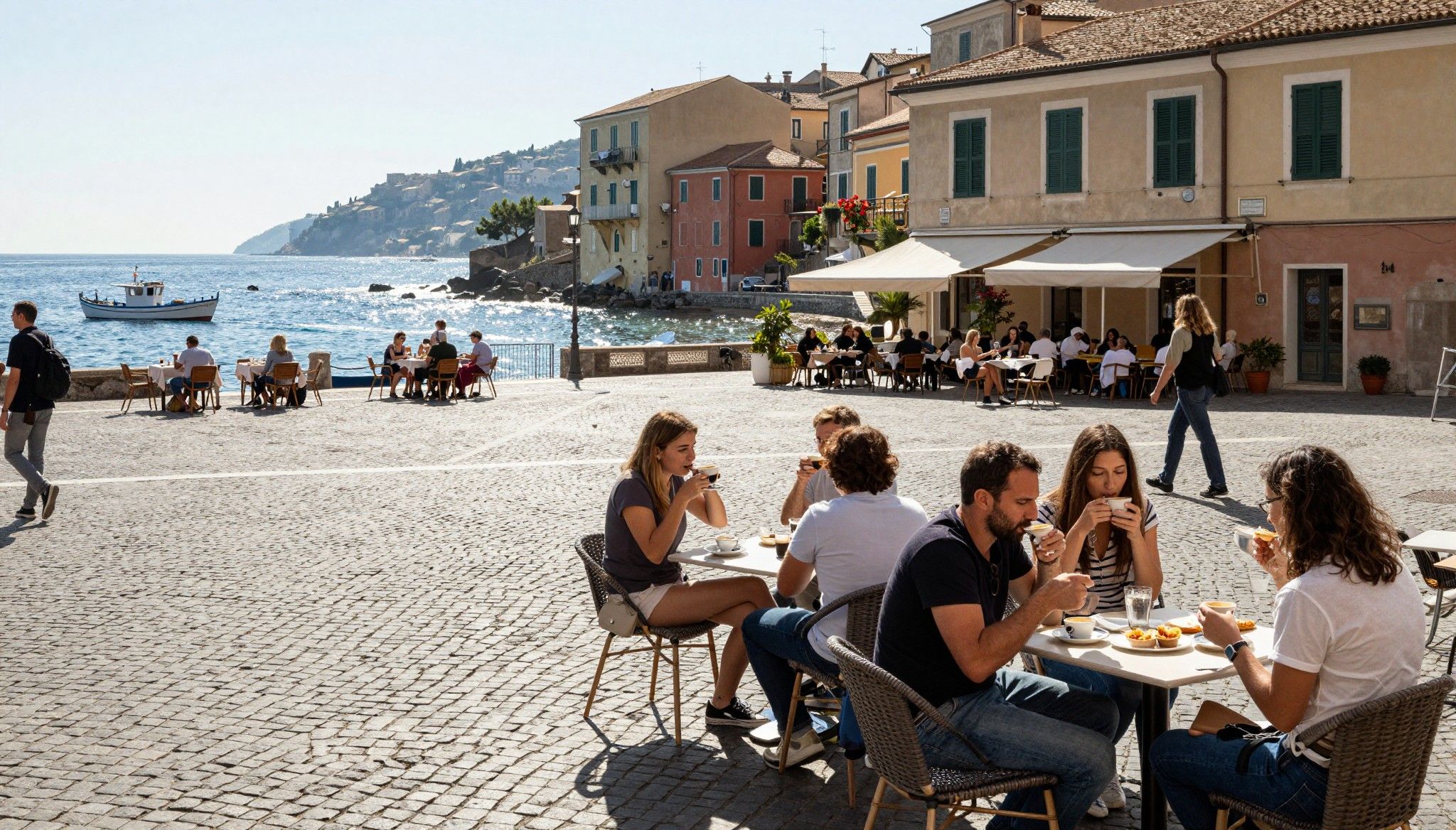
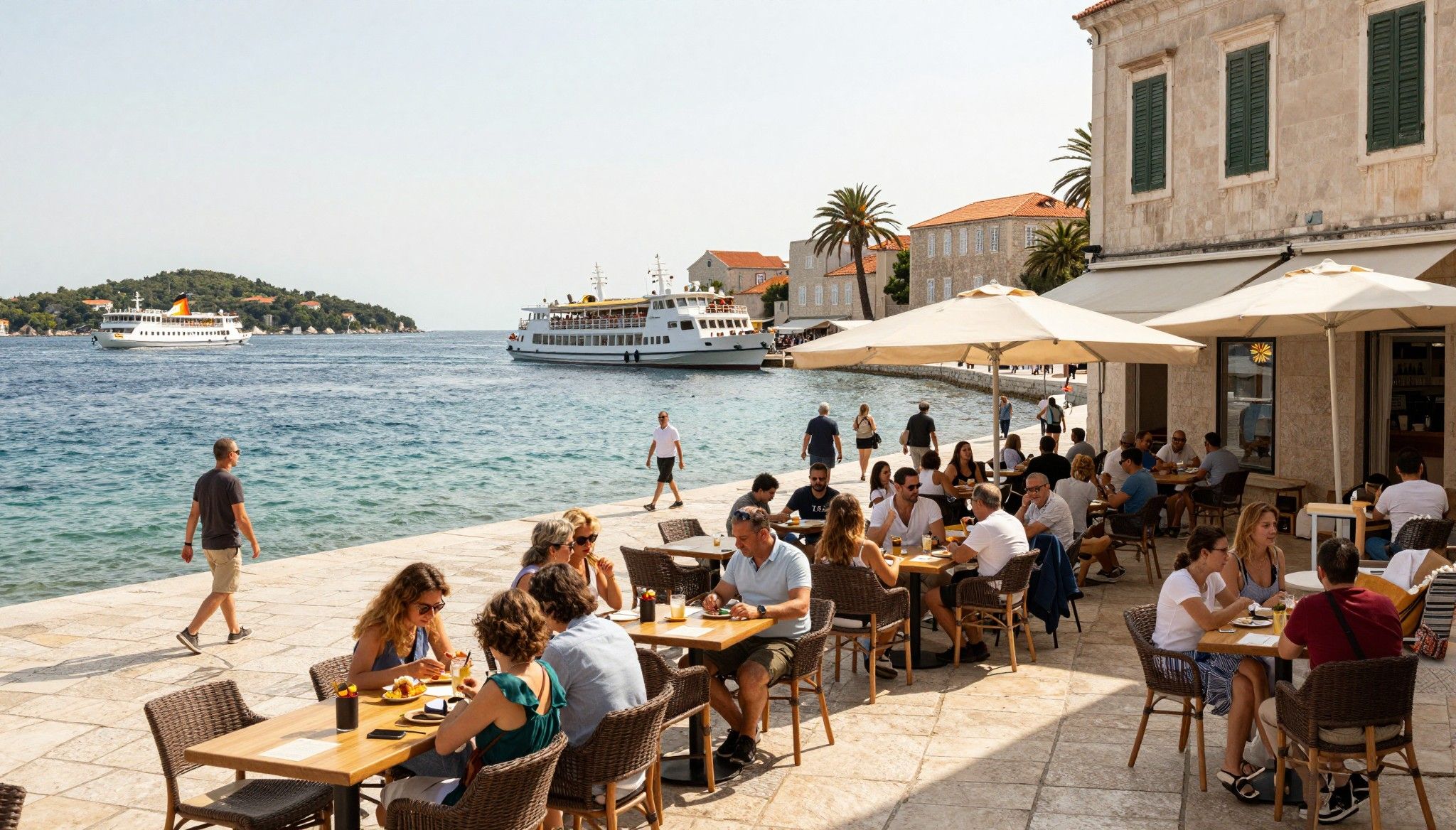
Imagine sipping espresso on Split’s Riva before the day’s first yacht arrives — sun on limestone, bakers stacking fresh burek, locals arguing football scores — and thinking a coastal apartment must be the smartest buy. The reality is messier: Croatia’s headline coastal prices and summer surge hide quieter pockets of value inland and on lesser-known islands. This guide pairs the life you want — markets where neighbourhood cafés and morning markets set the rhythm — with data-led signals that international buyers need to spot true value.
Living the Croatia lifestyle
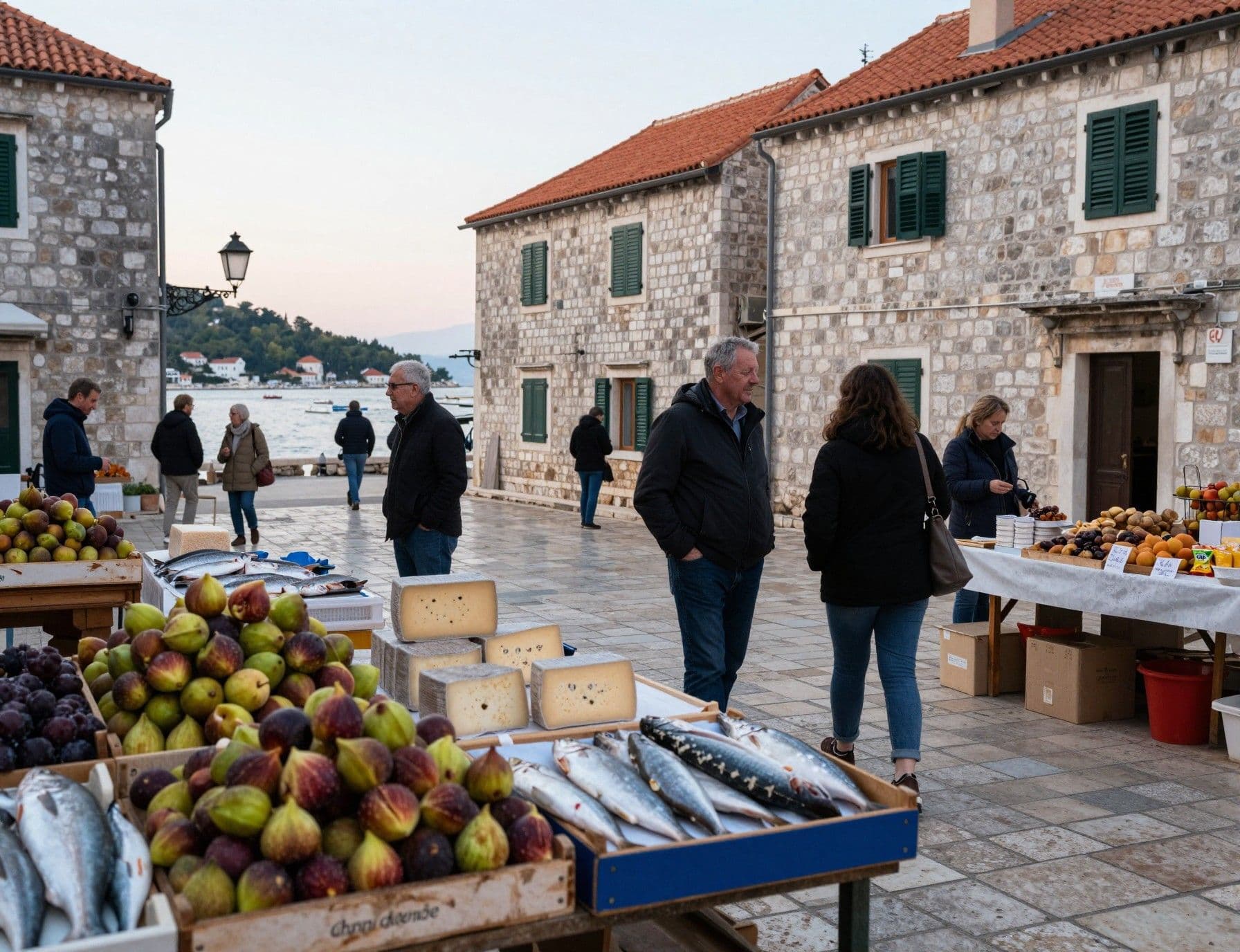
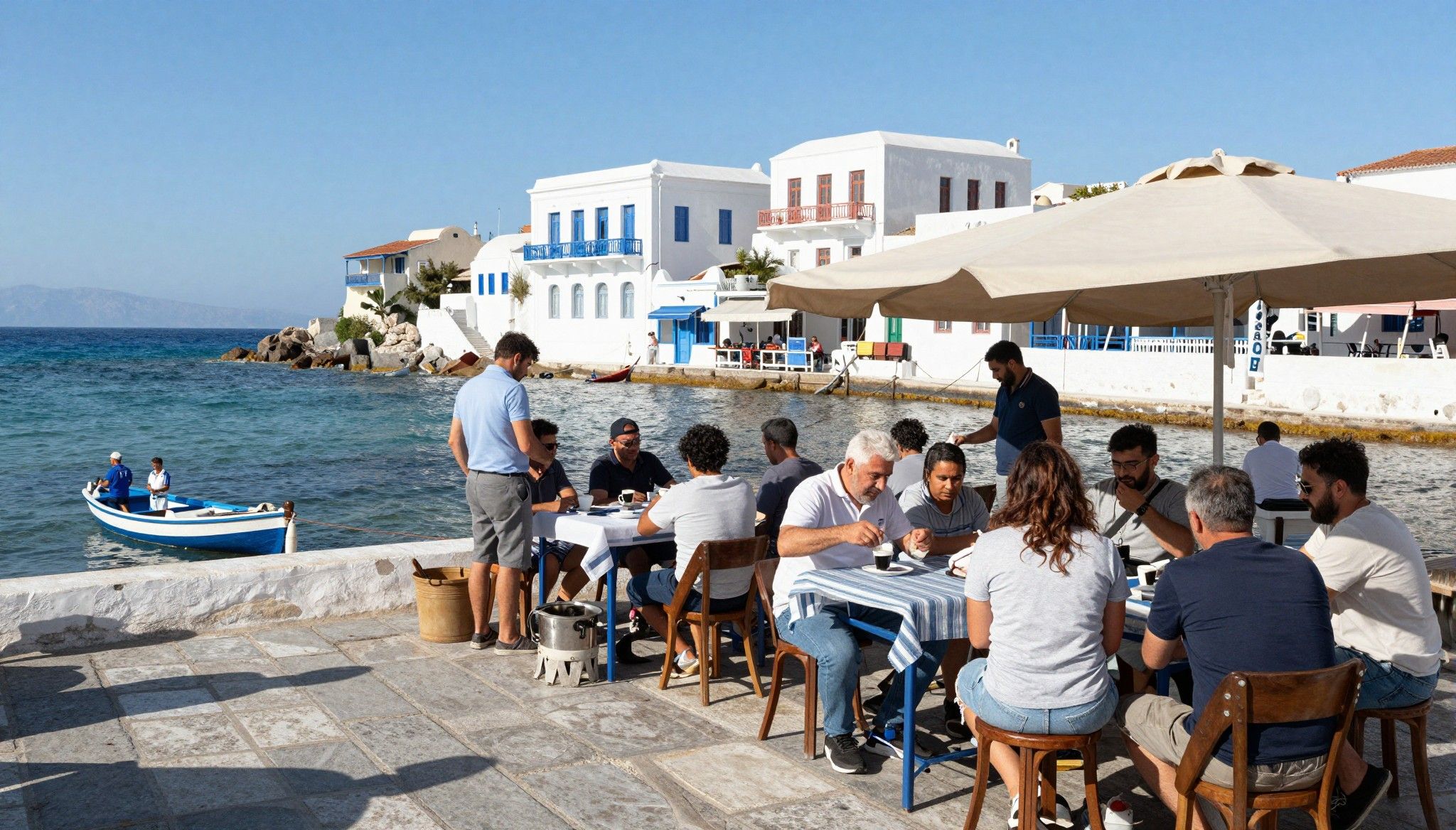
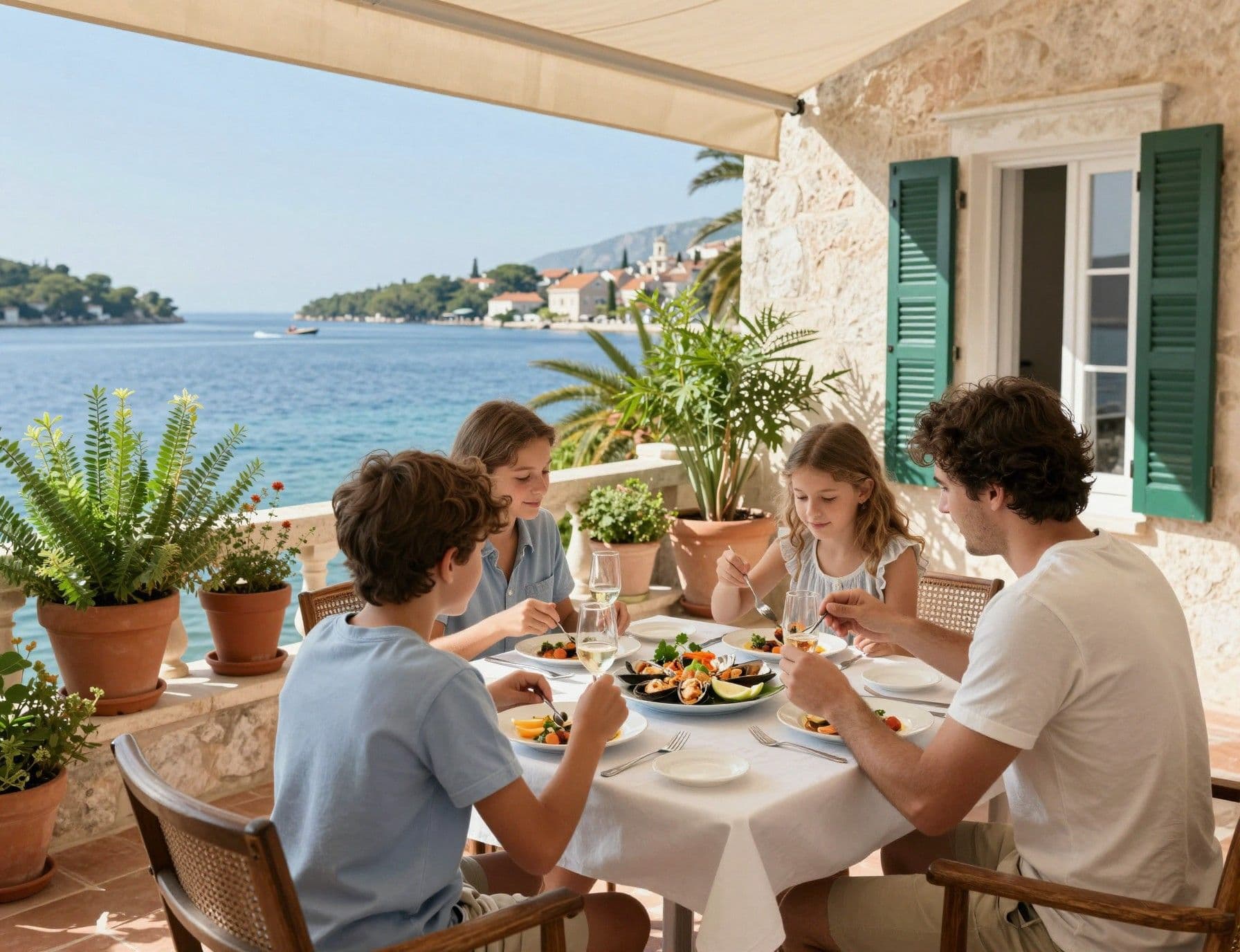
Croatia moves at two speeds: the Adriatic’s holiday tempo from June to September, and a slower, community-centred cadence the rest of the year. Mornings in Rijeka smell of strong coffee and sea salt; afternoons in Zagreb are for green parks and neighbourhood markets; evenings on the Dalmatian islands belong to long meals of grilled fish and local pošip wine. For buyers, this split matters — it shapes rental demand, maintenance costs and the everyday life you’ll actually live.
Split & Old Town rhythm: city life with sea access
Walk from Diocletian’s Palace to Bačvice beach in 20 minutes and you’ll experience why many buyers fall for Split. Neighborhoods such as Varoš and Meje combine narrow stone streets, small family-run konobas and apartments with terraces. Expect convenience for daily life — bakeries, fish markets, and ferries — but also seasonal rental pressure: narrow streets get crowded in July, which affects access and maintenance.
Istria’s hill towns: truffles, vineyards and quieter value
In Istria, towns like Rovinj, Motovun and Grožnjan offer a different day: truffle fairs, cellar-to-table restaurants and wide stone terraces facing olive groves. Medimurje and central Istria have seen measured price rises but also offer larger plots and renovated stone houses at lower per‑m² prices than central Dubrovnik. For buyers wanting food culture and slower seasons, these places balance lifestyle with longer-term value.
- Lifestyle highlights: daily places that shape where locals actually buy
- Morning coffee at Cafe Bar Fife (Split) — a real neighbourhood pulse
- Saturday market in Dolac (Zagreb) — fresh produce, community ties
- Truffle walks and winery afternoons around Motovun (Istria)
Making the move: practical considerations
Data from the Croatian Bureau of Statistics and market firms show steady price growth through 2024–2025, with coastal hotspots and Zagreb leading increases. But transaction volumes have slowed — a signal that rising prices coexist with tighter affordability and selective demand. For international buyers, that means timing, location selection and a local adviser matter more than ever.
Property styles and how they shape everyday life
Stone apartments in historic centres deliver immediate character and short‑walk lifestyles but often have higher maintenance, limited parking and seasonal noise. New-builds on the edges of cities or coastal towns provide modern amenities and energy efficiency but tradeoff proximity and village feeling. Consider how you want to live: terrace breakfasts and narrow streets, or a ground‑floor garden and parking?
Working with local experts who know the rhythm
- 1. Ask agents for recent rental and occupancy data for the exact street, not just the town — it reveals seasonality. 2. Request a dossier showing maintenance costs, communal fees and historical sale prices for the building. 3. Verify utility connections and coastal setback rules if buying near the shoreline. 4. Look for agencies that provide off‑market options — quieter coves and town fringes where price momentum is earlier.
Insider knowledge: what expats wish they'd known
Many expats tell the same story: the postcard season is intoxicating, but year‑round life is quieter, and some coastal properties feel empty eight months a year. Research links high tourism intensity to rising local prices and affordability stress. If you value neighbourhood life beyond July and August, look for towns with a mixed economy — local schools, year‑round restaurants and a resident population.
Language, community and everyday integration
Croatian is the language of daily life, but English is widely spoken in tourist towns and among younger residents. Learn a few phrases, join a local association, and use the market and café scene to meet neighbours. Practicalities — local utility offices, waste collection schedules, and municipal registry processes — are smoother when you have a bilingual local contact.
Long-term lifestyle and investment signals
Look beyond per‑m² headlines. Medial prices vary: Dubrovnik and Opatija sit at the high end, while inland towns and secondary islands show lower medians. Infrastructure projects, year‑round tourism growth and Croatia’s EU integration have supported demand — but rising prices plus falling transaction counts indicate a market that rewards patience and neighbourhood knowledge.
- Red flags and practical check points
- Unusually high advertised yields without local occupancy data — ask for actual bookings and utility bills.
- Properties that rely entirely on three summer months for income — test off‑season occupancy.
- Listings without clear municipal permits for renovations or waterfront usage — confirm before contract.
- 1. Visit in the shoulder season (April–May or October) to experience true neighbourhood life. 2. Commission a local survey and ask sellers for three years of utility bills and service costs. 3. Use DZS house price indices and the ministry’s medians to benchmark any asking price by town and year. 4. Seek agents who share comparables for the same street and season — not just town averages.
By blending the sensory — markets, cafés, island ferries — with hard data on price momentum and transaction volumes, you buy more than a home: you buy into a daily life. Start with neighbourhoods that match your rhythm (city mornings, island afternoons, hill-town weekends), verify the numbers with DZS and market reports, and work with local specialists who can show off-market options that preserve both lifestyle and value.
If Croatia feels like a lifestyle-first purchase, let that life guide your search — but let data set the boundaries. Book a shoulder-season visit, ask for street-level comparables, and make sure your agent provides occupancy and maintenance dossiers. Do this and you’ll find a place that fits your days, not just the summer postcard.
Dutch investment strategist with a Portugal-Spain portfolio. Expert in cross-border financing, rights, and streamlined due diligence for international buyers.