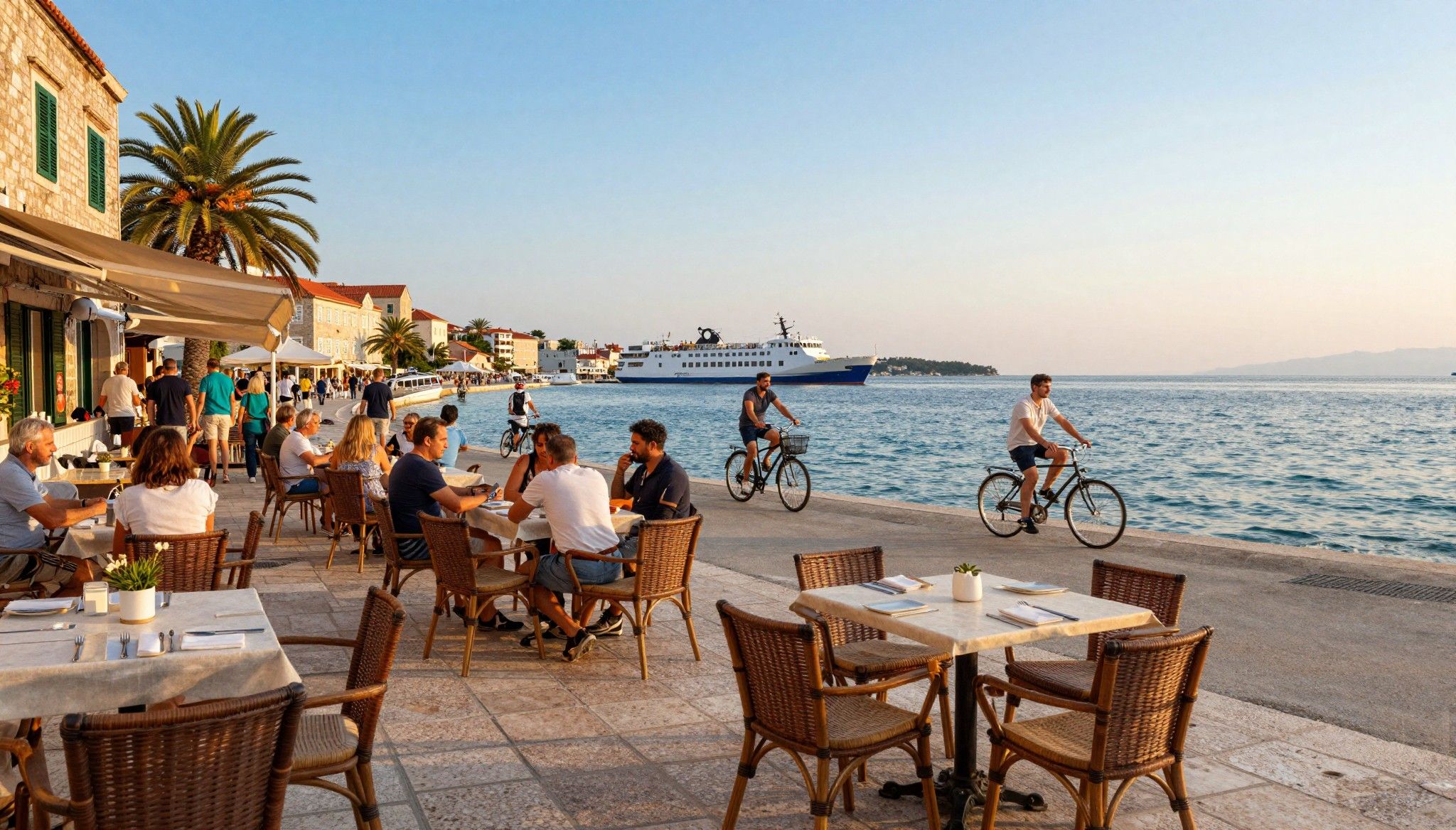
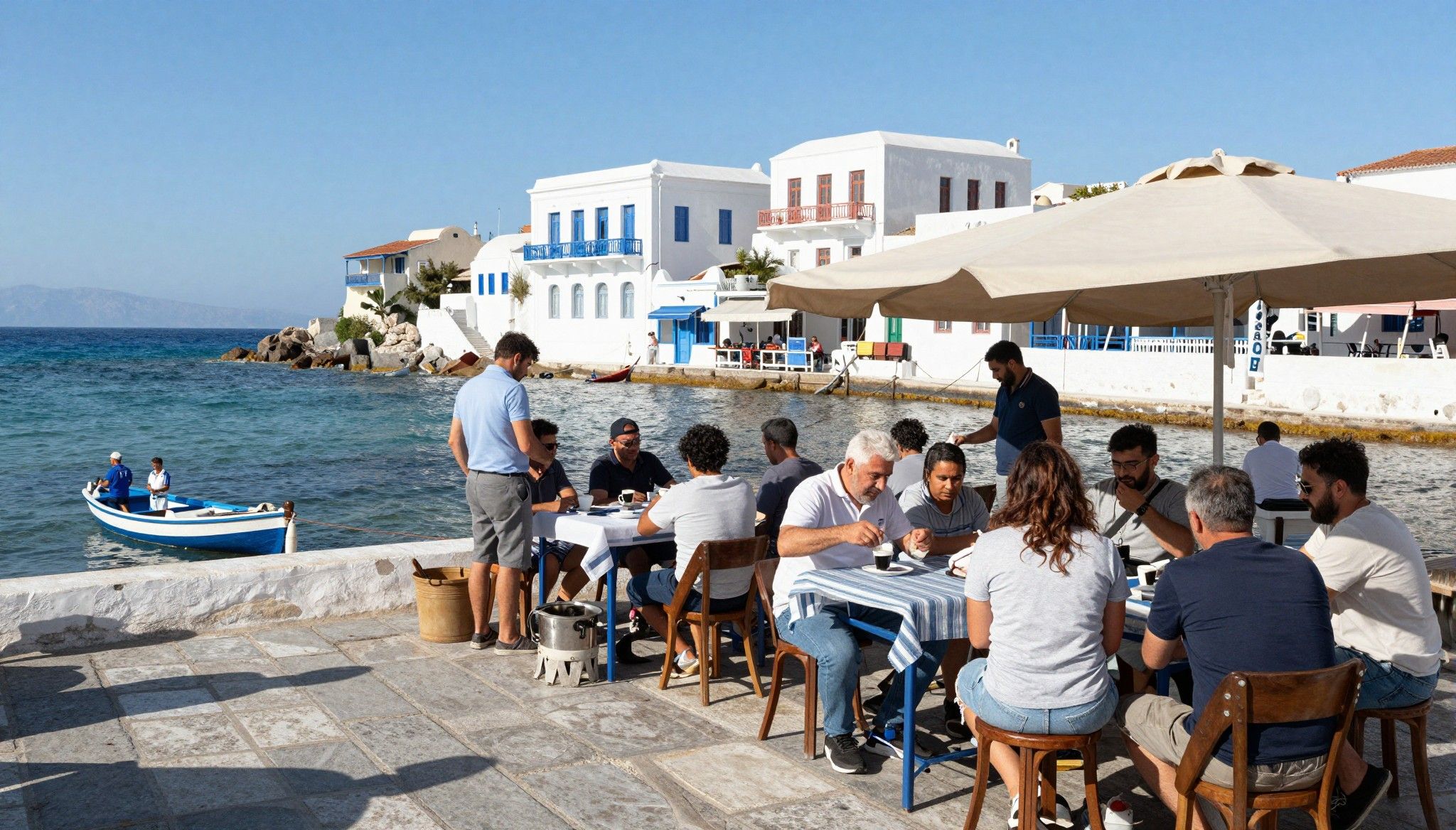
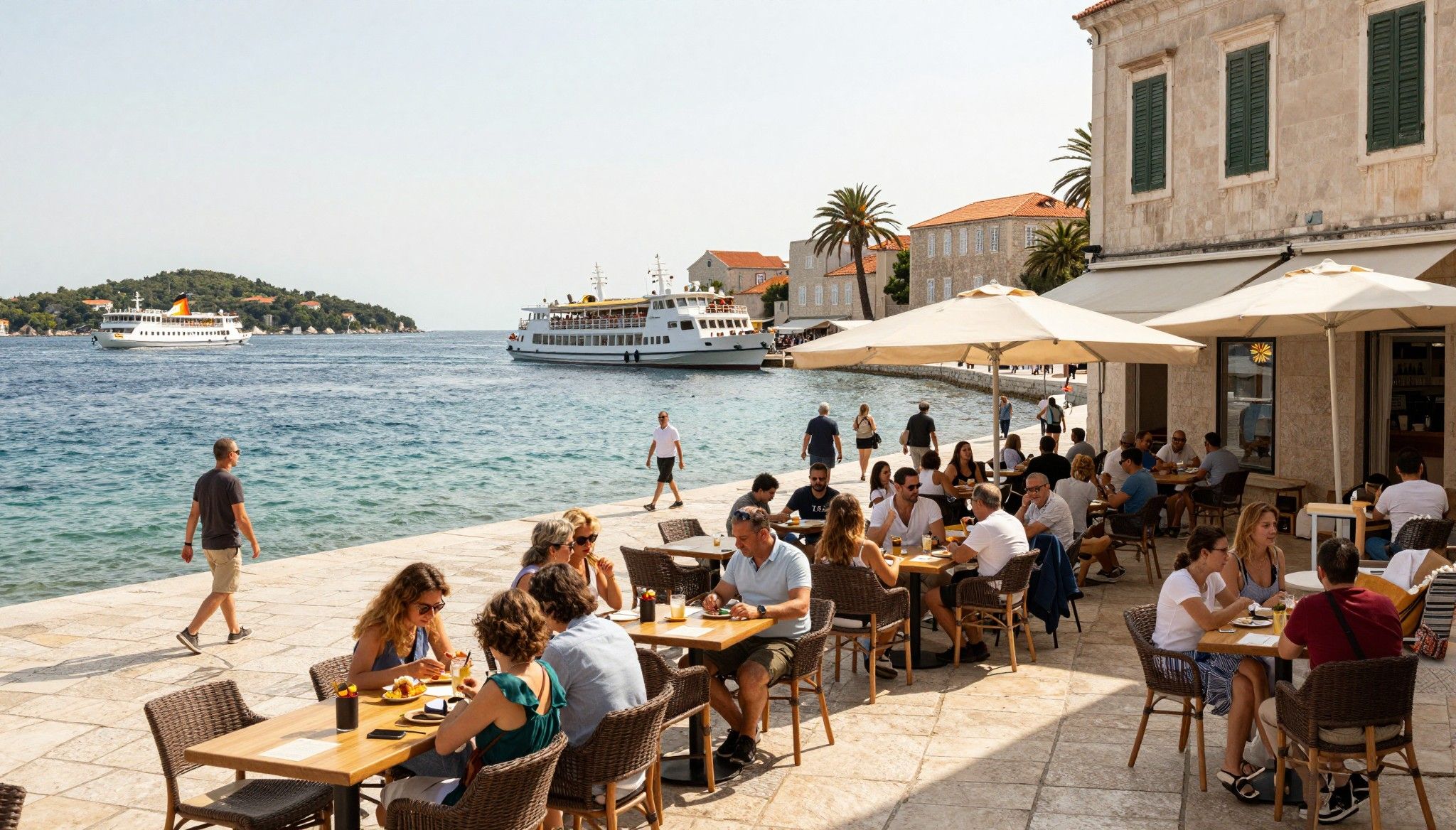
The Neighbourhood Foreign Buyers Dismiss — Where Value Lives
Look beyond headline resorts: Italy’s undervalued streets—real neighbourhoods with markets, cafés and local demand—often offer stronger lifestyle value and investment upside.
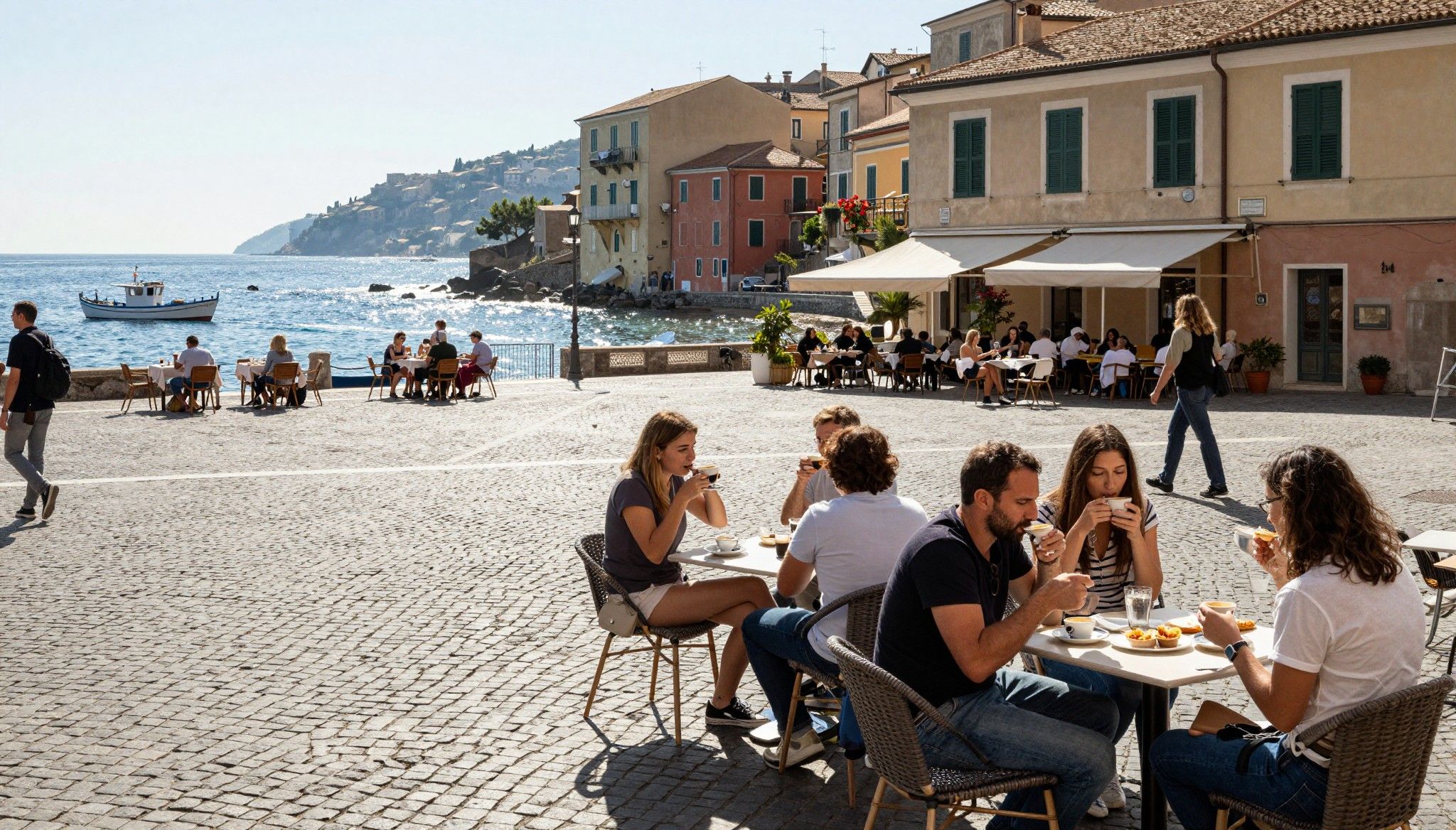
Imagine sipping an espresso on a shaded piazza in Liguria at 10:30 a.m., then driving 40 minutes to a quiet coastal lane where fishermen mend nets and the stone houses trade hands for less than a flashy sea‑view penthouse two towns over. That contrast—heritage streets that feel undervalued by international buyers—is where surprising opportunity lives in Italy. Recent market signals show recovery and pockets of rapid price change, but the best lifestyle buys often hide behind local names, not branded resorts.
Living the Italy lifestyle: more than postcard moments
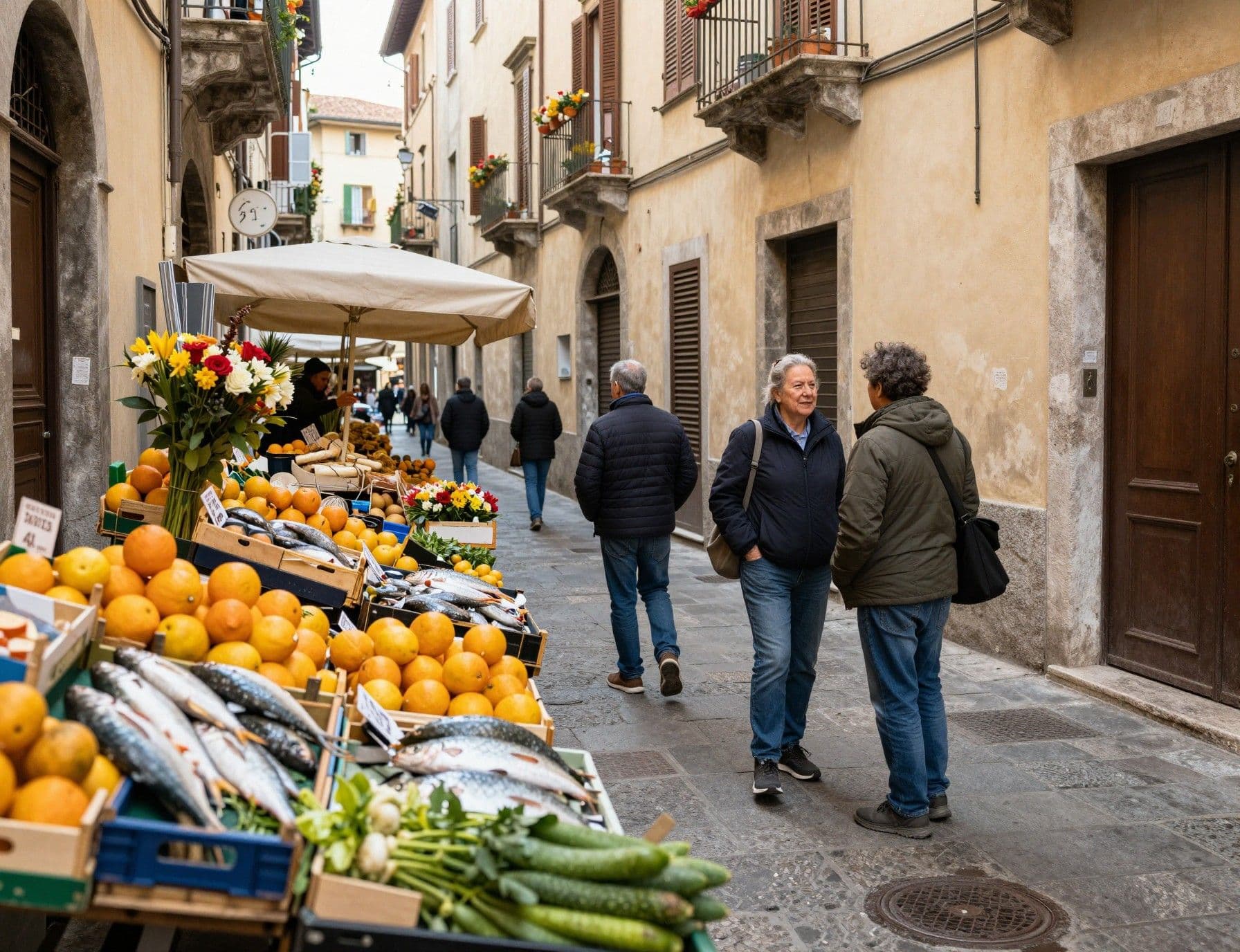
Italy is less a single lifestyle and more a atlas of daily rhythms: late morning markets in Palermo, slow aperitivos in Florence, beach volleyball and gelato on Ligurian promenades. The national house price index shows modest nationwide growth, but local flavour determines where you actually want to live—and where price momentum follows. Think narrow cobbled streets, café terraces, municipal parks and the small shops that make a neighbourhood feel like home.
Neighbourhoods that breathe: a few real streets to know
Walk the Via Garibaldi in Genoa's old town and you feel history underfoot; circle the Vigna district near Salerno for sea views without the Marbella price premium; explore San Frediano in Florence for artisanal cafés and a lived‑in vibe that foreign buyers often miss. These streets offer the sensory cues—morning markets, neighborhood bars, local bakeries—that shape daily life and long‑term value more than an Instagrammable panorama.
Food, markets and the week‑end ritual that anchor community
Markets—both food and property—are social places in Italy. Saturday markets are where you learn names, flavours and the rhythm of seasonality: truffles and chestnuts in autumn, citrus in winter along the Amalfi coast. Agents who specialise in neighbourhoods will show you not just square metres but social routings—where neighbours meet, where families sit, where new cafés open. Those cues matter: they indicate an area's resilience and rental appeal.
- Lifestyle highlights to scout on visits - Morning market stalls (look for regulars who return year after year) - Local caffès that fill with neighbours before 9am - Small parks and playgrounds that signal family life - Mid‑week osterias that stay busy after tourist season - Short walking distances from station to piazza (practical convenience) - Hidden beaches or rocky coves used by locals rather than beach clubs
Making the move: practical steps that keep lifestyle front and centre
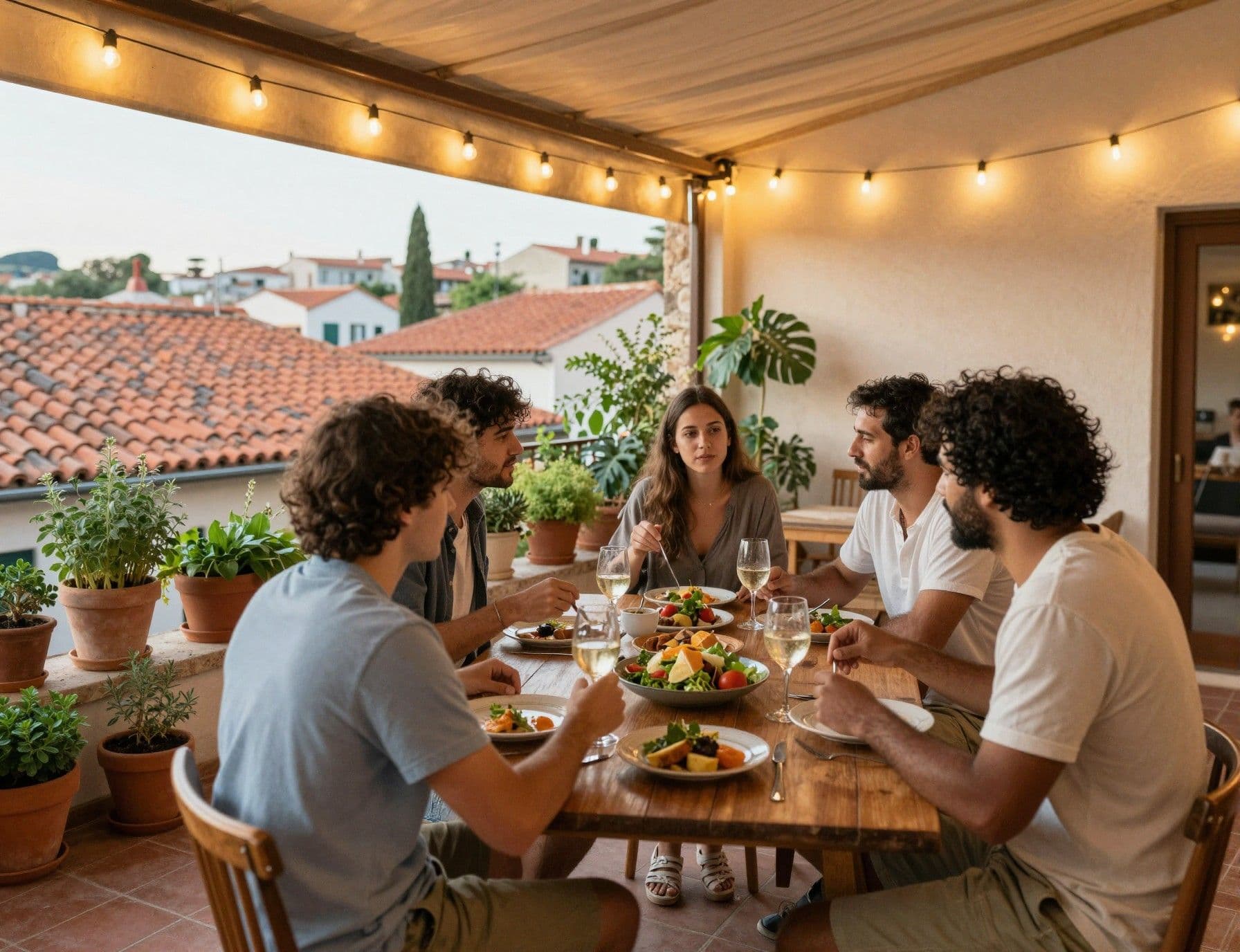
Dreams must meet process. Foreign buyers are welcomed in Italy but must navigate specific steps—get a Codice Fiscale, understand registration and potential VAT when buying new, and work with a notaio to close a sale. Using local experts who live in the districts you love keeps the search true to lifestyle rather than falling for marketed sea‑view clichés.
Property styles and how they shape daily life
- 1. Historic apartment on a narrow lane: less square footage, high walkability, strong short‑let potential if in tourist areas. 2. Seaside villa: indoor‑outdoor living, maintenance and insurance to budget for, best near local beaches used year‑round. 3. Countryside casa: renovation upside but check access and services—good for slow‑season living. 4. New build apartment: energy efficiency and warranties, sometimes taxed under VAT—better for long‑term buy‑to‑let.
Insider knowledge: what expats wish they'd known earlier
Buyers often assume high‑demand coastal strips are the only rational investment. Nomisma's recent analysis shows recovery is uneven—some provincial centres and overlooked coastal towns are seeing faster transactional growth than headline resorts. Local agents who specialise in those smaller pockets can alert you to off‑market opportunities and help separate seasonal buzz from structural demand.
Cultural cues that change where you buy
Learn simple phrases, adopt the market rhythms (shops close mid‑day, long lunches on Sundays) and prioritise neighbours over glossy concierge services. Where locals buy tells you which streets will keep value: if shopkeepers, teachers and public servants are moving in, the area has native demand beyond tourist seasons.
Long‑term living: climate, seasons and property adaptation
Consider micro‑climate: Liguria’s humidity affects stone façades; Tuscany’s summer heat favours shaded gardens and high‑insulation windows; Apulian homes prize terraces for evening life. National price trends matter, but climate and maintenance realities determine running costs and long‑term resaleability.
Conclusion: fall for the life, buy the street. Start with sensory scouting—markets, cafés, weekday noise levels—then bring in local specialists to verify titles, tax implications and any renovation constraints. If you prioritise lived experience over branded views, Italy rewards you with quieter value and a more sustainable everyday life. Ready to explore a neighbourhood that looks ordinary on the surface but offers extraordinary long‑term value? Ask a local agent to map the streets locals choose.
British investor turned advisor after buying in Costa del Sol since 2012. Specializes in cross-border compliance and data-driven investment strategies for UK buyers.