France: Buy the Life, Back It With Local Price Signals
France’s market is stabilising — buy where the lifestyle fits and use local data (Notaires, INSEE) to spot micro‑opportunities and avoid seasonal traps.
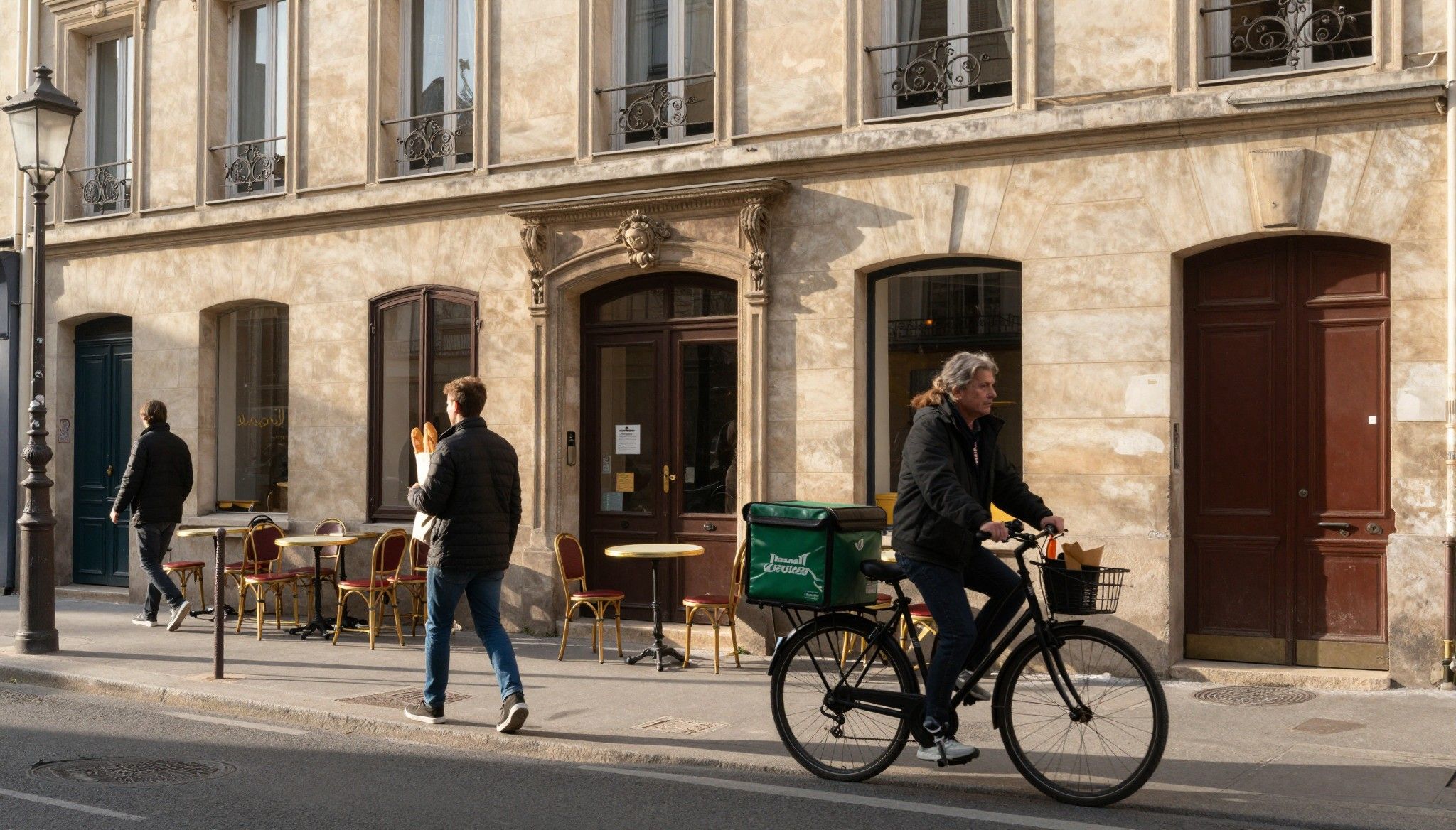
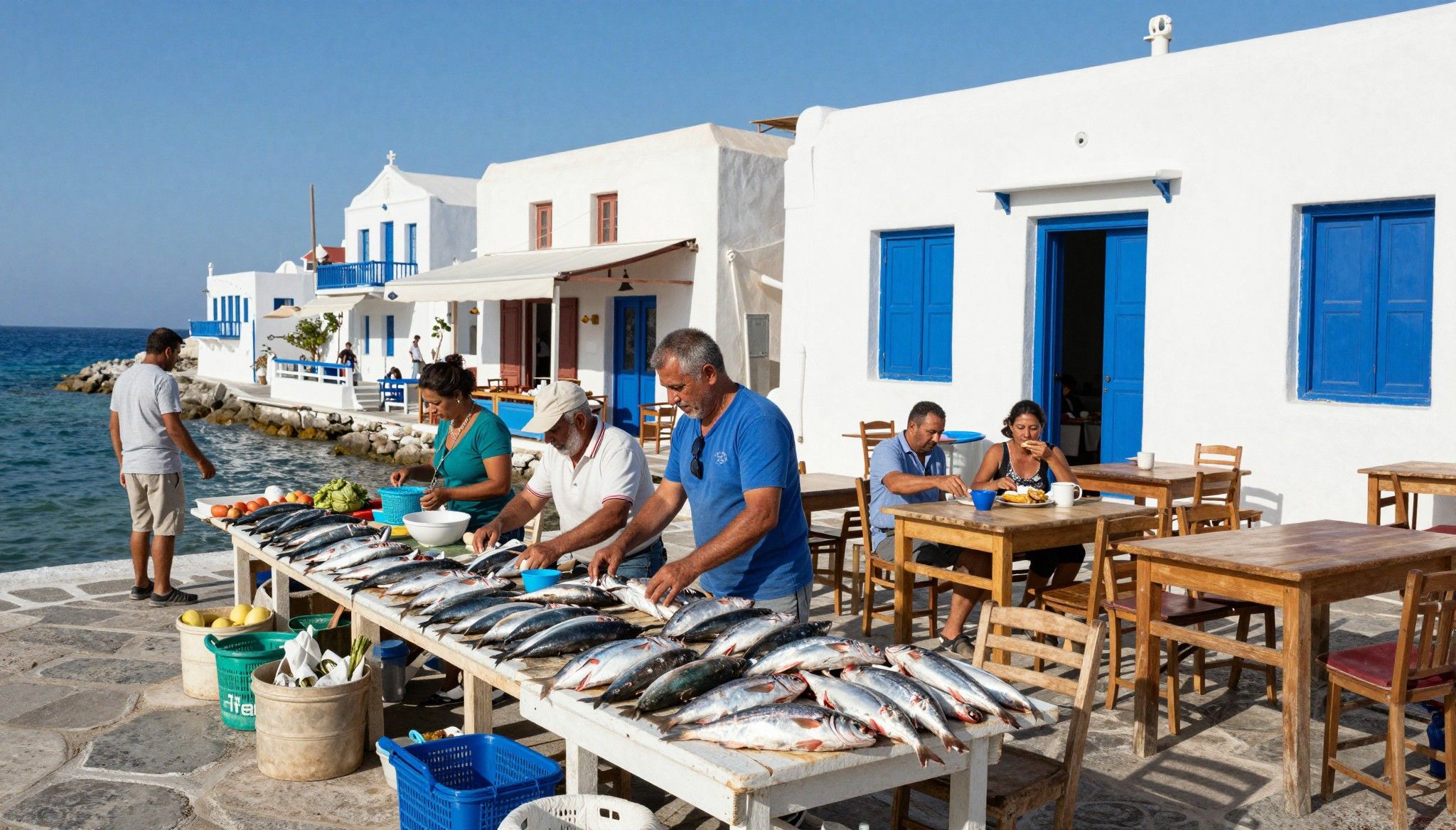
Imagine stepping out onto Rue Cler in Paris at 9am, the scent of fresh croissants mixing with newsstand chatter, or arriving at a calm pebble beach near Cassis where locals buy their fish at the pier. These everyday scenes are why buyers fall for France — and why price signals here deserve a closer, less emotional read. Recent market analysis shows a market moving from pause to selective momentum, meaning lifestyle choices and micro‑location matter as much as headline averages.
Living the French lifestyle: senses first, spreadsheets second
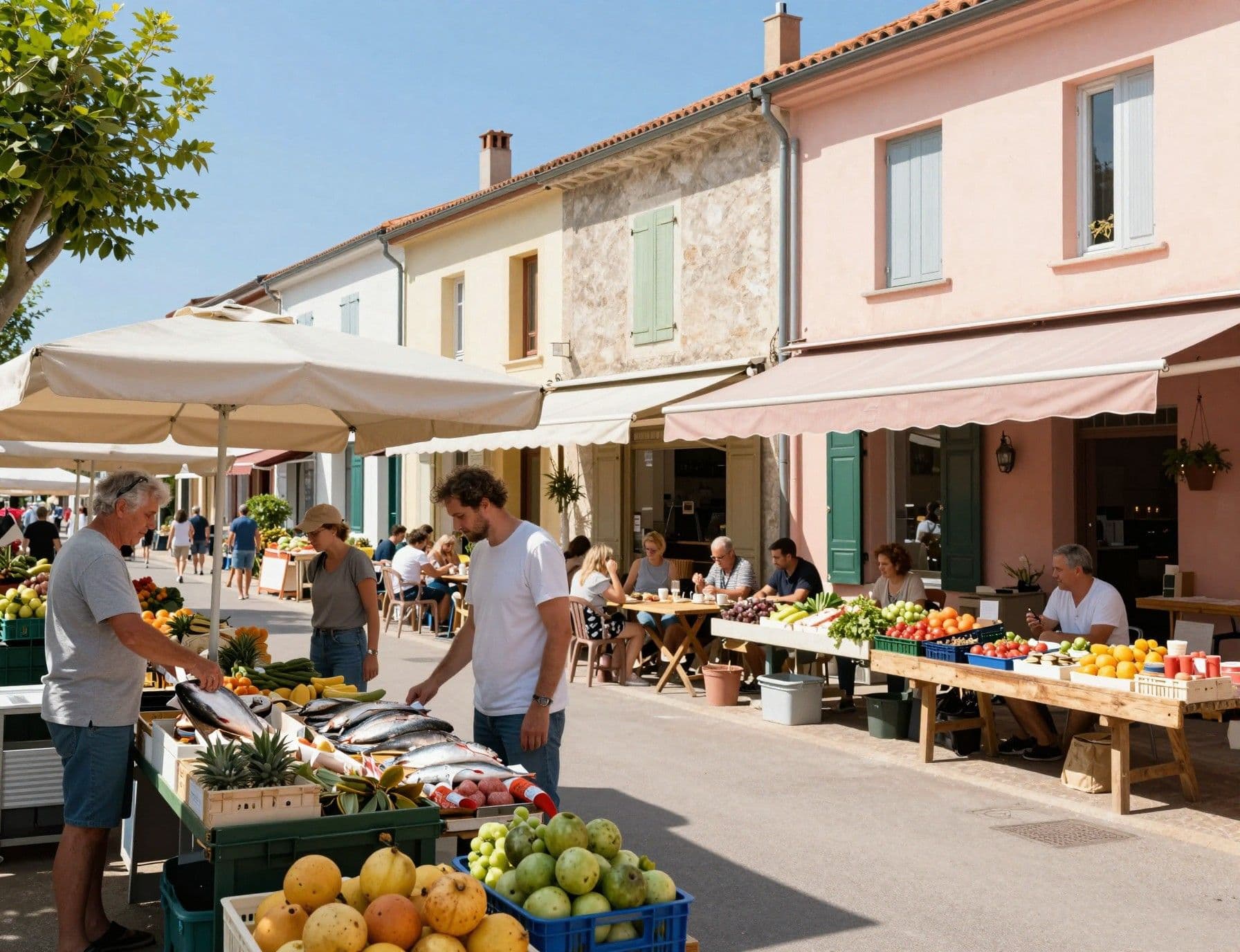
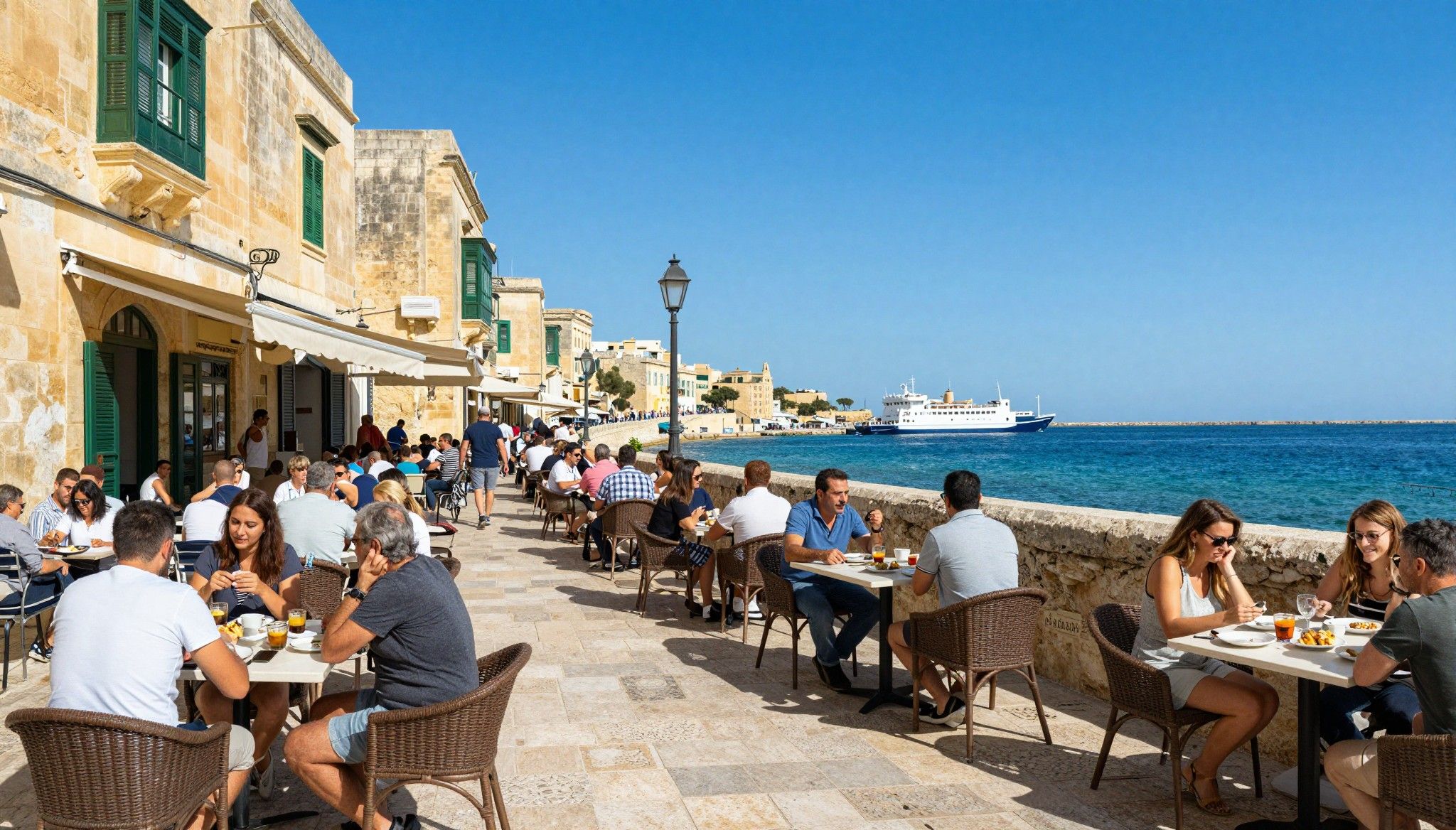
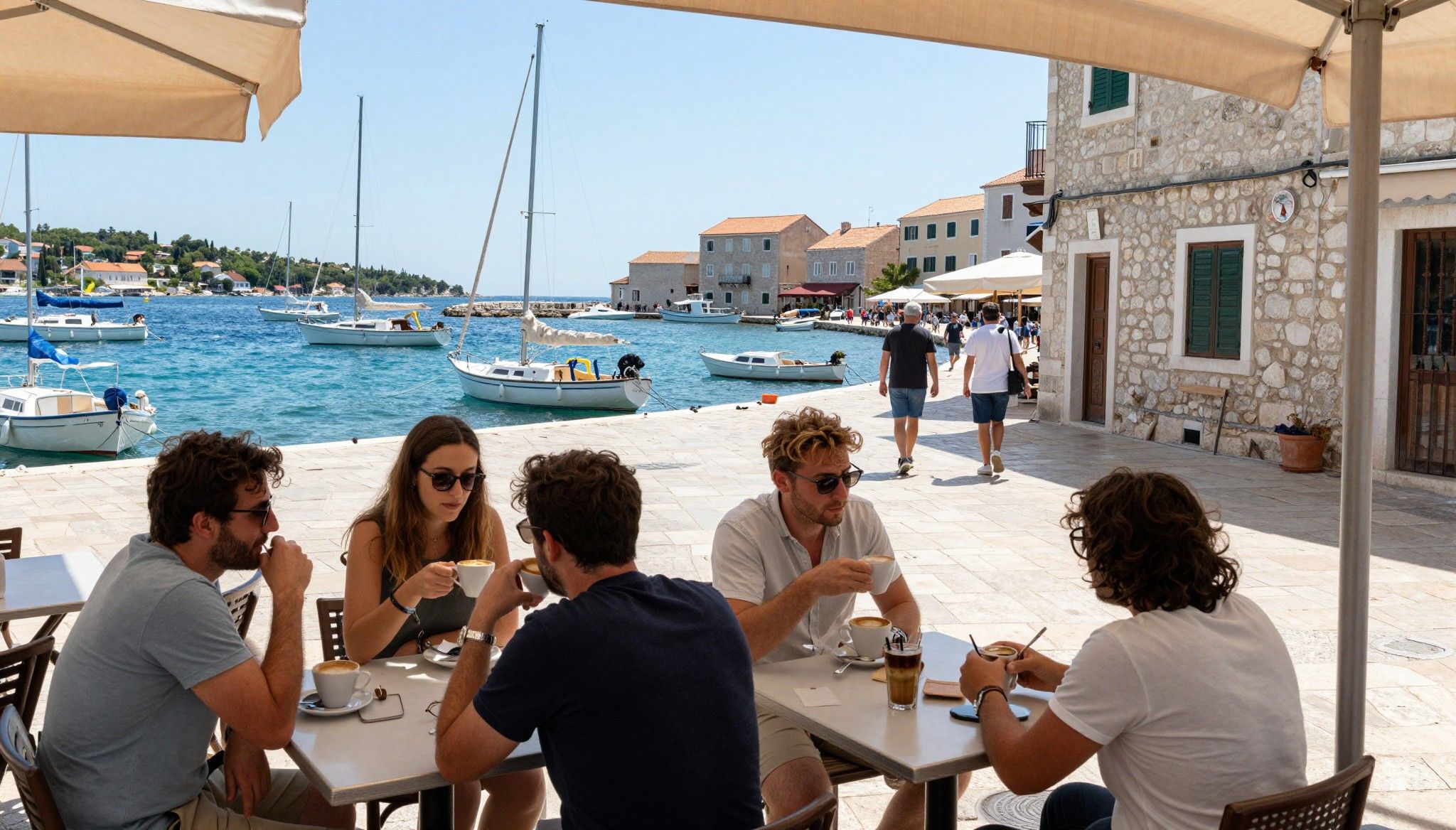
France trades in textures: stone facades, market crates, seaside promenades and winter alpine light. Your weekdays might be café‑lined and slow, your weekends devoted to open‑air markets, regional festivals or hikes above lavender fields. That rhythm shapes what you value in a home — a kitchen for long breakfasts, a small garden for potted herbs, or a compact Parisian flat close to a boulangerie.
Neighborhood spotlights: contrast between city, Riviera and provinces
Pick an arrondissement in Paris and life is cultural density: museums, cafés, and discreet courtyards. On the Côte d’Azur — Nice and Villefranche — mornings are for promenades and markets, afternoons for sea and restaurants. Move inland to places like Bordeaux or Nantes and you get riverfront renewal, growing tech hubs and neighbourhood cafés with lower entry prices than the capital.
Food, markets and routine: how taste shapes property choices
Where you shop matters. Living near Marché Forville in Cannes or Marché d’Aligre in Paris means easy social life and a small premium on square metre prices. For many internationals, proximity to weekly markets and a neighbourhood boulangerie trumps a larger terrace 20 minutes away — and that preference feeds into local price resilience.
- Lifestyle highlights: real places to taste the life
- Rue Cler (7th, Paris) – morning market cafés and classic Parisian life
- Cours Mirabeau, Aix‑en‑Provence – plane‑shadowed terraces and weekly markets
- Vieux‑Port, Marseille – fish market energy with stark price gaps between neighbourhoods
Making the move: where lifestyle meets market reality
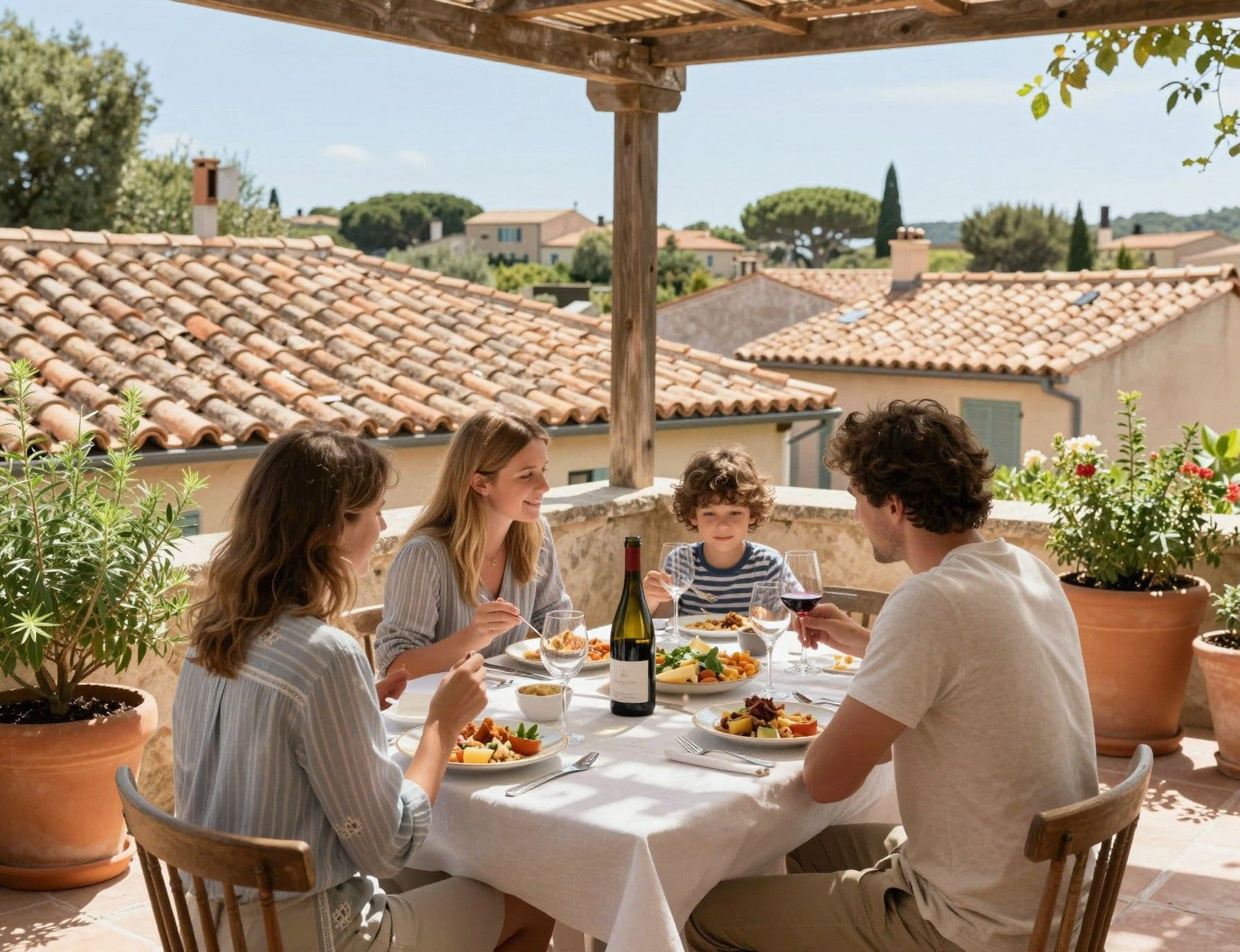
If the lifestyle draws you in, the data tells you where to look. National indices from Notaires de France and INSEE show a cautious stabilisation with pockets of growth: city apartments often lead the rebound while houses in desirable provinces have seen sharper year‑on‑year gains. That means your purchase strategy should be micro‑targeted — borough, street, aspect — not national averages.
Property styles and what they mean for daily life
A Parisian Haussmann flat gives walkability, light courtyards and resale liquidity but limited outdoor space. A Provençal village house gives garden life and seasonal tourism upside but can mean longer commutes. Alpine chalets trade year‑round rental potential for maintenance and stricter planning. Match the building type to lifestyle: do you want daily ritual or seasonal escape?
Working with local experts who know the lifestyle and the ledger
Choose agents who can translate lifestyle briefs into comparable sales and rental evidence. International buyers benefit most from agencies that combine neighbourhood knowledge with recent transaction data, so you spot micro‑trends — which street is heating up, which arrondissement has tightening supply — rather than chasing citywide headlines.
- Practical steps to align life and market data
- List your daily rituals (market mornings, commute time, outdoor time) and rank them — this filters neighbourhoods faster than price per m² alone.
- Ask an agent for three recent comparable sales on your preferred street and two comps in adjacent streets — look for direction, not single sale noise.
- Check seasonal occupancy (tourist vs year‑round residents) to understand rental rules and long‑term community stability — regulations vary by city.
Insider knowledge: myths, surprises and expat realities
Contrary to the 'France is unaffordable' myth, price movement is uneven: some coastal and western provincial towns outperformed in 2025–2026 while parts of Lyon and Nantes softened. For internationals this creates tactical opportunities — certain neighbourhoods that are overlooked by tourists but prized by locals can offer better long‑term value.
Cultural nuances that affect value and daily life
French buyers prize permanence: long tenancy rules, strong tenant protections, and a cultural preference for owning a main residence over speculative buying. That affects rental yield calculations and resale timing — properties that fit local life (long leases, family layouts) often outperform short‑term holiday lets in the medium term.
What expats say they wish they'd known
Expats commonly regret underestimating seasonality and community pace: a summer‑full Côte d’Azur can feel deserted in November; a mountain chalet can be quiet outside ski season. Factor seasonality into both lifestyle and cashflow plans, and prioritise neighbourhoods that support year‑round life if permanence matters.
- Red flags to watch for (local, not headline)
- High short‑term rental density in central neighbourhoods — may lead to future restrictions and weaker communities.
- Streets where supply is dominated by second homes — look for empty periods outside peak season.
- Properties with complex co‑ownership (copropriété) issues — reserve funds, pending works and rules affect future costs.
Deciding when to act: the market is stabilising but local momentum matters. INSEE and notarial indices show modest national growth and pockets of strength in 2025–early 2026, so smart buyers prioritise micro‑trends and lifestyle fit over trying to time a single national peak.
If you love daily market mornings, identify streets with morning traders; if you crave sea access, quantify walking time versus premium paid. Combine that qualitative brief with three months of transaction evidence from a local notaire or reputable agency before making an offer.
Conclusion: buy the life, back it with data. France rewards buyers who prioritise lived experience and use local market evidence to temper emotion. Partner with an advisor who can show recent comparable sales, explain seasonal community dynamics and surface neighbourhood red flags — that approach turns love at first sight into a sound investment.
Danish relocation specialist who has lived in Barcelona since 2016. Helps families move abroad with onboarding, schooling, and local services.