Why Malta Feels Expensive — And Where Value Hides
Malta’s headline prices hide micro‑markets and lifestyle opportunities; match mornings, streets and residency rules to find value where others only see premium.
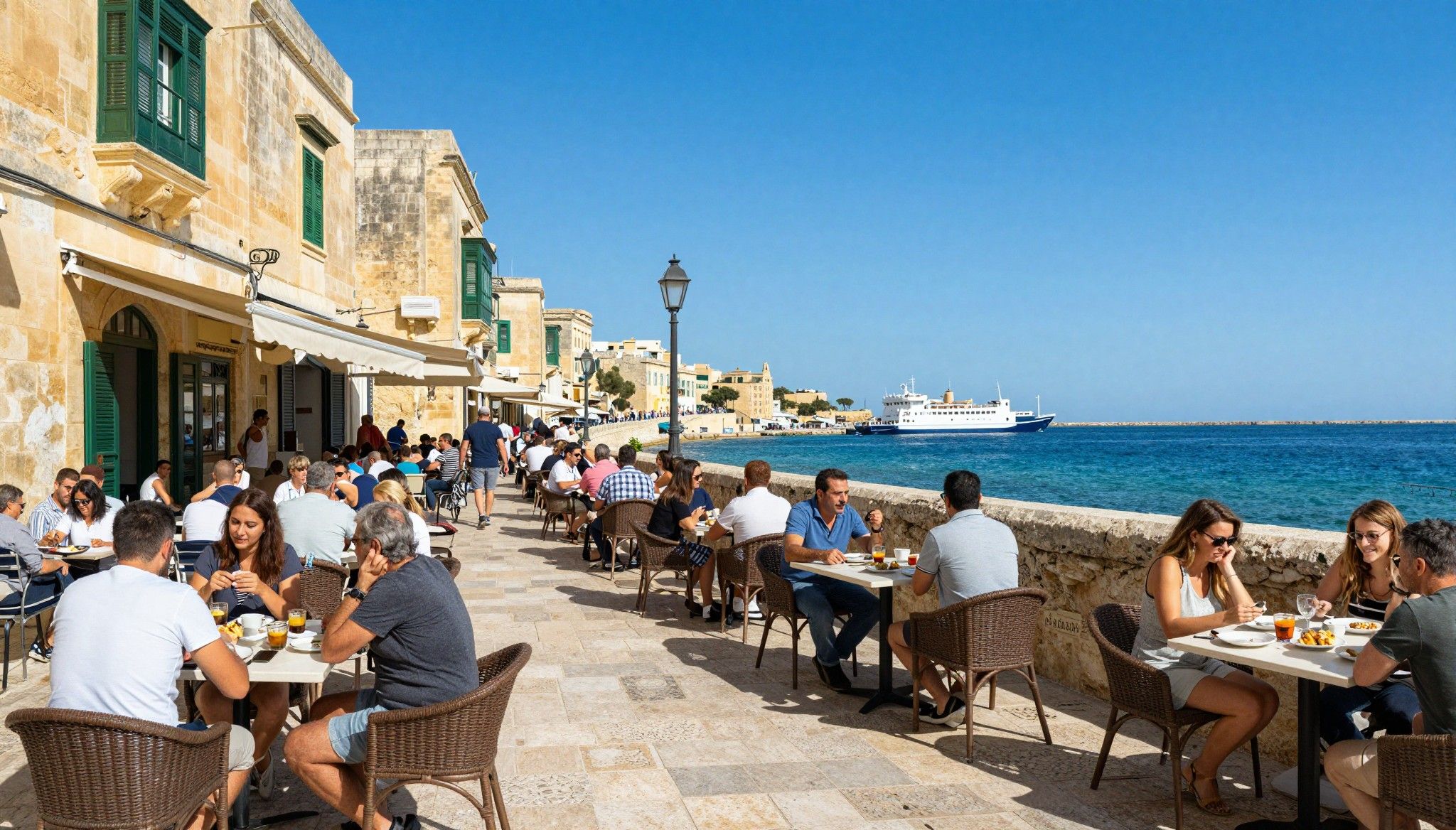
Imagine stepping off the ferry into Valletta at 8am: the smell of baking ftira, trams of light on limestone façades, cafés already filling with people speaking a stitched English‑Maltese. Malta is compact—distances you imagine as long are measured in short drives or brisk walks—and that compression is the island’s secret: culture, coast and commerce layered tightly together. For international buyers the immediate impression is often “it’s expensive,” but that view misses how lifestyle, programme rules and micro‑locations create pockets of real value. Below I show where the premium is real, where it’s perception, and practical moves that let you have the sea‑side life without overpaying.
Living the Malta lifestyle
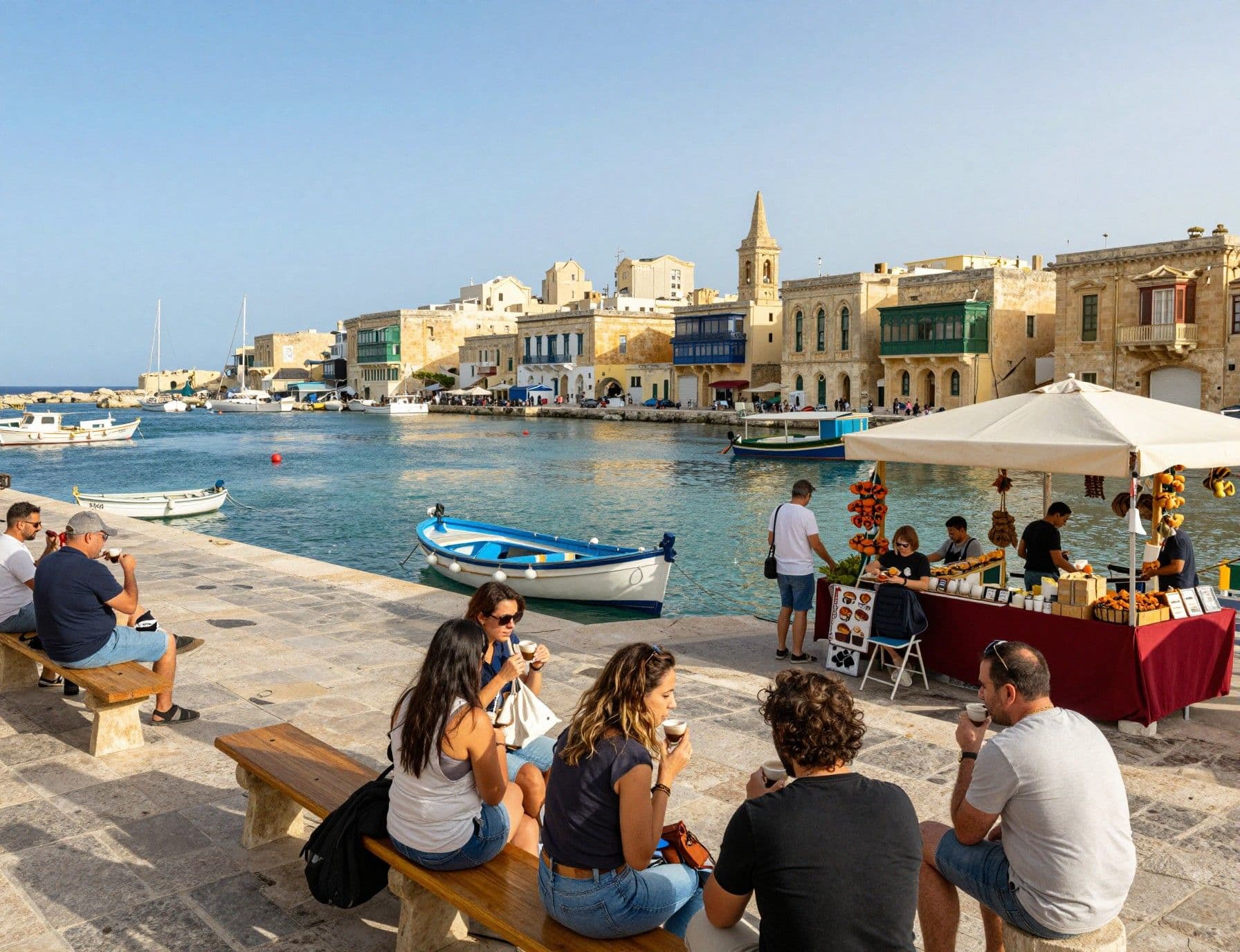
Malta’s daily rhythms are tactile and social: morning markets, late lunches that stretch into siestas, and evenings that migrate from harbour promenades to neighbourhood bars. Valletta hums with a quieter, museum‑town rhythm; Sliema and St Julian’s pulse with cafés, seaside promenades and an international service economy. On weekends locals head for small‑boat bays, the cliffs at Dingli, or the quieter pace of Gozo—each outing defines where people want to live and what they’ll pay for.
Valletta, Sliema, St Julian’s: three different mornings
Valletta rewards slow living: narrow streets, hidden cafés, chamber concerts and a strong sense of history beneath your feet. Cross the harbour and Sliema gives you sea‑front promenades, high‑street shopping and a dense apartment market that commands top prices. St Julian’s (and nearby Paceville) turns up the volume: restaurants, work hubs and nightlife that suit younger expats and short‑term renters. Each area offers a distinct morning—the place you want to wake up in maps directly to the property type you should target.
Food, markets and small rituals
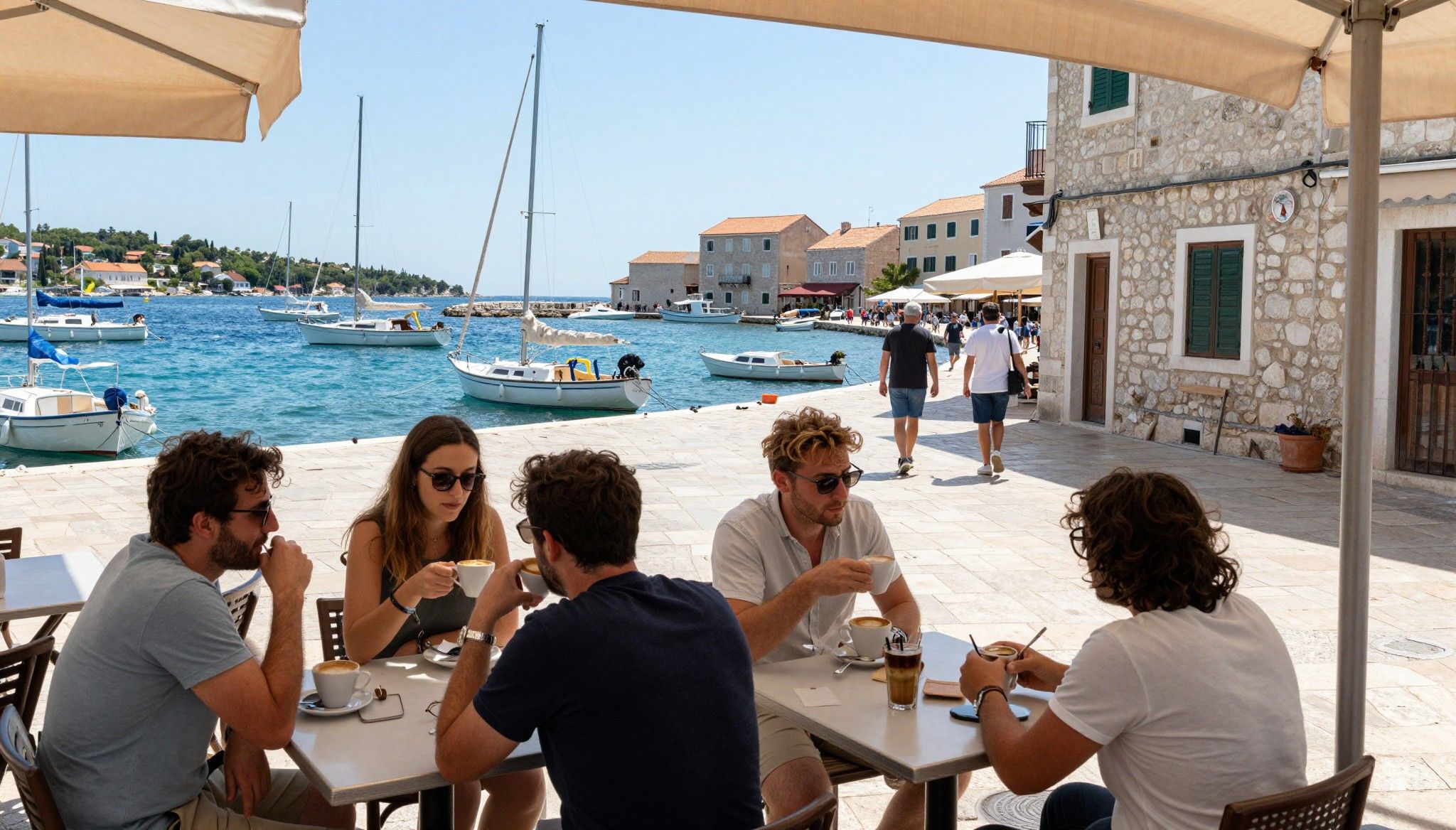
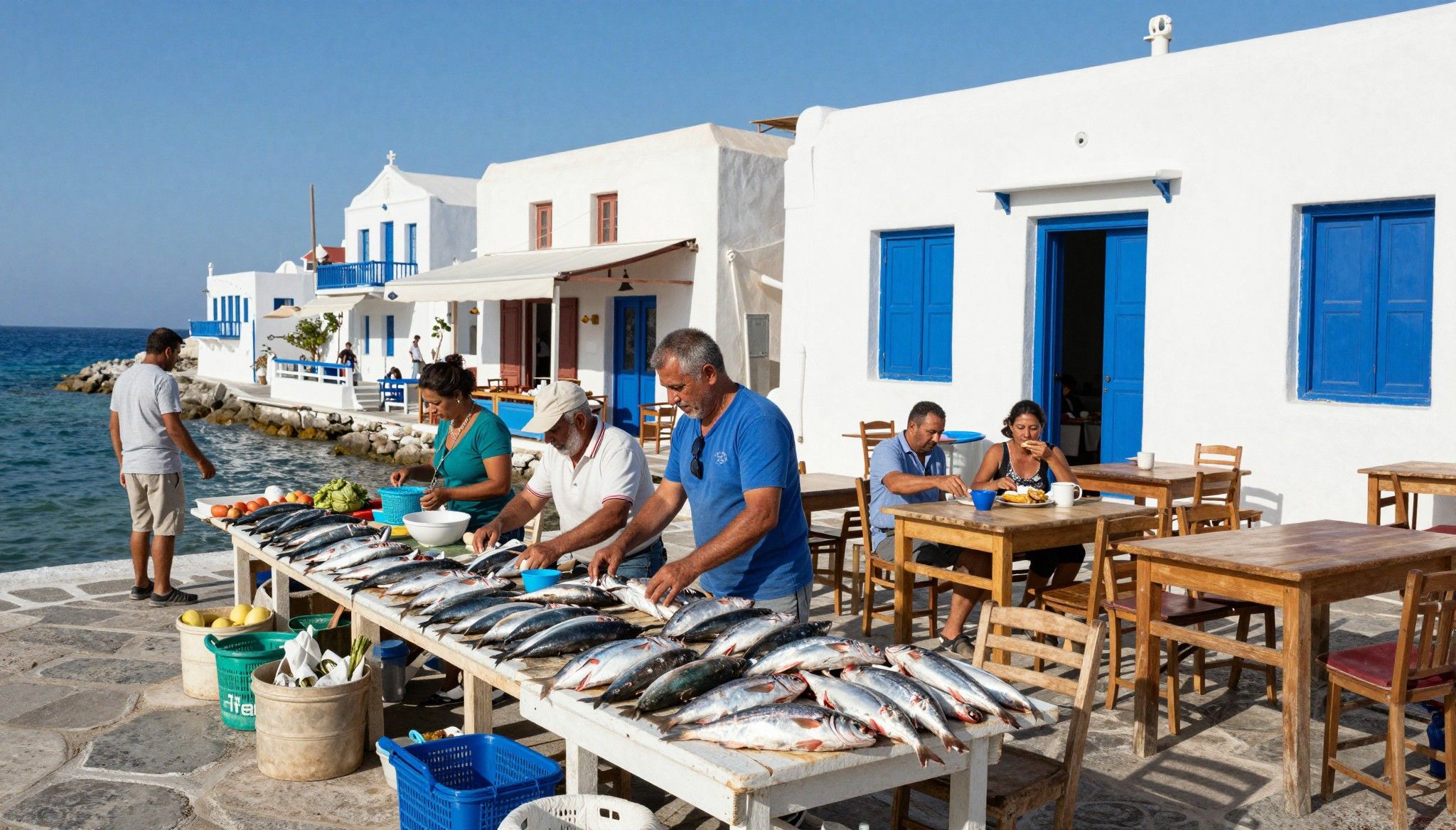
Breakfast on a terrace means espresso and pastizzi from a corner bakery; Sundays are for fish markets and long lunches in Marsaxlokk. The Three Cities (Birgu, Senglea, Cospicua) feel more local—fishermen, narrow alleys and lower headline prices—appealing to buyers who prize authenticity over promenade life. These rituals shape where communities gather and which blocks stay lively year‑round, an important signal for buyers seeking both lifestyle and steady occupancy.
- Lifestyle highlights: - Balluta Bay promenade for morning walks and café life - Marsaxlokk fish market and waterfront restaurants - Dingli Cliffs and Golden Bay for weekend escapes - Mdina’s quiet evenings and historic neighbourhood charm - Paceville/St Julian’s nightlife and serviced apartments
Making the move: practical considerations
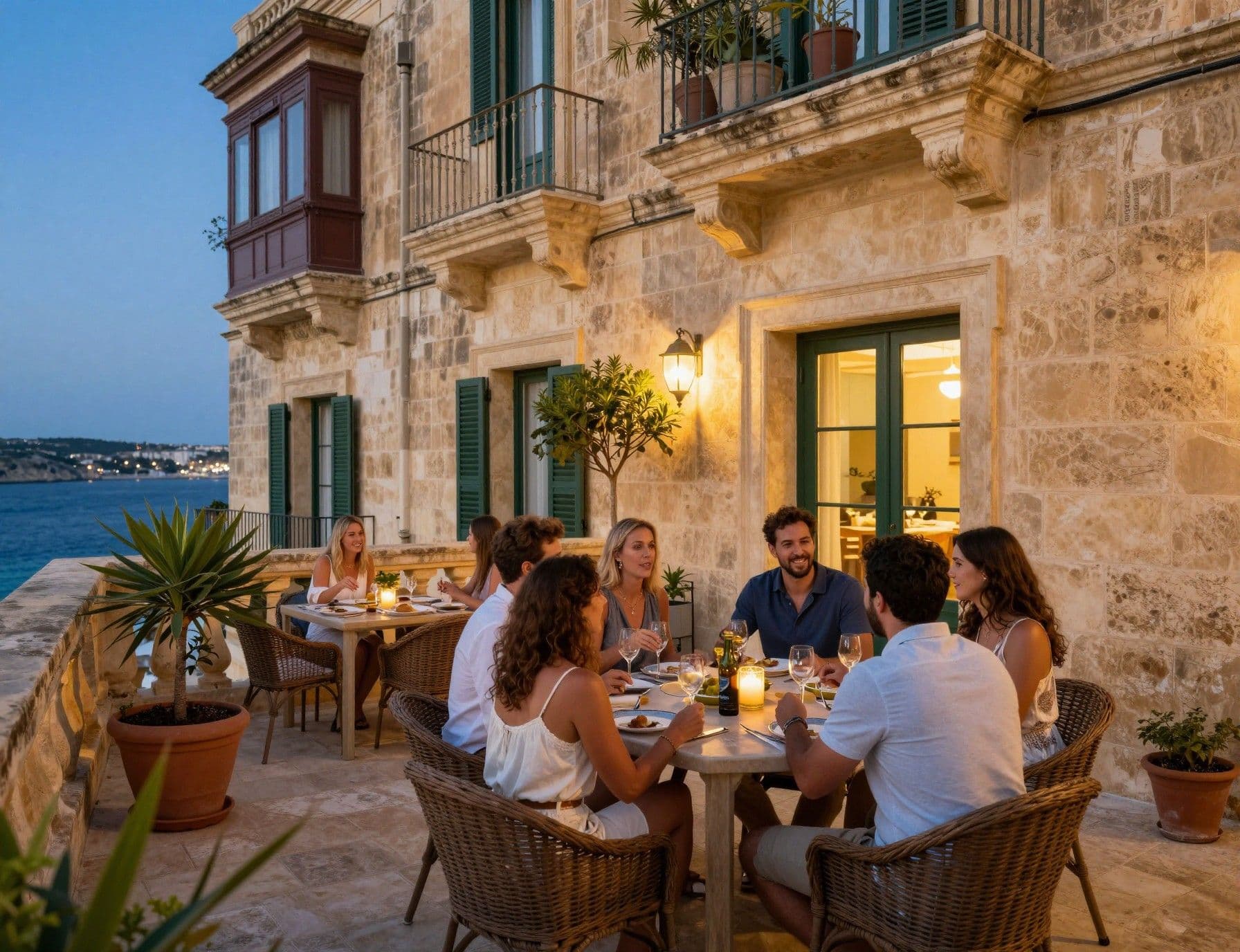
The life you want in Malta—harbour mornings, short commutes, Mediterranean weekends—must be matched with the market realities. Malta has recorded sustained price growth in recent years, driven by tourism, limited land and programmes linking property to residence. But national averages hide variation: central waterfronts have premium scarcity while inland and Gozo offer better price per square metre. Treat market headlines as a starting point; your job is to translate lifestyle priorities into micro‑location strategy.
Property styles and how you'll live in them
You’ll find converted townhouses in Valletta, modern podium apartments in Sliema and purpose‑built blocks around St Julian’s aimed at rental yields. A penthouse with a terrace suits buyers who prioritise outdoor living and entertaining; a courtyard house fits someone after quiet, community streets. Understand the lived tradeoffs: terraces and shutters matter if you love al fresco life; lift access and parking matter if you plan to host family often.
Working with local experts who know the lifestyle
In Malta, agents and lawyers often double as lifestyle advisers: they know which streets quiet down in winter, where neighbours accept short‑lets, and which developments meet residency programme criteria. For buyers pursuing the Malta Permanent Residence Programme or Global Residence options, a realtor who understands qualifying property thresholds, rental rules and local planning nuances is essential. Ask agents for neighbourhood day‑in‑the‑life walkthroughs, not just floorplans.
- Practical move checklist: 1. Match your morning preference (harbour, prom, quiet alley) to three target streets and view at different times. 2. Verify programme eligibility early—rental vs purchase rules affect price tiers. 3. Check recent comparable sales in the block, not just the area average. 4. Confirm local services (medical, schools, groceries) within a 10–20 minute walk. 5. Budget for renovation and limestone maintenance; historical façades need care.
Insider knowledge: what expats wish they'd known
Expat networks are strong in Sliema and St Julian’s, but integration takes work: the Maltese prize relationships and small favours, so investing time in local cafés and clubs pays cultural dividends. Many buyers underestimate maintenance on older limestone buildings and the seasonal surge in short‑term demand that can make a street feel crowded in summer and sleepy in winter. The smart buyer plans for both the lively high season and the calm months that define long‑term livability.
Language, community and making friends
English is an official language, which flattens the learning curve for many internationals. Still, learning a few Maltese phrases and joining local associations—boat clubs, church groups, or volunteer festivals—changes how neighbours see you. For buyers with families, proximity to the University of Malta or international schools (and local playgrounds) will shape resale appeal as much as immediate comfort.
Long‑term lifestyle and investment signals
Malta’s constrained land supply and steady tourism demand support long‑term price resilience, but buyers should prefer streets with year‑round amenities over headline waterfronts that spike seasonally. Look for areas where new construction meets strong local services—those are the streets that retain value when short‑term tourism softens. Think of the island as a set of lifestyle micro‑markets rather than one homogeneous property arena.
- Red flags and practical checks: - Buildings without recent structural reports in limestone zones - Offers that hinge on tourist revenue without conservative occupancy modeling - Properties tied to residency programmes without official confirmation - Streets with declining daytime activity (sign of aging local population)
If Malta’s compactness appeals to you—the short commutes, the layered history, the café culture—then match that dream to a careful micro‑location strategy. Begin with three neighbourhoods that suit your daily life, commission a structural report, and clarify residency rules before making an offer. A local agency that frames properties by lifestyle (morning, afternoon, evening) rather than just by square metres will save you time and money. When you land on the right street, Malta stops feeling expensive and starts feeling like home.
British investor turned advisor after buying in Costa del Sol since 2012. Specializes in cross-border compliance and data-driven investment strategies for UK buyers.